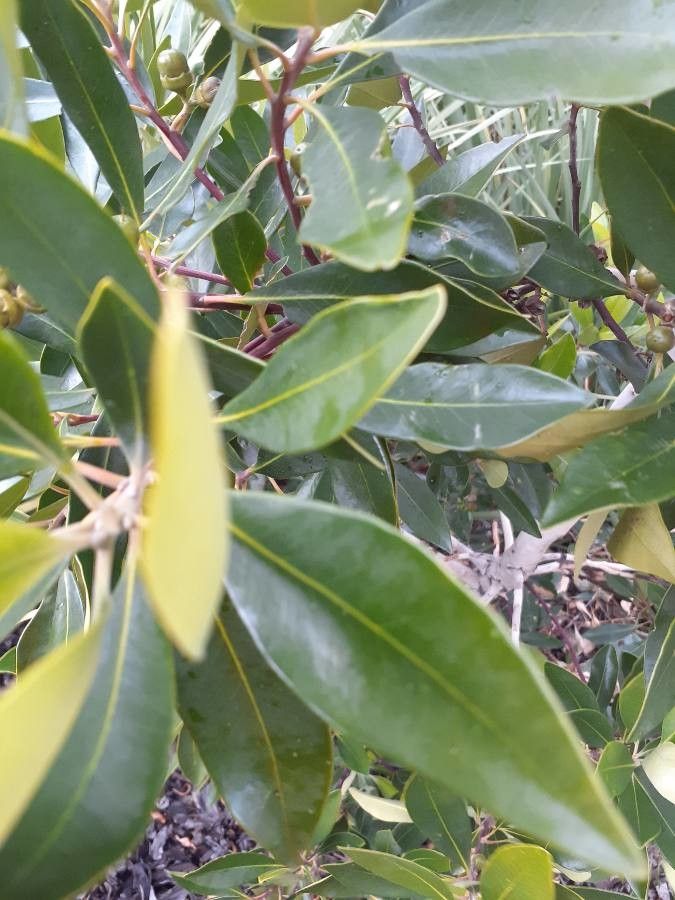
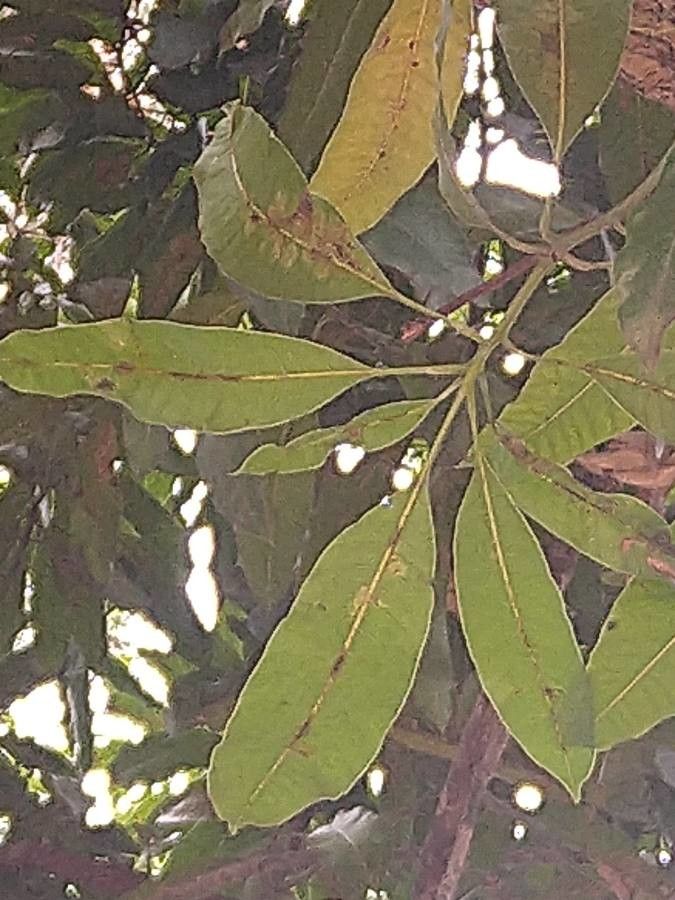
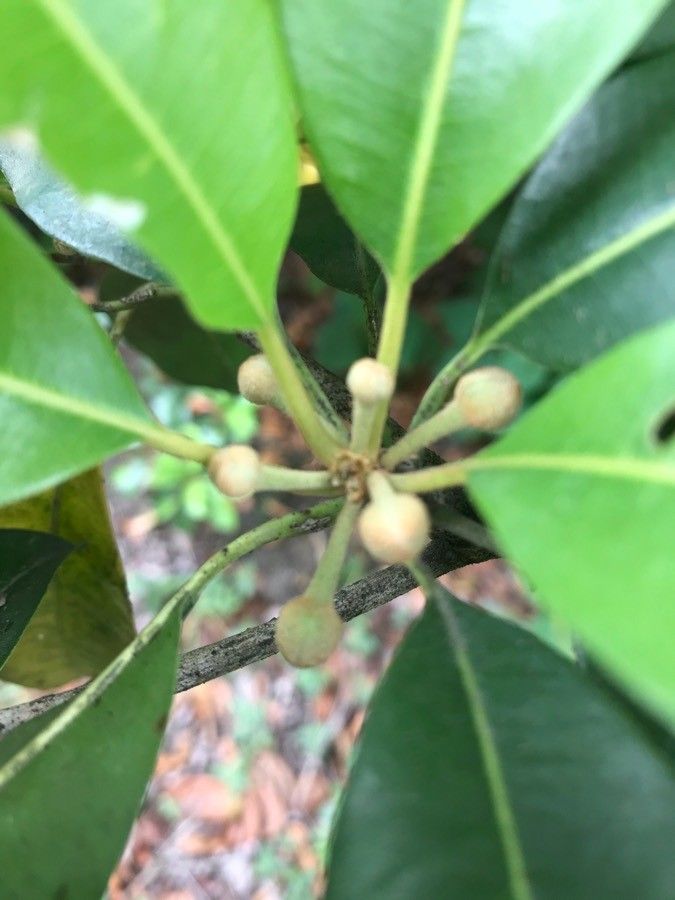
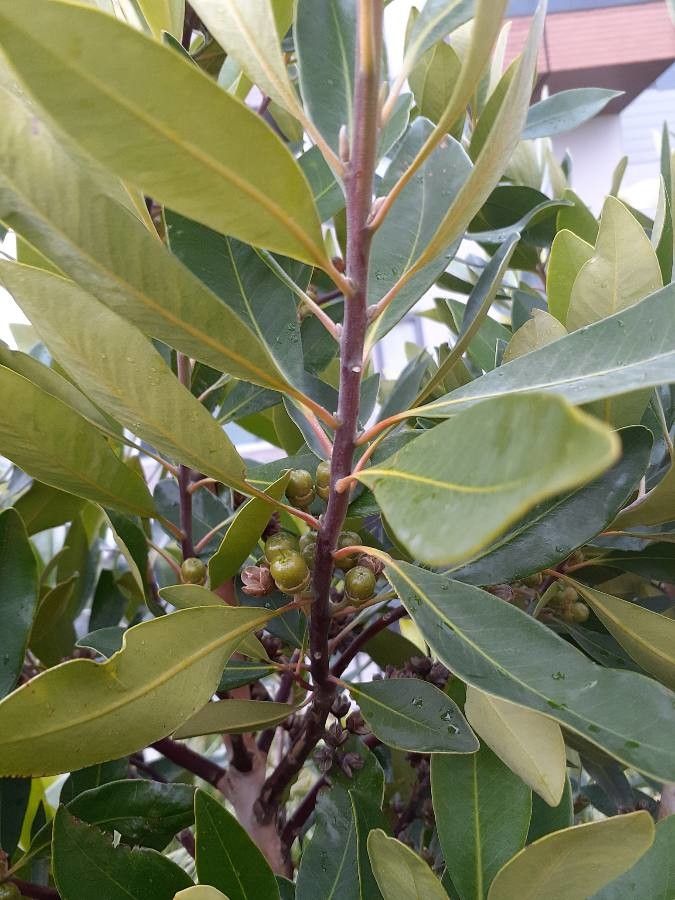
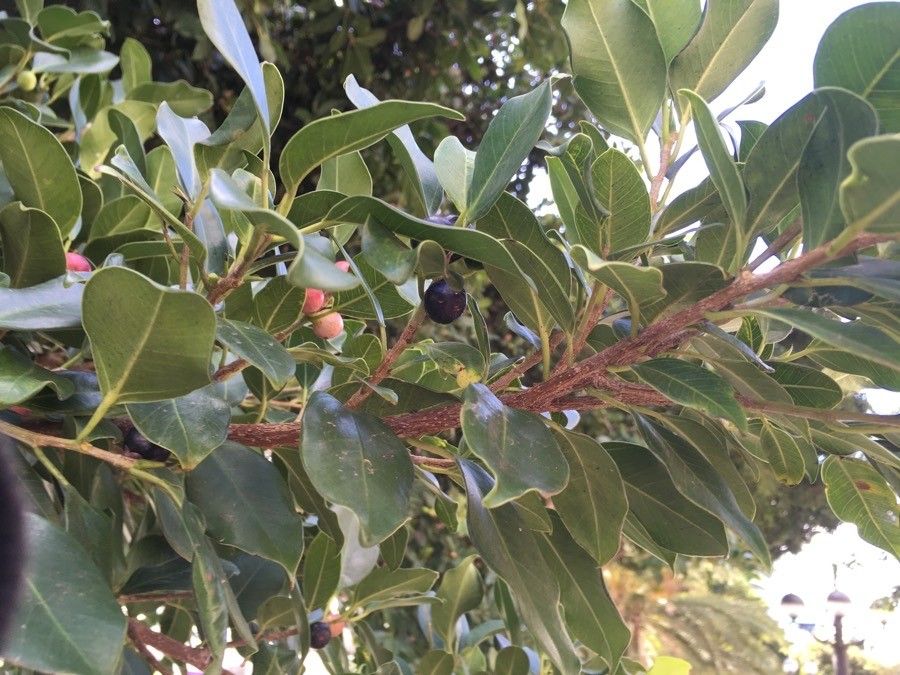
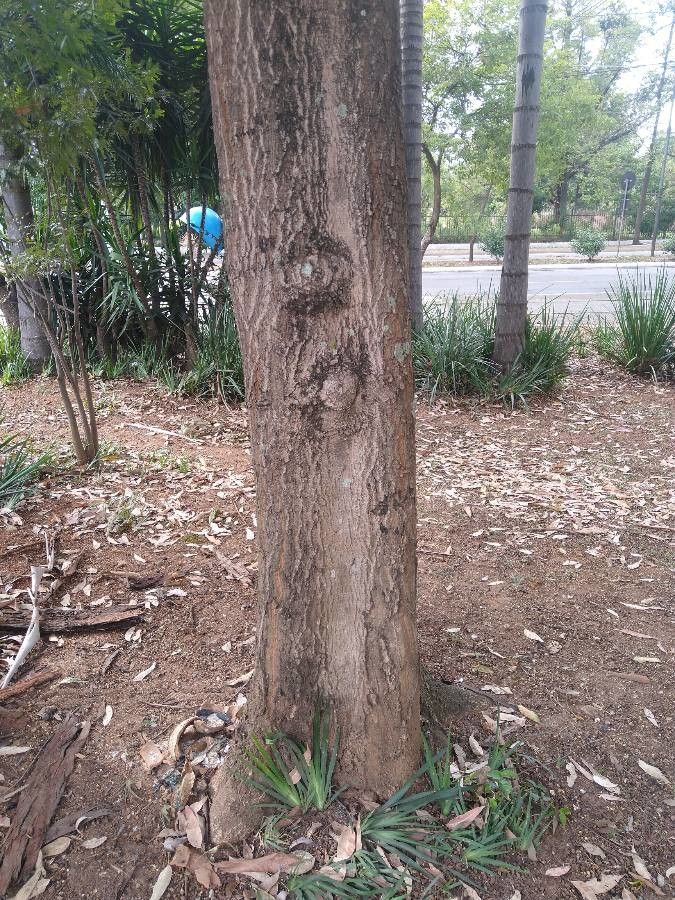
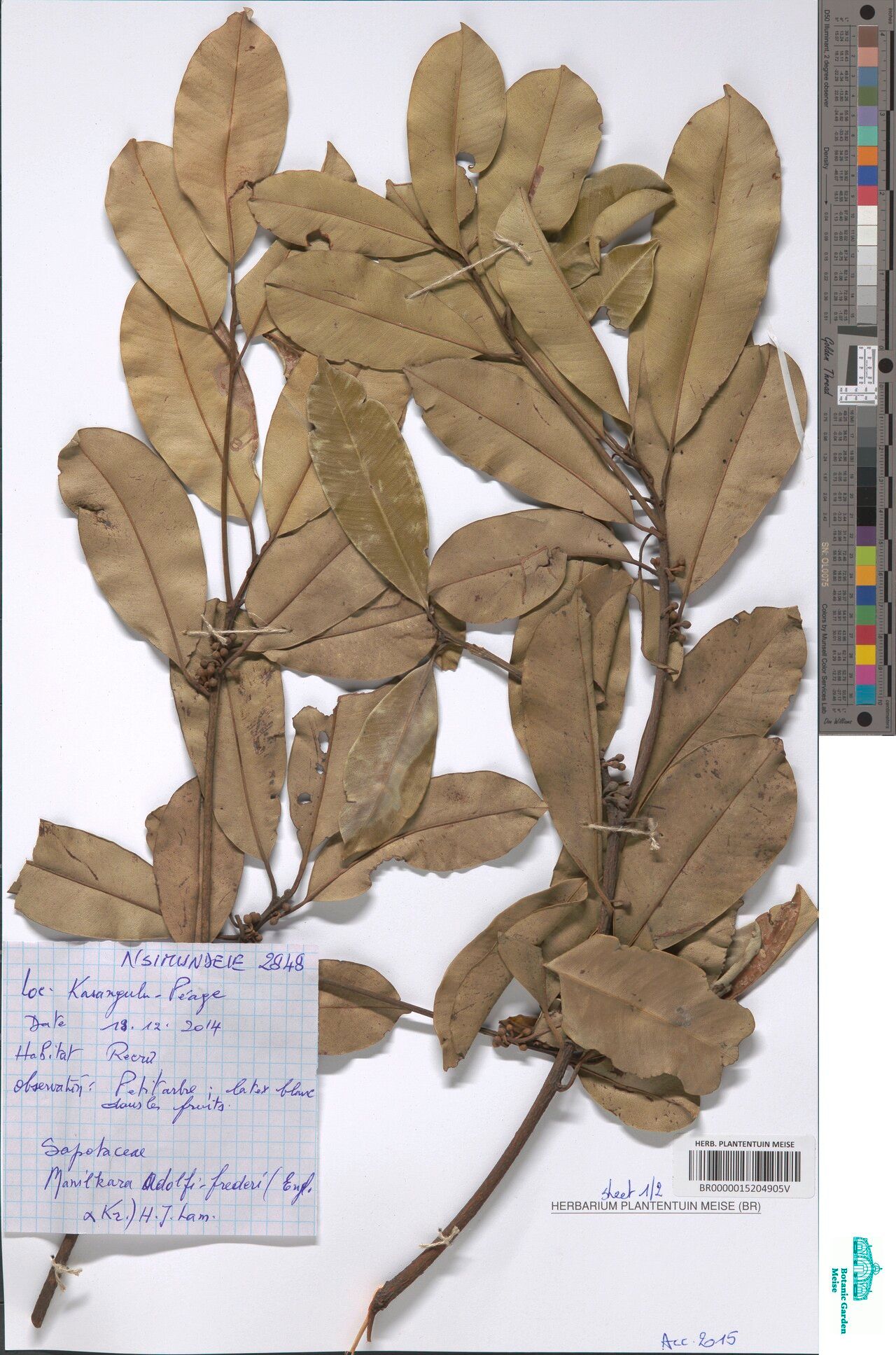
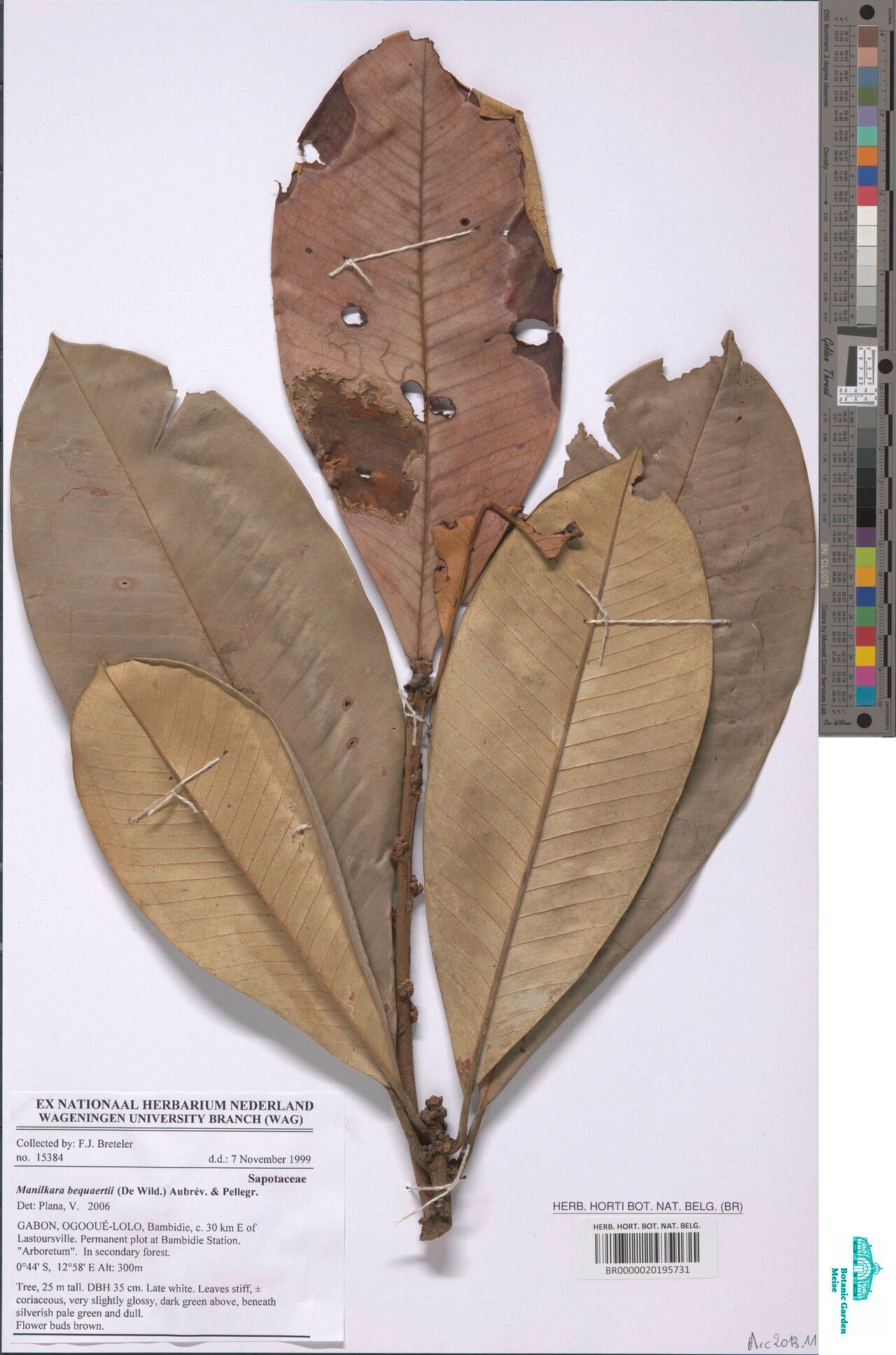
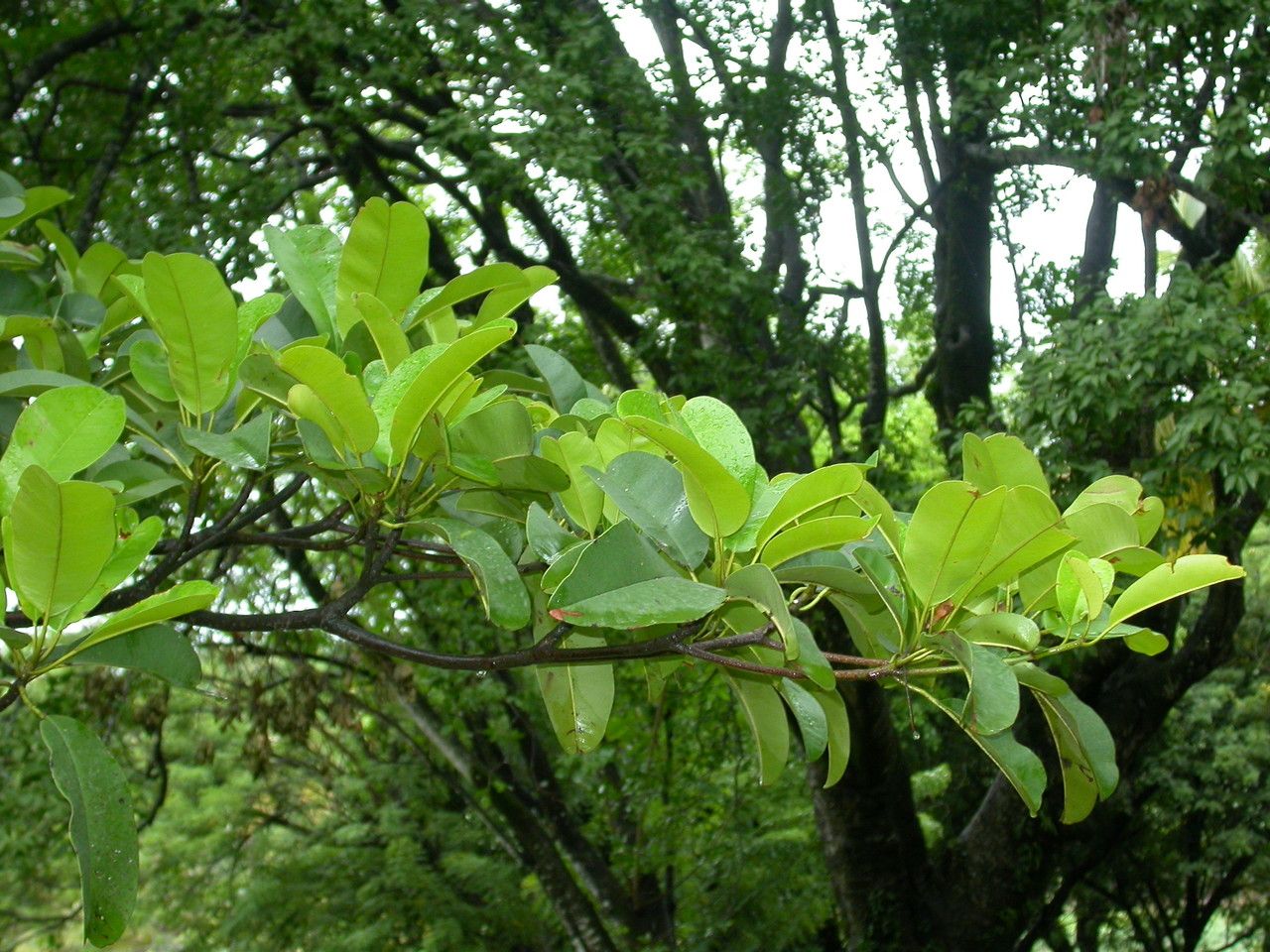
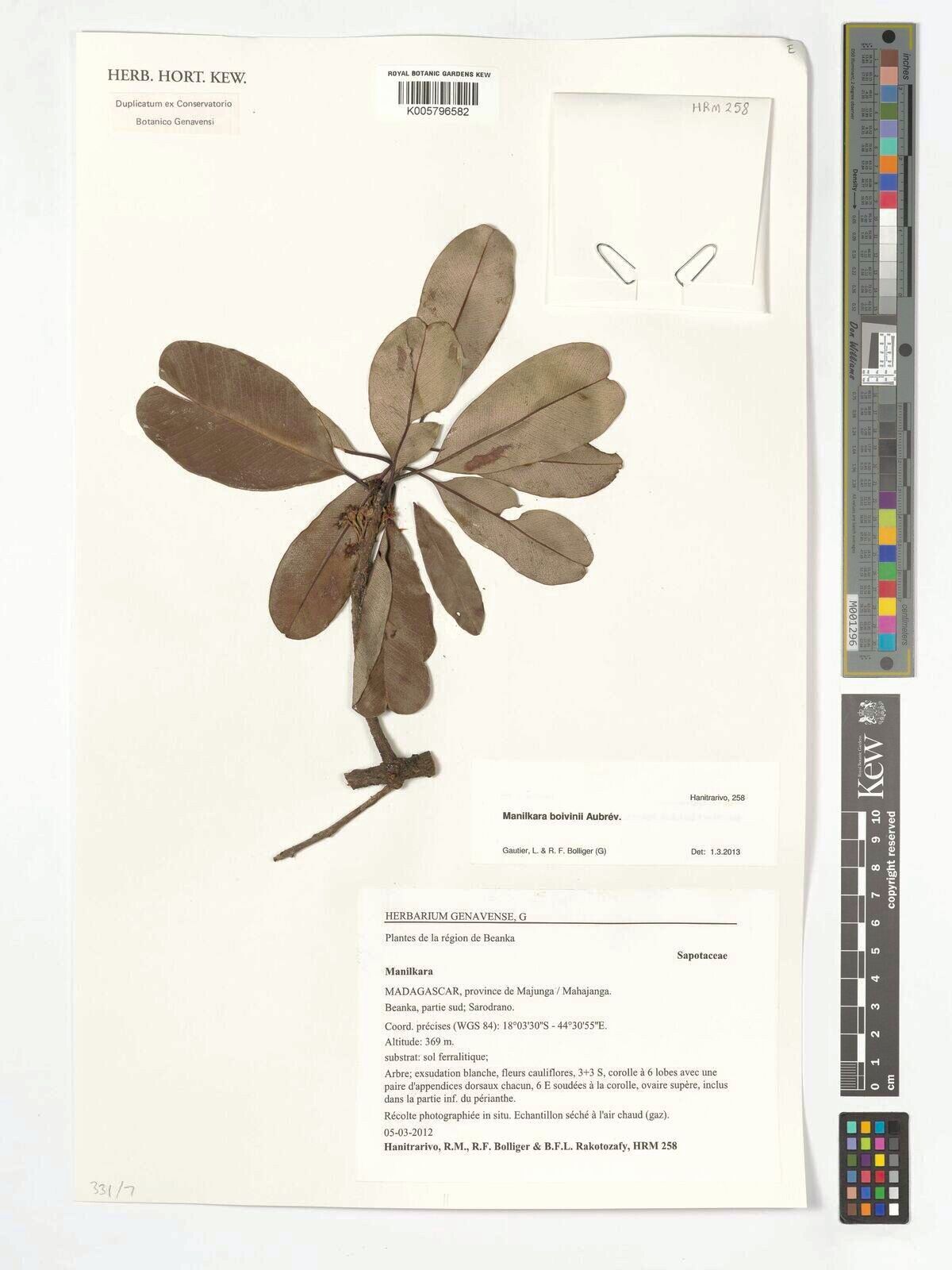
Manilkara concolor, commonly known as the boxwood tree or sapodilla, is a tropical evergreen tree belonging to the Sapotaceae family. Native to Southeast Asia, this tree can grow up to 30 meters tall. Its leaves are glossy, dark green, and leathery with an oval shape. The small, white or cream-colored flowers have a sweet fragrance that attracts bees for pollination. The fruit of Manilkara concolor is edible and has a sweet flavor reminiscent of caramel or brown sugar. It is commonly used in desserts such as ice cream, pudding, and cakes. The wood of this tree is highly valued for its durability and resistance to decay. Manilkara concolor possesses various medicinal properties, including anti-inflammatory effects due to its high tannin content. The fruit pulp or bark extract can be used to treat diarrhea. Overall, the Manilkara concolor plant has many uses, ranging from food production (fruit) and construction (wood) to medicine (bark extract) and ornamental purposes (glossy leaves). Its versatility makes it an important plant species in its native Southeast Asia.
Zulu milkberry has strong resistance to disease and is usually not vulnerable to illnesses. Regarding maintenance, this plant is fairly low-maintenance. When grown outdoors it needs only light watering, and larger specimens typically do not require pruning. Smaller specimens, though, should be trimmed after they finish blooming. Zulu milkberryt is appropriate for anyone who has an outdoor area like a garden or a deck, and it does not demand much gardening experience.
How to keep Manilkara Concolor.
Temperature
Zulu milkberry comes from tropical areas, where the climate is generally warm and humid. Consequently, it is well suited to high temperatures and humidity. It does not tolerate sudden temperature shifts and prefers a steady temperature environment, so avoiding indoor temperature fluctuations is important. It typically cannot withstand cold temperatures and requires warmer conditions for growth. If the surrounding temperature falls too low, the plant may stop growing or even die.
Fertilizer
Fertilizing is essential for caring for Zulu milkberry. Consistent feeding throughout the growing season preserves the energy needed for its showy foliage and supports overall development. Failing to fertilize can cause unhealthy leaves, reduced ornamental value, and stunted or weak growth that is prone to breaking.
Botanical profile.
- Plant Type
- Tree
- Life Cycle
- Perennial
- Genus
- Manilkara
- Family
- Sapotaceae
- Hardiness Zone
- 10-12
- Native Area
- South Africa, Eswatini, Mozambique, Zimbabwe
Other names.