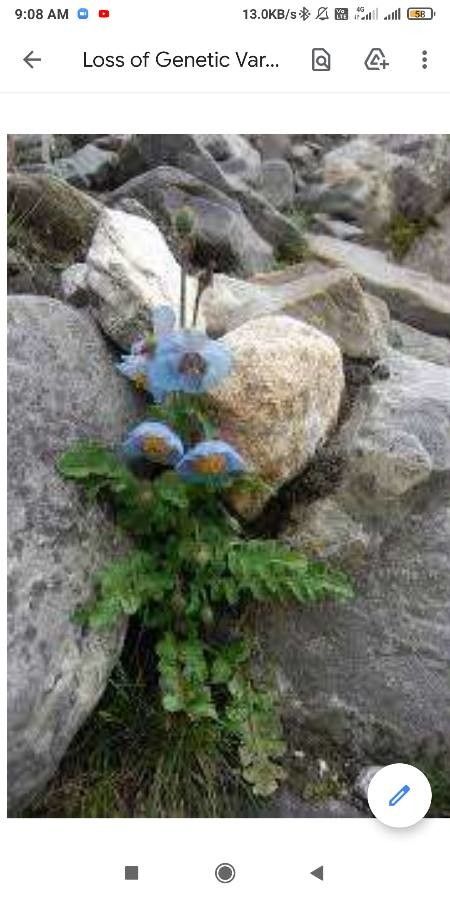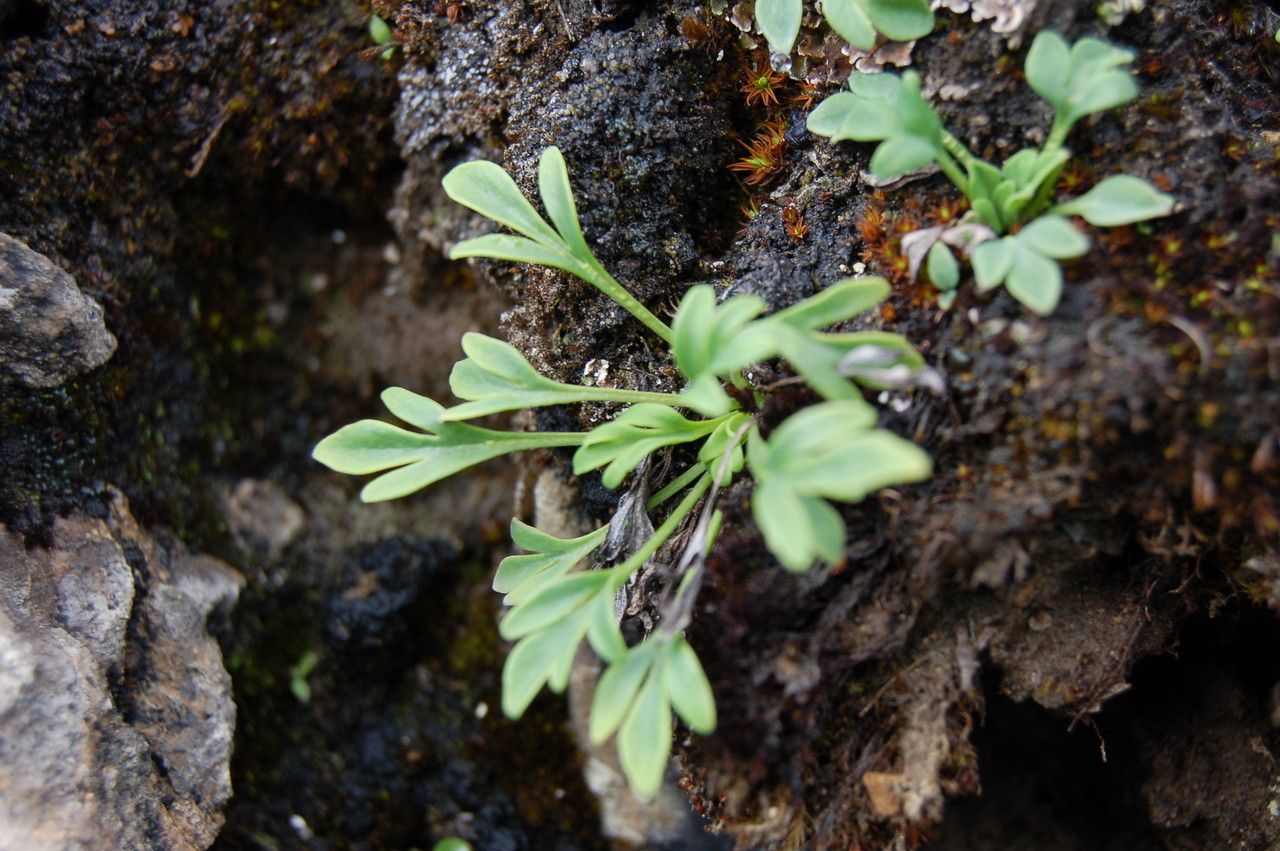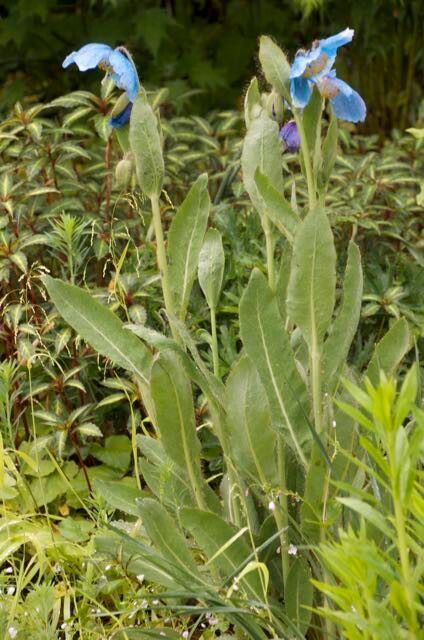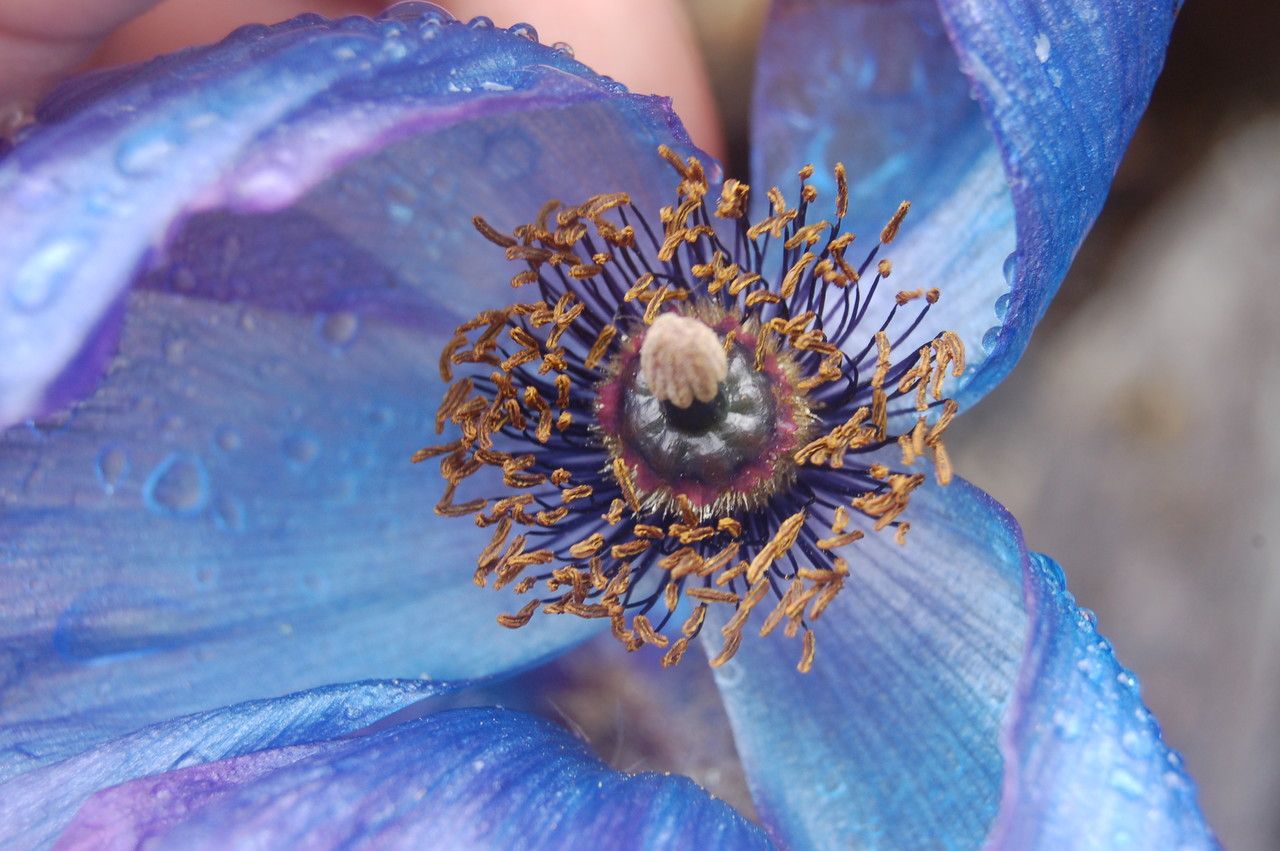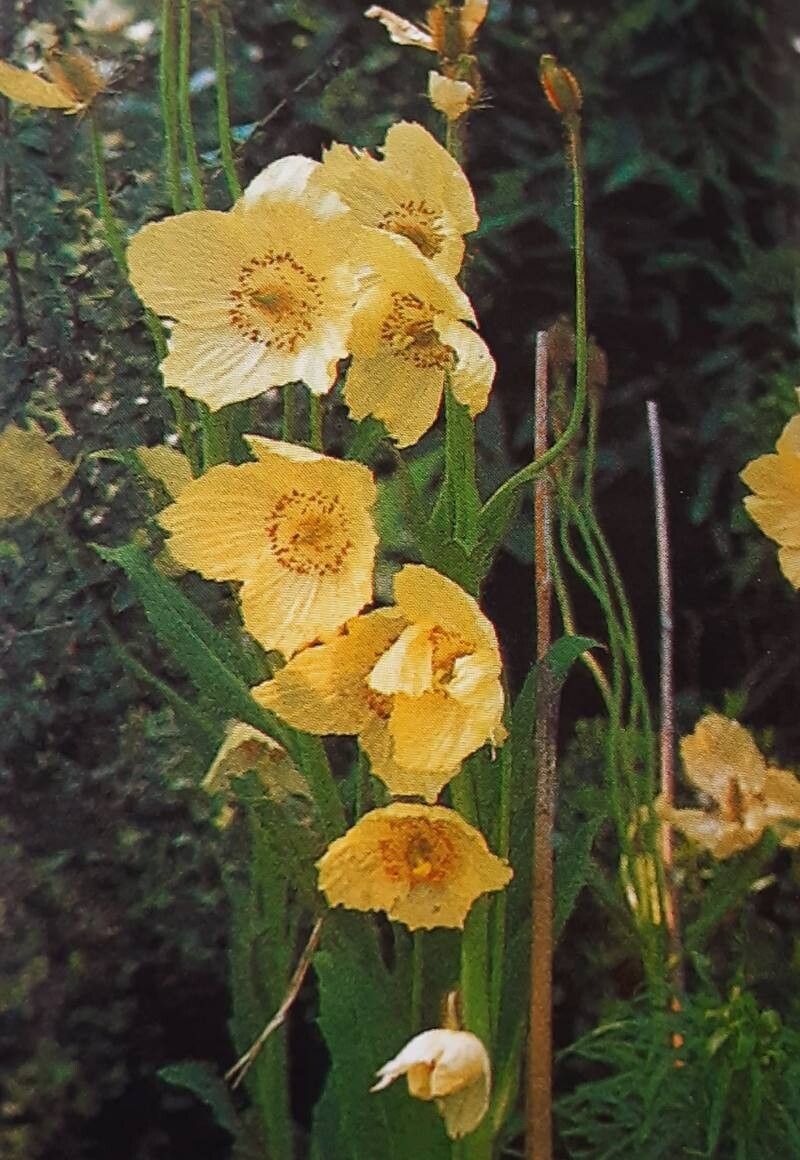
Lampshade poppy has strong disease resistance and is usually not prone to illnesses. Nonetheless, it can be vulnerable to pests and diseases present in its environment, though such infections are generally mild. Regarding care, this plant has moderate maintenance needs. It should be pruned regularly to keep a good appearance and support healthy growth. Fertilizing can also encourage more flowering. Lampshade poppy is appropriate for anyone with outdoor space, such as a garden or patio, and does not demand extensive gardening experience. It may need extra care when grown indoors.
How to keep Meconopsis Integrifolia.
Light
The Lampshade poppy plant is native to habitats that offer scattered light, like the lower layers of forests or rocky terrains that furnish natural cover. It prospers in semi-sunlight, but is also capable of adjusting to complete sunlight conditions.
Water
The lampshade poppy thrives in moist, well-drained soils commonly found in alpine regions. It prefers consistent moisture without becoming waterlogged, so watering twice a week is ideal for keeping it optimally hydrated. Usually grown outdoors, this plant flourishes in cooler climates and produces vibrant blooms during the growing season.
Temperature
The native habitat of Lampshade poppy ranges from moderate temperatures of 68 to 95 °F (20 to 35 ℃). It flourishes under these temperate conditions. Based on the time of year, there could be a requirement to modify your indoor temperatures to replicate these conditions.
Fertilizer
When the Lampshade poppy has unfurled the majority of its flowers to their maximum dimension, it's the correct period to recommence the fertilization process. Start this routine once more when the flowers have reached their maximum production, every three to four weeks, as the climatic conditions allow. However, when the Lampshade poppy begins to lessen the production of new blossoms, discontinue the fertilization process. There is no necessity to continue with this task when the plant is no longer capable of producing additional flowers.
Pruning
To ensure your lampshade poppy thrives, it's important to prune it carefully between early and late spring. Begin by removing any dead stems to improve air circulation. Also, cut back any spent flowers to encourage additional blooms. Always use clean tools and avoid cutting into old wood to promote healthy growth and maintain the plant's shape.
Botanical profile.
- Plant Type
- Herb
- Life Cycle
- Annual, Perennial
- Genus
- Meconopsis
- Family
- Papaveraceae
- Hardiness Zone
- 5
- Mature Height
- 1.52 m
- Mature Spread
- 61 cm
- Leaf Color
- Light Green, Olive Drab
- Leaf Type
- Semi-evergreen
- Flower Color
- Yellow
- Flower Size
- 3.05 cm to 5.08 cm
- Bloom Time
- Late spring, Early summer
- Planting Time
- Spring
- Harvest Time
- Mid summer, Late summer