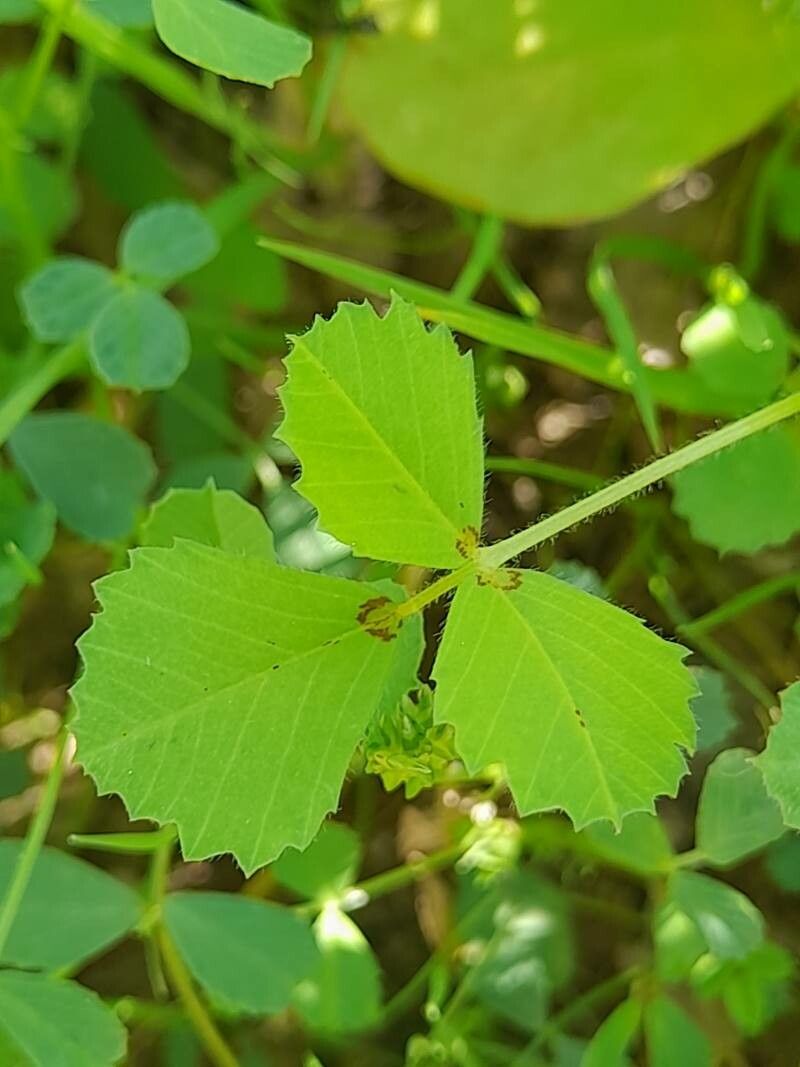
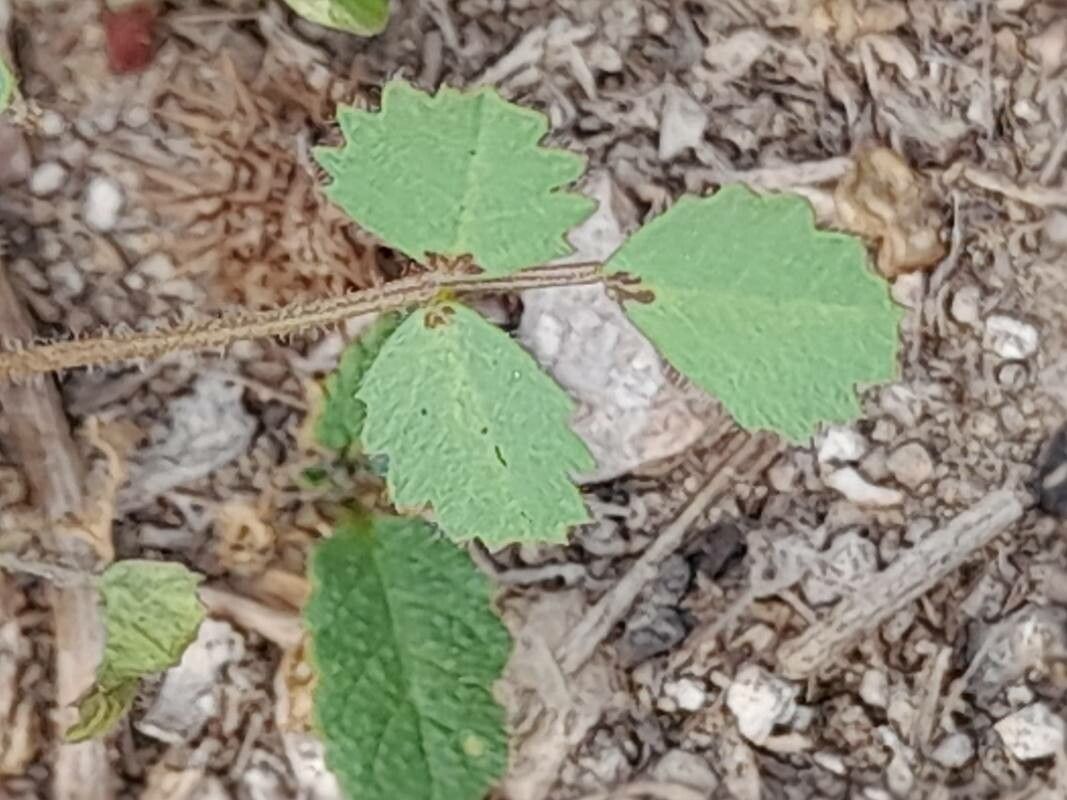
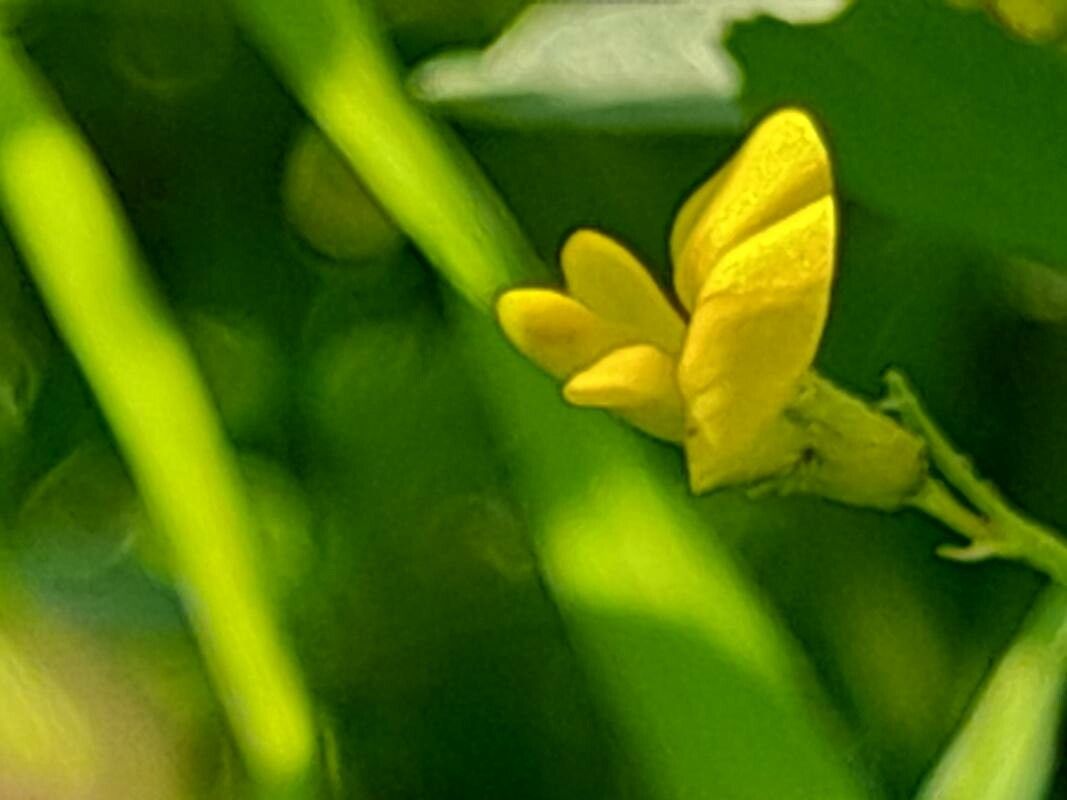
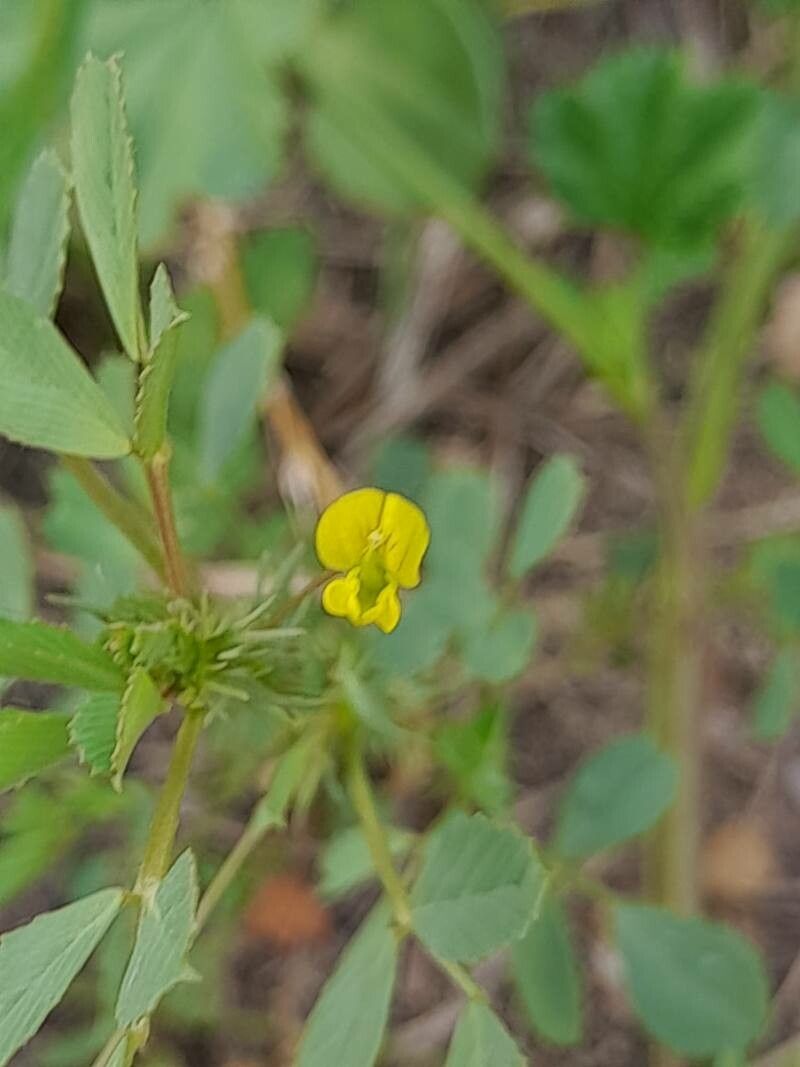
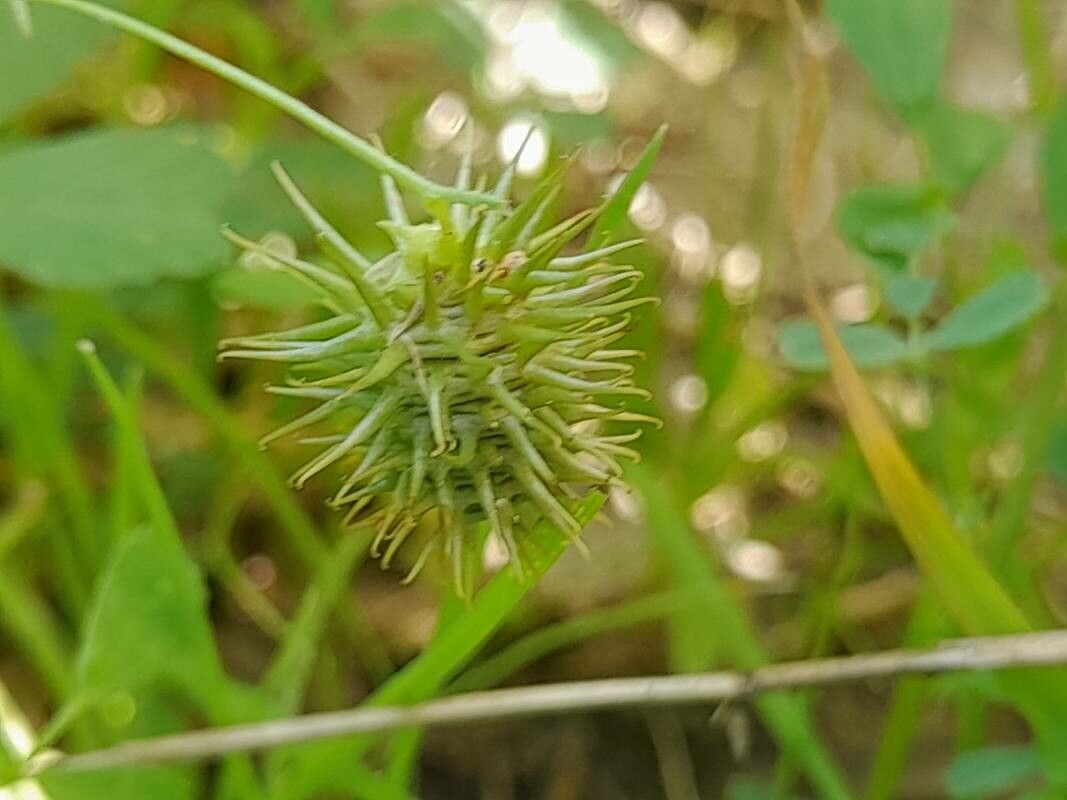
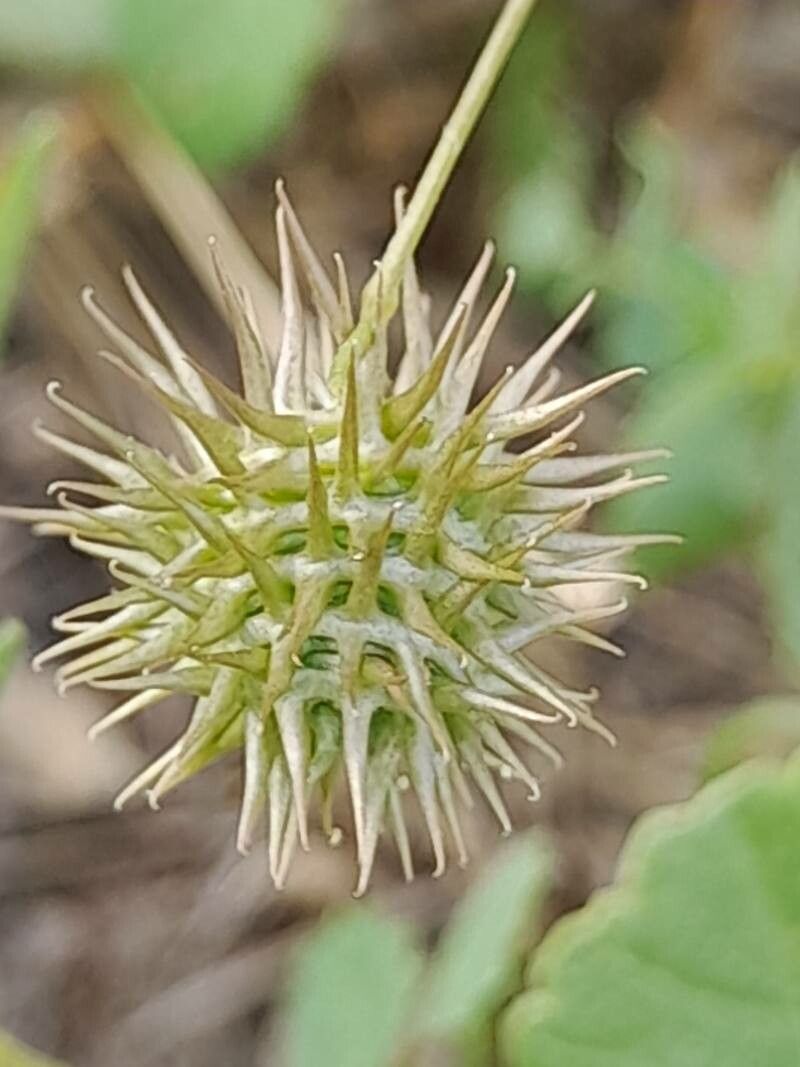
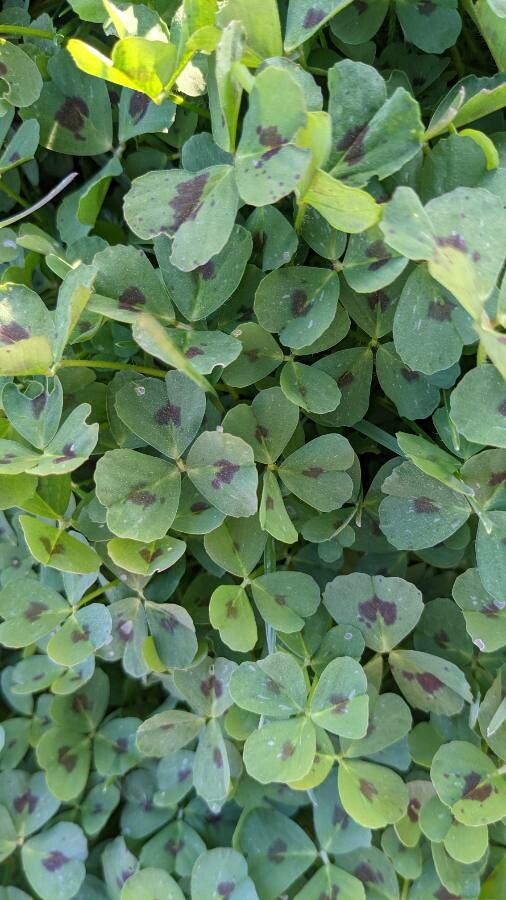
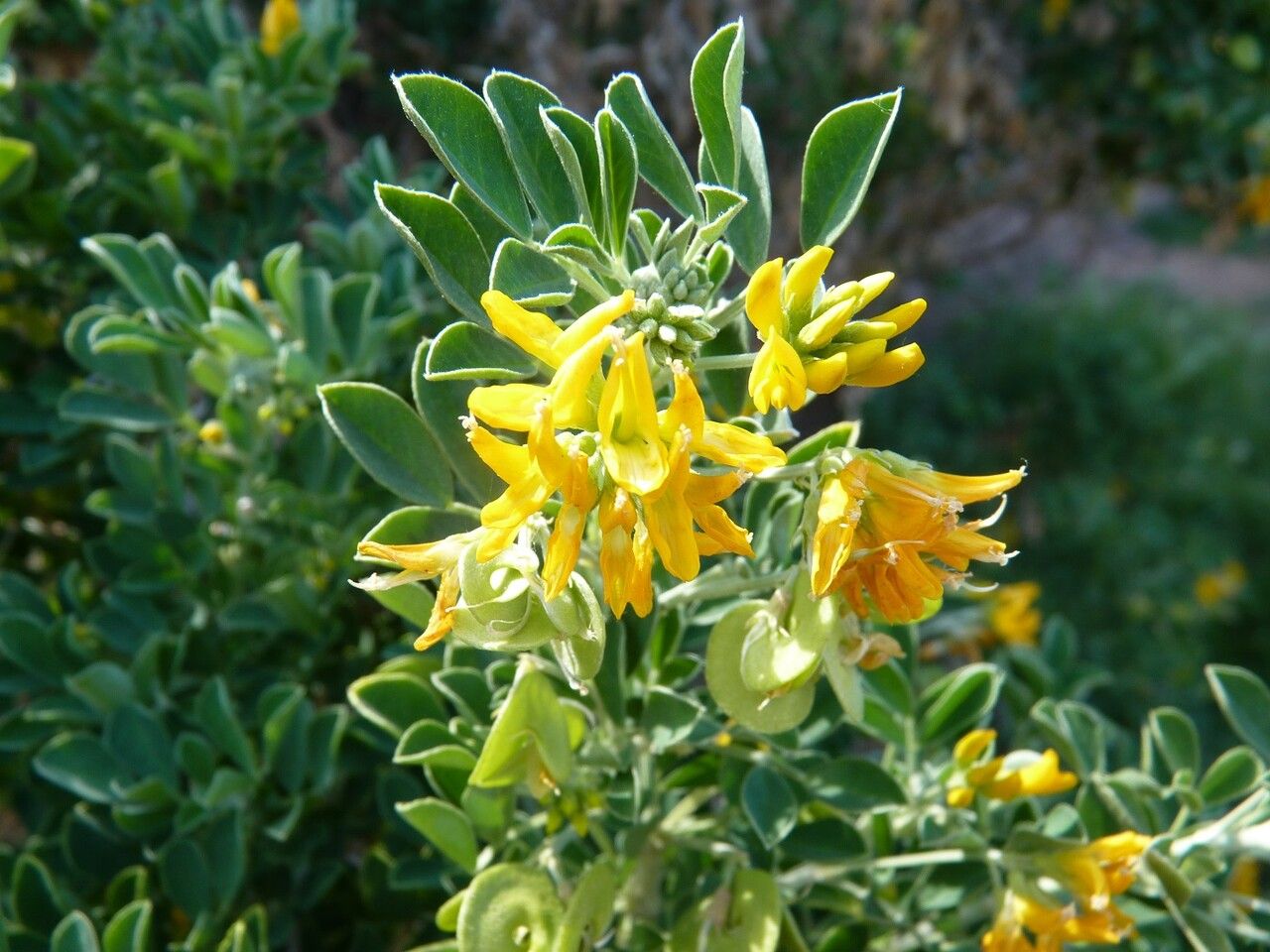
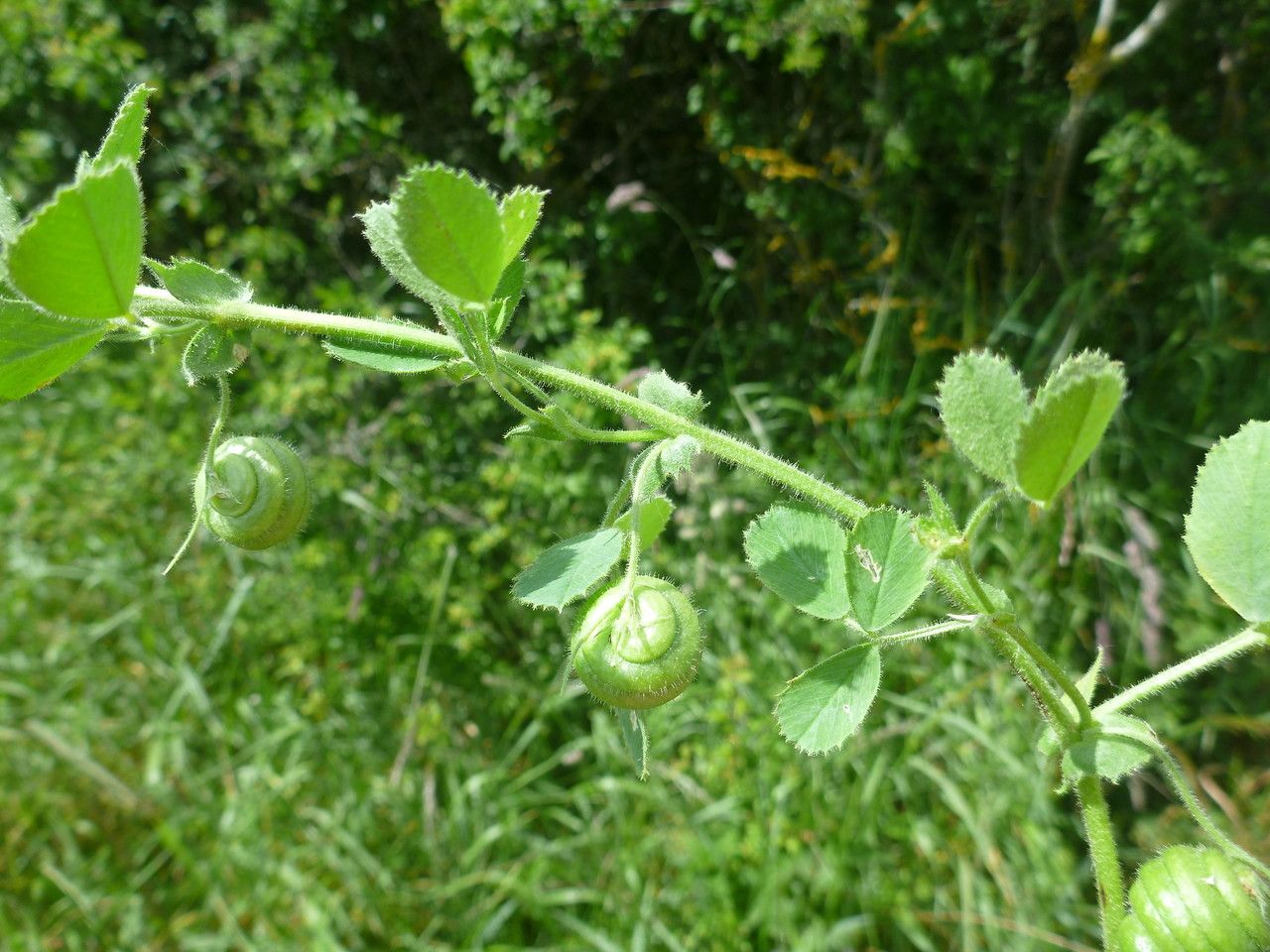
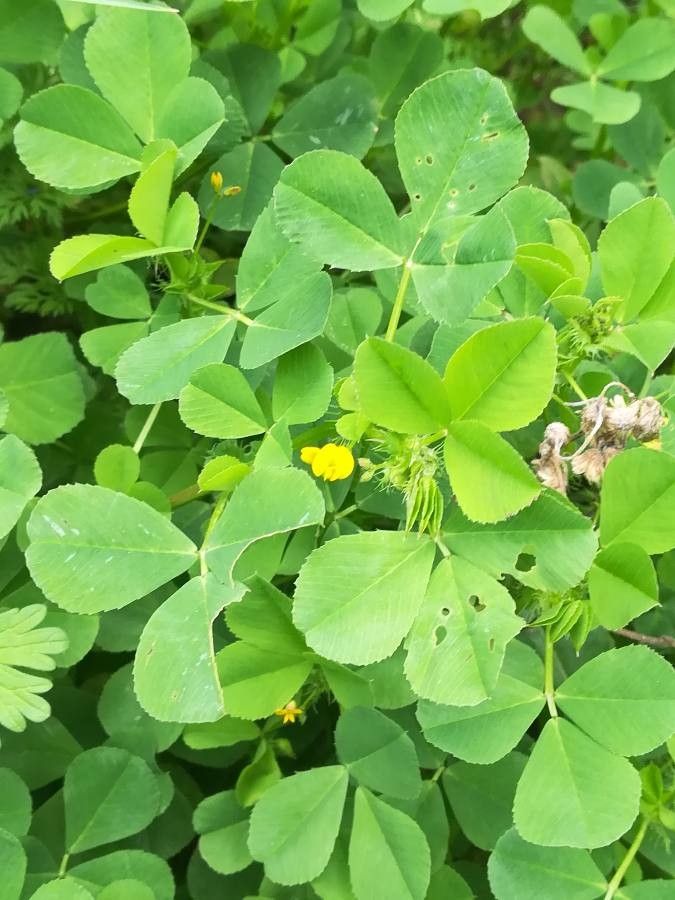
Medicago laciniata is a plant species of the genus Medicago. It is found primarily in the southern Mediterranean basin. It forms a symbiotic relationship with the bacterium Sinorhizobium meliloti, which is capable of nitrogen fixation. Common names include cutleaf medick and tattered medick. Grows in Sinai, Egypt.
Tattered medick has strong resistance to disease and is generally unlikely to suffer from illnesses. Nevertheless, it can be affected by pests and diseases present in its environment. Such infections are typically minor. Regarding care, this plant needs a moderate level of maintenance. It should be pruned regularly to preserve an attractive appearance and healthy growth. Applying fertilizer can also encourage flowering. Tattered medick is appropriate for anyone with outdoor space, like a garden or patio, and does not demand extensive plant-care experience. It may, however, need extra attention when cultivated indoors.
How to keep Medicago Laciniata.
Light
Tattered medick comes from sunny, open habitats and does best in full sunlight. It will tolerate some shade but favors direct sun for peak growth. This plant, which may be annual or biennial, is known for its sun-loving habit.
Temperature
Tattered medick can tolerate a wide range of temperatures, but its distribution may still be restricted by particular combinations of moisture and heat. It does best in warm summer climates with sufficient rainfall or watering. Extended periods of cloudy, rainy weather or prolonged high temperatures can raise the chances of Tattered medick dying. In winter, adequate protection from cold can increase the plant's survival rate.
Fertilizer
Tattered medick does well with regular, light applications of fertilizer to encourage healthy leaf development. You should feed Tattered medick about once a month during the summer. Nitrogen is essential for foliage, and providing nitrogen-rich sources helps Tattered medick thrive.
Botanical profile.
- Plant Type
- Herb
- Life Cycle
- Annual
- Genus
- Medicago
- Family
- Fabaceae
- Hardiness Zone
- 7-10
- Mature Height
- 20 cm to 49 cm
- Mature Spread
- 30 cm to 61 cm
- Leaf Color
- Green, Light Green
- Leaf Type
- Deciduous
- Flower Color
- Yellow
- Flower Size
- 0.51 cm to 0.76 cm
- Bloom Time
- Mid spring, Late spring, Early summer
- Planting Time
- Spring
- Harvest Time
- Summer
- Native Area
- Libya, Somalia, Lesotho, India, Egypt, Pakistan, Morocco, Kenya, Tanzania, Iraq, Ethiopia, Qatar, Botswana, Saudi Arabia, Tunisia, South Africa, Sudan, Afghanistan, Syria, Iran, Algeria, Kuwait
Other names.