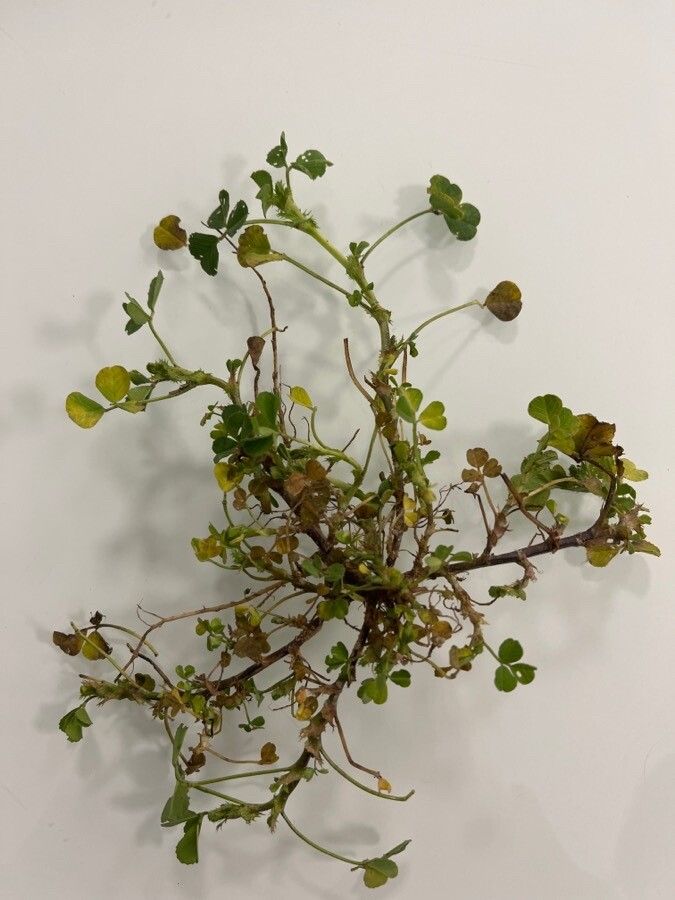
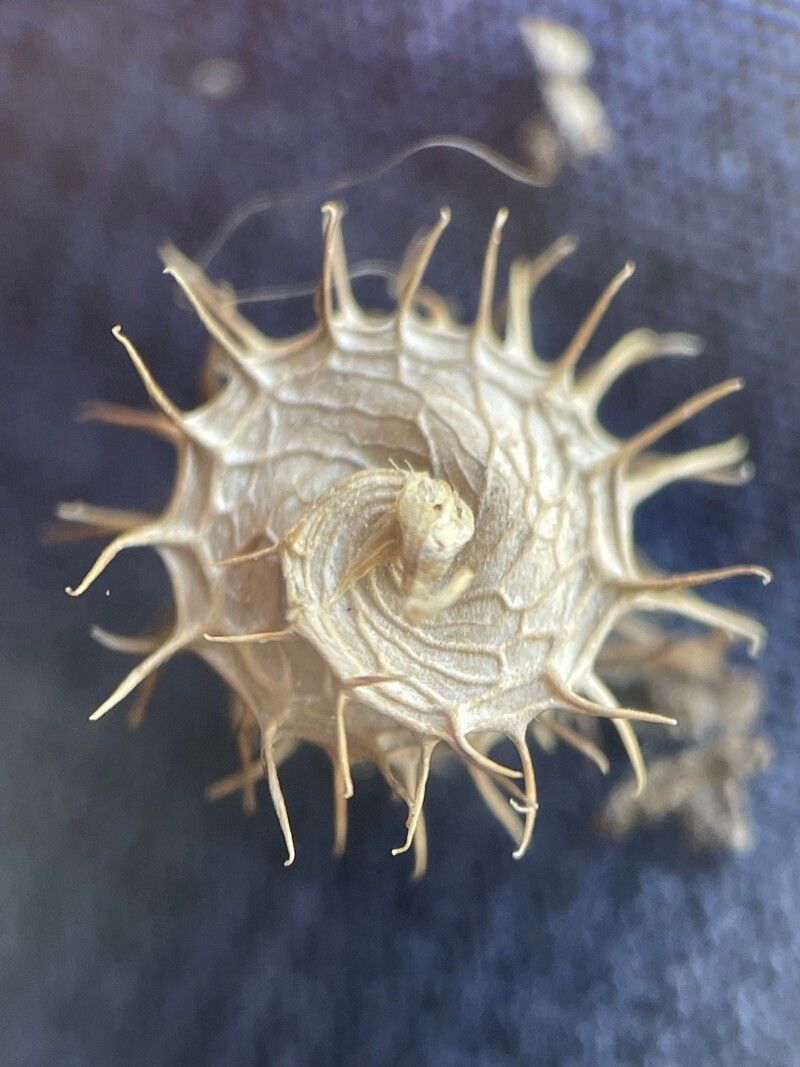
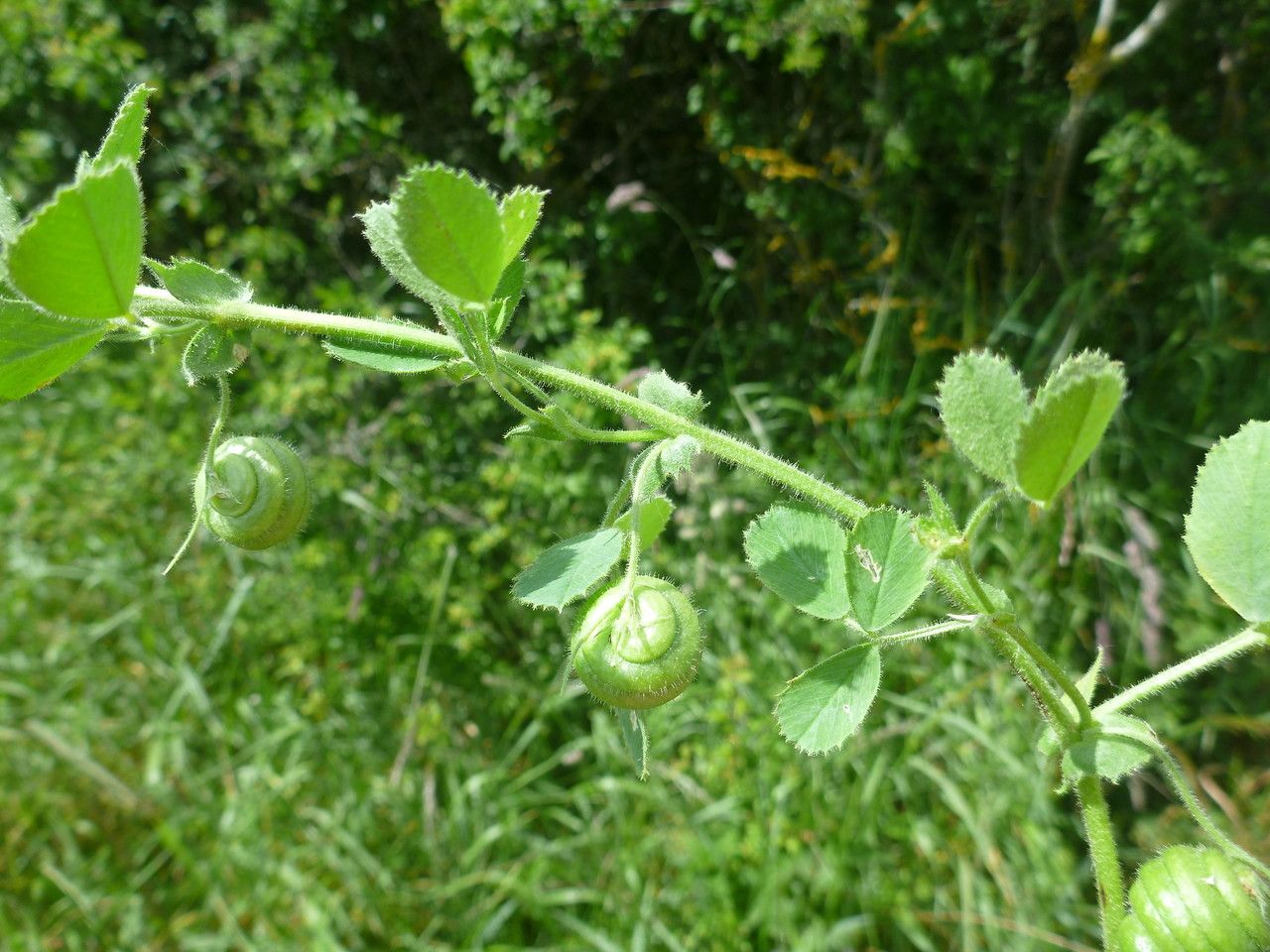
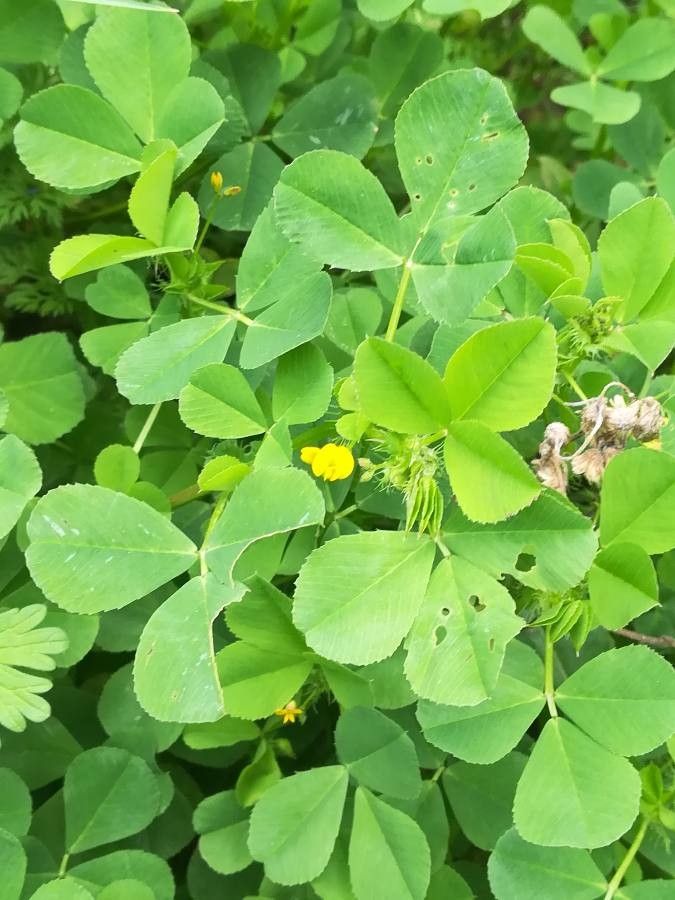
Medicago praecox, commonly known as yellow medick or early medick, is a species of flowering plant in the legume family. Native to Europe and western Asia, this plant has been introduced to other parts of the world for use as a forage crop and ground cover.
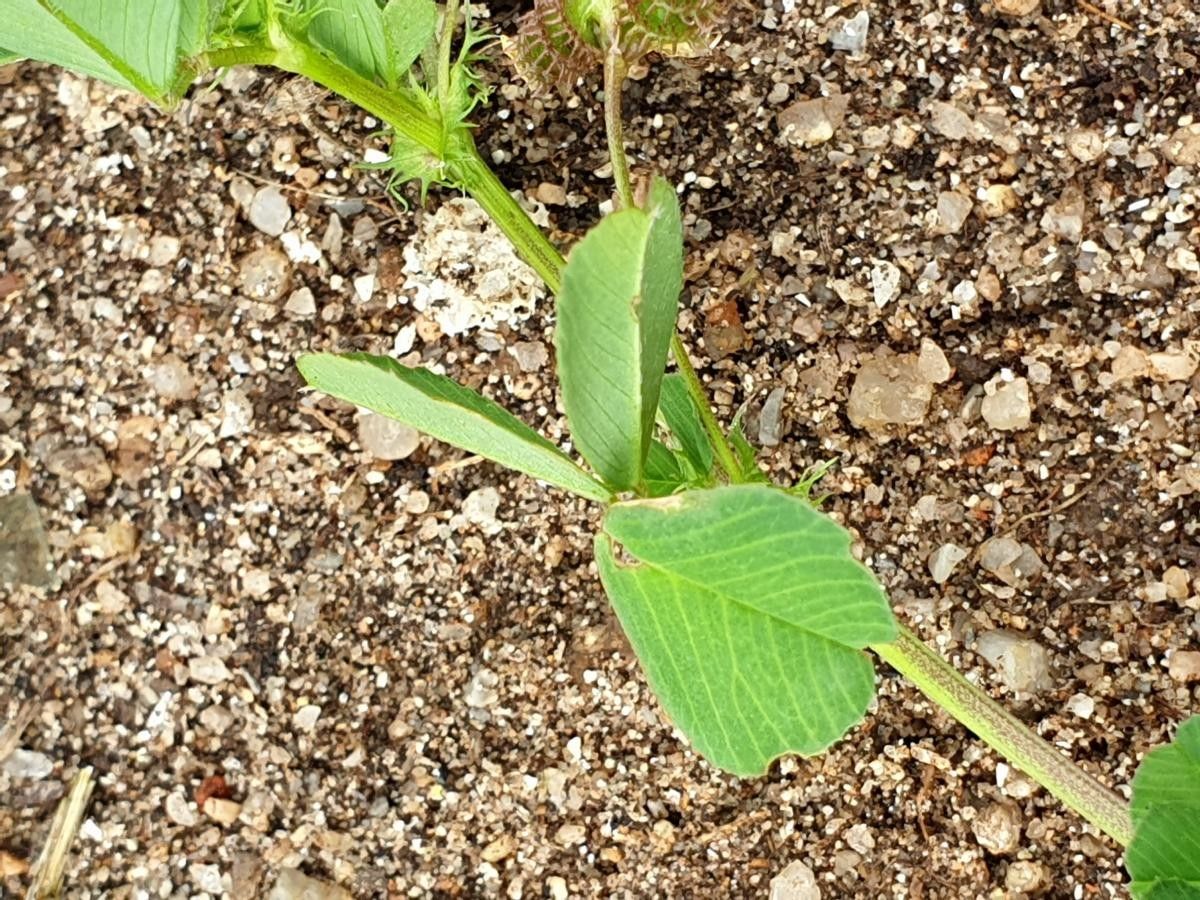
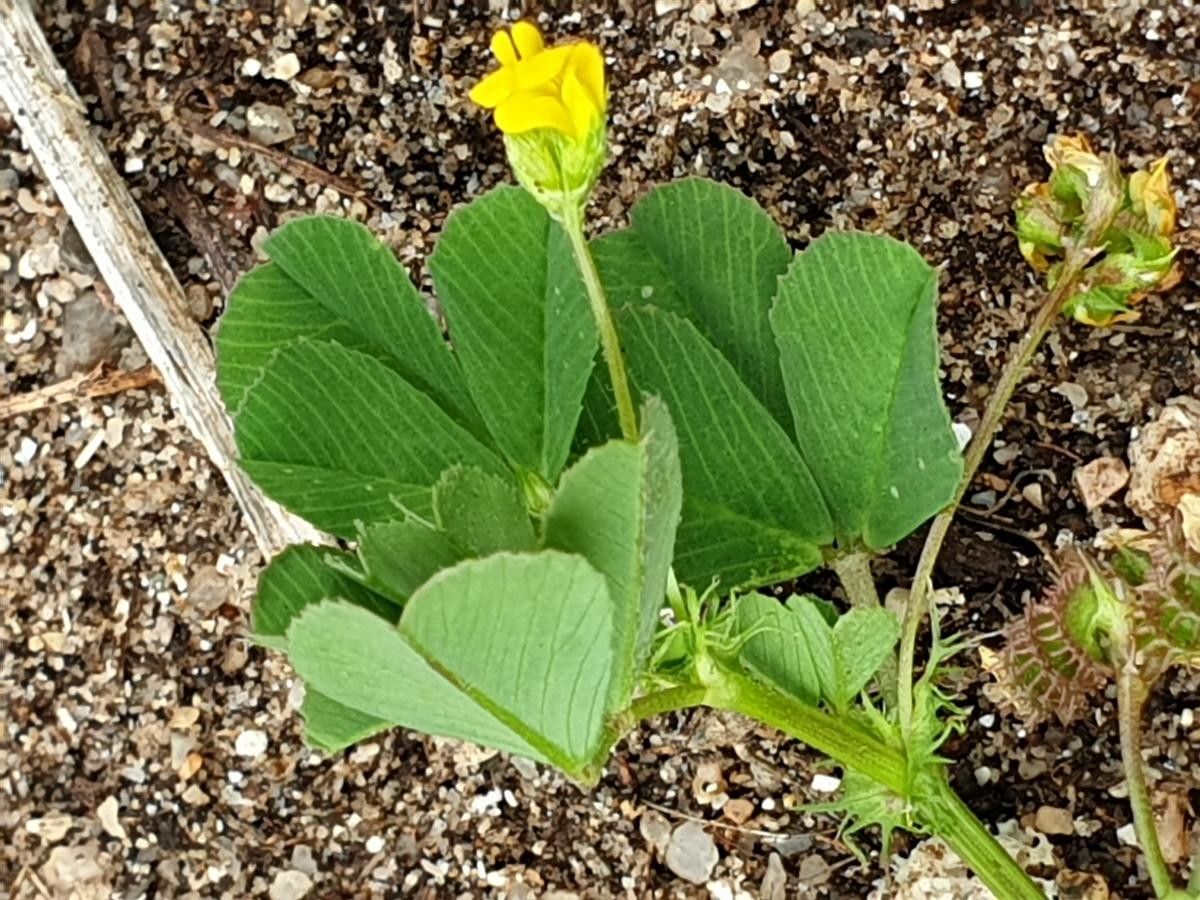
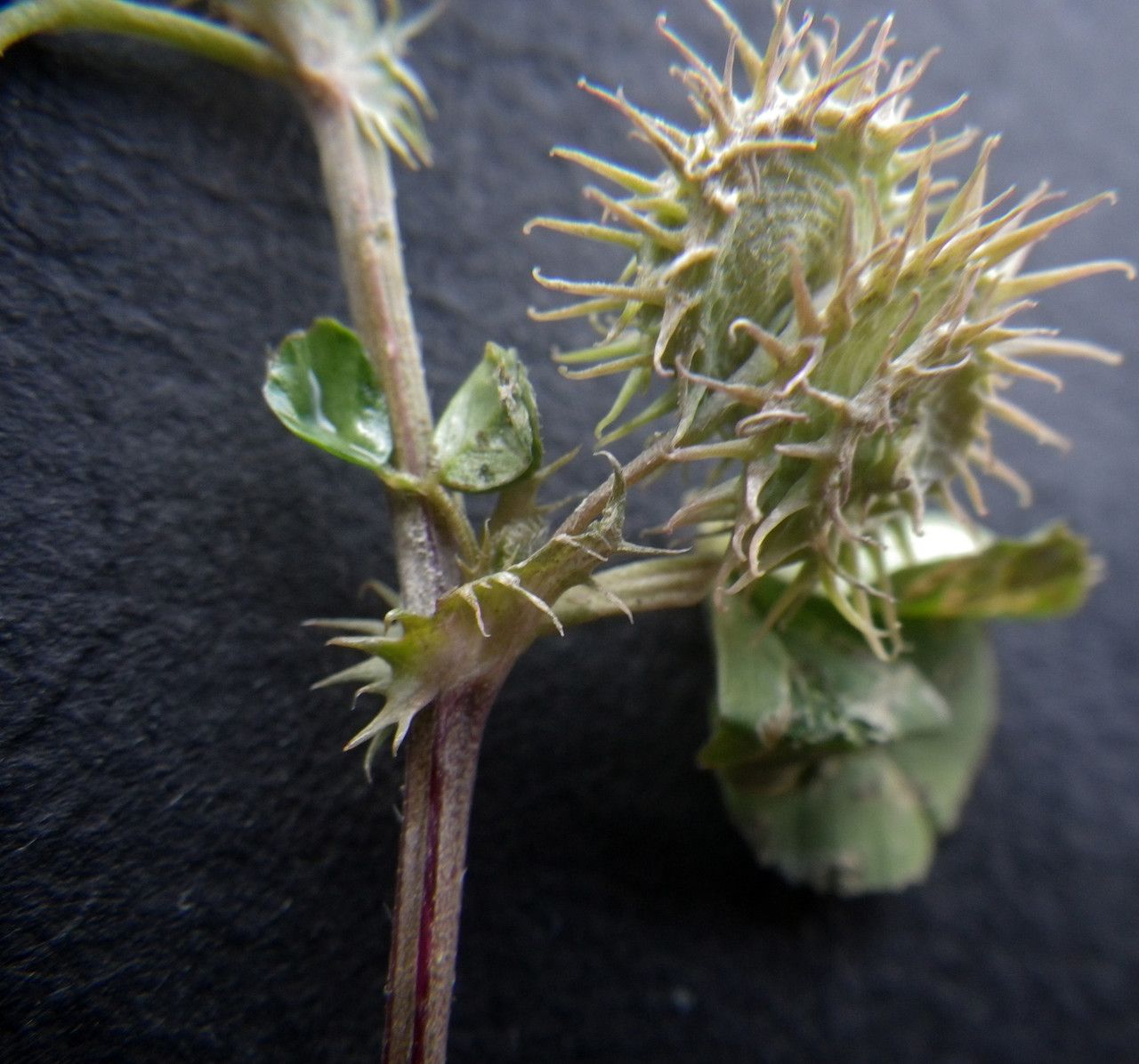
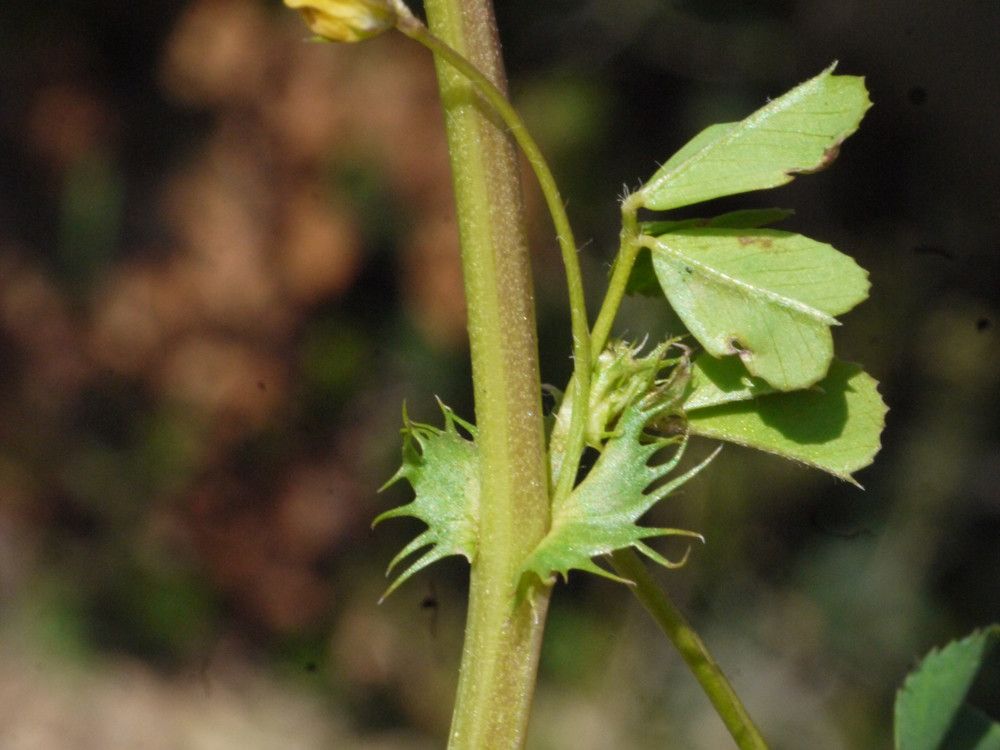
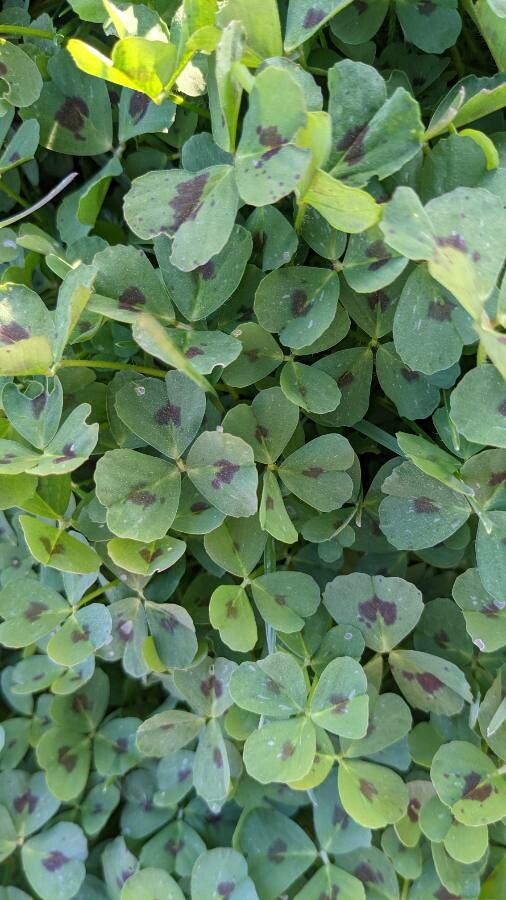
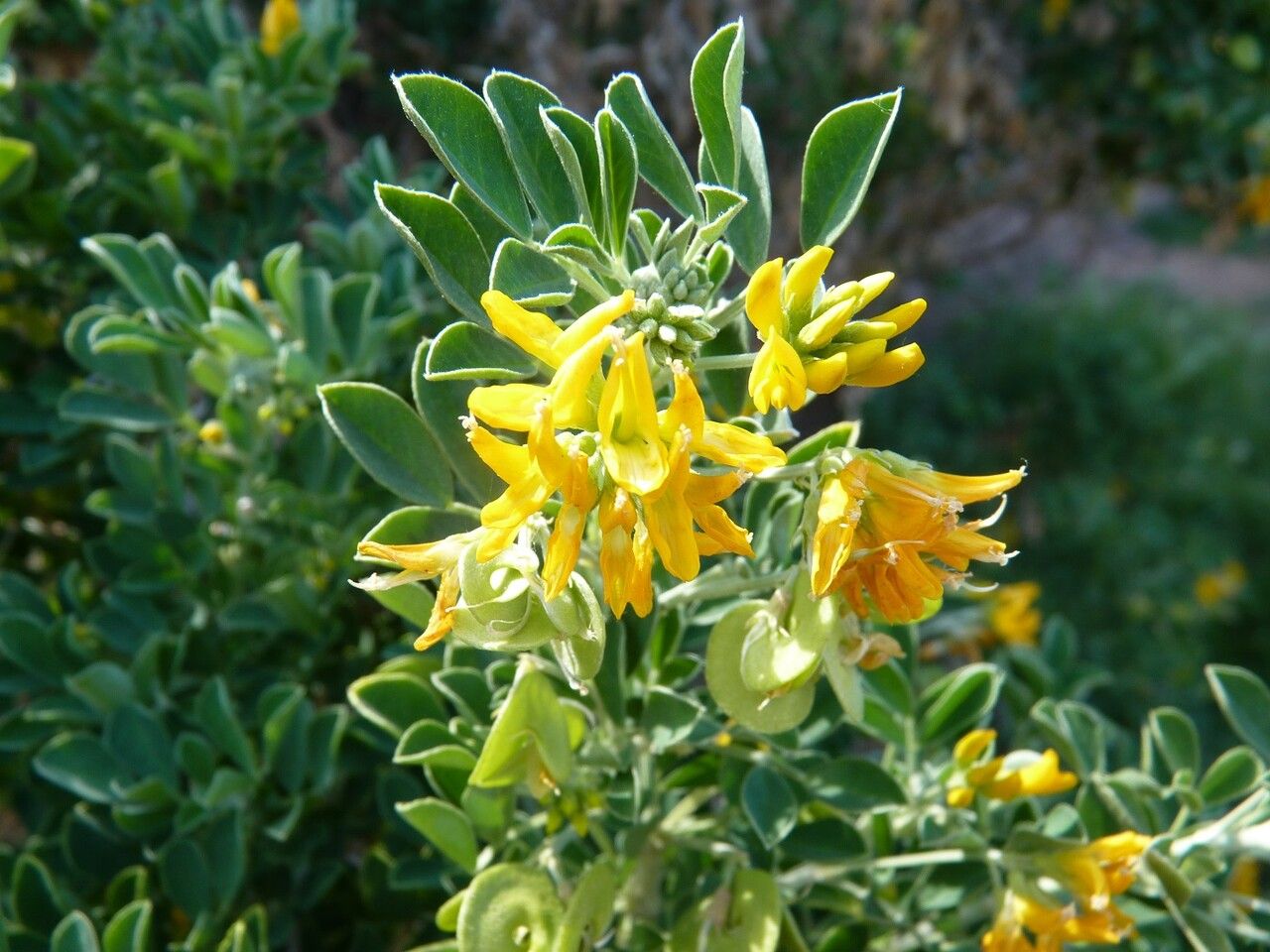
Yellow medick is an annual or biennial plant that can grow up to 50 cm tall. It features trifoliate leaves with toothed leaflets that are green on top and slightly hairy underneath. The small yellow flowers are arranged in clusters on long stalks that extend above the foliage.
This plant thrives in well-drained soils and full sun but can tolerate some shade. Known for its rapid growth, it is commonly used as a cover crop or forage for livestock due to its high protein content.
In addition to its agricultural uses, yellow medick has medicinal properties; it has traditionally been used as an anti-inflammatory agent for treating skin conditions such as eczema and psoriasis.
Overall, Medicago praecox is a versatile plant with multiple applications, from ground cover to medicinal purposes, making it an important species within its family.
Early medick has strong resistance to disease and is generally not vulnerable to illnesses. Still, it can be affected by pests and diseases present in its environment. Such infections are generally mild. Regarding care, this plant requires a moderate level of maintenance. It should be pruned on a regular basis to preserve its appearance and encourage healthy growth. Applying fertilizer can also aid in boosting flowering. Early medick is appropriate for anyone with outdoor space, like a garden or patio, and does not demand extensive care experience. It may need additional attention if cultivated indoors.
How to keep Medicago Praecox.
Fertilizer
Generally, a single fertilizer application in spring is enough for Early medick, but multiple feedings can maximize growth. Feed it once a month to once every six weeks. Fertilization improves the appearance and function of the leaves, helping maintain even color and a healthy texture. It also promotes root development and nutrient uptake for long-term plant health.
Botanical profile.
Other names.