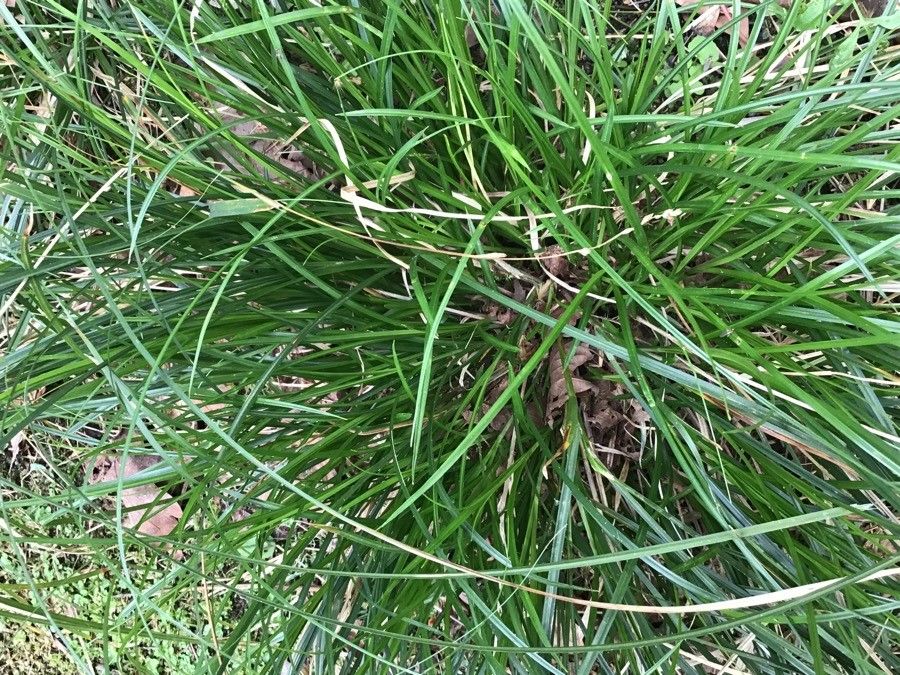
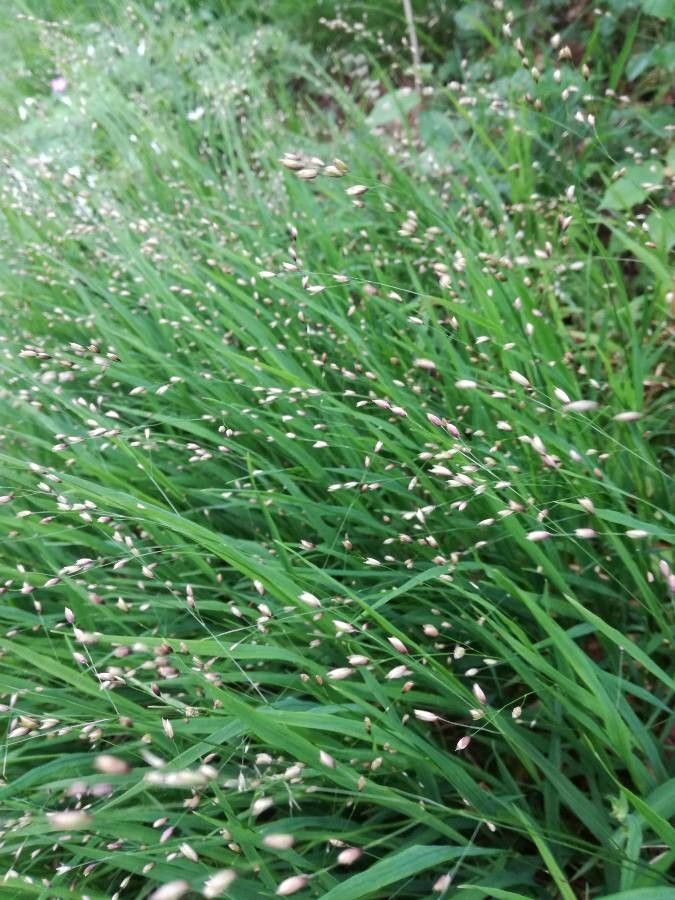
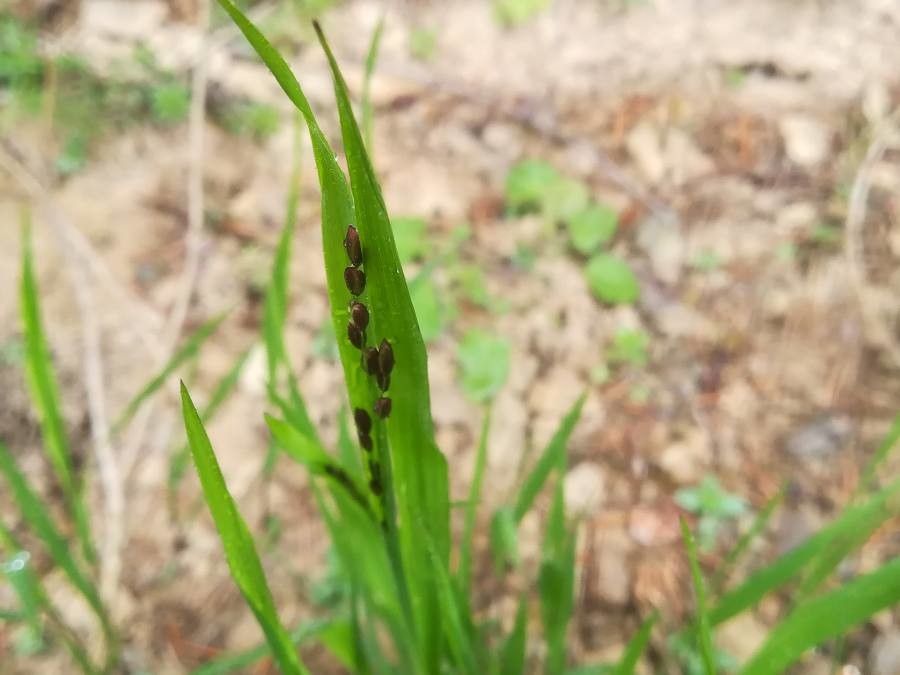
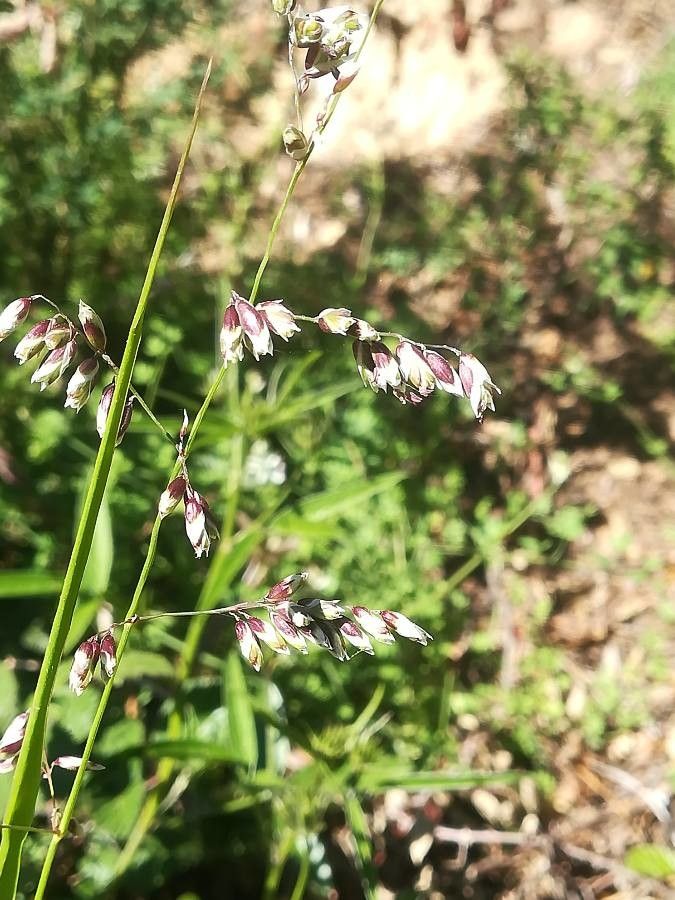
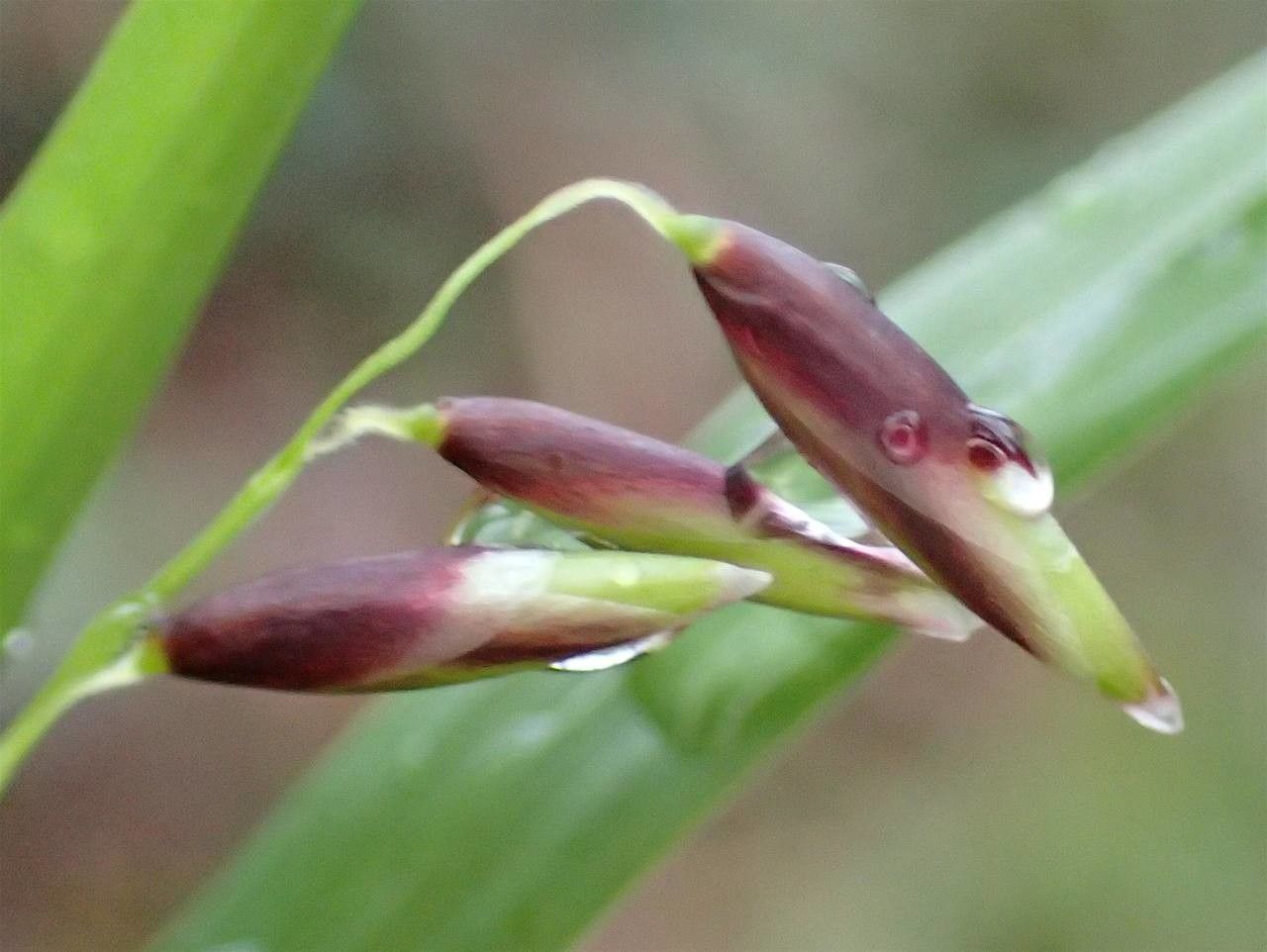
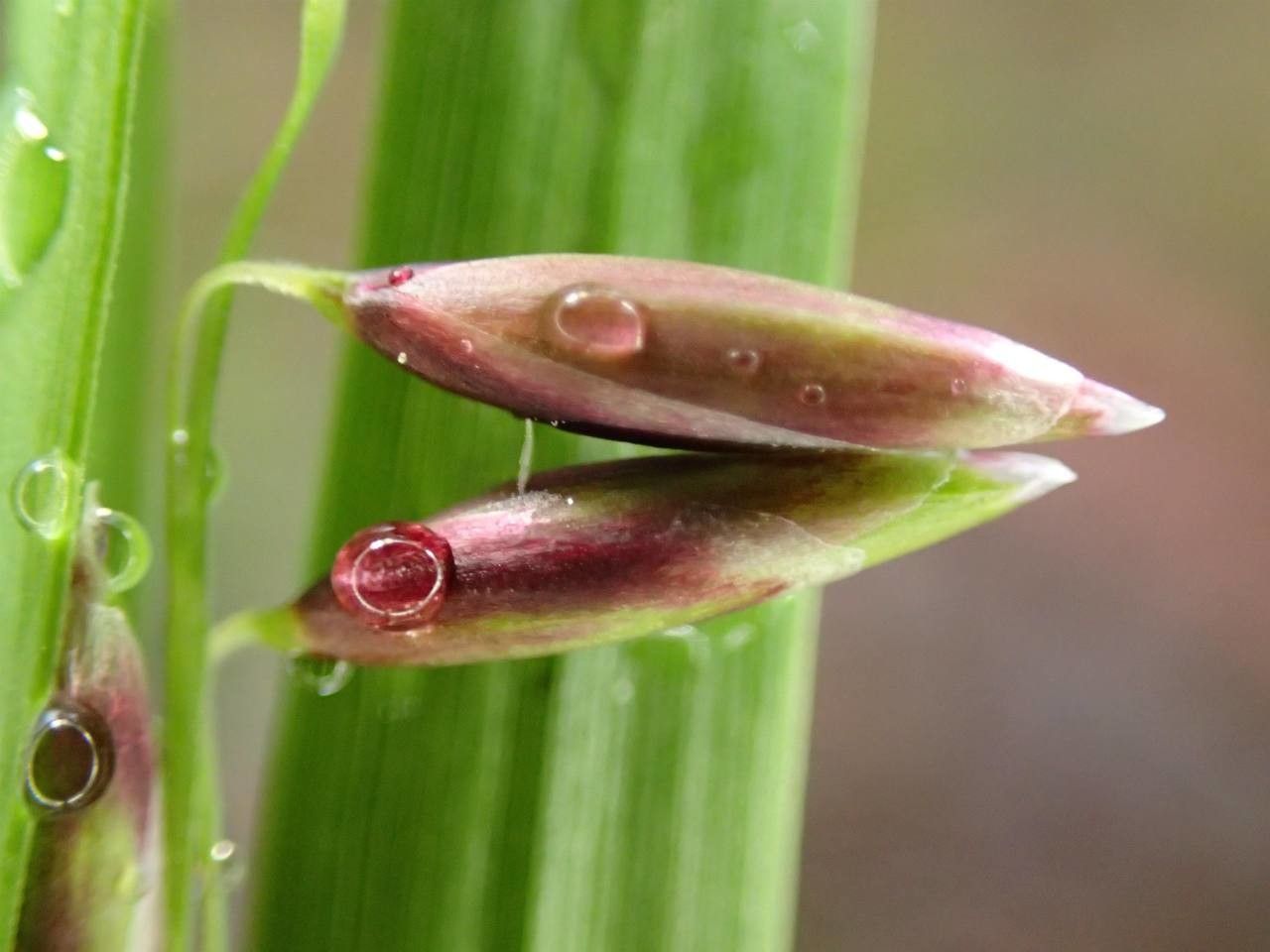
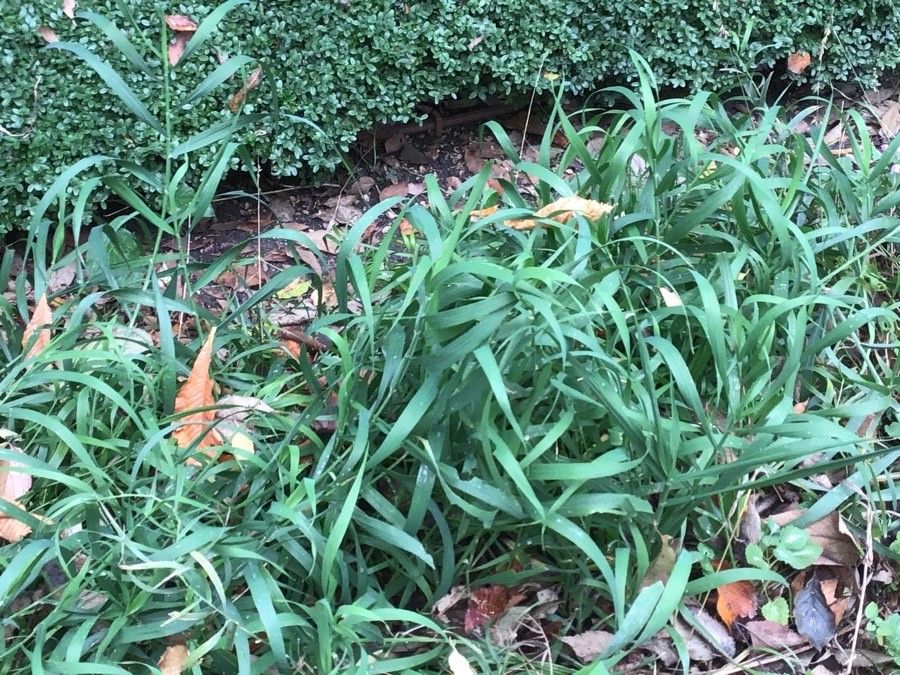
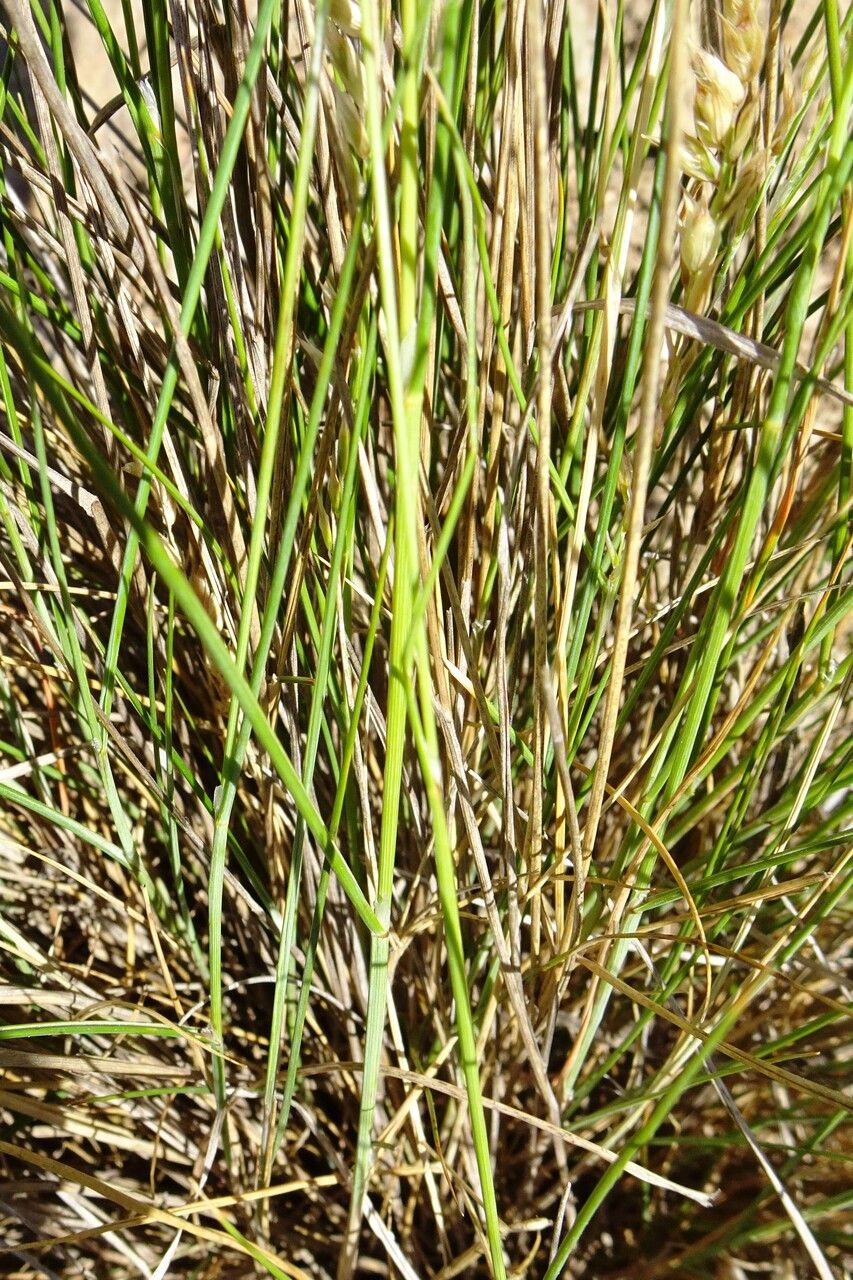
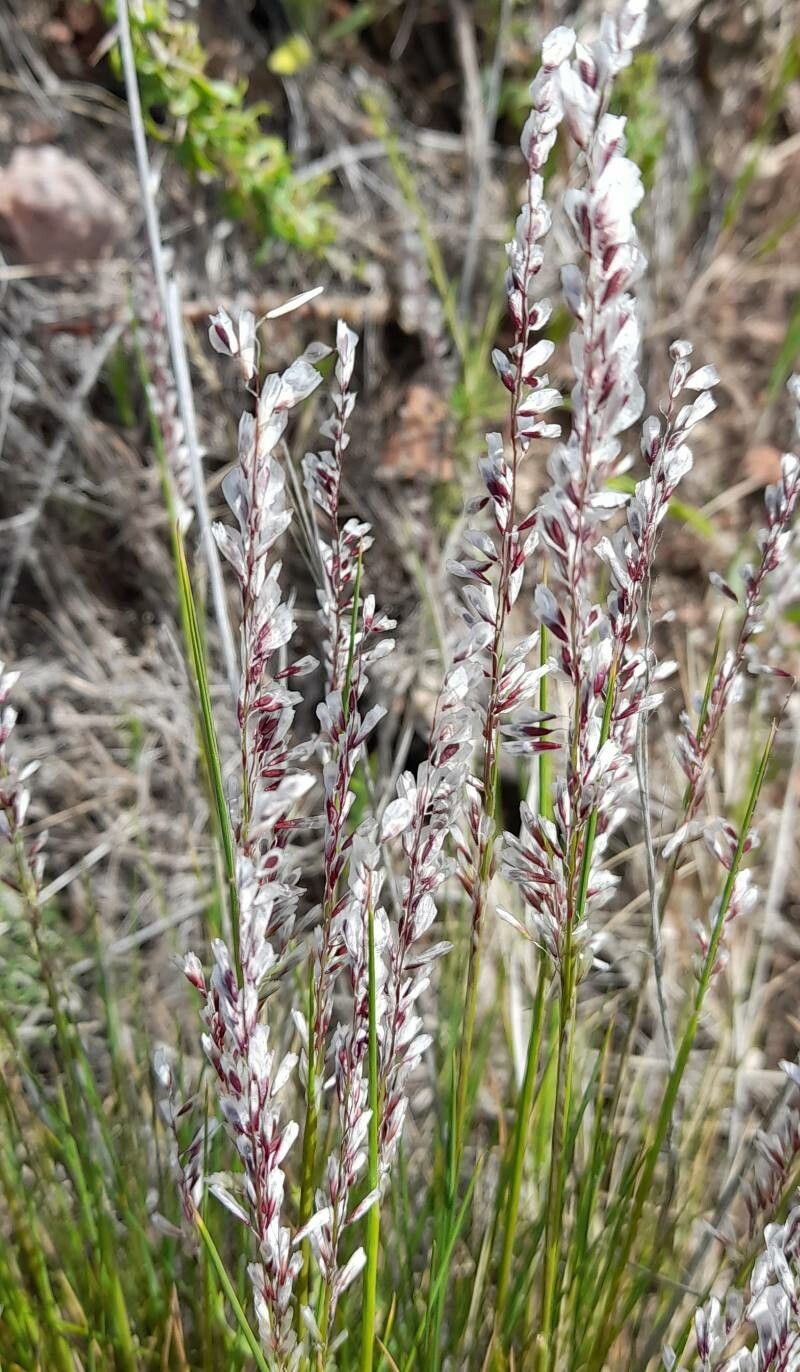
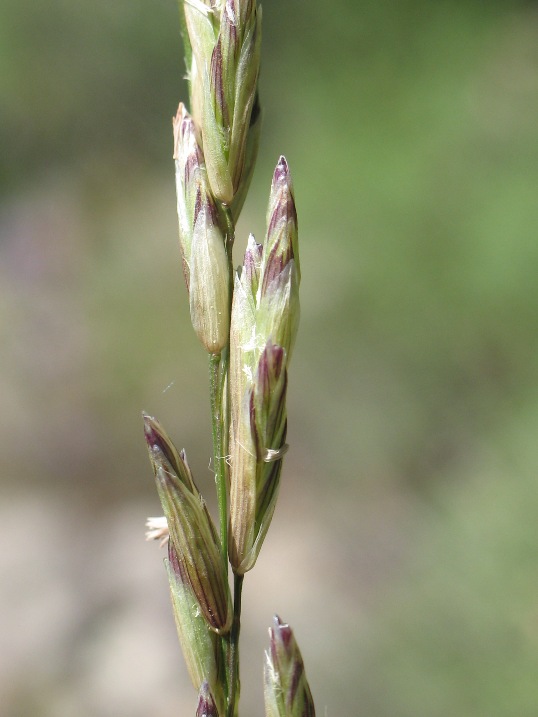
Melica nutans, known as mountain melick, is a grass species in the family Poaceae, native to European and Asian forests.
Wood melick shows strong disease resistance and is generally not susceptible to illnesses. Care-wise, this plant is fairly low-maintenance. When grown outdoors it needs only minimal watering, and larger specimens typically do not require pruning. Smaller plants, however, should be pruned after they finish blooming. Wood melick is well suited to anyone with an outdoor area, such as a garden or deck, and does not demand extensive care experience.
How to keep Melica Nutans.
Light
Wood melick grows best with plenty of light each day but can tolerate periods of mild shade. Native to areas with abundant sunlight, its development can be impaired by a prolonged lack of adequate light; conversely, excessive exposure can damage its tender leaves and stems.
Water
Mountain melick flourishes in consistently moist conditions and prefers cool, damp soil, like that found in forest understories. To maintain these conditions, water the plant weekly and consider mulching to help retain moisture and recreate its natural environment.
Temperature
Wood melick prefers temperatures between 59 and 95 °F (15 to 35 ℃). Native to temperate regions, it is adapted to moderate temperatures and requires careful tending in extreme weather. Measures such as providing shade or insulation during harsh seasons can help it survive.
Fertilizer
Wood melick needs extra nutrients to encourage healthy new growth. In spring, applying compost around the base of the plant will effectively provide the nutrition it requires. Fertilizing supports vigorous growth and helps the plant resist diseases and pests.
Pruning
To promote healthy growth and improve the appearance of mountain melick, start by pruning it in early spring. Remove any dead or damaged stems to set the foundation for robust growth. Also, trim overgrown areas to enhance air circulation and sun exposure, which helps produce more vibrant blooms and reduces the risk of disease. Regular pruning throughout the growing season keeps mountain melick vigorous and visually appealing.
Pot & Repot
When repotting Wood melick, select a pot 1–2 inches (2.5–5.1 cm) larger with ample drainage. Use a well-draining potting mix. Repot in spring or fall, ensuring the root ball sits slightly lower than the rim of the flower pot. Water thoroughly after repotting and place in a warm spot with indirect sunlight.
Botanical profile.
- Plant Type
- Grass
- Life Cycle
- Perennial
- Genus
- Melica
- Family
- Poaceae
- Hardiness Zone
- 7-9
- Mature Height
- 30 cm to 61 cm
- Mature Spread
- 61 cm
- Leaf Color
- Green
- Leaf Type
- Deciduous
- Flower Color
- Purple, White, Green, Brown
- Flower Size
- 0.51 cm to 0.76 cm
- Bloom Time
- Mid spring, Late spring, Early summer
- Planting Time
- Spring, Summer, Autumn
- Harvest Time
- Summer
- Native Area
- Turkey, Sweden, Austria, Slovakia, Montenegro, Croatia, Morocco, Germany, Romania, Belgium, Portugal, Netherlands, France, Tunisia, Czech Republic, Bulgaria, Armenia, Poland, Greece, Ukraine, Serbia, Norway, Syria, Italy, Spain, Switzerland, Denmark, Finland, Iran, Albania, Ireland, United Kingdom, Hungary, Algeria, Azerbaijan
Other names.
Reader questions.
What is the most effective way to water my Mountain melick?
To properly water the Mountain melick plant, it is recommended to use filtered water at room temperature. Tap water may contain harmful particles, so filtered water is preferable. The water should be at room temperature or slightly warmer because the Mountain melick is accustomed to a warm environment and cold water can be a shock to its system. Additionally, it is advisable to avoid overhead watering as it can cause problems with the foliage. Instead, gently apply the filtered room temperature water directly to the soil until it becomes completely soaked. This method is beneficial as it ensures the roots are moistened and allows them to spread through the soil and absorb the necessary nutrients.
Why should I put fertilizer on my Mountain melick?
The main structure of the Mountain melick is made up of its leaves. Fertilization plays a crucial role in ensuring that these leaves both look great and function properly. By fertilizing properly, you can help your Mountain melick maintain consistent leaf color and a healthy texture. This process also supports the growth of new roots and the maintenance of existing roots below the soil's surface. Consequently, fertilization not only keeps your plant healthy in the present but also enhances its ability to absorb soil nutrients in the long term.
What are the sunlight requirements for Mountain Melick?
Mountain Melick requires about 3-6 hours of sunlight daily, thriving under partial sun conditions. It's important to observe how sunlight moves through your garden to find spots that ensure the perfect balance of light and shade for these plants. This ensures their optimal growth and happiness. Too much or too little light may impede their growth, as Mountain Melick grows best when the sun's rays are soft and somewhat filtered, typical of environments where sunlight isn't overly abundant.
What should I do if I give my Mountain melick too much or too little water?
Overwatering and underwatering can harm your Mountain melick, but overwatering is more likely to occur. When the plant gets too much water, its stems and leaves may wilt and turn yellow. Overwatering for a long time can also cause root rot, mold, and mildew, which can be fatal for your plant. Underwatering is less common because the Mountain melick can tolerate drought. However, it is still possible, and when it happens, the leaves may become brittle and brown. It is important to recognize the signs of overwatering early when caring for your Mountain melick. Some diseases caused by overwatering, like root rot, may be irreversible if not addressed promptly. If you notice early signs of overwatering, reduce watering immediately. Check the quality of the soil where your plant grows. If it drains poorly, change it with a loose, well-draining potting mix. If you observe signs of underwatering, increase watering until the signs go away.
When should I put fertilizer on my Mountain melick?
When you grow your Mountain melick outside, it will produce new growth in early spring. This is a sign that it's time to start fertilizing for the year. Usually, a single application of fertilizer in the spring is sufficient for a healthy Mountain melick. However, if you want to promote maximum growth, you can fertilize it multiple times during the spring and early summer. In this case, you can feed your Mountain melick approximately once every month to a month and a half.
How does artificial lighting affect the growth of indoor Mountain Melick?
For indoor Mountain Melick plants or when natural sunlight is insufficient, especially during winter or in less sunny spaces, artificial lighting becomes crucial for optimal growth. Choosing the right type of artificial light, such as LED lights, ensures that the specific wavelengths needed for the plant's growth are provided. The requirements are 30-50W/sq ft for full sun plants, 20-30W/sq ft for partial sun plants, and 10-20W/sq ft for full shade plants. The light source should be placed 12-36 inches above the plant to mimic natural sunlight, and most plants need 8-12 hours of light per day to mimic natural daylight hours effectively.
How frequently should I water my Mountain melick plant?
To determine if your potted Mountain melick plant needs water, simply stick your finger into the soil. If the top two to three inches of soil are dry, it's time to water it. The same method can be used for Mountain melick plants grown outdoors in the ground. When the first few inches of soil are dry, it's time to water them. Typically, during the spring and early fall, watering once a week is sufficient. However, in hot weather, you may need to water twice a week or more. Keep in mind that mature Mountain melick plants are able to withstand drought well.
When is not a good time to fertilize my Mountain melick?
During late fall and winter, your Mountain melick goes into a dormant phase, where it stops producing new growth. It is best to avoid fertilizing it during this time. In spring and summer, if you decide to fertilize multiple times, start reducing the rate as summer approaches, because the growth rate of your Mountain melick will also slow down. It is not advisable to fertilize your Mountain melick when the weather is unusually hot or the soil is extremely dry, as this can cause stress and premature death.
What are the symptoms of insufficient light in Mountain Melick?
Symptoms of insufficient light in Mountain Melick include small leaves, which grow smaller compared to previous ones, and leggy or sparse growth, characterized by longer spaces between leaves or stems. This results in a weak appearance and can cause the plant to break or lean under its weight. Early leaf drop, slower or halted new growth, lighter-colored new leaves, chlorosis, sunscald, leaf curling, wilting, and leaf scorching are also symptoms of insufficient or excessive light. These signs indicate issues with chlorophyll formation, nutrient absorption, or hydration, directly impacting the plant's health and photosynthetic capacity.
How much water does my Mountain melick plant need?
Watering your Mountain melick properly is essential for its health. When watering, make sure the first two to three inches of soil are dry. Give the plant a thorough and long watering, ensuring that the soil is completely soaked. You should add enough water that it flows through the drainage holes at the bottom of the pot. If you don't see any excess water draining, you may not have given enough water. However, it's important to avoid letting water accumulate in the soil as this is dangerous for the plant. On the other hand, if water doesn't drain from the pot, it could indicate poorly draining soils which are harmful to the plant. If the plant is outside, 1 inch of rain per week should be enough.
What kind of fertilizer does my Mountain melick plant need?
Fortunately, choosing the best fertilizer for a Mountain melick is straightforward. These plants thrive on a general-purpose garden fertilizer with equal amounts of nitrogen, phosphorus, and potassium. A fertilizer with a 10-10-10 ratio or something similar is effective. Avoid fertilizers with high nitrogen content if unsure. The best fertilizers for a Mountain melick are usually granular and slow-release, making them easy to apply to the soil. Additionally, feeding the plant with organic soil amendments like compost can also be helpful.
How can you provide sufficient light to Mountain Melick for optimal growth?
To optimize Mountain Melick's growth, gradually transition the plants to sunnier spots each week, aiming for 3-6 hours of direct sunlight daily. This gradual adaptation helps avoid sunburn and supports healthy growth. For indoor or large plants that are not easily movable, consider artificial lighting. Using a desk or ceiling lamp for at least 8 hours daily or investing in professional grow lights can provide the necessary light. If outdoor plants are affected by insufficient sunlight, identify and reduce obstructions such as tree branches blocking the sun or consider transplanting smaller plants to sunnier locations during their dormant period, ensuring ample sunlight and good drainage.