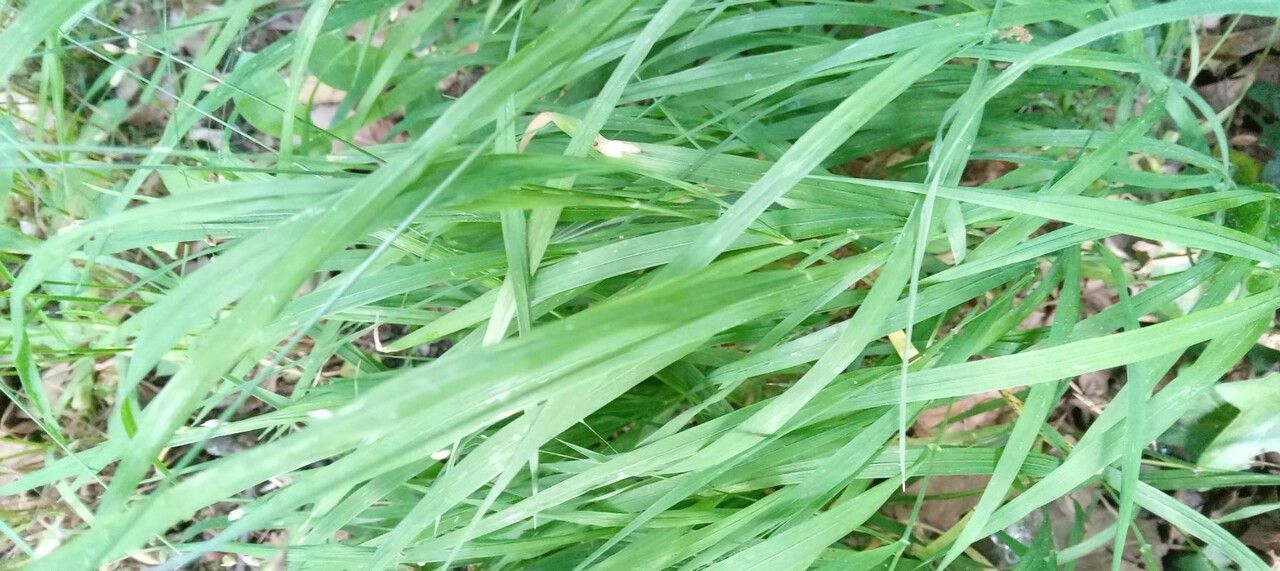
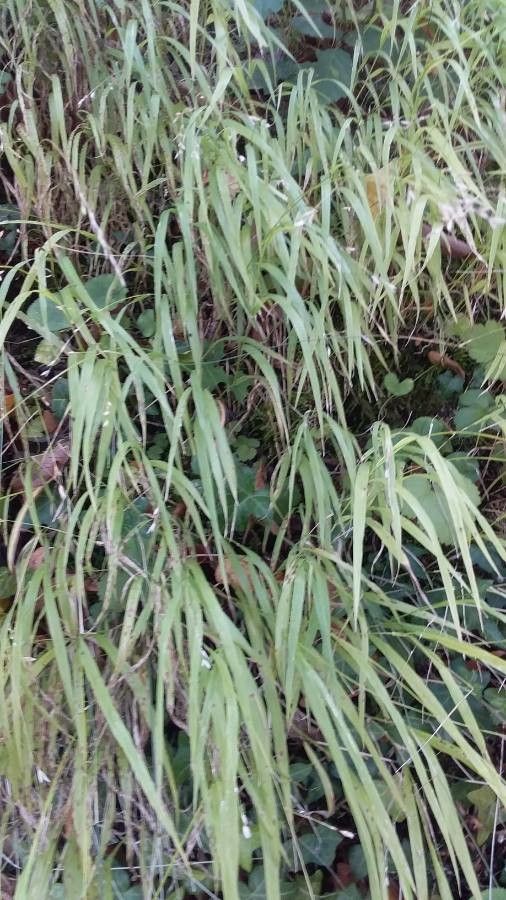
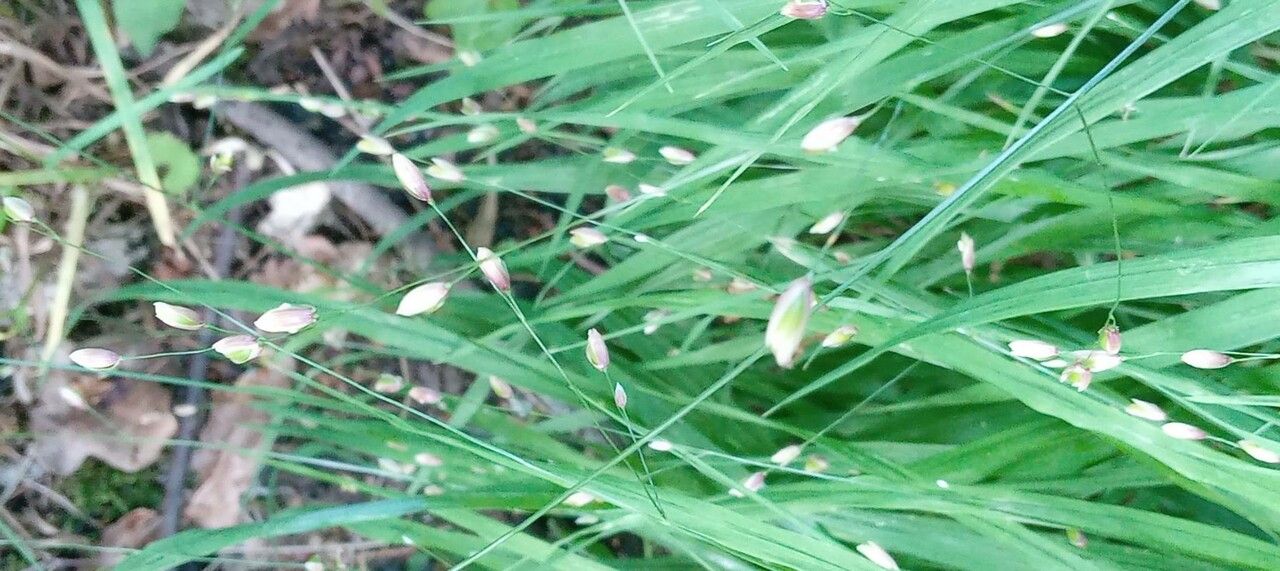
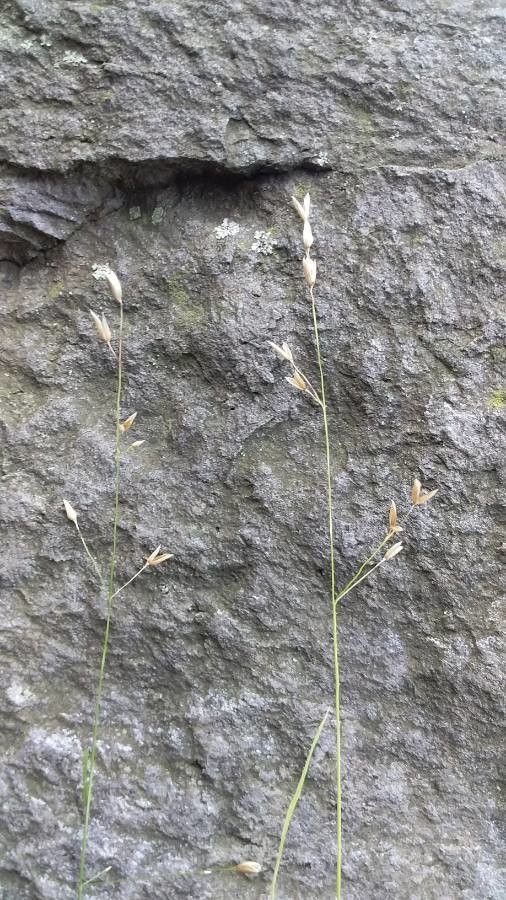
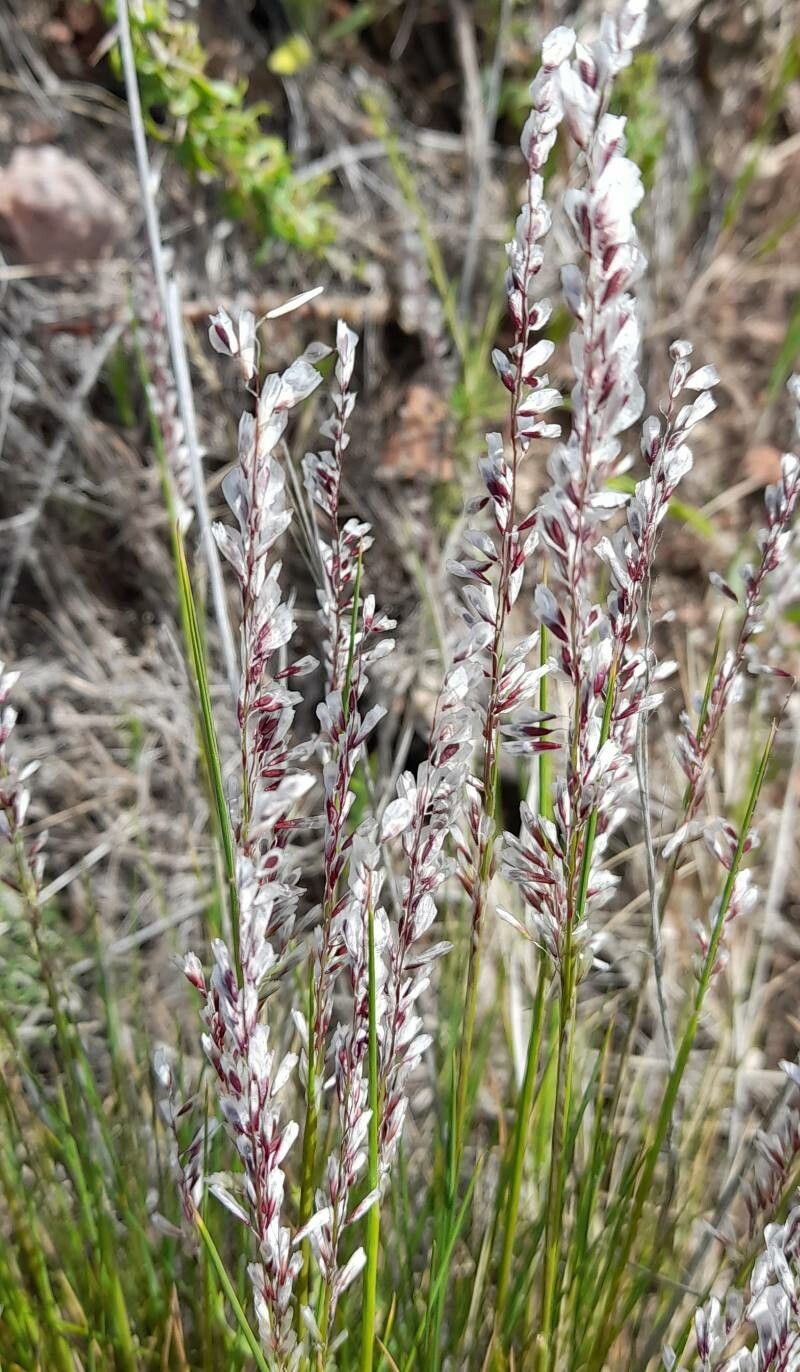
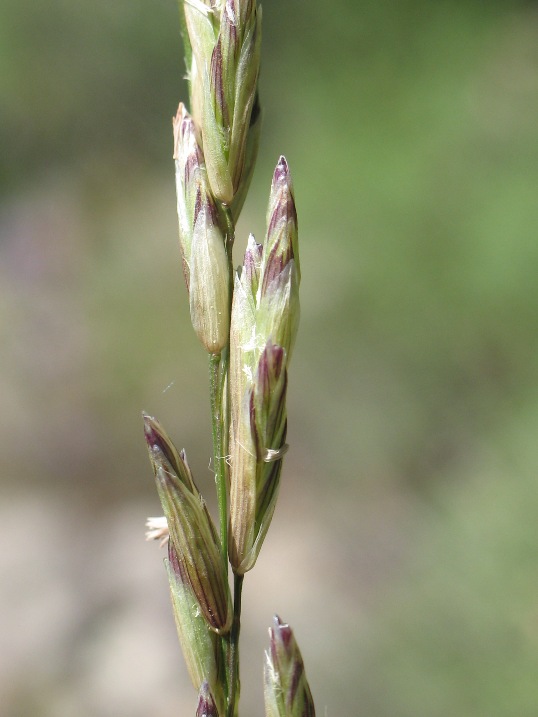
Melica uniflora, commonly known as one-flowered melic grass, is a perennial species belonging to the Poaceae family. Native to North America, this grass thrives in various habitats, including meadows, forests, and rocky slopes.
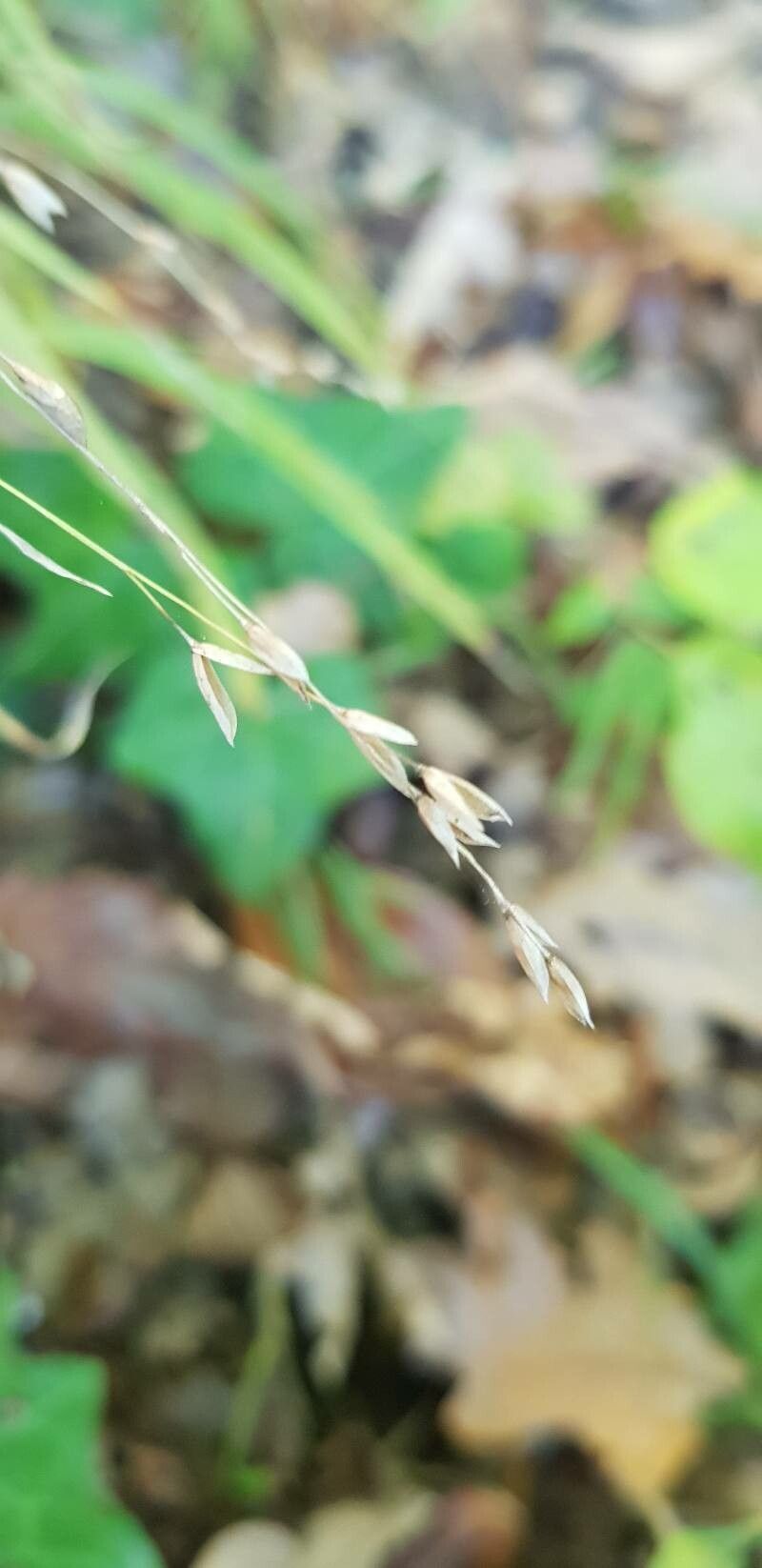
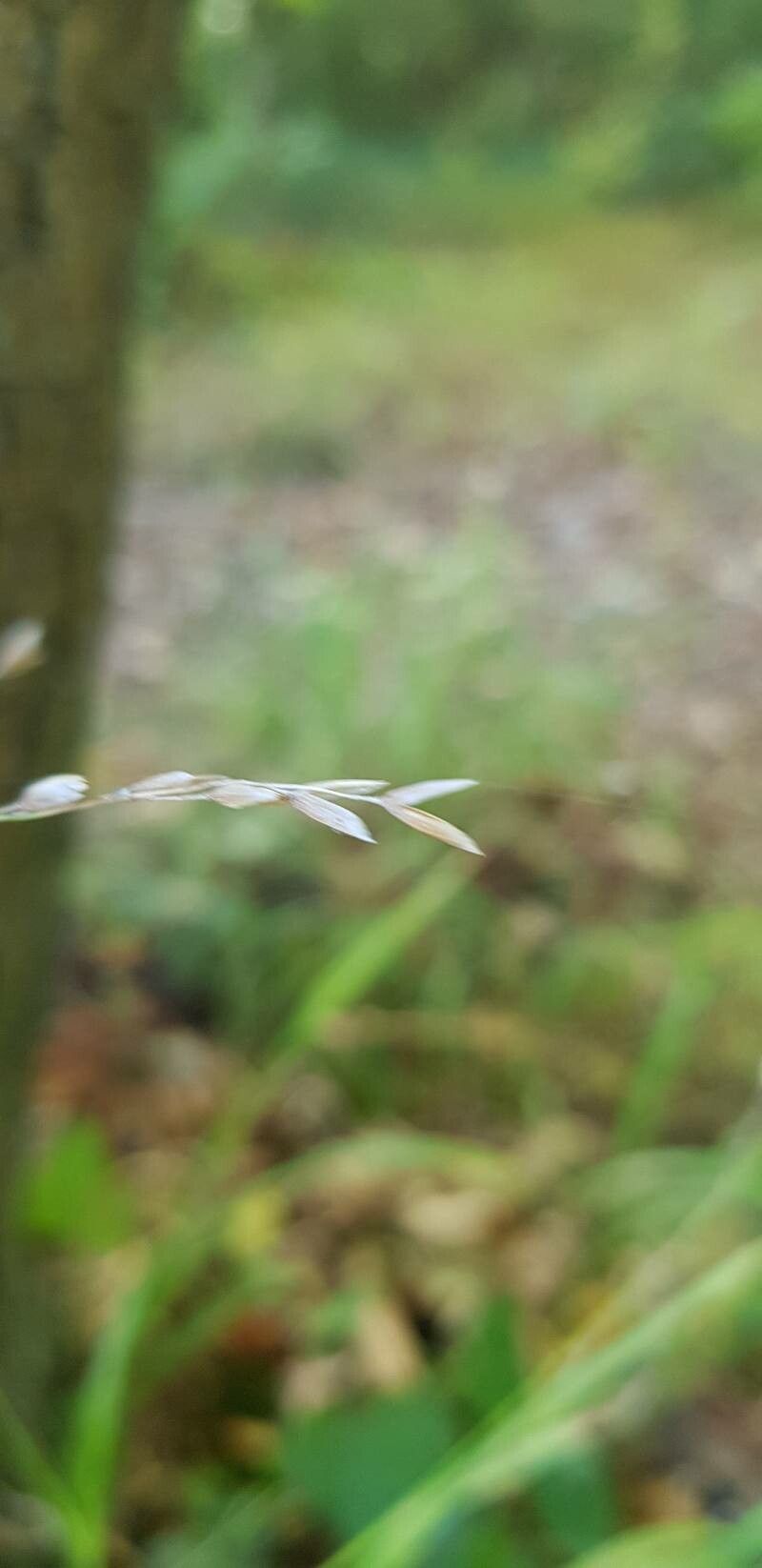
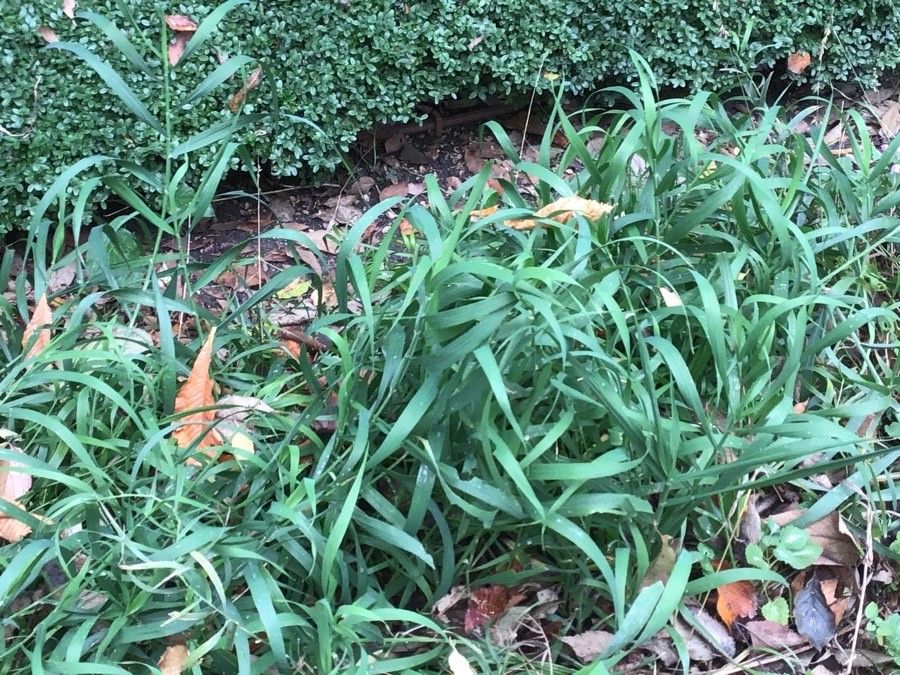
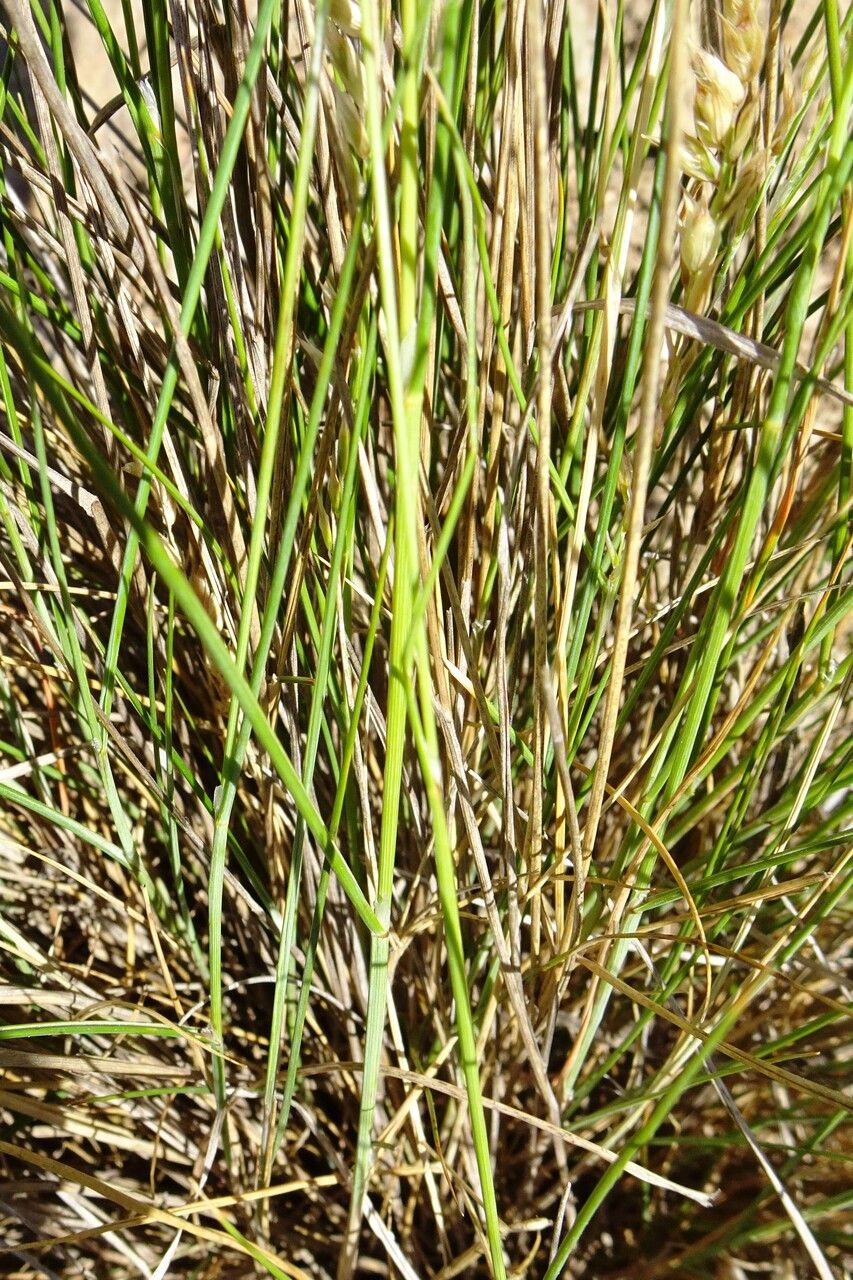
Typically, Melica uniflora grows up to 60 cm in height and features narrow, green leaves. Its inflorescence consists of a single spikelet, with one flower per stem. These flowers are small and inconspicuous, displaying pale green or purplish-brown hues.
This grass is significant for wildlife, serving as a food source for animals such as deer, elk, rabbits, and rodents. Additionally, it is a host plant for several butterfly species.
Ecologically, Melica uniflora plays a crucial role in preventing soil erosion on slopes. Its extensive root system helps stabilize the soil and reduce erosion.
Overall, Melica uniflora is an attractive ornamental grass suitable for landscaping projects, not only for its unique appearance but also for its valuable ecological contributions.
Botanical profile.
- Plant Type
- Grass
- Life Cycle
- Perennial
- Genus
- Melica
- Family
- Poaceae
- Hardiness Zone
- 7-9
- Mature Height
- 30 cm to 61 cm
- Mature Spread
- 61 cm
- Leaf Color
- Green
- Leaf Type
- Deciduous
- Flower Color
- Purple, White, Green, Brown
- Flower Size
- 0.51 cm to 0.76 cm
- Bloom Time
- Mid spring, Late spring, Early summer
- Planting Time
- Spring, Summer, Autumn
- Harvest Time
- Summer
- Native Area
- Turkey, Sweden, Austria, Slovakia, Montenegro, Croatia, Morocco, Germany, Romania, Belgium, Portugal, Netherlands, France, Tunisia, Czech Republic, Bulgaria, Armenia, Poland, Greece, Ukraine, Serbia, Norway, Syria, Italy, Spain, Switzerland, Denmark, Finland, Iran, Albania, Ireland, United Kingdom, Hungary, Algeria, Azerbaijan
Other names.