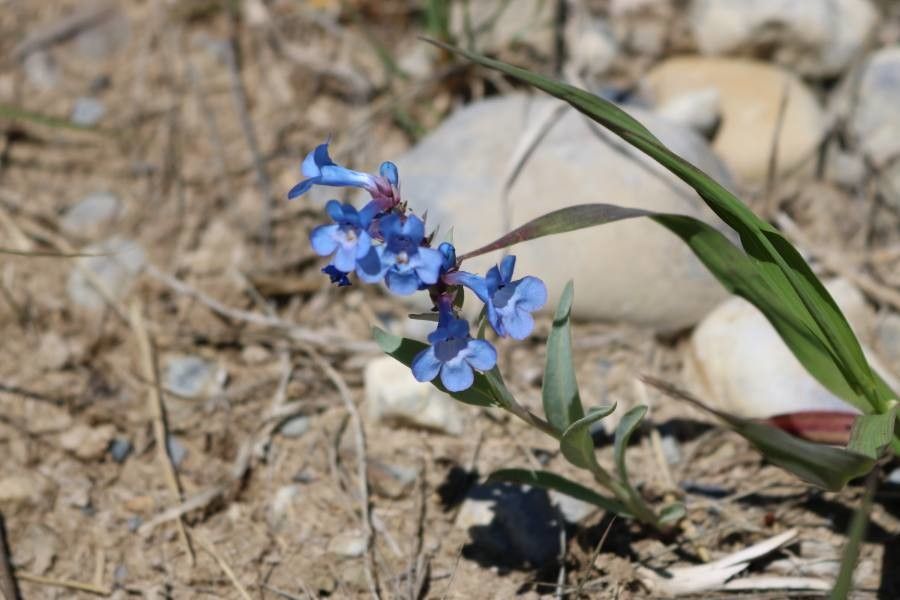
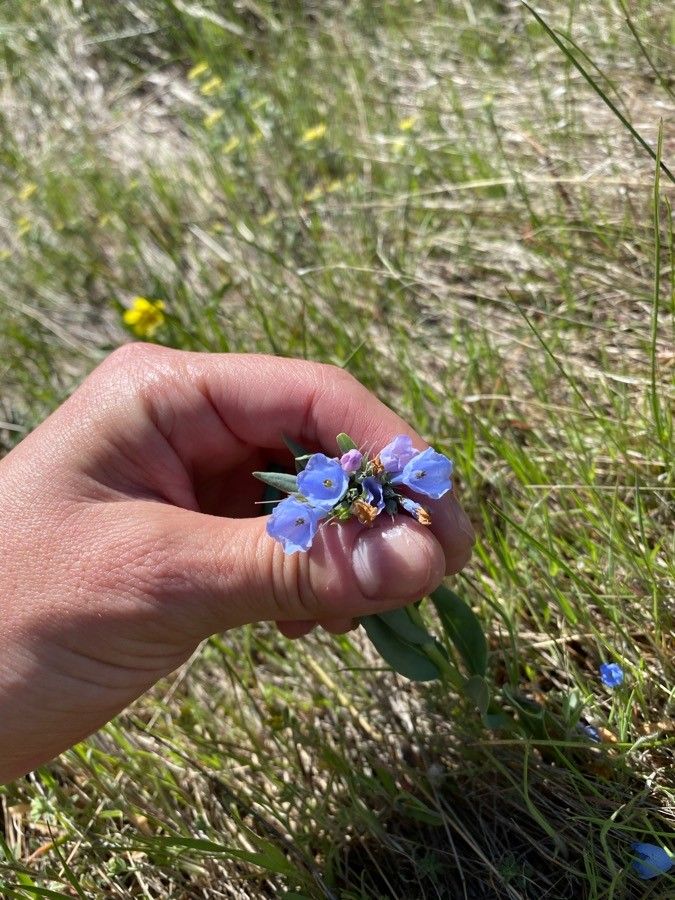
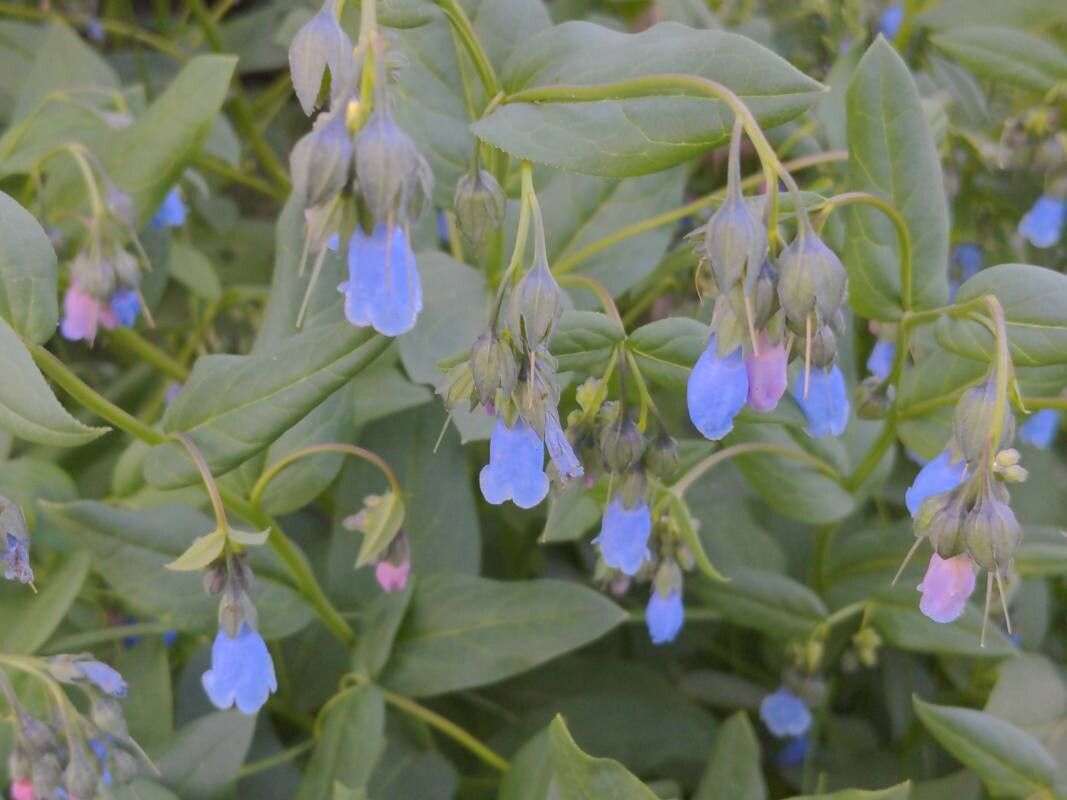
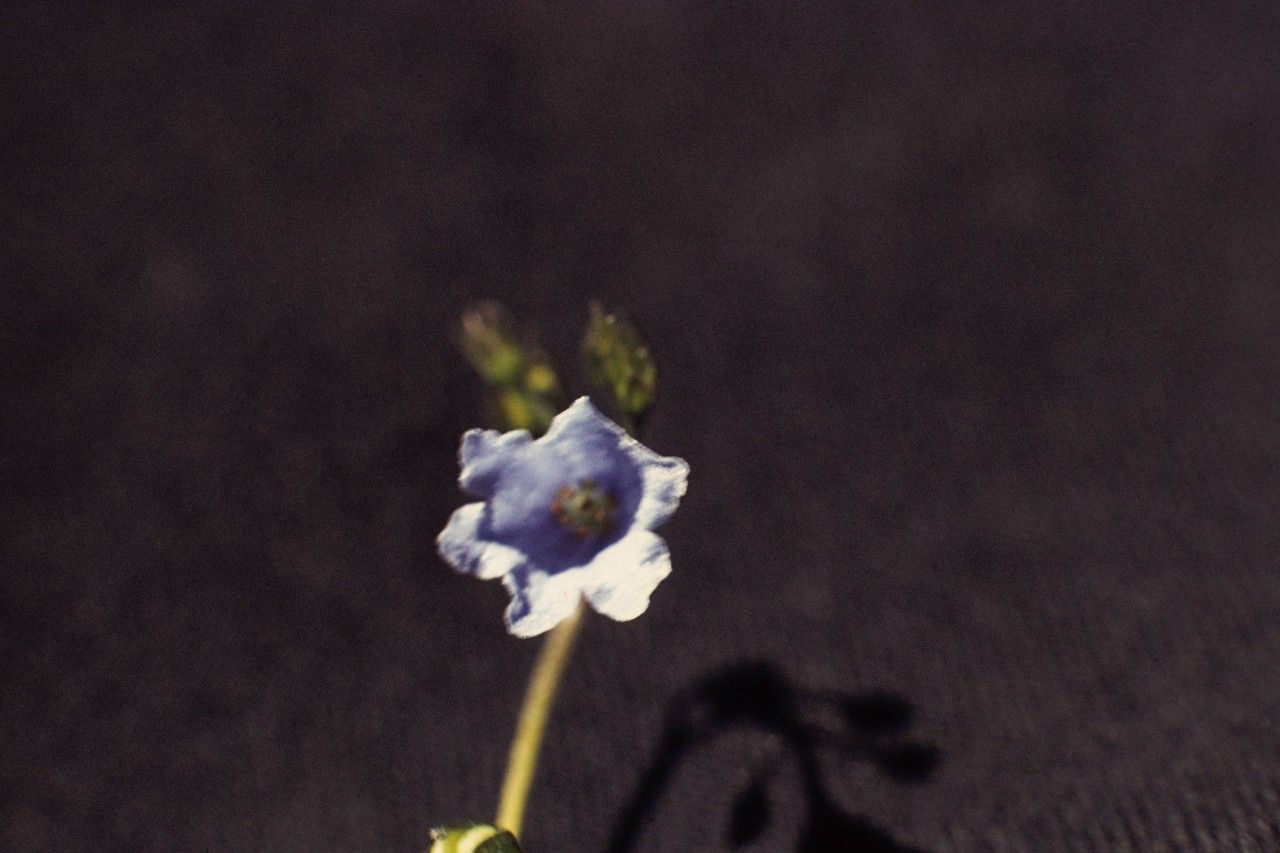
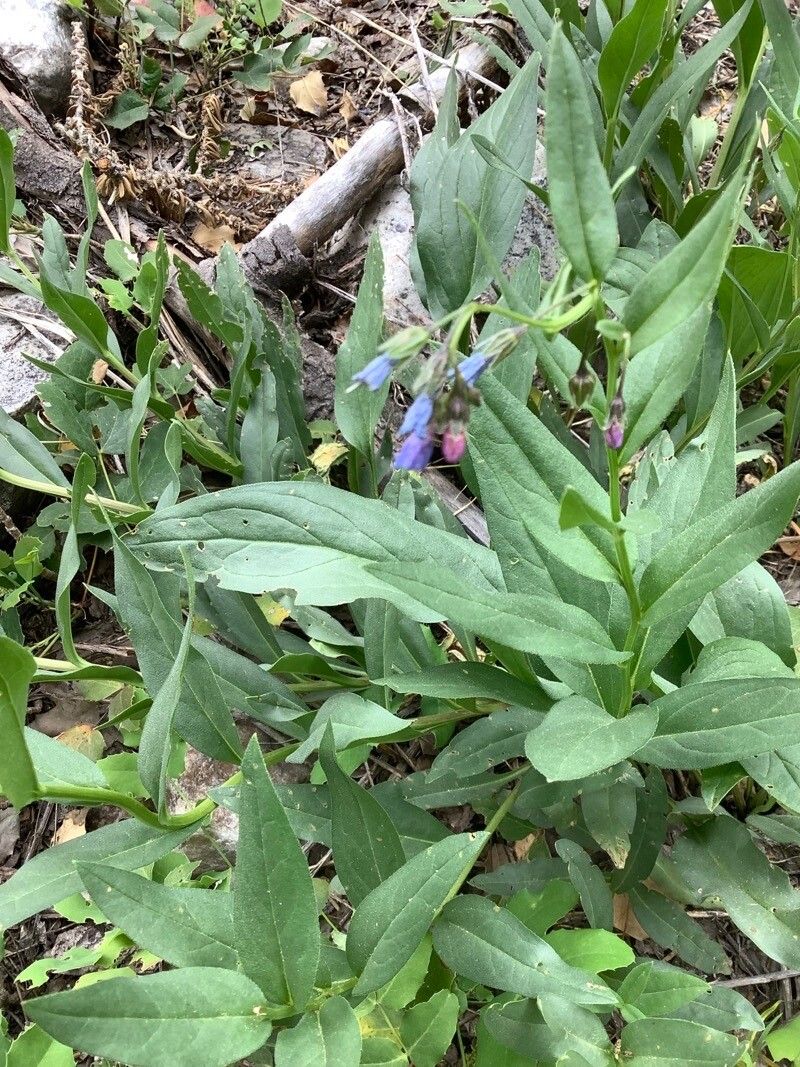
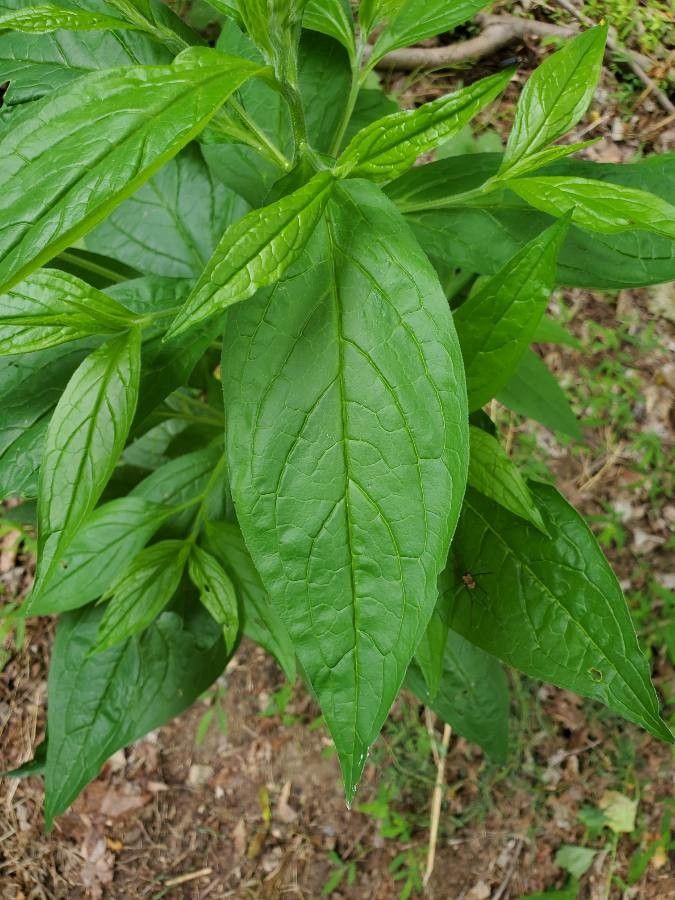
Mertensia lanceolata, known as prairie bluebells, narrow-leaved languid lady, lance-leaved bluebells, and lance-leaved lungwort is a species of flowering plant native to western North America. A herbaceous perennial it has blue-green leaves alternately arranged on its smooth flowering stalk. Its flower buds are pink-purple and become more blue as they open. Accepted varieties include: Mertensia lanceolata var. coriacea (A.Nelson) L.C.Higgins & S.L.Welsh Mertensia lanceolata var. lanceolata Mertensia lanceolata var. secundorum (Cockerell) Cockerell
Prairie bluebells have strong disease resistance and are generally not prone to illnesses. However, they can be vulnerable to pests and diseases present in their environment. These infections are usually mild. For care, this plant requires moderate maintenance. It should be pruned regularly to keep a good appearance and healthy growth. Fertilizing can also help encourage flowering. Prairie bluebells are suitable for anyone with an outdoor area, such as a garden or patio, and do not require extensive care experience. They may need more attention when grown indoors.
How to keep Mertensia Lanceolata.
Light
Prairie bluebells is native to habitats like forest understories or rocky areas, where it grows in natural shade. Its preferred light is partial sun, but it can tolerate full sun or full shade, demonstrating its adaptable and hardy nature.
Temperature
Prairie bluebells can adjust to a broad range of temperature conditions, but their distribution can still be constrained by different combinations of moisture and heat. They do best in warm summer climates with sufficient rainfall or watering. Extended periods of cloudy, rainy weather, as well as prolonged high temperatures, can raise the likelihood of Prairie bluebells dying. In winter, giving the plant proper protection from cold can increase its survival rate.
Fertilizer
For Prairie bluebells, the best time to apply fertilizer is in early spring while the flowers are developing. An appropriate fertilizer promotes stronger blooms and helps Prairie bluebells produce attractive flowers. Fertilizing in early spring ensures good flowering during the season and supplies energy for periods of dormancy.
Pruning
Prairie bluebells are known for their beautiful blue, bell-shaped flowers and lance-shaped leaves. For optimal growth and flowering, prune them in early spring to remove dead stems and give the plant a desirable shape. Regularly deadheading the flowers can help extend the blooming period, prevent overcrowding, reduce the risk of disease, and enhance the overall health of the plant.
Botanical profile.
- Plant Type
- Herb
- Life Cycle
- Perennial
- Genus
- Mertensia
- Family
- Boraginaceae
- Hardiness Zone
- 3-7
- Mature Height
- 20 cm to 40 cm
- Mature Spread
- 15 cm to 30 cm
- Leaf Color
- Green, Dark Green
- Leaf Type
- Deciduous
- Flower Color
- Blue
- Flower Size
- 1.02 cm to 1.52 cm
- Bloom Time
- Early spring, Mid spring
- Planting Time
- Spring, Summer, Autumn
- Harvest Time
- Late spring, Early summer
Other names.
Reader questions.
What are the sunlight requirements for Prairie bluebells (Mertensia lanceolata)?
Prairie bluebells, known botanically as Mertensia lanceolata, require partial sun, meaning they should receive about 3-6 hours of sunlight daily. It's essential to observe how sunlight moves through your garden, allowing you to find a location that offers a perfect balance of light and shade. This careful selection ensures your Prairie bluebells thrive.