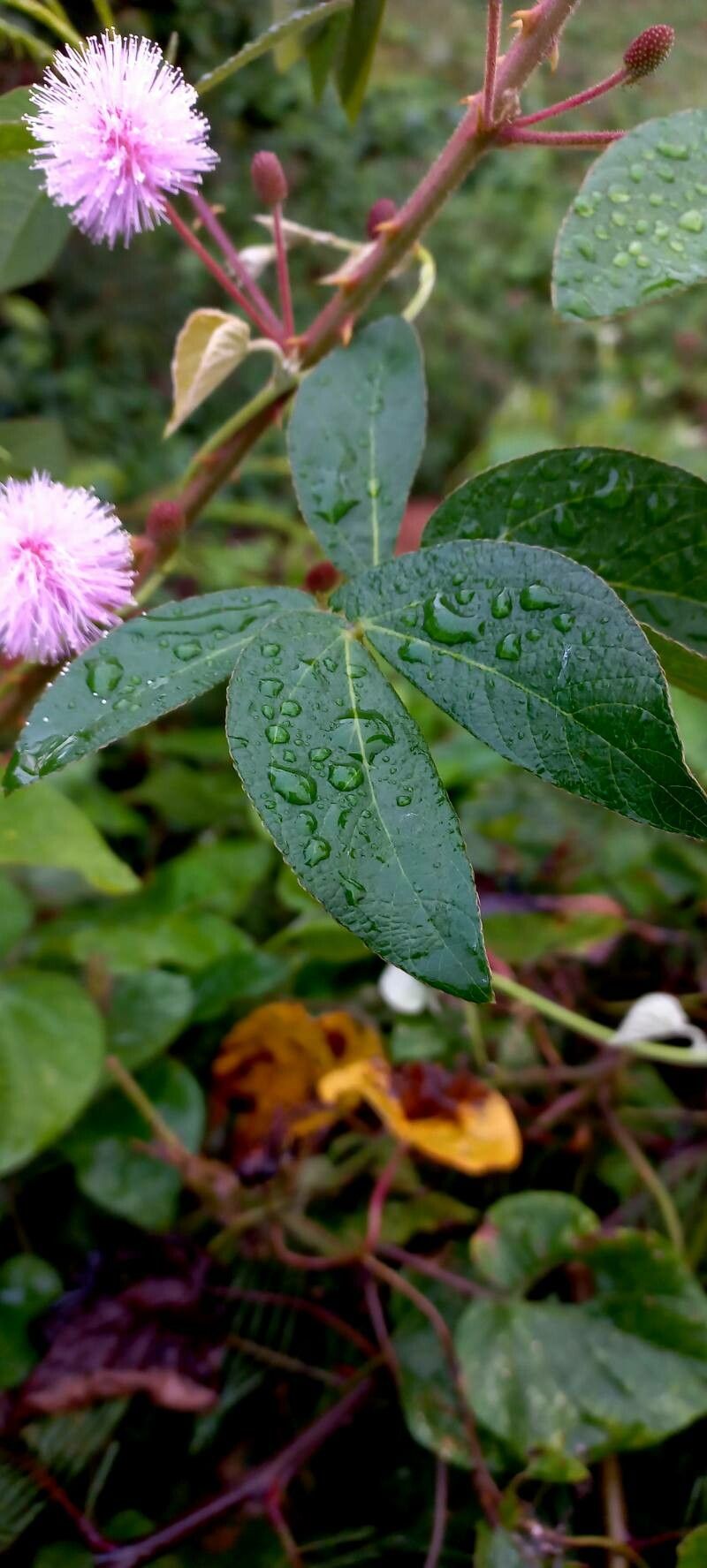
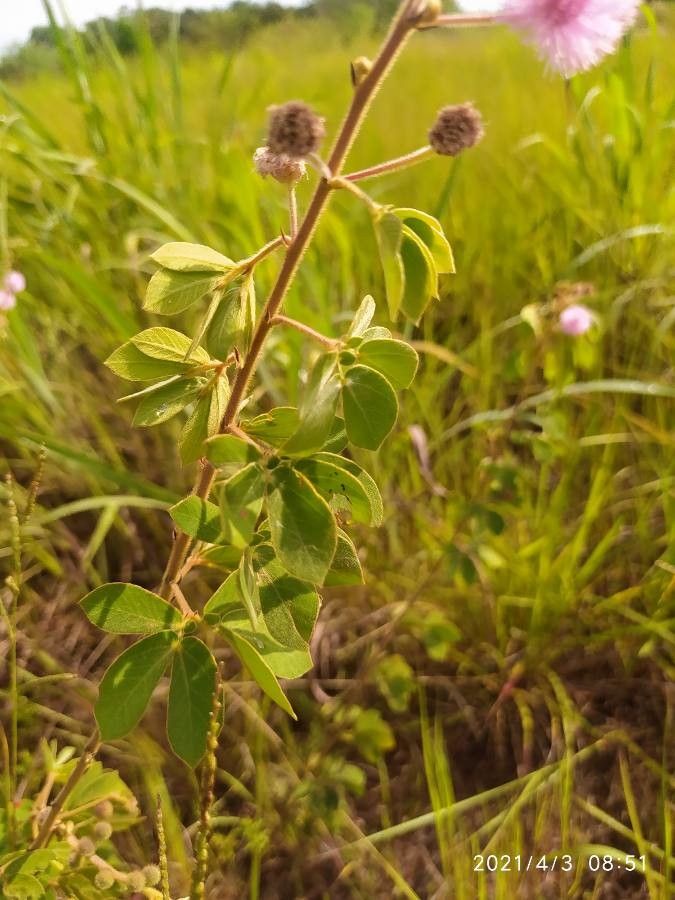
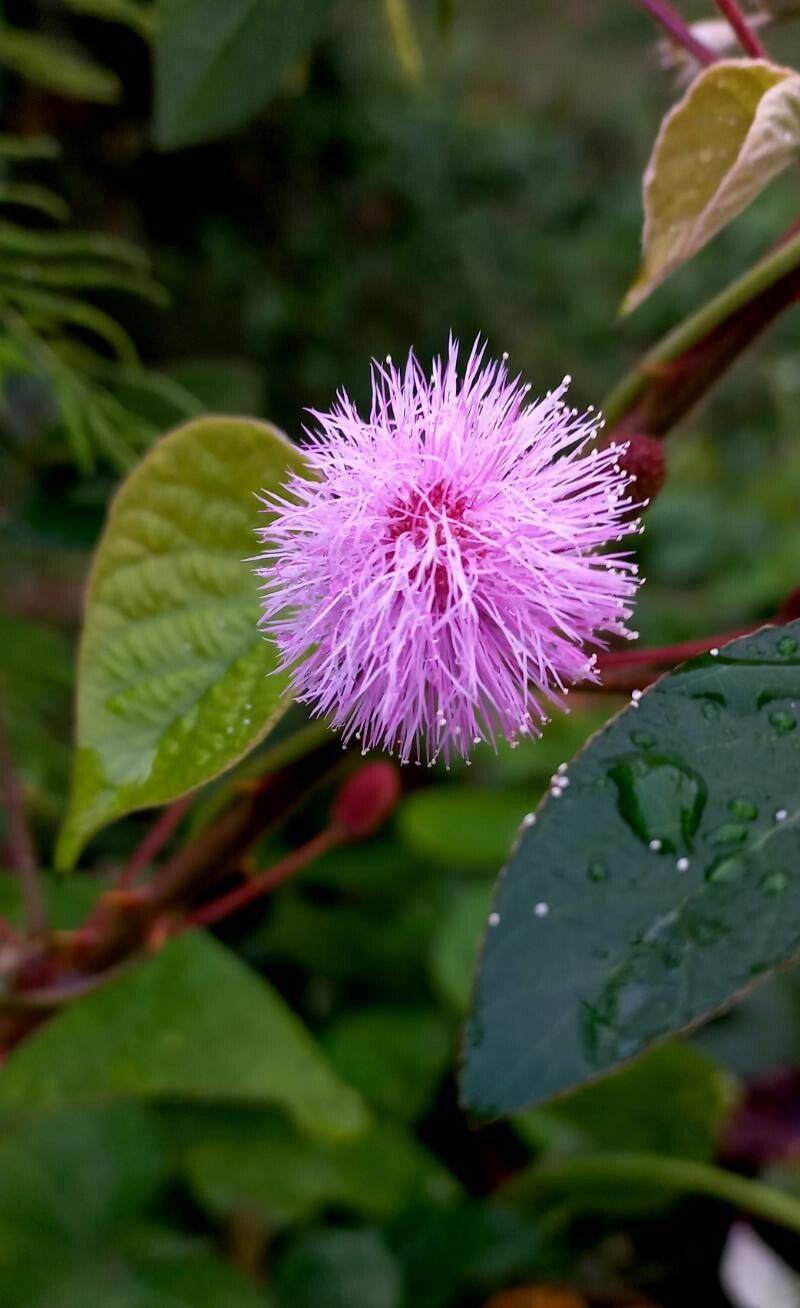
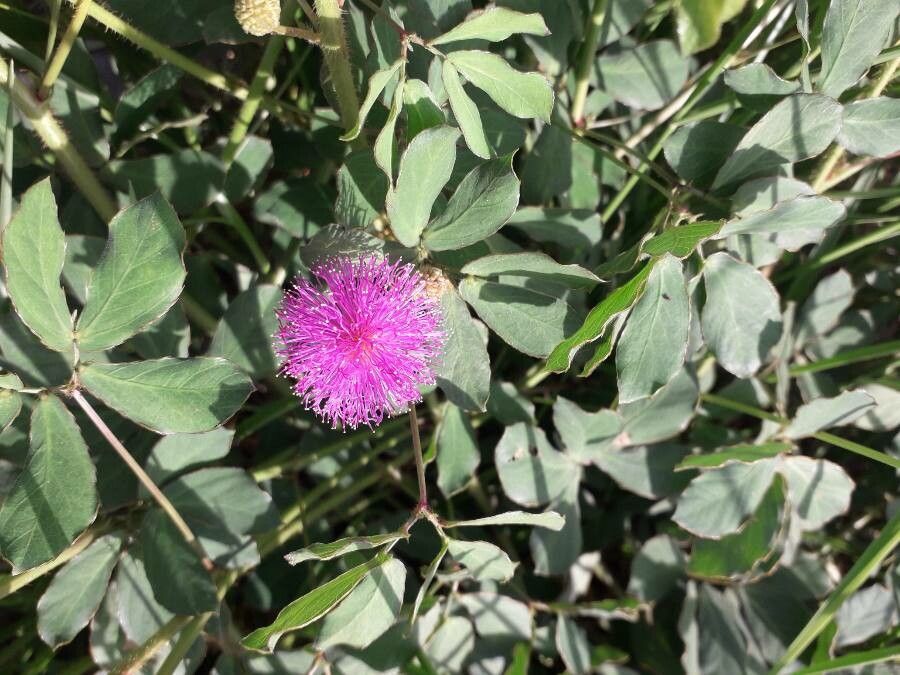
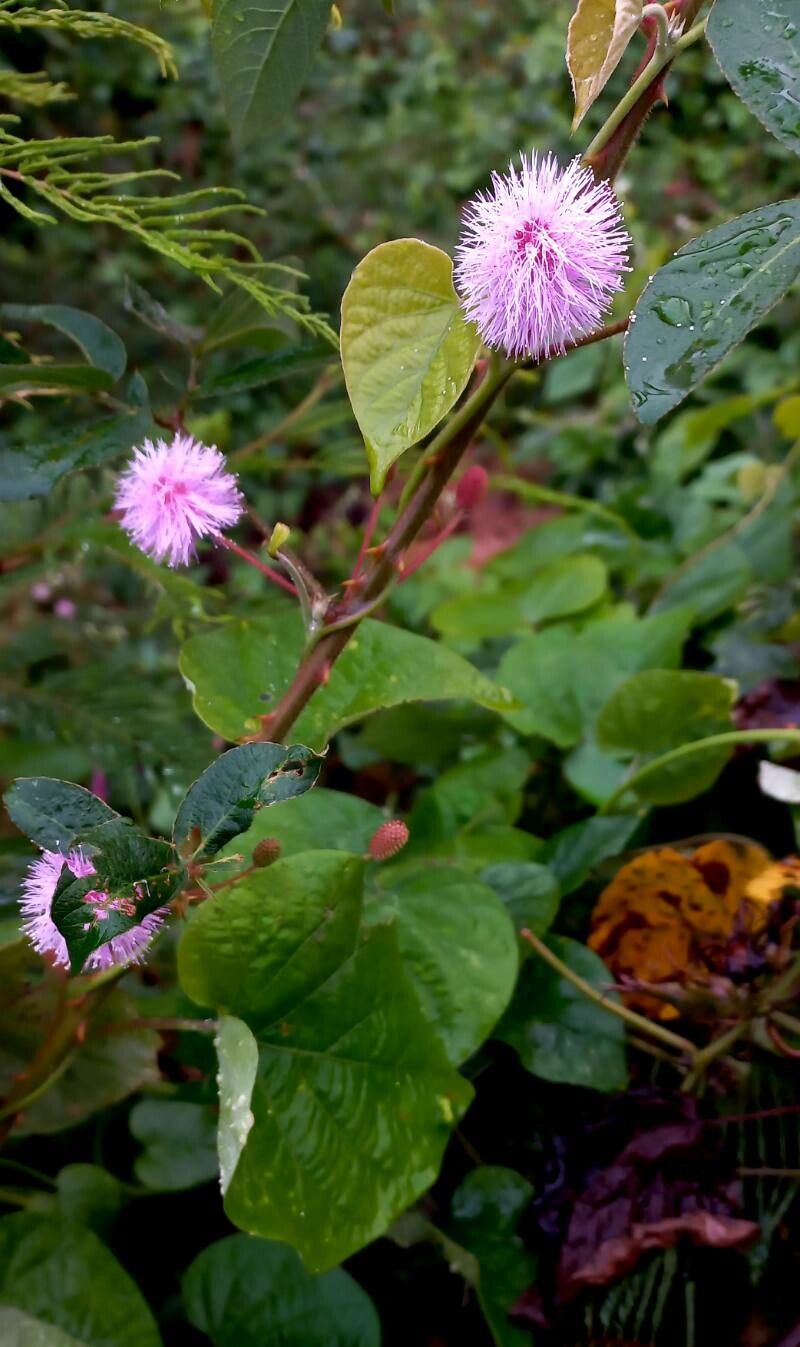
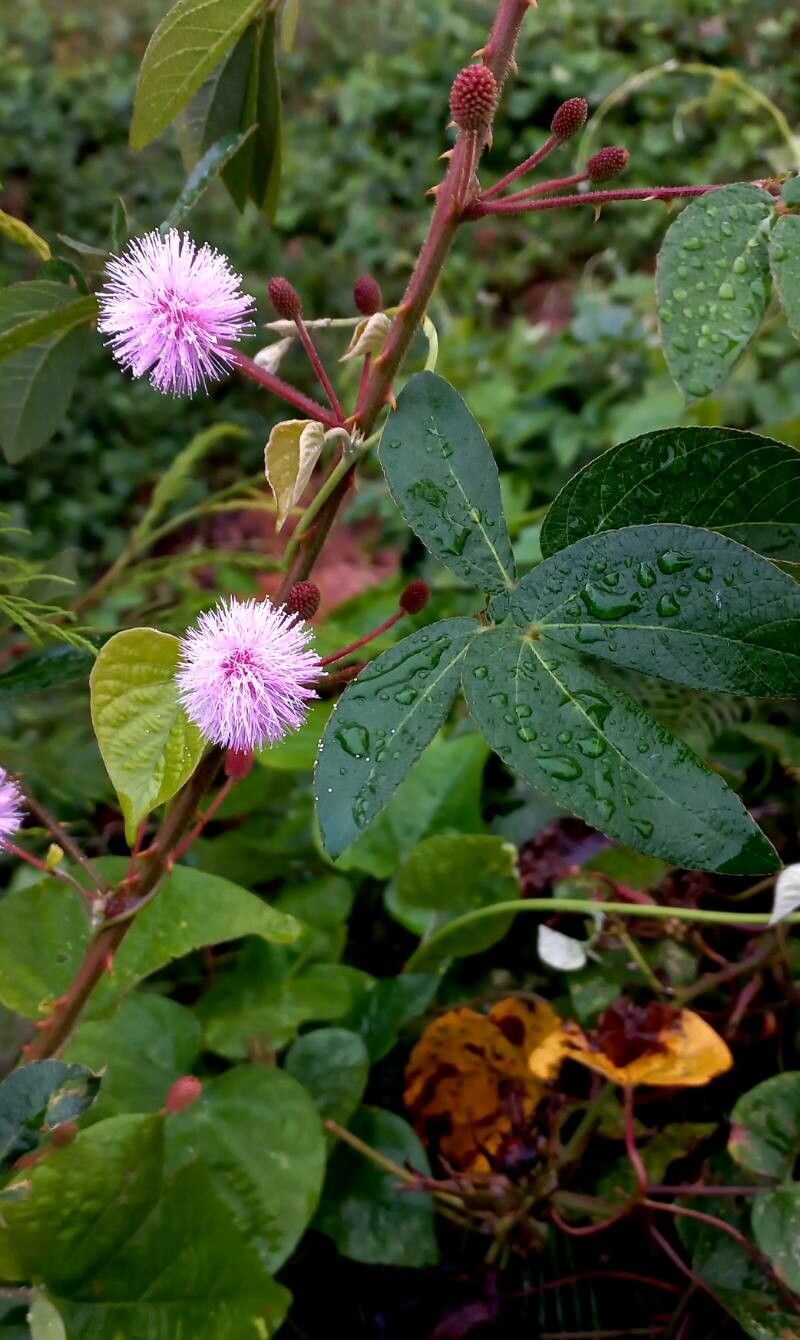
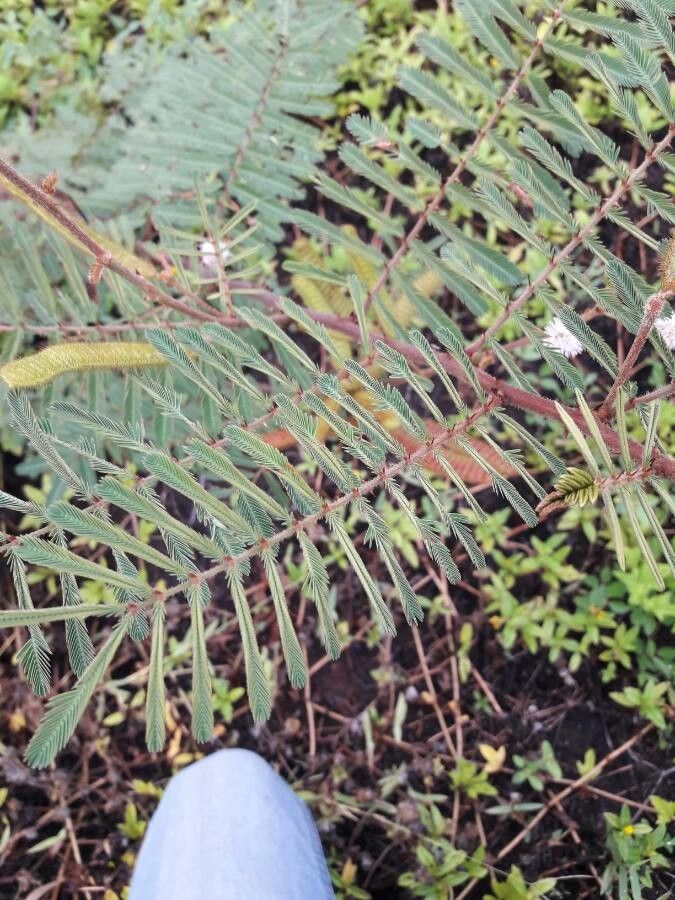
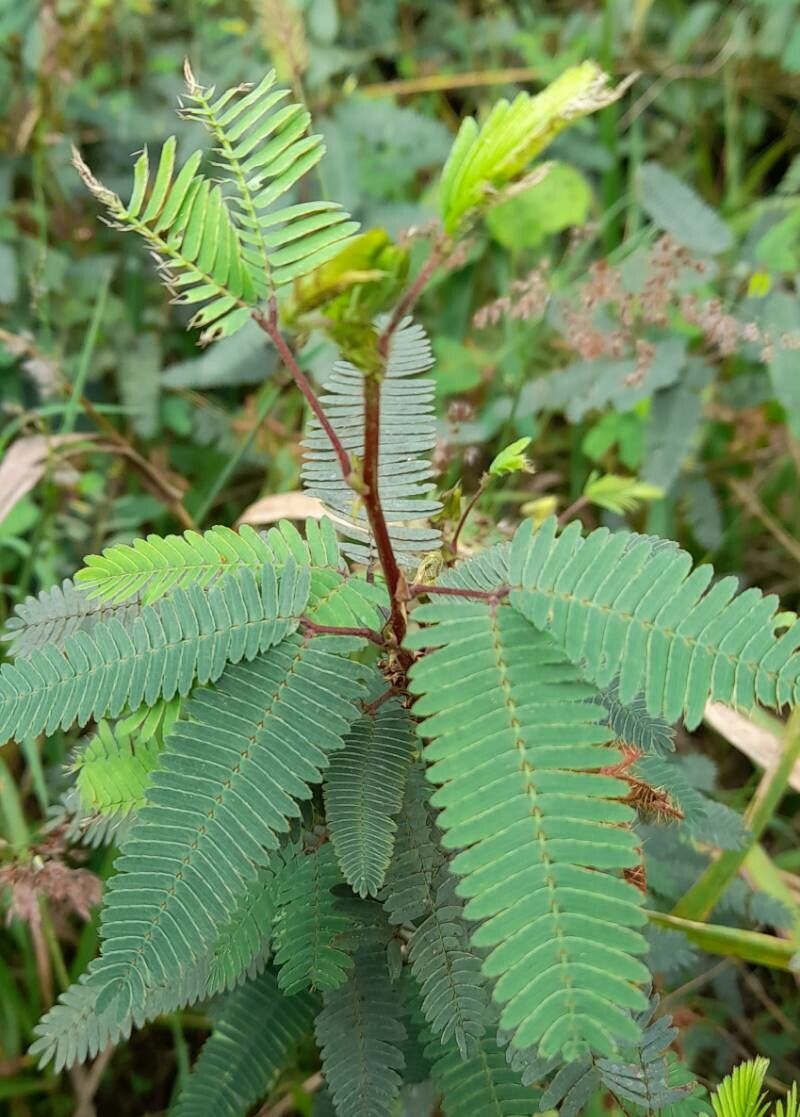
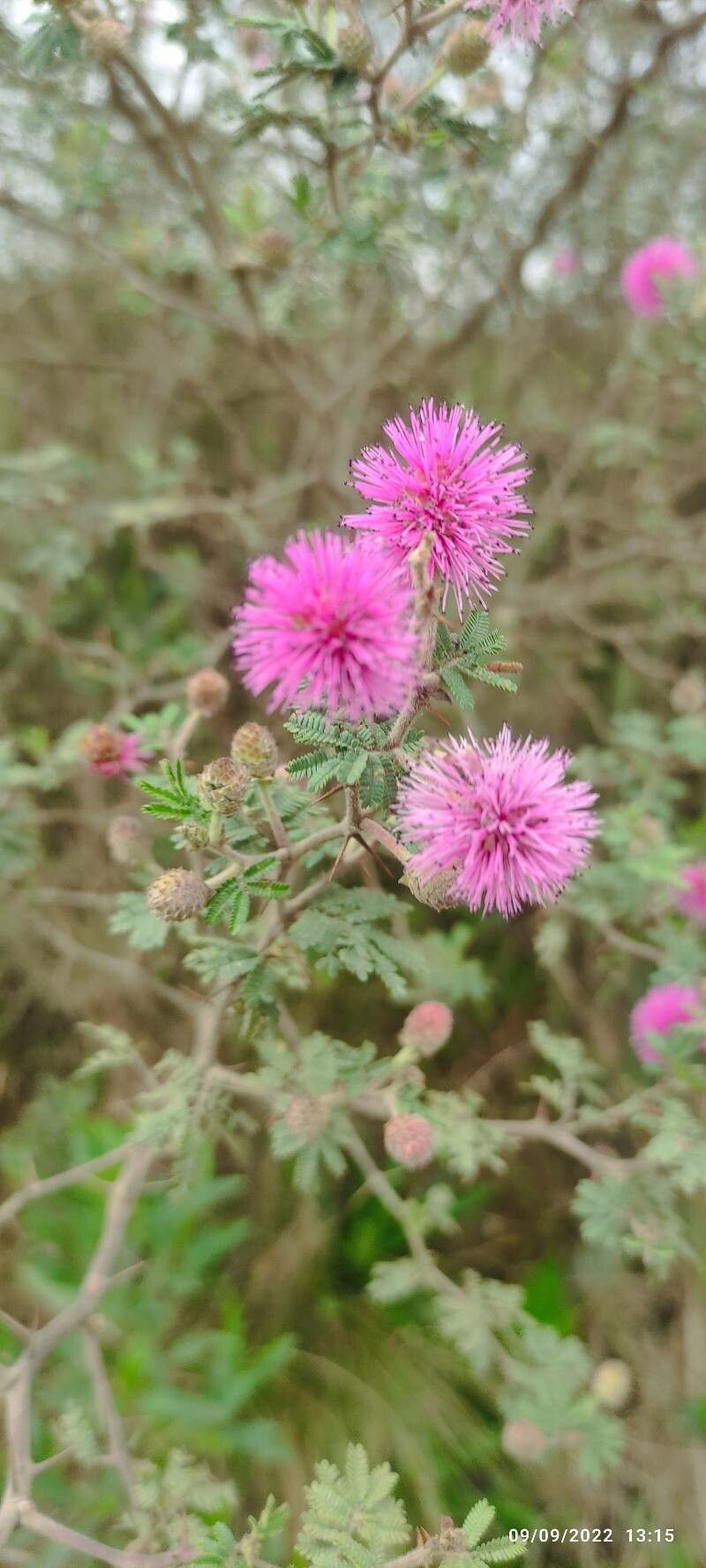
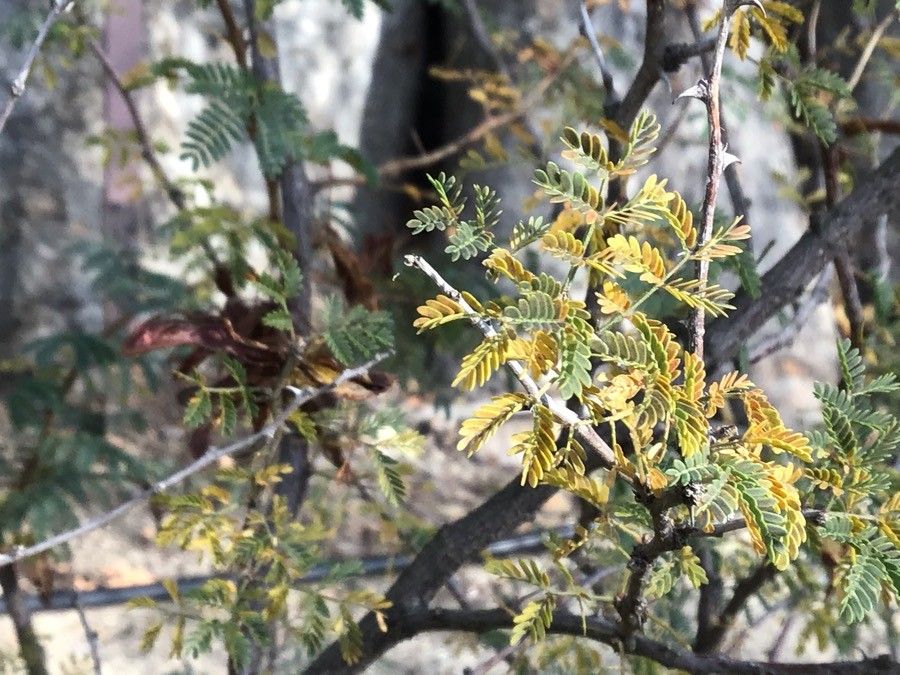
Mimosa albida has strong disease resistance and is generally not susceptible to diseases. In terms of care, this plant is fairly low-maintenance. When grown outdoors it needs minimal watering, and larger plants typically do not require pruning. Smaller plants, however, should be pruned after they have finished blooming. Mimosa albidat is suitable for anyone with an outdoor area, such as a garden or deck, and does not demand extensive gardening experience.
How to keep Mimosa Albida.
Light
Mimosa albida performs best with plenty of daylight, although it can tolerate reduced sunlight. Insufficient or excessive sun exposure can harm the plant's health. Native to sunny environments, it requires significant sunlight at every stage of growth.
Water
Mimosa albida thrives in arid conditions and only needs watering every 2-3 weeks. It prefers full sun and is best suited for outdoor cultivation in well-draining soil to prevent waterlogging. This setup supports its drought tolerance during active growth cycles.
Temperature
Mimosa albida comes from habitats with moderate temperatures, typically about 50 to 95 °F (10 to 35 ℃). It thrives best within that temperature span. If temperatures drop below this range, seasonal adjustments may be necessary.
Fertilizer
Timing is important when fertilizing Mimosa albida. Apply fertilizer in early spring and continue once a month until early summer. Fertilizer promotes attractive blooms and supplies energy during both dormant and active growth periods.
Pruning
To encourage growth and flowering, Mimosa albida should be pruned in early spring. Start by removing any dead or damaged branches, and then thin and shape the plant to maintain a natural form. Proper pruning not only improves air circulation but also helps reduce pests and keep the plant healthy. For the best results, use clean, sharp tools. Regular maintenance will ensure a vibrant display.
Botanical profile.
- Plant Type
- Shrub
- Life Cycle
- Perennial
- Genus
- Mimosa
- Family
- Fabaceae
- Hardiness Zone
- 6-10
- Mature Height
- 0.91 m to 3.05 m
- Mature Spread
- 0.91 m to 2.13 m
- Leaf Color
- Green, Dark Green
- Leaf Type
- Deciduous
- Flower Color
- Pink
- Flower Size
- 1.02 cm to 1.52 cm
- Bloom Time
- Summer, Early fall, Mid fall
- Planting Time
- Winter
- Harvest Time
- Late summer, Fall, Early winter
- Native Area
- Colombia, Belize, Honduras, Mexico, Guatemala, Bolivia, Venezuela, Peru, Nicaragua, Ecuador, Costa Rica, Panama
Reader questions.
What are the sunlight requirements for mimosa albida?
Mimosa albida requires a considerable amount of sunlight throughout its growth stages, thriving best in full sun conditions, which means it should receive more than 6 hours of sunlight daily. However, the plant is adaptable and can also tolerate partial sun, defined as about 3-6 hours of sunlight. It's essential to observe your garden's light conditions and choose planting spots that offer the ideal balance of light and shade to ensure your plants' growth and happiness.
What is the ideal temperature range for Mimosa albida?
Mimosa albida thrives in moderate temperature environments, with an ideal temperature range between 50 to 95 °F (10 to 35 °C). The plant performs best within this temperature spectrum and requires seasonal adjustments if the temperatures fall outside this range.
How does artificial lighting support indoor mimosa albida plants?
Indoor mimosa albida plants benefit significantly from adequate artificial lighting, especially when natural sunlight is insufficient, like in winter or less sunny spaces. It's recommended to use LED lights, which can be customized to provide specific wavelengths needed by the plants. For full sun plants, 30-50W/sq ft of artificial light is advised, 20-30W/sq ft for partial sun plants, and 10-20W/sq ft for full shade plants. The light source should be placed 12-36 inches above the plant to mimic natural sunlight, and plants generally require 8-12 hours of light per day.
How does Mimosa albida handle cold weather?
Mimosa albida has strong cold resistance and typically does not require special frost protection measures during winter. However, if temperatures are expected to drop below -25°C (-13°F), it's essential to protect the plant. Wrapping the trunk and branches with non-woven fabric or cloth and watering the plant abundantly before the first freeze in autumn helps to keep the soil moist, preventing drought and water scarcity during winter and early spring.
What symptoms indicate mimosa albida is receiving insufficient light?
When mimosa albida is lacking sufficient light, it may display several symptoms, including smaller new leaves, leggy or sparse growth, faster leaf drop, and halted or no new growth. Leaves might also develop irregular color patterns or appear paler, indicating a lack of essential nutrients and chlorophyll. In cases of excessive sunlight, symptoms such as chlorosis, sunscald, leaf curling, wilting, and leaf scorching can occur, each affecting the plant's health and ability to photosynthesize effectively.
What are the symptoms of Mimosa albida in low temperatures?
Mimosa albida is cold-tolerant and should be kept above -15°C (5°F) during winter. If the temperature falls below -25°C (-13°F), the branches might become brittle and dry by spring, with a lack of new shoots. To manage this, prune away any dead branches that have failed to produce new leaves in the spring.
How can I care for my mimosa albida to ensure it receives enough light?
To ensure mimosa albida receives enough light, gradually acclimate it to brighter conditions by moving it to sunnier locations each week until it gets at least 6 hours of direct sunlight daily. For indoor plants, consider using artificial light if moving the plant is not feasible. Keep lamps on for at least 8 hours a day or invest in professional grow lights. For outdoor plants, gradually moving them to sunnier spots while avoiding sudden changes in light intensity is crucial. If your plants are grounded and not easily movable, reduce obstructions like overhanging branches and consider transplanting smaller plants to sunnier locations during their dormant periods for better sun exposure and health.
What happens to Mimosa albida in high temperatures?
During summer, it's crucial to ensure Mimosa albida's temperature remains below 35°C (95°F). Exceeding 41°C (105.8°F) can cause the leaves to lighten in color, tips to become dry and withered, and increases the susceptibility to sunburn. To mitigate damage, trim away sunburned and dried parts, relocate the plant to a shaded area or use shade cloth, and maintain soil moisture with morning and evening watering.