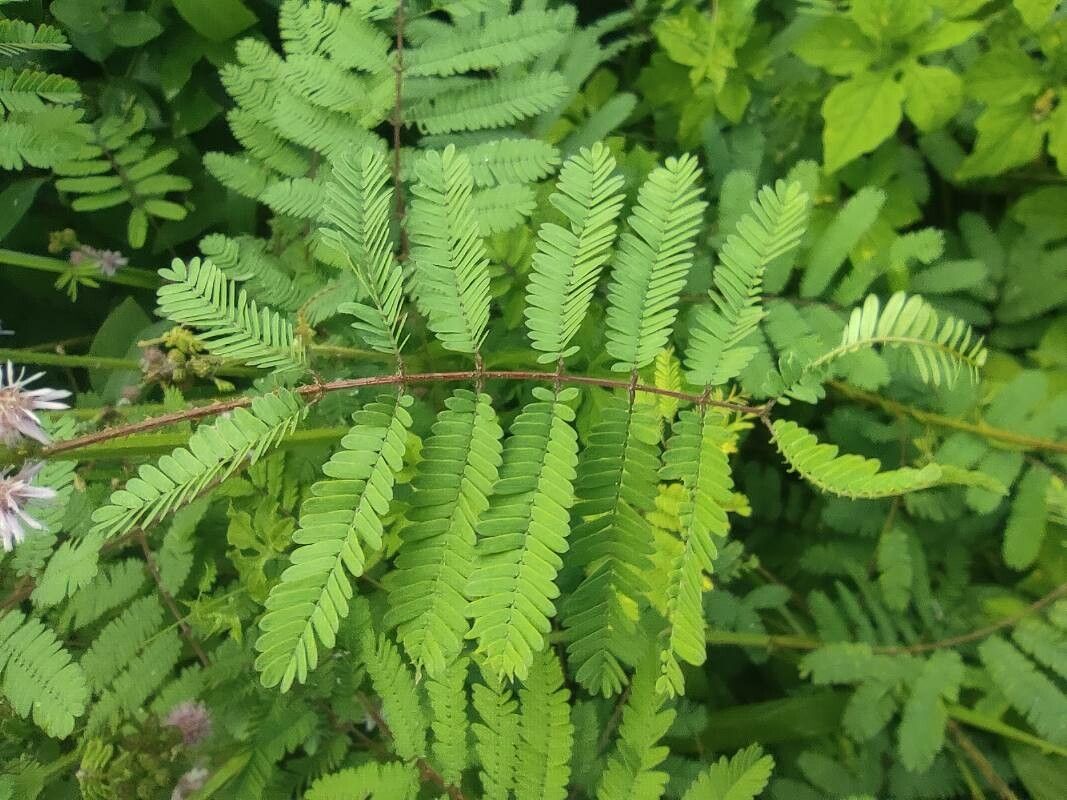
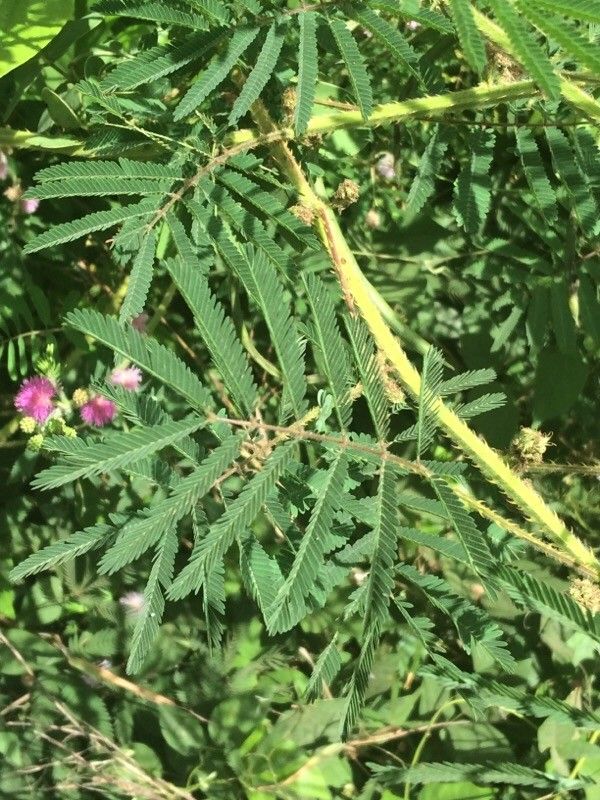
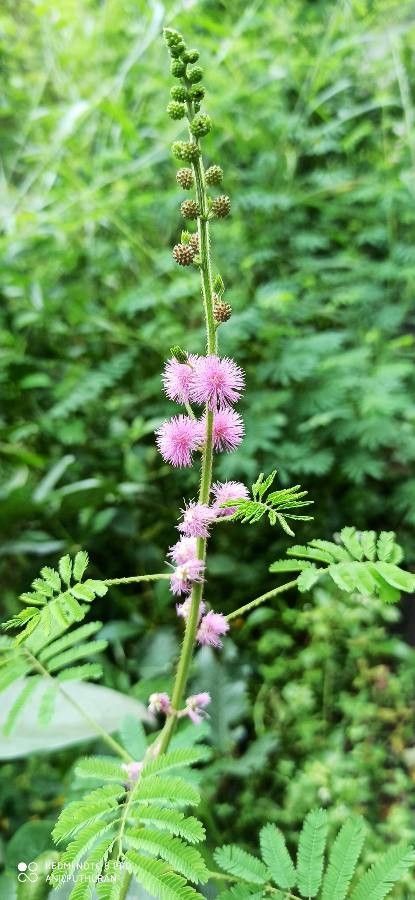
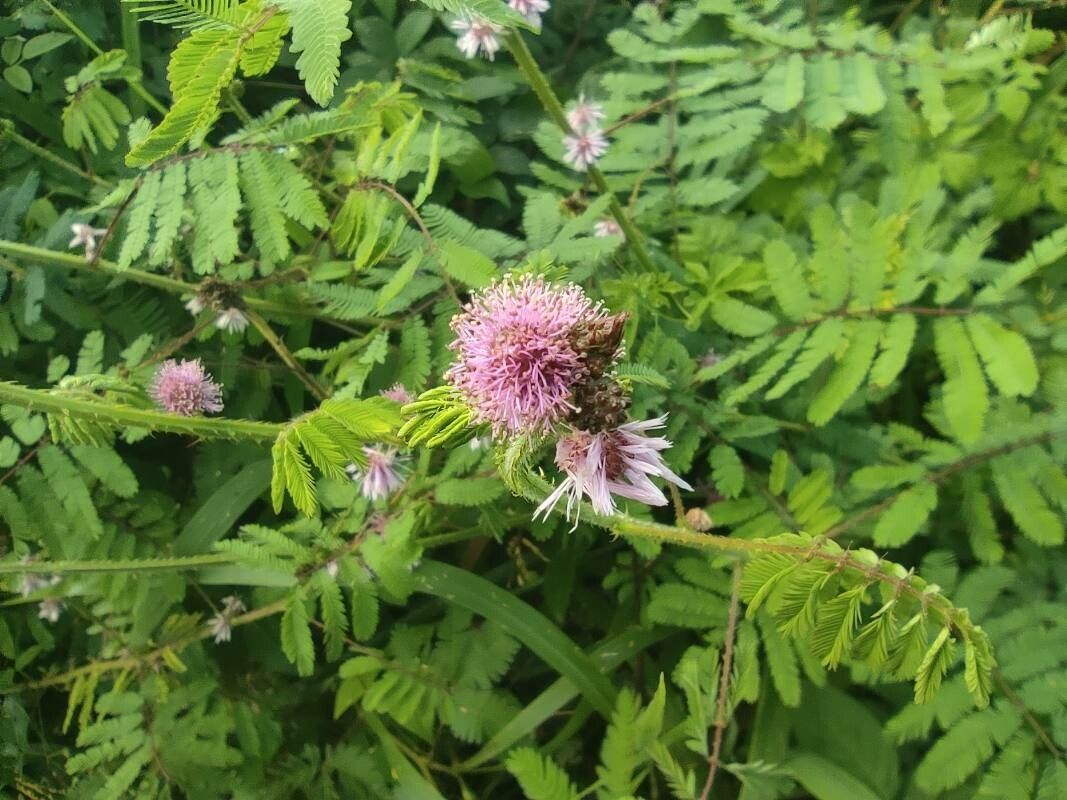
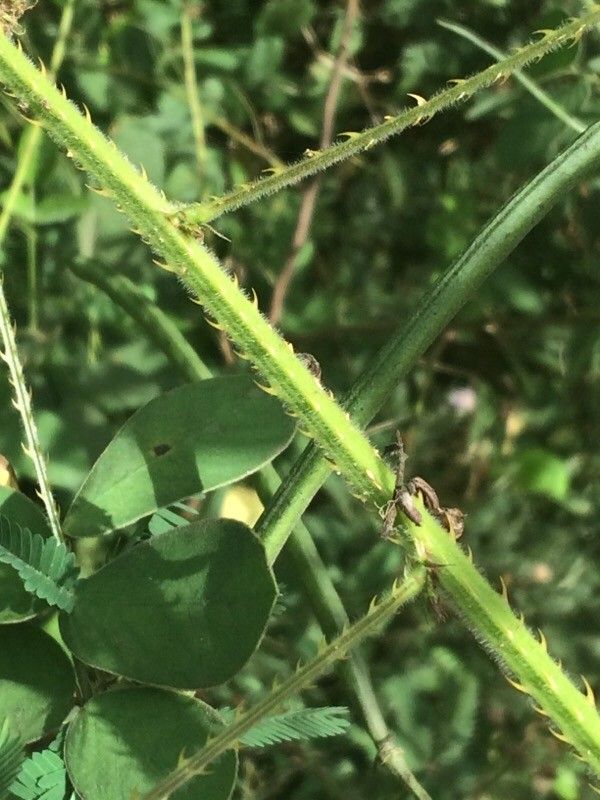
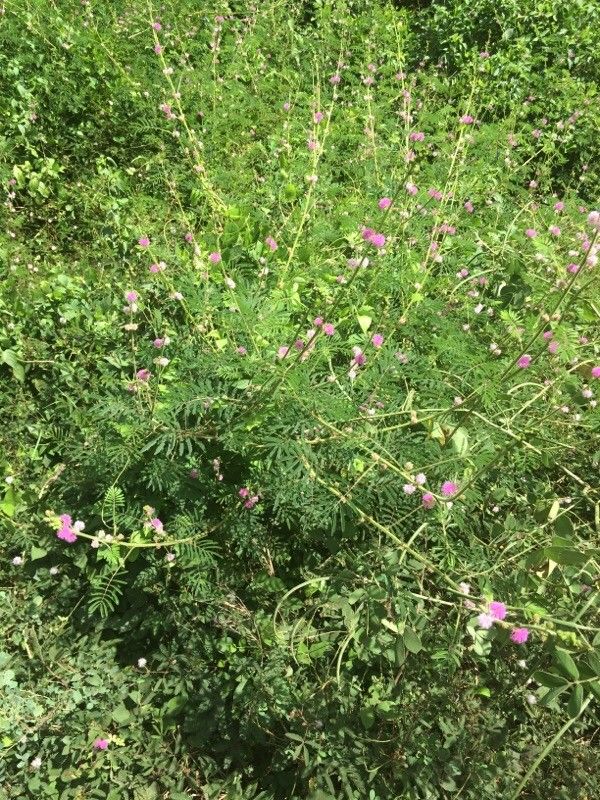
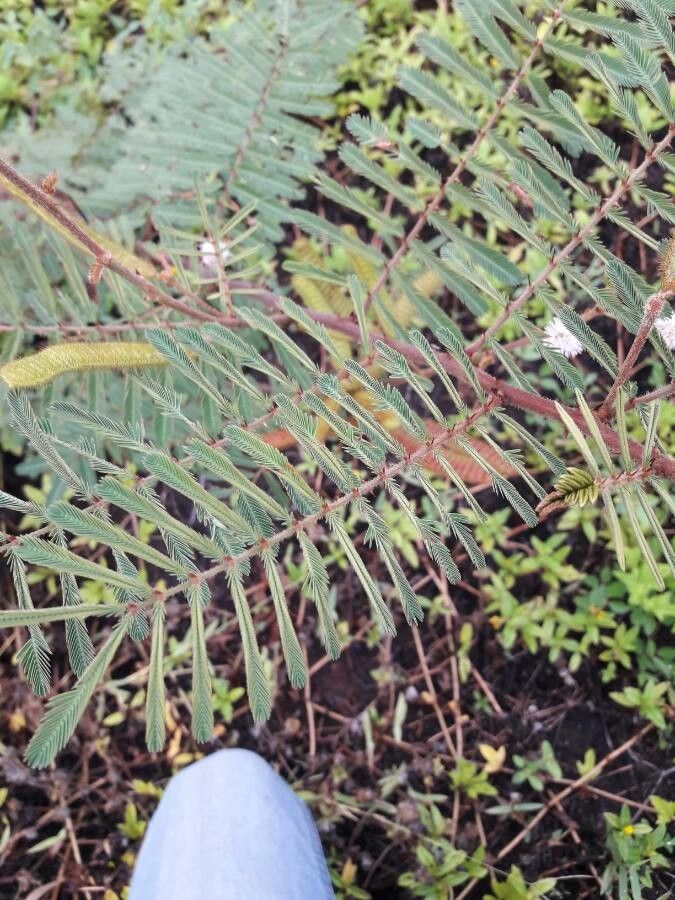
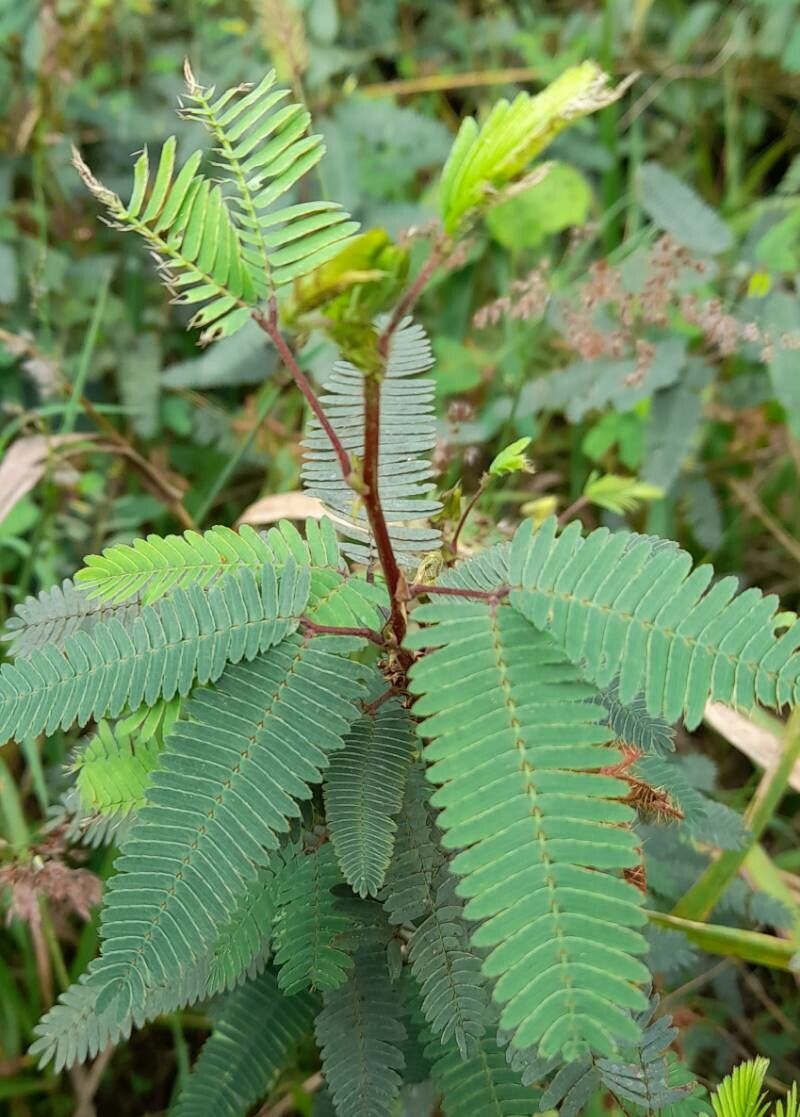
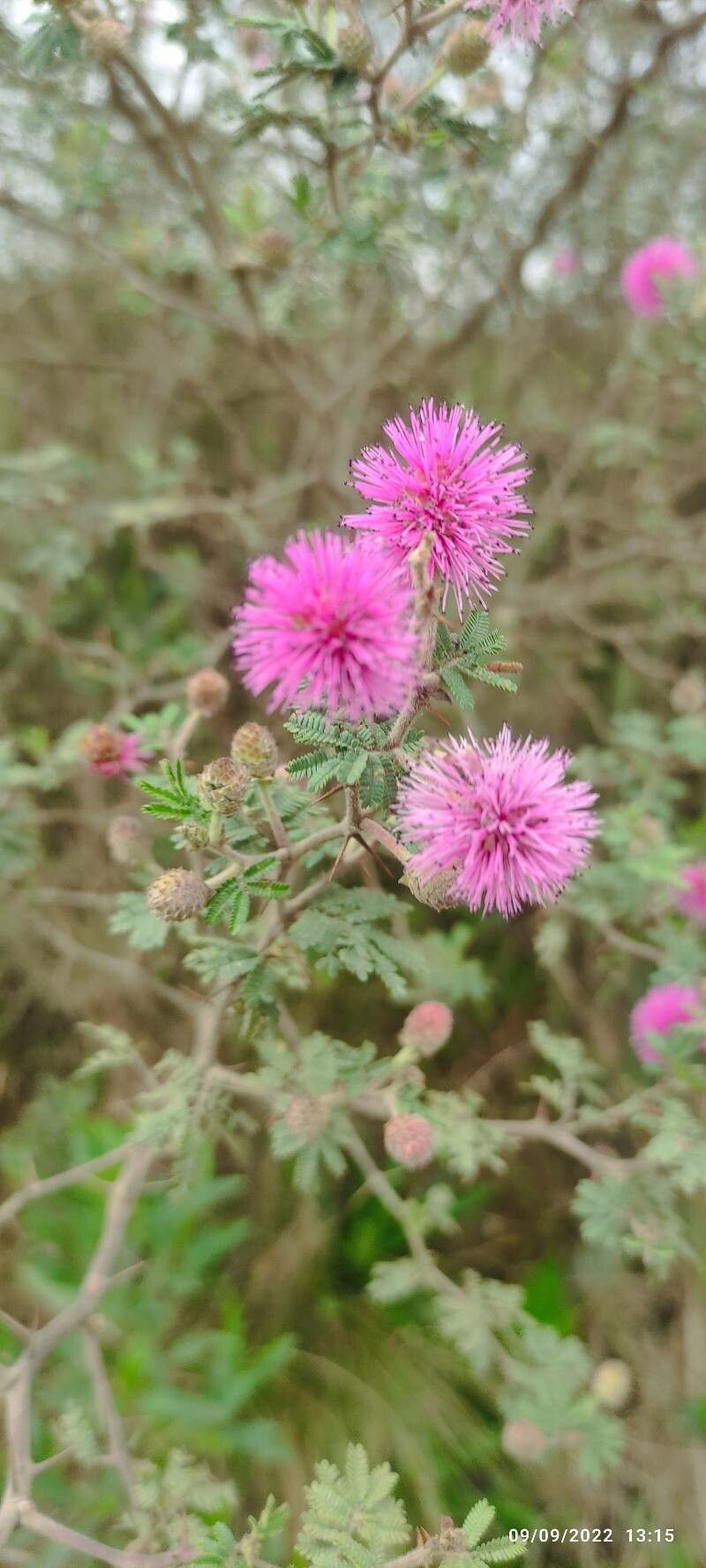
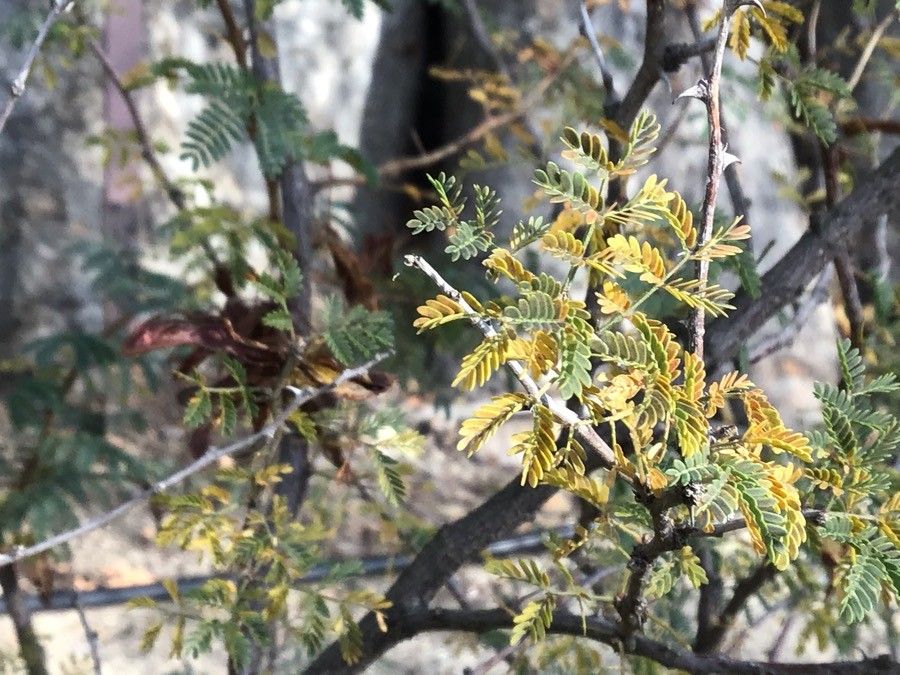
Mimosa diplotricha is a species of leguminous woody shrub native to the Neotropics. It is an invasive species and now has a pantropical distribution. It is commonly known as the giant sensitive plant, giant false sensitive plant, or nila grass.
Giant sensitive plant is fairly resistant to disease and is typically not susceptible to illnesses. As for care, this plant is relatively low-maintenance. When grown outdoors it needs little watering, and larger specimens usually do not require pruning. Smaller plants, however, should be trimmed after they finish blooming. Giant sensitive plant is suitable for anyone who has an outdoor area, such as a garden or deck, and does not demand much gardening experience.
How to keep Mimosa Diplotricha.
Light
The giant sensitive plant originates in open habitats, like sunny meadows and forest edges, which supply abundant light. It performs best in Full Sun but can also tolerate Partial Sun, adapting well to various sunlight conditions.
Temperature
The enormous sensitive plant has its roots in the tropics, an area known for its hot, moist climate. Consequently, it is acclimatized to thrive in settings with high temperature and humidity. It doesn't favor abrupt shifts in temperature and is partial to a consistent thermal environment. Therefore, it's essential to evade temperature variations indoors. The plant generally can't withstand freezing temperatures and needs higher temperatures to grow. If the temperature in its surroundings falls excessively, the plant's growth might halt, or it might even perish.
Fertilizer
Fertilization is essential to caring for the Giant sensitive plant. Regular feeding during the growing season maintains the energy needed for its showy leaves and supports overall growth. Failing to fertilize can lead to unhealthy leaves, reduced ornamental value, and stunted or weak growth that is prone to breaking.
Pruning
The giant sensitive plant is a fast-growing, thorny shrub that requires pruning in early spring to manage its invasive habits and encourage healthy growth. When pruning, concentrate on removing damaged branches and thinning out dense areas. This will improve air circulation, control the plant’s size, and reduce the spread of seeds.
Botanical profile.
- Plant Type
- Vine, Shrub
- Life Cycle
- Perennial
- Genus
- Mimosa
- Family
- Fabaceae
- Hardiness Zone
- 9-11
- Mature Height
- 3.05 m
- Mature Spread
- 0.91 m to 3.05 m
- Leaf Color
- Green, Dark Green
- Leaf Type
- Semi-evergreen
- Flower Color
- Pink
- Flower Size
- 1.27 cm
- Bloom Time
- Late spring, Summer, Early fall, Mid fall
- Planting Time
- Spring, Summer, Autumn
- Harvest Time
- Mid summer, Late summer, Fall, Early winter
- Native Area
- Mexico, Guatemala, Dominican Republic, Jamaica, Cuba, Paraguay, Argentina, Haiti, Venezuela, Brazil, Suriname, Honduras, Peru, Panama, Colombia, Bolivia, Guyana, El Salvador, Nicaragua, Ecuador, Costa Rica
Other names.
Reader questions.
What are the sunlight requirements for a Giant Sensitive Plant?
The Giant Sensitive Plant requires full sun, which is above 6 hours of sunlight, but it can also tolerate partial sun, about 3-6 hours of sunlight. It is essential to observe the sunlight's movement through your garden to ensure you select spots that provide an ideal balance of light and shade for your plants, ultimately contributing to their growth and happiness.
How does artificial lighting support the growth of indoor Giant Sensitive Plants?
Artificial lighting plays a crucial role in the growth of indoor Giant Sensitive Plants, especially when natural sunlight is insufficient. LED lights are recommended because they can be tailored to provide specific wavelengths needed for plant growth. For full sun plants, 30-50W/sq ft of artificial light is needed, 20-30W/sq ft for partial sun plants, and 10-20W/sq ft for full shade plants. The artificial light source should be positioned 12-36 inches above the plant and turned on for 8-12 hours per day to mimic natural daylight hours, promoting healthier and faster growth.
What are the symptoms of light deficiency in Giant Sensitive Plants?
Giant Sensitive Plants display several symptoms when exposed to insufficient light, including smaller new leaves, leggy or sparse growth, faster leaf drop, slower or no new growth, lighter-colored new leaves, chlorosis, sunscald, leaf curling, wilting, and leaf scorching. These symptoms highlight the plant's struggle to adapt to suboptimal lighting conditions, affecting its overall health and development.
How can I address light deficiency in both indoor and outdoor Giant Sensitive Plants?
To combat light deficiency for both indoor and outdoor Giant Sensitive Plants, gradually increase their sunlight exposure. For indoor plants, move them to a sunnier location each week until they receive at least 6 hours of sunlight daily or use artificial light for at least 8 hours daily. For outdoor plants, also gradually move them to sunnier spots to prevent sunburn. If trees obstruct sunlight, prune them to allow more light through. For smaller plants, consider transplanting them during their dormant period to a brighter location with ample sunlight and good drainage. It’s crucial to note that while affected parts may not recover, new growth should be healthy with increased light exposure.