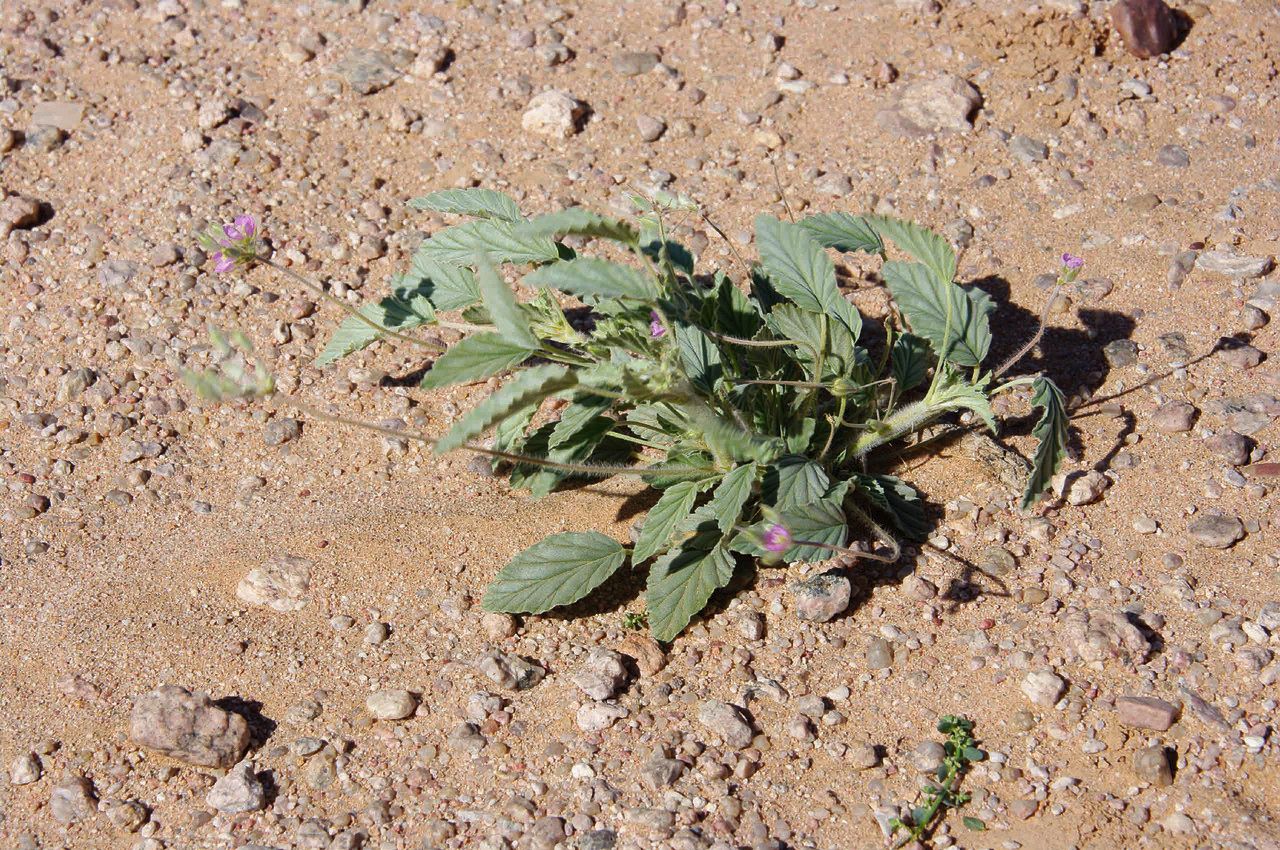
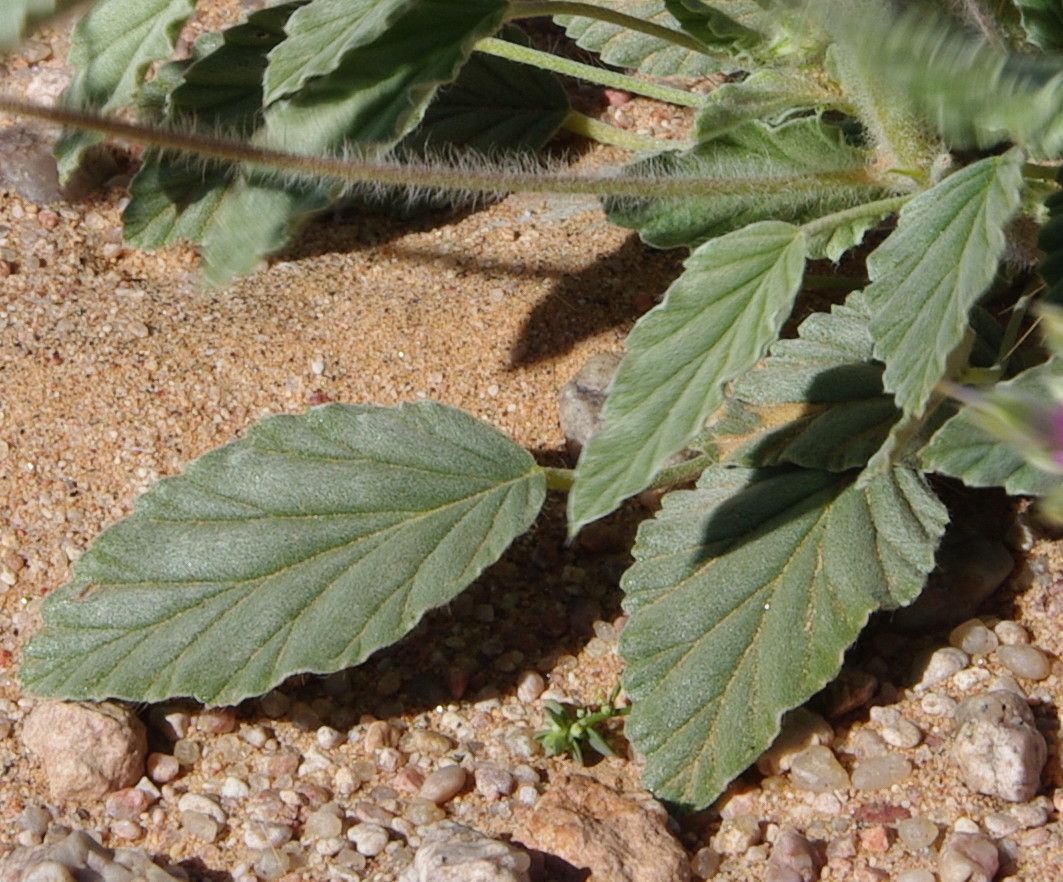
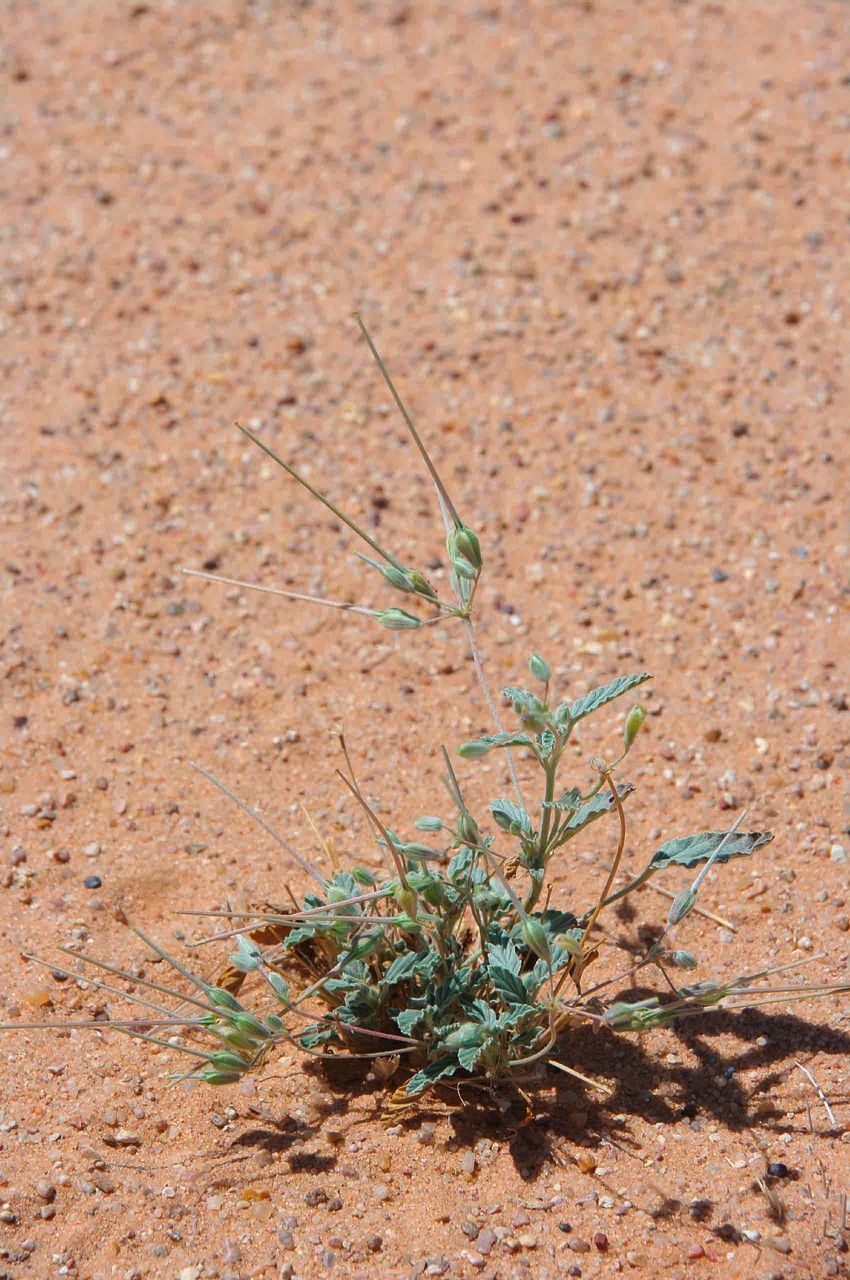
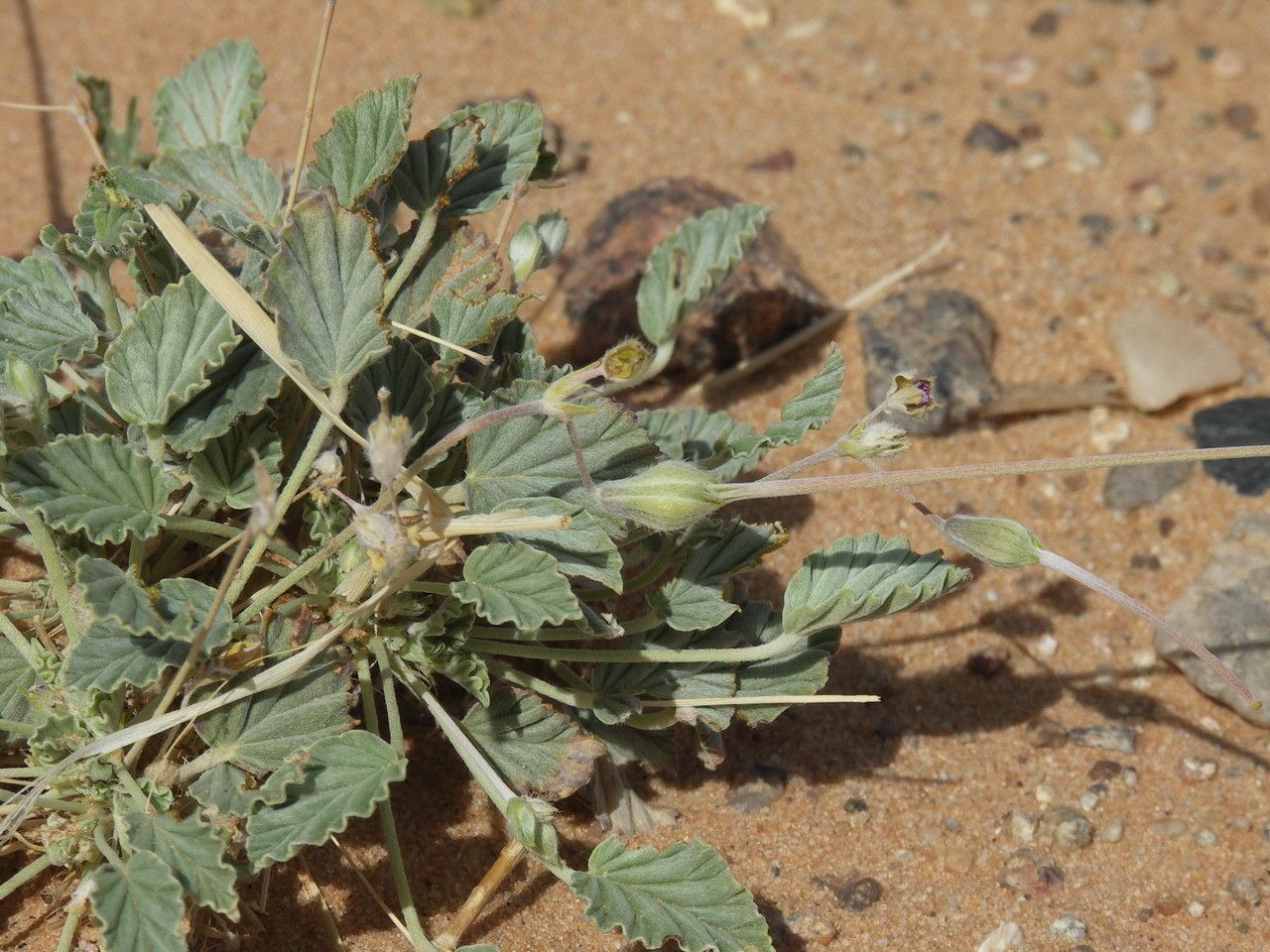
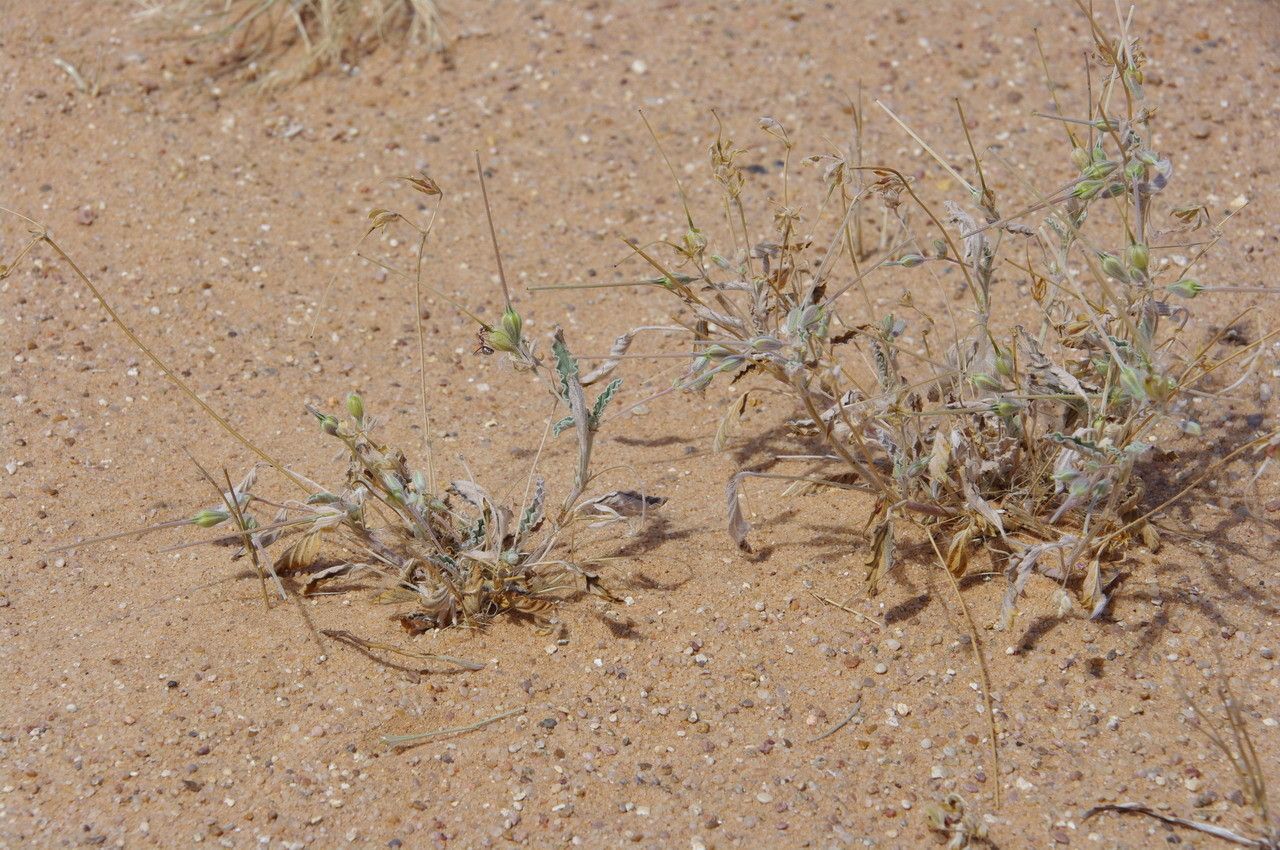
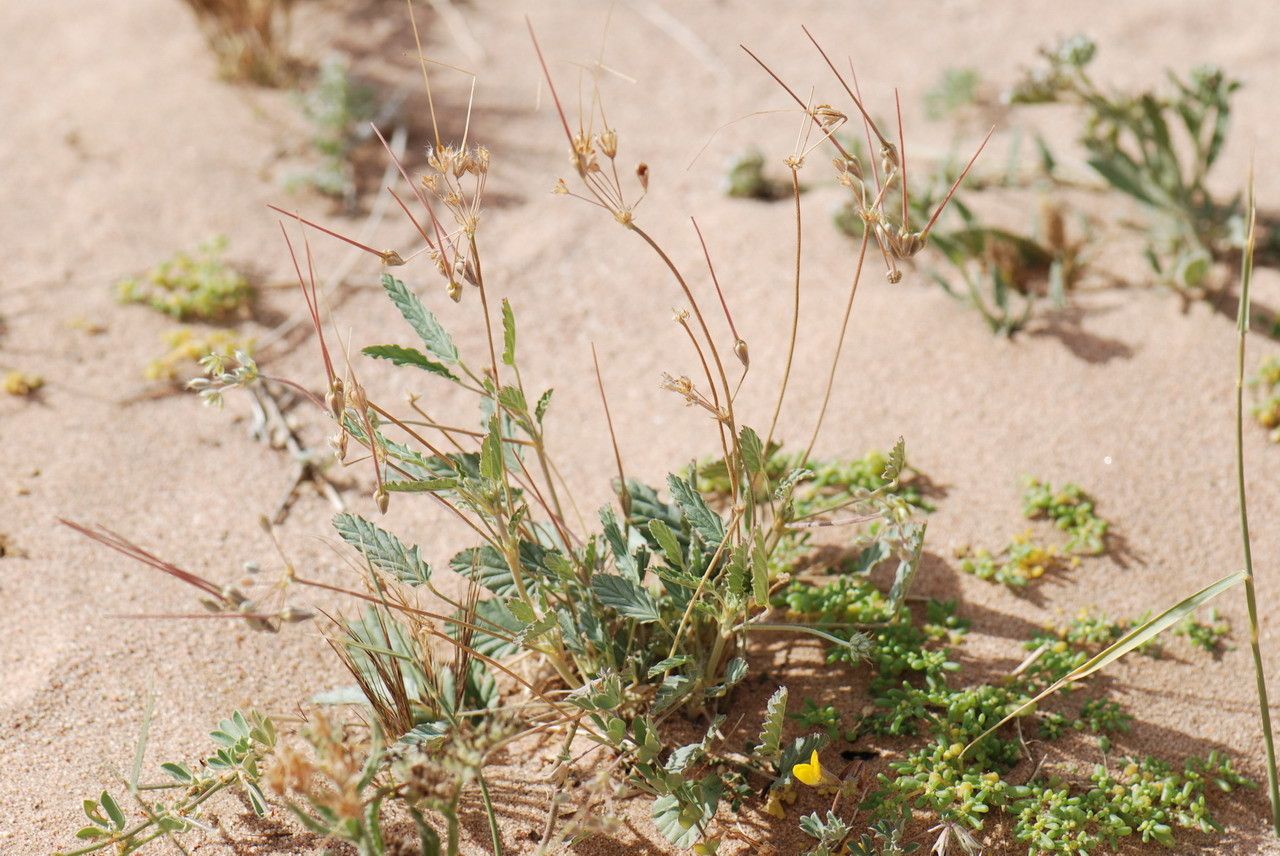
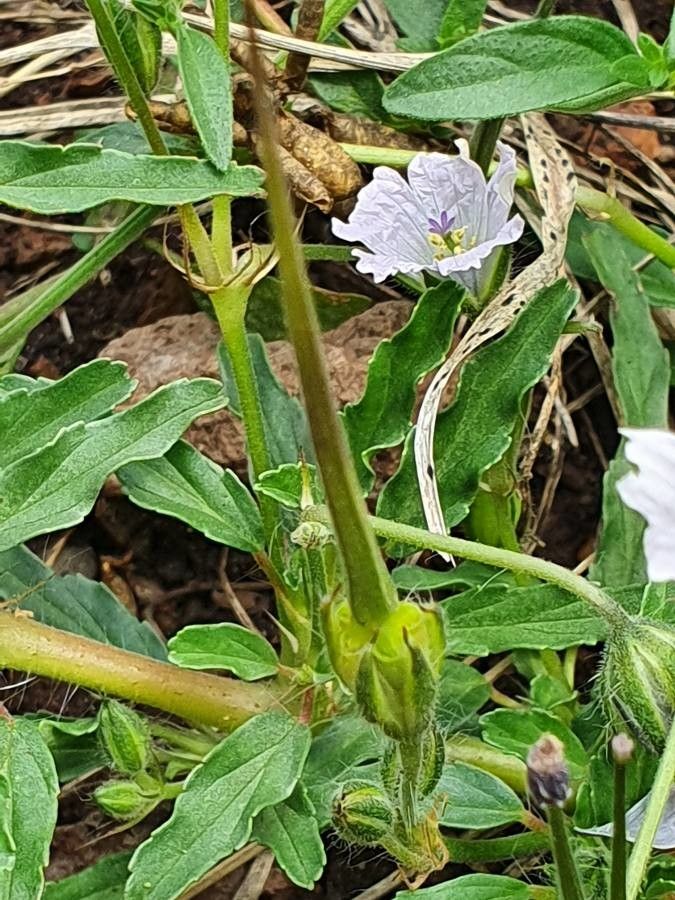
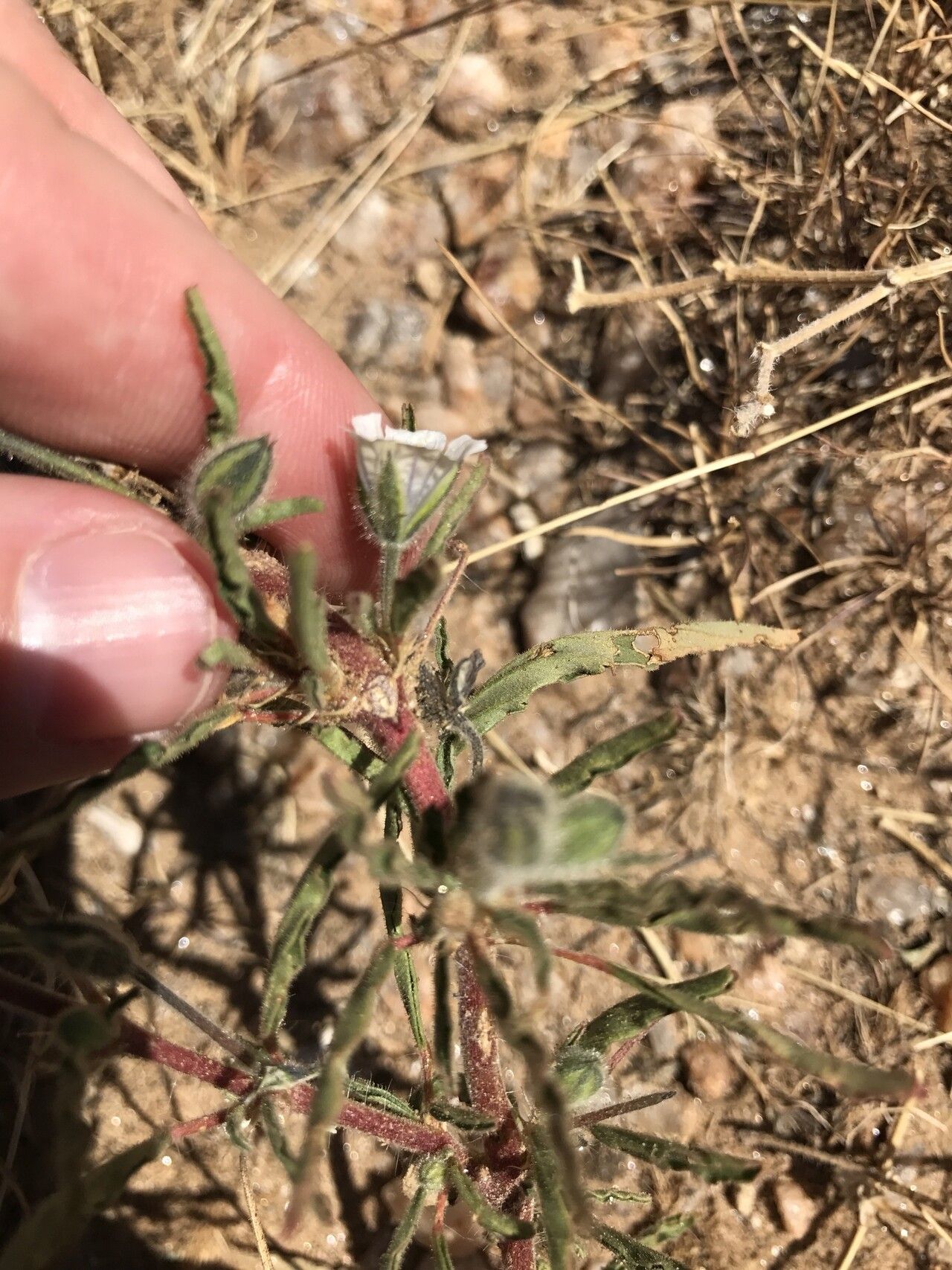
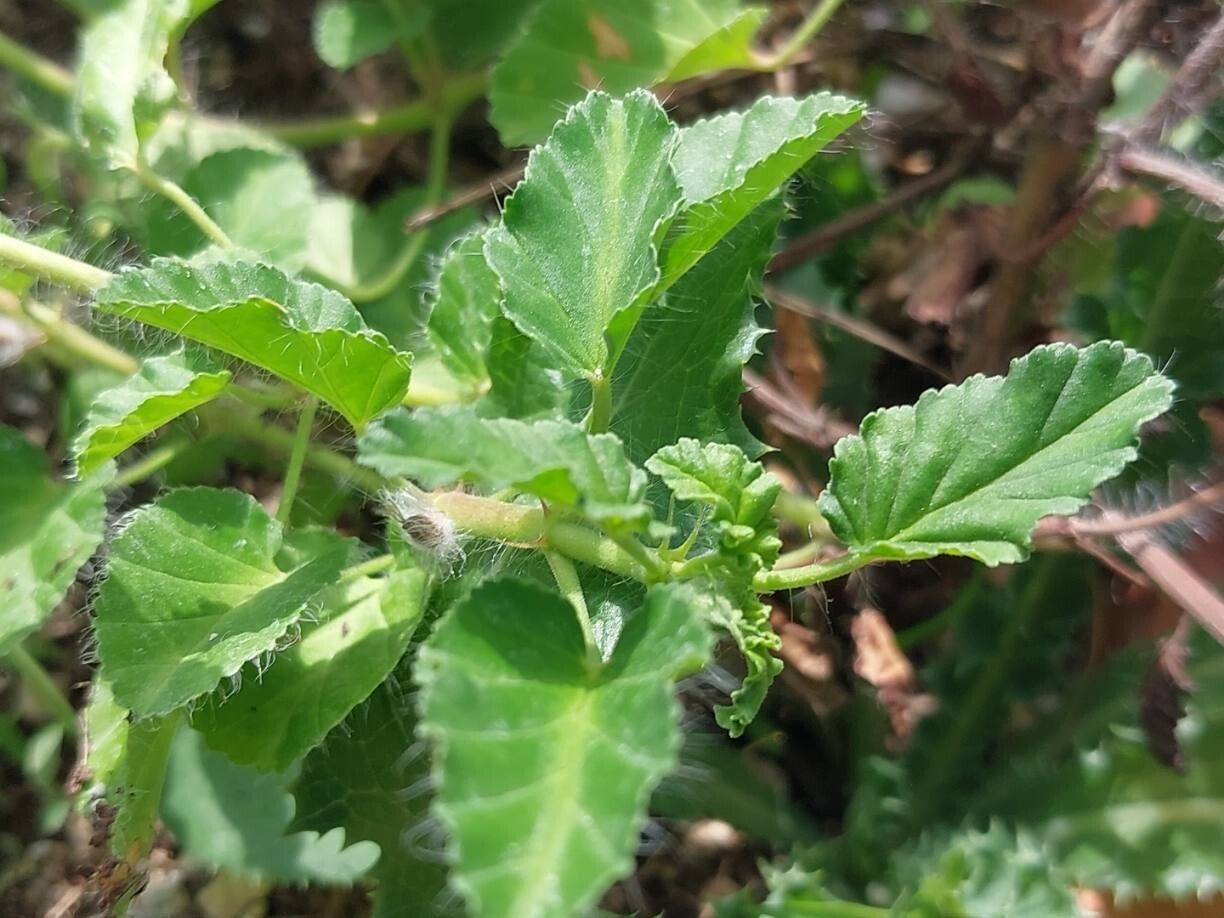
Monsonia nivea is fairly disease-resistant and generally does not tend to suffer from illnesses. Nonetheless, it can be vulnerable to pests and pathogens present in its environment. Such infections are typically mild. Regarding care, the plant needs a moderate level of maintenance. Regular pruning is necessary to preserve a tidy appearance and promote healthy growth. Applying fertilizer can also encourage flowering. Monsonia nivea is suitable for someone with an outdoor area, such as a garden or patio, and does not require extensive care experience. When grown indoors, it may demand more attention.
How to keep Monsonia Nivea.
Light
Monsonia nivea is native to bright, open habitats and thrives in full sun. It can tolerate partial sun but favors direct sunlight for optimal growth. This plant, which may be annual or biennial, is noted for its sun-loving nature.
Temperature
Monsonia nivea comes from tropical areas, where the climate is usually warm and humid. Consequently, it is well suited to high temperatures and humidity. It does not tolerate sudden temperature changes and prefers a consistent temperature, so it's important to avoid indoor temperature fluctuations. It typically cannot withstand cold and needs higher temperatures to grow. If the ambient temperature becomes too low, the plant may stop growing or even die.
Fertilizer
When most of Monsonia nivea's blooms have opened to their full size, resume fertilizing. At the time of peak bloom, apply fertilizer once every three to four weeks, weather permitting. After Monsonia nivea begins to produce fewer new blooms, cease fertilizing; there is no need to feed the plant when it can no longer produce additional blooms.
Botanical profile.
- Plant Type
- Herb
- Life Cycle
- Annual
- Genus
- Monsonia
- Family
- Geraniaceae
- Hardiness Zone
- 9-11
- Mature Height
- 10 cm to 30 cm
- Mature Spread
- 15 cm to 40 cm
- Leaf Color
- Light Green, Gray
- Leaf Type
- Semi-evergreen
- Flower Size
- 2.03 cm to 3.05 cm
- Bloom Time
- Mid spring, Late spring, Early summer
- Planting Time
- Spring, Summer
- Harvest Time
- Summer
- Native Area
- Saudi Arabia, Libya, Egypt, Tunisia, United Arab Emirates, Sudan, Mauritania, Morocco, Yemen, Niger, Chad, Oman, Iran, Algeria, Kuwait, Qatar