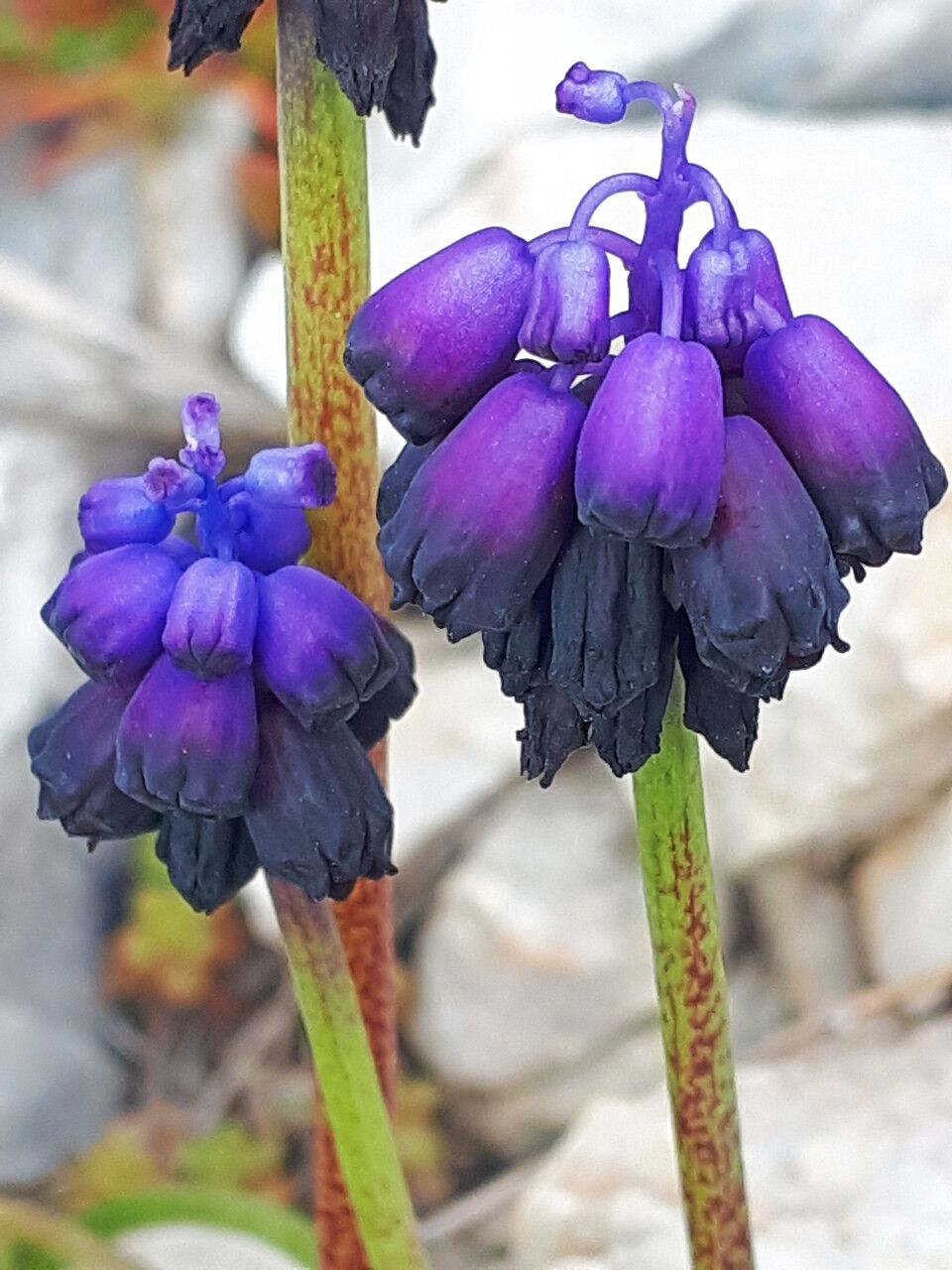
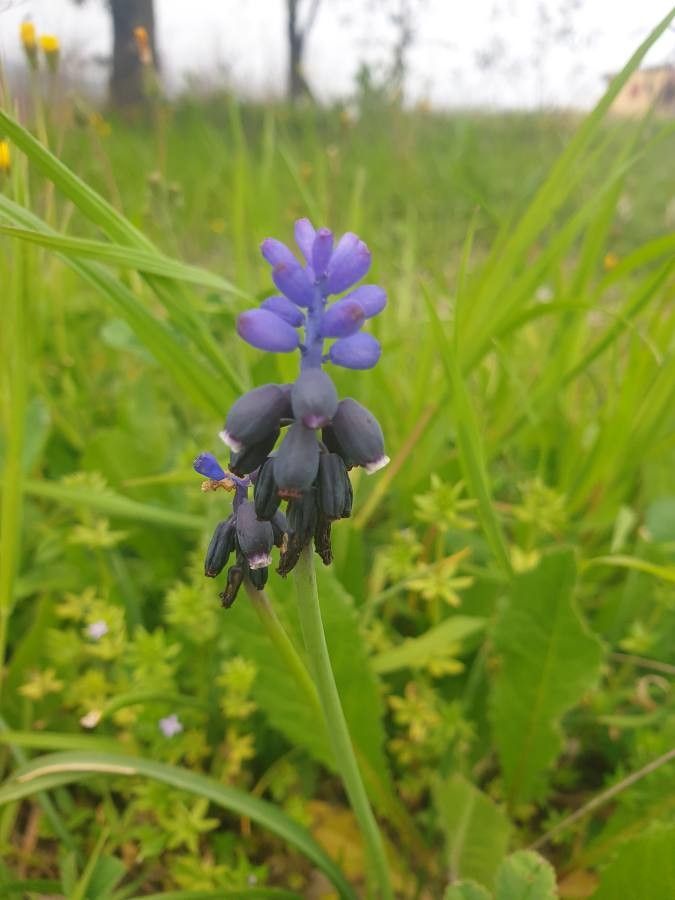
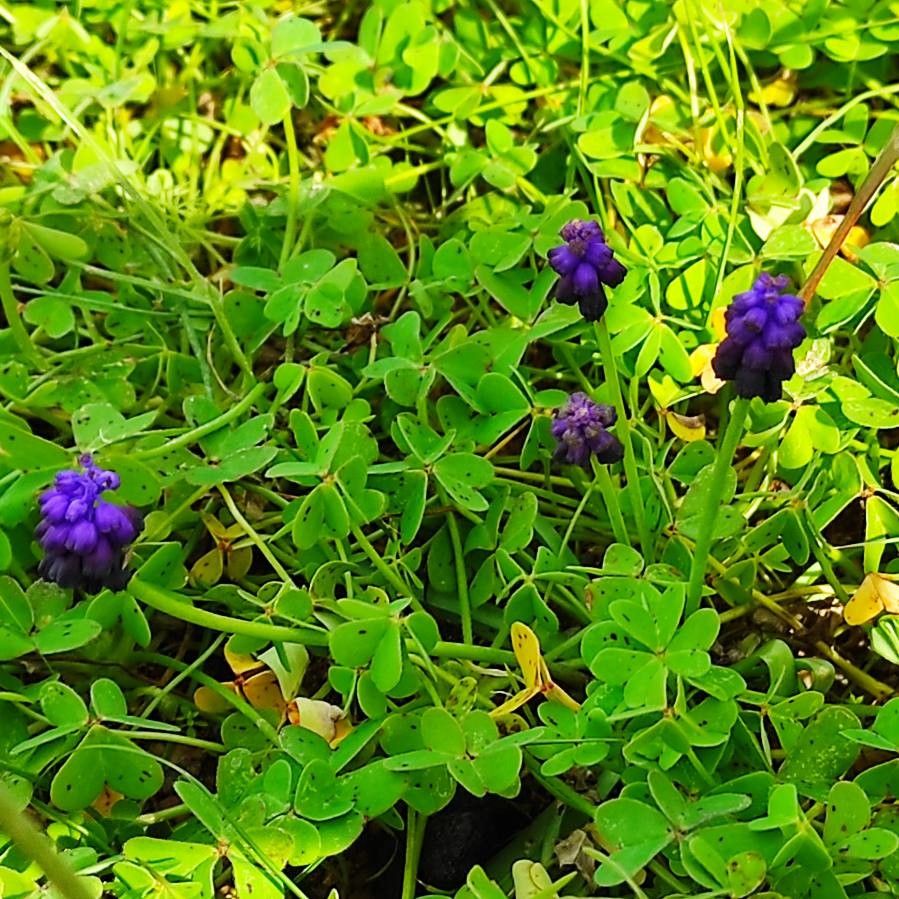
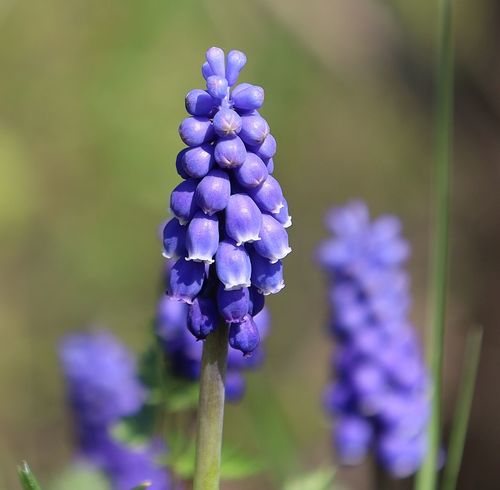
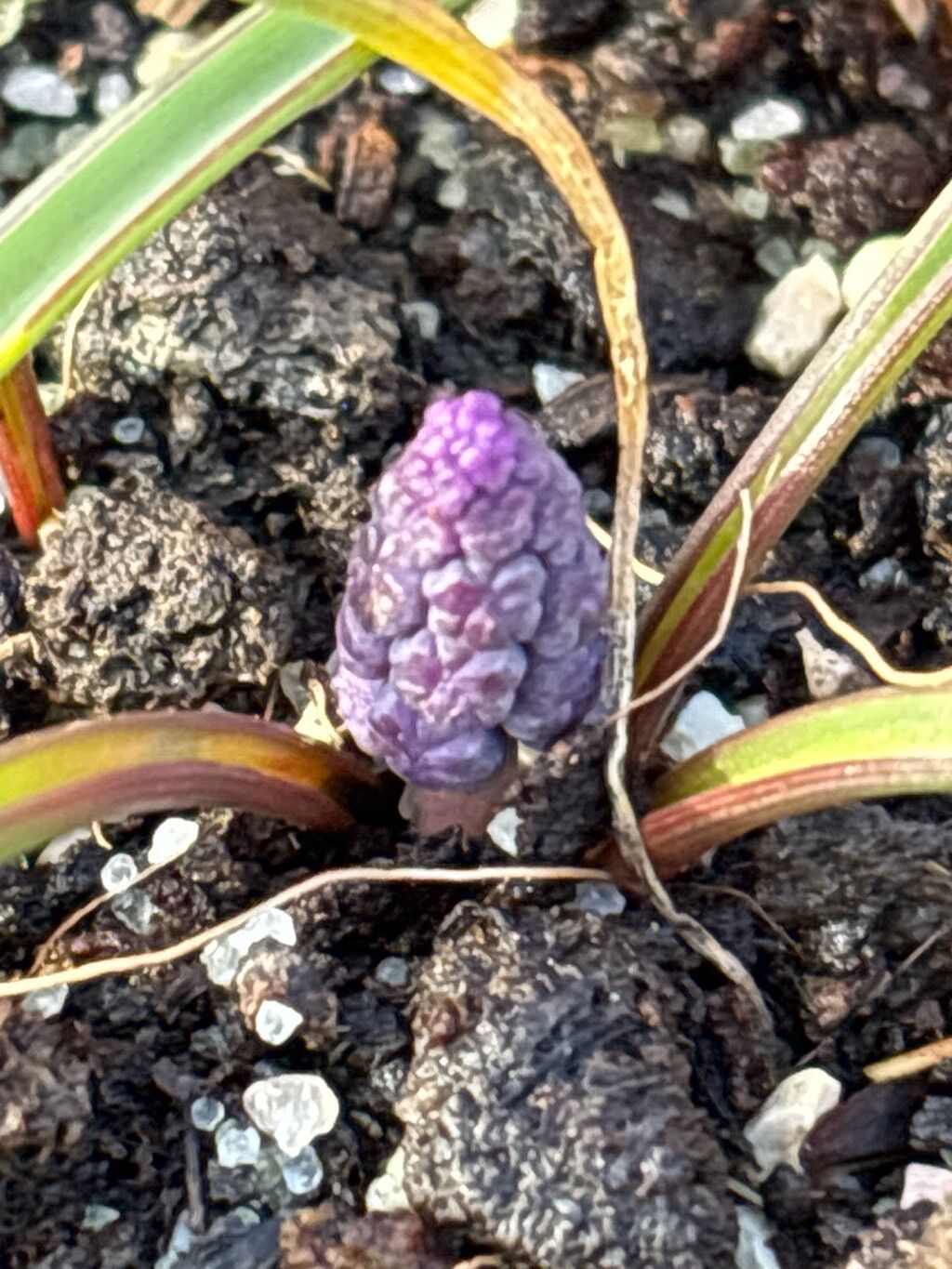
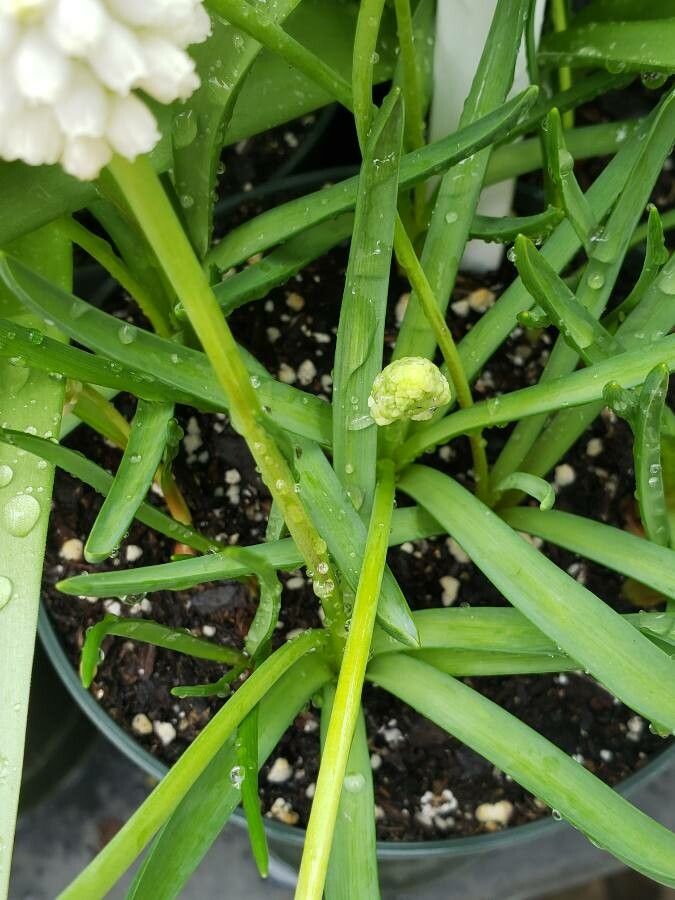
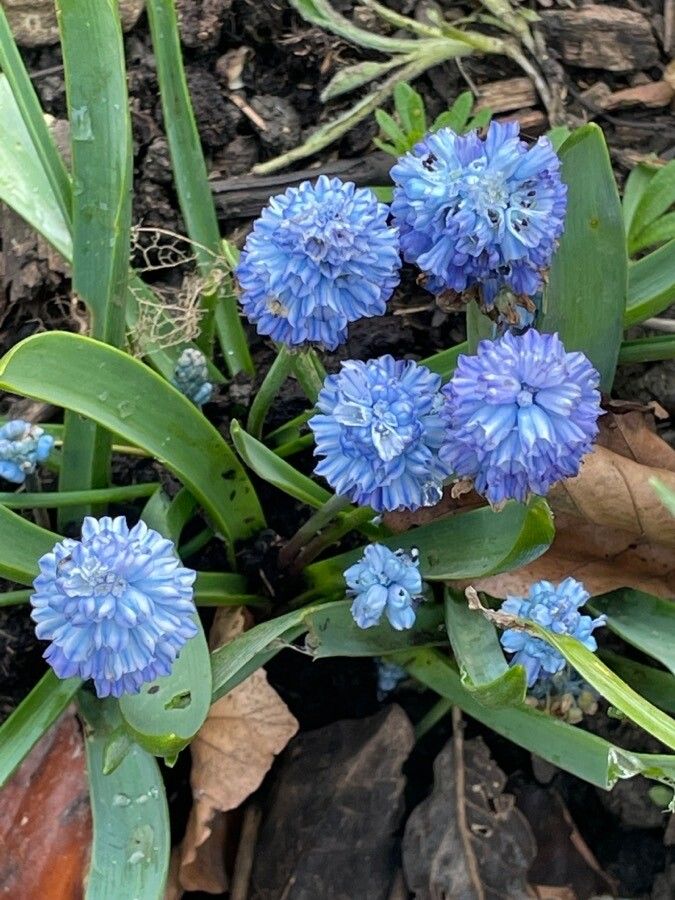
Muscari commutatum is a species of perennial herb in the family Asparagaceae. They have a self-supporting growth form and simple, broad leaves and dry fruit.
How to keep Muscari Commutatum.
Water
Native to Mediterranean climates, the dark grape hyacinth thrives in regions with dry summers and wet winters. This plant is drought-tolerant and requires weekly watering, ensuring the soil does not become saturated. Usually grown outdoors, the dark grape hyacinth benefits from a growing season that matches its natural water availability, which supports optimal flowering and growth.
Pruning
The dark grape-hyacinth showcases clusters of deep blue flowers and requires minimal pruning. To promote new growth, trim the spent flower stalks in early spring and remove any dead foliage. Regular pruning helps maintain the plant's vitality and encourages abundant flowering, ensuring a vibrant display in your garden.
Botanical profile.
- Plant Type
- Herb
- Life Cycle
- Perennial
- Genus
- Muscari
- Family
- Asparagaceae
Other names.
Reader questions.
What are the sunlight requirements for Dark grape-hyacinth (Muscari commutatum)?
The Dark grape-hyacinth, or Muscari commutatum, thrives under specific sunlight conditions to ensure it grows healthily. It requires full sun, which means it needs to be in a location where it can receive more than 6 hours of sunlight daily. However, it can also tolerate partial sun, requiring about 3-6 hours of sunlight. It's important to observe how sunlight moves through your garden throughout the day. Selecting the ideal spot that provides a perfect balance of light and shade is crucial for the happiness and health of your Dark grape-hyacinth.
What is the botanical name of the Dark grape-hyacinth?
The botanical name of the Dark grape-hyacinth is Muscari commutatum. This species is known for its distinctive appearance, though further details about its characteristics, including essential information, symptoms of its presence, and additional notes, were not provided.