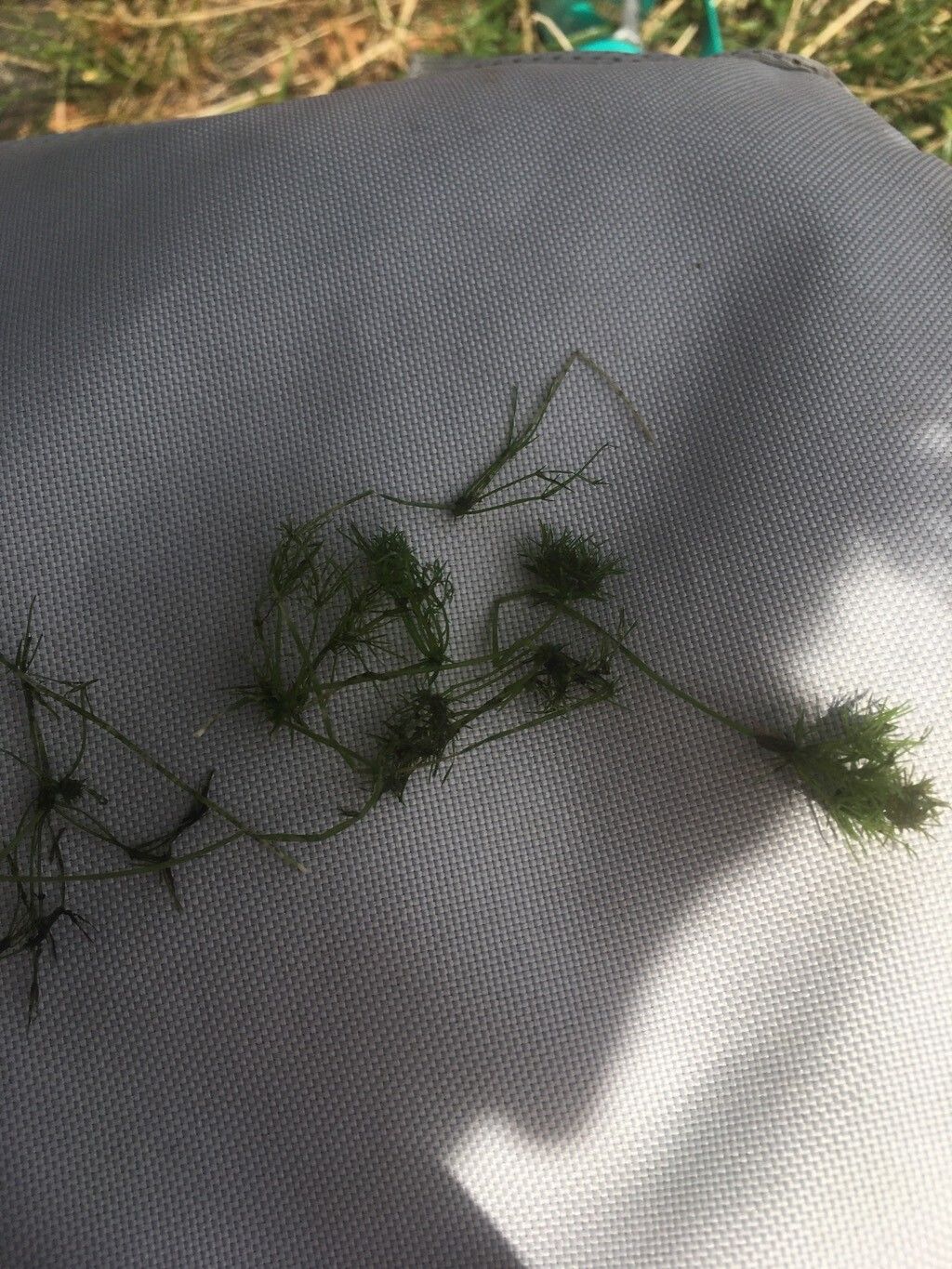
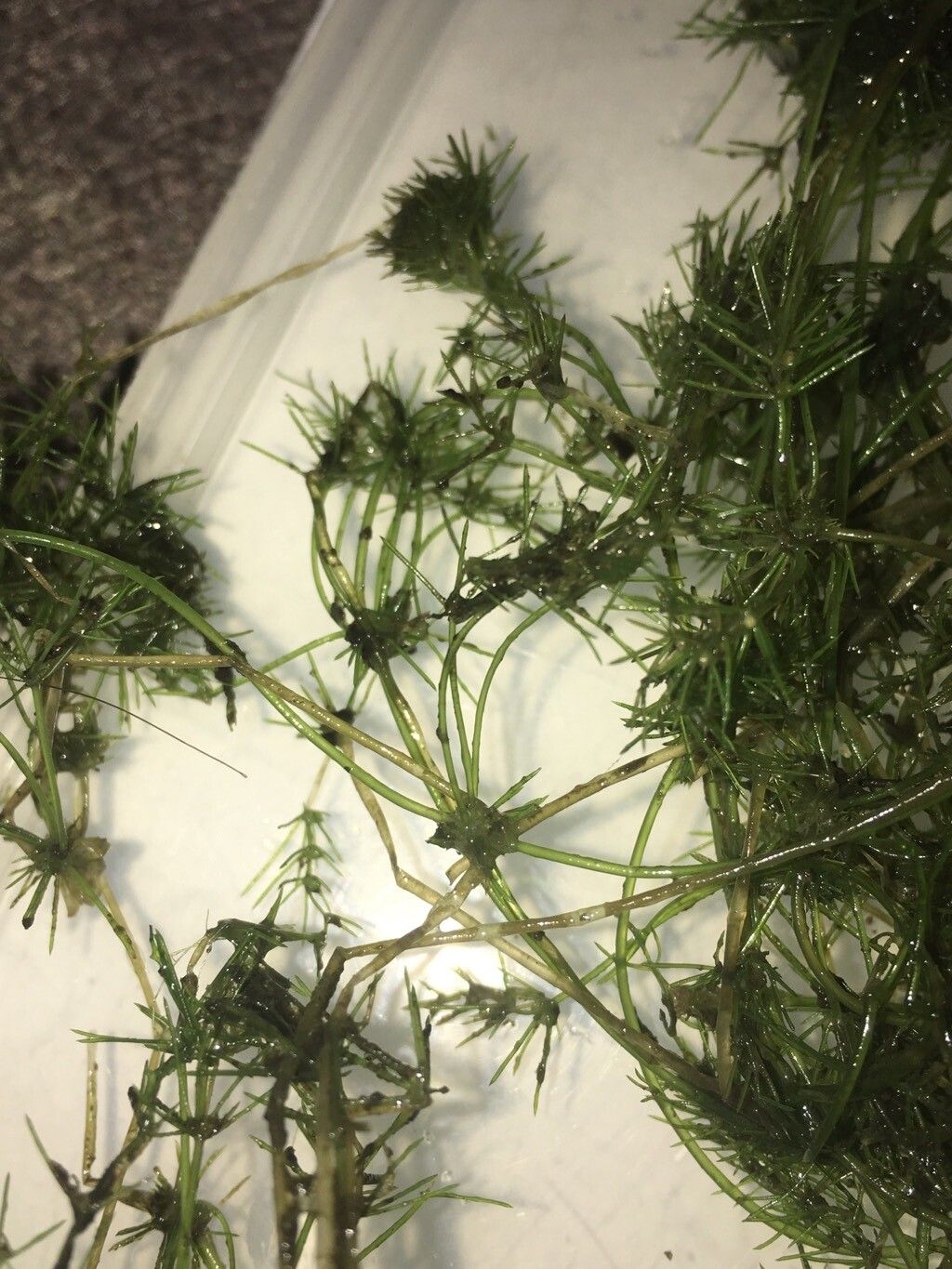
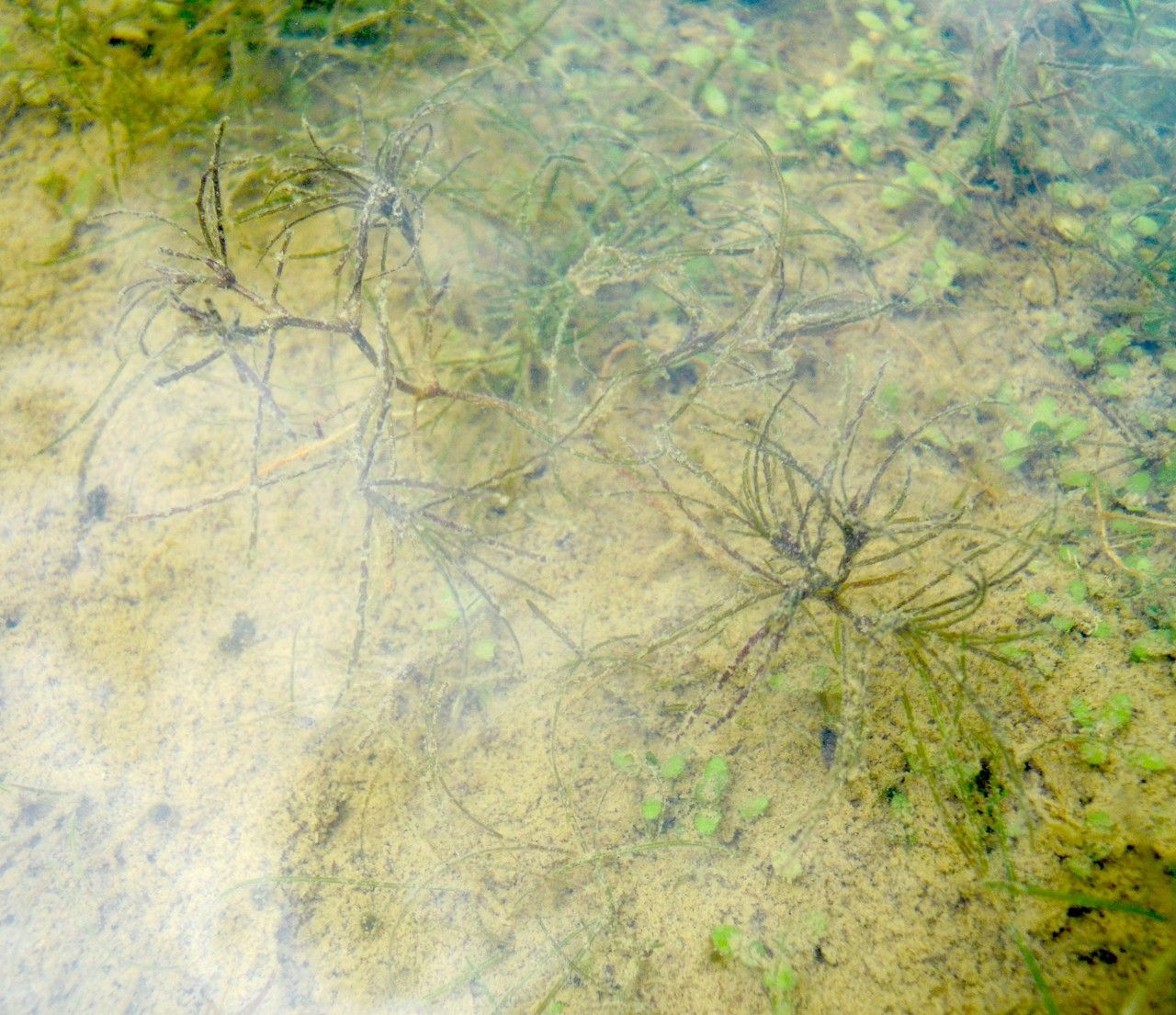
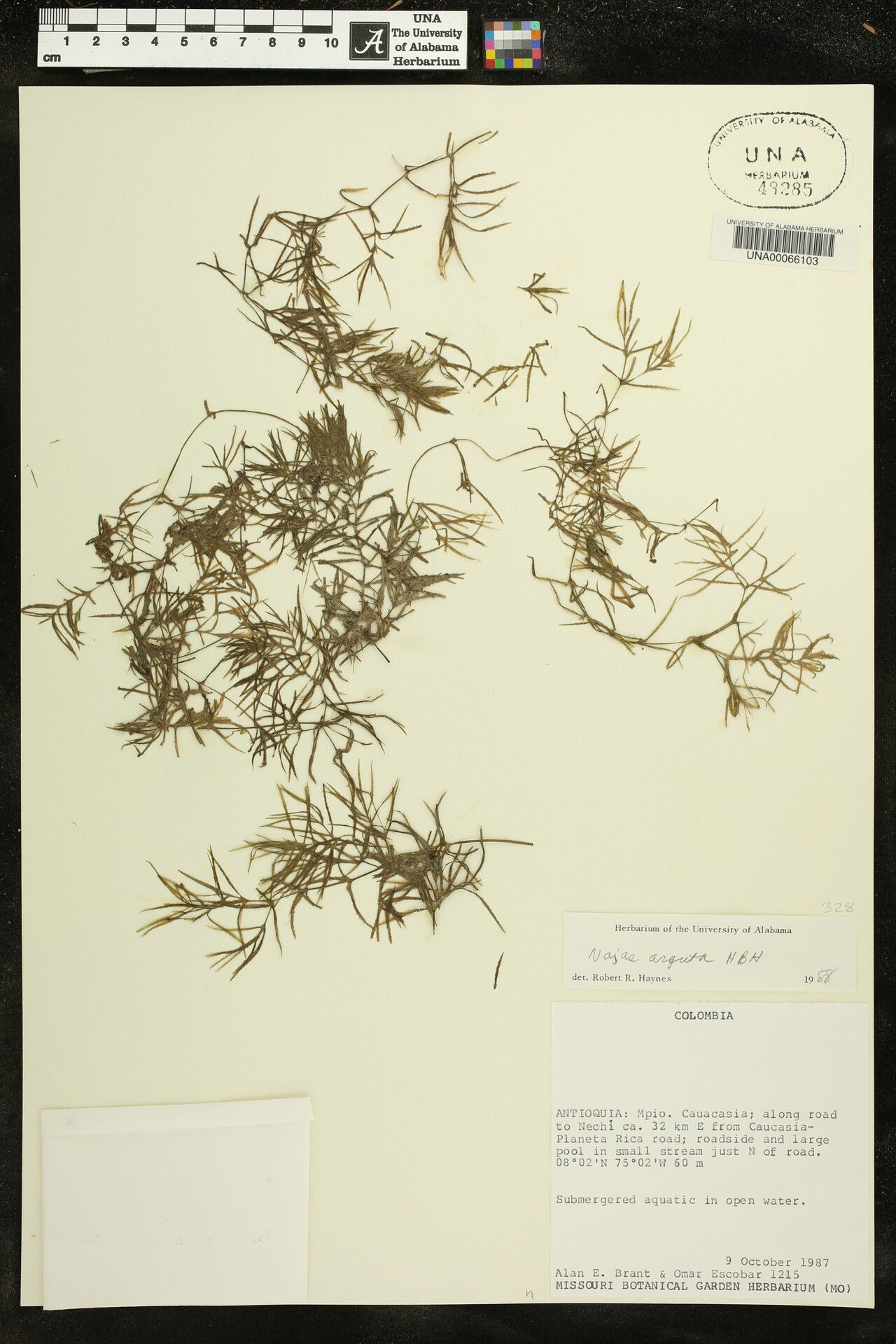
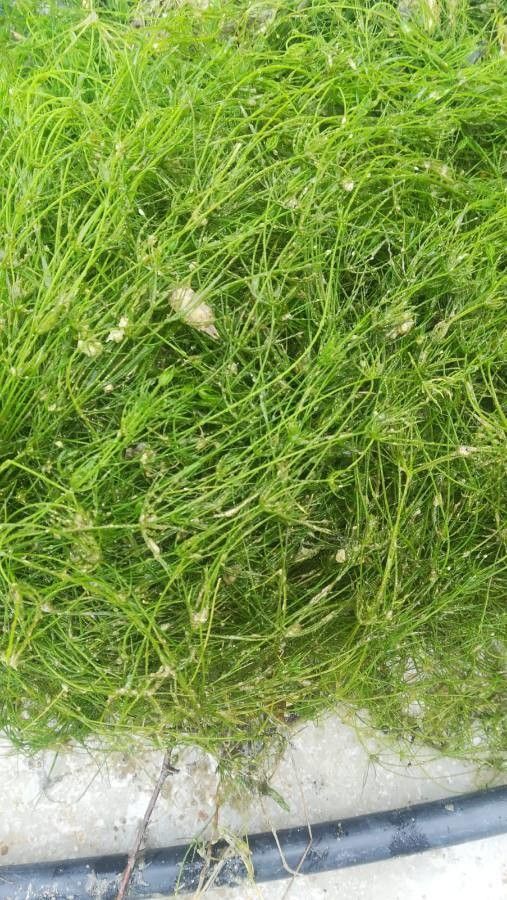
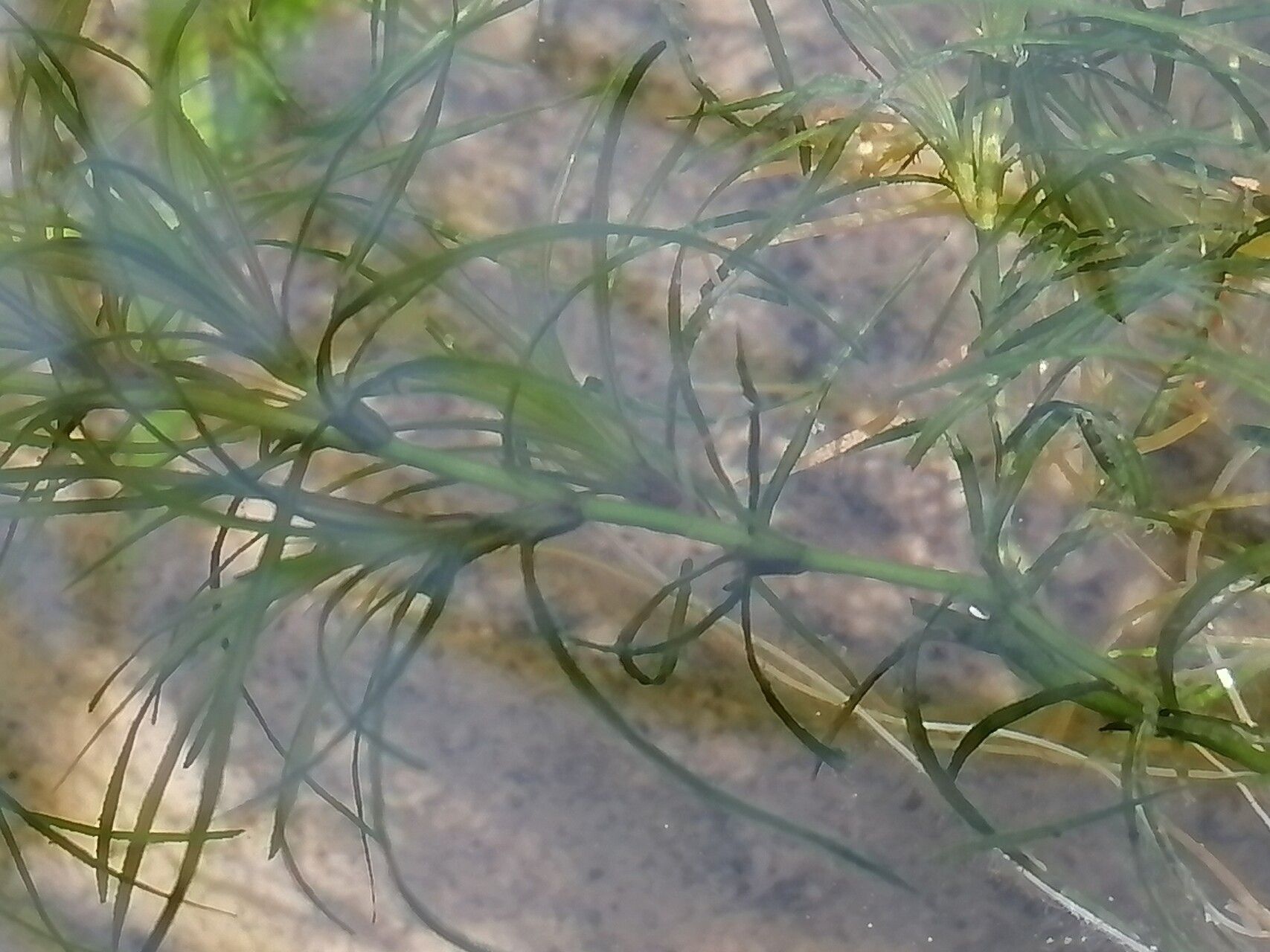
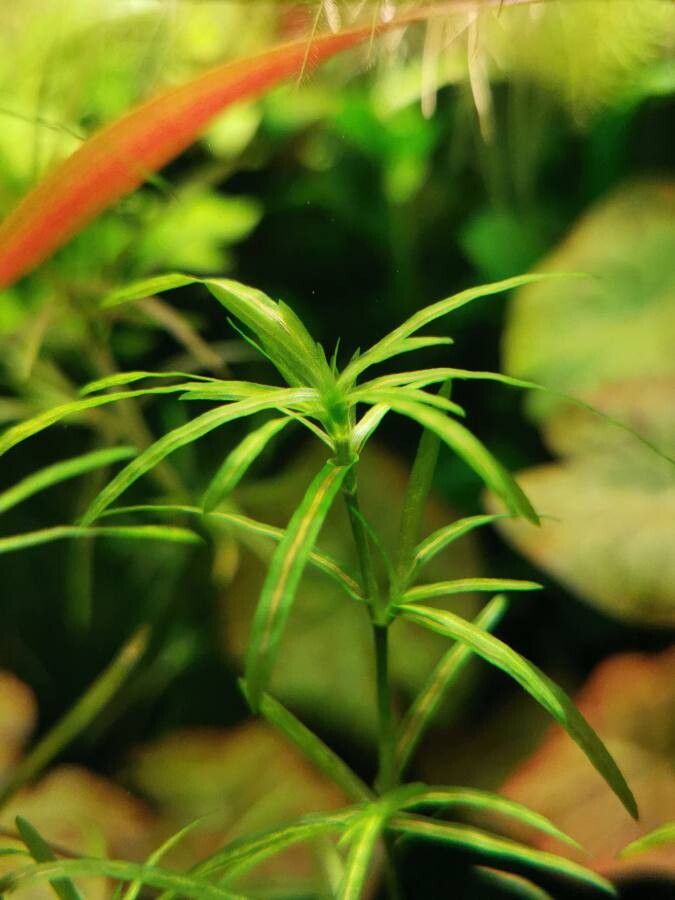
Najas minor, known as brittle naiad or brittle waternymph, is an annual aquatic plant, a submersed herb. It is native to Europe, Asia and North Africa from the Netherlands to Morocco east to Japan and the Philippines, including China, Siberia, Central Asia, Iran, Turkey, Ukraine, Germany, France Italy and a host of other countries. It is now introduced to North America and considered a weedy invasive species in the eastern half of the United States from Florida to Oklahoma to New Hampshire to Ontario to South Dakota. This plant prefers calm waters, such as ponds, reservoirs, and lakes, and is capable of growing in depths up to 4 meters.
Brittle waternymph has strong resistance to disease and is generally unlikely to suffer from illnesses. Still, it can be vulnerable to pests and diseases present in its environment. Such infections tend to be mild. Regarding care, this plant needs a moderate level of maintenance. It should be trimmed regularly to preserve a tidy appearance and support healthy growth. Applying fertilizer can also encourage flowering. Brittle waternymph is appropriate for anyone with outdoor space, like a garden or patio, and does not demand extensive experience in plant care. It may need more attention if kept indoors.
How to keep Najas Minor.
Light
Brittle waternymph is native to habitats that receive plentiful sunlight, for example the shallow margins of ponds and lakes. It prefers full sun but can also tolerate partial sun.
Water
The brittle waternymph flourishes in freshwater environments, needing consistent moisture but not excessive watering. Watering it weekly helps replicate its natural conditions. Although it thrives best outdoors, this plant forms dense colonies in ponds and lakes, where it benefits the ecosystem by oxygenating the water and providing habitat for aquatic life.
Temperature
Brittle waternymph can tolerate a wide range of temperatures, but its distribution may still be restricted by particular combinations of moisture and heat. It performs best in warm summer climates with sufficient rainfall or watering. Long stretches of cloudy, rainy weather, as well as extended high temperatures, can raise the chance of Brittle waternymph dying. In winter, suitable protection from cold can increase the plant's survival rate.
Pruning
The brittle waternymph is characterized by its delicate, feathery underwater foliage. To manage its growth and maintain water quality, prune the plant from early to late spring. Remove any overgrown sections and dead stems to improve circulation, prevent overcrowding, and promote the plant's health. Be sure to use clean, sharp scissors for precise pruning and to enhance the plant's appearance.
Botanical profile.
- Plant Type
- Herb
- Life Cycle
- Annual
- Genus
- Najas
- Family
- Hydrocharitaceae
- Hardiness Zone
- 5-11
- Mature Height
- 4 cm to 25 cm
- Mature Spread
- 5 cm to 15 cm
- Leaf Color
- Light Green, Olive Drab
- Leaf Type
- Deciduous
- Flower Size
- 0.05 cm to 0.15 cm
- Bloom Time
- Summer, Early fall, Mid fall
- Planting Time
- Summer
- Harvest Time
- Mid summer, Late summer, Fall
- Native Area
- Sri Lanka, Libya, Egypt, Turkey, India, Austria, Slovakia, Montenegro, Pakistan, Slovenia, Morocco, Croatia, Belarus, Uzbekistan, Russia, Iraq, Germany, Indonesia, Koppen, Romania, Latvia, South Korea, Belgium, Portugal, Nepal, Netherlands, France, Central African Republic, Tajikistan, Tunisia, Czech Republic, Bulgaria, Armenia, Poland, Turkmenistan, Greece, Guinea, Ukraine, Serbia, Chad, Lithuania, Lebanon, China, Afghanistan, Italy, Kazakhstan, Spain, Switzerland, Japan, Togo, Iran, Albania, Azerbaijan, Algeria, Hungary, Thailand
Other names.