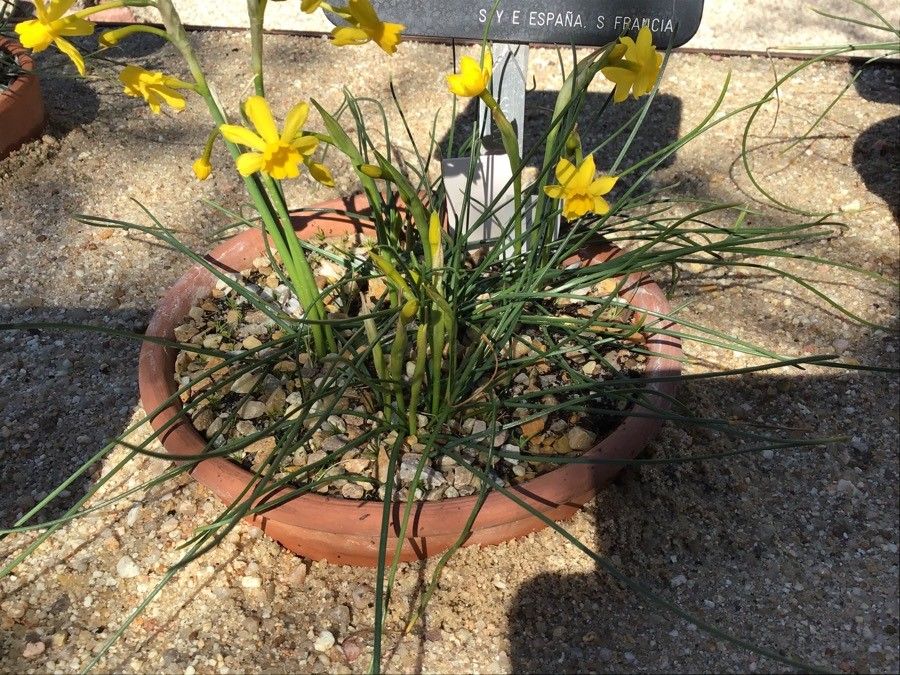
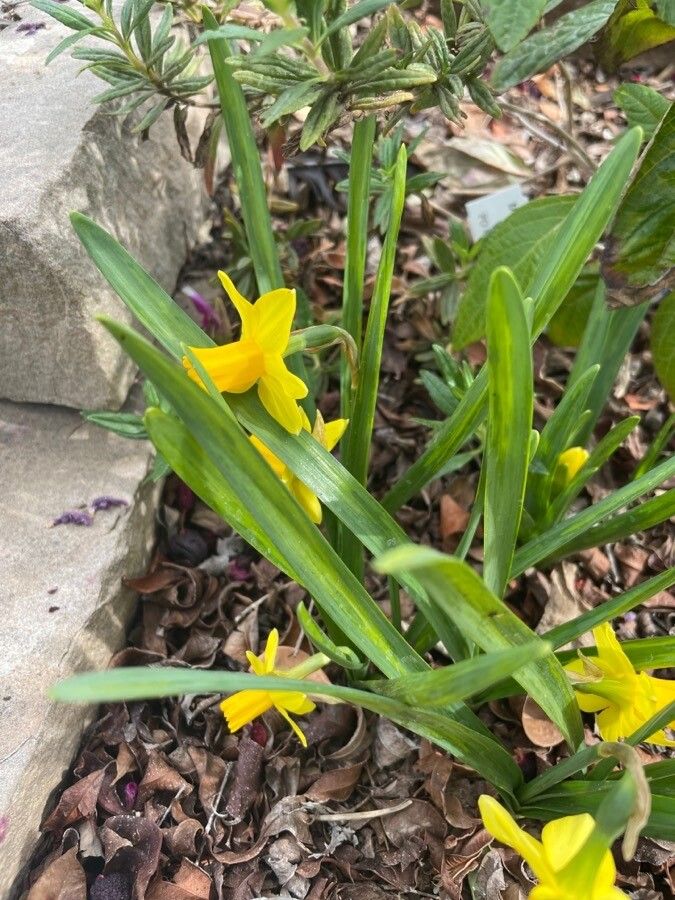
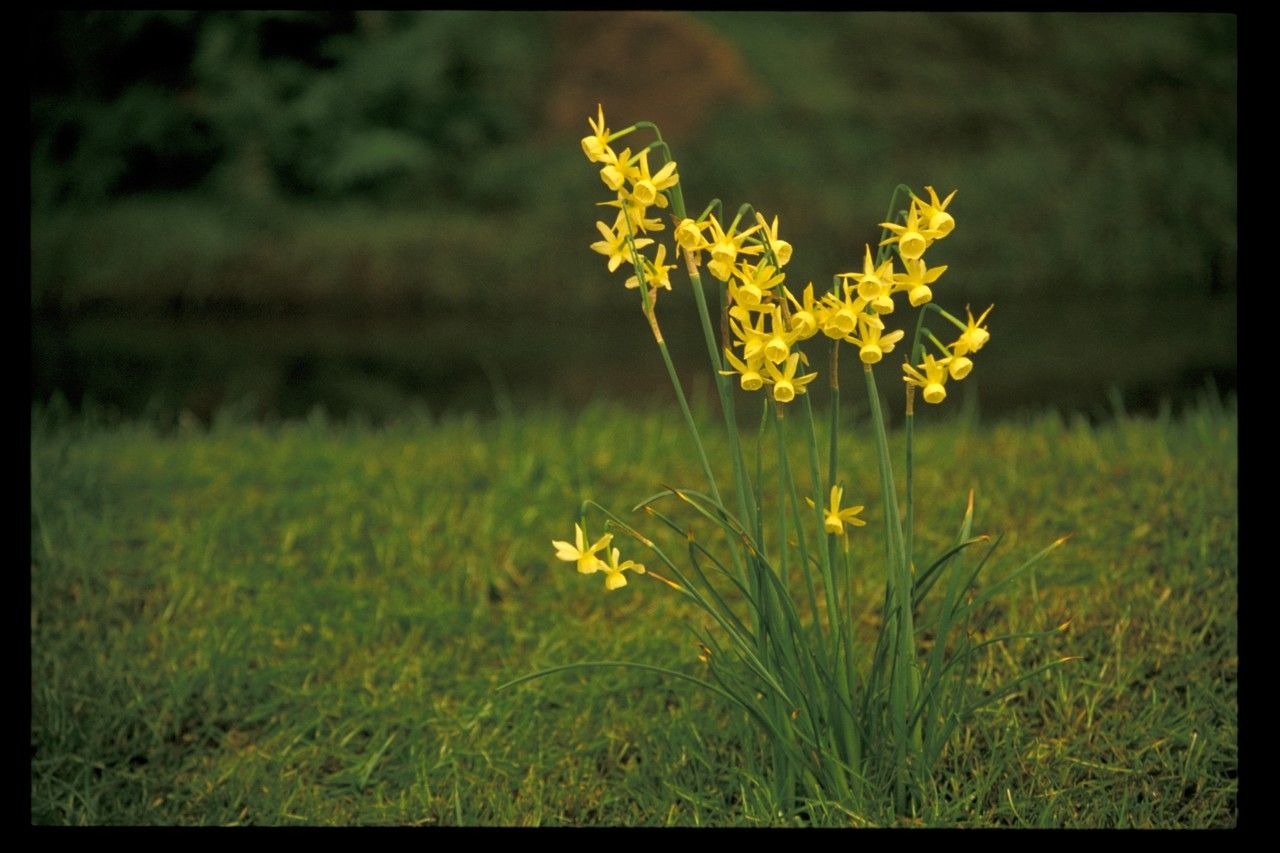
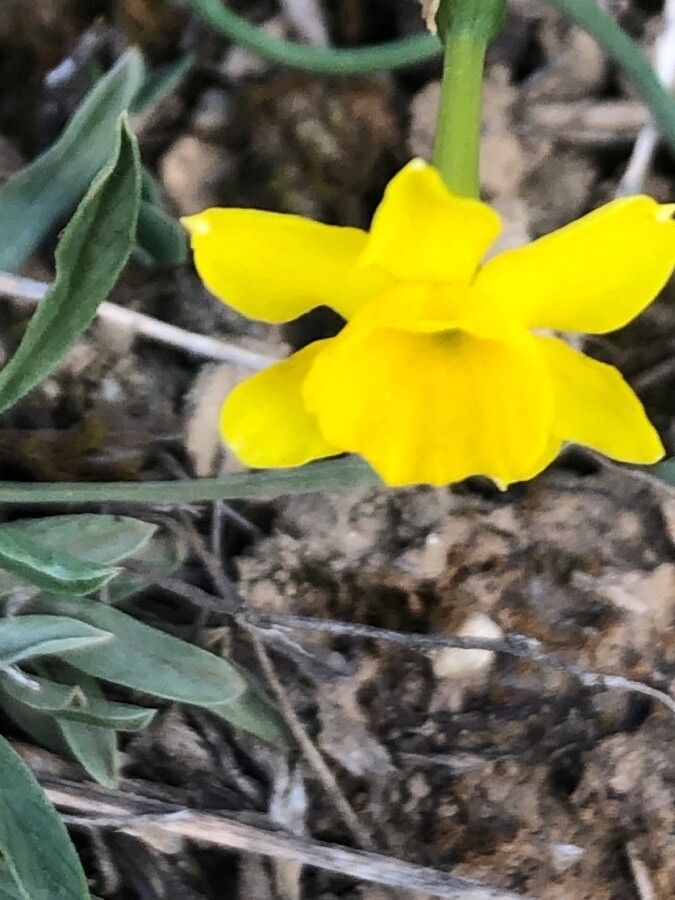
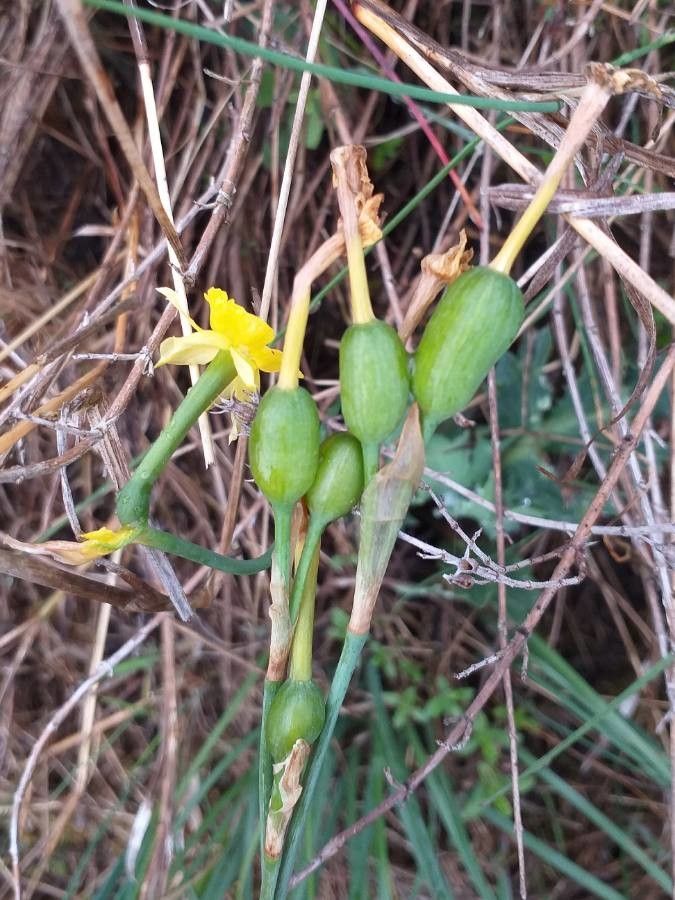
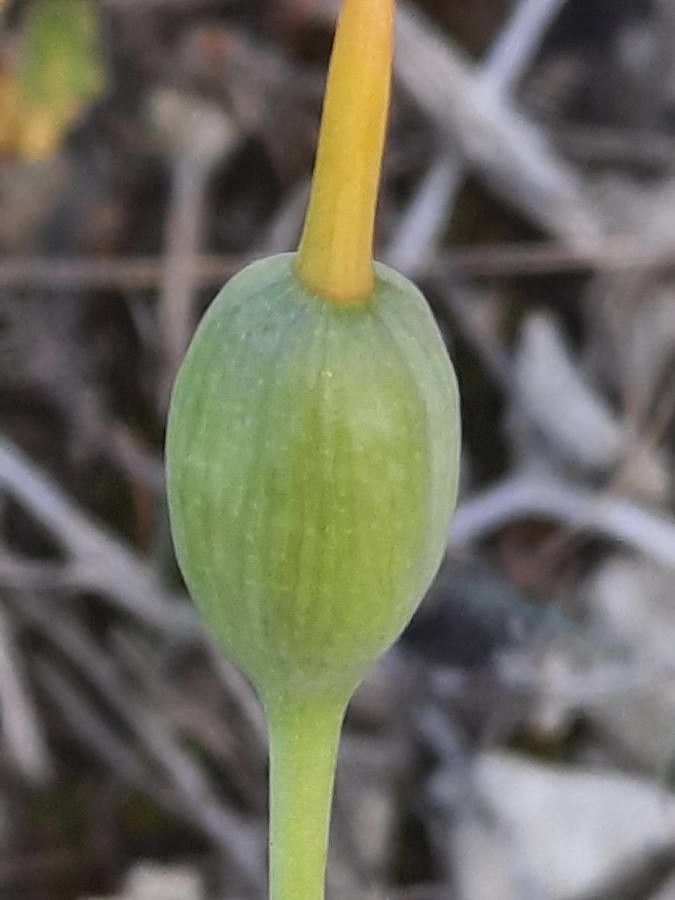
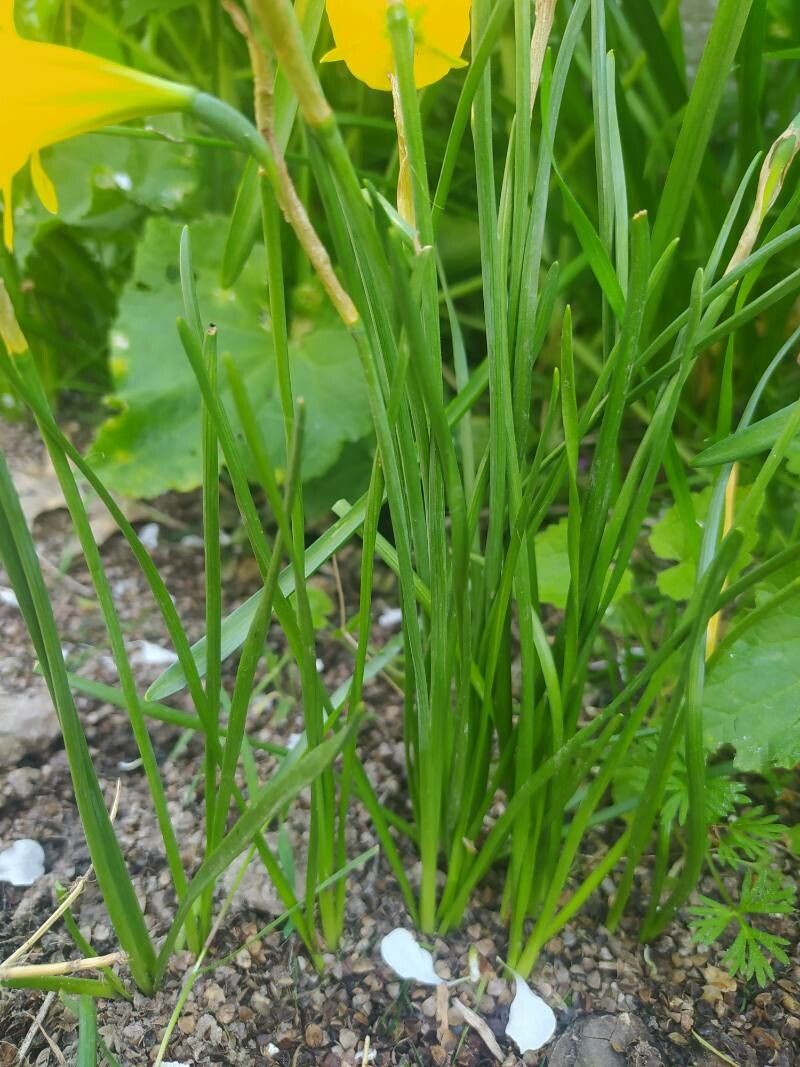
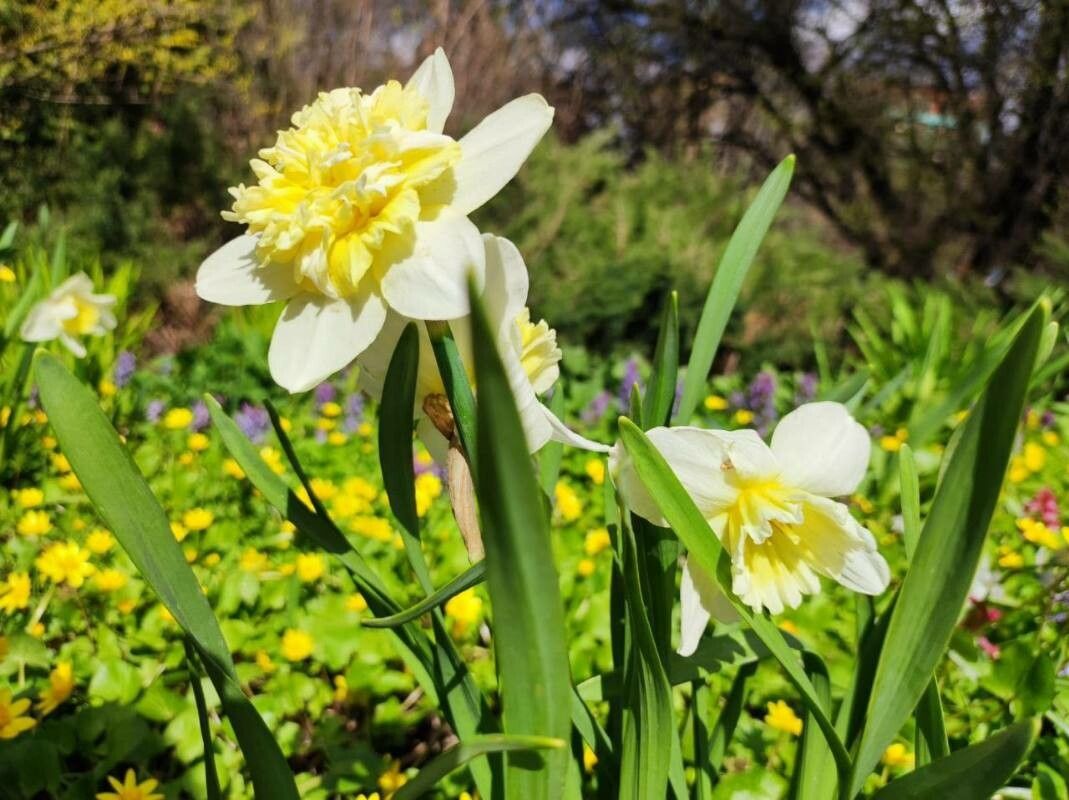
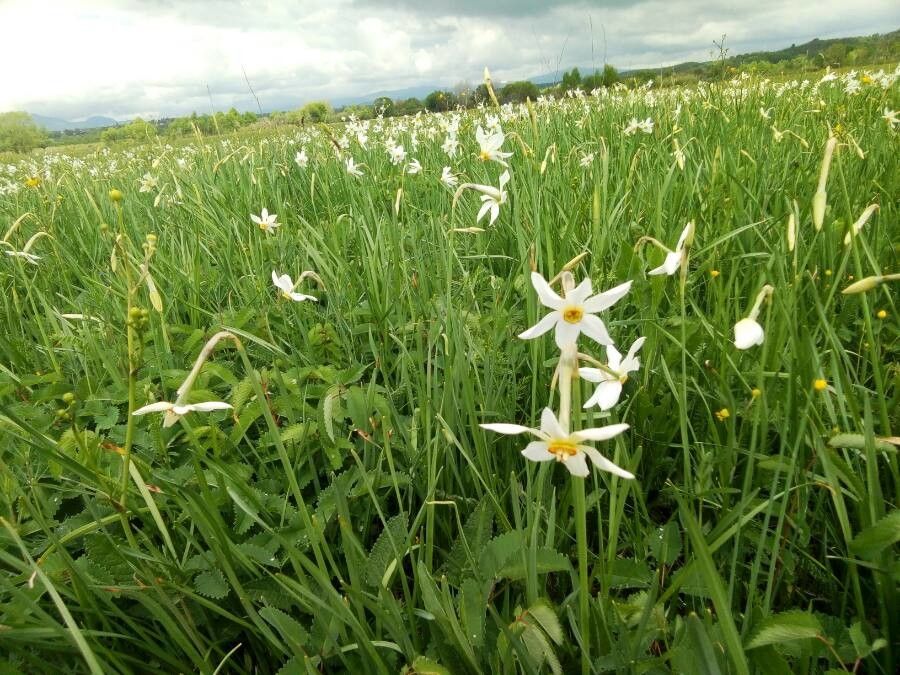
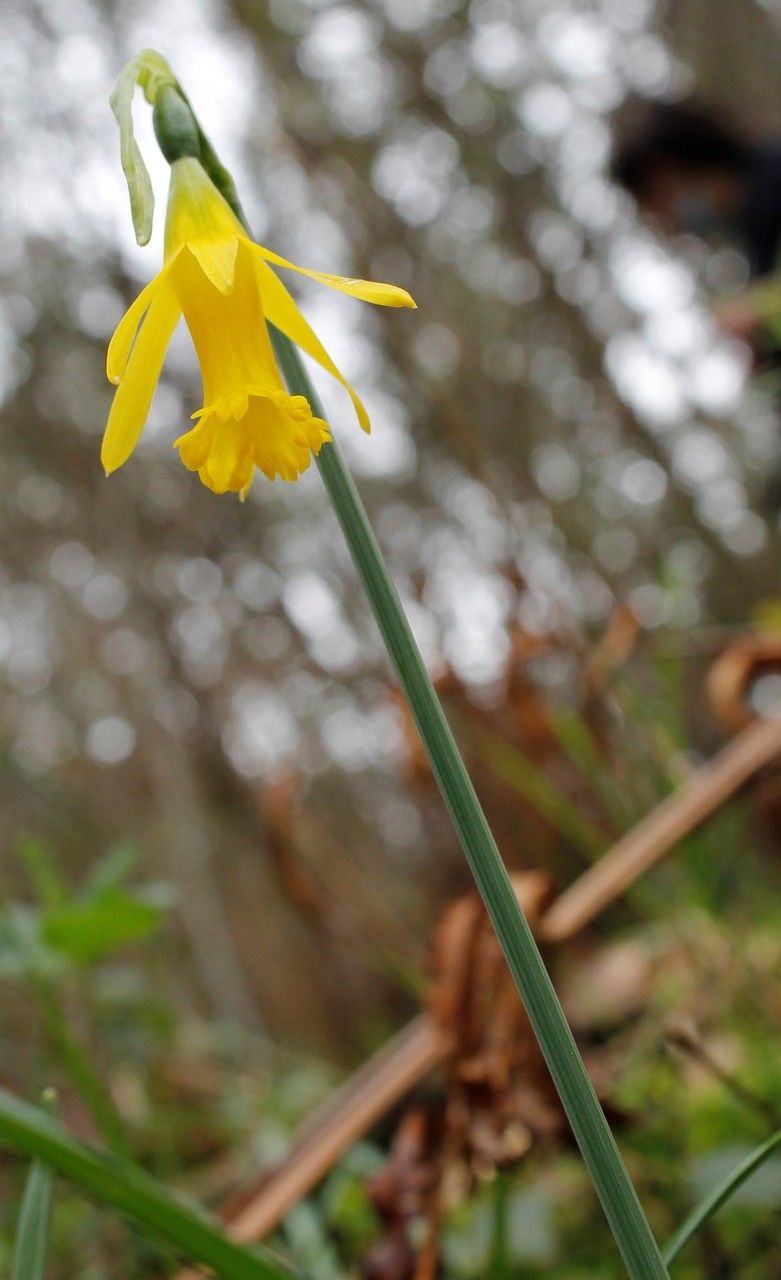
Narcissus assoanus, commonly known as Asso's daffodil, is a perennial bulbous plant belonging to the Amaryllidaceae family. This plant is native to Spain and Portugal and typically grows up to 30 cm tall. It produces one or two flowers per stem, which are usually white or pale yellow, featuring a yellow, trumpet-shaped corona at the center. Its leaves are long, narrow, and green.
Narcissus assoanus thrives in well-drained soil with full sun exposure but can also tolerate partial shade. It blooms in late winter or early spring, making it an excellent choice for adding early spring color to any garden.
Traditionally, Asso's daffodil has been used for medicinal purposes due to its anti-inflammatory properties. However, it is important to note that all parts of this plant are toxic if ingested by humans or animals.
Overall, Narcissus assoanus is an attractive ornamental plant that enhances the beauty and charm of any garden while offering medicinal benefits when used correctly under professional guidance.
Jordan de Assos Daffodil has strong resistance to disease and is generally not susceptible to illnesses. Still, it can be vulnerable to pests and diseases present in its environment. Such infections are typically mild. Regarding care, this plant needs moderate maintenance. It should be pruned regularly to preserve a tidy appearance and support healthy growth. Applying fertilizer can also encourage blooming. Jordan de Assos Daffodil is appropriate for anyone with outdoor space, like a garden or patio, and does not demand extensive gardening experience. It may need extra attention if cultivated indoors.
How to keep Narcissus Assoanus.
Light
The jordan de Assos Daffodil thrives with abundant sunlight, resembling conditions in its native habitat. Reduced light can restrict its vigorous growth and increase its susceptibility to disease. The level of sun exposure needed stays consistent throughout its growth stages. Both excessive and insufficient light can impede its photosynthesis and overall growth.
Water
The Jordan de Assos Daffodil flourishes in climates similar to the Mediterranean, characterized by wet winters and dry summers. It thrives in well-drained soil and typically needs watering once a week. As a herbaceous perennial, it goes dormant after blooming, at which point you should reduce watering to prevent the bulbs from rotting during the drier season.
Temperature
Jordan de Assos Daffodil is native to temperate regions and does best at temperatures of 50 to 95 °F (10 to 35 ℃). In winter, it's advisable to replicate its natural habitat by providing cooler conditions, while in summer it prefers warmth.
Fertilizer
The best time to fertilize a Jordan de Assos Daffodil is in early spring, as it is coming out of dormancy and starting active growth. Fertilizing supplies essential nutrients for healthy development. Although the Jordan de Assos Daffodil has relatively low fertilizer requirements, annual applications can improve its survival and encourage better, longer-lasting flowers.
Pruning
The Jordan de Assos Daffodil displays vibrant yellow flowers in early spring. To promote bulb development, it's important to deadhead the flowers. Pruning should be done after the plant has finished blooming. Allow the leaves to turn yellow before cutting them back to ensure that the plant can photosynthesize effectively. Avoid trimming the green leaves, as this helps the plant maintain its health and store energy for future growth.
Botanical profile.
- Plant Type
- Herb
- Life Cycle
- Perennial
- Genus
- Narcissus
- Family
- Amaryllidaceae
- Hardiness Zone
- 6-9
- Mature Height
- 15 cm
- Mature Spread
- 15 cm
- Leaf Color
- Green
- Leaf Type
- Semi-evergreen
- Flower Color
- Yellow
- Flower Size
- 3.05 cm
- Bloom Time
- Early spring, Mid spring
- Planting Time
- Autumn
- Harvest Time
- Late spring, Early summer
- Native Area
- Spain, Portugal
Other names.
Reader questions.
How should I water my Jordan de Assos Daffodil plant?
To properly water the Jordan de Assos Daffodil, it is best to use filtered water at room temperature. Tap water may have harmful particles for the plant, so filtering it is recommended. The water should be at room temperature or slightly warmer since the plant is accustomed to a warm environment. Cold water can be a shock to the plant's system. It is also important to avoid overhead watering as it can cause issues with the foliage. Instead, focus on applying filtered room temperature water to the soil until it is completely soaked. This method helps the roots absorb moisture and gather necessary nutrients as they spread through the soil.
Why do I have to put fertilizer on my Jordan de Assos daffodil?
To help your Jordan de Assos Daffodil produce beautiful blooms, it is important to fertilize it. Fertilizing in early spring is especially effective for ensuring excellent flowers during that season. Additionally, fertilizer provides energy for the daffodil to store in the ground during dormant growth phases. By giving your daffodil extra nutrients during fall planting or late spring, it will have more energy to use when active growth resumes.
What are the sunlight requirements for the Jordan de Assos Daffodil?
The Jordan de Assos Daffodil thrives best with significant sun exposure, mirroring its native environment conditions. It requires full sun, defined as more than 6 hours of sunlight per day, to flourish optimally. However, it can also manage with partial sun, which amounts to about 3-6 hours of sunlight daily. The right balance between light and shade is crucial for the plant’s health, ensuring it grows robustly while being protected from disease risks. Insufficient light could hamper its growth and make it more prone to illnesses.
What are the preferred temperature conditions for Jordan de Assos Daffodil?
Jordan de Assos Daffodil, botanically known as Narcissus assoanus, thrives in temperate environments, preferring temperatures ranging from 50 to 95 °F (10 to 35 °C). To emulate its natural habitat, it's advisable to provide cooler conditions during the winter months, while ensuring a warmer environment in the summer. The plant exhibits strong cold resistance, generally obviating the need for special frost protection. Nonetheless, in instances where winter temperatures are anticipated to plunge below -25°C, protective measures such as covering the plant with soil or straw are recommended. Additionally, watering the plant abundantly before the onset of the first freeze in autumn ensures that the soil remains moist throughout the winter and early spring, safeguarding against drought and water scarcity.
What should I do if I give my Jordan de Assos Daffodil too much or too little water?
Overwatering and underwatering can both harm your Jordan de Assos Daffodil, but overwatering is more common. When this plant gets too much water, its stems and leaves may wilt, turn yellow, and it could develop diseases like root rot, mold, and mildew that can kill it. Underwatering is less common, but it can make the leaves brittle and brown. It's crucial to notice signs of overwatering early and reduce watering immediately. Check the soil quality and replace it if it doesn't drain well. If the plant needs more water, simply water it regularly until signs improve.
When should I fertilize my Jordan de Assos Daffodil for best results?
To properly fertilize a Jordan de Assos Daffodil, there are a few optimal times to consider. The first is in early spring when the flowers are starting to form. Fertilizing during this period with the right fertilizer can enhance the quality of the blooms. Another suitable time for fertilization is in late spring, after the flowers have already bloomed and faded. Providing nutrients at this stage will enable the daffodil to store energy for the following year. Additionally, if you are planting a Jordan de Assos Daffodil for the first time in the fall, it is advisable to fertilize during the planting process. This increases the chances of a healthy flower set during the initial growing season.
How does artificial lighting support the Jordan de Assos Daffodil's growth?
When natural sunlight is inadequate, especially during winter or in less sunny indoor locations, artificial lighting can be a vital support for the Jordan de Assos Daffodil's growth. For optimal growth under artificial lights, select the appropriate type, such as LED, which can be tailored to provide specific light wavelengths the plant needs. Full sun plants require 30-50W/sq ft, partial sun plants need 20-30W/sq ft, and full shade plants benefit from 10-20W/sq ft of artificial light. The light source should be placed 12-36 inches above the plant to mimic natural sunlight adequately, and the plants usually need 8-12 hours of light per day to thrive.
How does Jordan de Assos Daffodil respond to low temperatures, and what are the solutions?
Jordan de Assos Daffodil demonstrates a notable tolerance to cold, ideally flourishing in temperatures above 10°C and should be kept above -15°C during winter. However, when temperatures drop below -25°C, the plant may not show immediate distress, but its ability to sprout in the spring could be significantly diminished, with a decrease in sprouting or even a complete absence of sprouting observed. In such cases, the solution is straightforward – in spring, any parts of the plant that have failed to sprout should be removed to promote healthy growth and recovery.
How often should I water my Jordan de Assos Daffodil?
If your Jordan de Assos Daffodil is in a pot, you can check if it needs water by putting your finger in the soil. If the first two to three inches of soil are dry, it's time to water it. If you're growing your Jordan de Assos Daffodil outdoors, you can use the same method to test the soil. When the first few inches of soil are dry, it's time to water. In the spring and early fall, you'll typically need to water this plant about once a week. But during extremely hot weather, you may need to water it twice or more per week. However, mature Jordan de Assos Daffodils that are well-established can withstand drought well.
When is the best time to not fertilize my Jordan de Assos Daffodil?
To properly fertilize a Jordan de Assos Daffodil, remember to do so in specific periods: during fall planting, early spring bloom, and late spring after the bloom. Any other time of the year, fertilizing is unnecessary and potentially harmful. It's important to note that this daffodil has two dormant phases, during winter and summer. In these phases, it requires less water and no fertilizer. After the flowers fade, the leaves will remain briefly before dying back. At this point, the plant is dormant again and does not need fertilizer.
What are the symptoms of inadequate light exposure in the Jordan de Assos Daffodil?
Inadequate lighting can lead to several problematic symptoms for the Jordan de Assos Daffodil. These include smaller new leaves, leggy or sparse growth, faster leaf drop, slower or no new growth, and lighter-colored or chlorotic leaves. In extreme cases of light deficiency or overexposure, the plant may experience sunscald, leaf curling, wilting, leaf scorching, or chlorosis. Recognizing these signs early is key to adjusting the plant's environment to prevent further stress or damage.
What measures should be taken if Jordan de Assos Daffodil is exposed to high temperatures?
During the summer months, it is critical to ensure that the temperature surrounding the Jordan de Assos Daffodil does not exceed 35°C. Exposure to temperatures above 38°C can lead to various signs of stress including a lighter leaf coloration, a predisposition to curling, susceptibility to sunburn, and in extreme cases, wilting and drying out of the plant. To mitigate these effects, it is advisable to trim away the sunburned and dried parts, move the plant to a shaded location particularly during the midday and afternoon sun, or use a shade cloth for protection. Regular watering in the morning and evening will help maintain the soil's moisture, crucial for the plant's well-being under high temperature conditions.