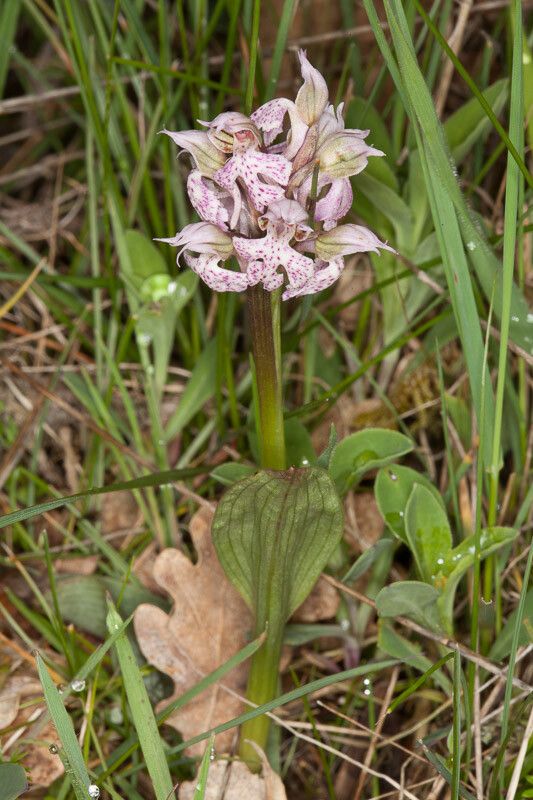
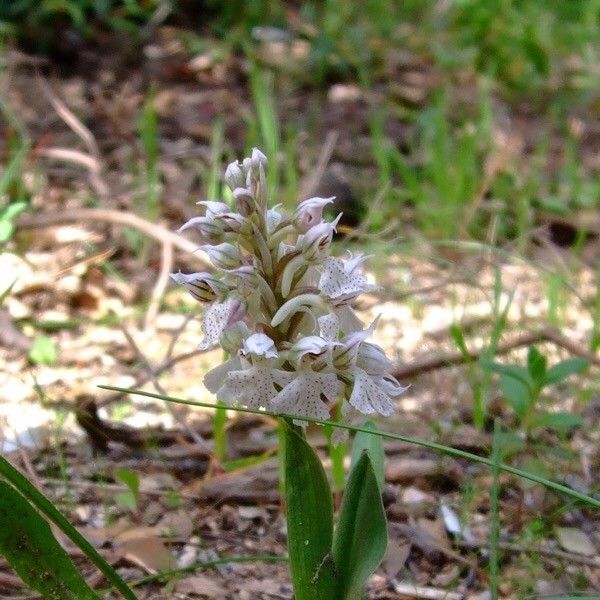
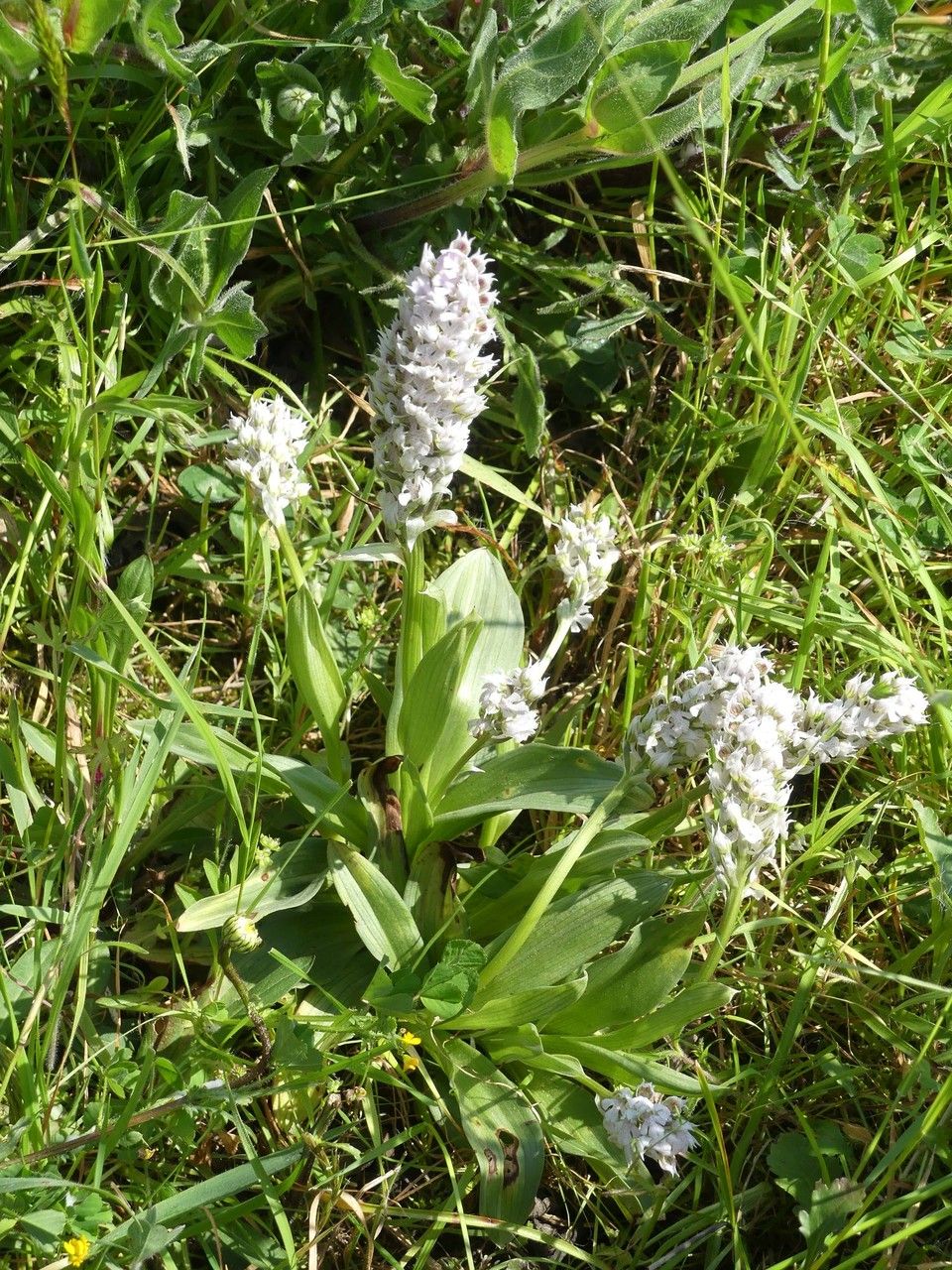
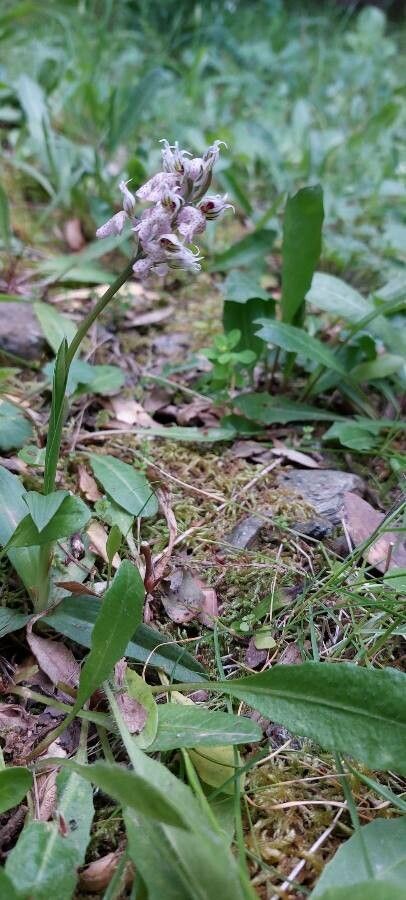
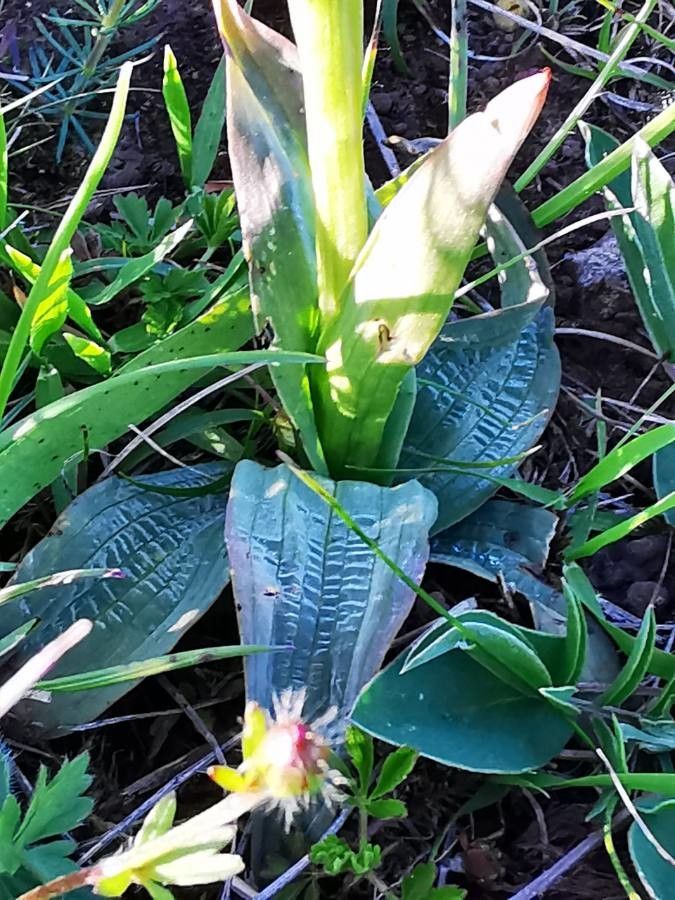
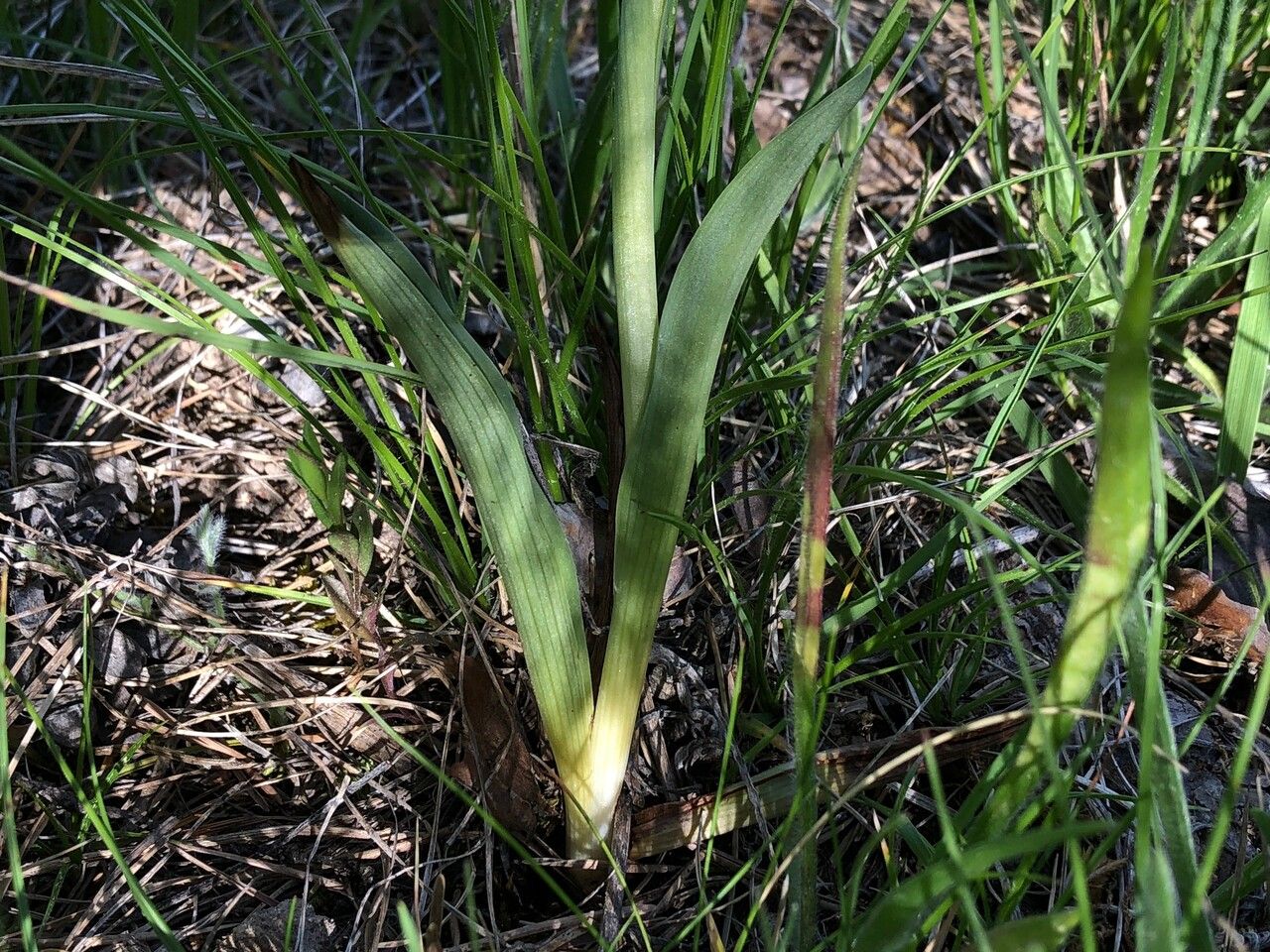
Neotinea lactea, the milky orchid, is a species of orchid found in Europe from France to Turkey and in two North African countries: Algeria and Tunisia. Its flowers are pale to light pink, reflecting its Latin root lacteus (milky).The species were first described in 1798 by Poiret from Algeria.
The Milky orchid is generally disease-resistant and has relatively few insect pests. Its care is considered difficult, since it needs a high-humidity but well-ventilated environment with few harmful pathogens. Too much watering can cause root rot. Although anyone can grow Milky orchid, keeping it healthy and getting it to flower again requires more growing experience.
How to keep Neotinea Lactea.
Light
Milky orchid is native to habitats like forest understories or rocky locations, where it grows under natural shade. It prefers partial sun but can adjust to full sun or full shade, illustrating its adaptable and hardy nature.
Water
The milky orchid thrives best in conditions with consistent moisture, similar to the rainfall patterns of its natural habitat. Watering it once a week is ideal; however, it can withstand brief periods of dryness. When grown indoors, this orchid benefits from higher humidity levels, which support healthy foliage and vibrant blooms during the growing season.
Temperature
Milky orchid can adapt to a wide range of temperature conditions, but its distribution may still be restricted by different combinations of water and heat. It does best in warm summer climates with adequate rainfall or watering. Extended periods of cloudy, rainy weather or prolonged high temperatures can increase the chance of Milky orchid dying. In winter, proper protection from the cold can improve the plant's survival.
Fertilizer
The best time to fertilize a Milky orchid is in early spring, when it is coming out of dormancy and starting active growth. Fertilization supplies essential nutrients for healthy development. Although the Milky orchid has comparatively low fertilization requirements, fertilizing once a year can improve its survival and encourage better, longer-lasting flowers.
Pruning
The milky orchid thrives with selective pruning. To promote growth, trim spent blooms and dead leaves in early spring. In late spring, cut back overcrowded stems to enhance air flow and light exposure. These practices increase vitality, improve blooming potential, and help prevent disease.
Botanical profile.
- Plant Type
- Herb
- Life Cycle
- Perennial
- Genus
- Neotinea
- Family
- Orchidaceae
- Hardiness Zone
- 7-10
- Mature Height
- 15 cm to 30 cm
- Mature Spread
- 5 cm to 10 cm
- Leaf Color
- Light Green
- Leaf Type
- Deciduous
- Flower Color
- White
- Flower Size
- 0.51 cm to 0.76 cm
- Bloom Time
- Early spring, Mid spring
- Planting Time
- Spring, Summer
- Harvest Time
- Late spring, Early summer
Other names.