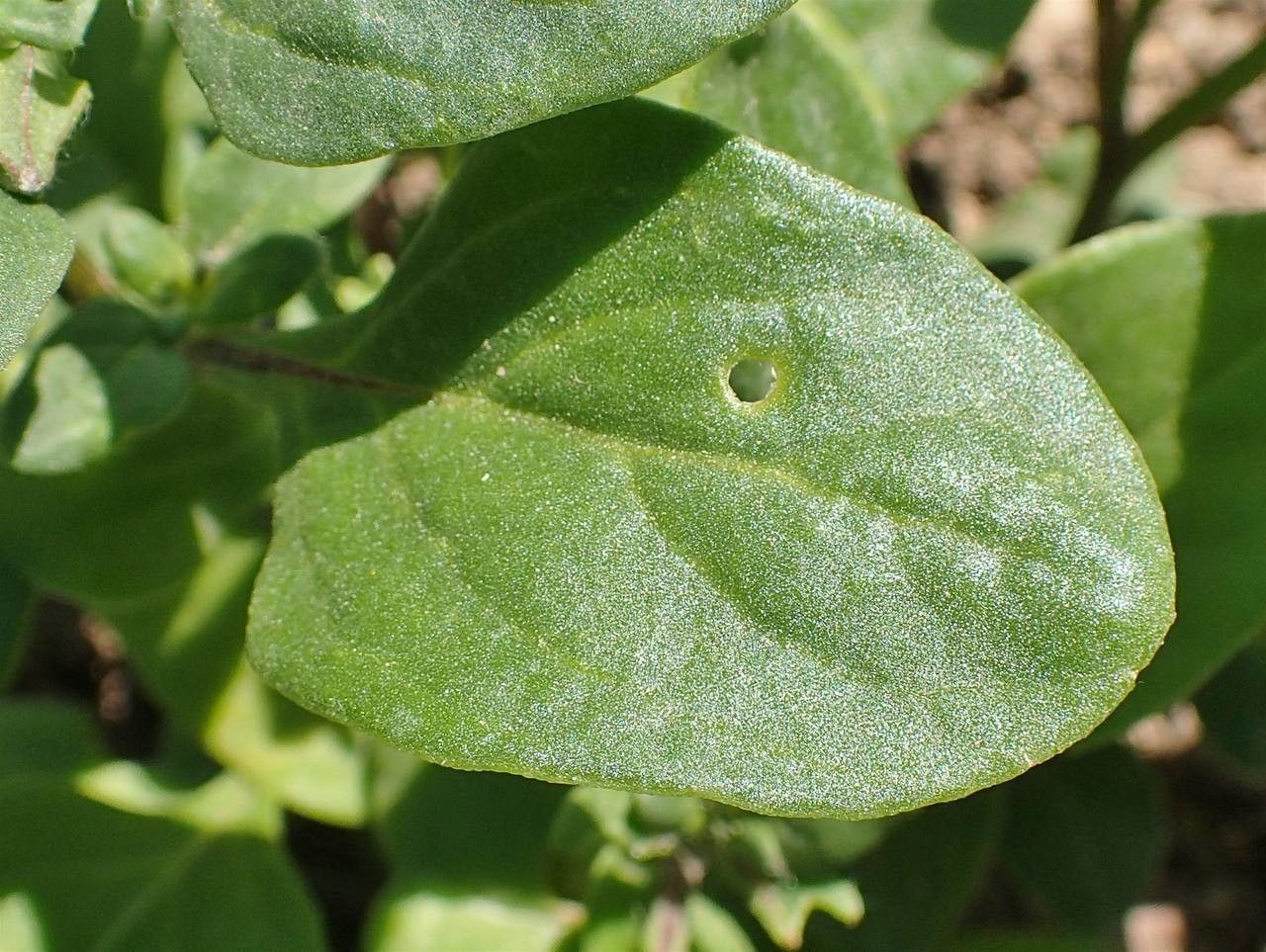
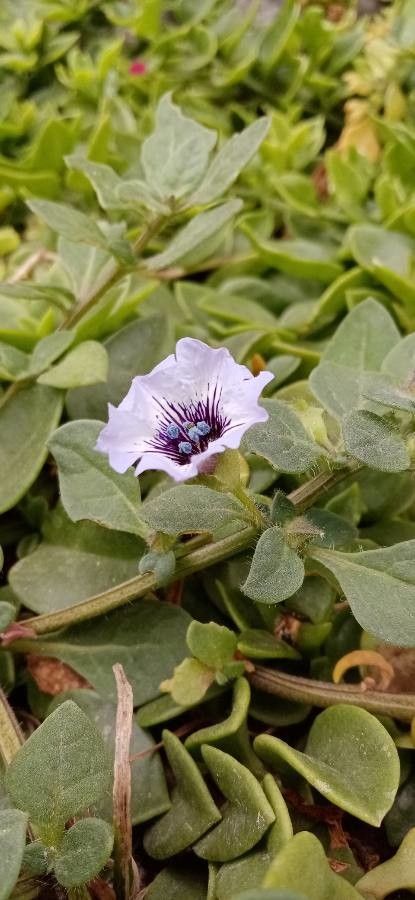
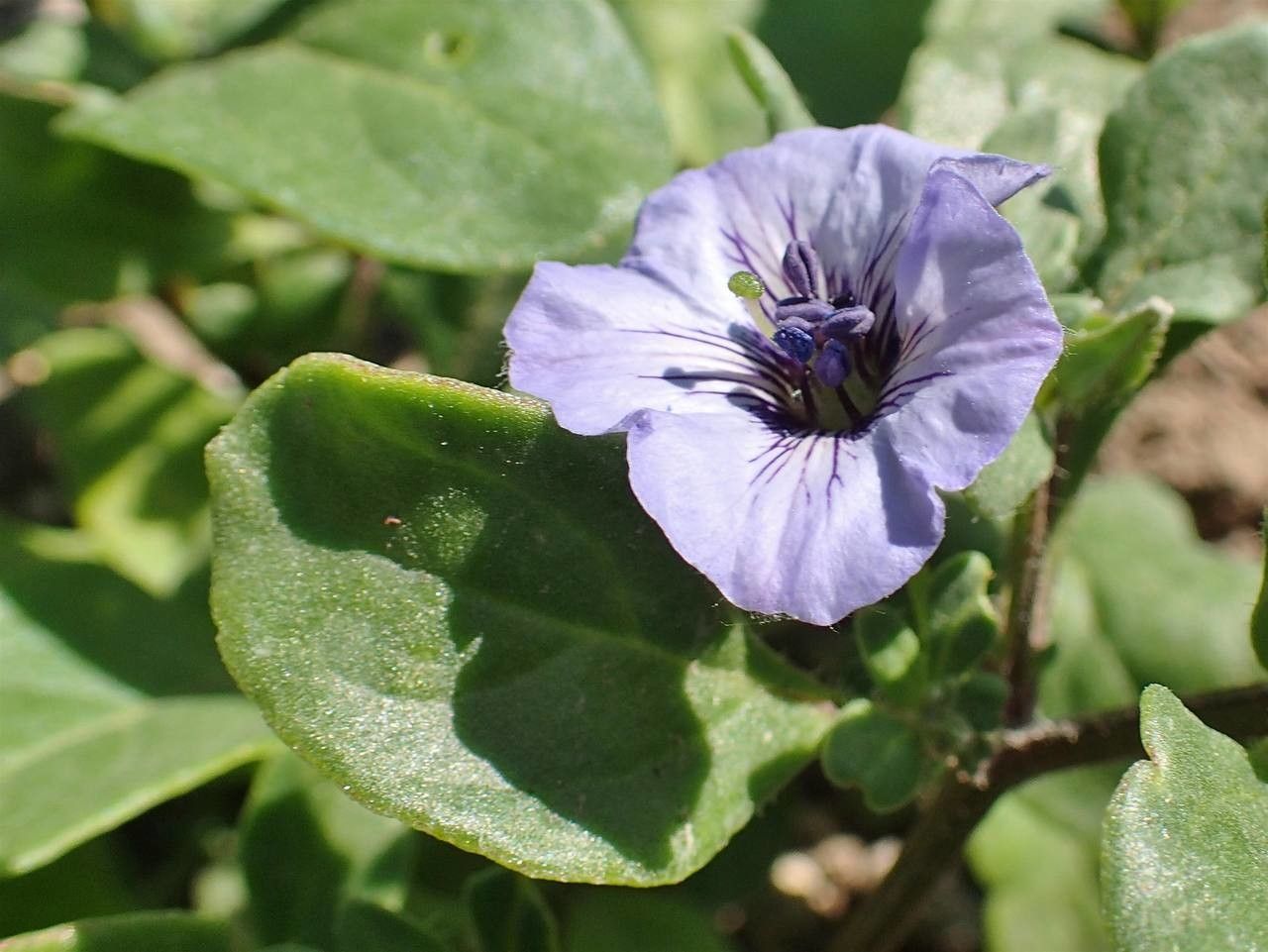
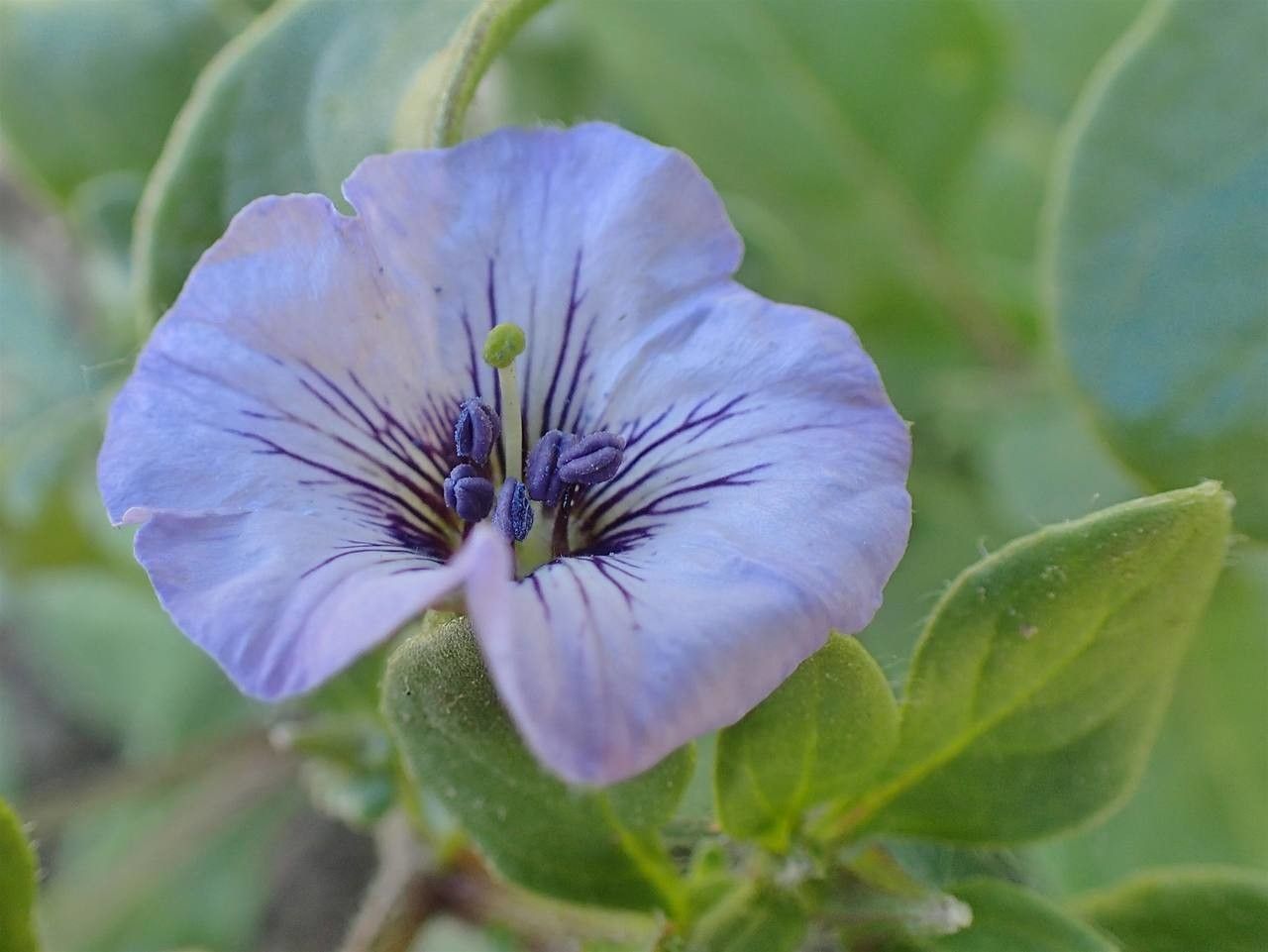
The climbing shrub Lapageria rosea is indigenous to Chile. It has thin, highly branching branches that can grow up to around two meters in height. The evergreen leaves are ovate, thick, leathery, dark green, and green. In the form of an extended trumpet, the blooms of the rosy lapageria can be red, white, or bright pink, but there are many hybrids, some even with mottled petals, that are produced from late spring to early autumn. The thick, waxy petals are. They generate tiny, rounded, palatable fruits with a pleasant taste.
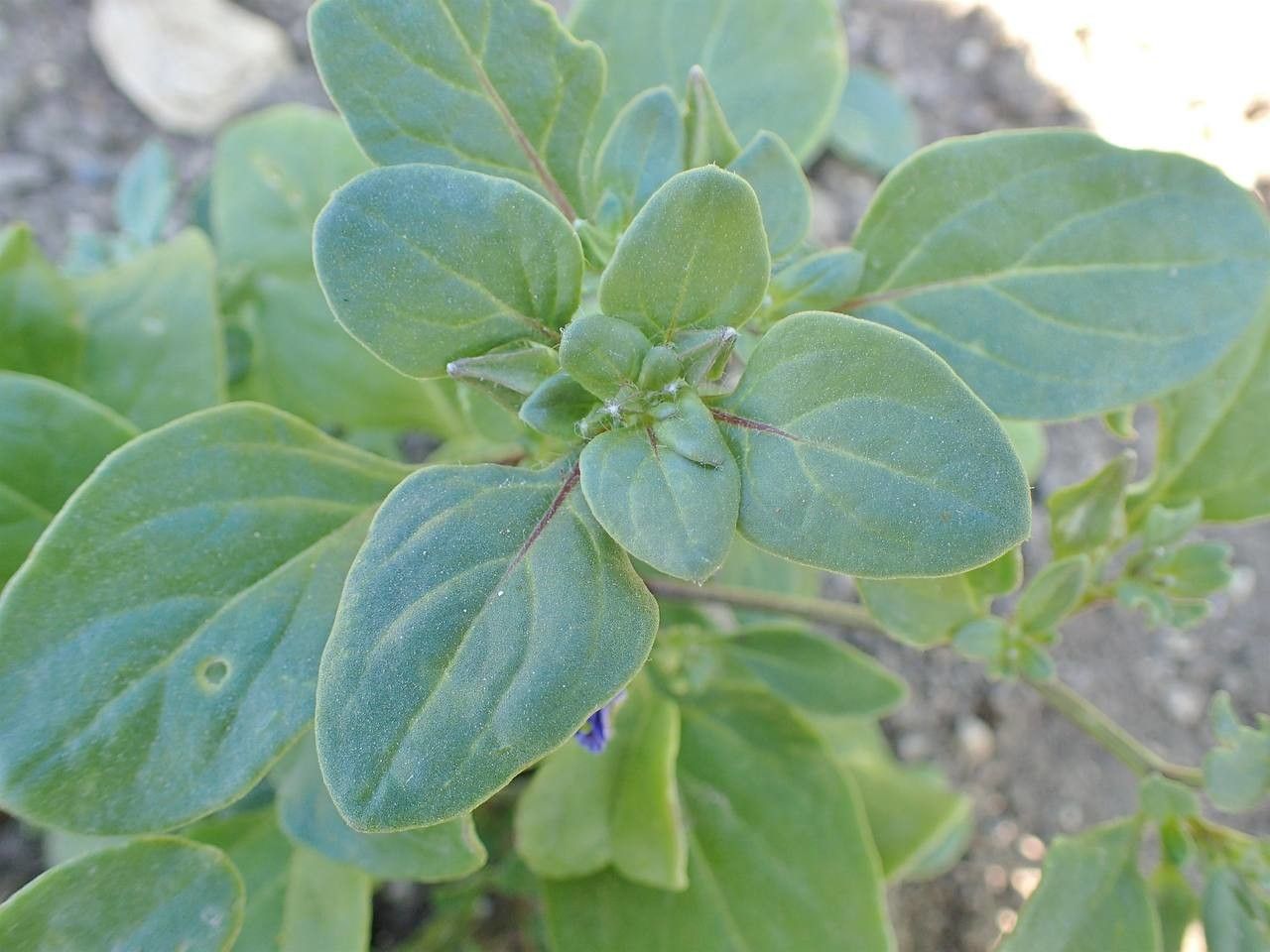
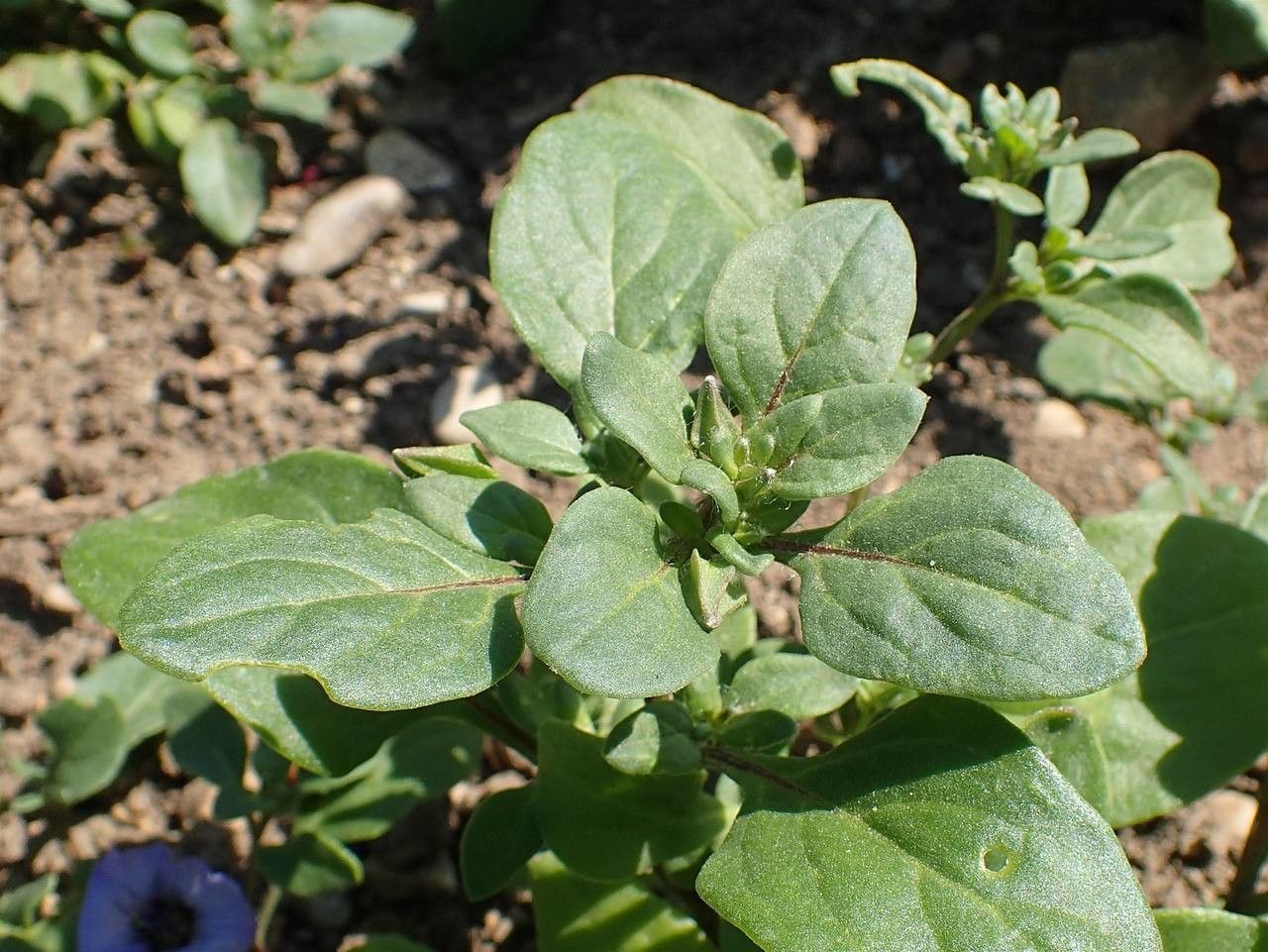
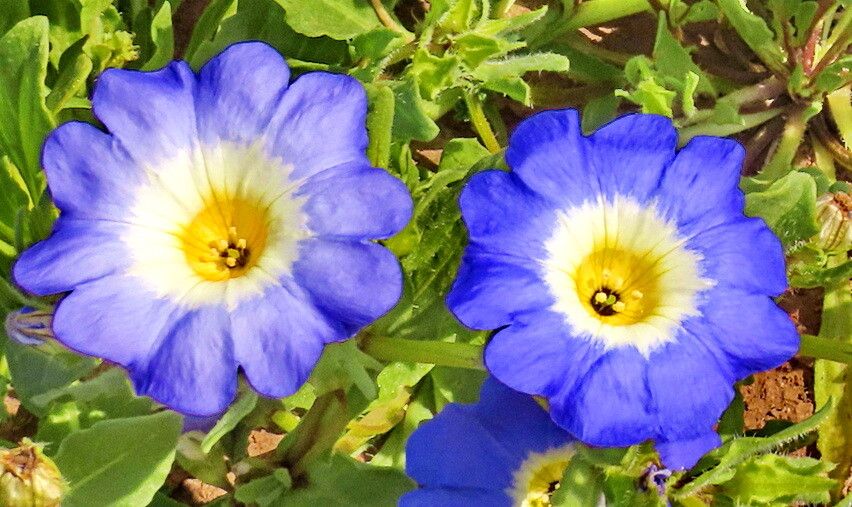
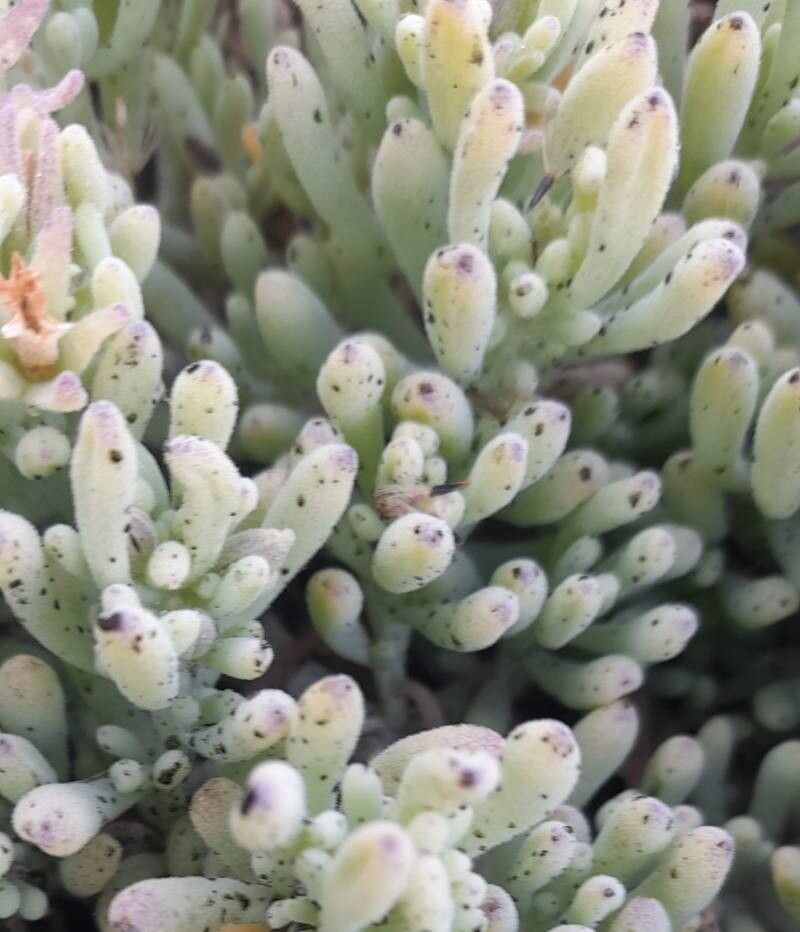
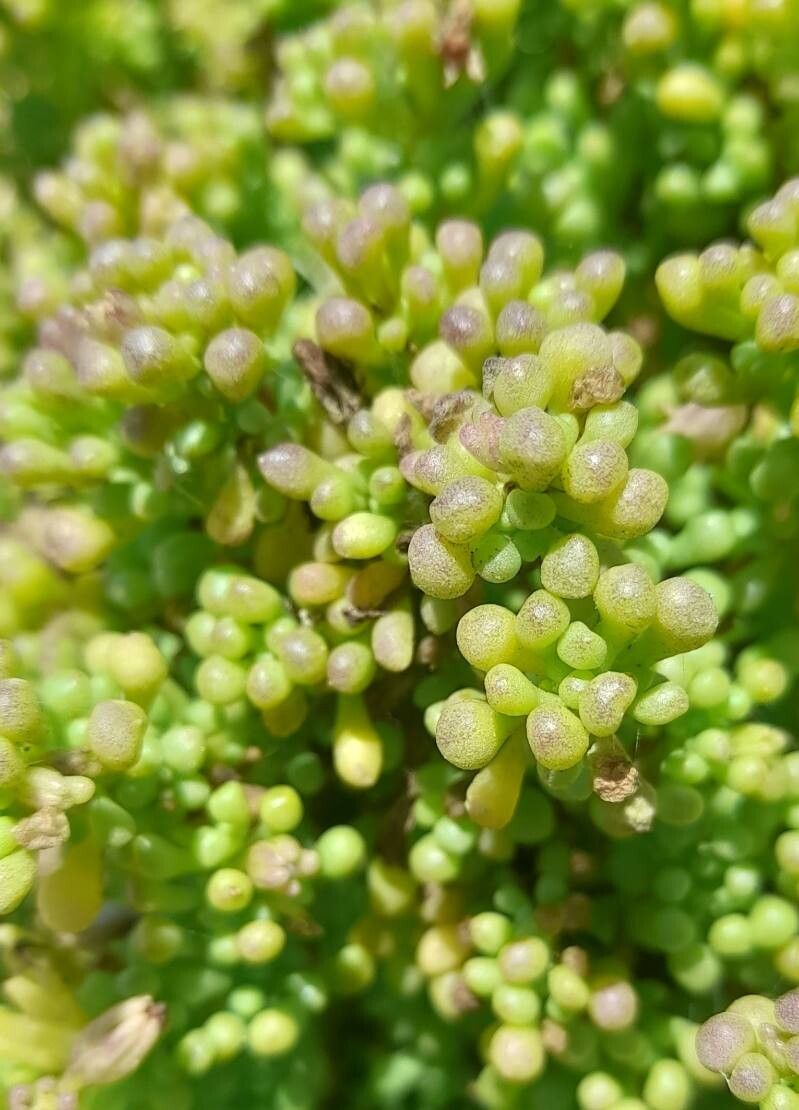
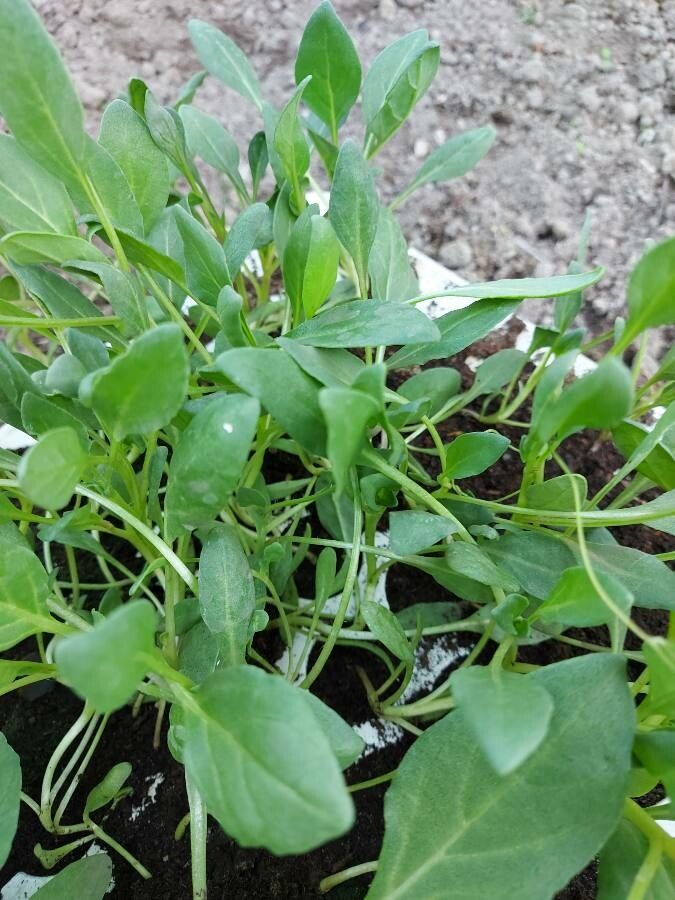
How to keep Nolana Humifusa.
Water
They require regular watering to keep the soil consistently moist but not drenched; this is especially important during the warmer months; in the winter, watering can be more sparingly applied, never leaving the soil saturated. For survival and growth, Chilean bellflower needs a lot of water. One to two quarts are needed for Chilean bellflower. They cannot endure drought.
Temperature
The Chilean bellflower grows well against a wall that is partially shaded and protected and can resist temperatures as low as -5°C. In frigid winters, plants on sunny walls often perish, whereas those on shaded walls have a considerably higher chance of surviving. In frigid winters, plants can be pruned to the ground, although they frequently sprout back in the spring.
Pruning
You can remove any dead leaves or shoots, but avoid pruning it because you might destroy the flowering shoots. Old growth does not die off in more mature plants, but it may still seem very disheveled and discouraging. However, the elder shoots are what bear the prettiest flowers, so do not take offense if you see the plant in a pot or leaning against a shaded wall in the spring.
Toxicity
Nolana is not known to be toxic, though it is also not an edible plant species. While it poses no specific risk to dogs, cats, horses, or humans, it’s best not to be eaten.
Further reading →
The toxicity and danger assessments provided are for reference only. We do not assure their accuracy, so it's crucial not to depend on them. Seek professional advice when necessary for accurate guidance.
Botanical profile.
- Plant Type
- Annual or perennial
- Genus
- Nolana
- Family
- Solanaceae
- Hardiness Zone
- 10-11
- Bloom Time
- Summer
- Native Area
- Chile and Peru
Other names.