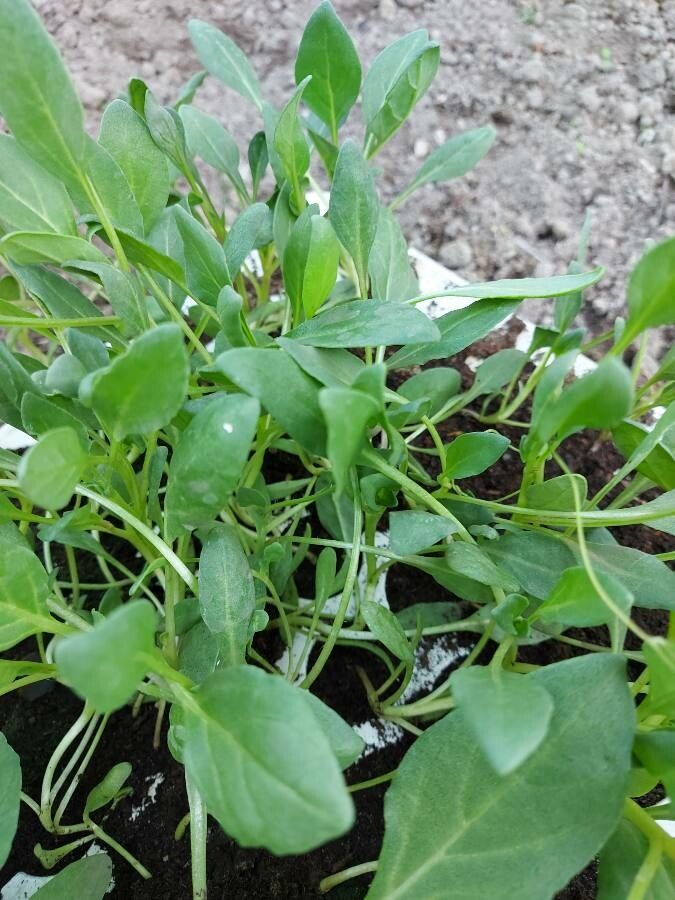
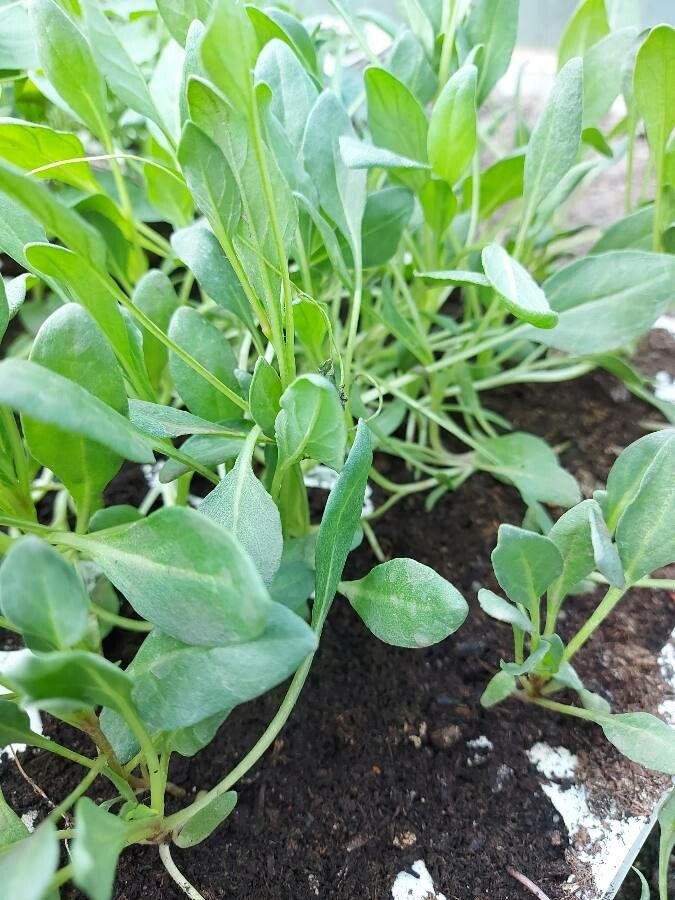
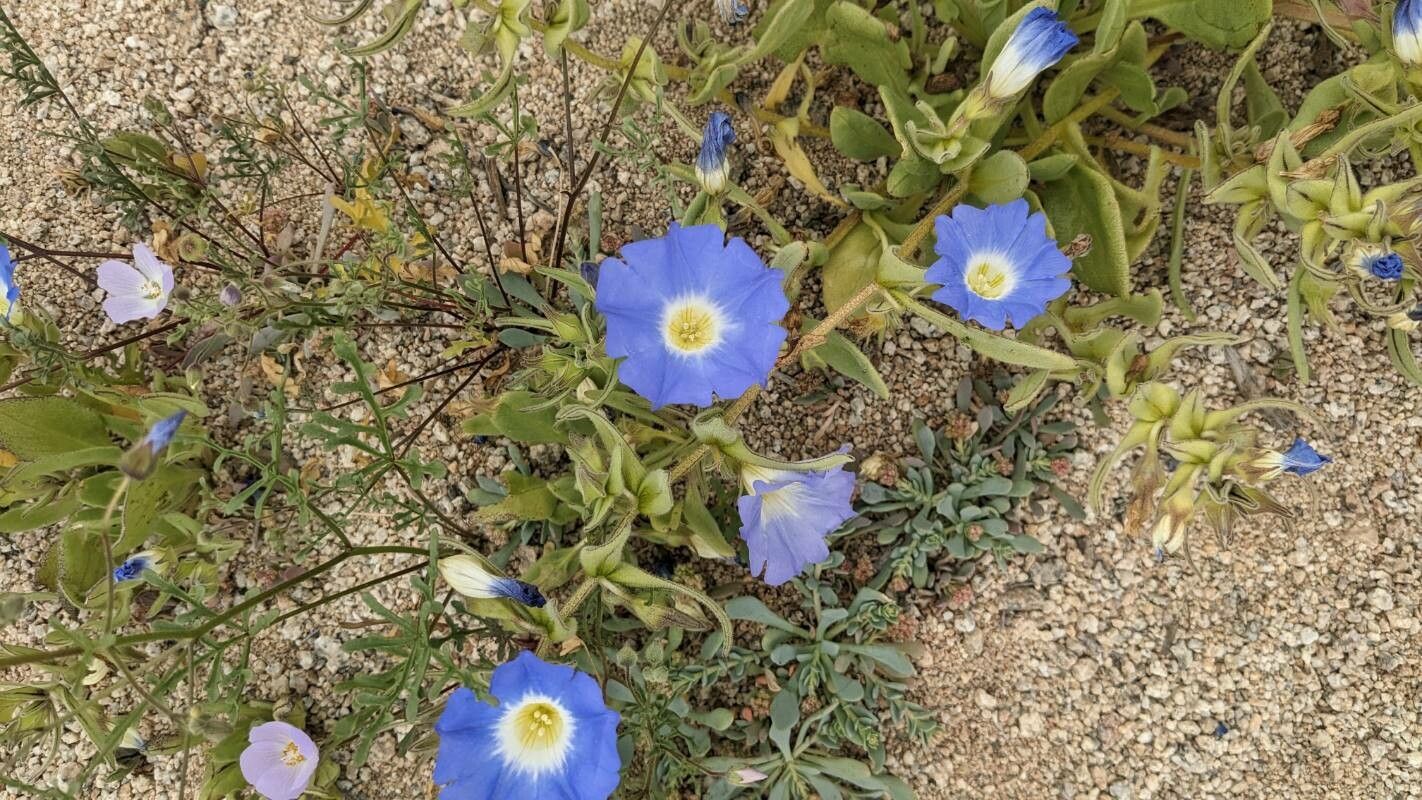
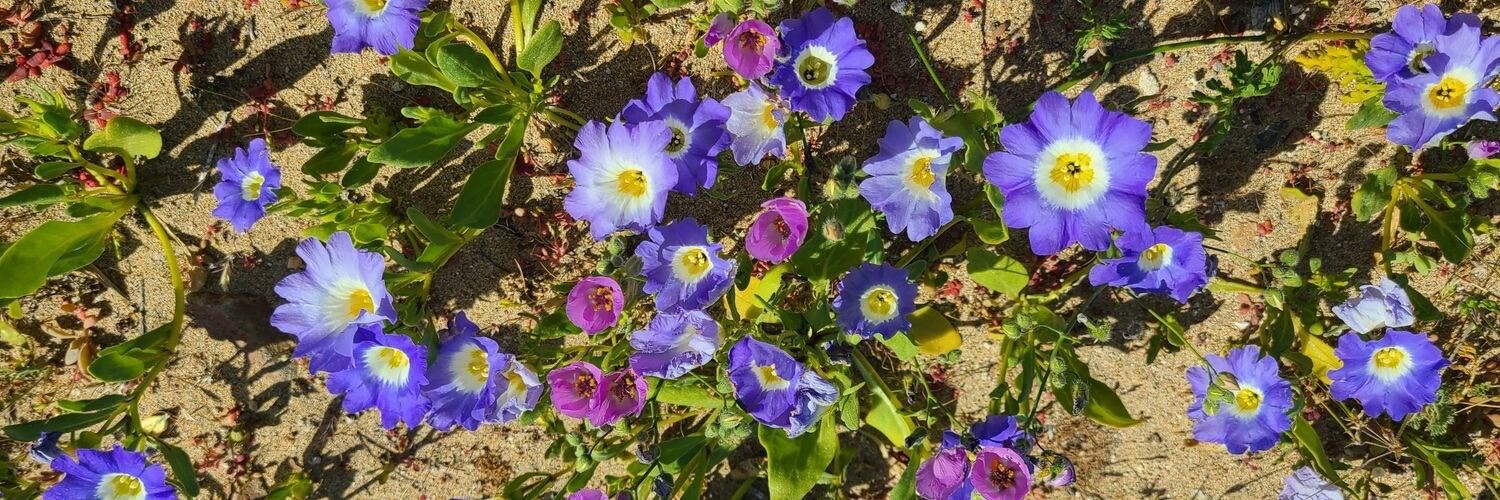
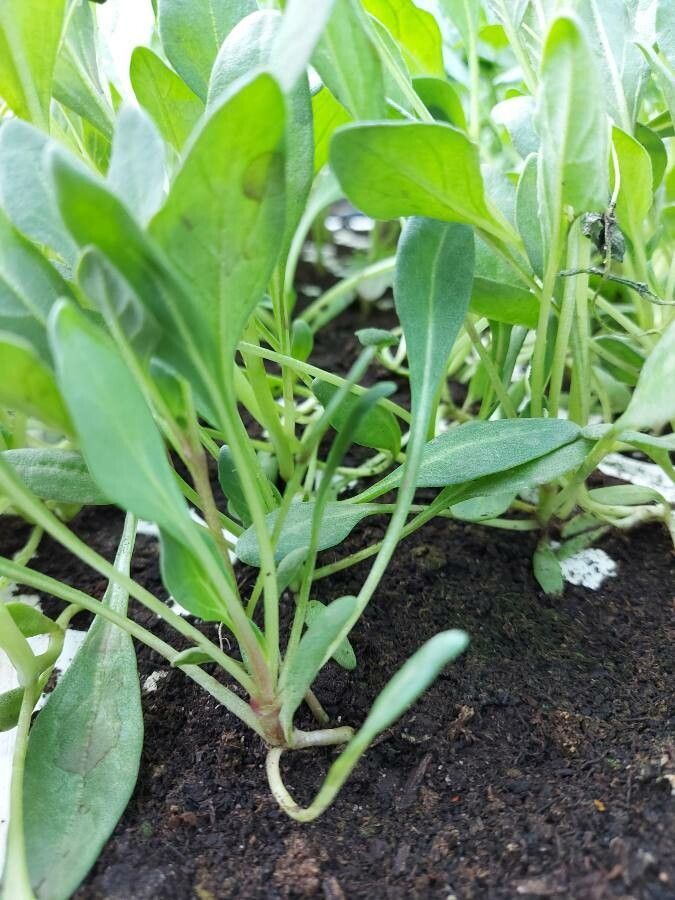
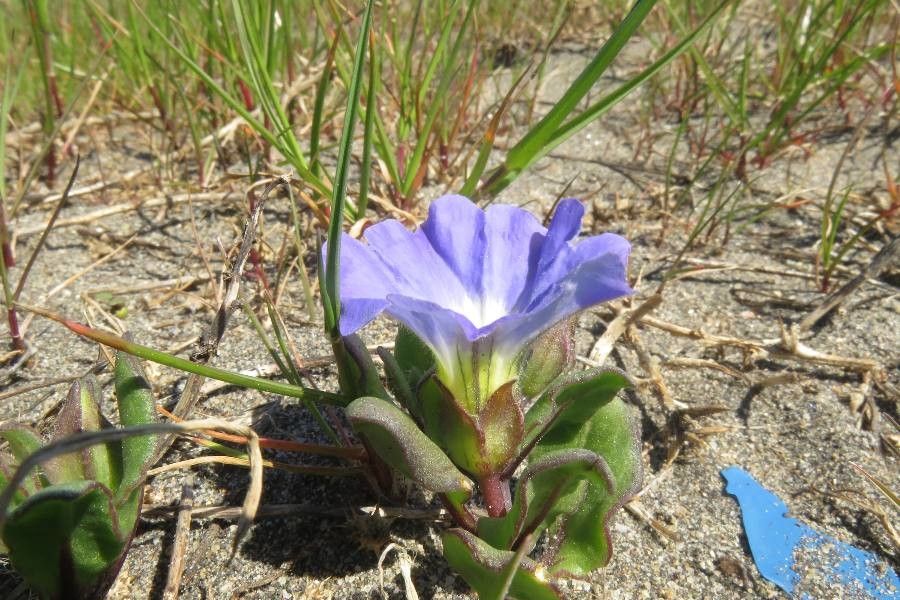
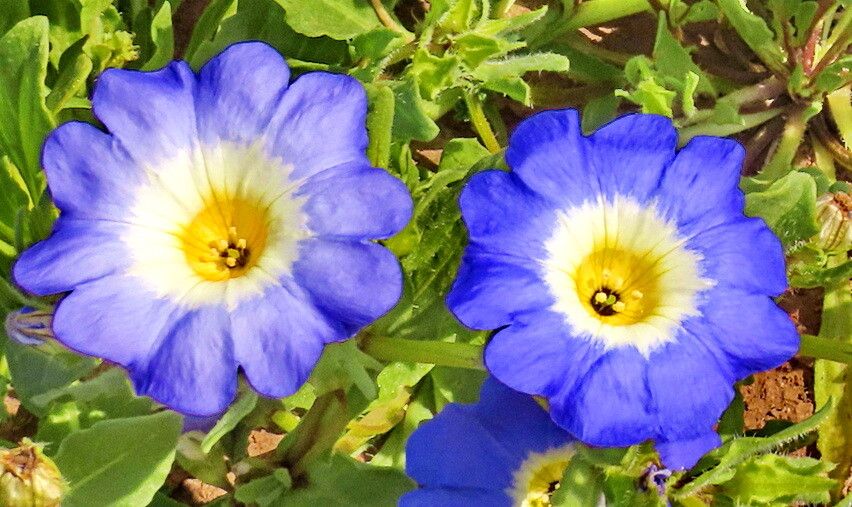
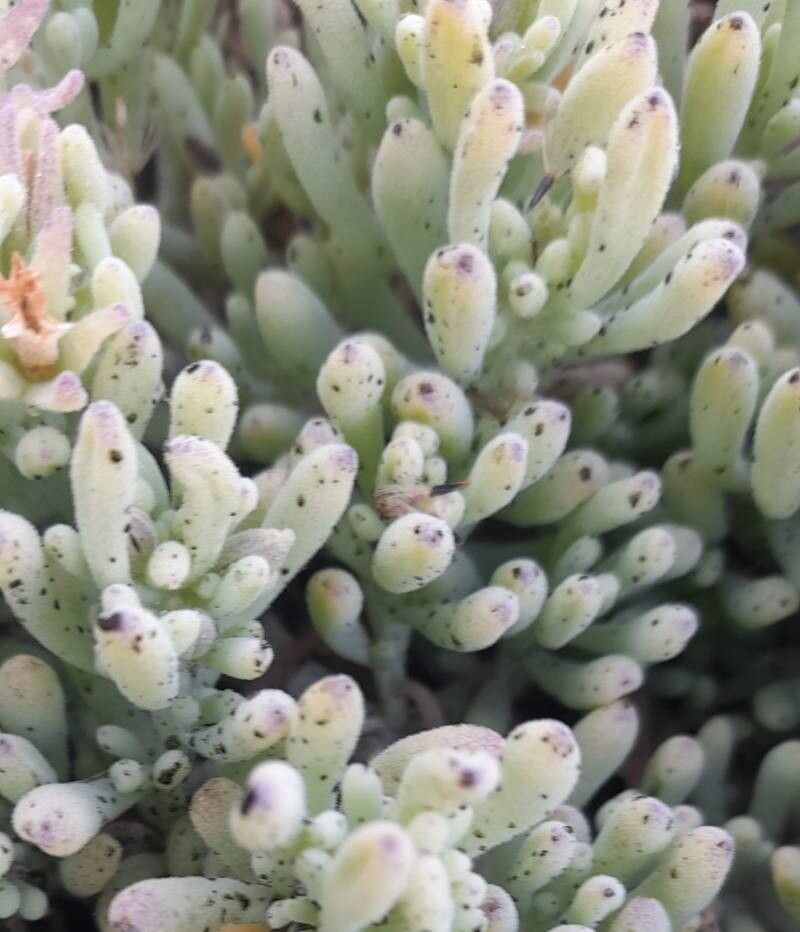
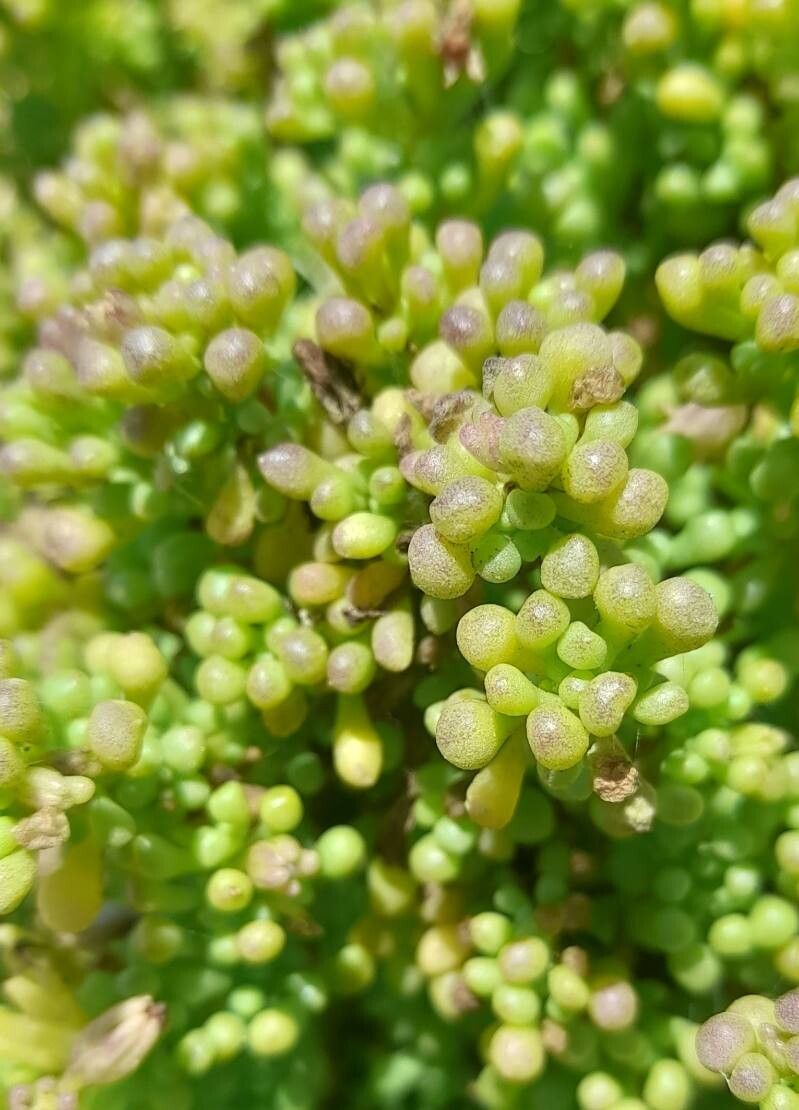
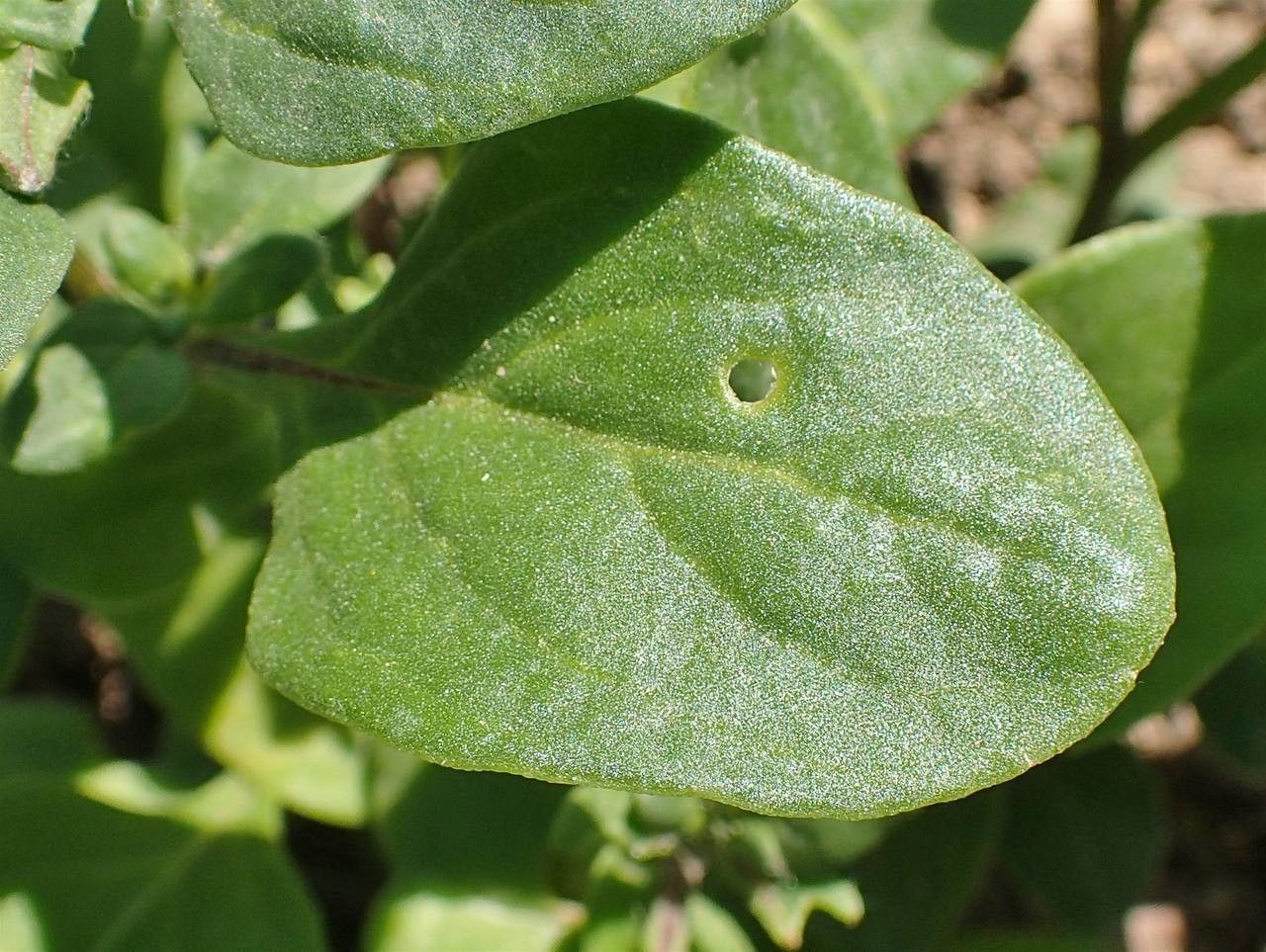
Nolana paradoxa, the Chilean bellflower, is a species of flowering plant in the family Solanaceae, native to central and southern Chile. A spreading half-hardy annual reaching 9 in (23 cm) and useful as an edger or ground cover, it requires full sun. There is a cultivar, 'Blue Bird'.N. paradoxa serves as a model system for scientific studies on flower color.
The Chilean bellflower is fairly disease-resistant and generally not prone to illnesses. However, it can still be vulnerable to pests and diseases present in its environment. These issues are usually mild. In terms of care, the plant requires moderate maintenance. It should be pruned regularly to maintain a good appearance and healthy growth. Fertilizing can also help encourage flowering. The Chilean bellflower is suitable for anyone with outdoor space, such as a garden or patio, and does not demand extensive gardening experience. It may need more care when grown indoors.
How to keep Nolana Paradoxa.
Light
The chilean bellflower prospers when it receives uninterrupted sunlight throughout the day. This plant tolerates spots without a canopy or shade. It is used to bright surroundings, reflecting its origin in wide open spaces. Excessive or insufficient light can hinder its healthy growth.
Water
They require regular watering to keep the soil consistently moist but not drenched; this is especially important during the warmer months; in the winter, watering can be more sparingly applied, never leaving the soil saturated. For survival and growth, Chilean bellflower needs a lot of water. One to two quarts are needed for Chilean bellflower. They cannot endure drought.
Temperature
Chilean bellflower is fairly adaptable to temperature, able to endure higher heat and larger temperature swings. In hot weather, you should watch watering and give appropriate shade to avoid sunburn. Conversely, the Chilean bellflower is less tolerant of cold; it can handle some chill, but very low temperatures may cause frost damage.
Fertilizer
When most of the Chilean bellflower's blooms have opened to full size, resume fertilizing. At the height of bloom production, fertilize every three to four weeks, weather permitting. Once the plant begins producing fewer new blooms, stop fertilizing; there's no need to feed it when it can no longer produce more flowers.
Pruning
For the best growth and flowering of the Chilean bellflower, it's beneficial to prune from early to late spring. Key pruning methods include removing dead wood, thinning out branches, and shaping the plant. This helps improve air circulation, increases light exposure, and reduces the risk of disease. Always use clean tools, and avoid heavy pruning during the plant's dormancy to maintain optimal health.
Toxicity
Nolana is not known to be toxic, though it is also not an edible plant species. While it poses no specific risk to dogs, cats, horses, or humans, it’s best not to be eaten.
Further reading →
The toxicity and danger assessments provided are for reference only. We do not assure their accuracy, so it's crucial not to depend on them. Seek professional advice when necessary for accurate guidance.
Botanical profile.
- Plant Type
- Herb
- Life Cycle
- Annual, Perennial
- Genus
- Nolana
- Family
- Solanaceae
- Hardiness Zone
- 9-11
- Mature Height
- 20 cm
- Mature Spread
- 61 cm
- Leaf Color
- Green, Dark Green
- Leaf Type
- Evergreen
- Flower Color
- White, Blue, Yellow, Cream, Purple
- Flower Size
- 3.05 cm to 5.08 cm
- Bloom Time
- Late spring, Summer
- Planting Time
- Spring, Summer, Autumn
- Harvest Time
- Mid summer, Late summer, Early fall, Mid fall
- Native Area
- Peru
Other names.
Reader questions.
How much sunlight does the Chilean bellflower require?
The Chilean bellflower, known botanically as Nolana paradoxa, thrives in conditions where it receives full sun, meaning it needs more than 6 hours of sunlight daily. It's essential for the plant's health and growth to be exposed to unimpeded sunlight throughout the day, as it is accustomed to luminous environments reflecting its origin in vast, open spaces. Ensuring the perfect balance of light and shade by watching how sunlight moves through your garden can help in choosing the best spots for these plants, contributing to their well-being. Overexposure or deficiency of light might impact the plant's growth adversely, so careful placement is key.
What are the symptoms of insufficient or excessive sunlight for the Chilean bellflower?
When the Chilean bellflower does not receive adequate sunlight, it may exhibit symptoms such as smaller new leaves, leggy or sparse growth, faster leaf drop, slower or no new growth, lighter-colored new leaves, chlorosis, sunscald, leaf curling, wilting, and leaf scorching. These symptoms range from physical deformities to changes in leaf coloration, indicating the plant's struggle with the current light conditions. Properly adjusting the plant's exposure to sunlight is crucial for its health and growth. If grown indoors or in less sunny spaces, considering the use of artificial lighting can help mitigate these issues.
How can artificial lighting be used for indoor Chilean bellflower plants?
For indoor Chilean bellflower plants or when natural sunlight is insufficient, especially during winter or in less sunny spaces, artificial lighting serves as a vital solution. It promotes faster, healthier growth by providing the required light intensity and duration. LED lights are recommended for their ability to offer specific wavelengths needed by the plants. Full sun plants need 30-50W/sq ft, partial sun plants require 20-30W/sq ft, and full shade plants need 10-20W/sq ft of artificial light. The light source should be placed 12-36 inches above the plant, mimicking natural sunlight conditions. Most plants will benefit from 8-12 hours of light per day, depending on their specific needs.
What are the solutions for managing the Chilean bellflower's sunlight exposure?
To ensure optimal growth for the Chilean bellflower, gradually acclimatize it to sunlight by moving it to sunnier locations each week until it gets at least 6 hours of direct sunlight daily. Indoors, maximize natural light exposure by using a south-facing window and keeping curtains open. Additionally, you can use artificial lights like desk lamps or invest in professional grow lights to supplement light, keeping them on for about 8 hours daily. Outdoors, move plants gradually to avoid sunburn and choose the best spot for sunlight adaptation. Minimize obstructions by pruning or transplanting to areas with ample sunlight and good drainage, especially during the plant's dormant periods in late winter or early spring. Note that parts of the plant damaged by insufficient sunlight may not recover, but new growth can flourish with improved light exposure.