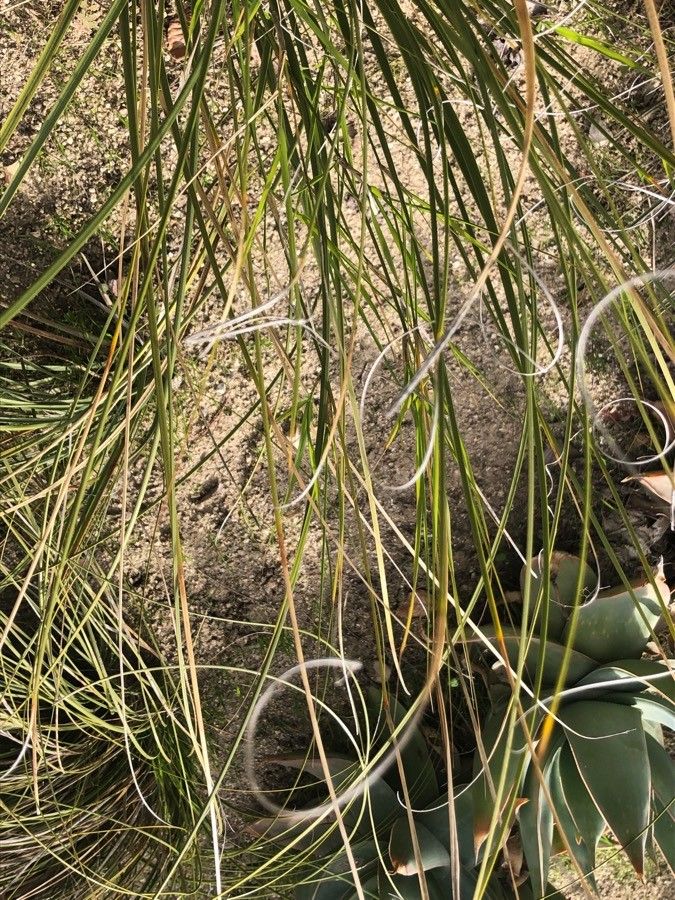
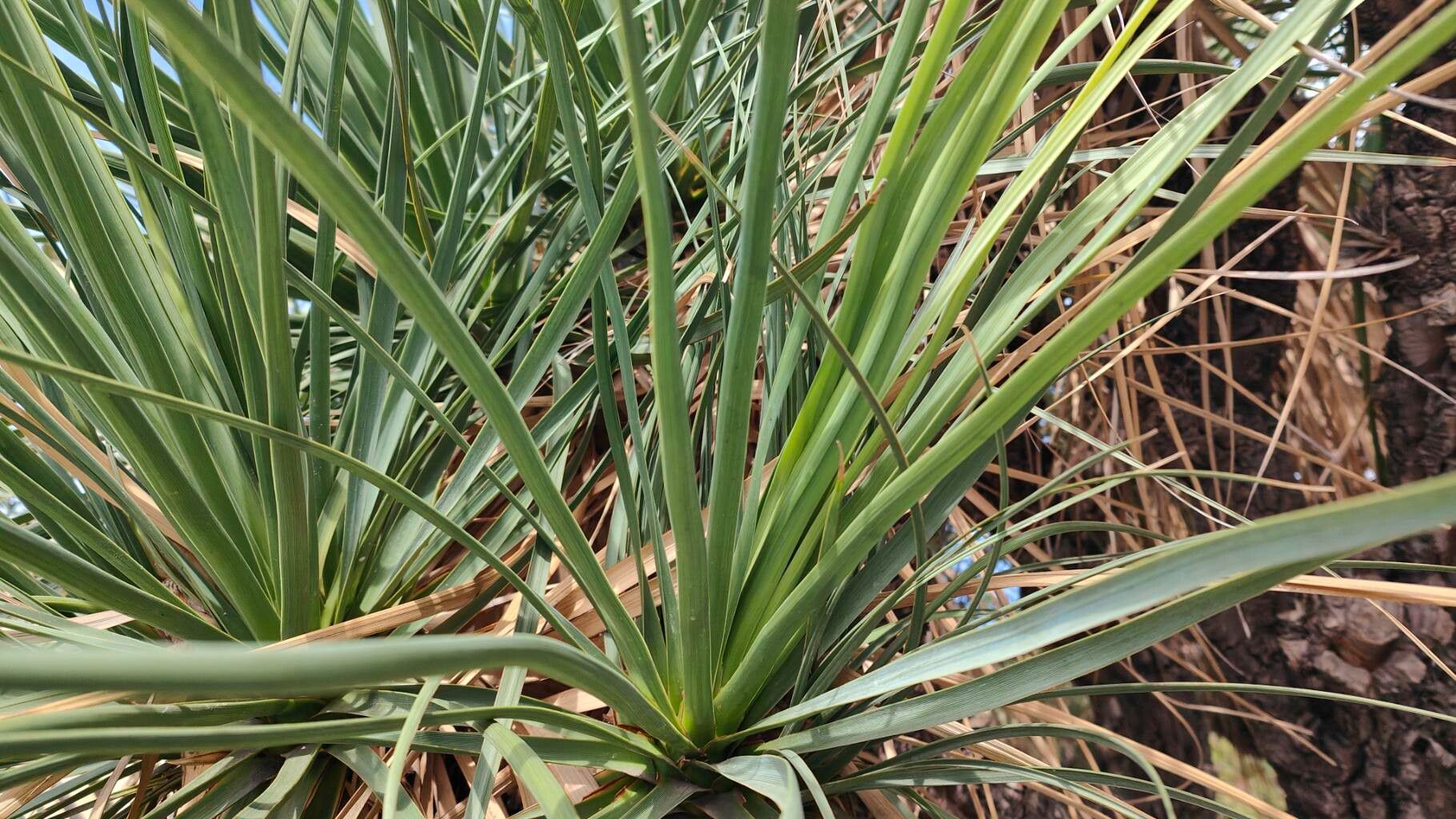
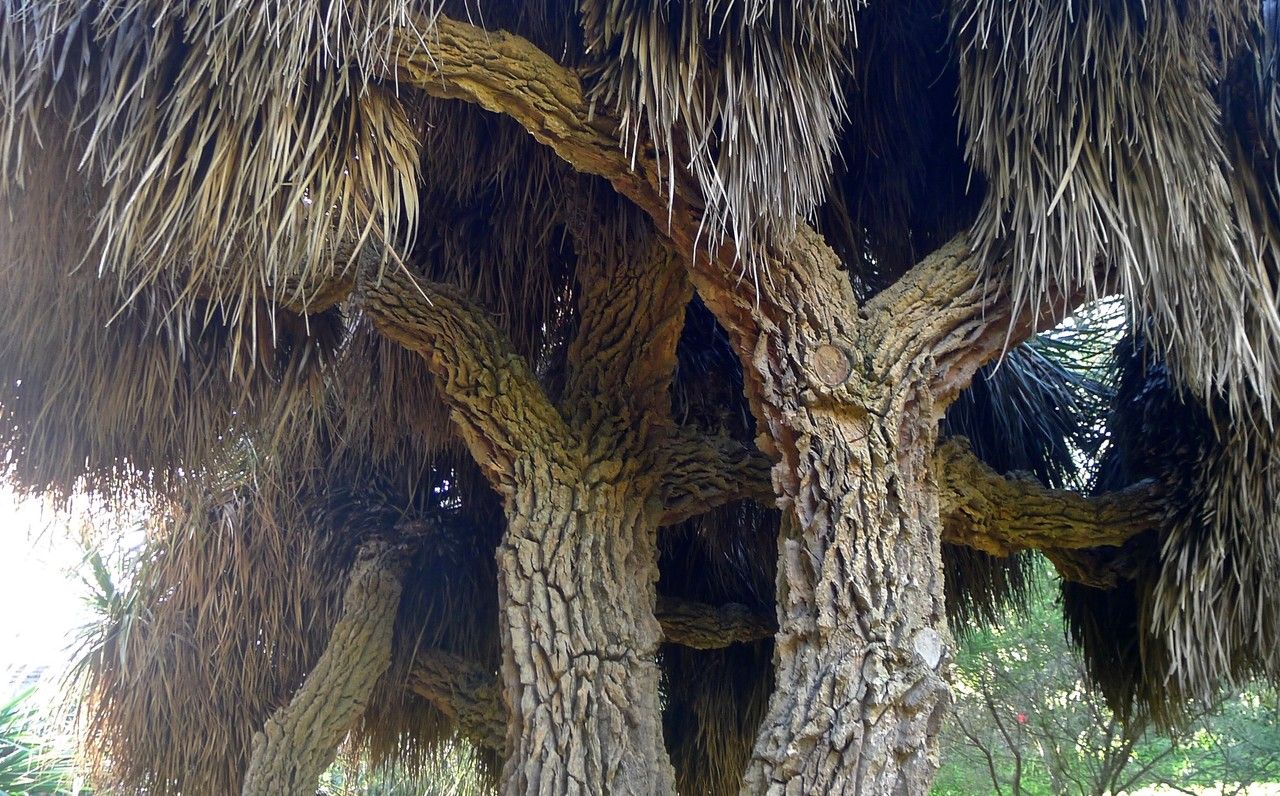
Nolina erumpens, commonly known as Hill Country Beargrass, is a perennial plant in the Asparagaceae family. Native to the southwestern United States, it can be found in Texas, New Mexico, and Oklahoma. The plant thrives in rocky or gravelly soils on hillsides or slopes.
Nolina erumpens has a distinctive look, with long, narrow leaves that grow from a central base and can reach up to 3 feet in length. The greenish-blue leaves have sharp edges and are arranged in a rosette pattern.
In late spring or early summer, the plant produces tall flower stalks that can grow up to 8 feet high. These stalks bear small, white flowers with six petals, arranged in clusters at the top.
Drought-tolerant and low-maintenance once established, Nolina erumpens is often used in landscaping for its unique appearance. Additionally, Native American tribes have used it traditionally to treat various ailments, including coughs, colds, and fevers.
Overall, Nolina erumpens is an interesting and attractive addition to any garden. Its unique appearance and low-maintenance requirements make it an ideal choice for those looking for an easy-to-care-for plant.
How to keep Nolina Erumpens.
Pruning
Foothill beargrass is an evergreen perennial characterized by its grass-like leaves. To promote growth and prevent disease, prune any dead or damaged foliage in early spring. Concentrate on trimming brown tips rather than doing heavy pruning, as excessive cutting can stress the plant. This approach will improve both the appearance and health of the beargrass.
Botanical profile.
- Life Cycle
- Perennial
- Genus
- Nolina
- Family
- Asparagaceae
- Mature Height
- 91 cm to 1.8 m