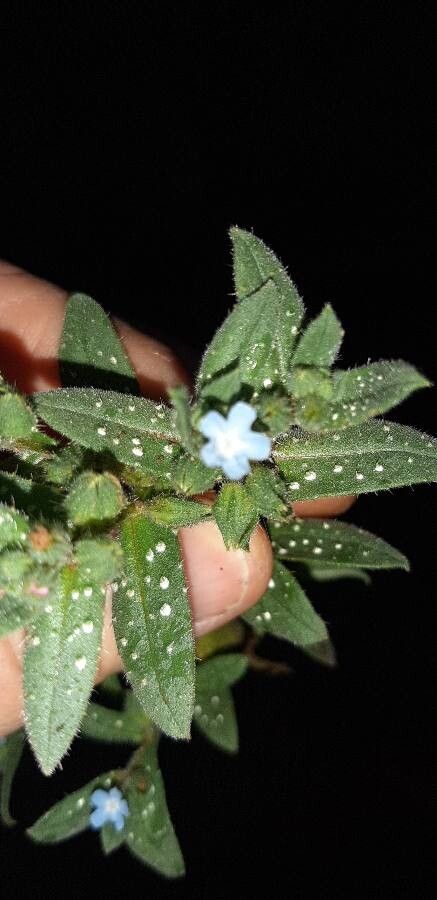
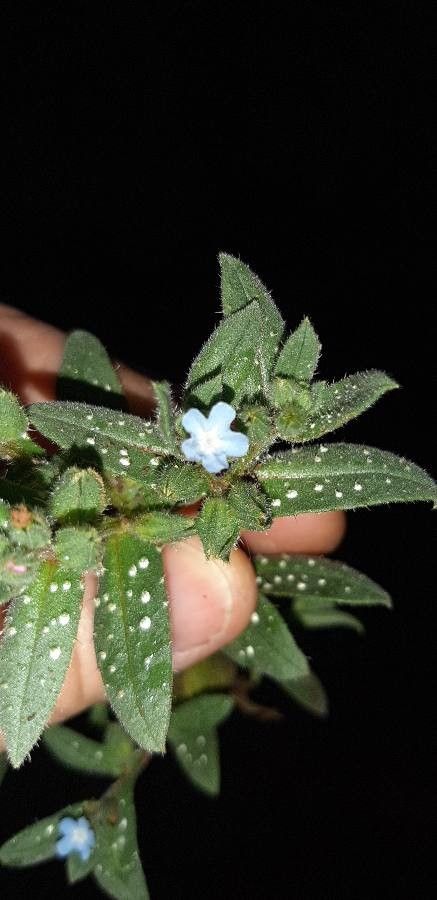
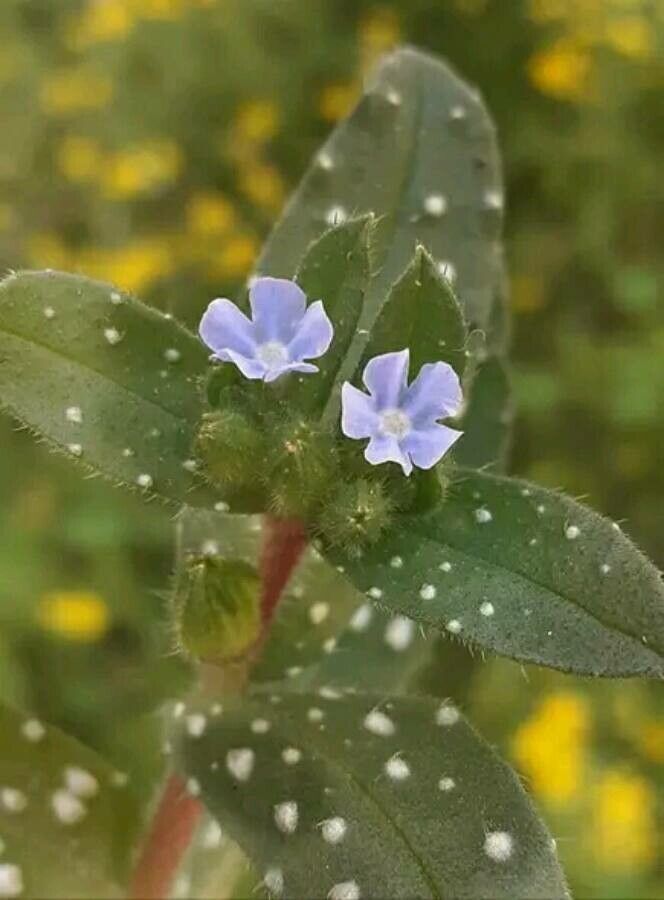
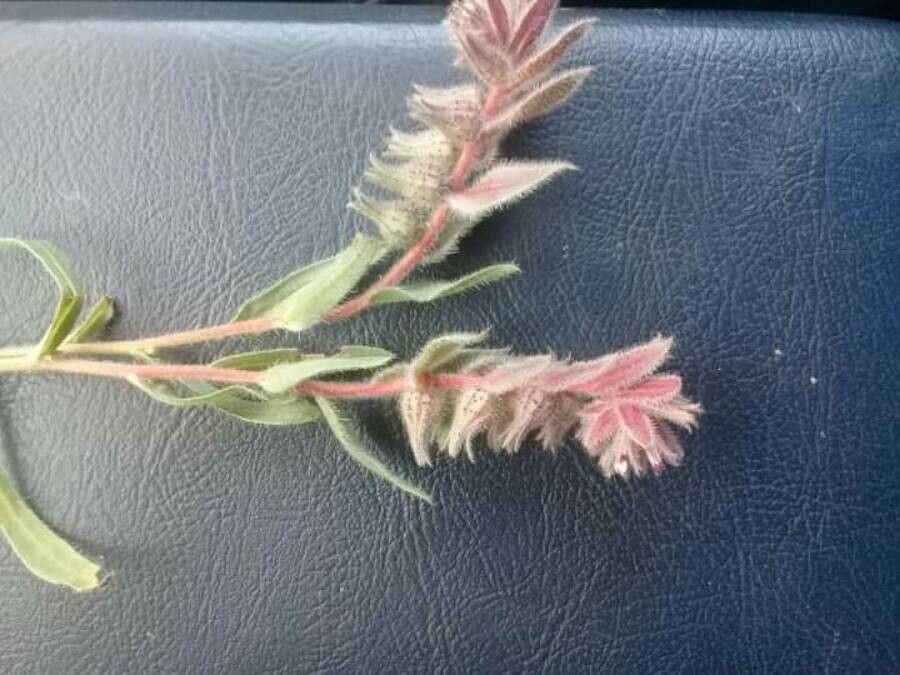
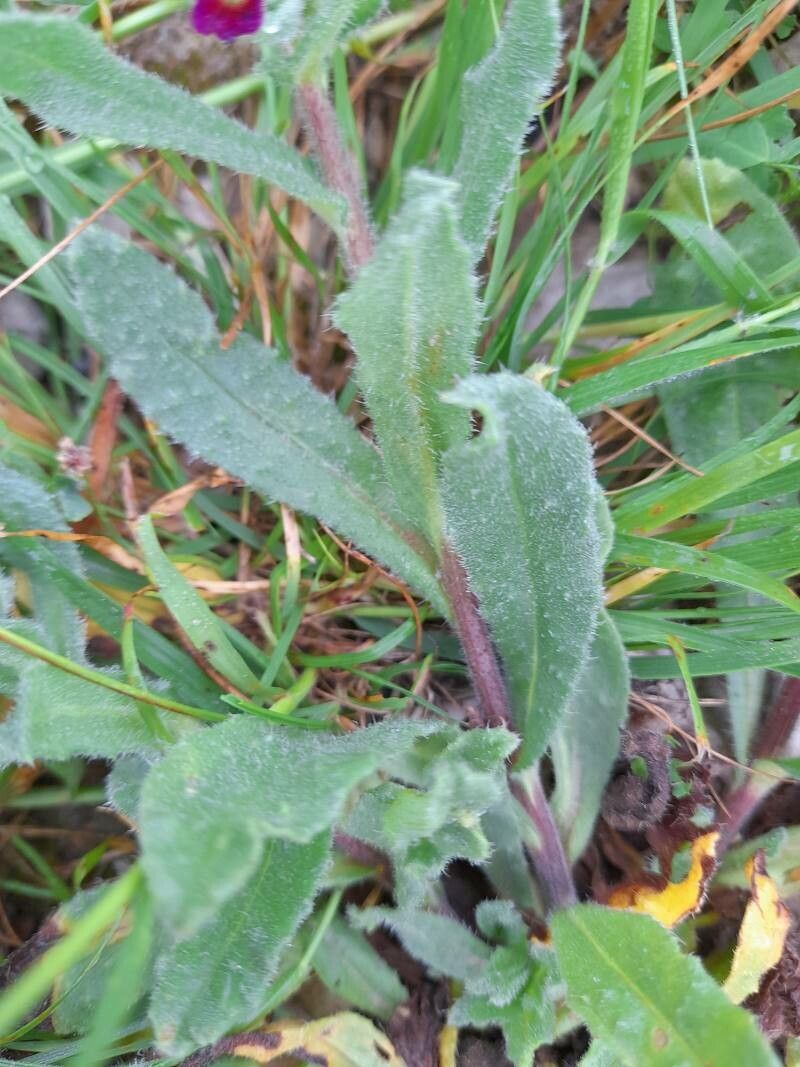
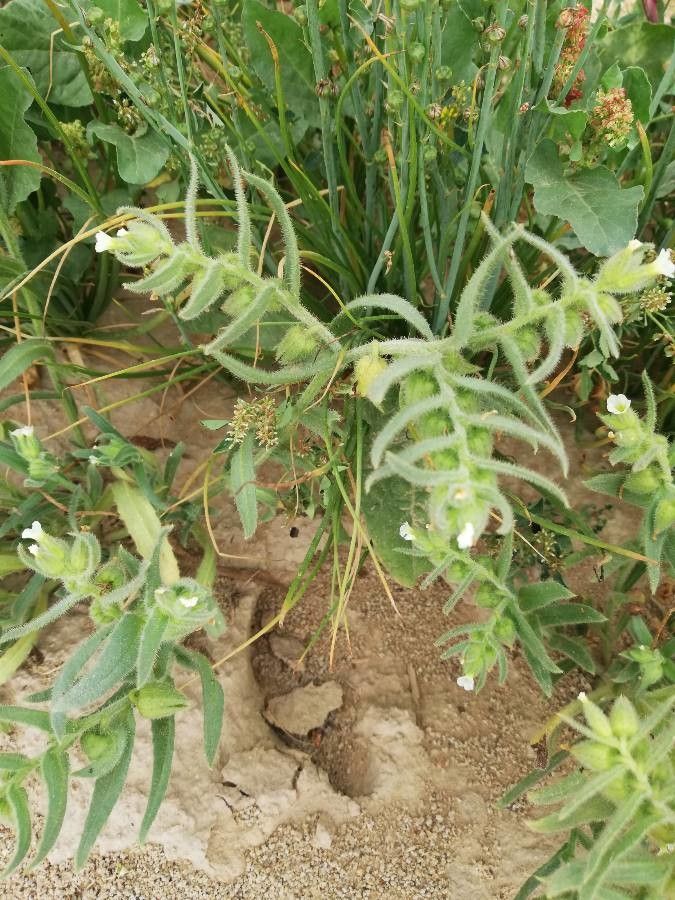
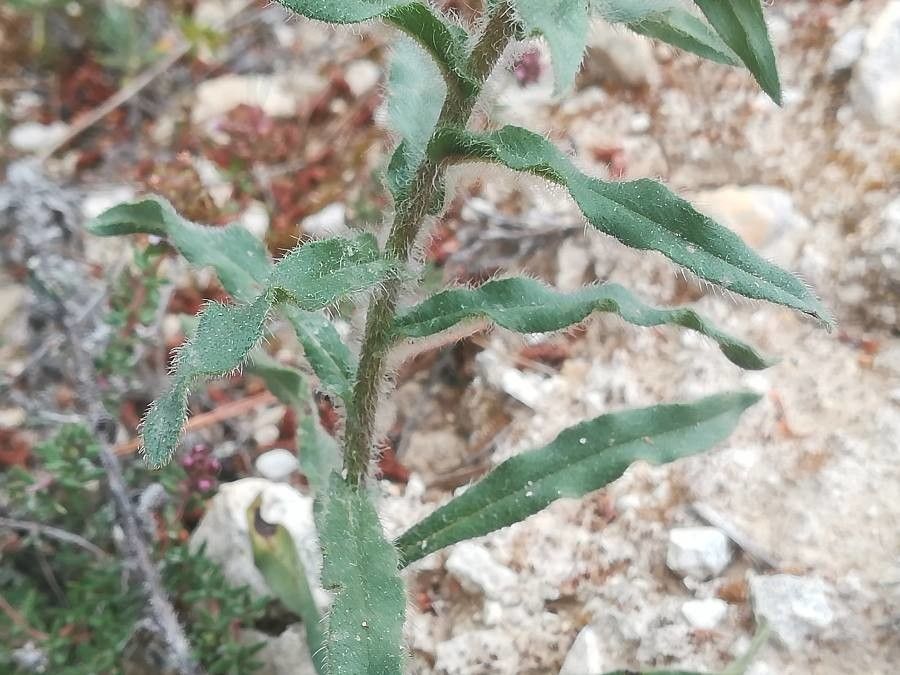
Blunt Nonea shows strong resistance to disease and is generally not susceptible to illnesses. As for care, this plant is fairly low-maintenance. When grown outdoors it needs only minimal watering, and larger plants usually do not require pruning. Smaller plants, however, should be pruned after they have bloomed. Blunt Noneat is suitable for anyone with outdoor space, such as a garden or deck, and does not demand much gardening experience.
How to keep Nonea Obtusifolia.
Light
Blunt Nonea is native to habitats like forest understories or rocky areas, where it experiences natural shade. It prefers partial sun but can adapt to full sun or full shade, showing its versatile and hardy nature.
Temperature
Blunt Nonea comes from tropical areas, where the climate is generally warm and humid. Consequently, it is adapted to high temperatures and humidity. It does not tolerate sudden temperature shifts and prefers a steady thermal environment, so it's important to avoid temperature fluctuations indoors. It usually cannot withstand cold conditions and needs higher temperatures to grow. If the surrounding temperature falls too low, the plant may stop growing or even die.
Fertilizer
Fertilizing is essential for Blunt Nonea's care. Regular feeding during the growing season preserves the energy required for its showy leaves and supports overall growth. If fertilization is neglected, leaves can become unhealthy, the plant's ornamental appeal may decrease, and growth may be stunted or weak and more susceptible to breakage.
Botanical profile.
- Plant Type
- Tree
- Life Cycle
- Perennial
- Genus
- Nonea
- Family
- Boraginaceae
- Hardiness Zone
- 7-10
- Mature Height
- 10 cm to 30 cm
- Mature Spread
- 5 cm to 15 cm
- Leaf Color
- Green, Dark Green
- Leaf Type
- Evergreen
- Flower Size
- 0.25 cm to 0.51 cm
- Bloom Time
- Mid spring, Late spring
- Planting Time
- Spring, Autumn
- Harvest Time
- Early summer, Mid summer
- Native Area
- Turkey, Syria, Bulgaria, Greece, Lebanon