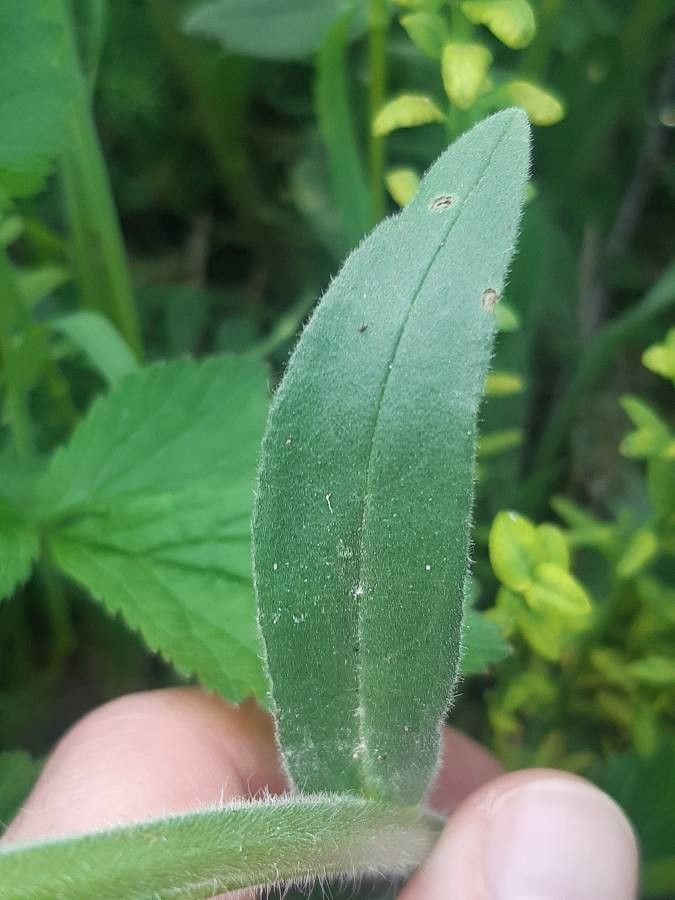
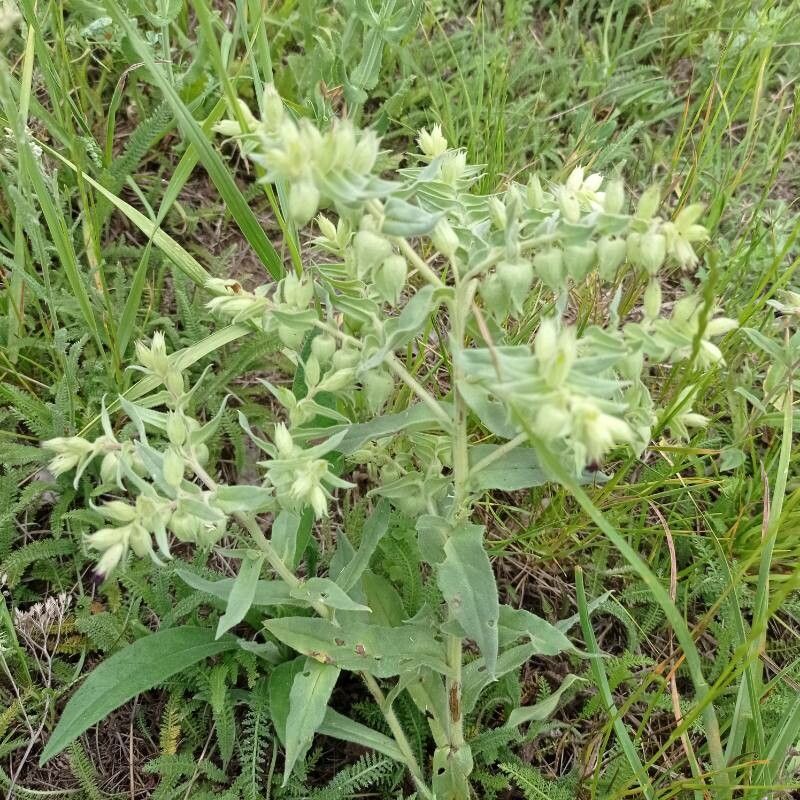
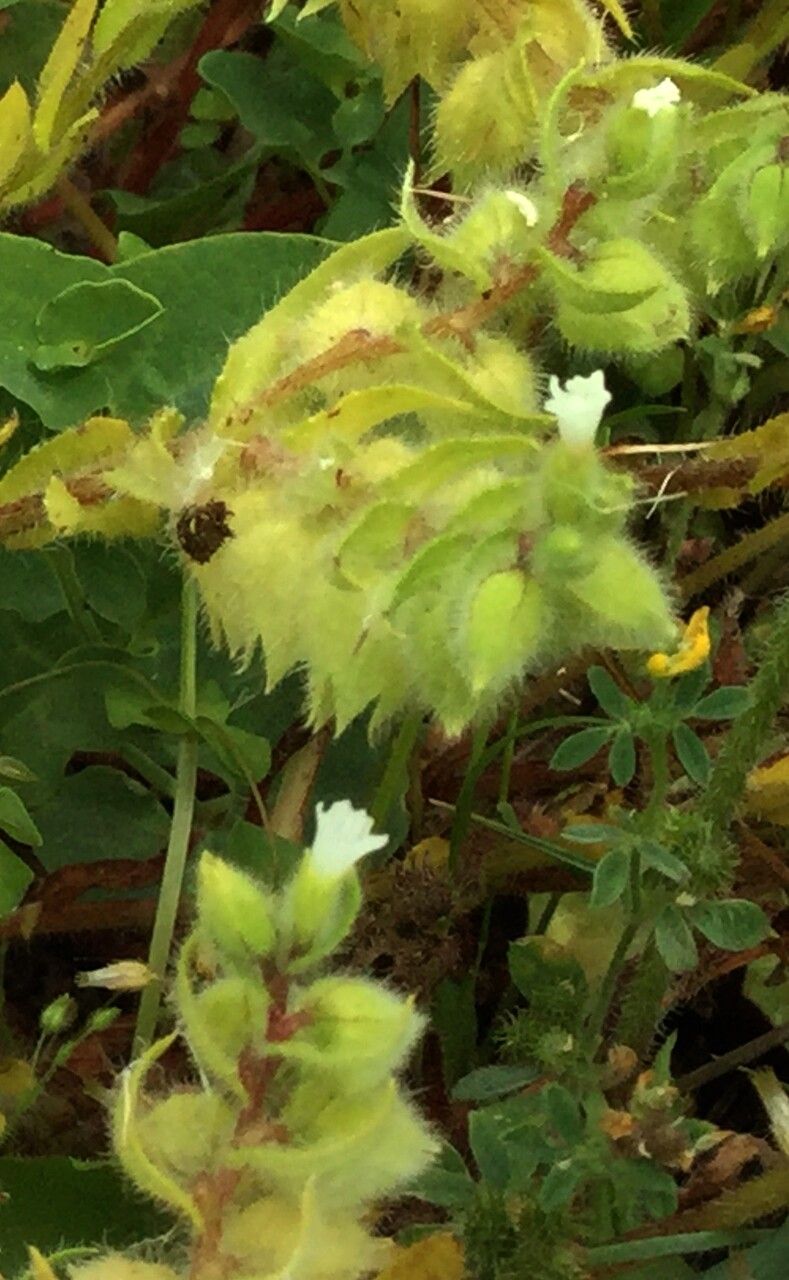
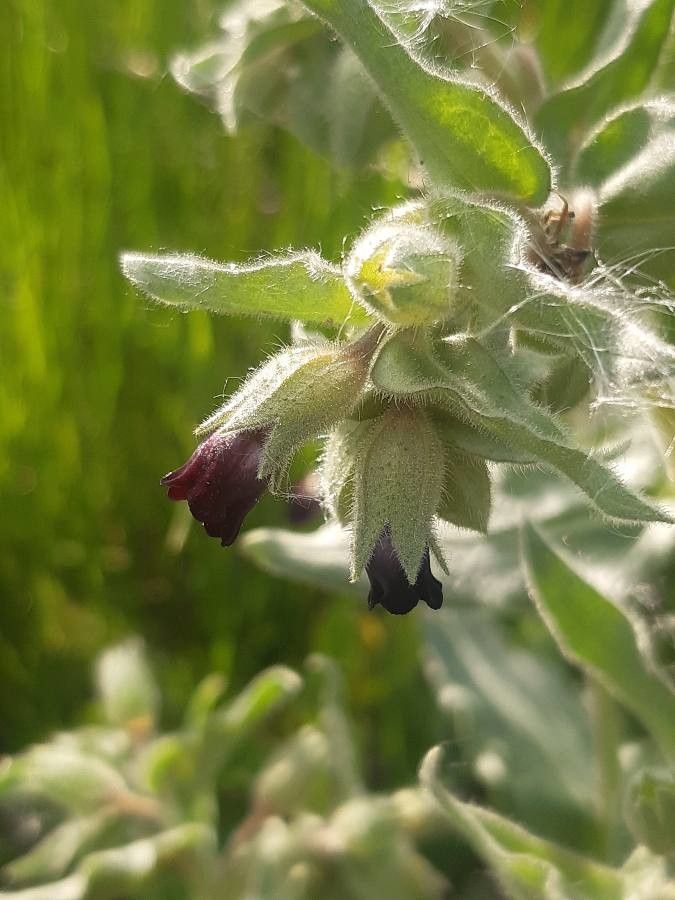
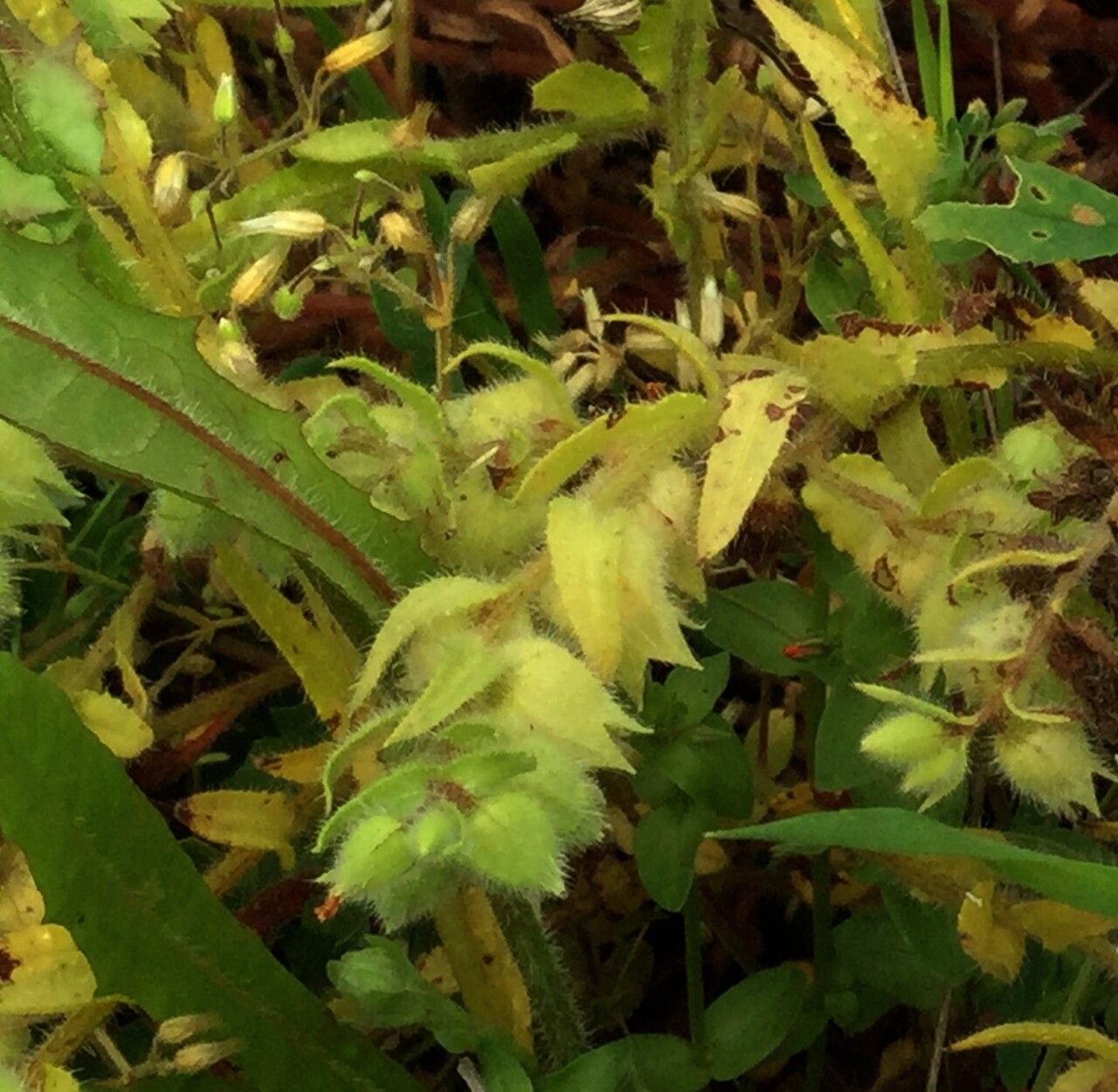
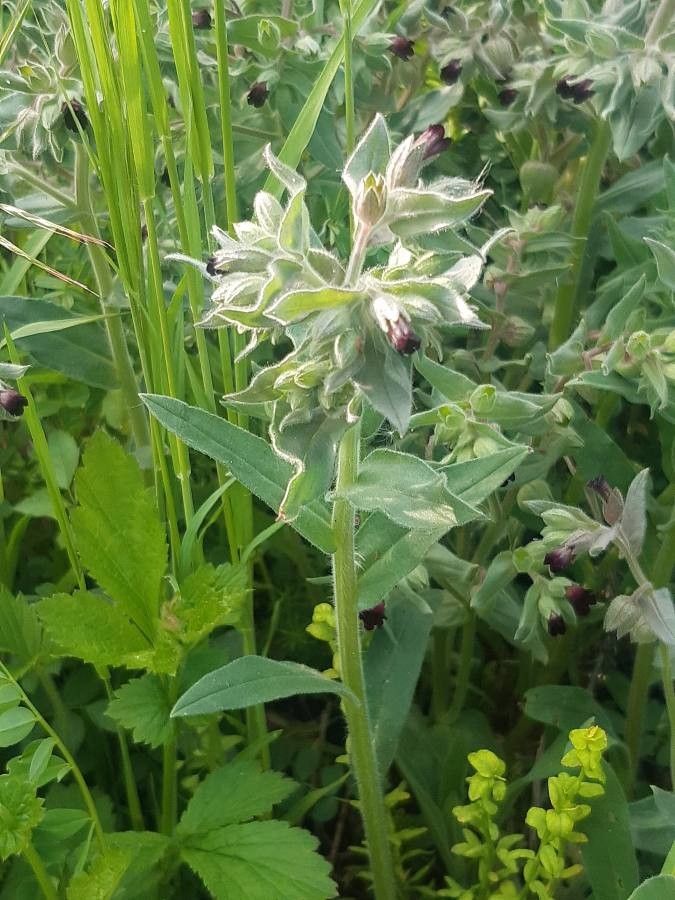
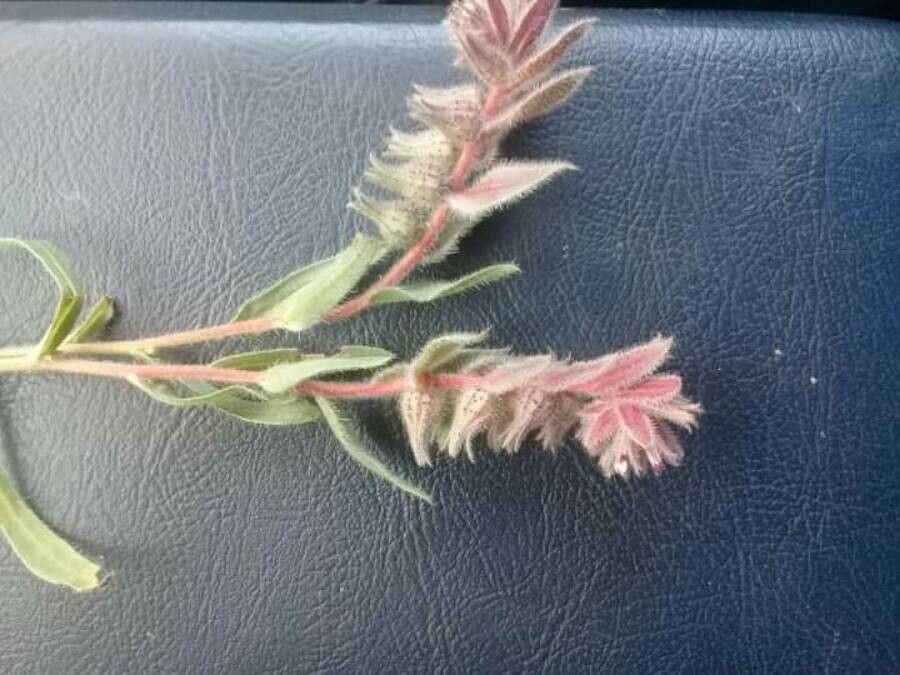
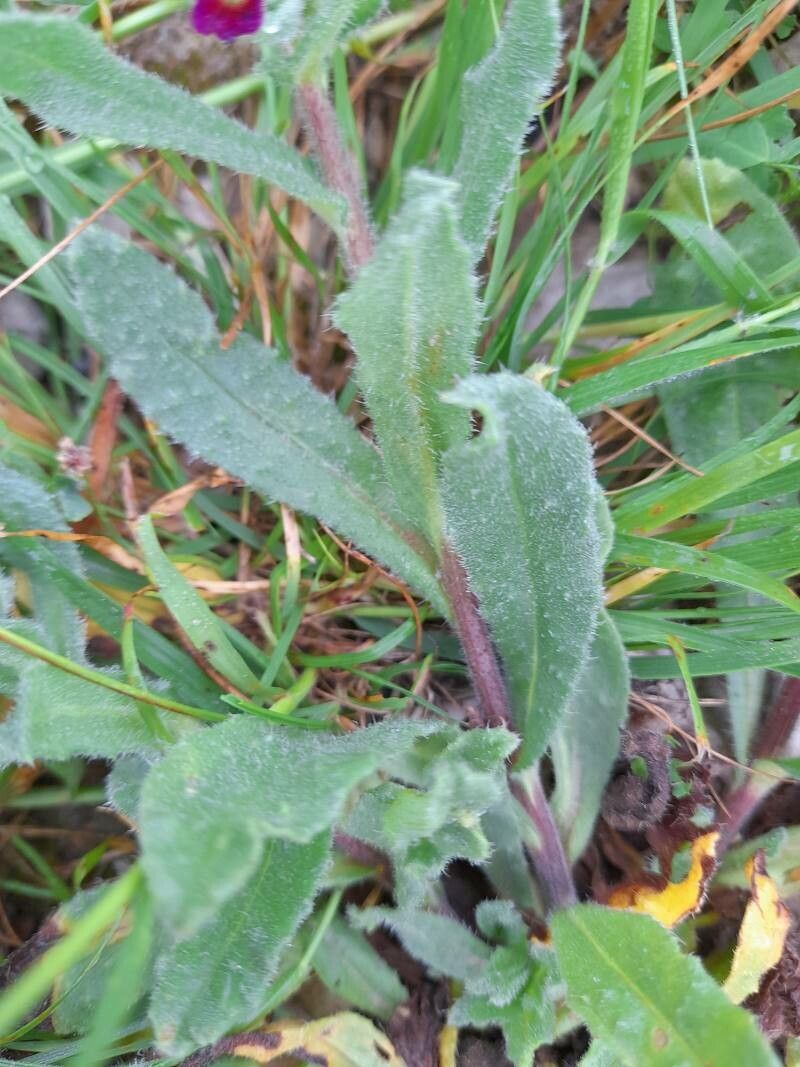
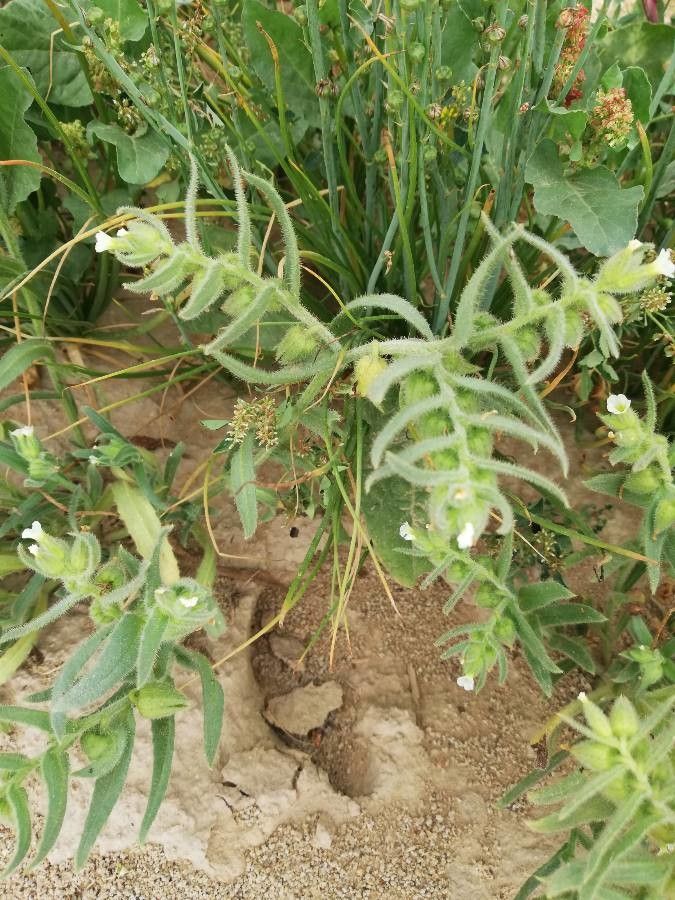
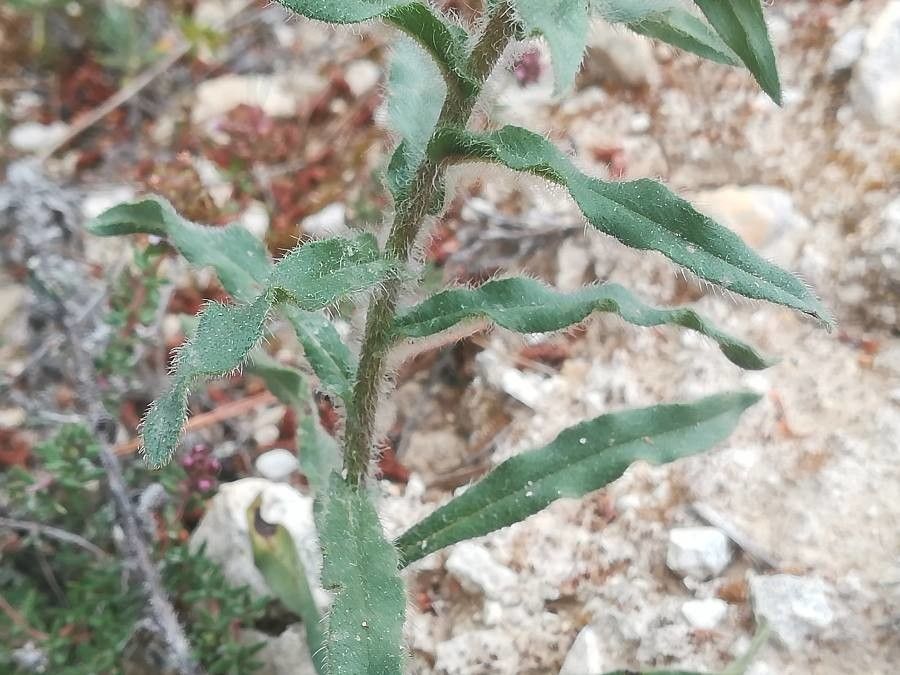
Brown nonea is fairly resistant to disease and generally not prone to illnesses. However, it can be vulnerable to pests and diseases present in its environment; such infections are typically not severe. In terms of care, this plant needs moderate maintenance. It should be pruned regularly to keep a neat appearance and support healthy growth. Fertilizing can also encourage flowering. Brown nonea is appropriate for anyone with outdoor space, such as a garden or patio, and does not require extensive experience in plant care. It may need more attention when grown indoors.
How to keep Nonea Pulla.
Light
Brown nonea thrives with abundant exposure to sunlight for healthy development. Its origins in regions with plentiful sunlight confirm this. At every stage of growth it requires high light levels. It cannot tolerate dim light, which causes poor health or stunted development.
Water
Brown nonea, native to arid regions, is a drought-tolerant plant that thrives with minimal moisture. To maintain its health, it requires watering only once a week. This resilient plant can adapt to various soil types, but it is essential to use well-draining soil to prevent root rot.
Temperature
Brown nonea can tolerate a wide range of temperatures, but its distribution may still be restricted by particular combinations of moisture and heat. It does best in warm summer climates with enough rainfall or watering. Extended periods of cloudy, rainy weather, as well as prolonged high temperatures, raise the chance that Brown nonea will die. In winter, adequate protection from cold increases the plant's survival rate.
Fertilizer
One application of fertilizer in spring is typically adequate for Brown nonea, though repeated feedings can maximize growth. Feed every month to a month and a half. Fertilization improves the leaves' appearance and function, promoting consistent color and a healthy texture. It also encourages root development and nutrient absorption for the plant's long-term health.
Pruning
Brown nonea plants produce dark, bell-shaped flowers with a hairy texture. To keep the plant healthy and attractive, prune it from early to late spring. Remove any dead stems and thin out dense areas to improve air circulation. This practice encourages healthy growth, enhances blooming, and maintains a neat appearance.
Botanical profile.
- Plant Type
- Herb
- Life Cycle
- Perennial, Annual
- Genus
- Nonea
- Family
- Boraginaceae
- Hardiness Zone
- 4-8
- Mature Height
- 15 cm to 30 cm
- Mature Spread
- 15 cm to 30 cm
- Leaf Color
- Dark Green
- Leaf Type
- Deciduous
- Flower Color
- Purple
- Flower Size
- 0.51 cm to 0.76 cm
- Bloom Time
- Spring
- Planting Time
- Spring, Summer
- Harvest Time
- Late spring, Early summer, Mid summer
Other names.
Reader questions.
How should I water my Brown nonea properly?
To ensure the health of the Brown nonea, follow these guidelines for watering. It is best to use filtered water at room temperature, as tap water may contain harmful particles. The plant prefers warmer water because it comes from a warm environment and cold water can be a shock. Avoid overhead watering, as it can lead to issues with the foliage. Instead, water the soil directly until it is soaked. This helps to moisten the roots and support their spread through the soil for nutrient absorption.
What are the sunlight requirements for Brown nonea?
Brown nonea requires full sun exposure to thrive, meaning it needs above 6 hours of sunlight daily. Its native habitat is areas with ample sunlight, underscoring the importance of generous light exposure throughout its growth stages. The plant struggles in low light, leading to issues such as poor health or stunted growth. It's essential to monitor the movement of sunlight through your garden to ensure your plants receive a balance of light and shade, promoting their optimal growth. For indoor plants especially, when natural light is insufficient, utilizing artificial lighting, such as LED lights, can significantly aid their development. Properly adjusting the intensity and duration of artificial lighting based on the plant's specific needs is crucial for mimicking natural sunlight conditions.
What should I do if I give my Brown nonea too much or too little water?
Overwatering is a common issue for Brown nonea plants and can cause wilting, yellowing of leaves, and diseases like root rot, mold, and mildew. Underwatering is less common but can cause brittle, brown leaves. It's important to notice and address signs of overwatering early on, as some diseases may be irreversible if not treated promptly. Reduce watering and improve drainage if overwatering is detected. In the case of underwatering, simply increase watering until signs improve.
What are the indications of insufficient light for Brown nonea and how can it affect the plant?
When Brown nonea does not receive enough light, several symptoms may manifest, including smaller new leaves, leggy or sparse growth, faster leaf drop, slower or no new growth, lighter-colored new leaves, and occurrences of chlorosis, sunscald, leaf curling, wilting, and leaf scorching. These signs indicate the plant's struggle with inadequate light conditions, which can affect its overall health and development. Insufficient light leads to reduced chlorophyll and essential nutrients, affecting the plant's ability to photosynthesize and maintain proper growth. Conversely, too much sunlight can cause damage such as sunscald and leaf scorching, highlighting the need for a balanced light exposure.
How frequently should I water my Brown nonea?
If your Brown nonea plant is in a pot, the best way to determine if it needs water is by checking the soil. Simply stick your finger into the soil and if the top two to three inches are dry, then it's time to water it. The same method can be used if you have the plant growing outdoors in the ground. Once again, if the first few inches of soil are dry, it's a sign to water it. Typically, during the spring and early fall, you'll need to water the plant about once a week using this method. However, when it gets very hot, you may need to increase the frequency to twice a week or even more. It's worth noting that mature and well-established Brown nonea plants have a remarkable ability to withstand drought.
What solutions exist for addressing lighting issues with Brown nonea?
To address lighting issues with Brown nonea, consider the following solutions based on the plant's location: Indoors, gradually move the plant to a location receiving at least 6 hours of direct sunlight daily, using south-facing windows to maximize light exposure. If the plant is large or difficult to move, supplement with artificial light, keeping lamps on for 8 hours a day or investing in grow lights. Outdoors, adapt your plants to sunlight gradually by shifting them to sunnier spots over time to prevent sunburn. Reducing obstructions such as branches or leaves that block light, and transplanting smaller plants during their dormant period to spots with ample sunlight and good drainage, can significantly improve light exposure. Note that parts of the plant previously affected by insufficient light may not recover, but new growth should be healthy with improved lighting conditions.
How much water does my Brown nonea require?
When watering your Brown nonea, don't be hesitant to give it a generous amount of water. Make sure the first couple of inches of soil are dry, and then give the plant a thorough watering until the soil is completely soaked. You'll know you've added enough water when you see excess water draining out of the pot's drainage holes. If no excess water is draining, you may have not given enough water. However, be careful not to let water build up in the soil as this can harm the plant. If water isn't draining properly, it may be due to poorly draining soils, which is harmful to the plant's health. If the plant is outside, receiving around 1 inch of rain per week should be enough.
How do I water my Brown nonea when it's growing at different stages?
The water needs of the Brown nonea can vary depending on its growth stages. When your Brown nonea is young or has just been transplanted to a new location, it requires more water than usual. During these stages, the plant focuses its energy on developing new roots for future growth. These new roots thrive with slightly more moisture. As the plant matures over a few seasons, it will require less water. Additionally, during the bloom period, the plant may need more water due to the moisture demand for flower development.
How often should I water my Brown nonea during different seasons?
The Brown nonea has different water needs depending on the season. During the hot months, it needs more frequent watering, possibly more than once a week, depending on how quickly the soil dries out. However, in the winter, the plant goes into a dormant phase and requires significantly less water. In fact, it may not need water at all during the winter months. If you do choose to water it during winter, make sure to do so no more than once a month to avoid the risk of disease.
What's the difference in how I water my Brown nonea inside and outside?
The Brown nonea is commonly grown indoors by gardeners who don't live in temperate or tropical regions. It's important to note that soil in containers tends to dry out faster than ground soil. Additionally, if you have drying elements like air conditioning units, your Brown nonea may need more frequent watering compared to if it was planted outside. In the latter case, you may not need to water it much, especially if you receive regular rainfall. However, if you're growing this plant indoors, you'll need to water it more often since relying on rainwater to soak the soil won't be possible.