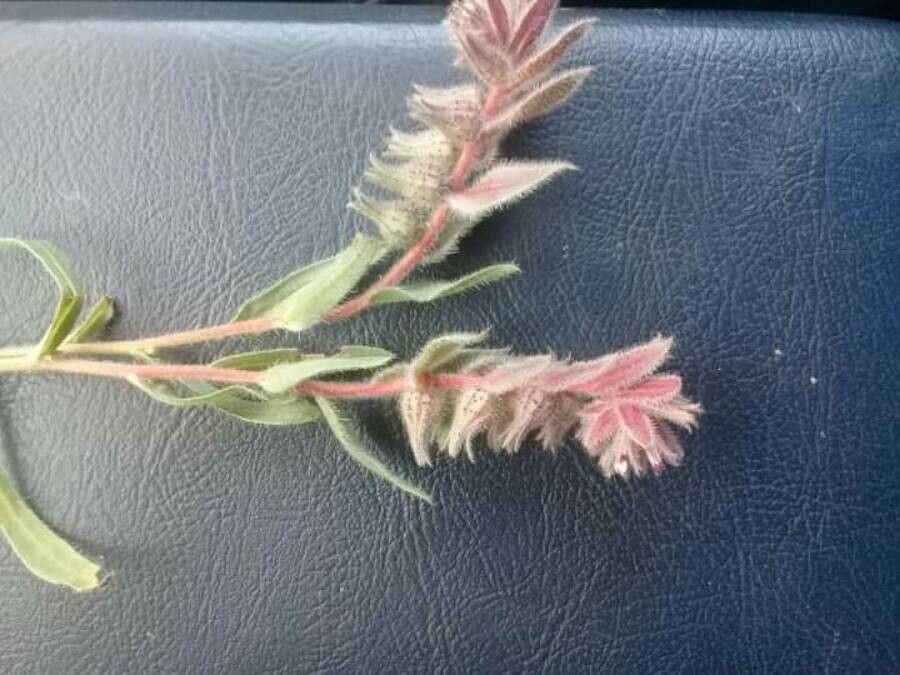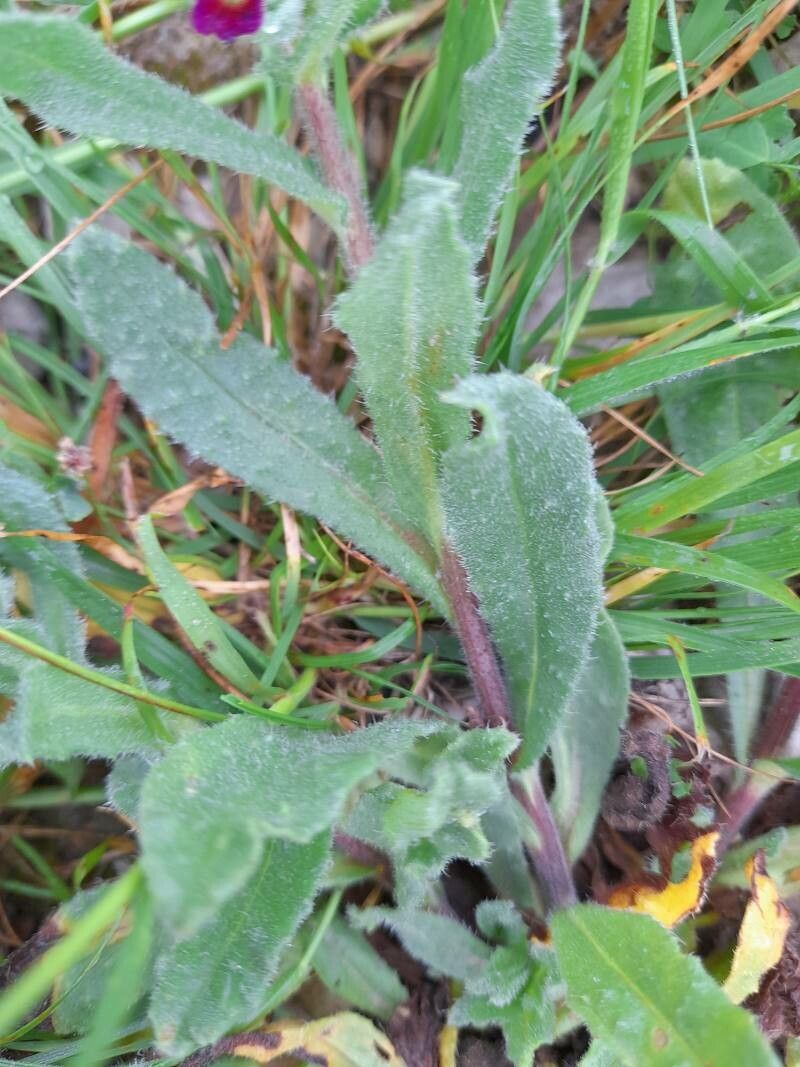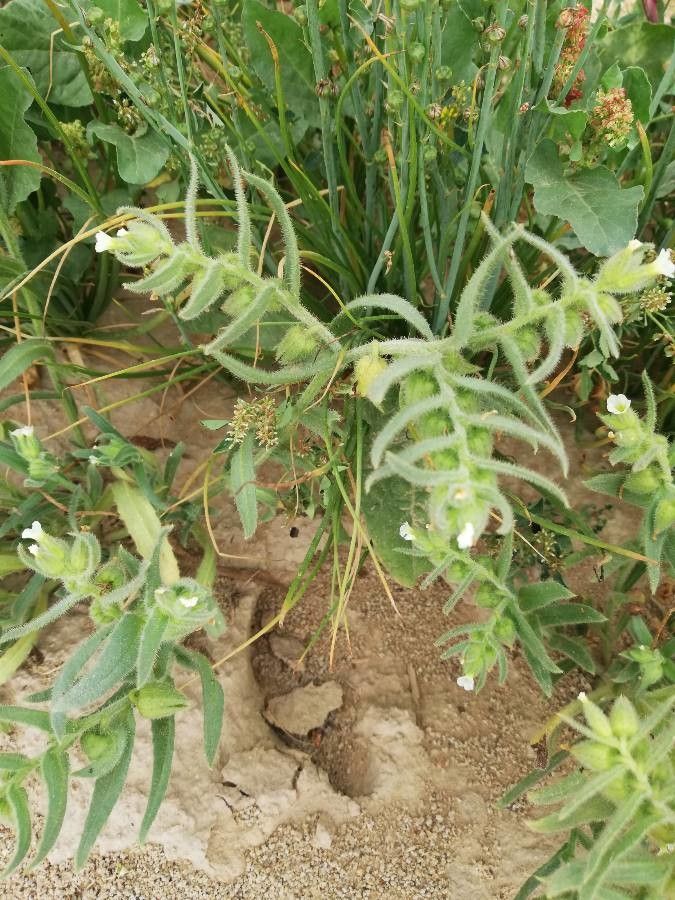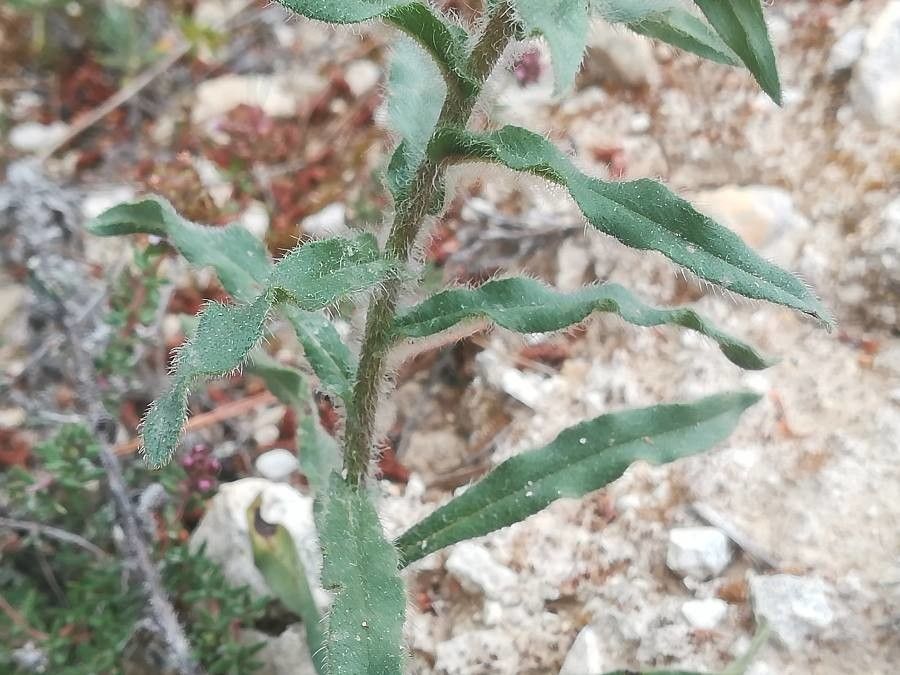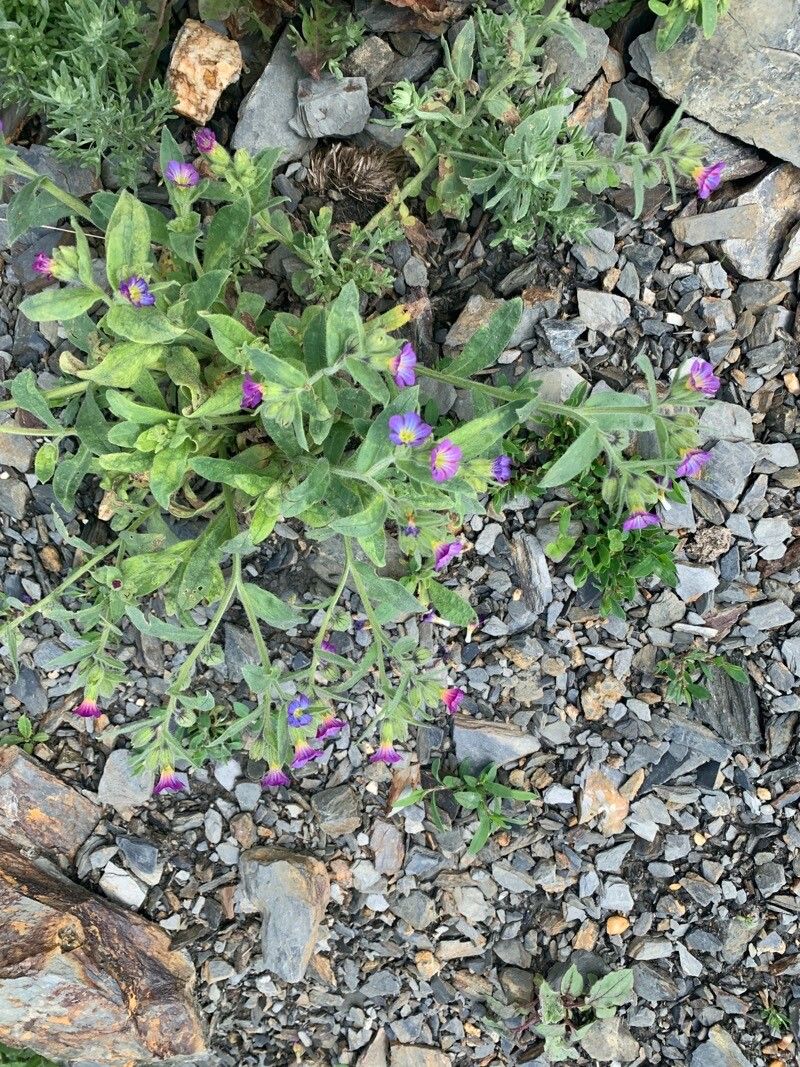
Monkswort has good disease resistance and is generally not prone to illnesses. However, it can be vulnerable to pests and diseases present in its surroundings. These infections are generally not severe. In terms of care, this plant requires moderate maintenance. It should be pruned regularly to maintain a tidy appearance and healthy growth. Fertilizing can also help encourage flowering. Monkswort is suitable for anyone with outdoor space, such as a garden or patio, and does not demand extensive care experience. It may need more attention when grown indoors.
How to keep Nonea Versicolor.
Light
Monkswort is native to habitats that feature speckled sunlight, like the lower levels of forests or rocky regions that offer natural cover from the sun. It flourishes in partial sun but is also capable of adjusting to full sun situations.
Temperature
Monkswort possesses the capacity to adjust to varied temperature contexts, though its spread could still be restricted by certain combinations of heat and humidity scenarios. The plant flourishes optimally in balmy climates during summertime with sufficient rainfall or irrigation. Extended durations of overcast and wet weather, as well as enduring elevated temperatures, can bolster the probability of Monkswort perishing. During winter, appropriate shielding from the cold can enhance the survivability of the plant.
Fertilizer
Monkswort does well with regular, dilute fertilizer applications to encourage healthy leaf development. Feed Monkswort about once a month during the summer. Nitrogen is essential for foliage, so adding nitrogen-rich fertilizers helps Monkswort thrive.
Pruning
Monkswort is known for its vibrant flowers and distinctive leaves. To promote growth and maintain its shape, prune the plant in early spring by removing any damaged stems. This practice not only enhances the plant's bushiness and flowering quality but also helps prevent disease by ensuring clean cuts. Following these techniques is recommended for maintaining the plant's optimal health and vitality.
Botanical profile.
- Plant Type
- Herb
- Life Cycle
- Annual
- Genus
- Nonea
- Family
- Boraginaceae
- Hardiness Zone
- 7-9
- Mature Height
- 20 cm to 40 cm
- Mature Spread
- 15 cm to 30 cm
- Leaf Color
- Green, Dark Green
- Leaf Type
- Deciduous
- Flower Color
- Purple, Blue
- Flower Size
- 0.51 cm to 0.76 cm
- Bloom Time
- Spring
- Planting Time
- Spring, Summer, Autumn
- Harvest Time
- Late spring, Early summer, Mid summer
- Native Area
- Armenia, Turkey