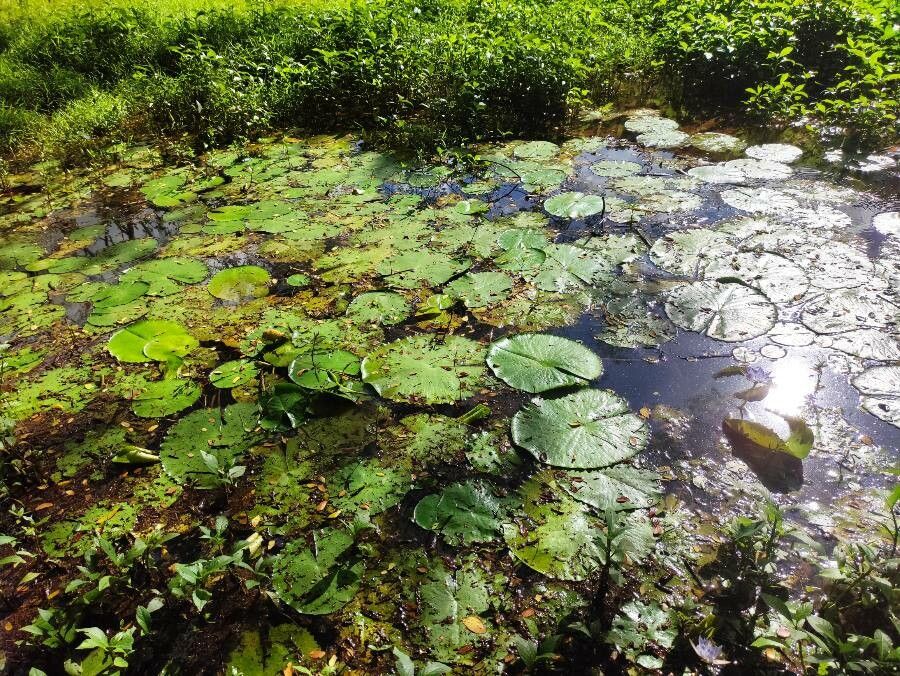
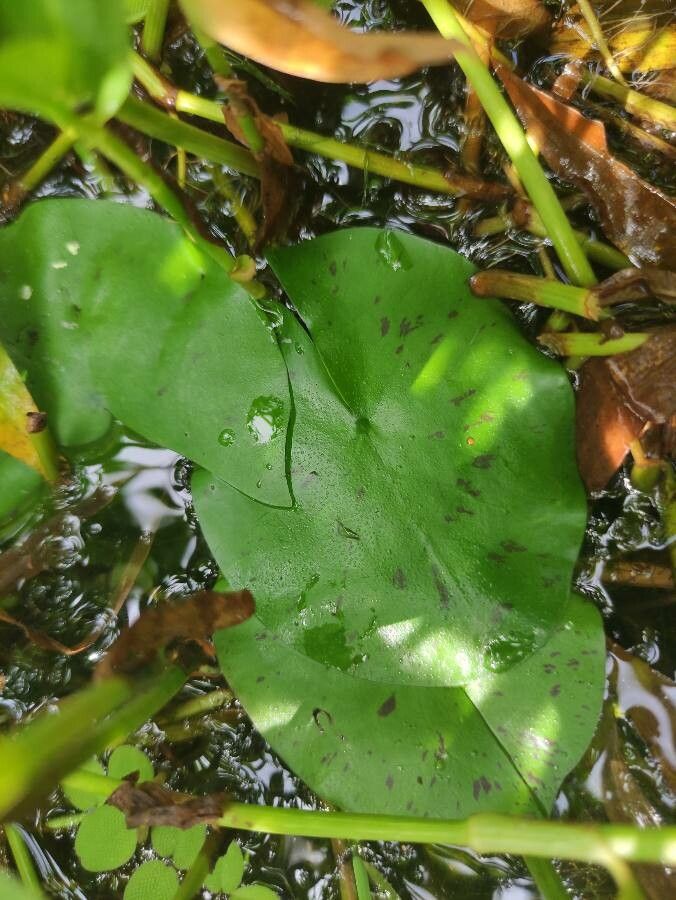
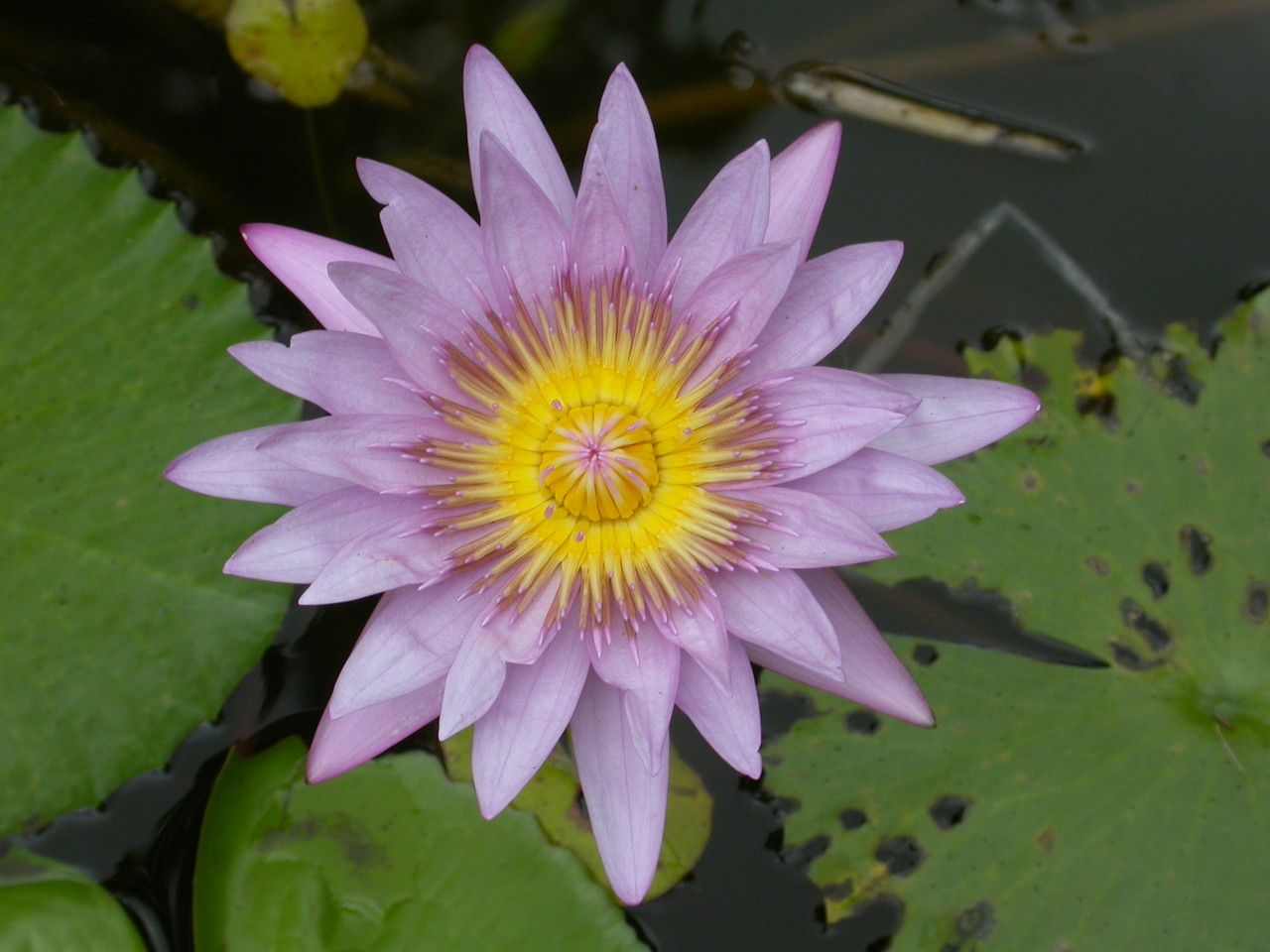
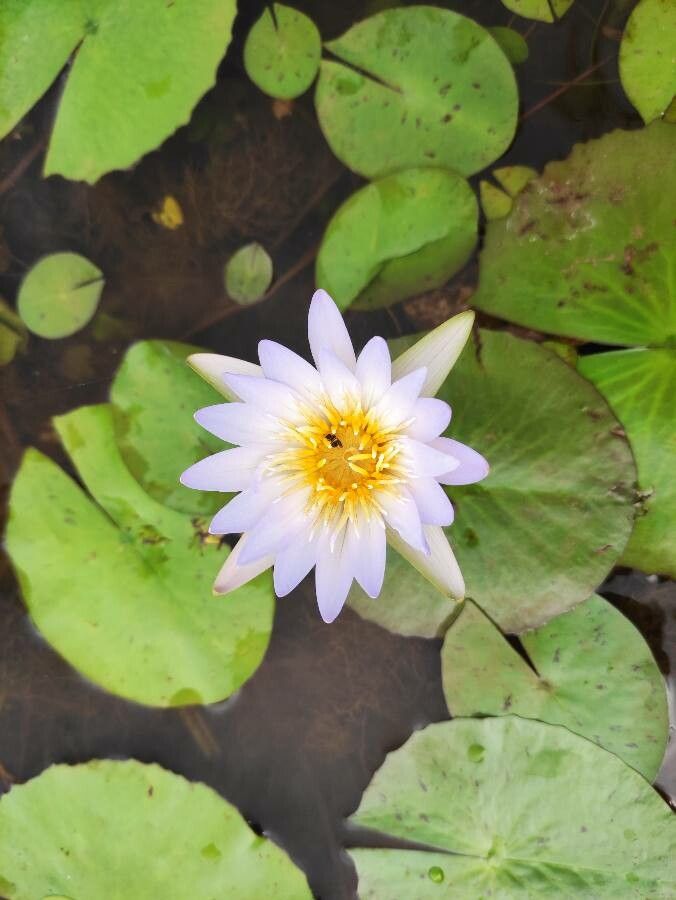
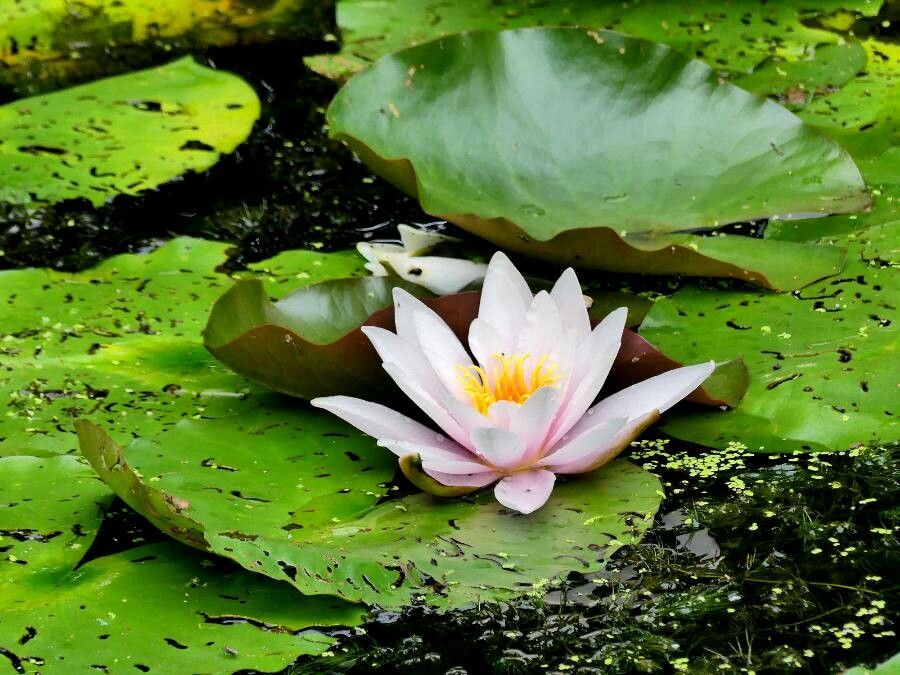
Nymphaea nouchali var. caerulea, also known as Nymphaea caerulea, and known in English as Egyptian lotus, blue lotus, blue water lily (RSA), Cape water lily (RSA), frog's pulpit (RSA), blue lotus of the Nile, blue waterlily, blue Egyptian lotus, blue Egyptian water lily (India), sacred blue lily of the Nile (India), Utpala (India), Cape blue waterlily (USA) and sacred blue lily, is a water lily in the genus Nymphaea, a botanical variety of Nymphaea nouchali. It is an aquatic plant of freshwater lakes, pools and rivers, naturally found throughout most of the eastern half of Africa, as well as parts of southern Arabia, but has also been spread to other regions as an ornamental plant. It was grown by the Ancient Egyptian civilization, and had significance in their religion. It can tolerate the roots being in anoxic mud in nutritionally poor conditions, and can become a dominant plant in deeper water in such habitats. It is associated with a species of snail, which is one of the main hosts of the pathogen causing human schistosomiasis. The underwater rhizomes are edible. Like other species in the genus, the plant contains the psychoactive alkaloid aporphine (not to be confused with apomorphine, a metabolic product of aporphine).
Nymphaea maculata is fairly resistant to disease and generally does not tend to get sick. Still, it can be vulnerable to pests and diseases present in its environment. These problems are typically not serious. In terms of upkeep, this plant needs moderate maintenance. It should be pruned routinely to keep a neat appearance and encourage healthy growth. Fertilizing can also help stimulate flowering. Nymphaea maculata is well suited for anyone with outdoor areas like a garden or patio and does not demand extensive care experience. It may need extra attention if grown indoors.
How to keep Nymphaea Caerulea.
Light
The Nymphaea maculata is native to sun-rich habitats, like the peripheries of lakes and ponds. It thrives best in full sun, but it can also adapt to partially sunny conditions.
Temperature
Nymphaea maculata is native to tropical areas, that are typically characterized by a warm, moist climate. Consequently, it has evolved to thrive in environments with high heat and humidity levels. It does not respond well to quick alterations in temperature, favouring a consistent thermal environment, hence sudden indoor temperature variations should be evaded. The plant typically struggles to survive in cold temperatures and needs a warmer environment to grow. When the surrounding temperature falls exceedingly low, there is a possibility for the plant to stop growing or even perish.
Botanical profile.
- Plant Type
- Herb
- Life Cycle
- Perennial
- Genus
- Nymphaea
- Family
- Nelumbonaceae
- Hardiness Zone
- 9-11
- Mature Height
- 23 cm to 30 cm
- Mature Spread
- 61 cm
- Leaf Color
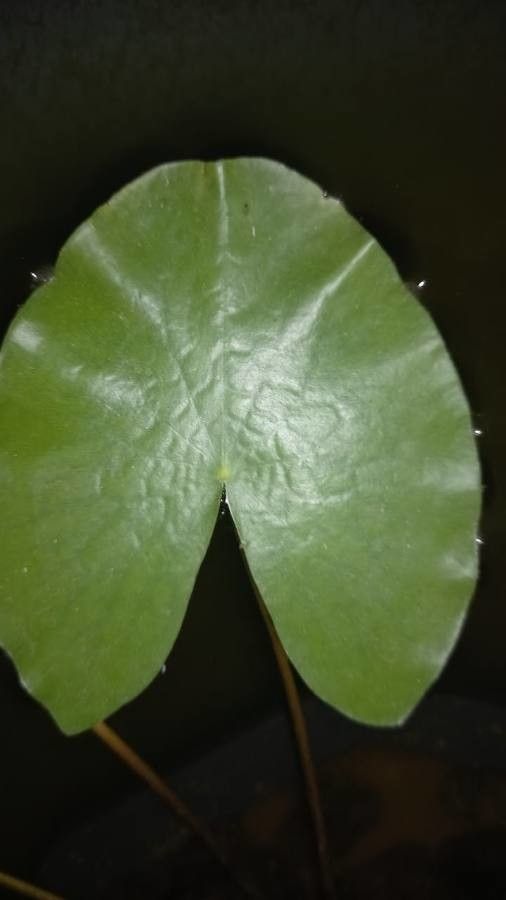
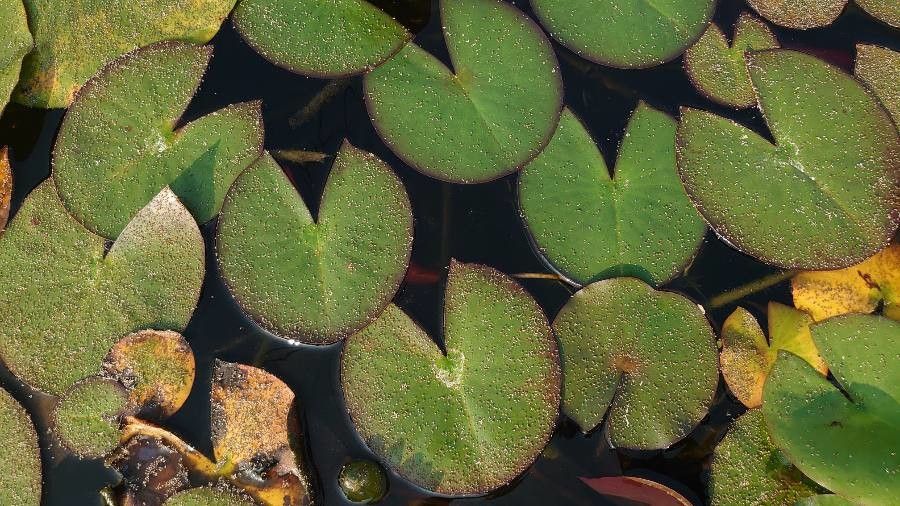
- Dark Green, Olive Drab
- Leaf Type
- Deciduous
- Flower Color
- White, Pink
- Flower Size
- 10.16 cm to 15.24 cm
- Bloom Time
- Late spring, Summer, Early fall, Mid fall
- Planting Time
- Spring, Summer
- Harvest Time
- Mid summer, Late summer, Fall
- Native Area
- Burkina Faso, Sudan, Zambia, Rwanda, Nigeria, Guinea, Gabon, Central African Republic, Zimbabwe, Benin, Chad, Sierra Leone, Cameroon, Liberia, Togo, Ghana, Côte d'Ivoire, Congo (DRC), Botswana, Congo
Other names.