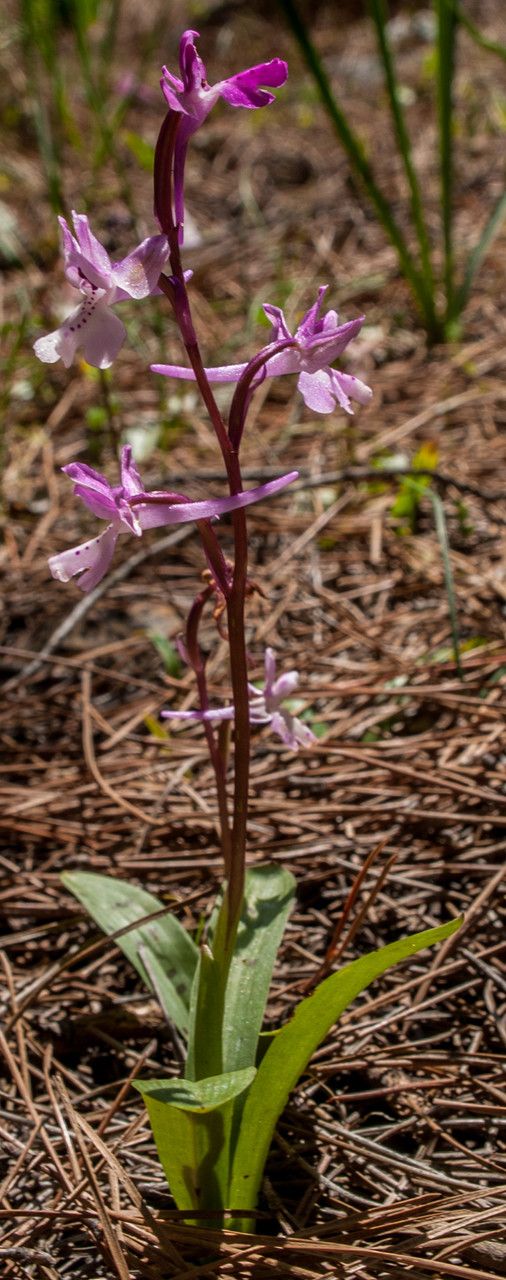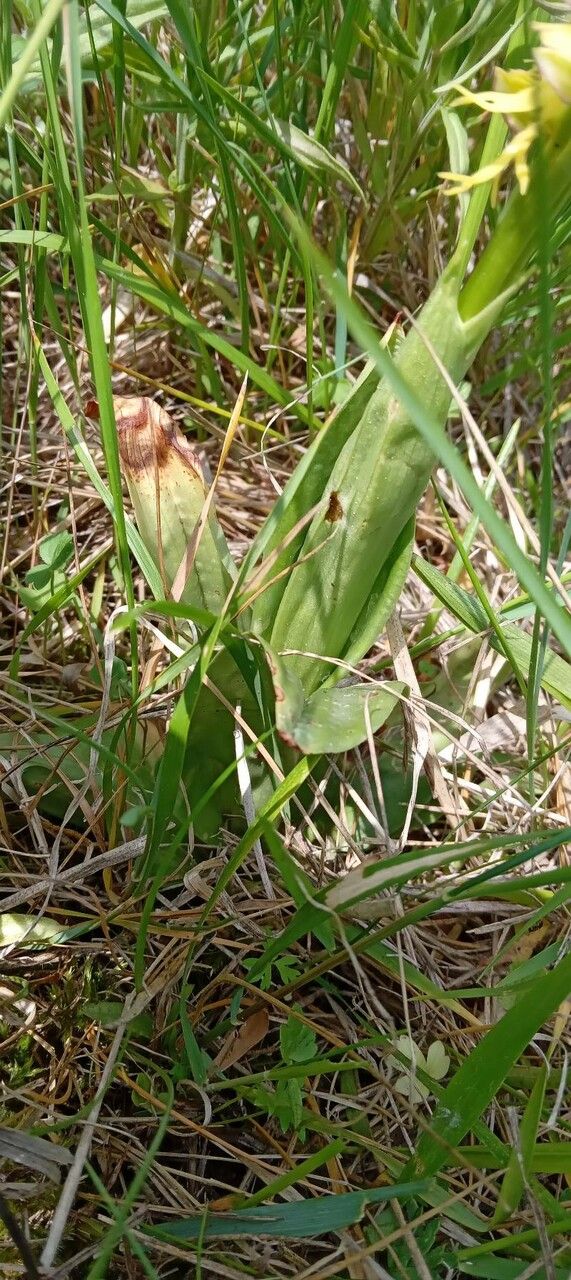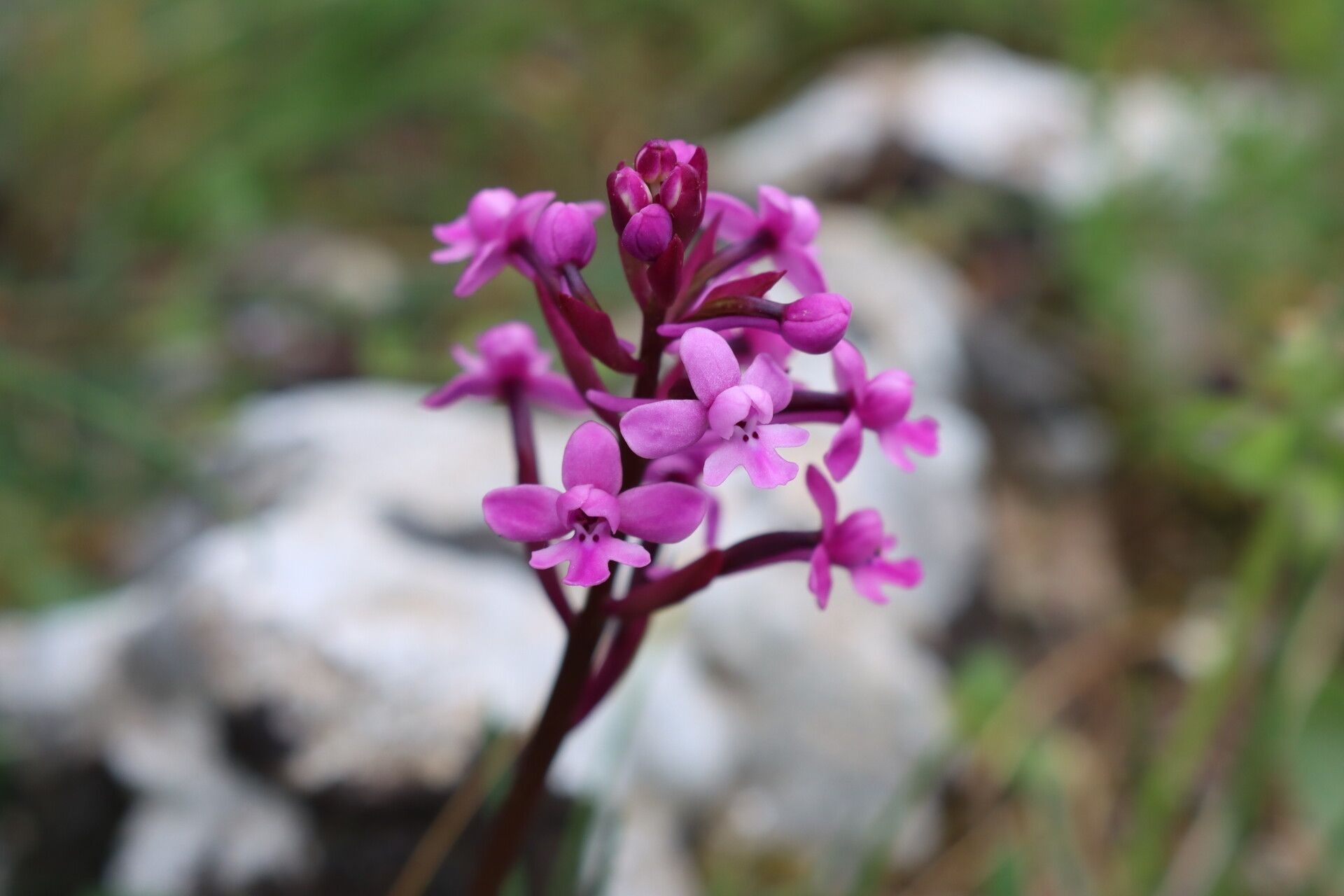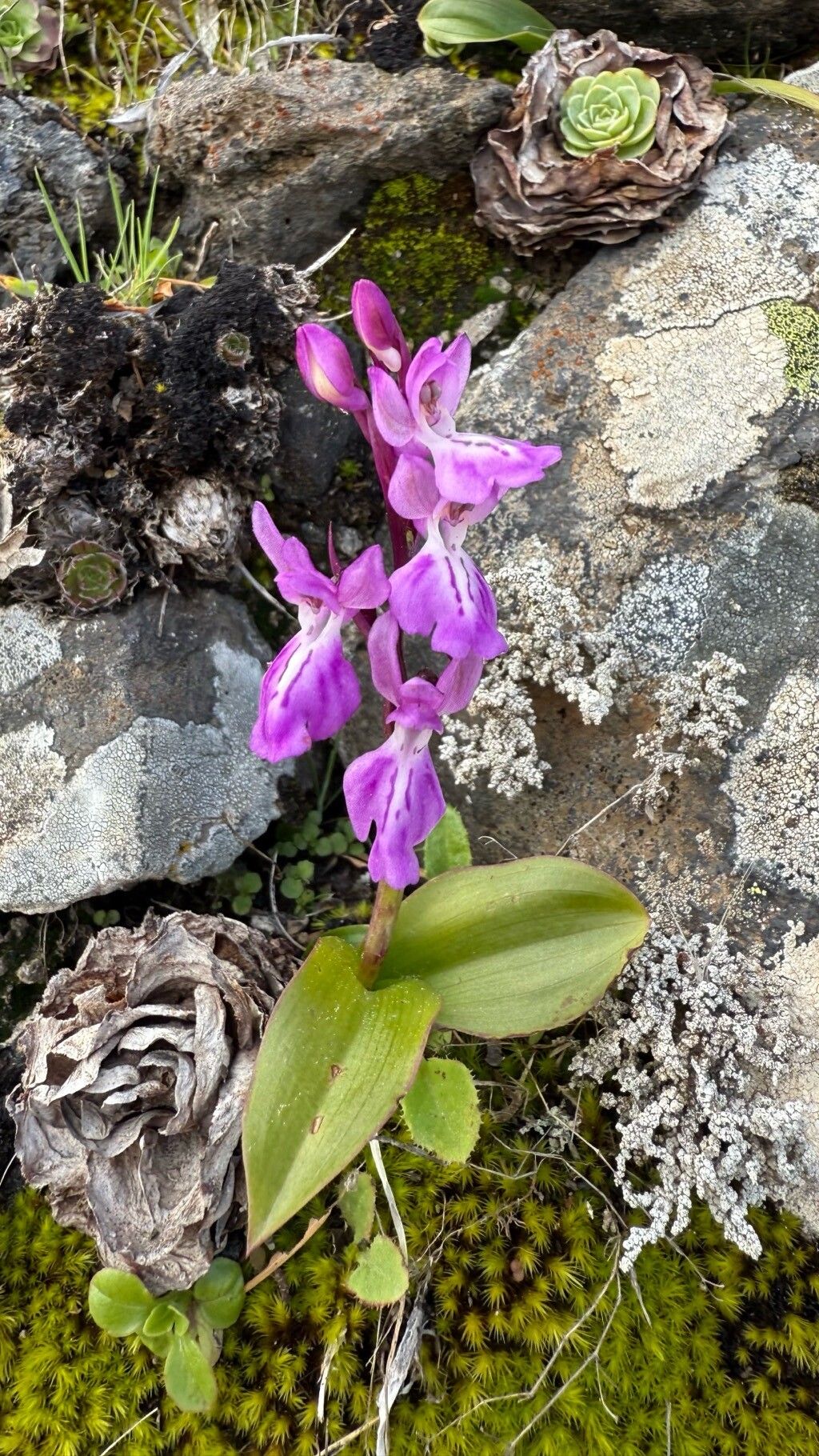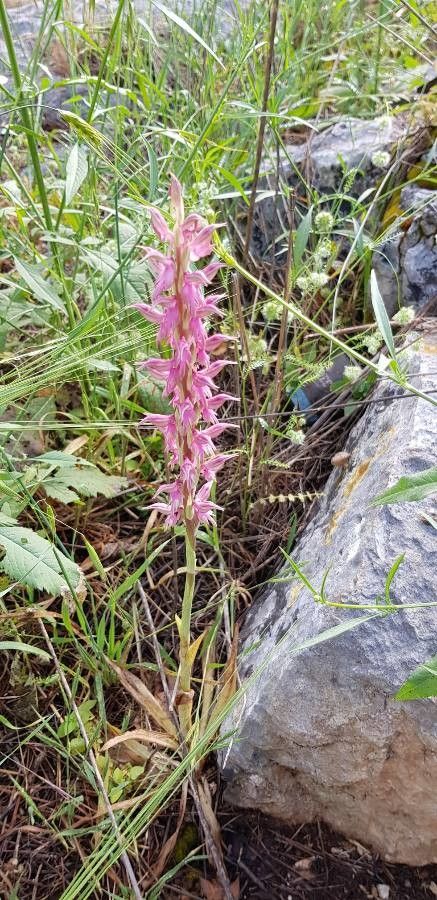
Anacamptis sancta, also called the Holy orchid, is a species of orchid closely related to Anacamptis coriophora that is found in the eastern Mediterranean.
Holy orchid is generally resistant to disease and faces relatively few insect pests. Its care is considered difficult because it needs a high-humidity yet well-ventilated environment with minimal harmful pathogens. Too much watering can cause root rot. Although anyone can grow Holy orchid, keeping it healthy and getting it to flower again requires more growing experience.
How to keep Orchis Sancta.
Light
Holy orchid comes from habitats like forest understories or rocky sites, where it is naturally shaded. It prefers partial sun but can tolerate full sun or full shade, showing its hardy and versatile nature.
Temperature
Holy orchid adapts well to temperature, able to withstand higher heat and wide temperature fluctuations. In hot conditions, attention should be paid to watering and suitable shading provided to avoid sunburn. However, Holy orchid is relatively intolerant of low temperatures; although it can endure some cold, excessively cold conditions may result in frost damage.
Fertilizer
For Holy orchid, the primary time to fertilize is in early spring when the flowers are forming. The right fertilizer promotes improved blooms and helps Holy orchid produce lovely flowers. Fertilizing in early spring ensures excellent flowers during the season and provides energy for dormant growth phases.
Botanical profile.
- Plant Type
- Herb
- Life Cycle
- Perennial
- Genus
- Orchis
- Family
- Orchidaceae
- Hardiness Zone
- 7-10
- Mature Height
- 20 cm to 40 cm
- Mature Spread
- 10 cm to 15 cm
- Leaf Color
- Green
- Leaf Type
- Deciduous
- Flower Color
- Green, White
- Flower Size
- 1.02 cm to 1.52 cm
- Bloom Time
- Early spring, Mid spring
- Planting Time
- Spring
- Harvest Time
- Late spring, Early summer
- Native Area
- Turkey, Syria, Cyprus, Greece, Lebanon