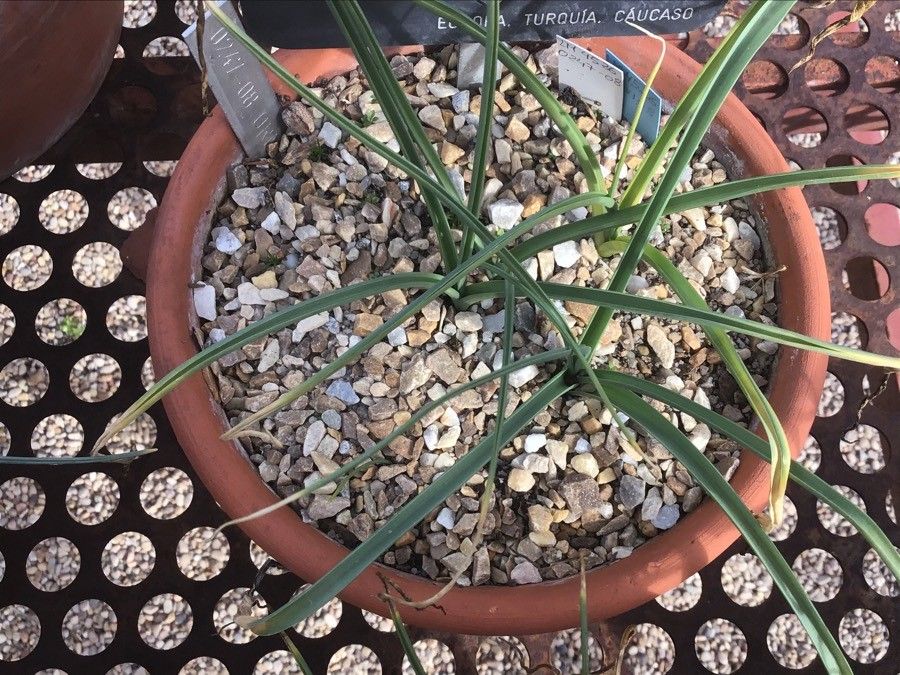
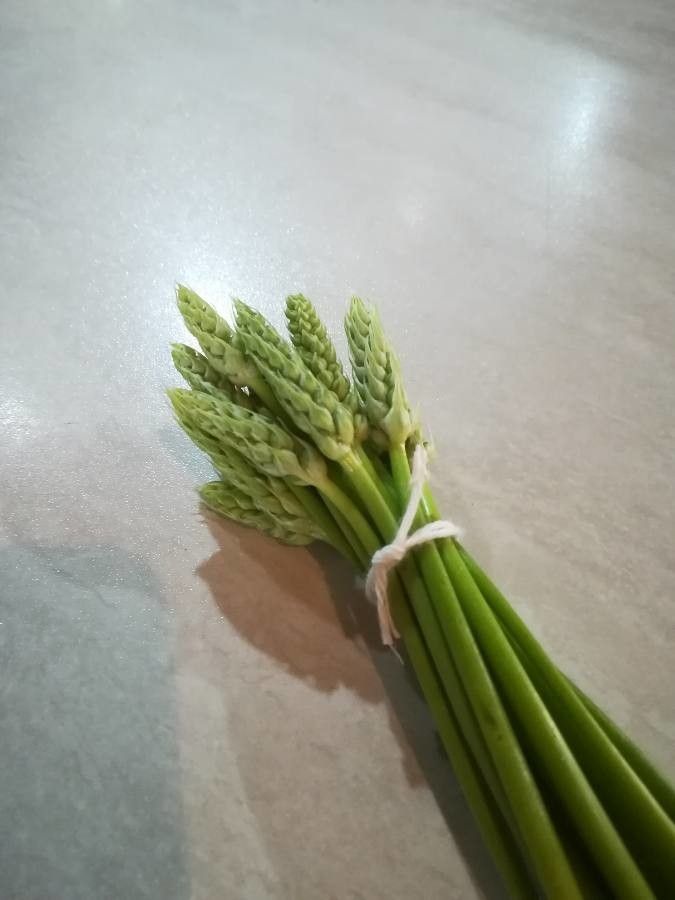
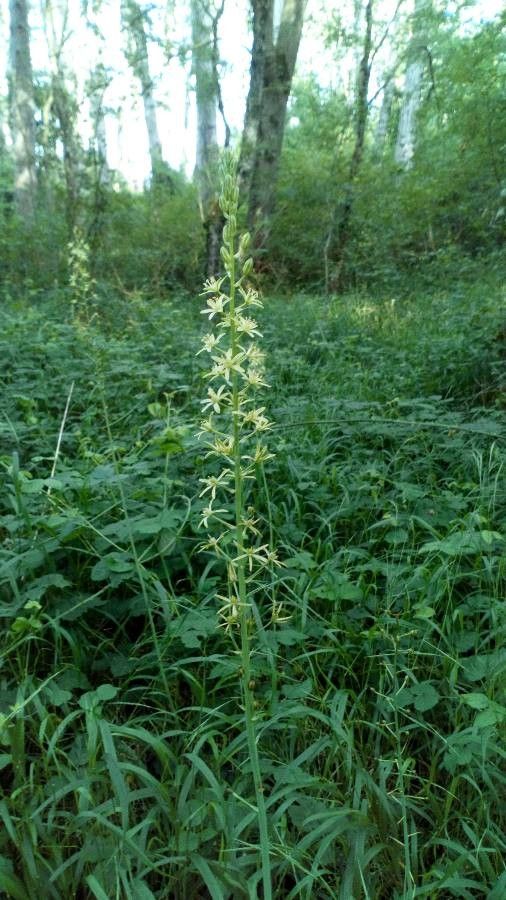
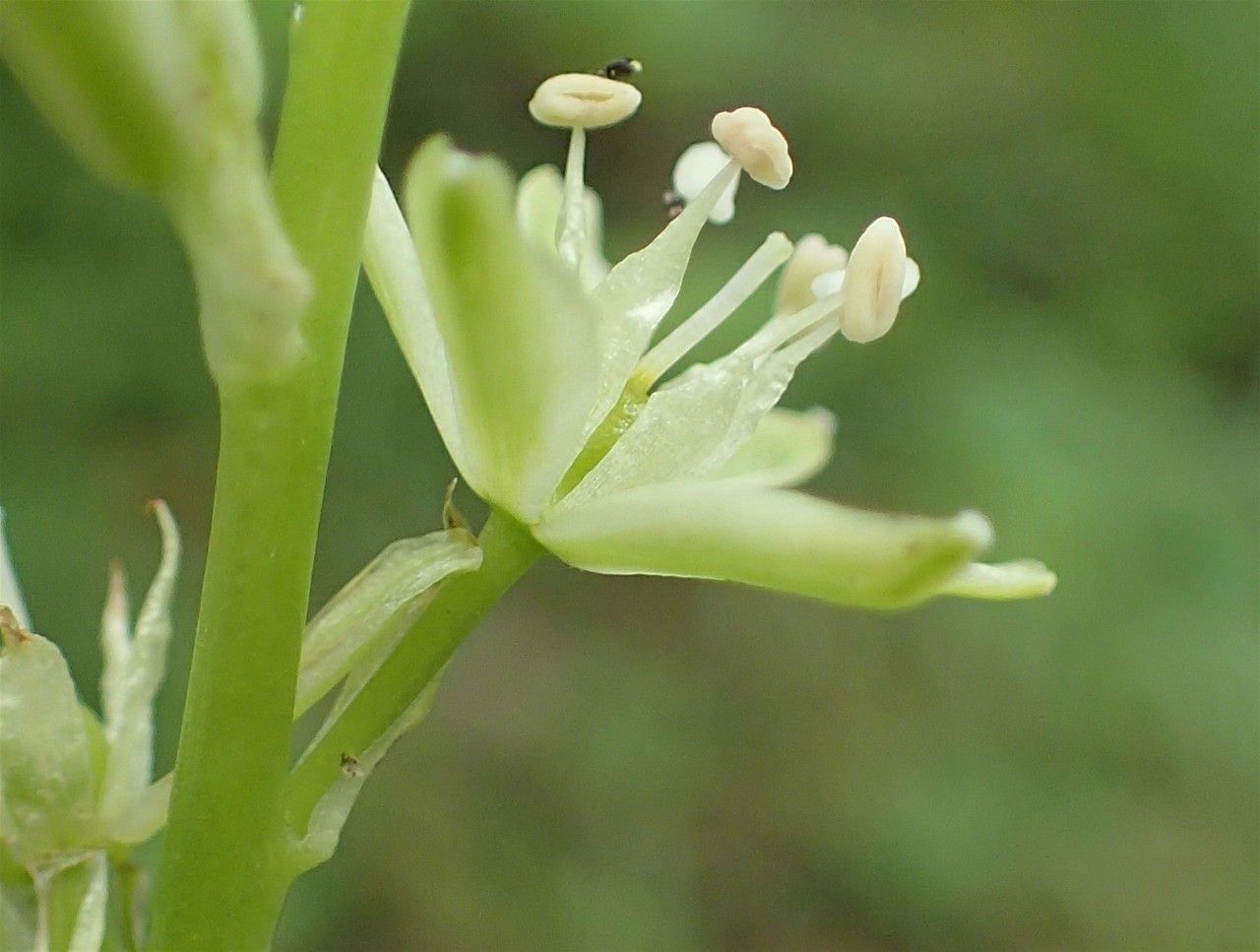
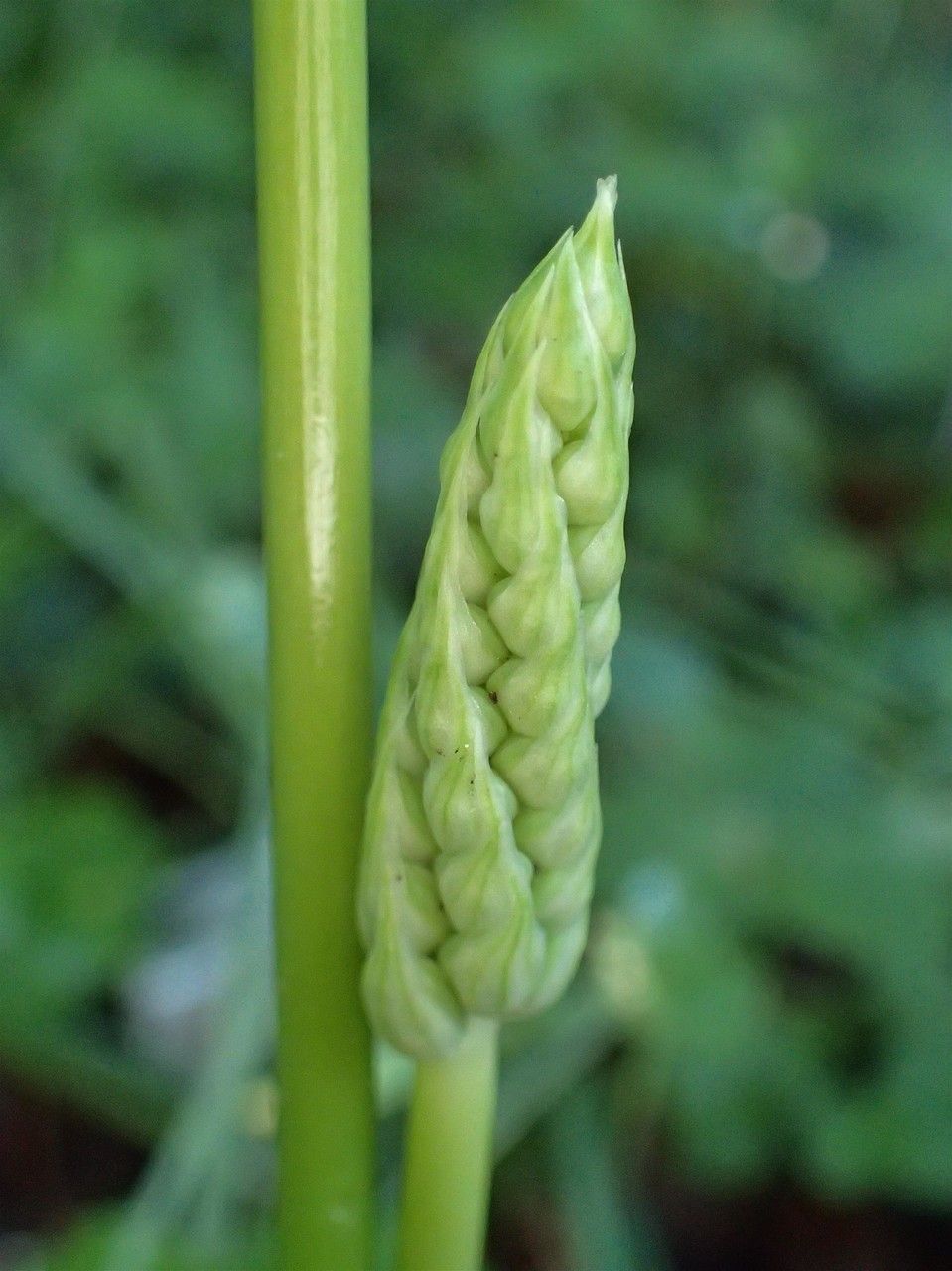
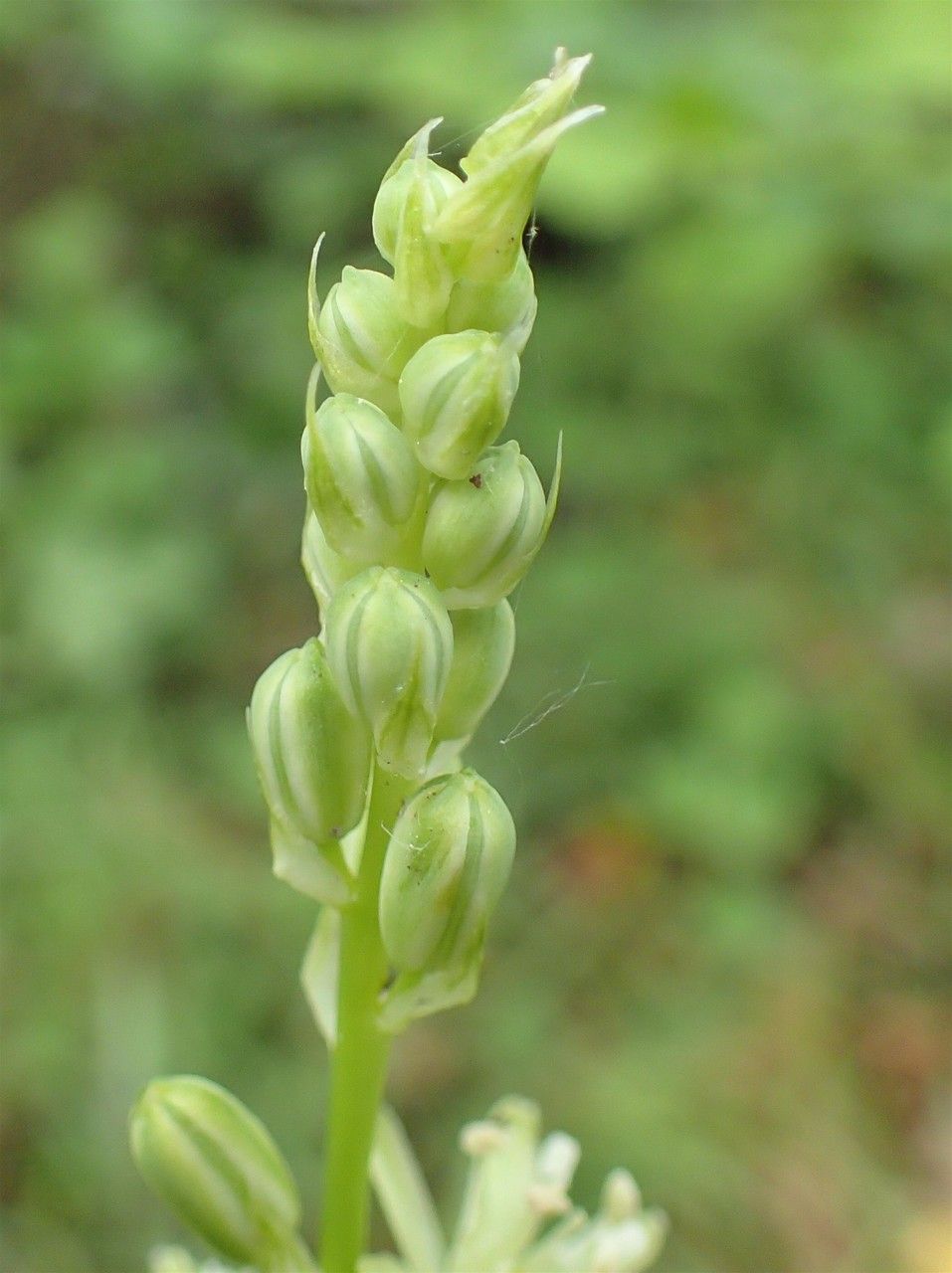
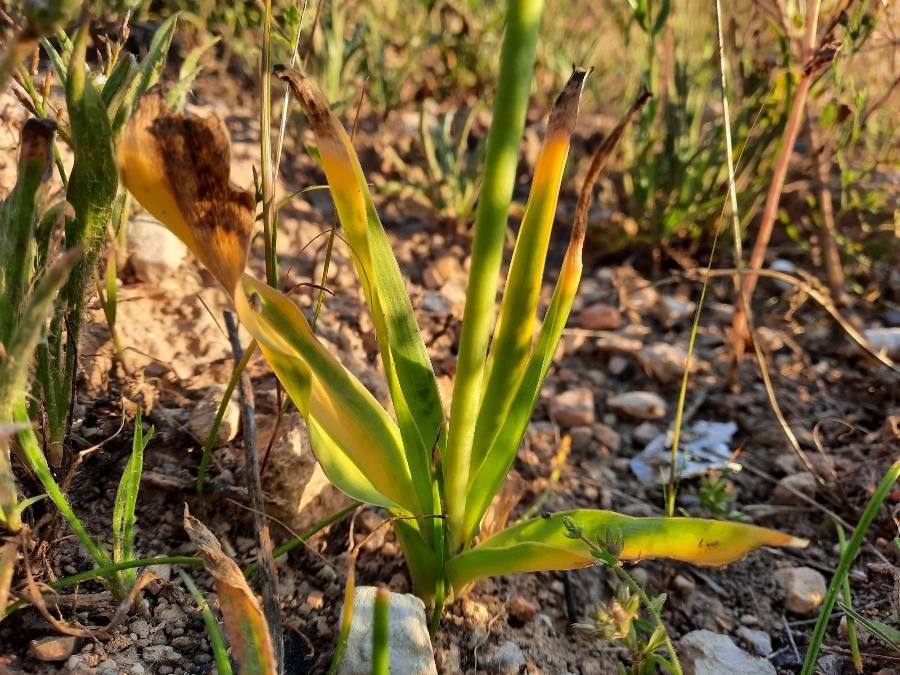
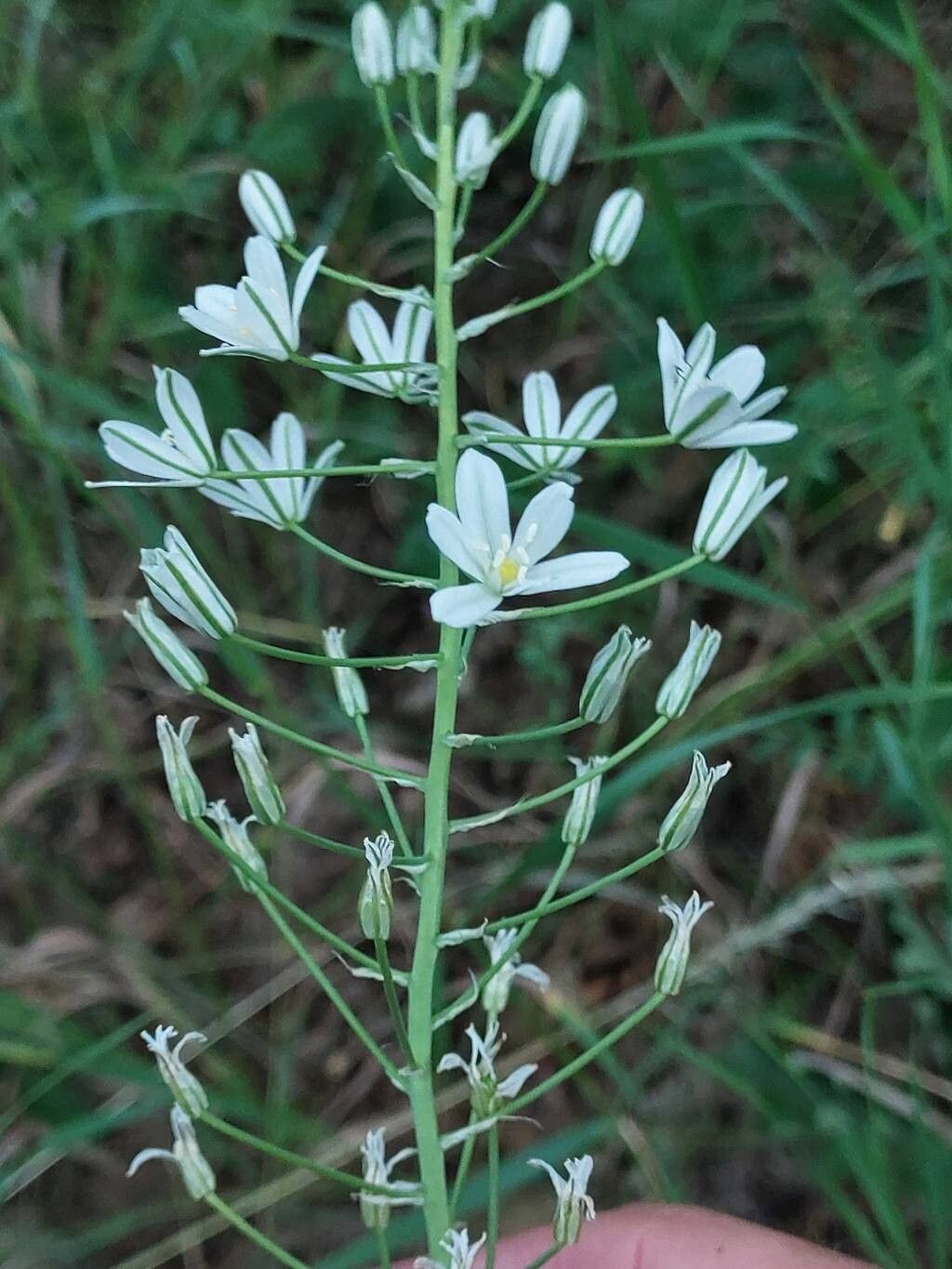
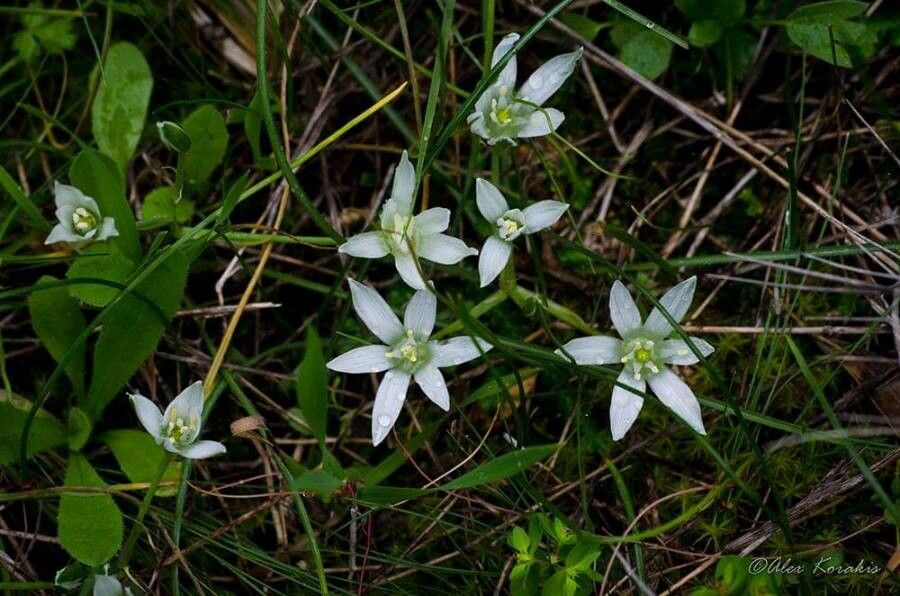
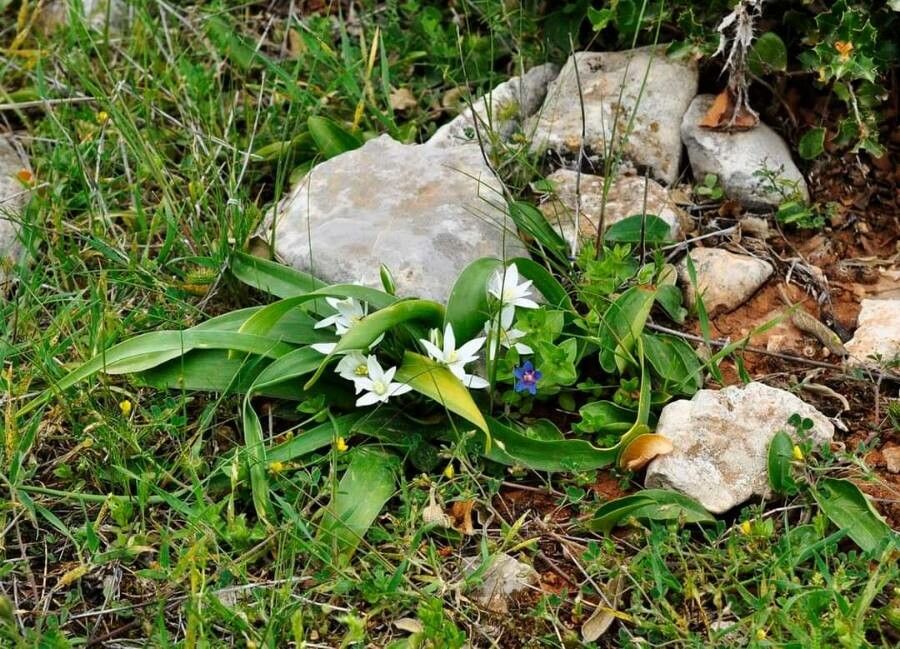
Ornithogalum pyrenaicum, also called Prussian asparagus, wild asparagus, Bath asparagus, Pyrenees star of Bethlehem, or spiked star of Bethlehem, is a plant whose young flower shoots may be eaten as a vegetable, similar to asparagus. The common name Bath asparagus comes from the fact it was once abundant near the city of the same name in England.
Bath asparagus has moderate resistance to disease and can be susceptible to issues such as leaf spot. Its vulnerability to insect pests depends on the variety, but most varieties have lower resistance to pests. For care, Bath asparagus requires regular watering and fertilization, and yellow leaves should be pruned frequently. It is important to control pests and diseases when they appear and to harvest the plant promptly. Bath asparagus is suitable for people who can dedicate some time and energy to regular maintenance.
How to keep Ornithogalum Pyrenaicum.
Light
Bath asparagus grows best in full sun but can tolerate lower light levels. Its natural habitat provides strong sun exposure. However, too much sun can cause wilting, while too little exposure can impede its growth and flowering process.
Water
Bath asparagus flourishes in woodlands and meadows where it can enjoy moderate, consistent soil moisture without being waterlogged. To ensure its health, it's important to water it weekly. When grown outdoors, Bath asparagus benefits from natural rainfall, which supports its growth and flowering phases.
Temperature
Bath asparagus originates from temperate regions and prefers temperatures between 41 and 95 °F (5 to 35 ℃). For healthy growth, it needs regular temperature variation that matches seasonal changes.
Fertilizer
For the best yield and taste of Bath asparagus, provide adequate nitrogen throughout the entire growing period, from before planting through harvest. Plants that are well-watered and fertilized form abundant, healthy leaves and have less bitterness. Before planting, enrich the soil with organic matter such as compost or manure, preferably 2 to 8 weeks beforehand.
Pruning
To enhance the growth and vigor of Bath asparagus, prune it from early to late spring, concentrating on removing dead foliage and spent flowers. Make clean cuts just above healthy nodes to encourage blooming and manage its spread. Be sure to use sterilized tools to prevent disease, adhering to established horticultural practices.
Botanical profile.
- Plant Type
- Herb
- Life Cycle
- Perennial
- Genus
- Ornithogalum
- Family
- Asparagaceae
- Hardiness Zone
- 5-9
- Mature Height
- 91 cm
- Mature Spread
- 10 cm
- Leaf Color
- Green, Gray
- Leaf Type
- Deciduous
- Flower Color
- White
- Flower Size
- 1.02 cm to 2.03 cm
- Bloom Time
- Late spring, Early summer
- Planting Time
- Spring
- Harvest Time
- Mid summer, Late summer
Other names.
Reader questions.
How should I water my Bath asparagus?
To properly water the Bath asparagus, it is recommended to use filtered water at room temperature. This plant is sensitive to particles in tap water that can harm its health. It is important to use water that is at room temperature or slightly warmer because the Bath asparagus is adapted to warm environments and cold water can be a shock to it. To avoid any issues with the foliage, overhead watering should be avoided. Instead, you should apply the filtered room temperature water directly to the soil until it is completely soaked. This method is beneficial as it helps moisten the roots, allowing them to spread through the soil and absorb the necessary nutrients.
Why is it important to add fertilizer to my Bath asparagus?
The main structure of the Bath asparagus is made up of its leaves. Fertilization is important for making sure these leaves look good and function properly. By fertilizing properly, you can help the Bath asparagus maintain consistent leaf color and a healthy texture. Fertilization also benefits the plant below the soil's surface by promoting root growth and maintaining existing roots. This not only keeps the plant healthy in the present, but also improves its ability to absorb nutrients from the soil in the future.
What are the sunlight requirements for Bath asparagus?
Bath asparagus requires full sun exposure for optimal growth, thriving best with above 6 hours of sunlight per day, although it can manage with about 3-6 hours (partial sun). This level of exposure mimics its natural habitat which is conducive to intense sun. It's important to watch how sunlight moves through your garden to choose spots that provide the right balance of light and shade for your plants.
What is the native environment of Bath asparagus and what are its temperature preferences?
Bath asparagus, scientifically known as Ornithogalum pyrenaicum, is native to temperate environments. It thrives in temperature ranges from 41 to 95 °F (5 to 35 °C), requiring frequent temperature moderation that corresponds with the shifting seasons. This plant possesses strong cold resistance, generally not necessitating special frost protection measures during winter. However, in situations where winter temperatures are expected to plummet below -25°C, taking steps to protect the plant from the cold becomes important.
What do I need to do if I give my Bath asparagus too much or too little water?
Taking care of your Bath asparagus requires caution regarding watering. Both overwatering and underwatering can harm the plant, but overwatering is more common. If your Bath asparagus receives excessive water, its stems and leaves may wilt and turn yellow. This can lead to serious issues such as root rot, mold, and mildew, which may result in the death of your plant. Underwatering is less likely to happen because the Bath asparagus can withstand drought to some extent. However, it is still possible. In such cases, the leaves will become dry and brown. To maintain your plant's health, it is crucial to promptly identify signs of overwatering. Some consequences, like root rot, cannot be reversed if not addressed quickly. Reduce your watering schedule if you notice early signs of overwatering, and consider replacing poorly draining soil with a loose, well-draining potting mix. If you observe signs of underwatering, simply water more frequently until the symptoms improve.
When should I put fertilizer on my Bath asparagus?
If you grow Bath asparagus outdoors each year, the plant will start growing new shoots in early spring. This is a signal that it's time to start fertilizing for the year. Usually, one application of fertilizer is enough for Bath asparagus to thrive in the spring. However, if you want maximum growth, you can fertilize multiple times throughout the spring and early summer. If you decide to do this, feed your Bath asparagus about once every month to a month and a half.
How does sunlight affect Bath asparagus growth and flowering?
Sunlight significantly influences the growth and flowering of Bath asparagus. Excessive sun exposure may lead to wilting, while insufficient light can hinder its growth and flowering process. It's crucial to ensure the plant gets adequate sunlight based on its natural requirements to maintain its health and vitality.
How should Bath asparagus be cared for during winter to prevent cold damage?
To prevent cold damage to Bath asparagus during winter, especially if temperatures are anticipated to drop below -25°C, the plant should be covered with protective materials like soil or straw. Additionally, it's advisable to water the plant abundantly before the first freeze of autumn. This ensures the soil maintains moisture and enters a frozen state, helping to prevent drought and water scarcity during the winter and early spring, which supports the plant's overall health and readiness for the growing season.
How often should I water my Bath asparagus plant?
If your Bath asparagus plant is in a pot, the most accurate way to determine if it needs water is to check the soil with your finger. If the top two to three inches of soil feel dry, then it's time to water it. For outdoor plants in the ground, you can use the same method to test the soil. When the top few inches are dry, it's time to water. During the spring and early fall, this usually means watering once a week. In extremely hot weather, you may need to water two or more times per week. However, mature and well-established Bath asparagus plants can withstand drought conditions quite well.
When is not a good time to use fertilizer on my Bath asparagus?
During the late fall and winter, your Bath asparagus goes into dormancy and stops growing. Avoid fertilizing it during this time. In the spring and summer, if you choose to fertilize multiple times, start reducing the rate as summer approaches since the growth rate of the Bath asparagus slows down. In general, it is not recommended to fertilize your Bath asparagus during hot weather or when the soil is extremely dry. Fertilizing in these conditions can stress the plant and lead to premature death.
What are the essentials for growing Bath asparagus indoors with artificial lighting?
Indoor Bath asparagus requires adequate lighting for growth, especially when natural sunlight is insufficient. In winter or less sunny spaces, artificial lights such as LED lights, which can be customized to provide specific wavelengths needed by plants, are vital. Full sun plants need 30-50W/sq ft of artificial light, partial sun plants need 20-30W/sq ft, and full shade plants need 10-20W/sq ft. Also, the light source should be placed 12-36 inches above the plant for 8-12 hours per day to mimic natural daylight hours.
What are the important symptoms and solutions for Bath asparagus in low and high temperatures?
In low temperatures, Bath asparagus is notably cold-tolerant and best survives when the temperature remains above 5°C. Winter temperatures should ideally stay above -20°C. If temperatures fall below -25°C, the plant may not exhibit changes during winter but could experience decreased or even absent sprouting in spring. The recommended solution for such a scenario is to remove any parts of the plant that have failed to sprout in the spring. When faced with high temperatures, specifically above 35°C, precautions should be taken if temperatures soar above 38°C. This can lead to the plant's leaves becoming lighter, prone to curling, suffering from sunburn, or in severe cases, the plant might wilt and dry out. Solutions include trimming sunburned and dried parts, relocating the plant to a shaded area, or using a shade cloth. Additionally, watering the plant in the morning and evening can help keep the soil adequately moist.