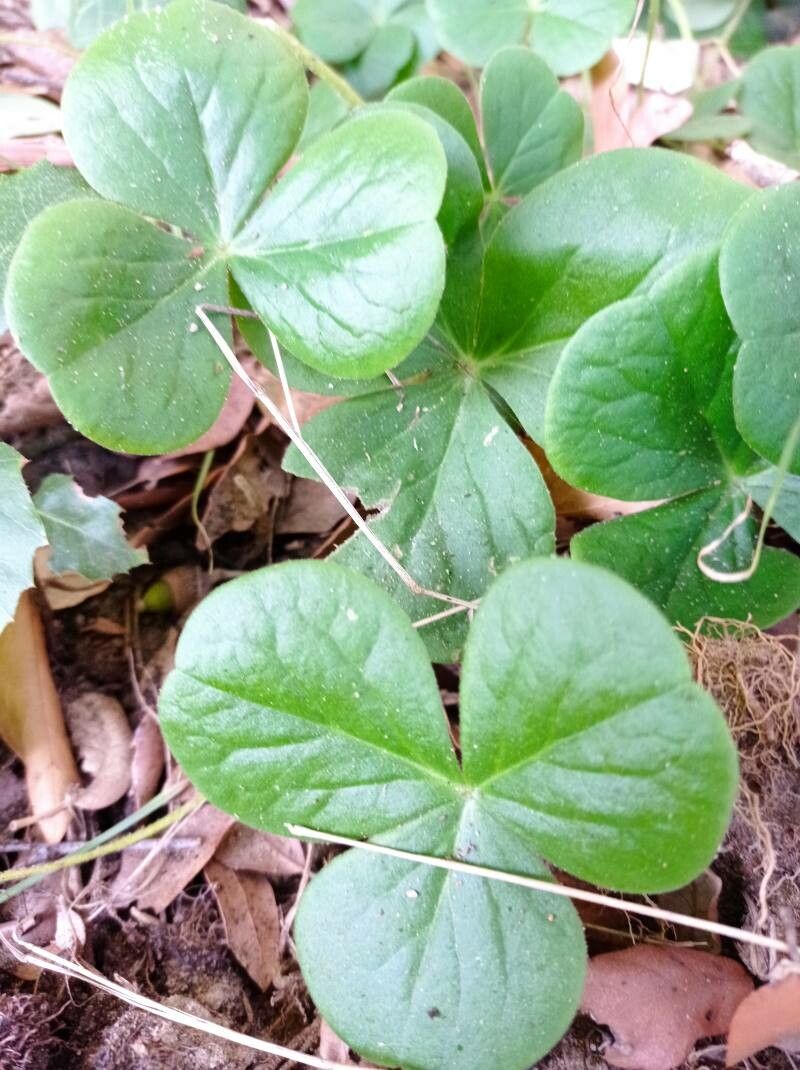
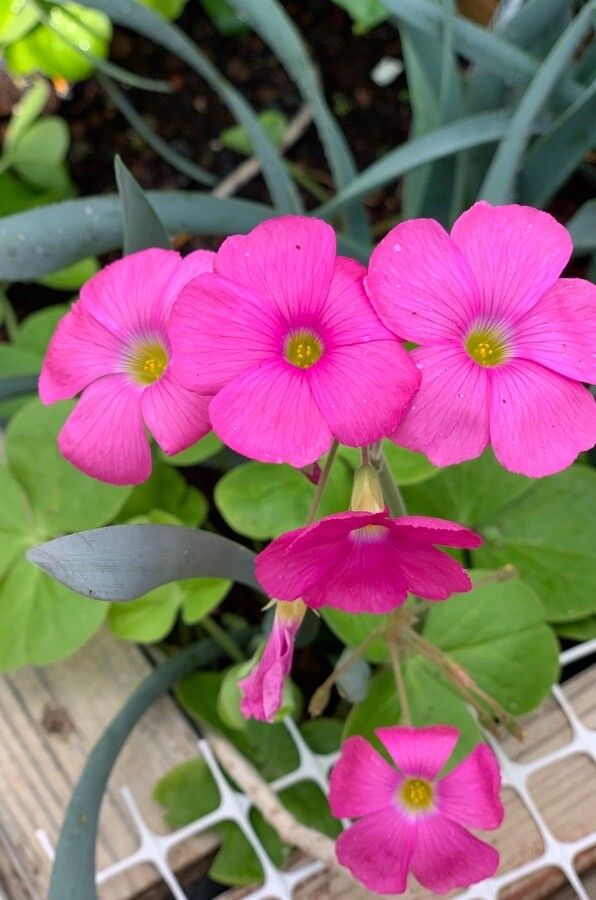
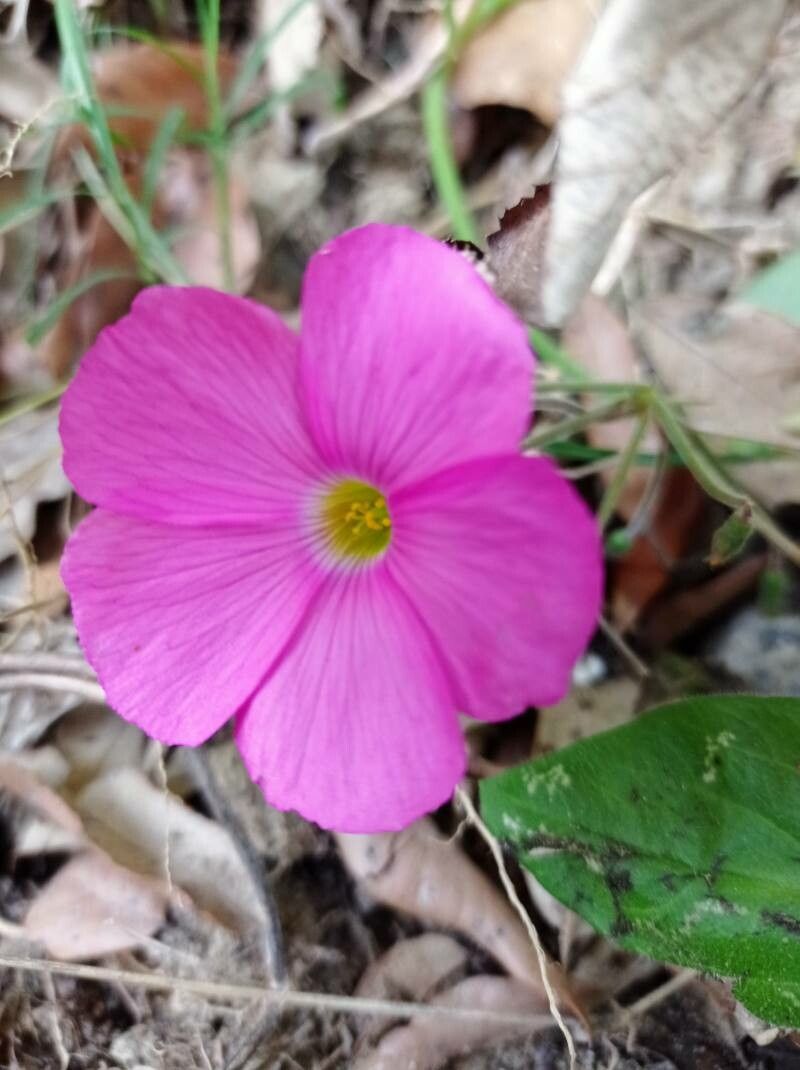
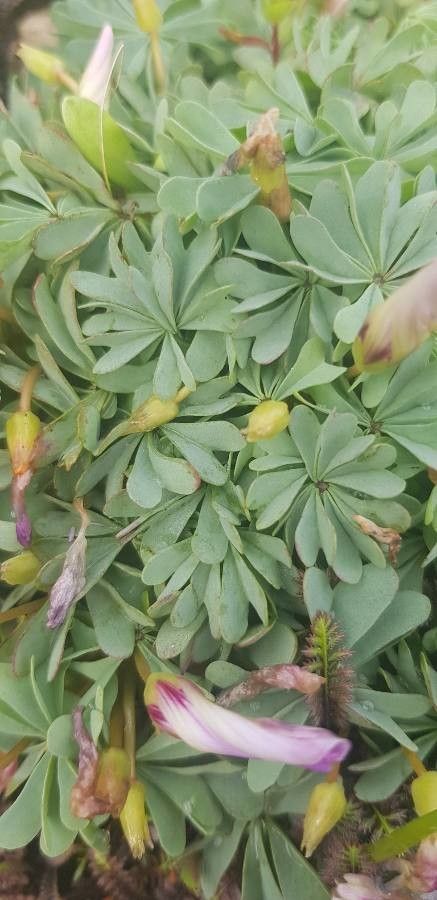
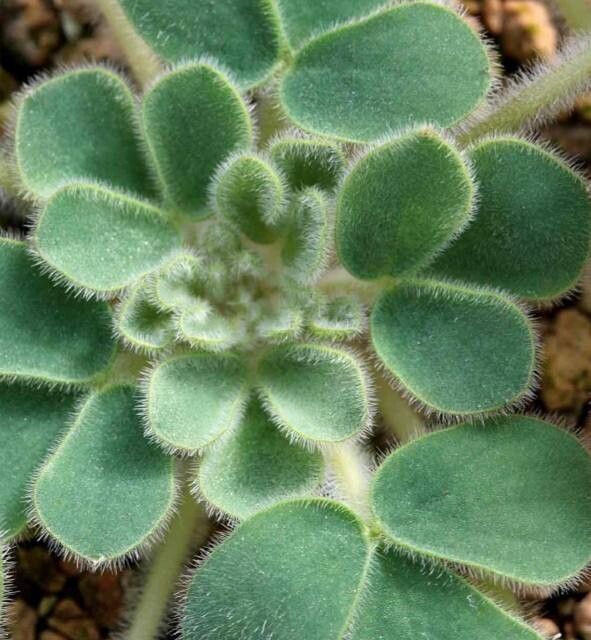
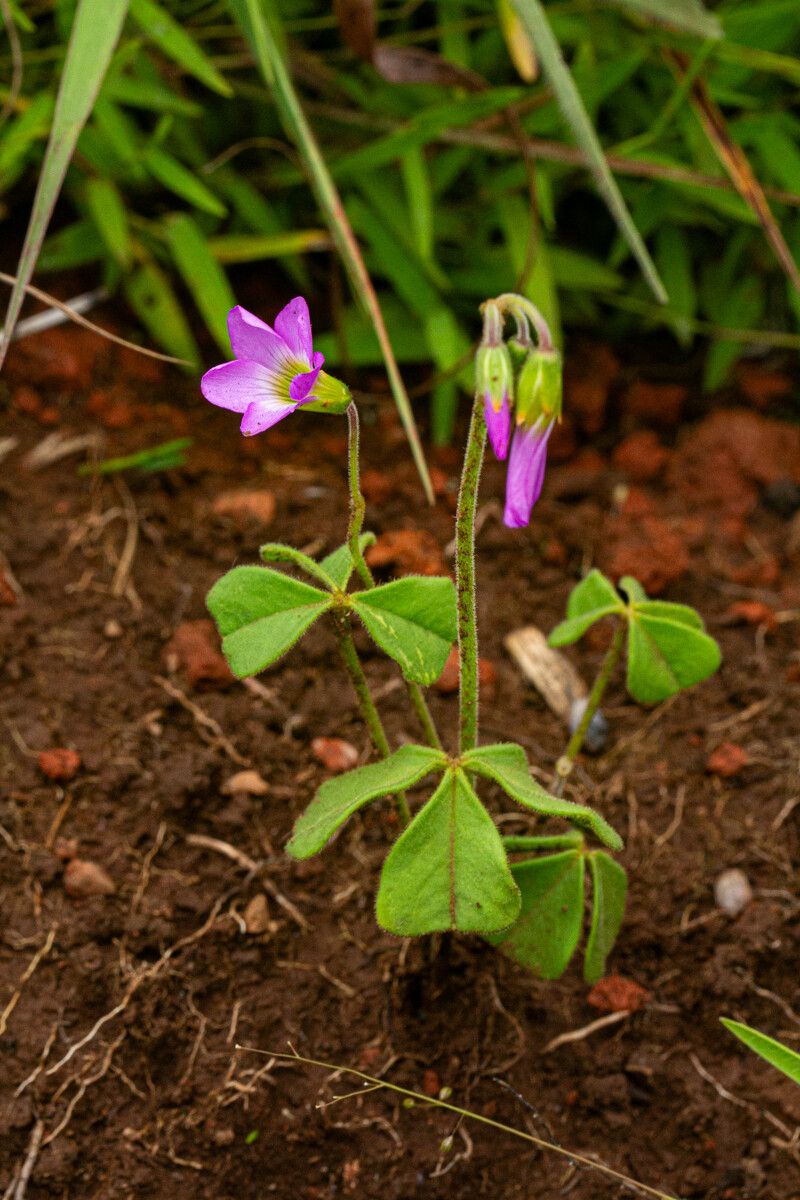
Oxalis bowiei, Bowie's wood-sorrel, red-flower woodsorrel, or Cape shamrock, is a plant from the genus Oxalis, which is native to what was Cape Province and KwaZulu-Natal in South Africa. It has also been naturalized in Australia.It is named after James Bowie who collected plants for the Royal Botanic Gardens, Kew at the beginning of the 19th century.Its flowering stems may be a foot or more in height and are produced continuously for a considerable length of time during summer.
Cape shamrock is largely disease-resistant and generally not prone to illness. However, it can be affected by pests and diseases present in its environment. These infections are typically mild. In terms of care, the plant requires moderate maintenance. It should be pruned regularly to maintain an attractive appearance and healthy growth. Fertilizing can also help encourage flowering. Cape shamrock is suitable for people with outdoor areas such as a garden or patio and does not require extensive gardening experience. It may need more attention when grown indoors.
How to keep Oxalis Bowiei.
Light
Cape shamrock thrives in bright sunlight, though it can tolerate partly sunny conditions as well. Originating from environments with abundant light, it performs best when given full sun. Insufficient sunlight can lead to stunted growth, while excessive sunlight may cause wilting.
Water
Cape shamrock thrives in humid conditions and prefers balanced moisture, although it can tolerate drought. To keep it healthy, weekly watering is ideal, especially since it is an evergreen that maintains its lush appearance all year long. Consistent moisture is necessary even when the plant is dormant.
Temperature
Cape shamrock shows strong temperature adaptability, tolerating higher heat and wide temperature swings. In hot weather, care should be taken with watering and providing adequate shade to avoid sunburn. On the other hand, Cape shamrock is fairly sensitive to cold. It can handle a certain amount of chill, but excessively cold conditions can cause frost damage.
Fertilizer
For Cape shamrock, the best time to fertilize is in early spring when flowers are forming. The appropriate fertilizer promotes stronger blooms and helps the Cape shamrock produce attractive flowers. Fertilizing in early spring ensures good flowering during the season and supplies energy for dormant growth phases.
Pruning
Cape shamrock features clover-like leaves and delicate pink flowers. To promote growth and prevent disease, prune the plant from early to late spring by removing any dead stems. Light trimming can help enhance its fullness. Be sure to use clean tools to improve air circulation and allow light to penetrate more effectively, encouraging vigorous growth during its active phase.
Pot & Repot
To keep your cape shamrock healthy, repot it every 2-3 years during its growing season. Use a loose, well-draining potting mix and choose a pot that gives the bulbs room to expand. After repotting in the spring, place the plant in a spot with bright, indirect light, and ensure the soil stays evenly moist but not waterlogged.
Botanical profile.
- Plant Type
- Herb
- Life Cycle
- Perennial
- Genus
- Oxalis
- Family
- Oxalidaceae
- Hardiness Zone
- 8-10
- Mature Height
- 30 cm
- Mature Spread
- 49 cm
- Leaf Color
- Green, Dark Green
- Leaf Type
- Semi-evergreen
- Flower Color
- Pink
- Flower Size
- 2.54 cm to 5.08 cm
- Bloom Time
- Late summer, Fall
- Planting Time
- Autumn
- Harvest Time
- Mid fall, Late fall, Early winter
- Native Area
- South Africa
Other names.
Reader questions.
What are the sunlight requirements for Cape Shamrock?
Cape Shamrock (Oxalis bowiei) thrives in environments that provide ample sunlight, performing best when exposed to full daylight for more than 6 hours a day. It can, however, tolerate partial sun, about 3-6 hours of sunlight daily. When observing your garden, it's essential to choose spots that offer a mix of light and shade to ensure the plants receive the right balance for optimal growth. Insufficient sunlight may result in stunted growth, while too much sunlight could lead to wilting.
How does artificial lighting benefit Cape Shamrock growth indoors?
Indoor Cape Shamrock plants require adequate lighting for optimal growth, especially when natural sunlight is insufficient, like in winter or less sunny spaces. Artificial lights, particularly LED lights, are beneficial as they can be customized to provide specific wavelengths of light needed by plants. Full sun plants need 30-50W/sq ft of artificial light, partial sun plants need 20-30W/sq ft, and full shade plants need 10-20W/sq ft. The light source should be placed 12-36 inches above the plant, mimicking natural sunlight, and most plants need 8-12 hours of light per day.
What are the symptoms of inadequate lighting in Cape Shamrock?
Cape Shamrock may exhibit several symptoms when subjected to inadequate lighting, which include: new leaves growing smaller, leggy or sparse growth due to longer spaces between leaves or stems, faster leaf drop to conserve resources, slower or halted growth as the plant enters survival mode, lighter-colored new leaves indicating lack of chlorophyll, chlorosis leading to yellowing leaves due to excessive sunlight, sunscald characterized by pale or necrotic patches from intense sun exposure, leaf curling as a defense against water loss, wilting from excessive water loss through transpiration, and leaf scorching shown by brown, dry edges on leaves due to too much sunlight.
How can I address sunlight-related issues in Cape Shamrock?
To address sunlight-related issues in Cape Shamrock, gradually adapt your plants to their ideal sunlight conditions. For indoor plants, move them weekly to sunnier spots until they get at least 6 hours of direct sunlight daily, utilizing south-facing windows for maximum exposure. Artificial lighting, such as desk, ceiling lamps, or professional grow lights, can also supplement light for at least 8 hours daily. Outdoor plants should similarly be moved gradually to avoid sunburn. Reducing obstructions like pruning trees can help increase sunlight exposure. Additionally, transplanting smaller plants during their dormant period to sunnier locations with good drainage can be beneficial. Note that parts of the plant already damaged by insufficient sunlight might not recover, but new growth will be healthy with improved light conditions.