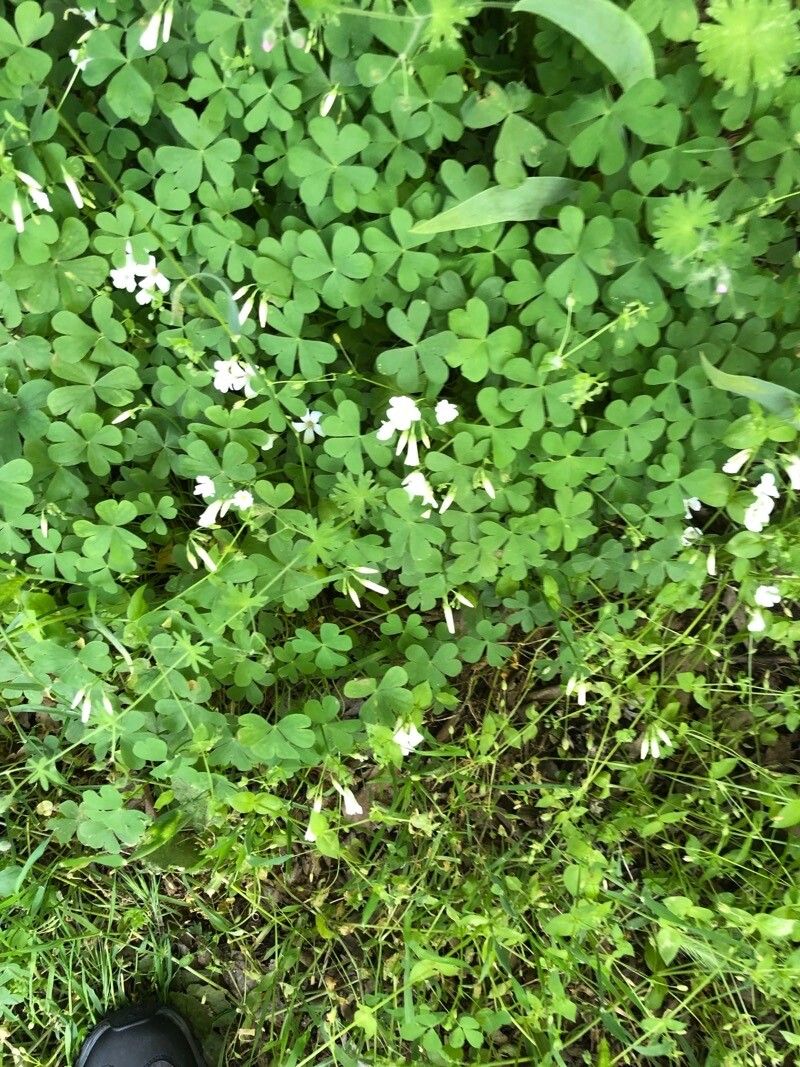
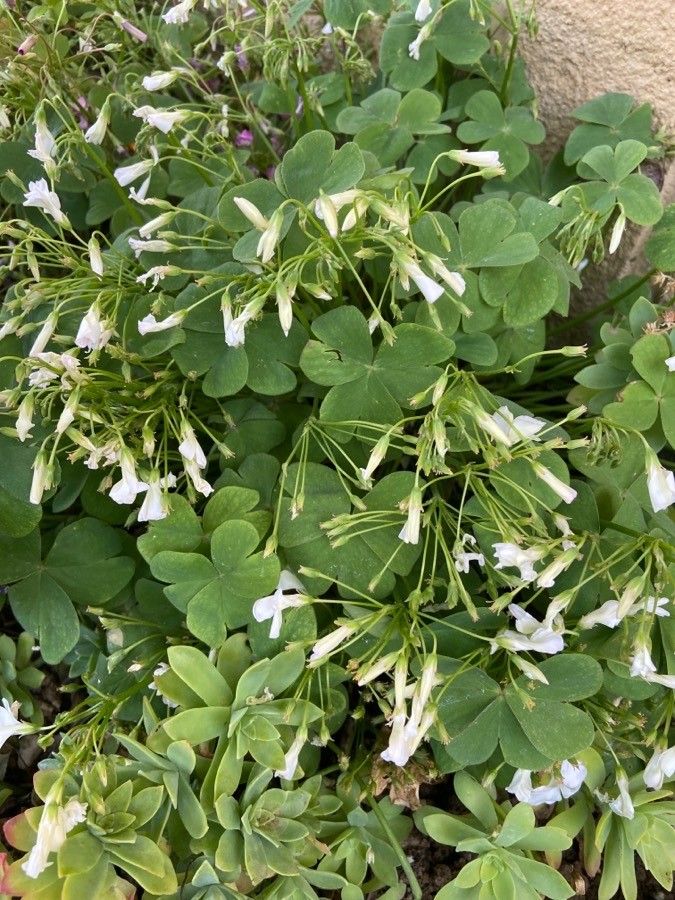
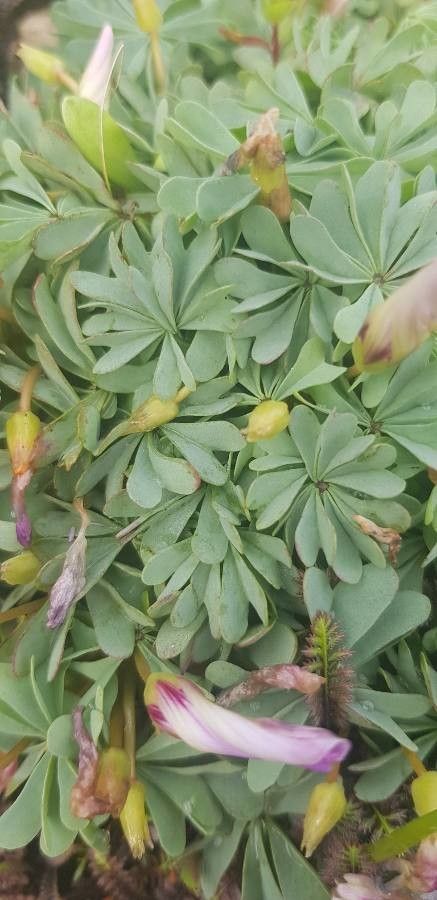
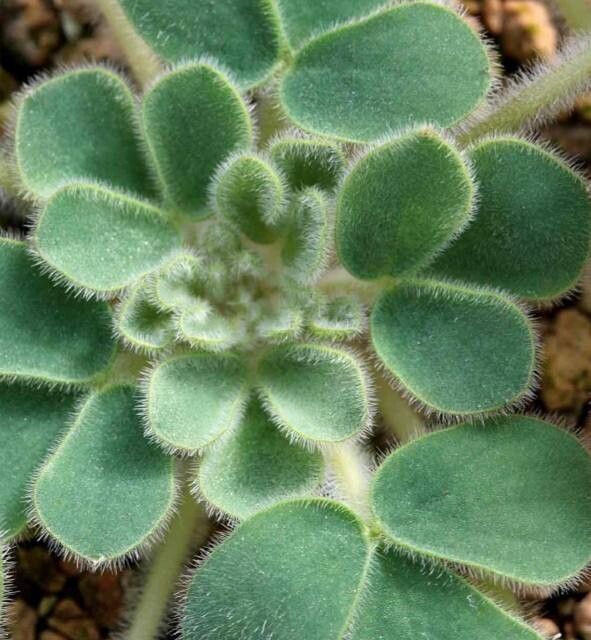
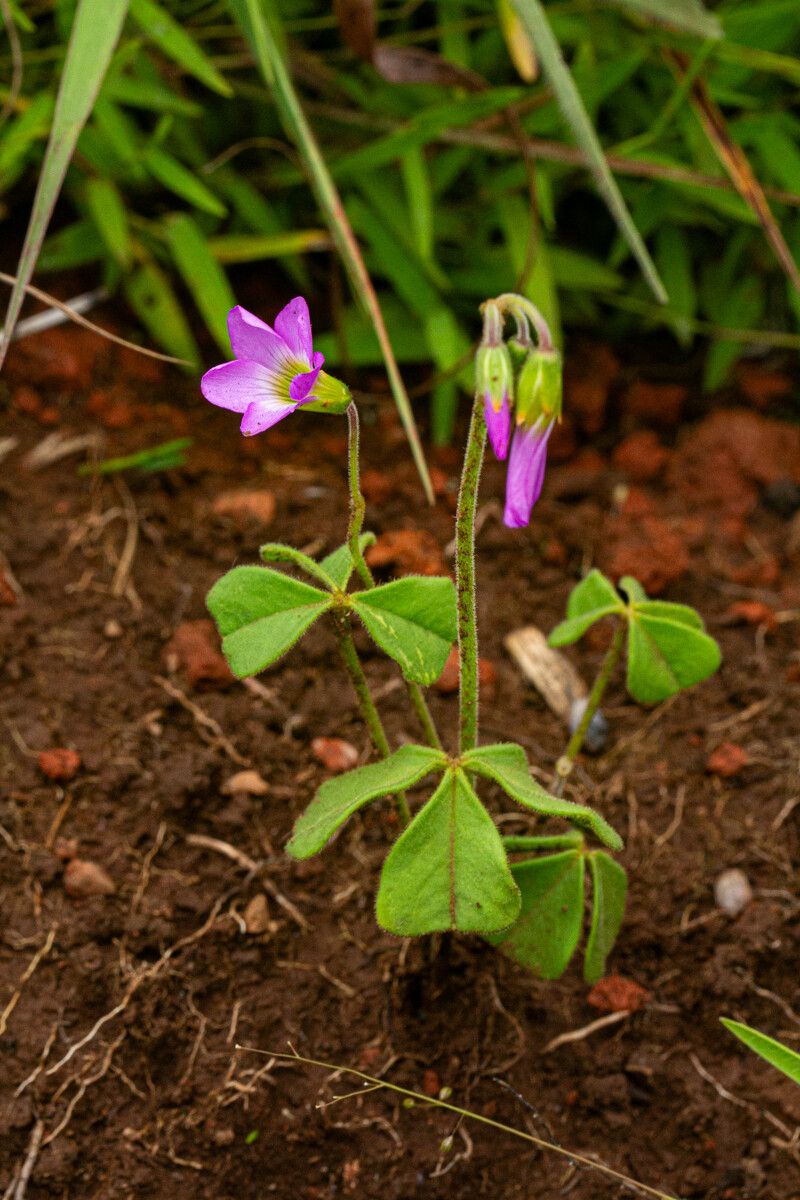
Oxalis incarnata, commonly known as the Pink Wood Sorrel, is a perennial plant belonging to the Oxalidaceae family. Native to North America, it thrives in diverse habitats such as woodlands, meadows, and prairies. The plant typically grows up to 30 cm tall and has a spreading habit with reddish-brown stems.
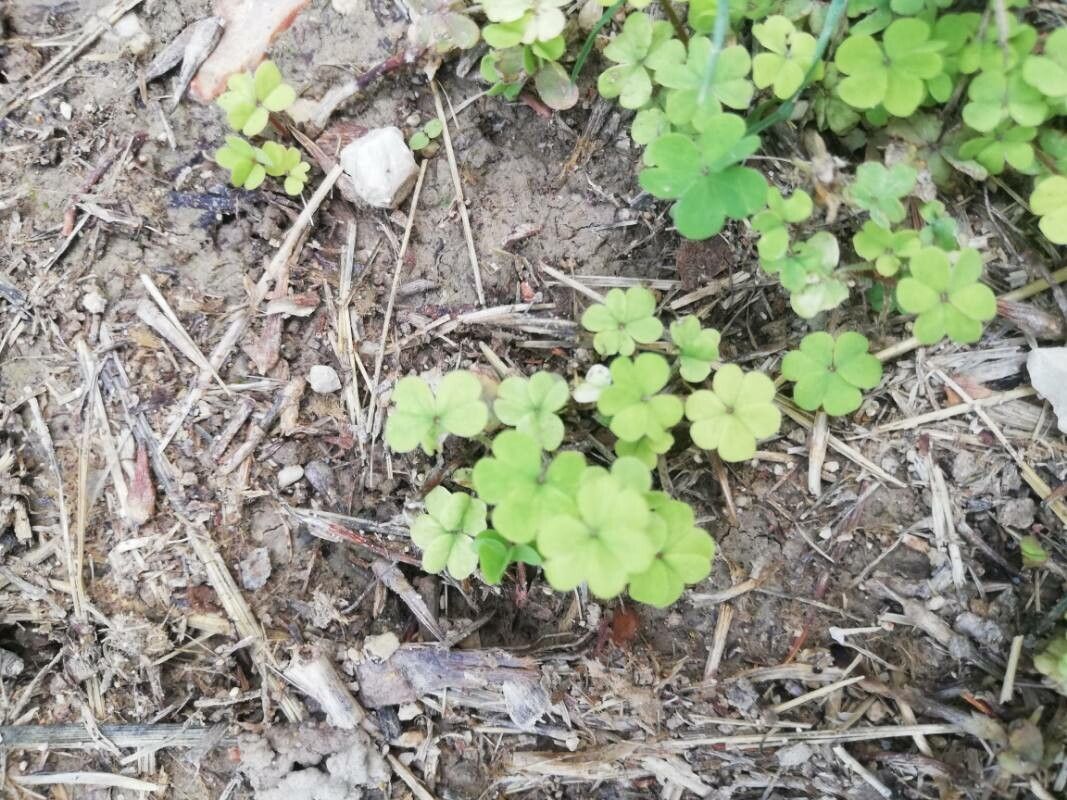
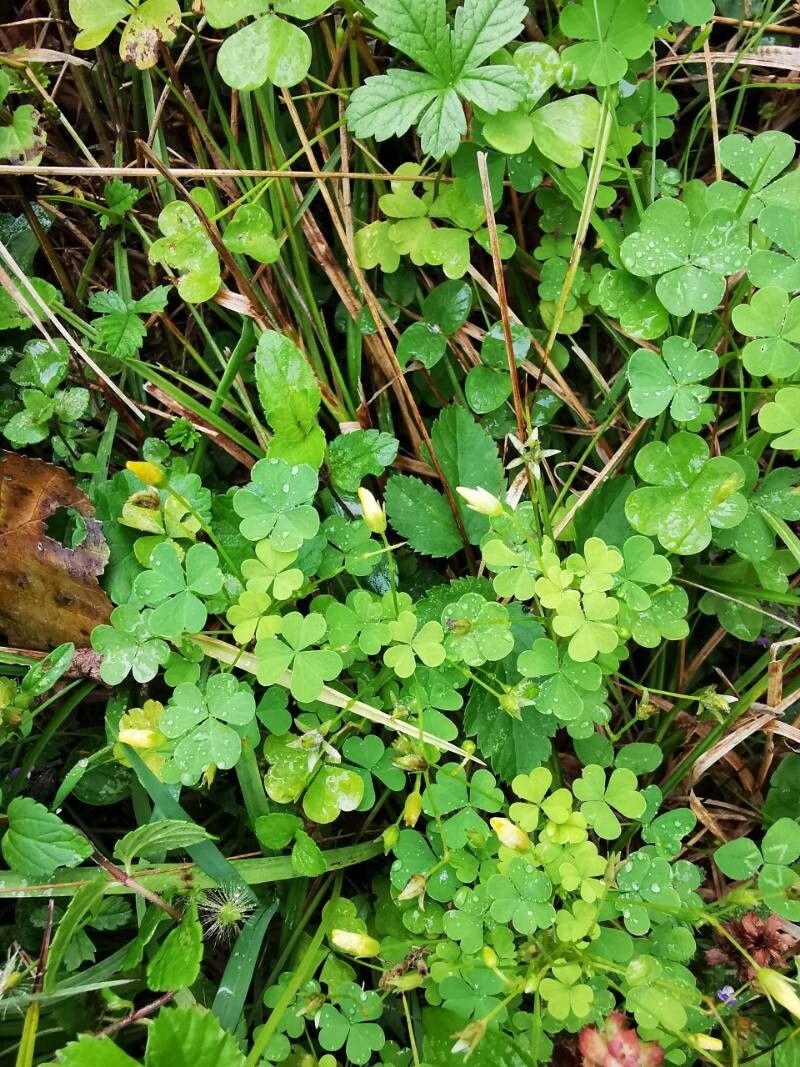
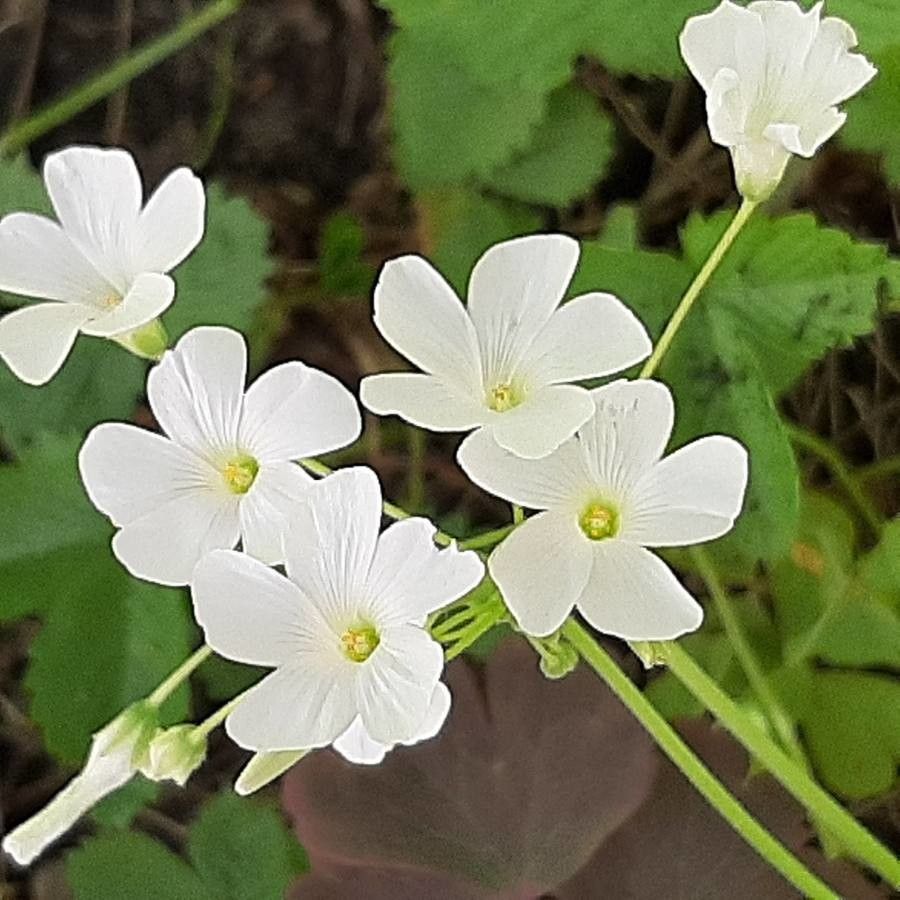
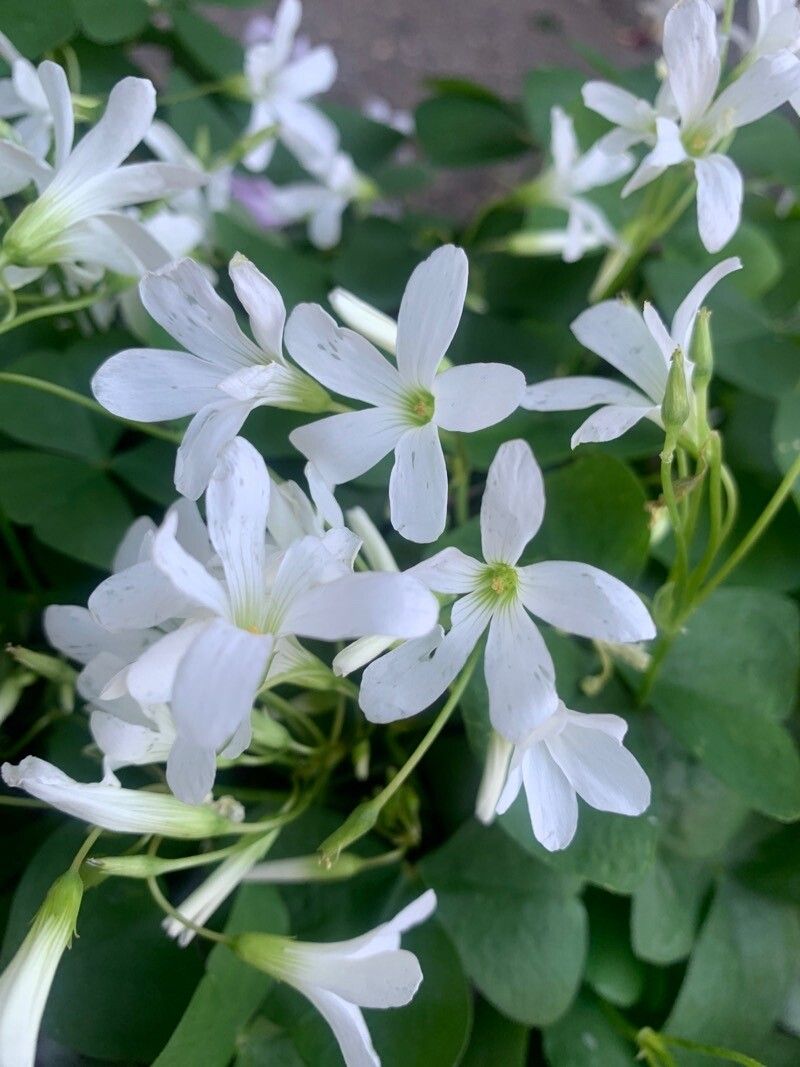
The leaves of Oxalis incarnata are trifoliate, featuring heart-shaped leaflets that are green on the top and purplish-red underneath. The plant produces flowers from late spring through summer, which are pink or pale purple and have five petals.
Oxalis incarnata is admired as an ornamental plant due to its delicate foliage and colorful flowers. It can be successfully grown in gardens or containers, provided it receives partial shade or filtered sunlight. Though the Pink Wood Sorrel prefers moist soil, it can tolerate drought conditions once established.
Beyond its ornamental appeal, Oxalis incarnata possesses medicinal properties due to its high oxalic acid content. Indigenous people have used it for centuries to treat various ailments, such as fever, diarrhea, and sore throat.
Overall, the Pink Wood Sorrel is an attractive perennial herb that enhances both indoor and outdoor spaces while offering medicinal benefits when used appropriately and under medical supervision.
Pale pink-sorrel has strong resistance to disease and is generally not susceptible to ailments. However, it can be affected by pests and diseases present in its environment. These problems tend to be mild. In terms of care, this plant needs a moderate amount of attention. It should be pruned regularly to keep a neat appearance and support healthy growth. Fertilizing can also help encourage flowering. Pale pink-sorrel is appropriate for anyone with outdoor space, such as a garden or patio, and does not require extensive plant-care experience. It may need more attention when kept indoors.
How to keep Oxalis Incarnata.
Light
Pale pink-sorrel does best in places that get direct sun for most of the day, though it can still grow moderately where sunlight is intermittent. Excessive sun can cause it to dry out, while insufficient light may impede its growth. The plant's native habitat is similar to areas with unfiltered sunlight.
Water
Pale pink-sorrel flourishes in conditions of moderate moisture and balanced humidity. It needs consistently moist soil, but it should not be waterlogged. To maintain its vitality, water it weekly. Additionally, occasional misting can enhance its lush appearance, making it especially appealing as an indoor plant.
Humidity
This plant will thrive in moderate humidity, which is probably the level in your home. However, misting it a few times a week can be very beneficial. Make sure the room has good ventilation.
Temperature
Native to temperate zones, pale pink-sorrel prefers temperatures of 59 to 95 °F (15 to 35 ℃). For optimal growth, indoor temperatures may need adjusting during periods of extreme heat or cold.
Fertilizer
For Pale pink-sorrel, the best time to apply fertilizer is in early spring as the flowers are forming. Using the proper fertilizer promotes stronger blooms and helps Pale pink-sorrel produce attractive flowers. Fertilizing at that early-spring stage ensures excellent flowering throughout the season and provides energy for periods of dormant growth.
Pruning
Pale pink sorrel showcases delicate light pink flowers. To maintain healthy growth, prune it from early to late spring, before new growth begins. Remove any dead stems and thin out overcrowded areas to improve air circulation. This encourages bushier growth and more abundant blooms. Always use clean, sharp tools when pruning to minimize stress on the plant and prevent disease.
Botanical profile.
- Plant Type
- Herb
- Life Cycle
- Perennial
- Genus
- Oxalis
- Family
- Oxalidaceae
- Hardiness Zone
- 8-10
- Mature Height
- 20 cm
- Mature Spread
- 40 cm
- Leaf Color
- Green, Light Green
- Leaf Type
- Deciduous
- Flower Color
- Pink, White
- Flower Size
- 2.54 cm to 5.08 cm
- Bloom Time
- Mid spring, Late spring, Early summer, Mid summer
- Planting Time
- Spring, Summer, Autumn
- Harvest Time
- Summer, Early fall
- Native Area
- South Africa
Other names.
Reader questions.
How should I water my Pale pink-sorrel plant?
When watering the Pale pink-sorrel, it is recommended to use filtered water at room temperature. Tap water may contain harmful particles, so filtered water is a better option. The plant prefers warm conditions, so it is best to avoid using cold water as it can shock the system. Overhead watering should also be avoided to prevent foliage complications. Instead, water the plant by applying filtered room temperature water directly to the soil until it is completely soaked. This method helps moisten the roots and supports their spreading and nutrient collection.
Why is it important to fertilize my Pale pink-sorrel?
Fertilization is important for the Pale pink-sorrel because it provides essential nutrients for its growth. While the Pale pink-sorrel usually has low fertilization needs and can survive without it, annual fertilization can be highly beneficial. It not only helps to keep the plant alive but also enhances the quality and longevity of its flowers. To ensure the best appearance of their Pale pink-sorrel, individuals should consider annual fertilization.
What are the sunlight requirements for Pale pink-sorrel?
Pale pink-sorrel, known botanically as Oxalis incarnata, requires full sun exposure of above 6 hours of sunlight daily for optimal growth. However, it can also grow moderately well with partial sun, about 3-6 hours of sunlight each day. It's important to observe how sunlight moves through your garden to ensure that your plants receive a balanced amount of light and shade. For indoor plants that don't get enough natural light, artificial lighting can be a beneficial solution. LED lights are a popular choice and should be set up to provide the necessary light intensity and duration. Full sun plants need 30-50W/sq ft, partial sun plants 20-30W/sq ft, and full shade plants 10-20W/sq ft of artificial light. The lights should be placed 12-36 inches above the plant and kept on for 8-12 hours per day.
What is the native environment and preferred temperature range for Pale Pink-Sorrel?
Pale Pink-Sorrel (Oxalis incarnata) is native to temperate zones, thriving in a temperature range between 59 to 95°F (15 to 35°C). For optimal growth, especially in regions experiencing extremely hot or cold weather, adjustments to indoor temperatures might be necessary to mimic its native conditions. Although it exhibits some degree of cold tolerance, special precautions should be taken when temperatures are expected to drop below -5°C to protect the plant from cold damage.
What should I do if I give too much or too little water to my pale pink-sorrel plant?
Overwatering is a common issue for Pale pink-sorrel and can cause wilting, yellowing of leaves, and diseases like root rot. Underwatering is less common but can lead to brittle, brown leaves. It's important to recognize signs of overwatering early to prevent irreversible damage. Reduce watering if you notice early signs and check the soil's drainage. Replace poorly draining soil with a well-draining mix. If underwatering is the issue, simply water more regularly until the signs improve.
When should I put fertilizer on my Pale pink-sorrel plant?
The best time to fertilize a Pale pink-sorrel is in late winter to early spring when it is coming out of dormancy and starting to grow. Fertilizing during this time promotes healthy growth and sets the plant up for a strong season. While it's generally best to fertilize in spring, it is also possible to fertilize in the fall, but avoid doing so in summer and winter.
What are the consequences of insufficient or excessive sunlight for Pale pink-sorrel?
Excessive sunlight can lead to dehydration, chlorosis (where leaves turn yellow), sunscald resulting in bleached or damaged plant areas, leaf curling as a defense mechanism against sunlight, wilting due to increased water loss, and leaf scorching characterized by brown, dry edges on leaves. On the other hand, insufficient sunlight can result in symptoms like small, immature new leaves, leggy or sparse growth, premature leaf drop, halted growth, lighter-colored or pale new leaves. These symptoms indicate that the plant is not receiving the optimal light level for healthy growth and photosynthesis.
How does Pale Pink-Sorrel React to Low Temperatures?
Pale Pink-Sorrel has a moderate tolerance to low temperatures, performing best when the temperature remains above 15°C. During winter months, it is critical to ensure that the temperature does not fall below -5°C. Exposure to temperatures below -10°C can cause the leaves to droop, which may lead to wilting and eventual leaf drop in severe cases. To protect the plant from cold damage, it is recommended to trim off frost-damaged parts and wrap the plant with insulating materials, such as non-woven fabric, and construct wind barriers if low temperatures are expected again.
How frequently should I water my Pale pink-sorrel plant?
If your Pale pink-sorrel is in a pot, the best way to determine if it needs water is by checking the soil. Simply stick your finger into the soil and if the top two to three inches are dry, it's time to water. The same method can be used for Pale pink-sorrel grown outdoors in the ground. Once the top few inches of soil have dried out, it's time to water. Typically, during spring and early fall, watering once a week is sufficient. However, during extremely hot weather, you may need to water twice or more per week. It's worth noting that mature, well-established Pale pink-sorrel plants can tolerate drought conditions well.
When is the best time to not fertilize my Pale pink-sorrel?
To properly care for your Pale pink-sorrel, it is best to fertilize it only during late winter and early spring. This plant has low fertilization needs, so a single annual feeding should be enough. Avoid fertilizing throughout spring, summer, and fall to prevent overfertilization and potential complications. However, if you forgot to fertilize in spring, you can feed the plant in fall. During winter, when the Pale pink-sorrel is in a dormant phase and not growing, there is no need to fertilize. Fertilizing during most of the winter is not recommended.
How can I address light-related issues for my Pale pink-sorrel?
If your Pale pink-sorrel is experiencing symptoms related to improper light exposure, consider the following solutions: For indoor environments, gradually move plants to locations with more sunlight or use artificial lights, like desk lamps or grow lights, to provide at least 6 hours of direct sunlight daily. For outdoor plants, transition them slowly to brighter areas to prevent sunburn. Reducing obstructions like trees can also increase light exposure. If relocating plants, do so during their dormant period, usually late winter or early spring, ensuring the new location has adequate sunlight and drainage. Remember, while affected parts of the plant might not recover, new growth should be healthy with proper light management.
How does Pale Pink-Sorrel React to High Temperatures?
In the summer, Pale Pink-Sorrel should ideally be kept below 35°C to avoid stress and damage to the plant. Temperatures exceeding 41°C can lead to discoloration, with leaves turning lighter and tips potentially drying and withering, alongside increased susceptibility to sunburn and leaf curling. To mitigate high-temperature stress, affected parts of the plant should be trimmed away. Moving the plant to a shaded location or using shade cloth can protect it from the harsh midday and afternoon sun. Additionally, watering the plant in the morning and evening will help keep the soil appropriately moist.