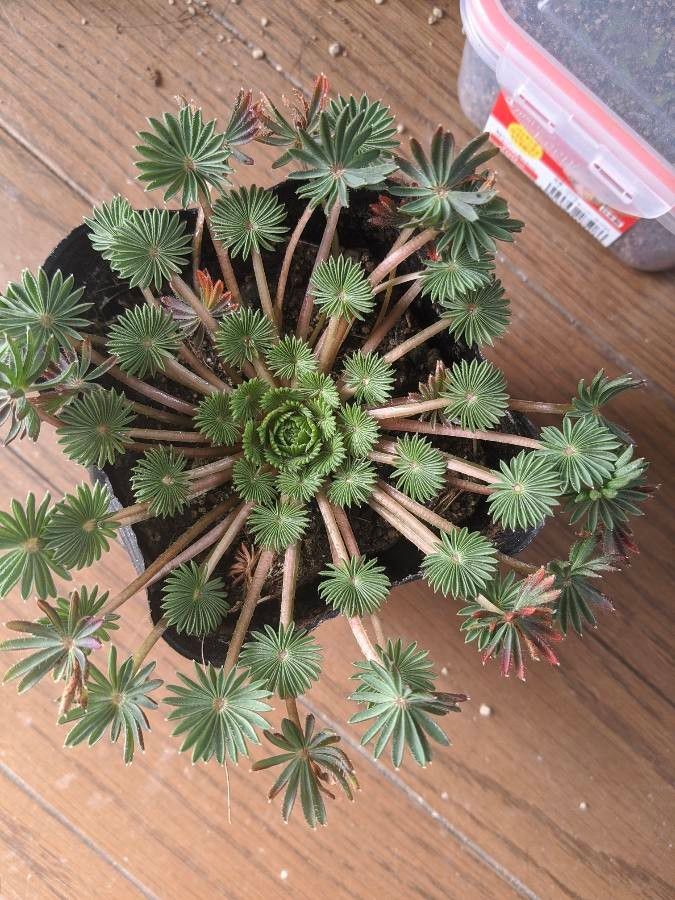
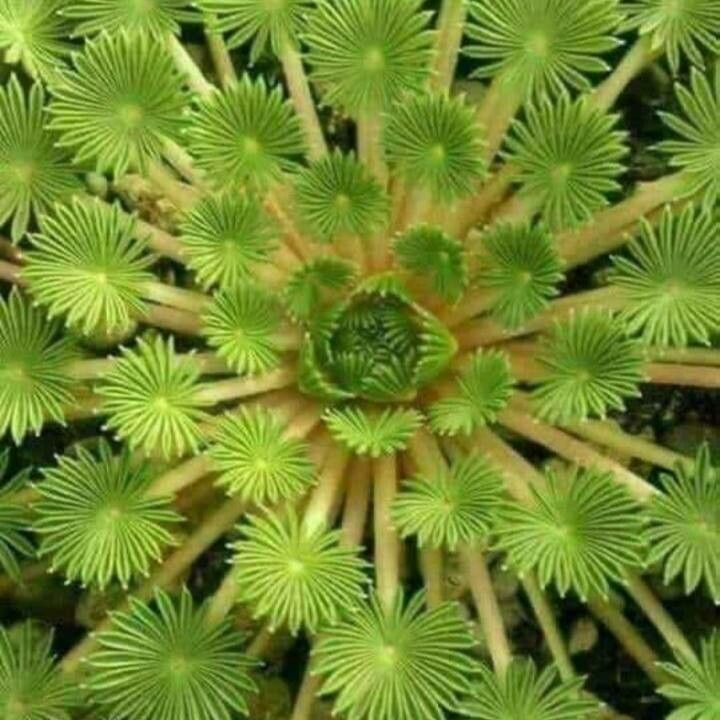
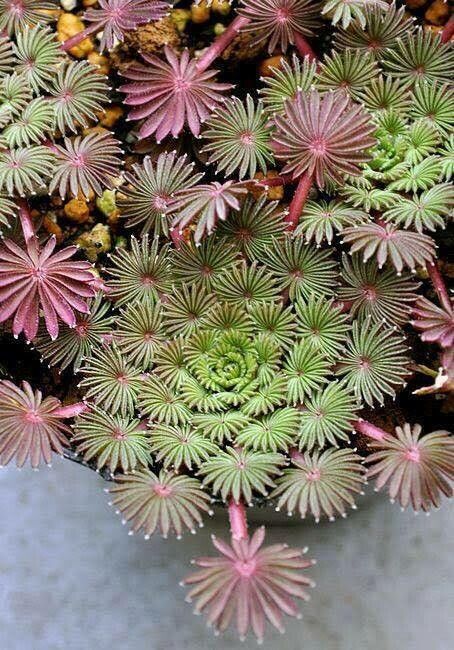
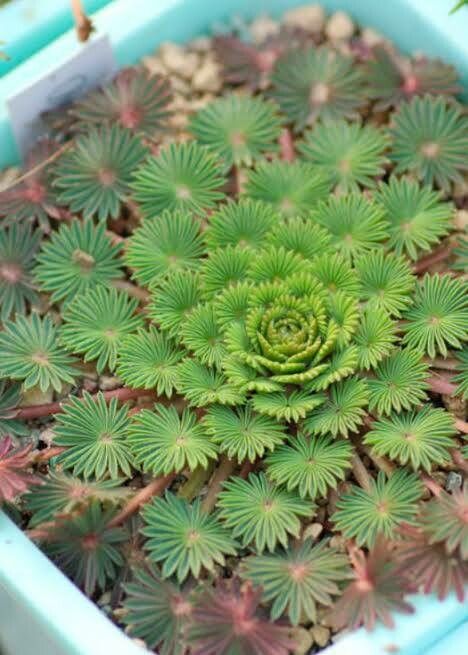
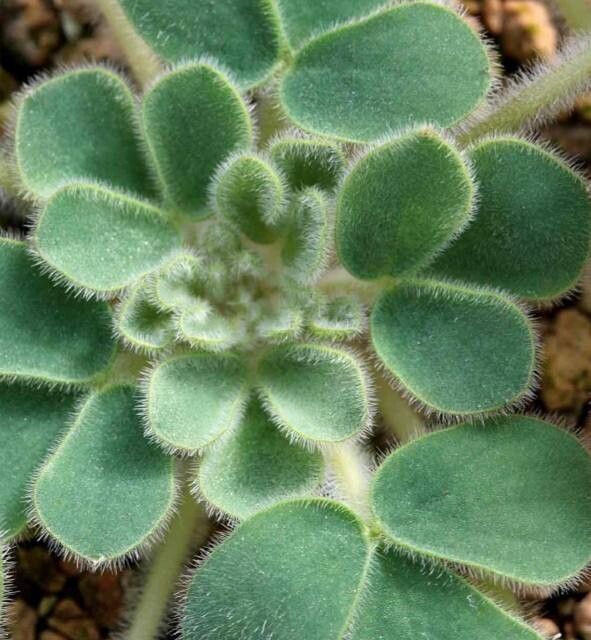
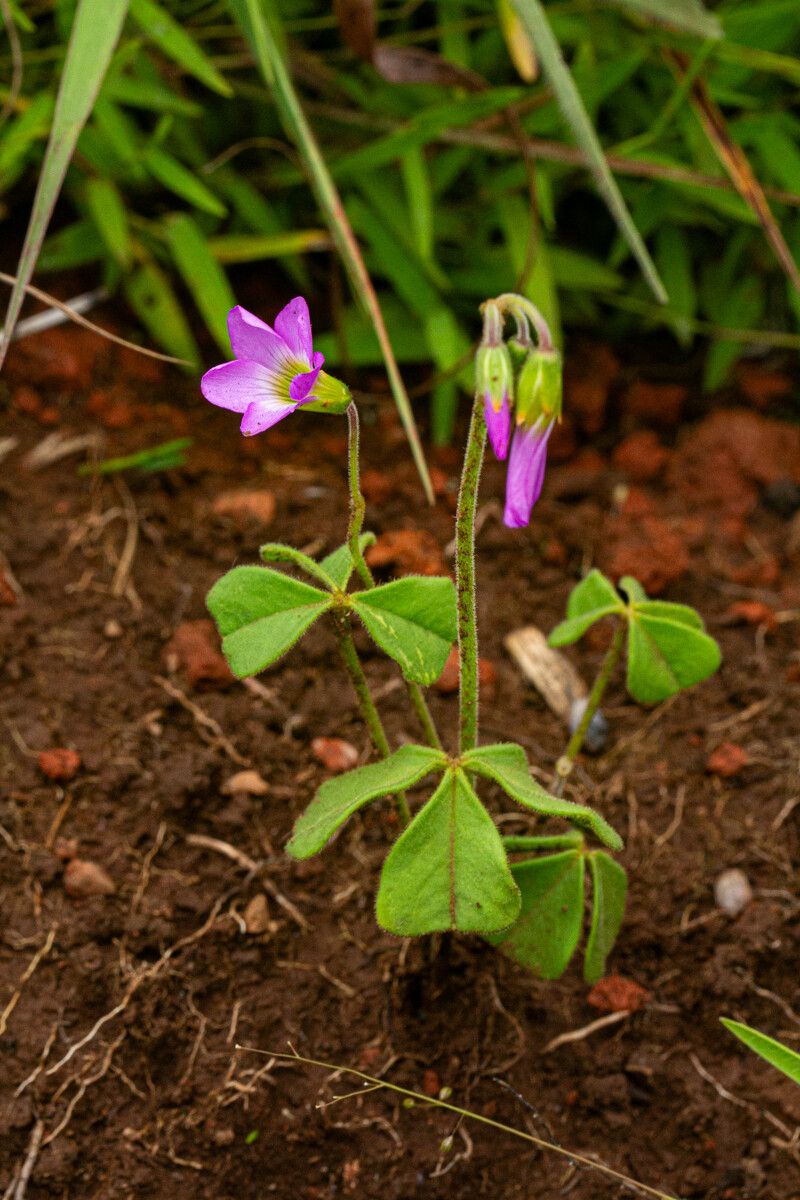
Oxalis palmifrons is a unique and attractive plant belonging to the Oxalidaceae family. Commonly known as the Palm-leaved Wood Sorrel, it gets its name from its distinctive palm-shaped leaves. Native to South Africa, this plant can grow up to 30 cm in height.
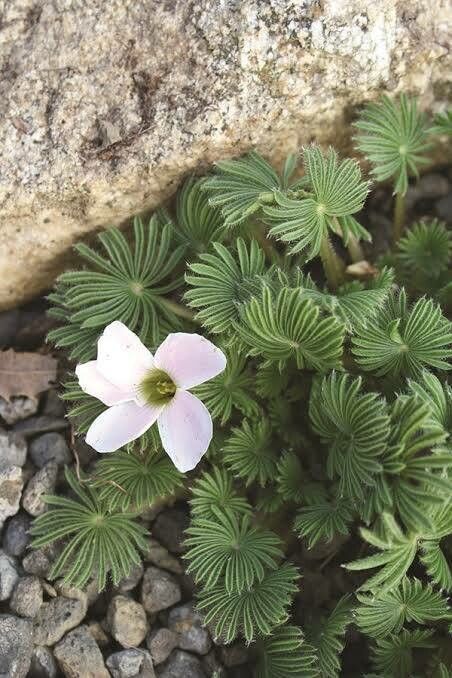
The leaves of Oxalis palmifrons are bright green, with five leaflets arranged like the fingers of a hand. The leaflets have a glossy texture and slightly curled edges, giving them an intriguing appearance.
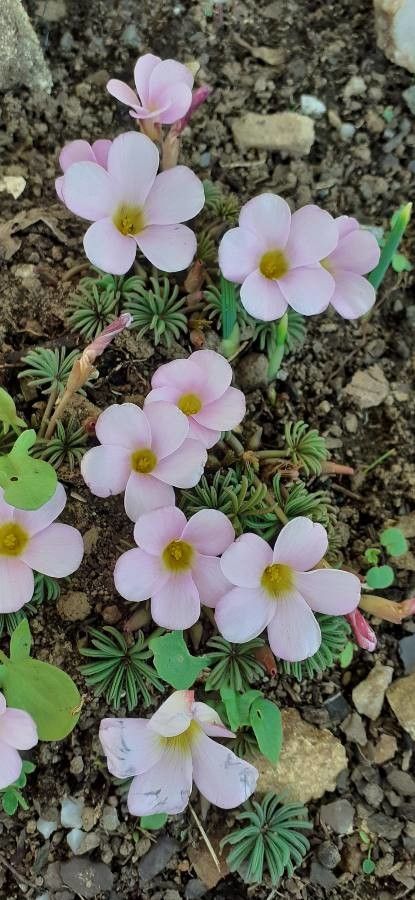
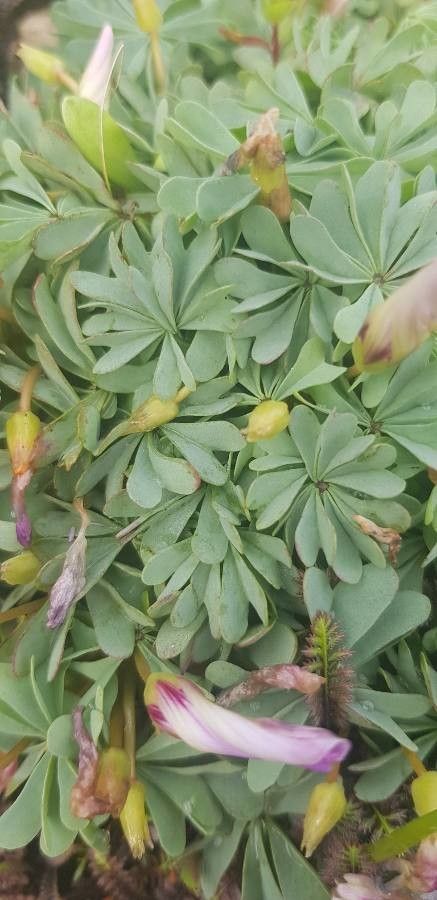
In late winter or early spring, the plant produces small pink or white flowers with yellow centers. These blooms grow on long stalks that rise above the foliage.
Oxalis palmifrons thrives in well-draining soil and partial shade, though it can tolerate full sun if given sufficient water. It is an easy-to-grow plant that requires minimal care once established.
With its attractive foliage and delicate blooms, this plant makes an excellent addition to any garden or indoor space. Its low maintenance needs make it ideal for beginner gardeners seeking an easy yet visually appealing plant.
Wood-sorrel has good resistance to disease and is generally not susceptible to illnesses. Nevertheless, it can be affected by pests and diseases present in its environment. Such infections are typically not serious. For care, this plant needs moderate maintenance. It should be pruned regularly to keep a neat appearance and support healthy growth. Fertilizing can also help encourage flowering. Wood-sorrel is suitable for anyone with outdoor space, such as a garden or patio, and does not require extensive experience in plant care. It may need more attention when grown indoors.
How to keep Oxalis Palmifrons.
Light
Wood-sorrel is native to habitats like forest understories and rocky areas, where it grows in natural shade. It prefers partial sun but can also tolerate full sun or full shade, showing its versatile, hardy nature.
Water
Wood-sorrel requires a moderate amount of water, but it's important to avoid waterlogging the soil. Water the plant when the top inch of soil feels dry, making sure the top two inches stay moist but not too wet. Whenever possible, use rainwater, as it's beneficial for the plant. If rainwater is not available, tap water is fine as long as it's not excessively hard or cold.
Humidity
This plant will thrive in moderate humidity, which is probably the level in your home. However, misting it a few times a week can be very beneficial. Make sure the room has good ventilation.
Temperature
Wood-sorrel comes from tropical areas, where conditions are usually warm and humid. Consequently, it is adapted to high heat and moisture. It does not tolerate sudden temperature shifts and prefers a steady temperature, so avoiding indoor temperature swings is important. It typically cannot withstand cold and needs warmer conditions to grow. If temperatures fall too low, the plant may stop growing or even die.
Fertilizer
Appropriate fertilization is essential for Wood-sorrel's health and appearance. Fertilize Wood-sorrel in summer, applying it monthly throughout the season. Nutrients fuel growth and support the plant's parts. Fertilization improves Wood-sorrel's flowering, ensuring the best blooms.
Pruning
To maintain healthy wood-sorrel plants, it is best to prune them during their winter dormancy, after the foliage has withered. Remove any dead leaves once they have turned brown, as this is a normal part of the plant's life cycle. You can expect new growth to start appearing in 2 to 4 weeks following pruning. Remember to always disinfect your pruning tools to minimize the risk of cross-contamination.
Pot & Repot
When repotting Wood-sorrel, select a container 1–2 inches (2.5–5.1 cm) larger with good drainage. Use a well-draining potting mix. Repot in spring or fall, making sure the root ball sits slightly below the pot rim. Water thoroughly after repotting and place in a warm spot with indirect sunlight.
Botanical profile.
- Plant Type
- Herb
- Life Cycle
- Perennial
- Genus
- Oxalis
- Family
- Oxalidaceae
- Hardiness Zone
- 7-11
- Mature Height
- 10 cm
- Mature Spread
- 49 cm
- Leaf Color
- Green
- Leaf Type
- Deciduous
- Flower Color
- White, Pink
- Flower Size
- 1.02 cm to 2.03 cm
- Bloom Time
- All year round
- Planting Time
- Spring, Summer, Autumn
- Harvest Time
- All year round
- Native Area
- South Africa