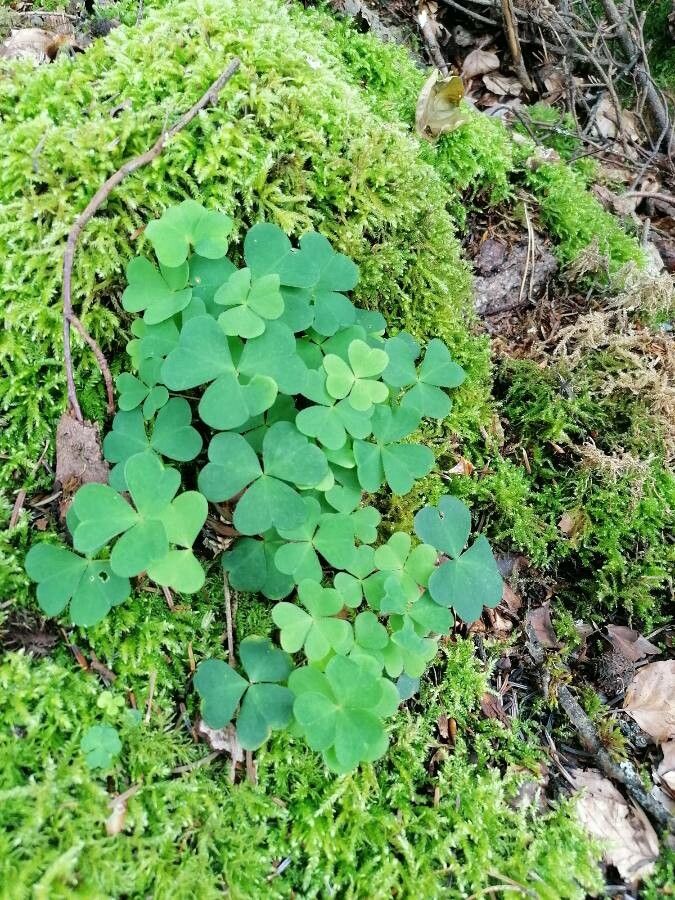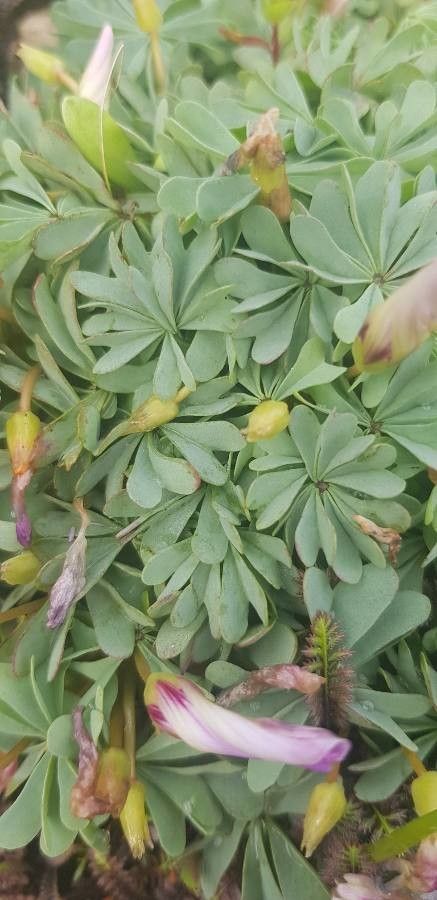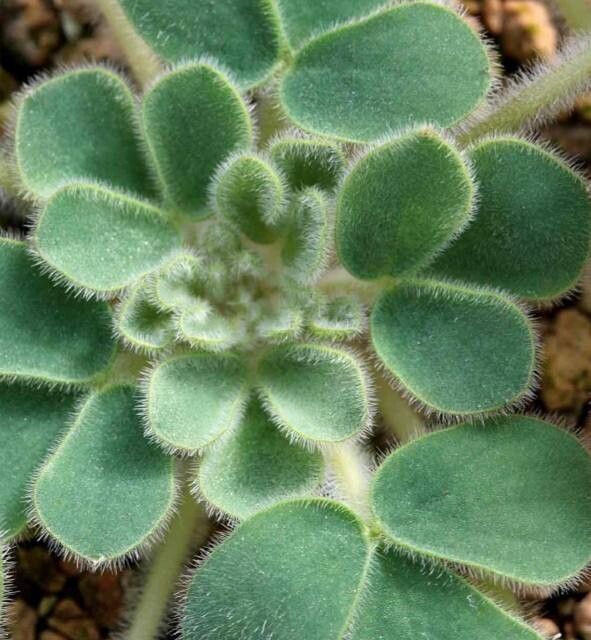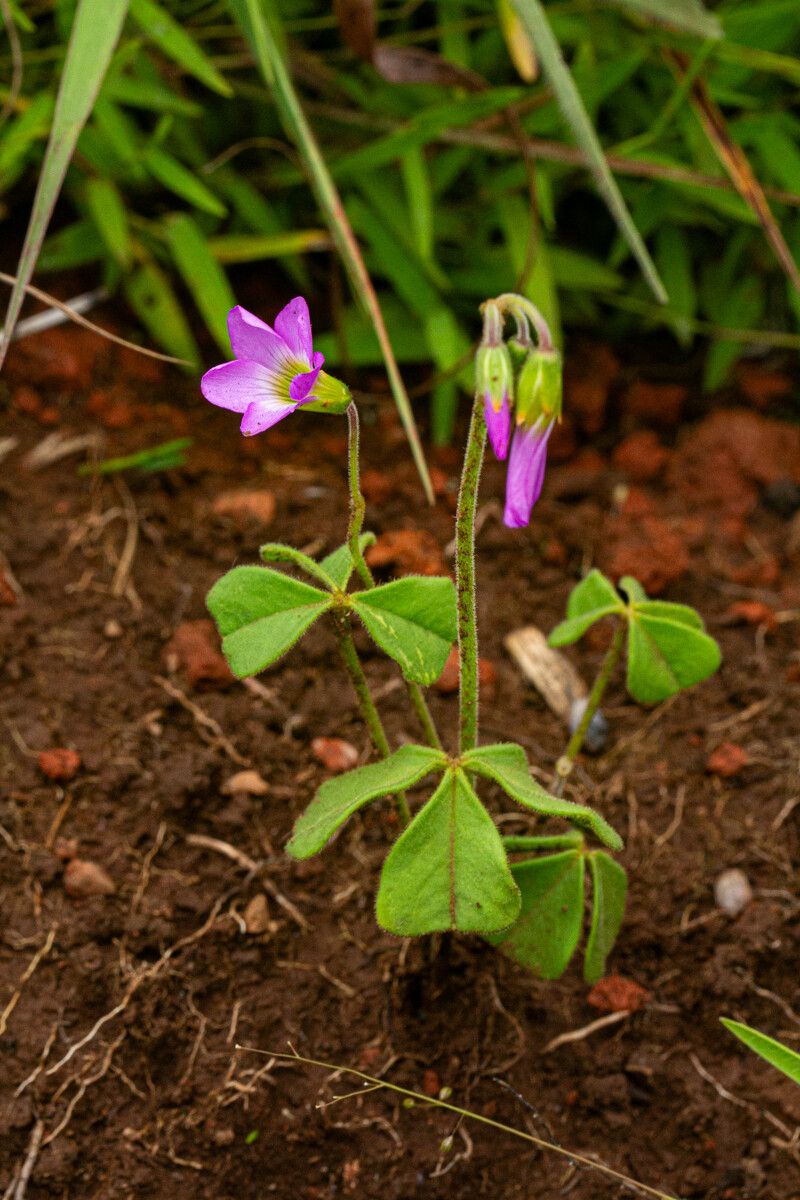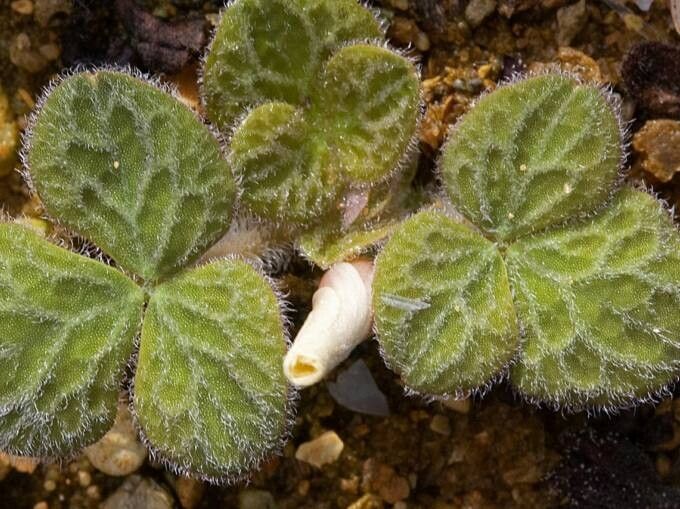
Oxalis pulchella is a species from the genus Oxalis. The species was first described by Richard Anthony Salisbury.
Violet woodsorrel is fairly resistant to diseases and typically does not suffer from them. Still, it can be affected by pests and illnesses present in its environment. Such problems are generally mild. Care-wise, this plant needs a moderate amount of attention. Regular pruning is necessary to preserve its appearance and encourage healthy growth. Applying fertilizer can also support better flowering. This species is appropriate for anyone who has outdoor space, for example a garden or patio, and it does not demand extensive gardening experience. It may call for increased care when cultivated indoors.
How to keep Oxalis Pulchella.
Light
The violet woodsorrel flourishes under sufficient sunlight yet can adjust to lower light intensities. The plant's original habitat, which was in wide-open woodland clearings, allowed plenty of sunlight access, thereby promoting vigorous growth. Either surplus or deficient light may negatively impact the plant's health.
Temperature
The violet woodsorrel originates from moderate climates and favors temperatures that span from 41 to 95 °F (5 to 35 ℃). Adjusting the temperature accordingly during extreme seasons is vital to keep it within this ideal range.
Fertilizer
The optimal period to nourish a Violet woodsorrel is in the onset of spring, as it awakens from dormancy and begins to grow actively. Fertilization supplies essential nutrients for robust growth. Despite the fact that Violet woodsorrel doesn't require a lot of fertilization, yearly nourishment can boost its longevity and encourage more durable, longer-lasting blooms.
Botanical profile.
- Plant Type
- Herb
- Life Cycle
- Perennial
- Hardiness Zone
- 5-9
- Mature Height
- 15 cm to 23 cm
- Mature Spread
- 15 cm to 25 cm
- Leaf Color
- Yellow, Gold, Purple, Lavender
- Leaf Type
- Deciduous
- Flower Color
- Pink, Purple
- Flower Size
- 2.54 cm to 5.08 cm
- Bloom Time
- Mid spring, Late spring, Early summer
- Planting Time
- Autumn
- Harvest Time
- Early summer, Mid summer
- Native Area
- Mexico