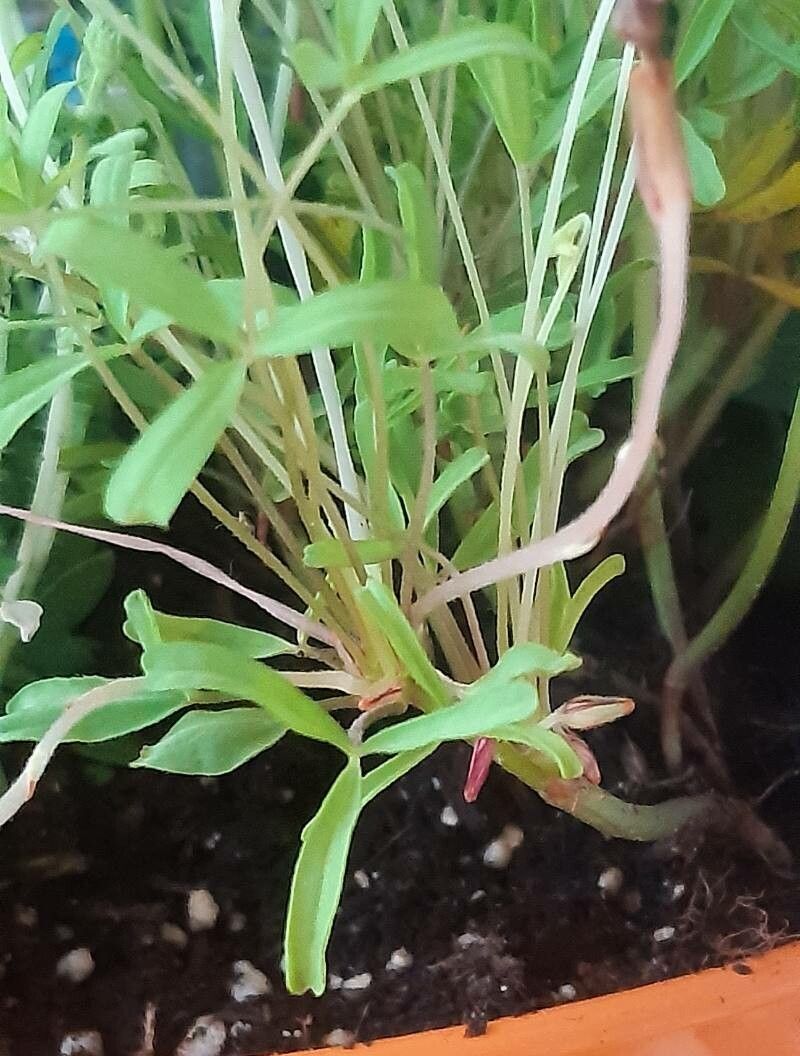
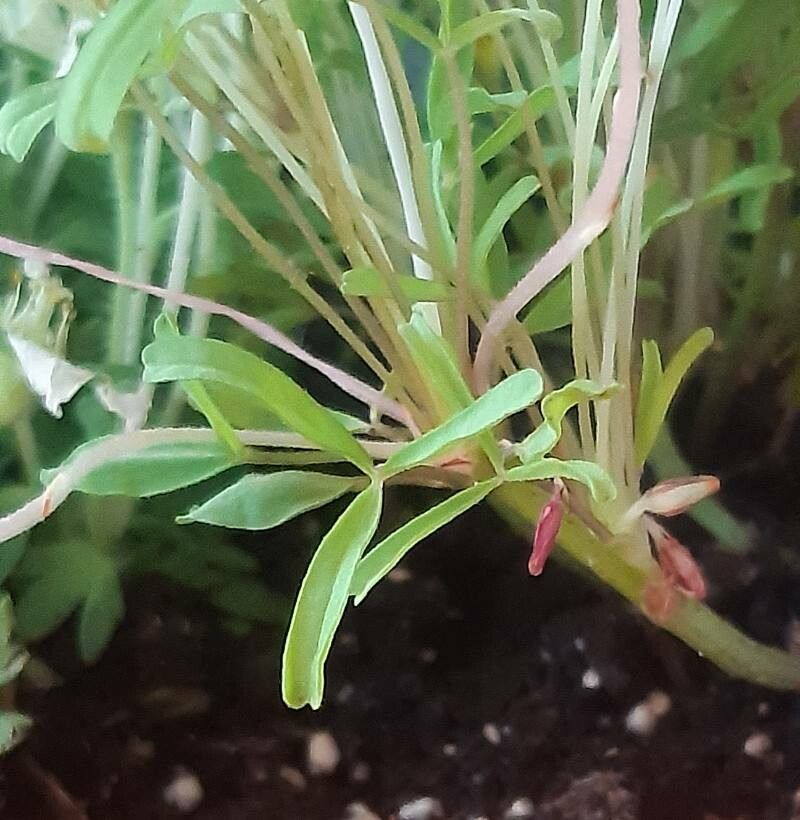
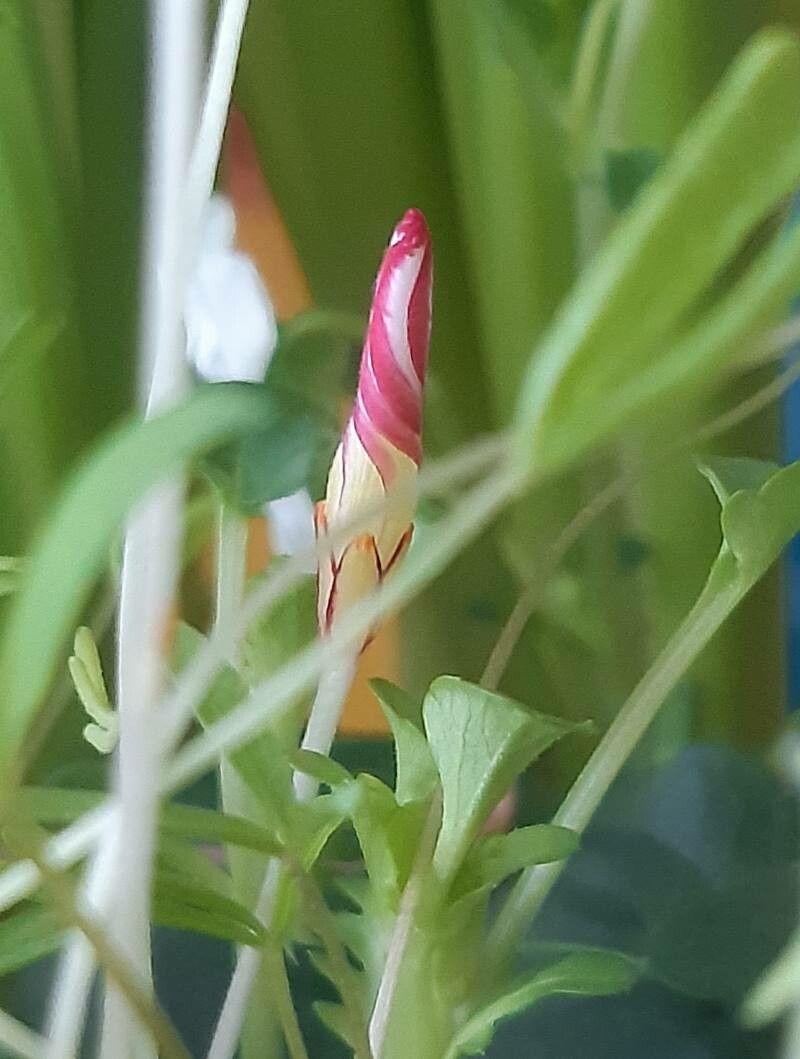
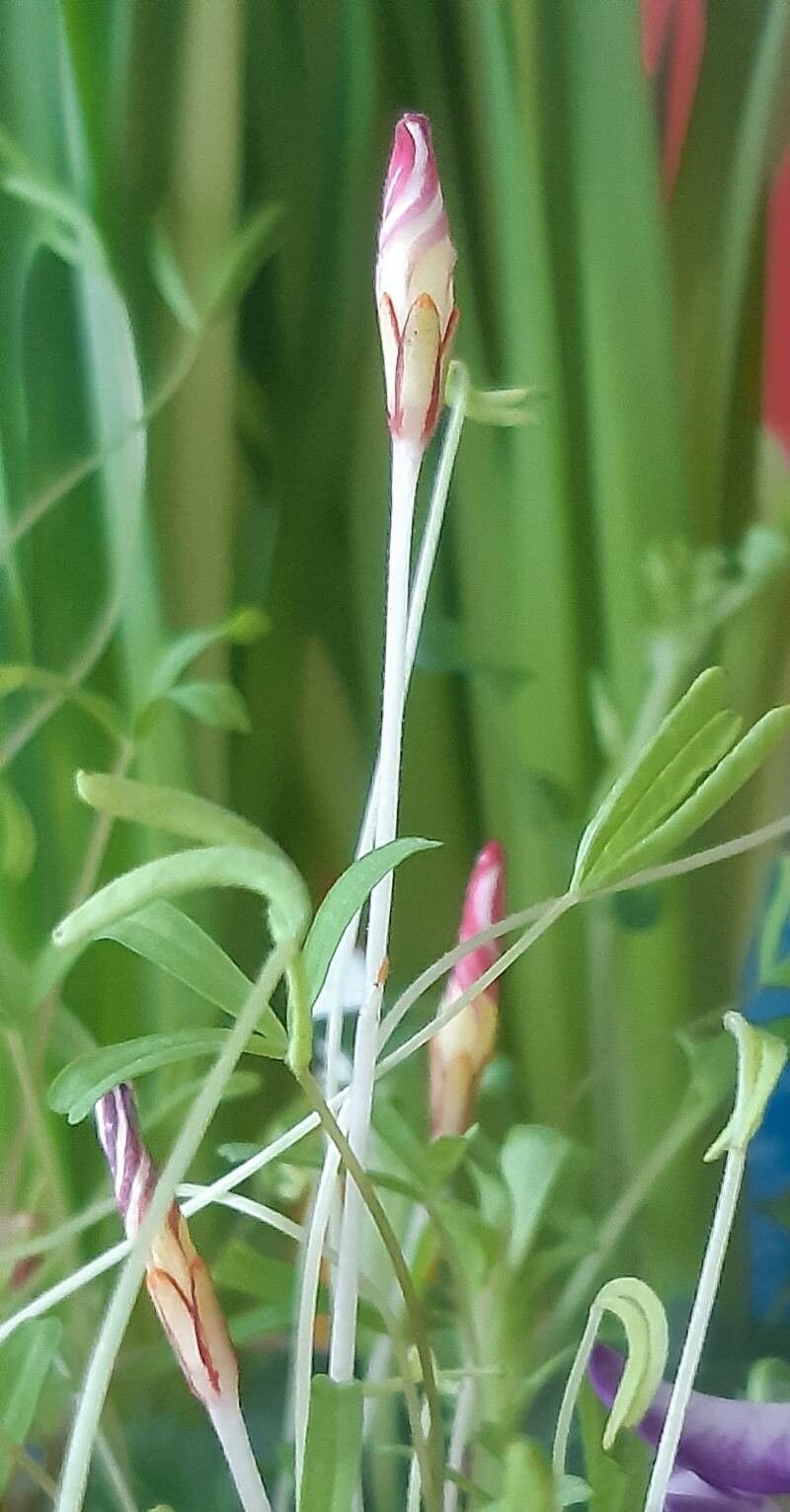
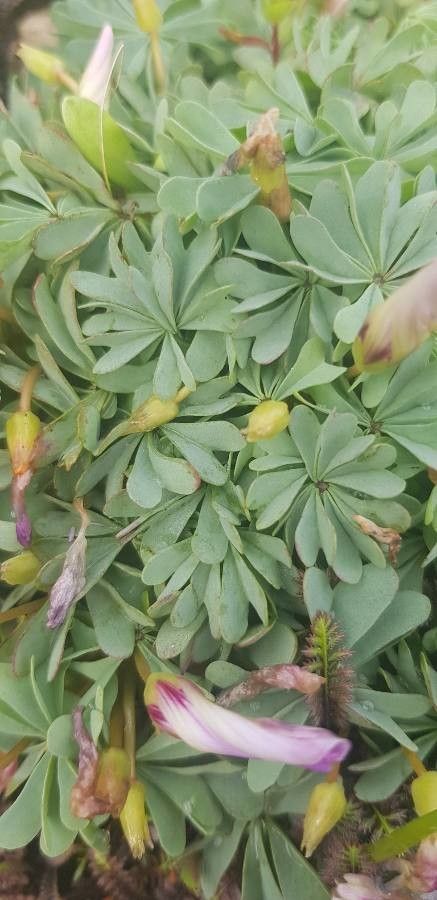
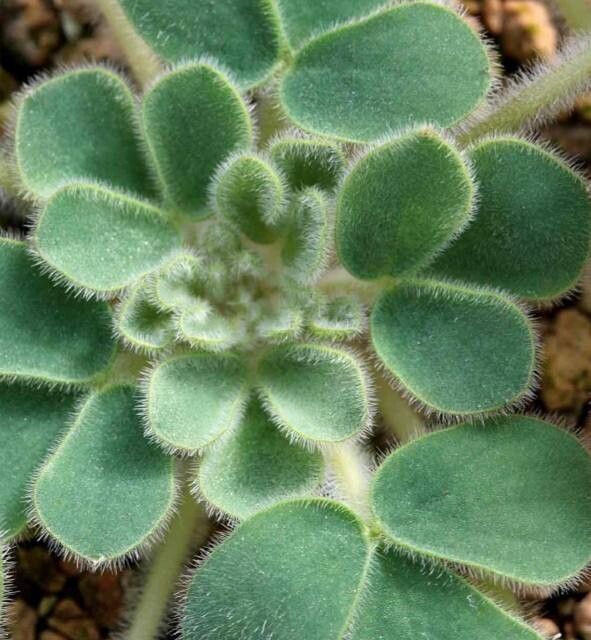
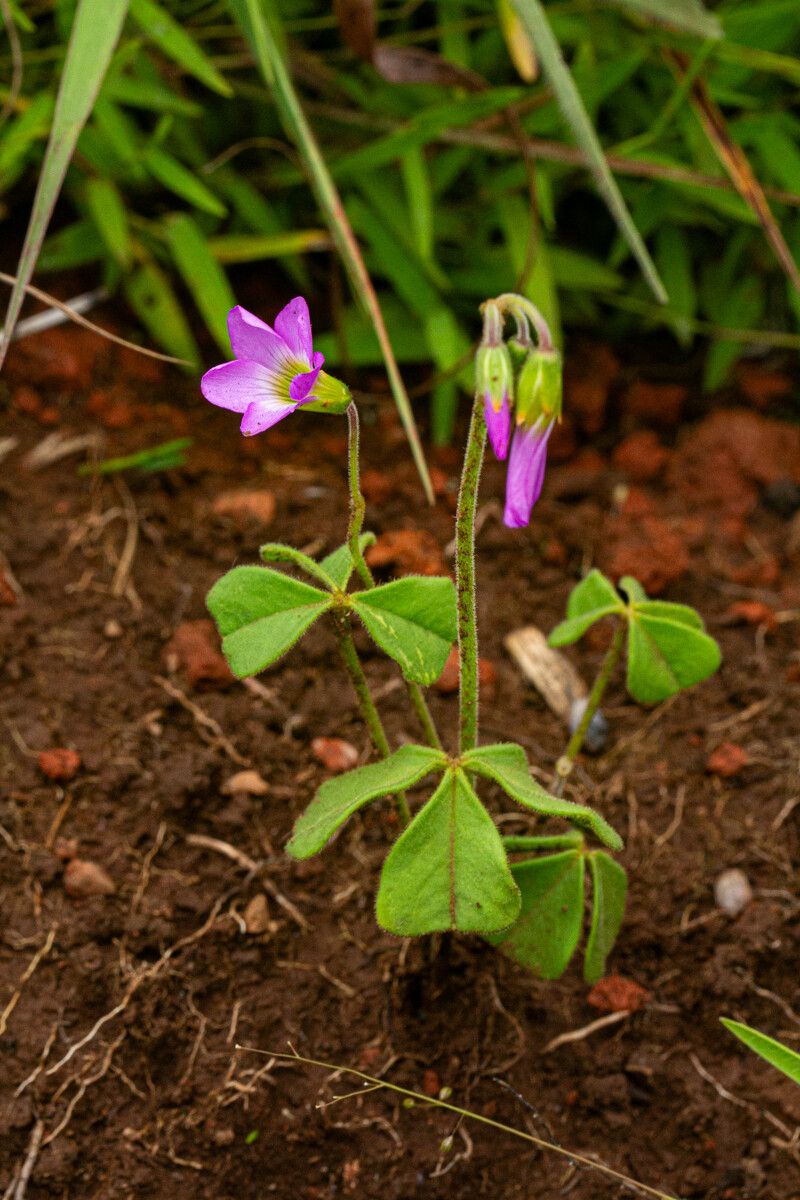
Oxalis versicolor or candy cane sorrel is a species of flowering plant in the family Oxalidaceae found in South Africa.
Peppermint rock sorrel has strong disease resistance and is generally not prone to illnesses. Still, it can be vulnerable to pests and diseases present in its environment. Such infections are typically mild. Regarding care, this plant needs moderate upkeep. It should be pruned regularly to preserve an attractive appearance and healthy growth. Applying fertilizer can also help encourage flowering. Peppermint rock sorrel is appropriate for anyone with outdoor space, like a garden or patio, and does not demand extensive care experience. It may need more attention when cultivated indoors.
How to keep Oxalis Versicolor.
Light
Peppermint rock sorrel grows best in places with plenty of sunlight, though it can endure moderately lit settings. The level of sunlight is important for its healthy development. Its native habitat is mainly bright environments. However, too much exposure can stress the plant, while too little light may prevent it from achieving optimal growth.
Water
Peppermint rock sorrel thrives in high humidity and requires soil that is consistently moist yet well-draining. To encourage lush growth, water the plant weekly. Using rainwater instead of tap water can enhance its growth cycles, leading to healthier plants.
Temperature
Peppermint rock sorrel originates from areas where temperatures are between 59 and 95 °F (15 to 35 ℃). It favors milder climates and might need adjustments to temperature, for example supplemental heating in colder seasons or placing it in a cooler location during hotter months.
Fertilizer
For Peppermint rock sorrel, the primary time to fertilize is in early spring when the flowers are forming. The appropriate fertilizer promotes stronger blooms and helps Peppermint rock sorrel produce attractive flowers. Fertilizing in early spring ensures good flowering during the season and supplies energy for dormant growth phases.
Pruning
Peppermint rock sorrel is known for its striking white and pink-striped flowers. To keep the plant healthy and well-shaped, prune it from late winter to early spring. This will help remove dead stems, promote growth, and maintain its shape. Regular trimming improves airflow, which reduces the risk of disease. Always use clean, sharp tools to ensure the best plant health.
Pot & Repot
Peppermint rock sorrel is a compact bulbous perennial that requires repotting every 2-3 years in the spring. When repotting, choose a slightly larger pot with good drainage and use well-draining soil. After repotting, place the plant in bright, indirect light and water it when the top layer of soil dries out. With moderate care, this plant thrives and produces charming candy-striped blooms.
Botanical profile.
- Plant Type
- Herb
- Life Cycle
- Perennial
- Genus
- Oxalis
- Family
- Oxalidaceae
- Hardiness Zone
- 7-9
- Mature Height
- 10 cm
- Mature Spread
- 25 cm
- Leaf Color
- Green
- Leaf Type
- Evergreen
- Flower Color
- White, Pink
- Flower Size
- 2.54 cm to 5.08 cm
- Bloom Time
- All year round
- Planting Time
- Spring, Autumn
- Harvest Time
- All year round
- Native Area
- South Africa
Other names.
Reader questions.
What are the sunlight requirements for Peppermint rock sorrel?
Peppermint rock sorrel requires areas with abundant sunlight to flourish, thriving best with more than 6 hours of direct sunlight daily (full sun) but can also tolerate about 3-6 hours of sunlight (partial sun). The plant originates from well-lit environments, and while it can handle moderate light, both excessive and insufficient sunlight can stress the plant. It's important to observe the movement of sunlight through your garden and pick locations that offer the right balance of light and shade.
How should artificial lighting be used for indoor Peppermint rock sorrel plants?
When natural sunlight is insufficient, especially during winter or in less sunny areas, artificial lighting becomes crucial for the growth of indoor Peppermint rock sorrel plants. Opt for LED lights as they can provide the specific wavelengths needed by the plants. Generally, full sun plants require 30-50W/sq ft, partial sun plants 20-30W/sq ft, and full shade plants 10-20W/sq ft of artificial light. Position the light source 12-36 inches above the plant to imitate natural sunlight and ensure it's on for 8-12 hours per day, depending on the species' needs.
What are the signs of inadequate lighting for Peppermint rock sorrel?
Signs of insufficient lighting in Peppermint rock sorrel include smaller new leaves, leggy or sparse growth, a tendency to shed older leaves earlier, halted growth, and paler new leaves indicating a lack of essential nutrients and chlorophyll. Conversely, symptoms of excessive sunlight exposure include chlorosis (yellowing leaves due to chlorophyll breakdown), sunscald (pale, bleached areas on leaves or stems), leaf curling (to minimize water loss), wilting (from excessive water loss), and leaf scorching (brown, dry, crispy leaf edges).
What solutions can be applied to address Peppermint rock sorrel's light-related issues?
To optimize Peppermint rock sorrel's growth, gradually increase its sunlight exposure to at least 6 hours daily by moving it to sunnier locations each week. For indoor plants not easily moved or lacking sunlight, use artificial lights like desk or ceiling lamps for a minimum of 8 hours a day, or employ plant grow lights. Outdoors, ensure a gradual adaptation to sunlight to prevent sunburn. If sunlight is blocked by trees or structures, consider pruning or transplanting smaller plants to sunnier areas with good drainage. Note that parts of the plant damaged by inadequate light might not recover, but increasing light exposure can promote healthy new growth.