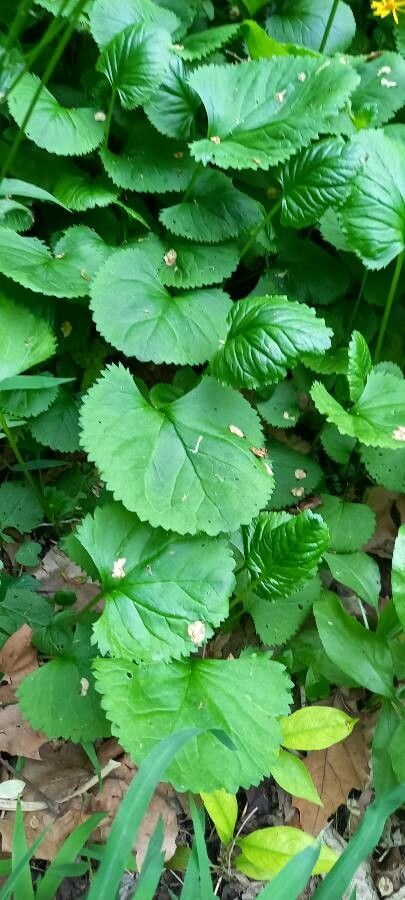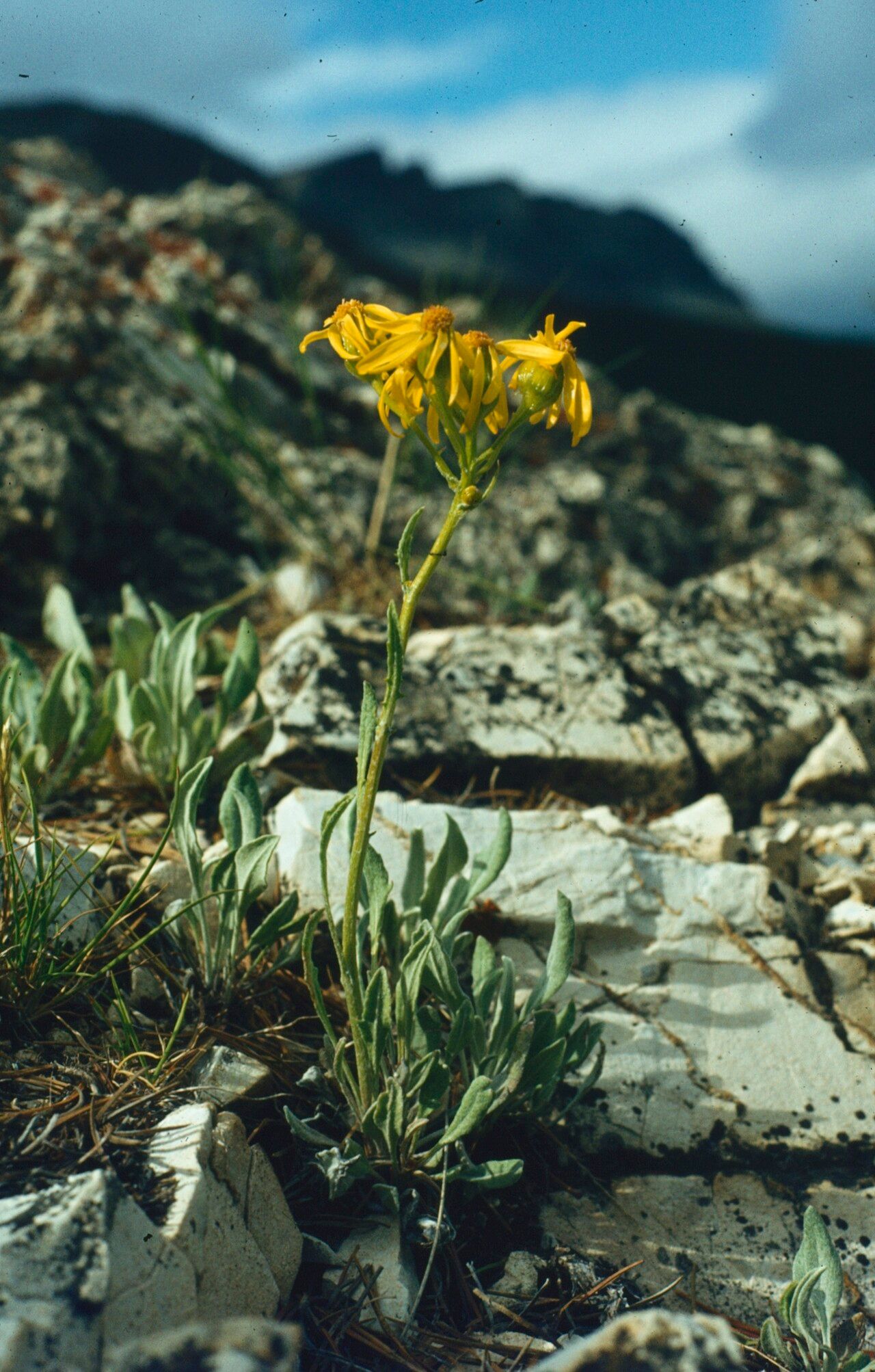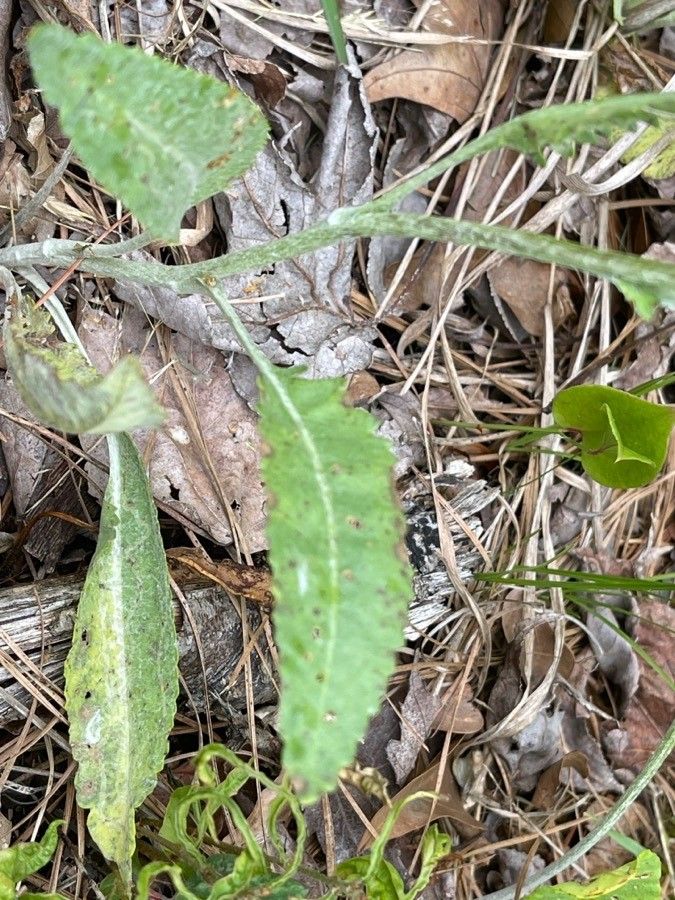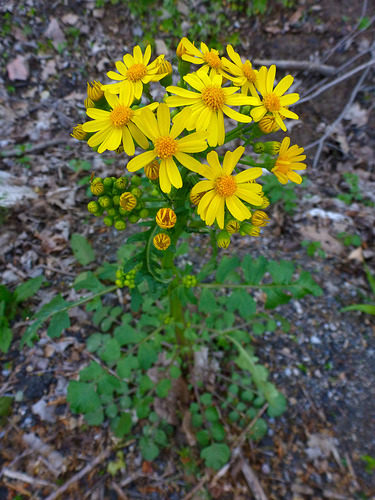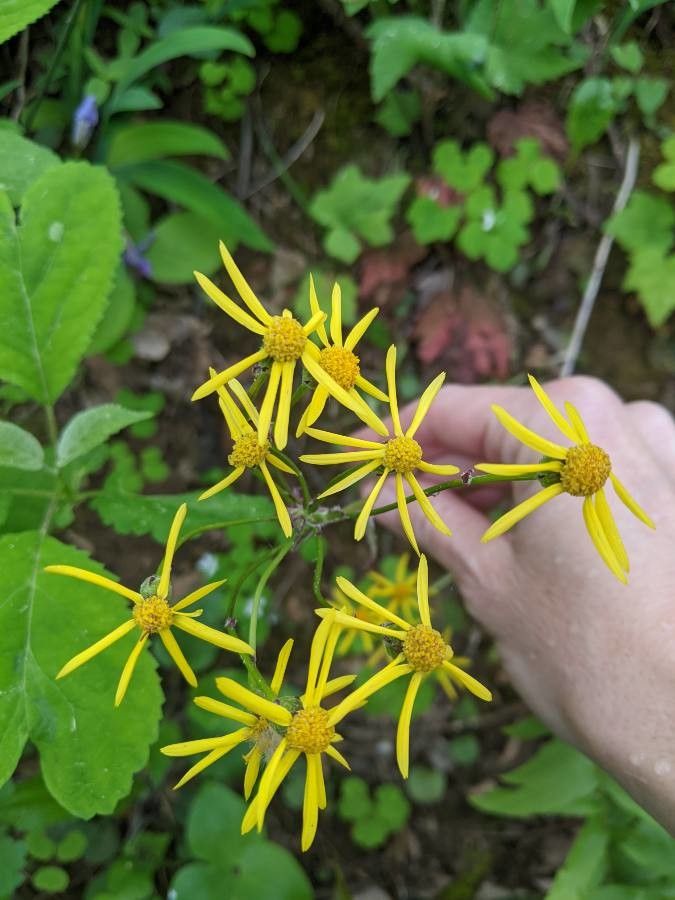
Packera anonyma, called Appalachian ragwort and Small's ragwort, is a flowering plant in the Asteraceae (aster family).
Small's ragwort is fairly resistant to disease and generally not inclined to develop illnesses. Still, it can be affected by pests and diseases present in its environment, though such infections are typically mild. Regarding care, this species requires a moderate level of attention. Regular pruning is necessary to preserve an attractive appearance and support healthy growth, and applying fertilizer can encourage more abundant flowering. This plant is well suited for anyone with outdoor space like a garden or patio and does not demand extensive gardening experience. It may, however, need additional care when cultivated indoors.
How to keep Packera Anonyma.
Light
Small's ragwort does best in locations with plenty of daily sunlight. This required light is crucial for encouraging its robust growth and supporting its various development stages. Nevertheless, it can also flourish in places with moderate sun, demonstrating resilience. Too much or too little of this important factor may impede its growth, a result of its origin in habitats with strong daily light exposure.
Water
Small's ragwort thrives in consistently moist soil and benefits from weekly watering. While it can tolerate moderate drought, it performs best when the soil is not waterlogged. As an herbaceous perennial, Small's ragwort is well-suited to seasonal rainfall and effectively manages water throughout its growth cycles.
Temperature
Small's ragwort is native to North America and occurs in temperature conditions between 10 and 35 ℃ (50 and 95 ℉). It prefers temperate climates and is able to tolerate a broad range of temperatures. In winter, it is recommended to lower the temperature to about 10–15 ℃ (50–59 ℉) to help conserve the plant's energy reserves.
Fertilizer
Generally, a single spring application of fertilizer is enough for Small's ragwort, though repeated feedings can maximize growth. Apply fertilizer roughly every one to one and a half months. Fertilization improves leaf appearance and function, helping maintain uniform color and a healthy texture. It also encourages root development and nutrient uptake, supporting long-term plant health.
Pruning
Small's ragwort is known for its vibrant yellow flowers and robust growth. To maintain its health and appearance, prune it in early or late spring. Remove any dead or diseased stems, and trim back the spent flowers to encourage reblooming. This regular maintenance helps prevent overcrowding and ensures a neat, flourishing garden display.
Botanical profile.
- Plant Type
- Herb
- Life Cycle
- Perennial
- Genus
- Packera
- Family
- Asteraceae
- Hardiness Zone
- 6-9
- Mature Height
- 30 cm to 61 cm
- Mature Spread
- 20 cm to 30 cm
- Leaf Color
- Green
- Leaf Type
- Semi-evergreen
- Flower Color
- Yellow
- Flower Size
- 1.27 cm
- Bloom Time
- Mid spring, Late spring, Early summer
- Planting Time
- Spring, Summer, Autumn
- Harvest Time
- Early summer, Mid summer
Other names.
Reader questions.
What are the sunlight requirements for Small's ragwort?
Small's ragwort thrives in conditions that offer abundant daily light exposure, which is essential for its healthy growth and development through various growth stages. It prefers full sun, needing above 6 hours of sunlight daily, but can also grow well in partial sun, with about 3-6 hours of sunlight. Although it shows resilience in moderate sunlight areas, both excessively bright or insufficient light conditions can hinder its growth. This is reflective of its natural habitat, which is accustomed to significant daily light exposure.
What is the native region and preferred climate of Small's ragwort?
Small's ragwort, known botanically as Packera anonyma, is native to North America. It prefers a temperate climate and thrives in a wide temperature range from 10 to 35°C (50 to 95°F). Its adaptability to various temperatures makes it a resilient plant for different weather conditions.
How should artificial lighting be used for Small's ragwort grown indoors?
When natural sunlight is inadequate, especially during winter or in less sunny spaces, artificial lighting becomes essential for the growth of Small's ragwort indoors. Effective use of artificial lighting involves choosing the right type of light, such as LED lights, which can be customized to provide specific wavelengths needed by the plant. Full sun plants require 30-50W/sq ft, partial sun plants 20-30W/sq ft, and full shade plants 10-20W/sq ft of artificial light. The light source should be placed 12-36 inches above the plant, ensuring to mimic natural sunlight's duration, with most plants needing 8-12 hours of light per day.
How should Small's ragwort be cared for during winter?
During the winter months, it is recommended to adjust the temperature around Small's ragwort to approximately 10-15°C (50-59°F) to help conserve the plant’s energy reserves. Small's ragwort has a strong resistance to cold and doesn't usually require special frost protection measures. However, if temperatures are expected to fall below -25°C, it's important to protect the plant by covering it with soil or straw. Additionally, watering the plant abundantly before the first freeze in autumn ensures the soil remains moist, helping to prevent drought and water scarcity during winter and early spring.
What are the symptoms of inadequate light exposure in Small's ragwort?
Symptoms of inadequate light for Small's ragwort include smaller new leaves compared to older ones, leggy or sparse growth indicating stretched-out stems and widely spaced leaves, faster leaf drop as the plant sheds older leaves to conserve resources, and slower or halted growth signifying survival mode due to poor light conditions. Additionally, lighter-colored new leaves suggest a lack of chlorophyll and nutrients, while unique symptoms like chlorosis, sunscald, leaf curling, wilting, and leaf scorching indicate issues with light exposure, ranging from too little to excessive light.
What are the symptoms and solutions for Small's ragwort when exposed to low temperatures?
Small's ragwort is cold-tolerant and thrives best at temperatures above 10°C. If the temperature drops below -25°C, the plant may not show immediate changes, but there can be a decrease in sprouting or even a failure to sprout during spring. The solution for this issue is to remove any parts that have failed to sprout in the spring.
What solutions are recommended for addressing inadequate sunlight exposure for Small's ragwort?
For indoor Small's ragwort suffering from low light, gradually moving the plant to a sunnier location or using artificial lighting can help reach the minimum 6 hours of direct sunlight per day requirement. Keeping a plant near a south-facing window or using plant grow lights for at least 8 hours daily can provide necessary light. For outdoor plants, the gradual relocation to sunnier spots while avoiding sudden changes that may cause sunburn is advised. Minimizing obstructions, such as pruning blocking trees or transplanting to a sunnier location, can ensure the plant receives sufficient sunlight. Note that parts of the plant affected by insufficient sunlight may not recover, but new growth following increased light exposure will be healthy.
What are the symptoms and solutions for Small's ragwort when exposed to high temperatures?
During summer, it's crucial to keep Small's ragwort below 35°C. Should the temperature exceed 38°C, the leaves may become lighter in color, curl, become prone to sunburn, and the entire plant may wilt and dry out in severe cases. To remedy this, trim away sunburned and dried-up parts, move the plant to a shaded location away from midday and afternoon sun, or use a shade cloth. Additionally, watering the plant in the morning and evening helps keep the soil moist and prevents further stress.