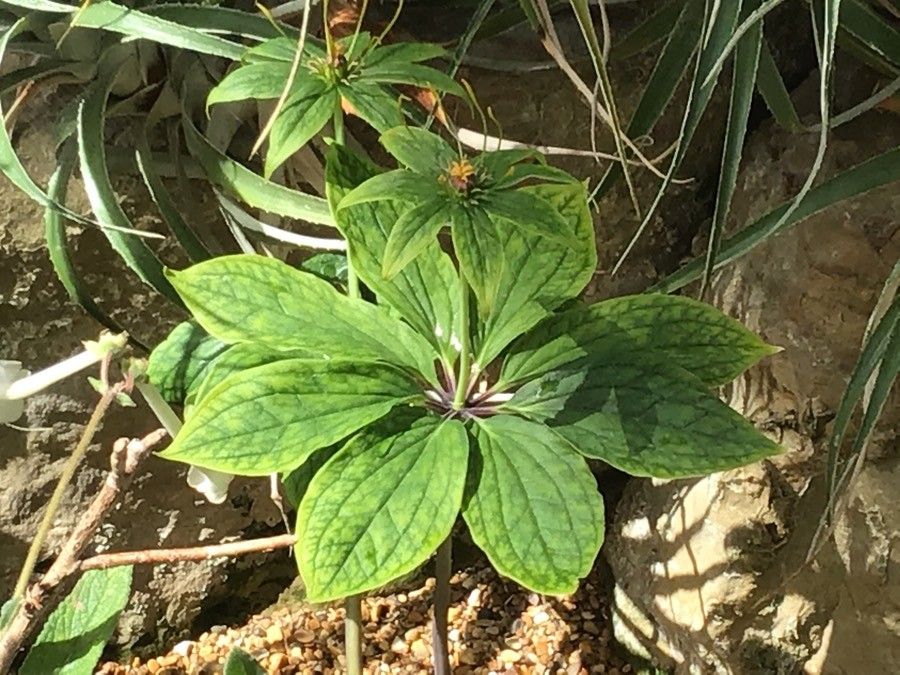
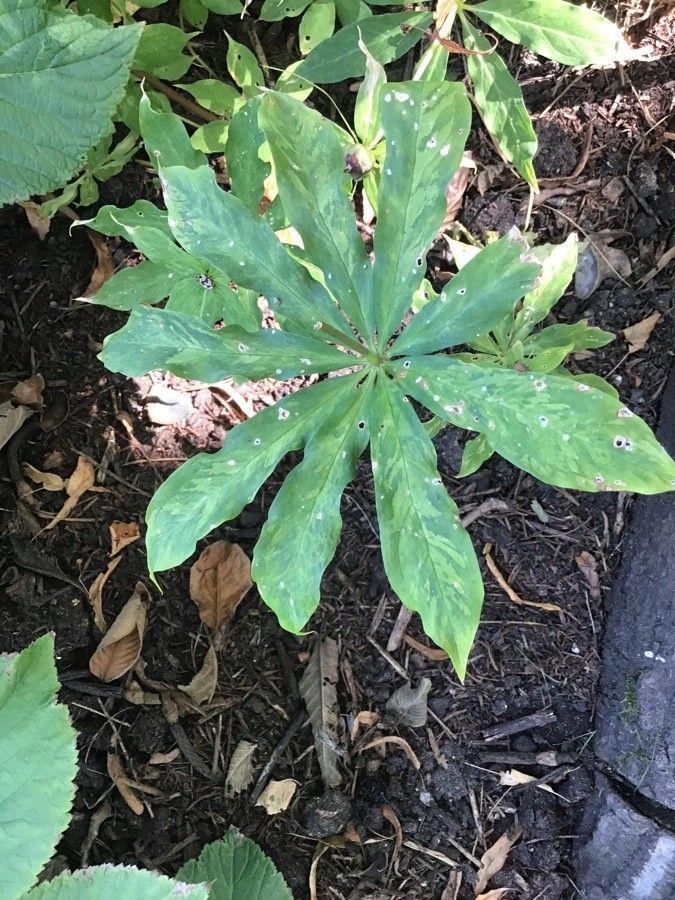
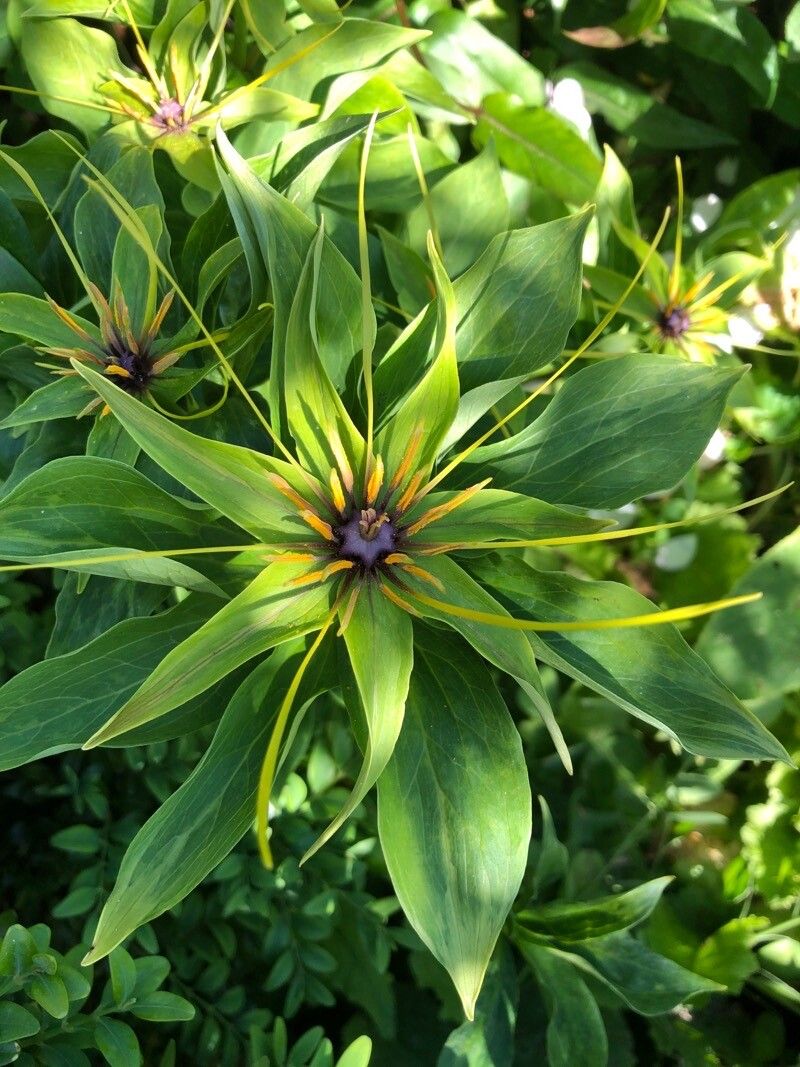
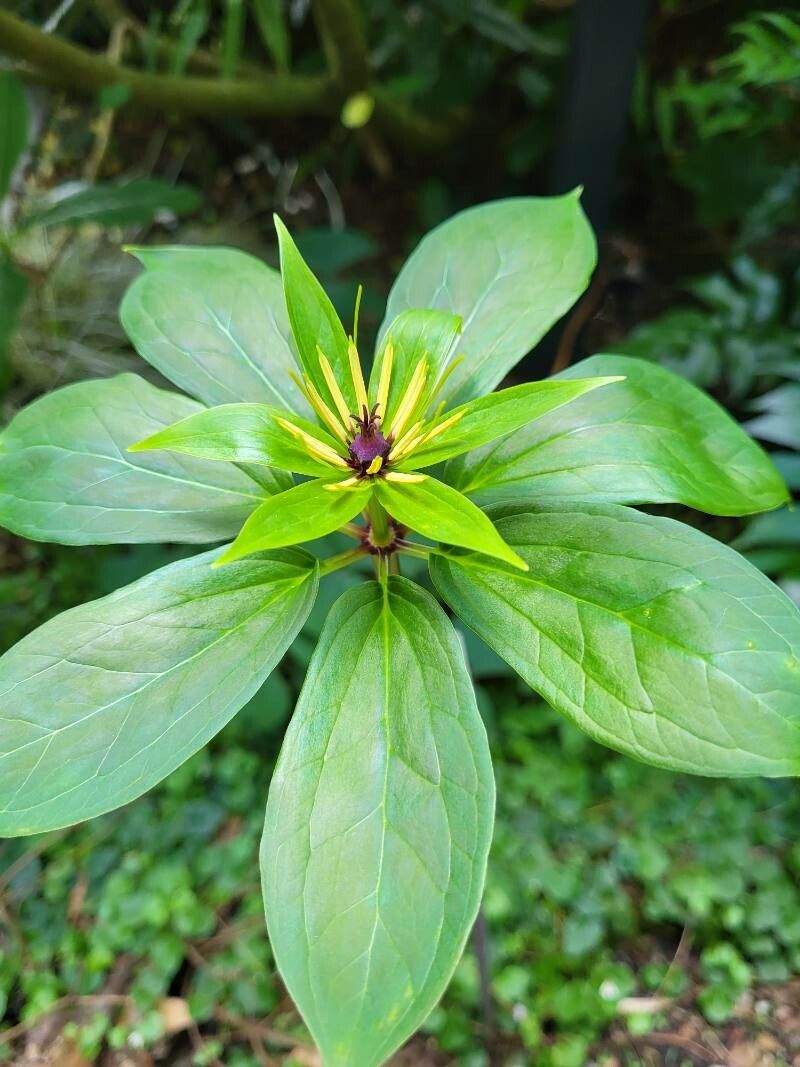
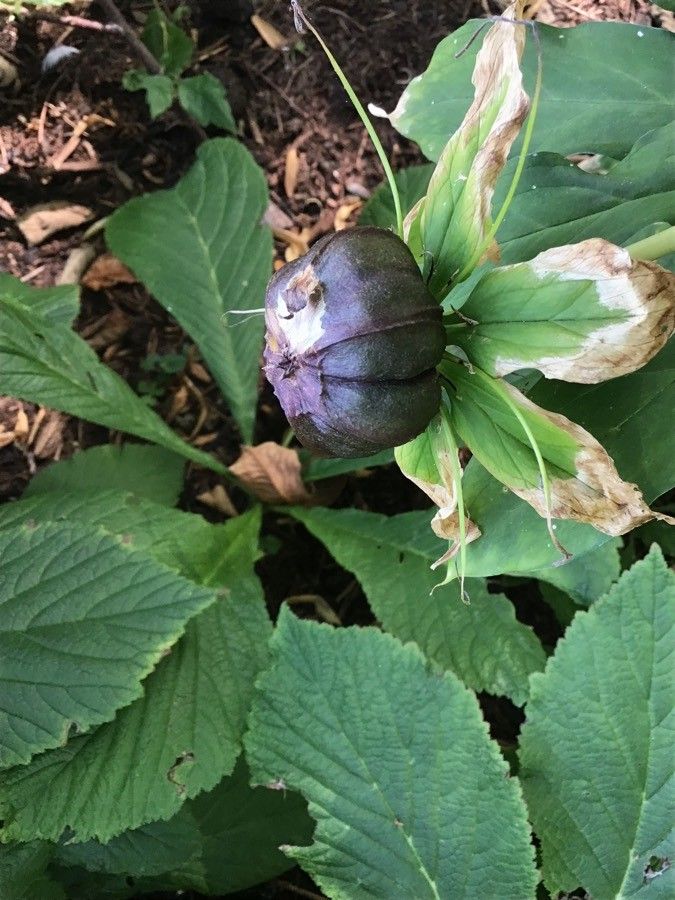
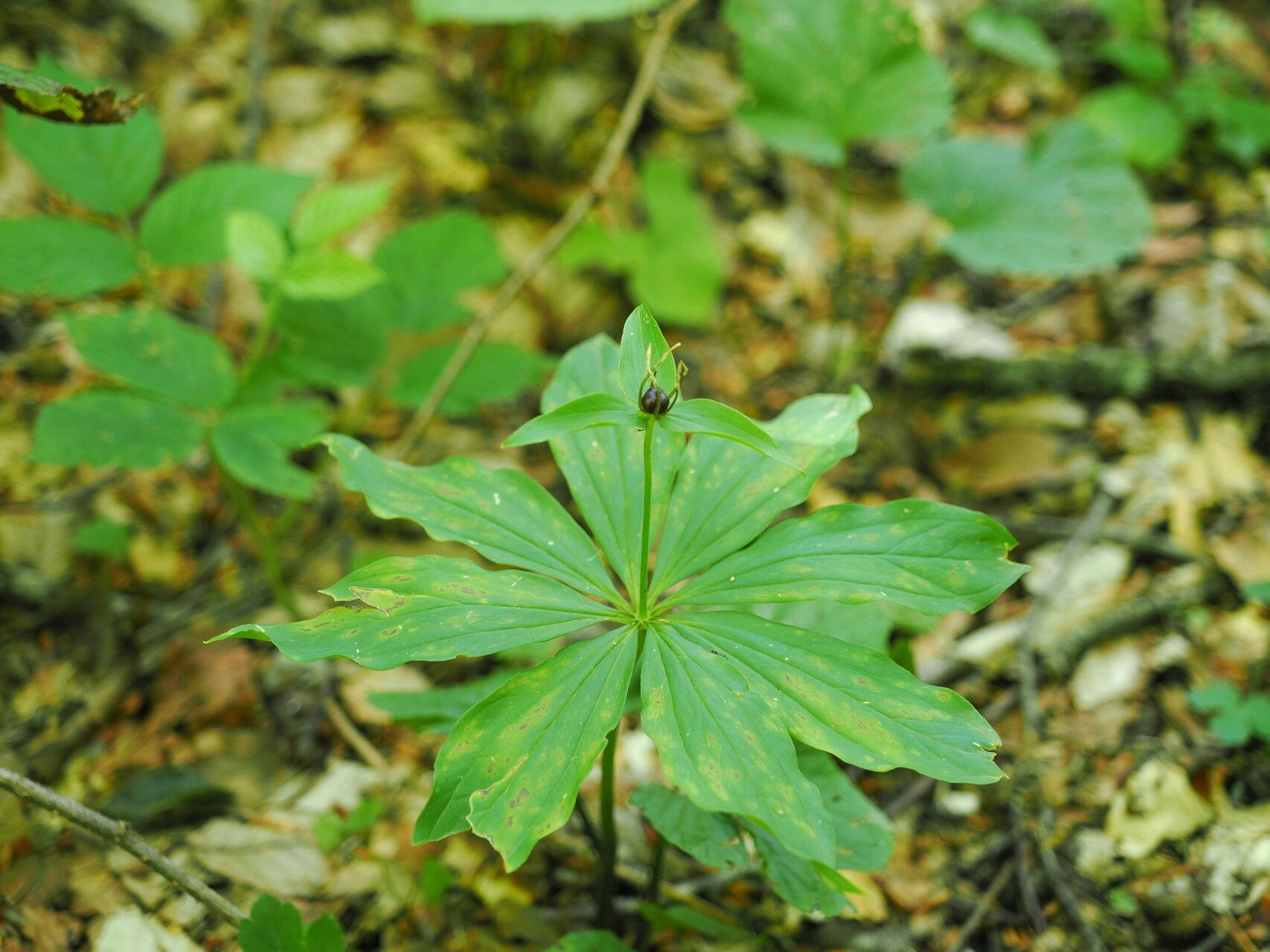
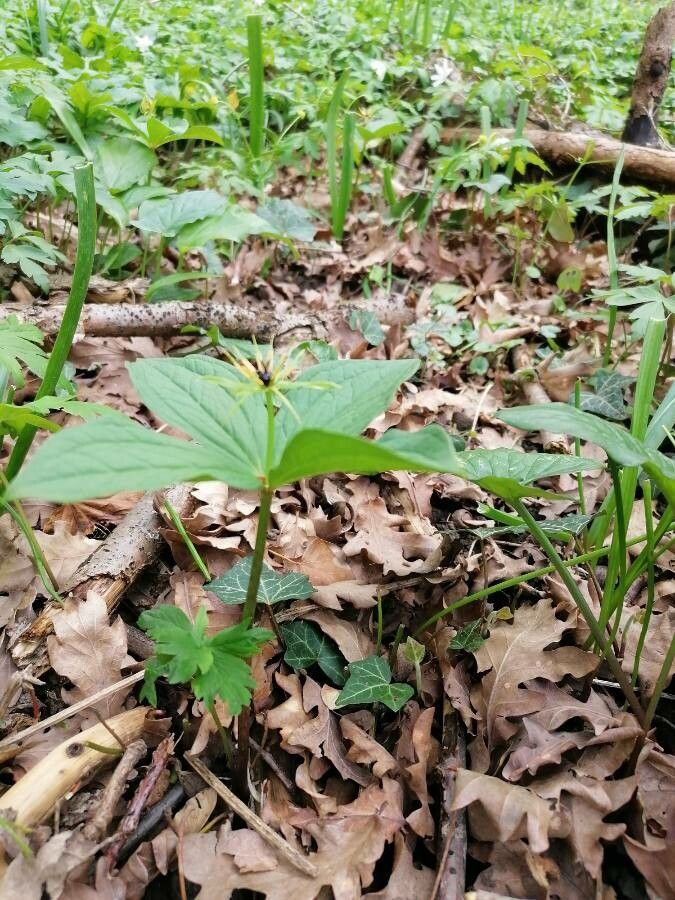
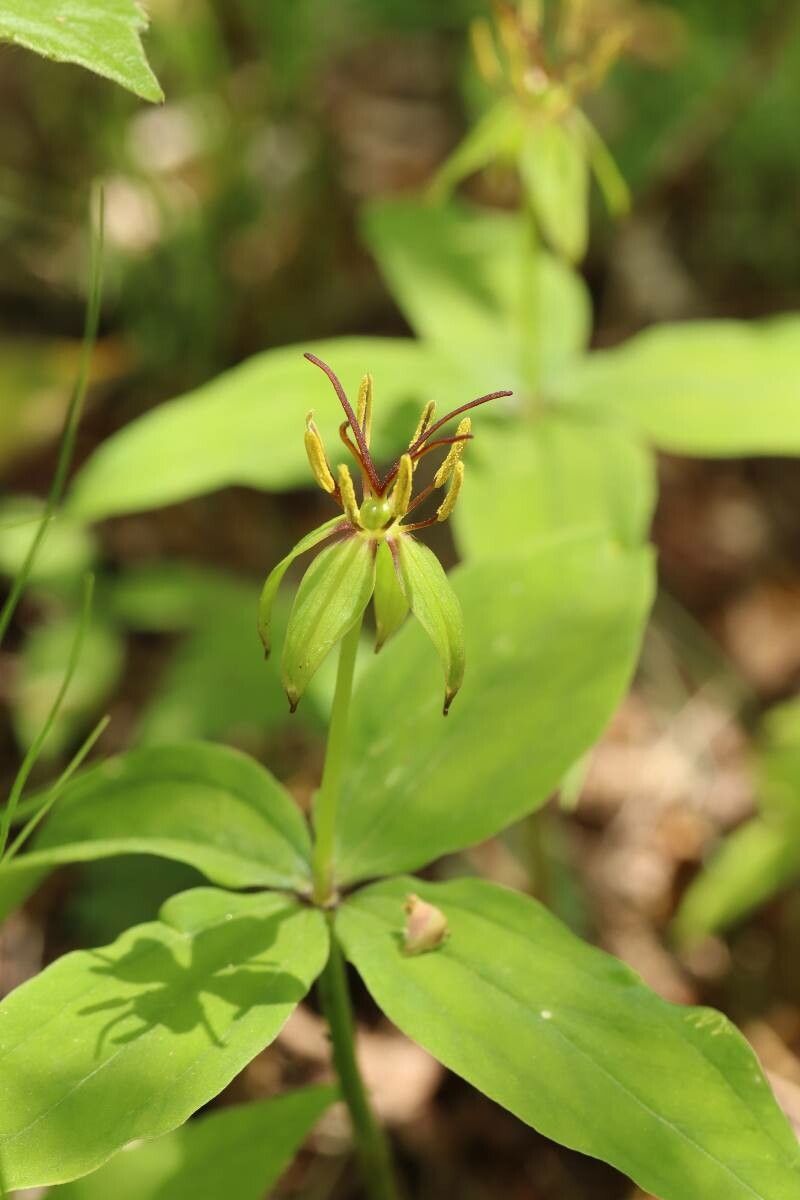
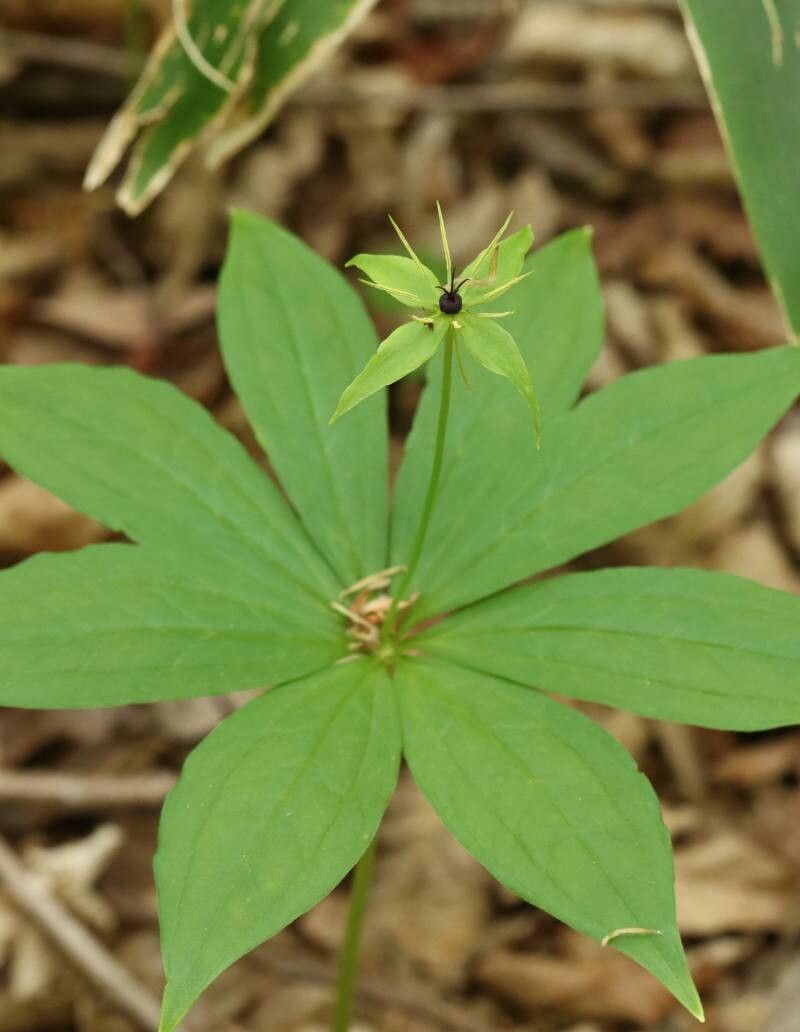
Paris polyphylla is an Asian species of flowering plant native to China, Taiwan, the Indian Subcontinent, and Indochina. It produces spider-like flowers that throw out long, thread-like, yellowish green petals throughout most of the warm summer months and into the autumn. In the fall, the flowers are followed by small, scarlet berries. It is a perennial, which slowly spreads, is fully hardy in Britain, and survives in leafy, moist soil in either complete or partial shade.This plant usually grows up to 90 cm (3 ft) high and spreads out about 30 cm (1 ft) wide. Its leaves grow in a single whorl below a flower growing in two whorls.It is used as an ornamental plant for woodland gardens or for planting under deciduous trees.
Love Apple has strong resistance to disease and usually does not develop illnesses. However, it can be vulnerable to pests and diseases present in its environment, and these problems are typically minor. For care, this plant requires moderate maintenance. It should be pruned regularly to keep a good appearance and support healthy growth. Fertilizing can also encourage flowering. Love Apple is suitable for anyone with outdoor space, such as a garden or patio, and does not need extensive care experience. It may demand more attention when grown indoors.
How to keep Paris Polyphylla.
Light
Love Apple is native to habitats like forest understories or rocky areas, where it grows under natural shade. It prefers partial sun but can adapt to full sun or full shade, reflecting its versatile and hardy nature.
Water
Love Apple thrives in the moist, partially shaded conditions commonly found in temperate forests. It prefers consistent moisture, requiring watering once a week, but it also has a moderate tolerance for drought. As an herbaceous perennial, Love Apple is best grown outdoors, where it can benefit from natural rainfall and seasonal water availability.
Temperature
Love Apple can tolerate a wide range of temperatures, but its distribution may still be restricted by specific combinations of moisture and heat. It does best in warm summer climates with adequate rainfall or watering. Long stretches of cloudy, rainy weather or prolonged high temperatures can raise the chance of Love Apple dying. In winter, protecting the plant from cold can increase its survival rate.
Fertilizer
The main time to fertilize Love Apple is in early spring, when its flowers are forming. Using the appropriate fertilizer promotes better blooms and helps Love Apple produce attractive flowers. Fertilizing in early spring ensures strong flowering during the season and supplies energy for dormant growth phases.
Pruning
To promote healthy growth and remove dead leaves, it's important to prune Love Apple plants. The best time for pruning is in early spring, before new growth begins. This process improves air circulation, reduces the risk of disease, and boosts the plant's vitality. For the best results, use clean, sharp tools.
Botanical profile.
- Plant Type
- Herb
- Life Cycle
- Perennial
- Genus
- Paris
- Family
- Melanthiaceae
- Hardiness Zone
- 5-9
- Mature Height
- 49 cm
- Mature Spread
- 49 cm
- Leaf Color
- Forest Green, Dark Green
- Leaf Type
- Deciduous
- Flower Color
- Green
- Flower Size
- 5.08 cm to 7.62 cm
- Bloom Time
- Mid spring, Late spring
- Planting Time
- Spring, Autumn
- Harvest Time
- Mid summer, Late summer, Early fall
- Native Area
- Nepal, India, Vietnam, Myanmar, Bhutan, Laos, Thailand, China
Other names.
Reader questions.
What kind of sunlight does a Love Apple plant require?
The Love Apple plant, known scientifically as Paris polyphylla, thrives in partial sun environments, receiving about 3-6 hours of sunlight daily. It is native to environments such as forest understories or rocky areas, where it can also tolerate full shade. Despite its adaptability, the Love Apple plant exhibits optimal growth when exposed to the appropriate balance of light and shade.
How does insufficient sunlight affect Love Apple plants?
Insufficient sunlight can lead to various symptoms in Love Apple plants, such as smaller new leaves, leggy or sparse growth, increased leaf drop, halted growth, paler new leaves, and chlorosis, where leaves lose their green hue. Excessive sunlight, on the other hand, can cause sunscald, leaf curling, wilting, and leaf scorching, highlighting the importance of providing the Love Apple with its ideal lighting conditions.
How can artificial lighting support Love Apple plants indoors?
Artificial lighting can significantly aid the growth of Love Apple plants indoors, especially in situations where natural sunlight is inadequate. It's recommended to use LED lights, providing 20-30W/sq ft for plants needing partial sun, and ensuring the light source is placed 12-36 inches above the plant. Keeping the lights on for 8-12 hours daily mimics natural daylight hours, promoting healthier growth. This approach is vital during winter or in less sunny spaces.
What solutions are available for Love Apple plants suffering from insufficient sunlight?
For indoor Love Apple plants, gradually increasing exposure to sunlight or using artificial light can improve conditions. Outdoor plants should be moved progressively into sunnier spots to adapt without the risk of sunburn. Additionally, reducing obstructions such as tree branches can enhance sunlight access. For smaller plants, transplanting during their dormant period to a more suitable location can also be beneficial. It's crucial to address these solutions to encourage healthy new growth, even though parts of the plant affected by previous light conditions may not recover.