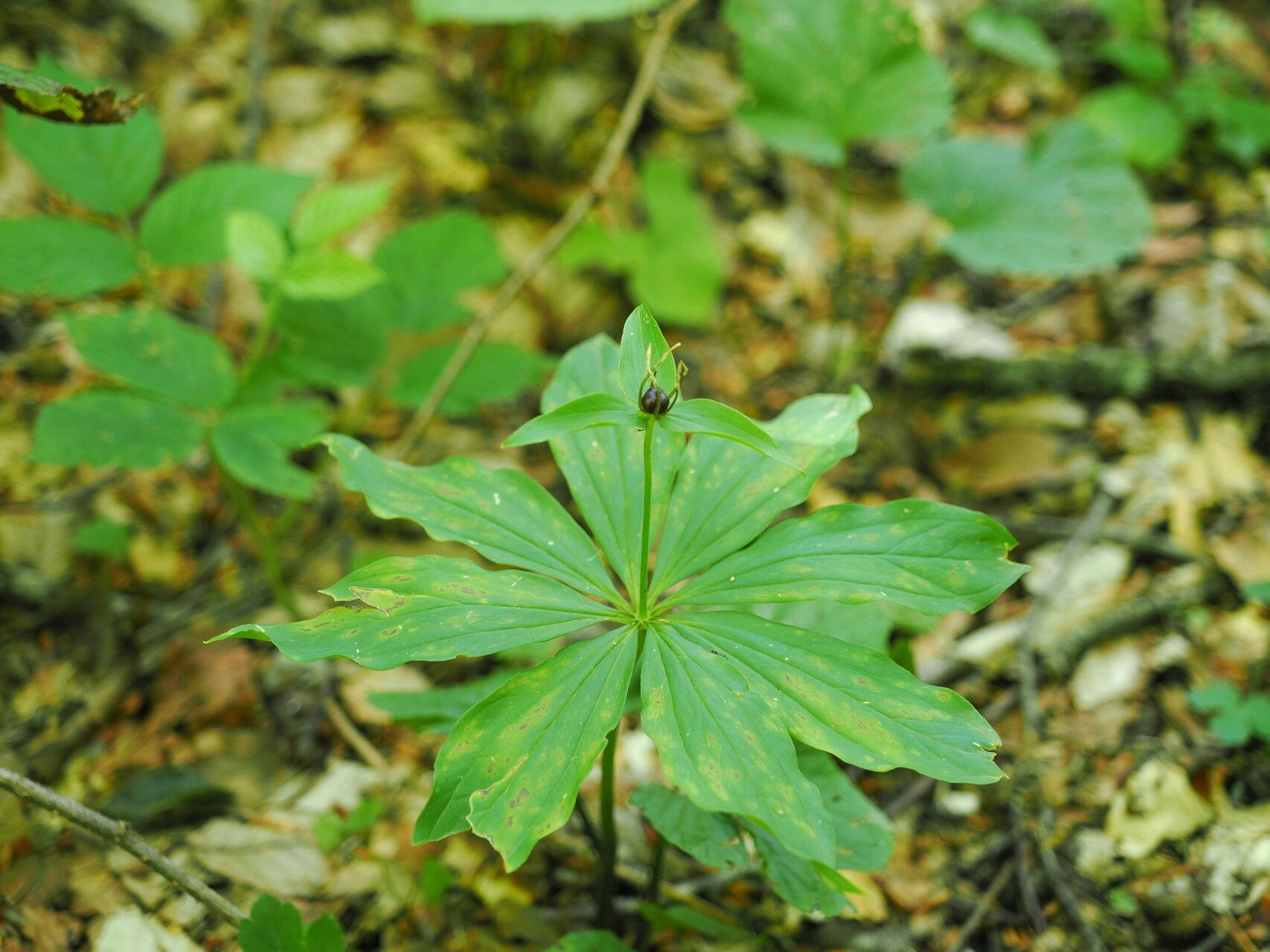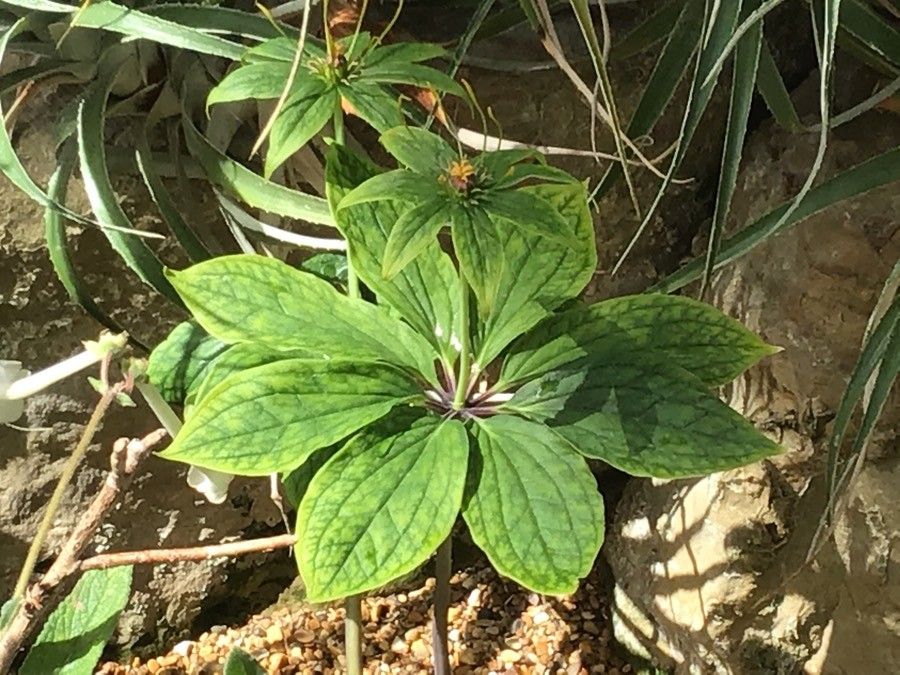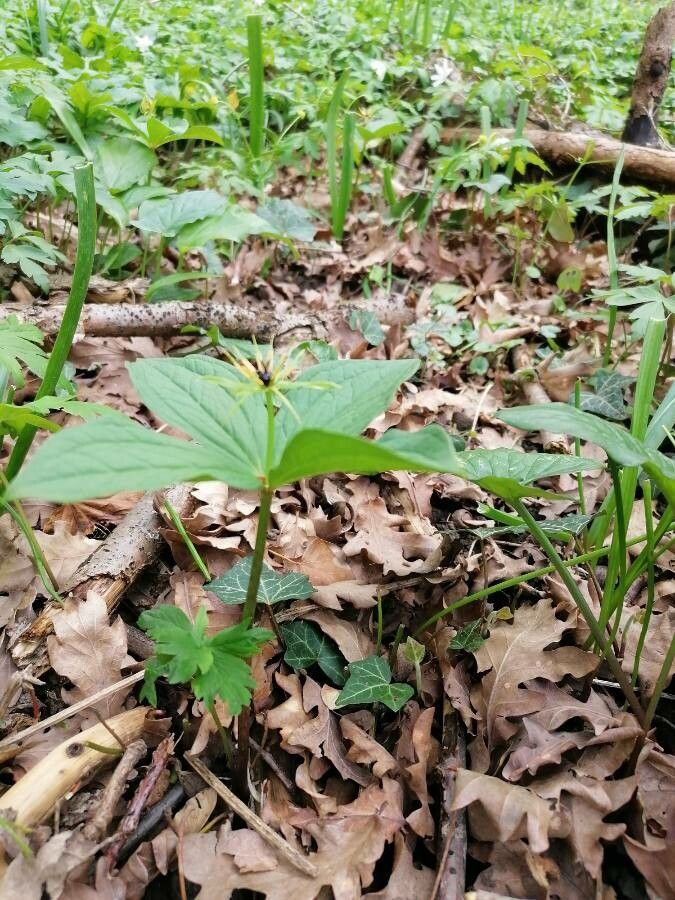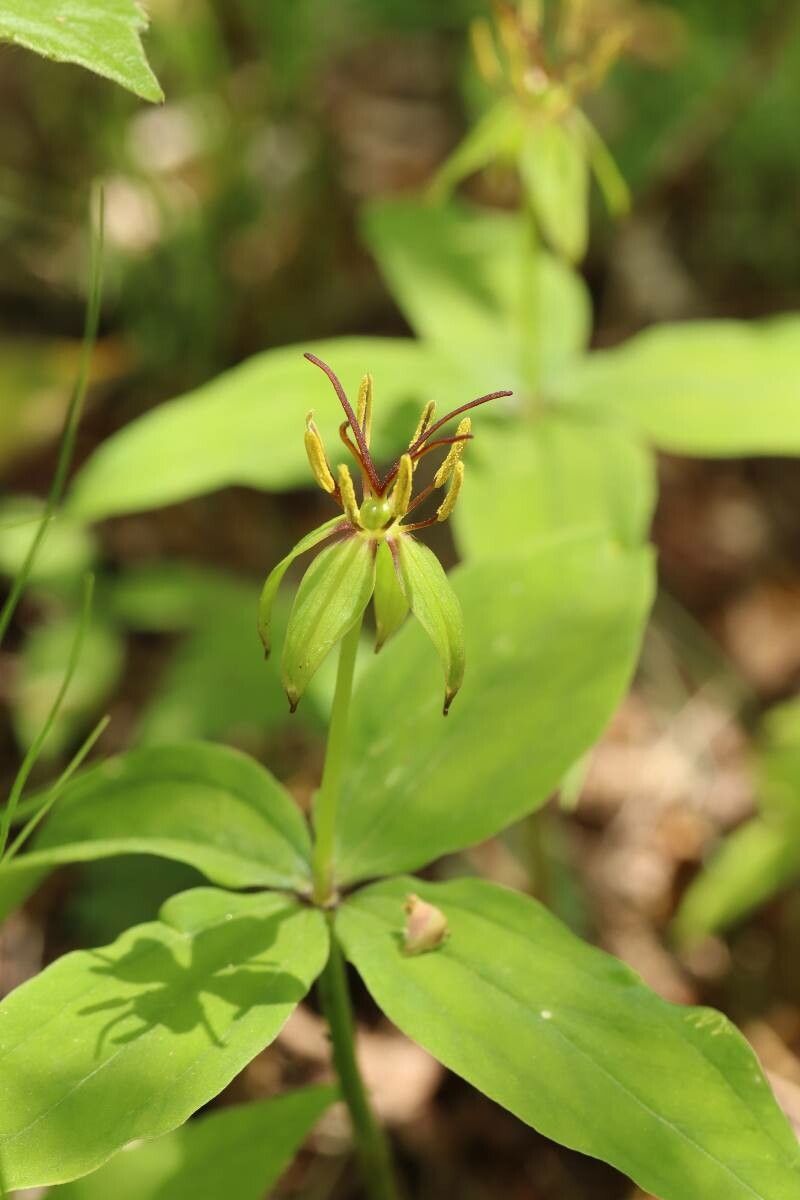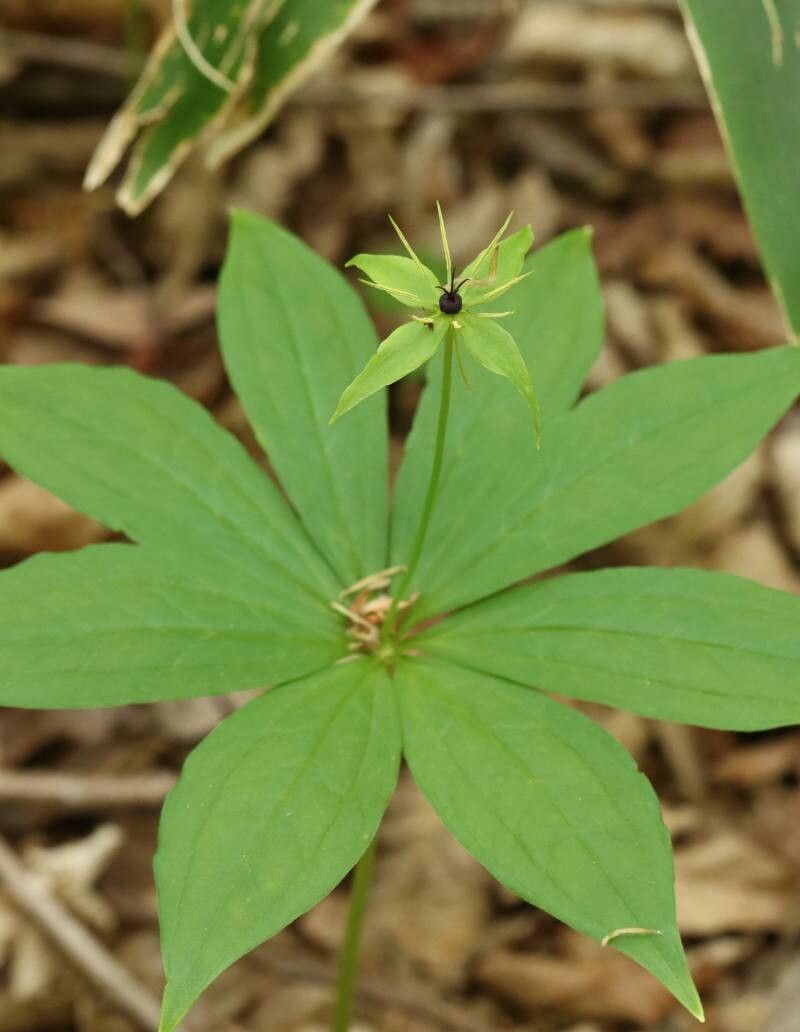
Verticillate paris is fairly resistant to disease and typically does not suffer from illnesses. Still, it can be vulnerable to pests and diseases present in its environment. Such infections tend to be mild. Regarding care, this plant needs a moderate level of maintenance. It should be pruned on a regular basis to preserve its appearance and encourage healthy growth. Applying fertilizer can also support better flowering. Verticillate paris is appropriate for anyone who has an outdoor area, like a garden or patio, and does not demand extensive gardening experience. It may need increased attention when kept indoors.
How to keep Paris Verticillata.
Light
The plant known as Verticillate paris thrives best in mild, scattered sunlight, although it can also manage to survive in places where light is somewhat scarce. Too much direct sunlight can lead to the discoloration of the leaves, turning them yellow, while too little light can deter its growth. In order to flourish, similar to its natural woodland environments, it favors a more dispersed light setting.
Water
Originating from the damp floors of moist forests, verticillate paris thrives in consistently humid environments with evenly moist soil. To keep it healthy, water it weekly to ensure a good balance between hydration and drainage. Ideally, this plant should be placed indoors where the temperature is stable and it receives indirect light. This helps maintain soil moisture and prevents root rot.
Temperature
Paris verticillate is optimally equipped to thrive in areas with temperatures that fall between 41 and 95 °F (5 to 35 ℃). Being native to temperate climate zones, it is well-matched to habitats with a gentle to warm climate. Adjusting to seasonal temperature changes is usually not necessary unless the temperatures drastically drop or escalate.
Fertilizer
Typically, a one-time fertilizer application in spring is adequate for Verticillate paris, but to optimize growth, multiple applications can be beneficial. Fertilize once every 30 to 45 days. The process of fertilization enhances the look and performance of the leaves, fostering a uniform color and robust texture. Additionally, it encourages the development of roots and the uptake of nutrients, promoting longevity in plant health.
Pruning
Verticillate Paris is a herbaceous perennial characterized by its whorled leaves and greenish flowers. To encourage healthy growth, prune it in early spring using clean tools. Regular pruning improves air circulation and enhances its ornamental appeal. However, avoid heavy pruning due to the plant's slow growth rate. For the best results, consult horticultural guides for expert advice.
Botanical profile.
- Plant Type
- Herb
- Life Cycle
- Perennial
- Genus
- Paris
- Family
- Melanthiaceae
- Hardiness Zone
- 5-9
- Mature Height
- 40 cm
- Mature Spread
- 30 cm
- Leaf Color
- Green
- Leaf Type
- Deciduous
- Flower Color
- White, Green
- Flower Size
- 2.03 cm to 3.05 cm
- Bloom Time
- Mid spring, Late spring
- Planting Time
- Spring, Autumn
- Harvest Time
- Early summer, Mid summer
- Native Area
- Russia, Japan, Mongolia, Koppen, South Korea, China