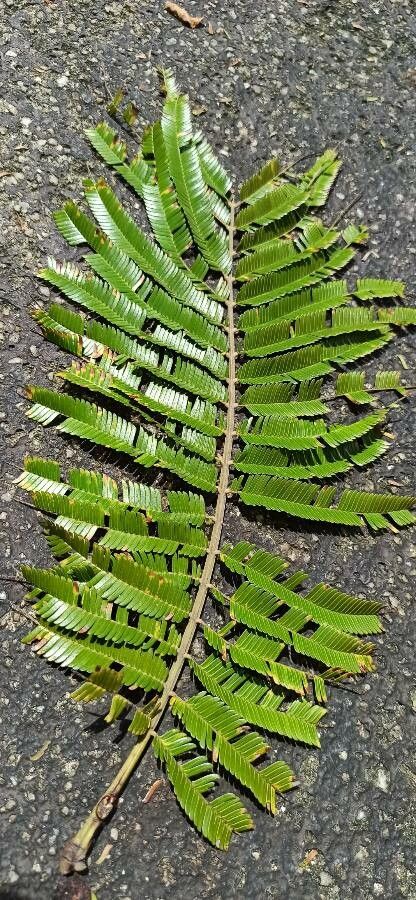
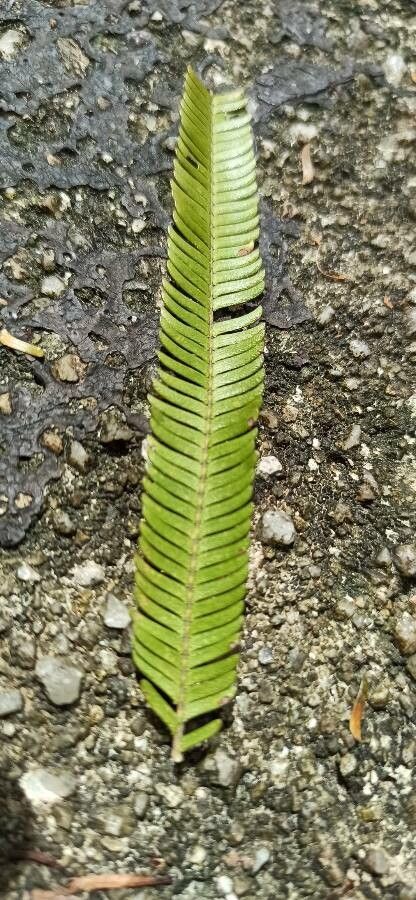
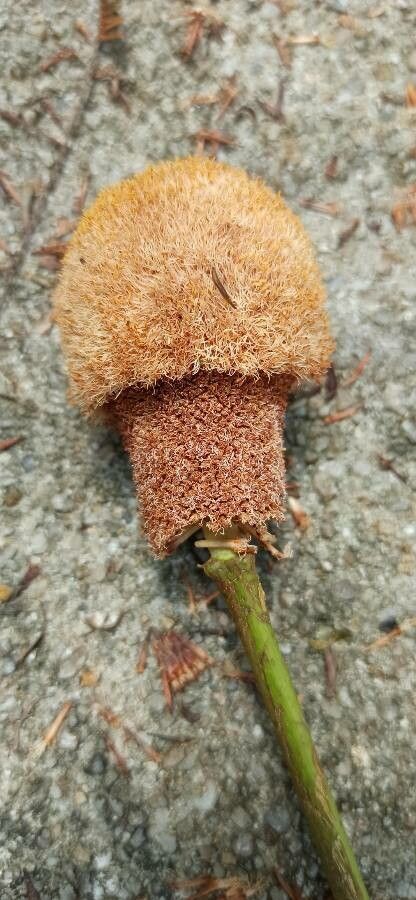
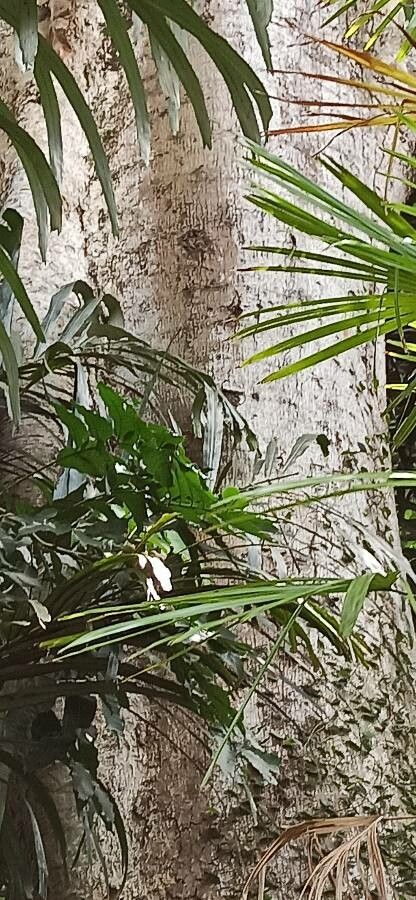
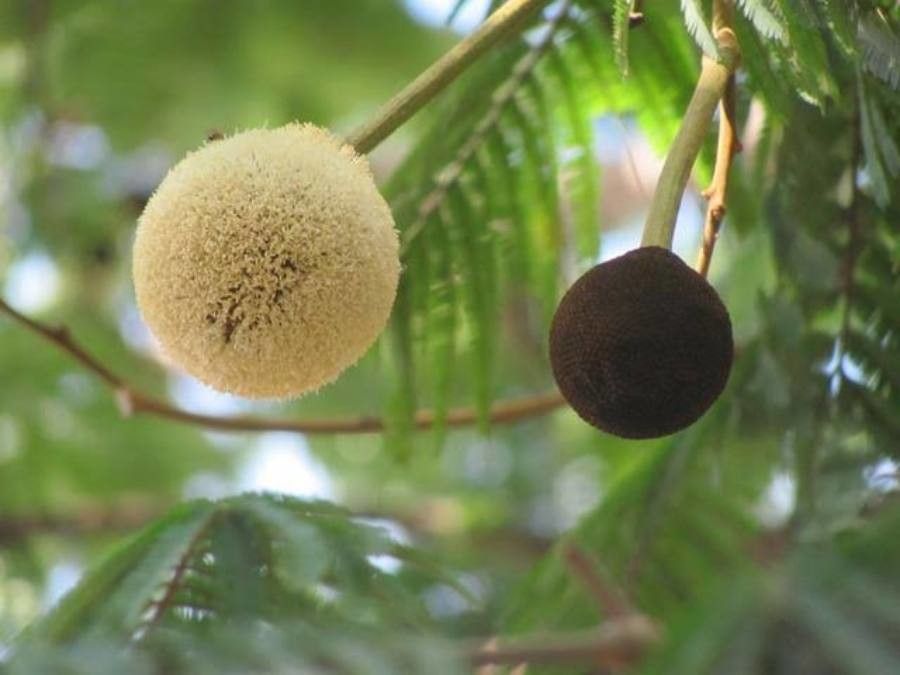
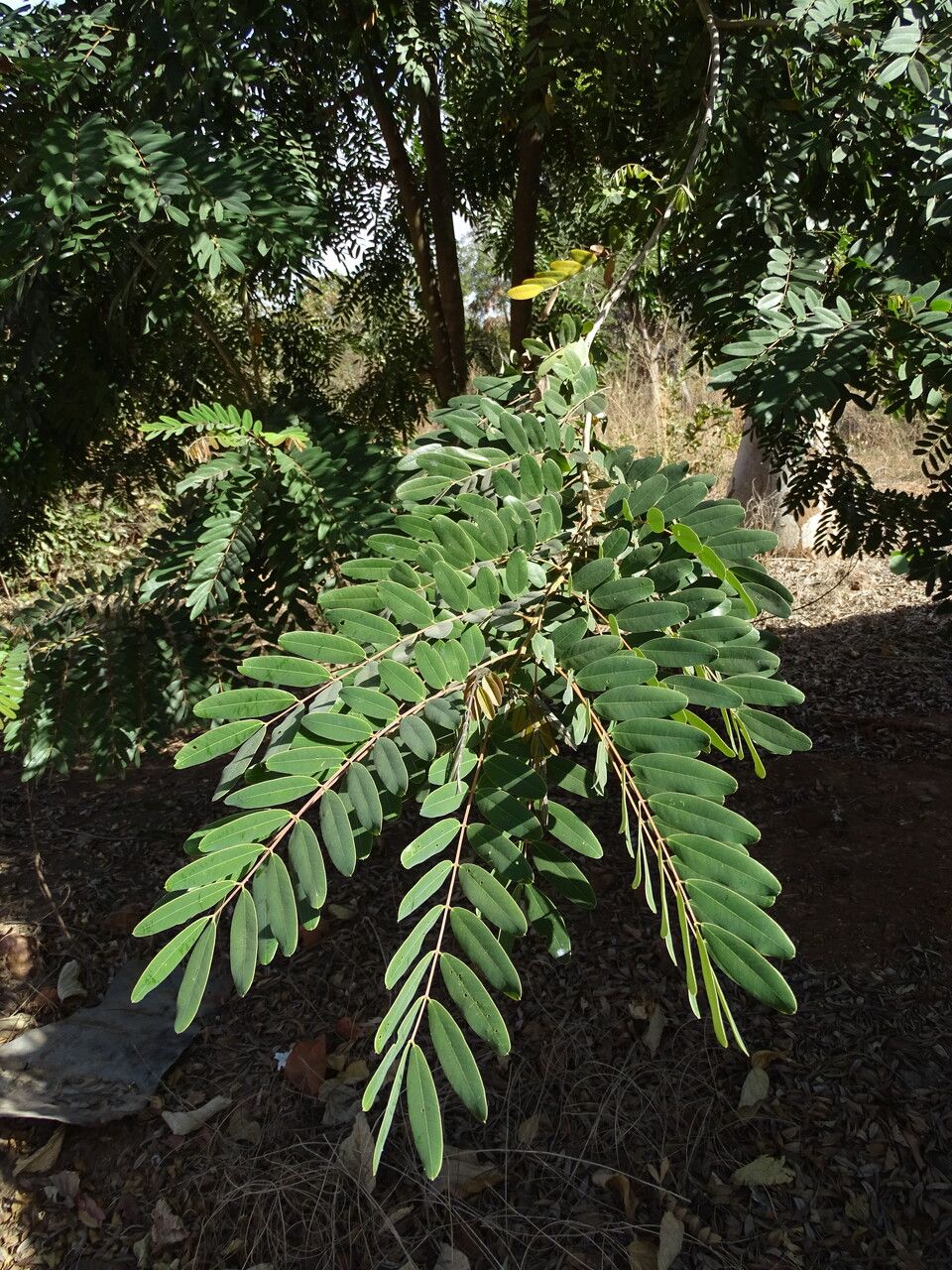
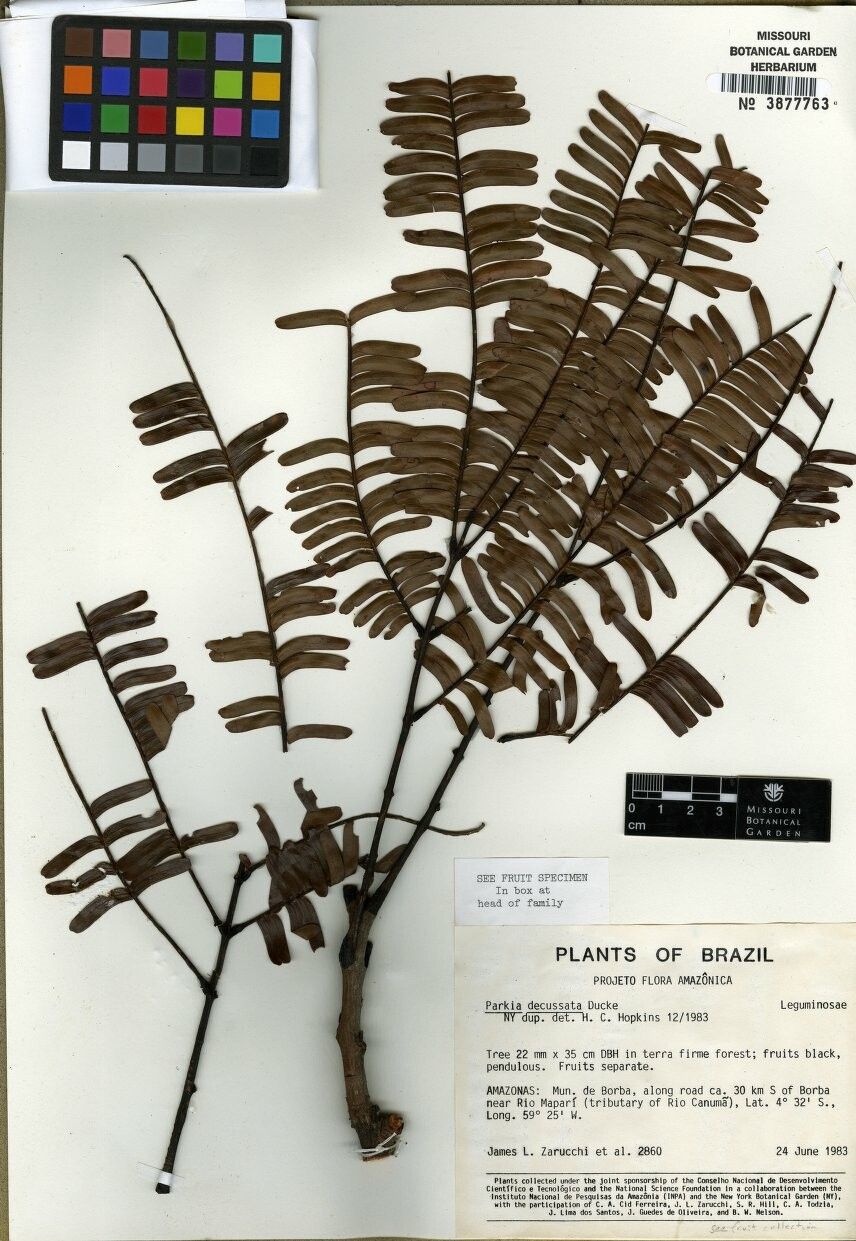
Parkia timoriana is a species of flowering plant in the legume family. English common names include tree bean. It is native to Thailand, Malaysia, Myanmar, Indonesia, and Assam and Manipur in India. It is widely cultivated for food and wood, and as an ornamental.The tree is vulnerable to the pest insect Cadra cautella, a moth. The larva bores into the seed to pupate, feeding on the seed interior and filling it with webbing. It also consumes the flower heads.
Tree bean has moderate resistance to disease but can be vulnerable to illnesses like leaf spot. Its susceptibility to insect pests varies by variety, although most varieties are relatively less resistant to pests. In terms of care, Tree bean requires regular watering and fertilization, along with frequent removal of yellowing leaves. It is important to manage pests and diseases as they appear and to harvest the plant promptly. Tree bean is suitable for people who have some time and energy to commit to routine care.
How to keep Parkia Timoriana.
Light
Tree bean performs best in locations with intense sunlight, reflecting its origin in open, naturally well-lit habitats. Although it can tolerate situations without any shade, prolonged exposure like that can result in stunted growth. Its preference for ample sunlight remains constant through all stages of development.
Water
The tree bean flourishes in tropical environments, where it requires consistent moisture and high humidity. Although it can withstand moderate droughts, it should be watered every two weeks when cultivated. Its growth and flowering are influenced by the seasonal rains typical of warm climates.
Temperature
Tree bean does best in moderate temperatures, similar to what most people find comfortable. It prefers conditions that are neither very hot nor very cold. The main problem with high heat is the chance of sunburn, so providing some shade in summer is advisable to prevent excessive warmth. When temperatures fall, the Tree bean becomes dormant. If continuous growth is wanted, higher temperatures must be maintained during winter. Frost can damage the plant and should be avoided.
Fertilizer
For optimal development, Tree bean needs three fertilizer applications: before planting, one month after seedling emergence, and a final application 1 to 1.5 months after the second. Some Tree bean types also benefit from extra fertilizer at planting to support rapid growth.
Botanical profile.
- Plant Type
- Tree
- Life Cycle
- Perennial
- Genus
- Parkia
- Family
- Fabaceae
- Hardiness Zone
- 10-12
- Mature Height
- 20.12 m to 29.87 m
- Mature Spread
- 14.94 m to 20.12 m
- Leaf Color
- Green, Blue
- Leaf Type
- Deciduous
- Flower Color
- White, Cream
- Flower Size
- 3.05 cm to 5.08 cm
- Bloom Time
- Late spring, Early summer, Mid summer
- Planting Time
- Spring, Autumn
- Harvest Time
- Late summer, Early fall, Mid fall
- Native Area
- India, Malaysia, Indonesia, Myanmar, Philippines, Bangladesh, Brunei, Thailand
Other names.
Reader questions.
What are the sunlight requirements for Tree Bean (Parkia timoriana)?
Tree Bean requires full sun, which means it needs above 6 hours of sunlight each day to thrive. It's vital to observe how sunlight moves through your garden and select areas that offer a mix of light and shade to ensure the plant's health. Originating from brightly lit, open environments, the Tree Bean can withstand intense sun exposure, but prolonged periods without shade may hinder its growth. Watching the sunlight's pattern and ensuring the plant receives enough light is crucial for its happiness and success.
How should artificial lighting be used for indoor Tree Bean plants?
When natural sunlight is insufficient, especially during winter or in less sunny areas, artificial lighting is crucial for Tree Bean's growth. LED lights are recommended because they can be tailored to provide specific wavelengths needed by your plants. The amount of artificial light required varies: full sun plants need 30-50W/sq ft, partial sun plants need 20-30W/sq ft, and full shade plants need 10-20W/sq ft. Position the light source 12-36 inches above the plant, and mimic natural daylight hours, typically ensuring 8-12 hours of light per day. This approach promotes faster, healthier growth.
What are the symptoms of light deficiency in Tree Bean?
When Tree Bean doesn't get enough light, it may show signs such as smaller new leaves, leggy or sparse growth, faster leaf drop, slower or halted new growth, lighter-colored new leaves, chlorosis, sunscald, leaf curling, wilting, and leaf scorching. These symptoms indicate the plant is struggling with the light conditions, leading to poor health and reduced ability to photosynthesize effectively.
How can I address the symptoms of light deficiency in Tree Bean?
To combat light deficiency in Tree Bean, consider gradually moving your plant to a sunnier spot, increasing sunlight exposure weekly to a minimum of 6 hours daily. For indoor plants, utilize south-facing windows or artificial lights like desk lamps or professional grow lights for at least 8 hours daily. Outdoor plants benefit from a gradual transition to sunnier locations to avoid shock. If plants are shadowed, pruning obstructing foliage or relocating the plant during its dormant period can significantly improve light access. Remember, parts of the plant that already suffered due to insufficient light might not recover, but new growth should be healthy with adequate light.