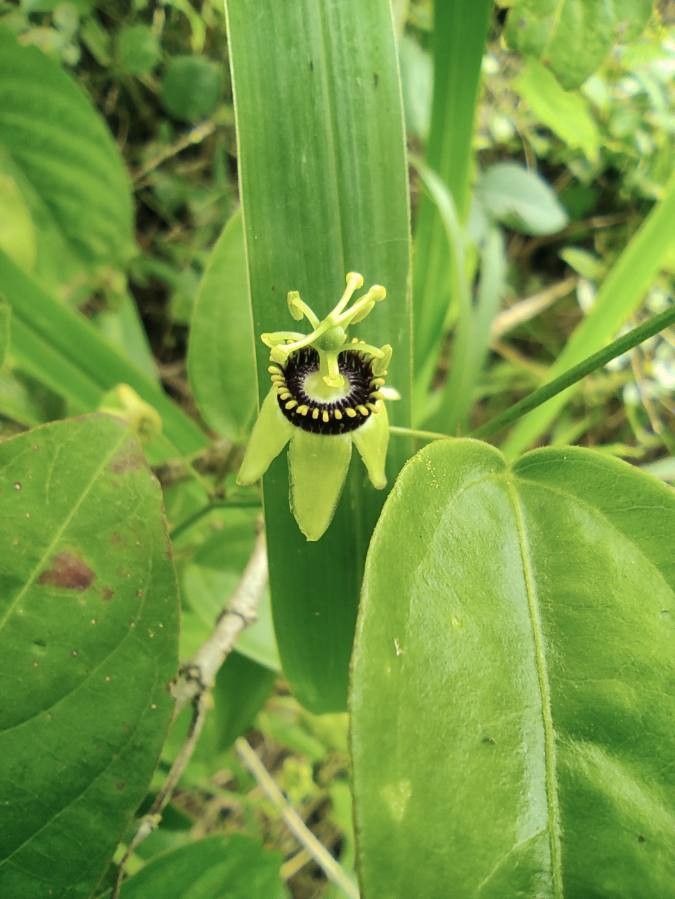
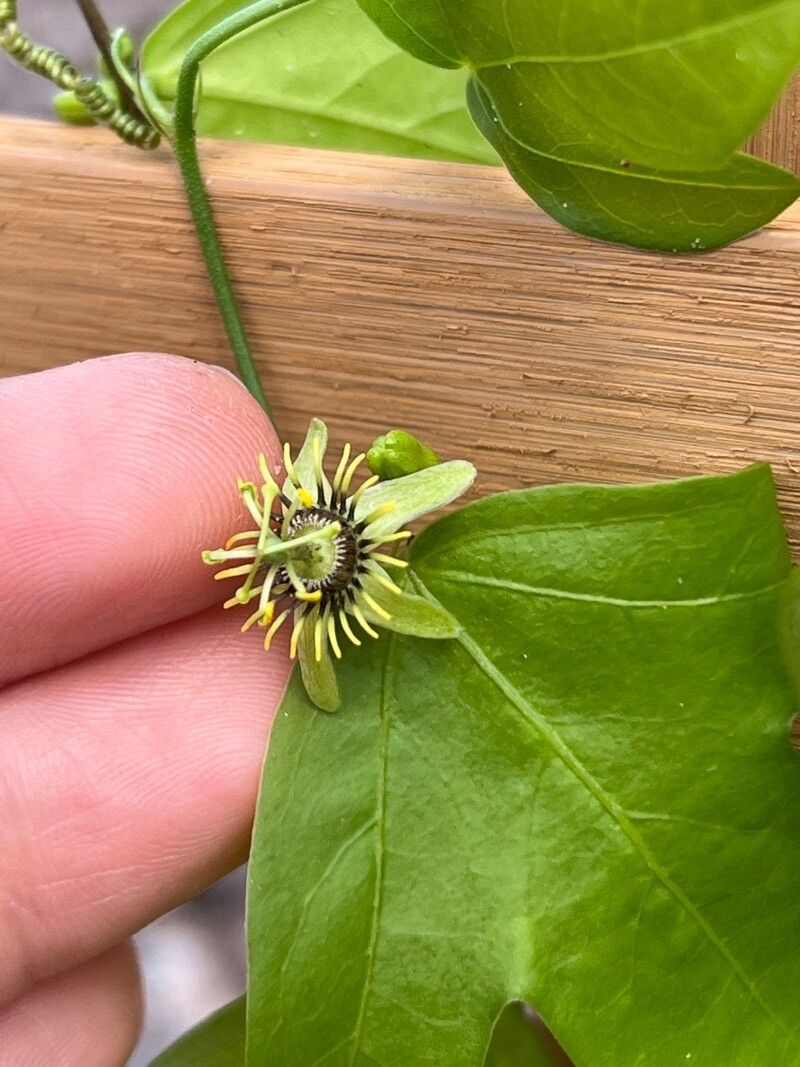
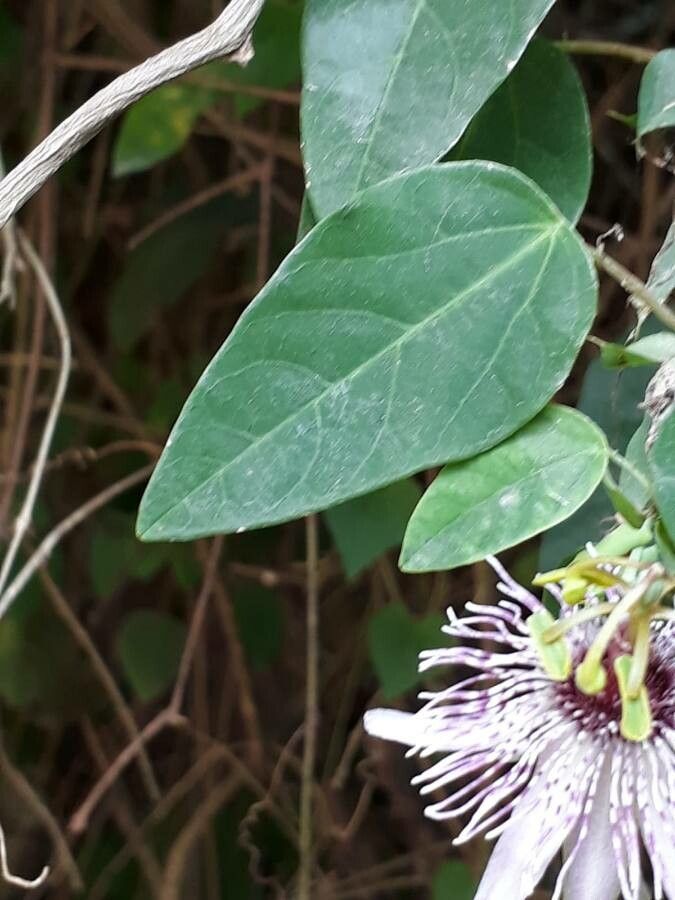
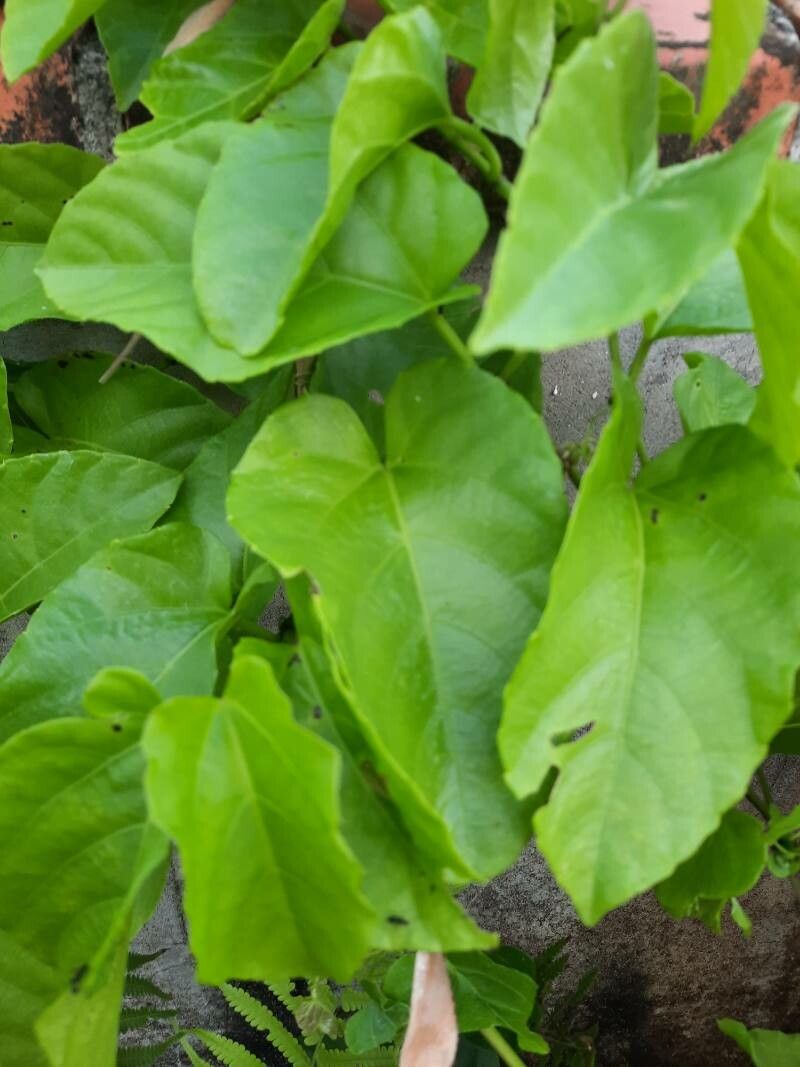
Passiflora pallida, commonly known as the Pale Passionflower, is a species of flowering plant in the Passifloraceae family. Native to South America, it can be found in countries such as Brazil, Bolivia, and Paraguay. The plant typically grows as a vine or climbing shrub and can reach lengths of up to 10 meters.
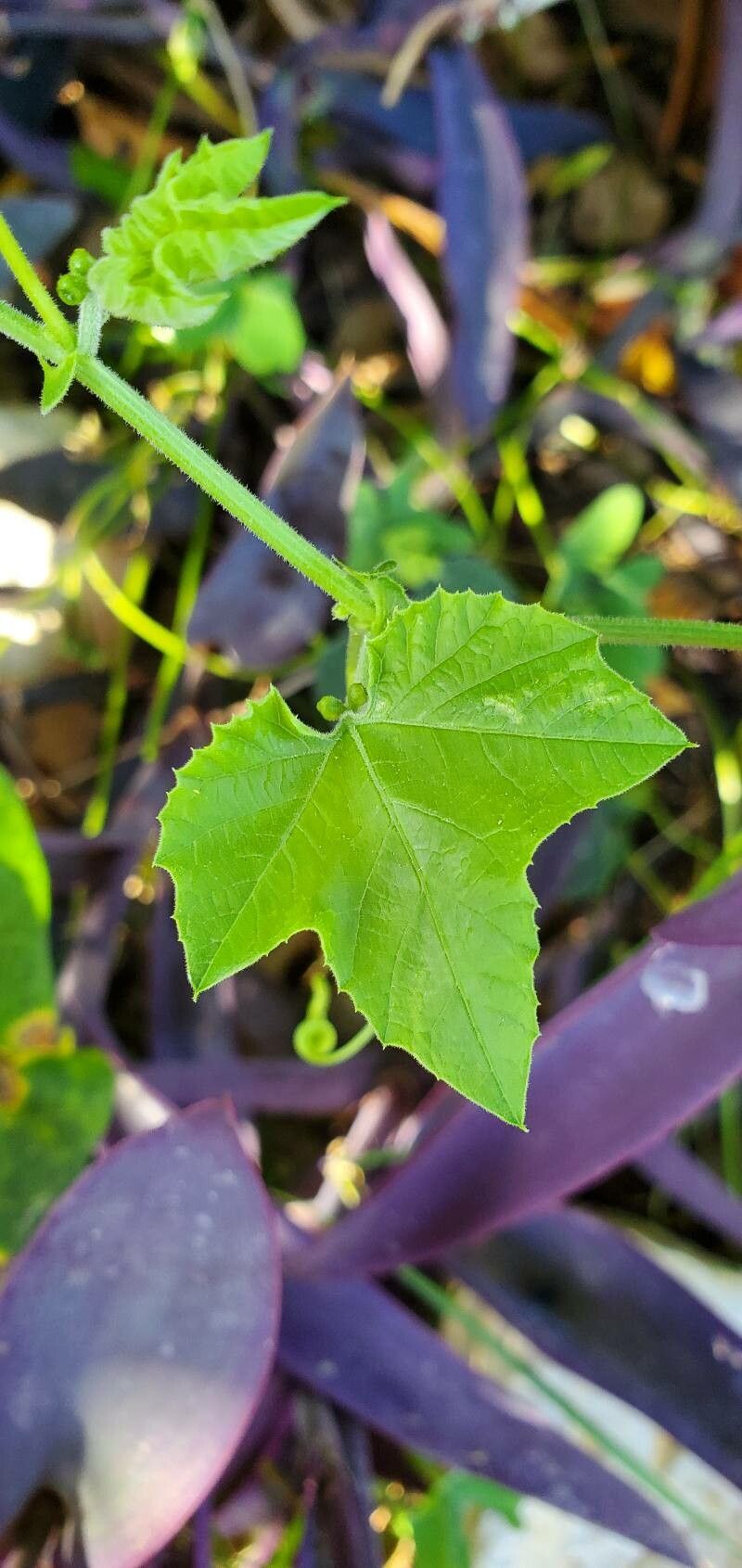
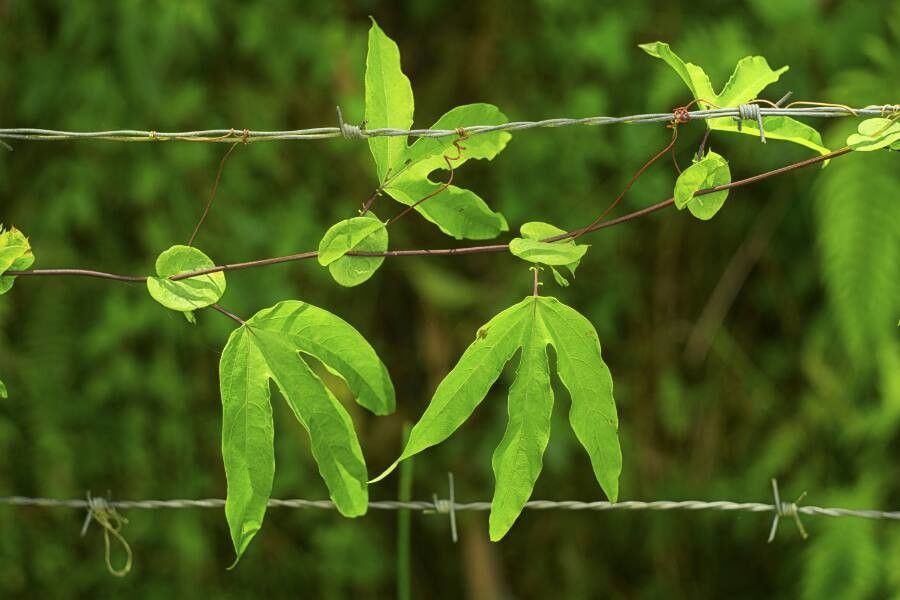
The leaves of Passiflora pallida are arranged alternately and are palmately lobed, usually with three to five lobes. Its flowers are large and feature white petals that surround a central structure consisting of numerous filaments, which form a crown-like arrangement around the ovary.
Passiflora pallida is renowned for its medicinal properties and has traditionally been used to treat various conditions such as anxiety, insomnia, epilepsy, and asthma, among others. The plant contains several bioactive compounds, including flavonoids, which possess antioxidant properties.
This species prefers well-drained soils with moderate moisture levels but can tolerate some drought conditions once established. It thrives best in full sun or partial shade.
Overall, Passiflora pallida is an attractive ornamental plant that also offers medicinal value, making it an interesting addition to any garden or landscape design project.
Corkystem passionflower has strong disease resistance and is generally not prone to disease. In terms of care, this plant is relatively low maintenance. When planted outdoors it requires minimal watering, and larger plants typically do not need pruning; smaller plants, however, should be pruned after they have bloomed. Corkystem passionflower is suitable for anyone with an outdoor space, such as a garden or deck, and does not require a lot of care experience.
How to keep Passiflora Pallida.
Light
Corkystem passionflower comes from open habitats, such as sunny meadows and forest edges, which provide abundant light. It performs best in Full Sun but can also tolerate Partial Sun, adjusting well to various sunlight conditions.
Water
Corkystem passionflower requires careful attention to watering, especially during its early stages. Ensure the soil remains moist during germination. When the plant matures, if it receives less than 1.5 inches (3.8 cm) of rainfall per week, water it twice a week. Be cautious of overwatering, as this plant does not thrive in waterlogged conditions. If you are growing the plant in a container, remember that the soil will dry out more quickly, so more frequent watering may be necessary.
Temperature
Corkystem passionflower comes from tropical areas, which are generally warm and humid. Therefore it is adapted to high temperatures and humidity. It does not tolerate sudden temperature changes and favors a stable thermal environment, so avoiding temperature fluctuations indoors is important. It typically cannot withstand cold and needs warmer conditions for growth. If the surrounding temperature becomes too low, the plant may stop growing or even die.
Fertilizer
The best time to fertilize a Corkystem passionflower is in early spring as it comes out of dormancy. This supports general growth and flower formation. Fertilizing improves the leaves, stems, and branches, and encourages flowers that are large, bright, and long-lasting. It helps move nutrients from the roots to the blooms and boosts the plant’s health and resistance to disease.
Pruning
To promote healthy growth and abundant flowering, prune corkystem passionflower in early spring. Remove any dead branches and trim back overgrown stems to improve air circulation and light penetration. Regular pruning helps keep the plant at a manageable size, prevents excessive spreading, and reduces the risk of disease, ensuring a vigorous display of blooms.
Botanical profile.
- Plant Type
- Vine
- Life Cycle
- Perennial
- Genus
- Passiflora
- Family
- Passifloraceae
- Hardiness Zone
- 9-11
- Mature Height
- 3.05 m to 6.1 m
- Mature Spread
- 2.13 m to 3.96 m
- Leaf Color
- Forest Green, Dark Green
- Leaf Type
- Evergreen
- Flower Color
- White, Yellow
- Flower Size
- 2.03 cm to 3.05 cm
- Bloom Time
- All year round
- Planting Time
- Spring, Summer, Autumn
- Harvest Time
- All year round
- Native Area
- Honduras, Mexico, Bahamas, Venezuela
Other names.
Reader questions.
What are the sunlight requirements for Corkystem passionflower?
Corkystem Passionflower, known botanically as Passiflora pallida, thrives in various sunlight conditions. It requires full sun, which is defined as more than 6 hours of direct sunlight daily, to flourish optimally. However, it can also grow well in partial sun, meaning it can adapt to receiving about 3-6 hours of sunlight each day. When planning where to plant your Corkystem Passionflower, it's important to observe your garden's light patterns. Finding areas that offer a good balance between light and shade will help ensure your plant's health and happiness.