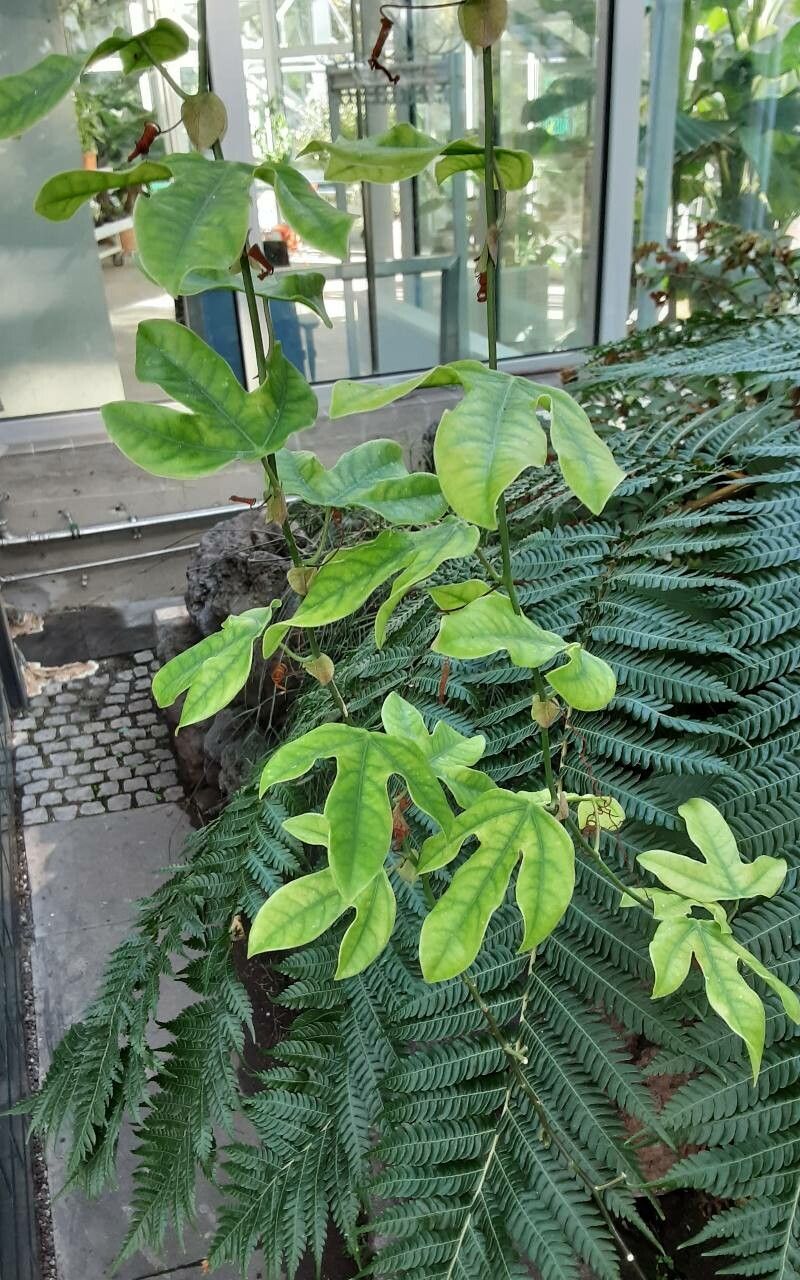
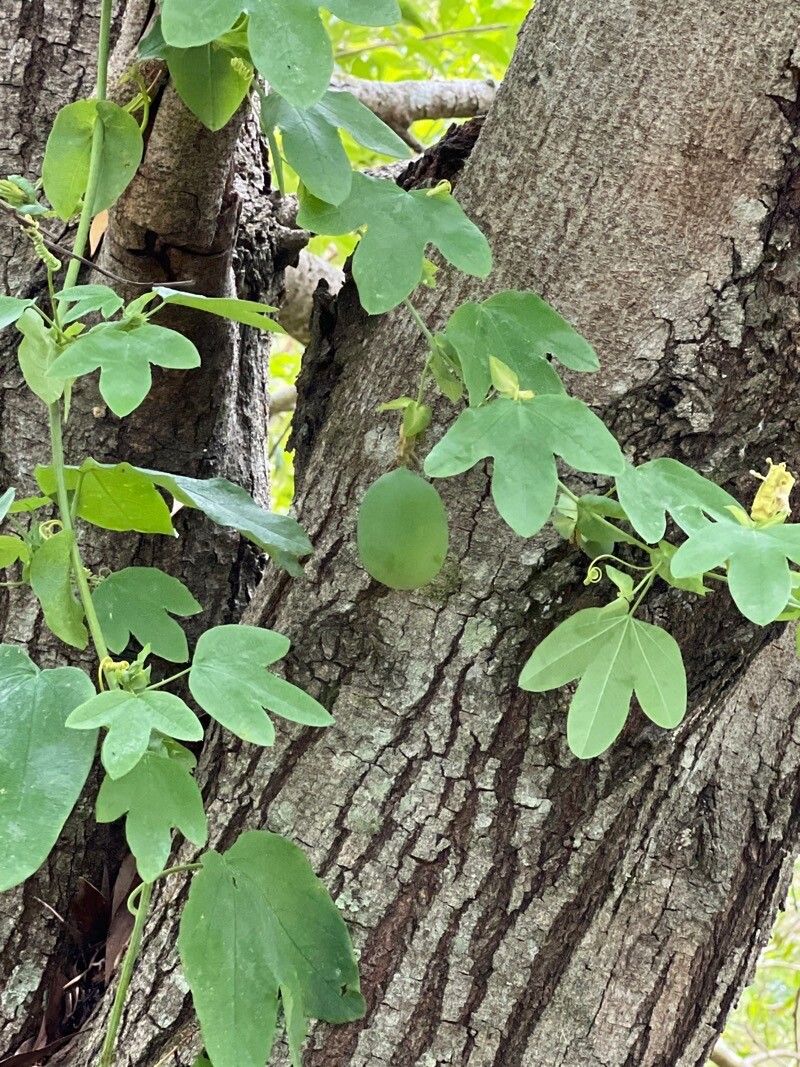
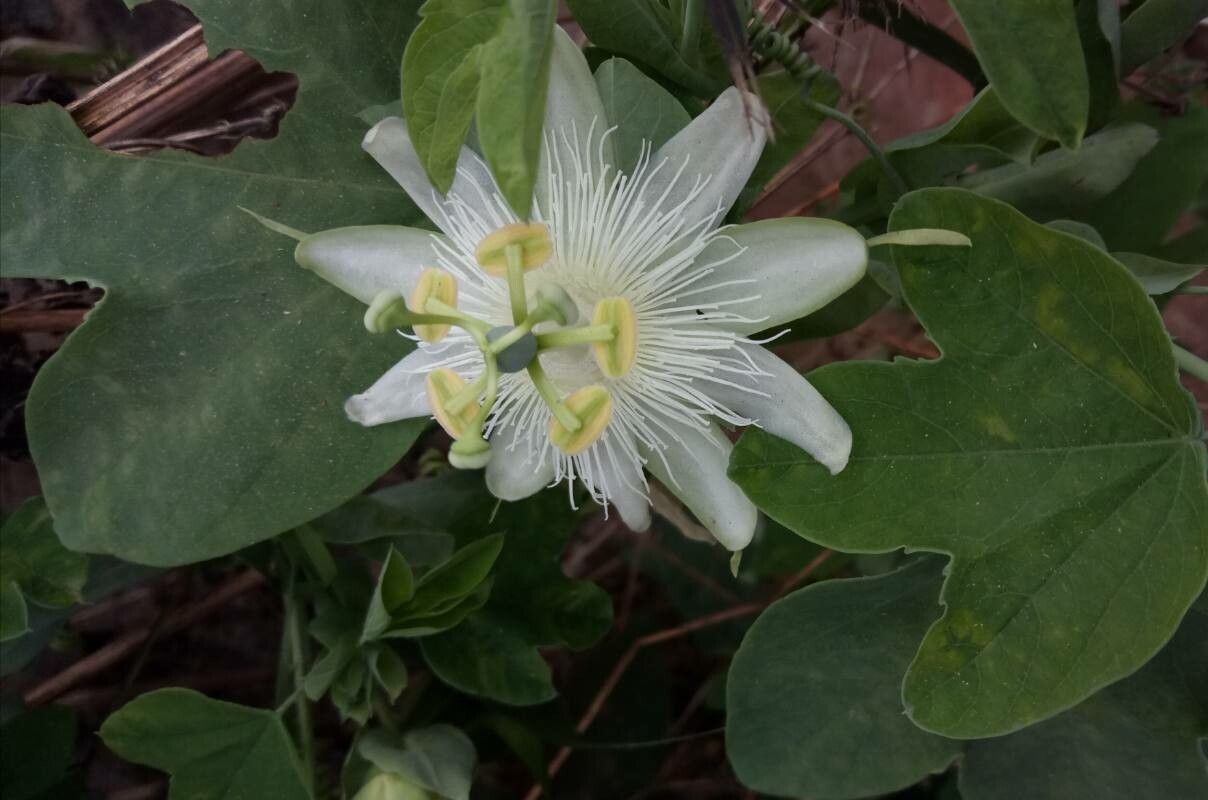
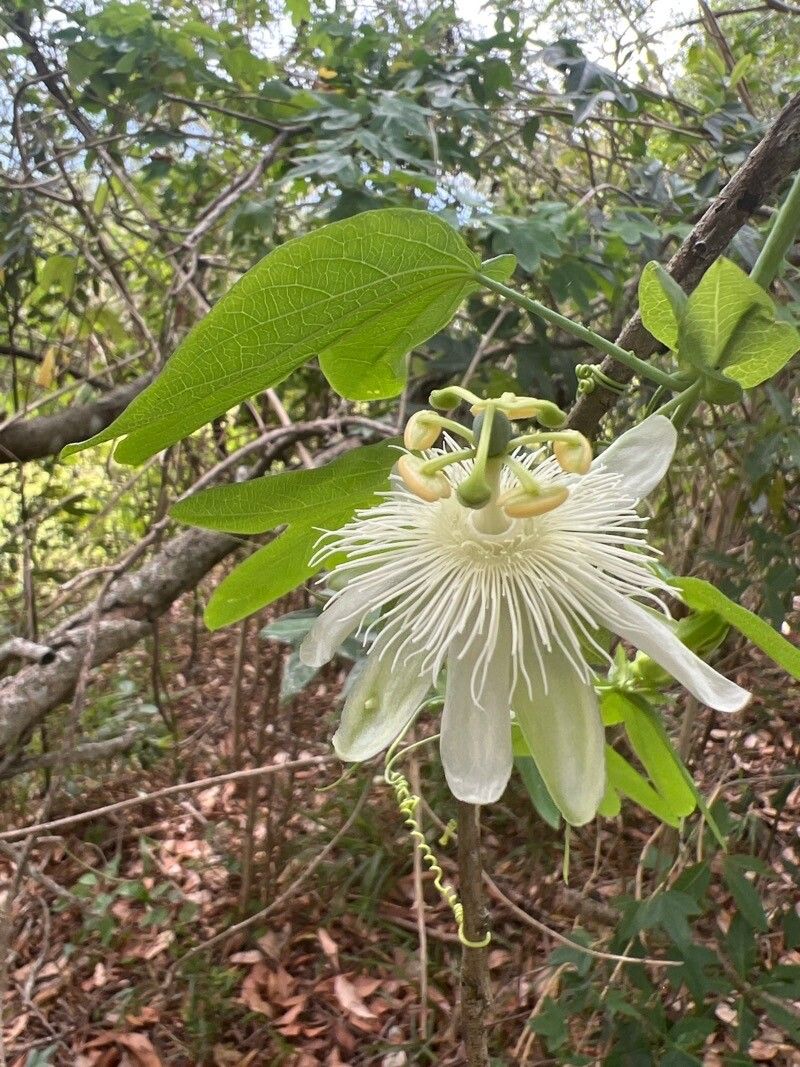
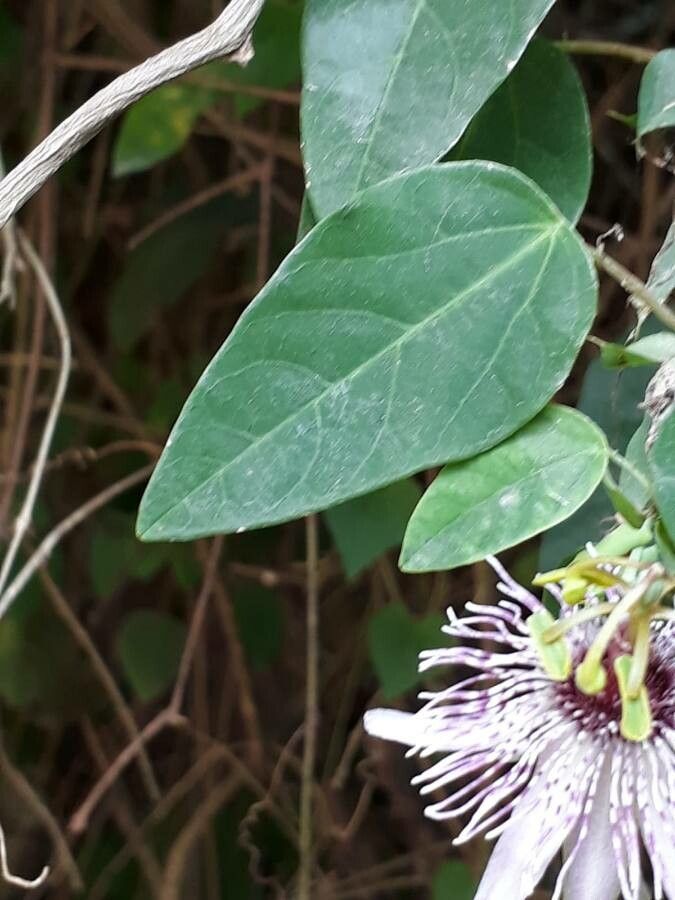
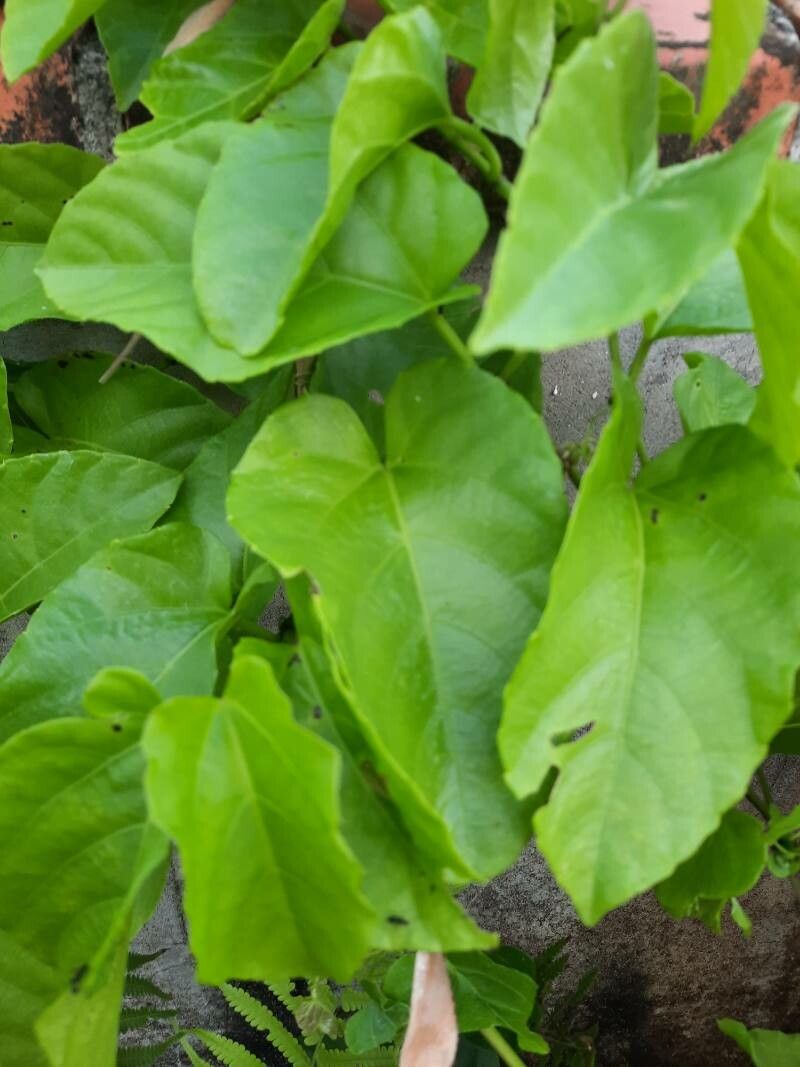
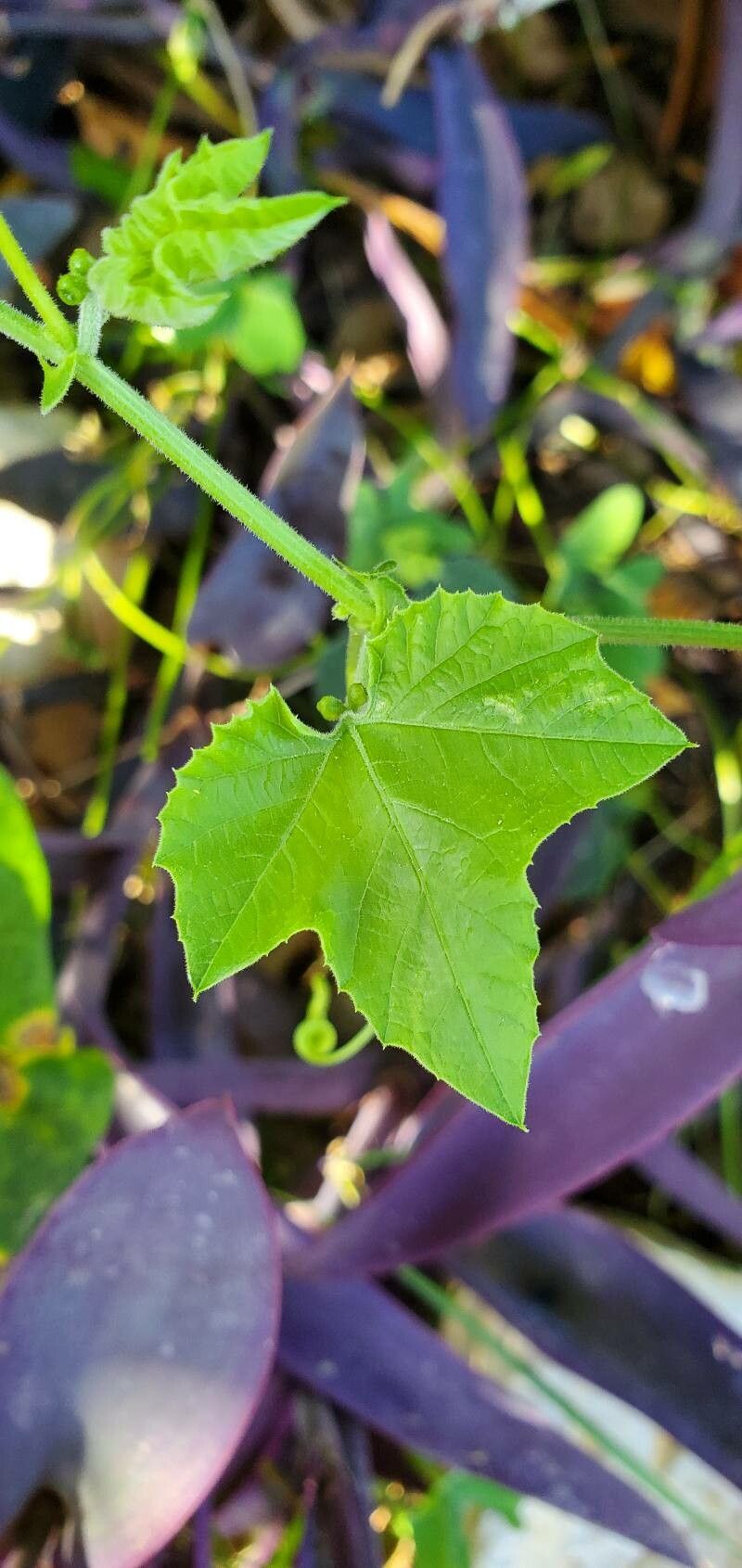
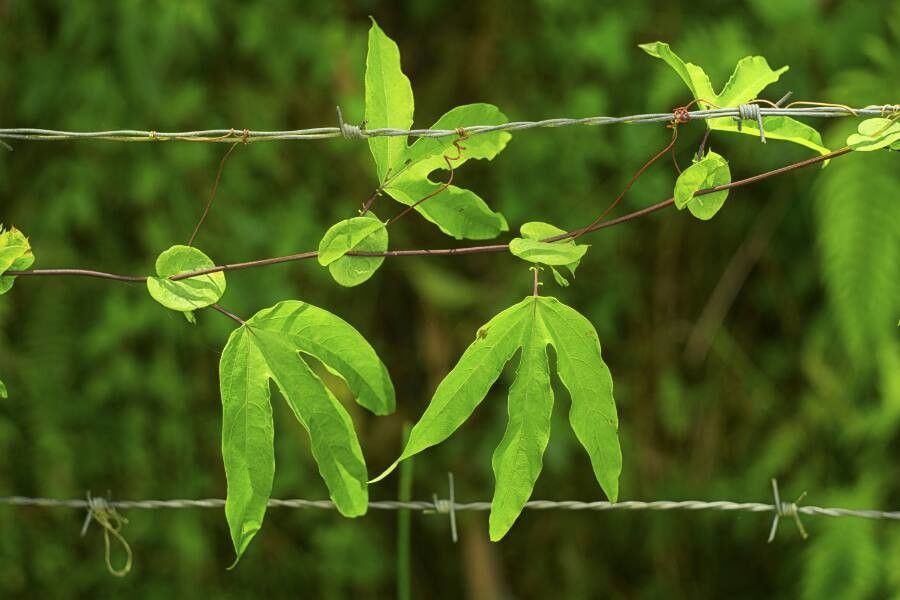
Passiflora subpeltata, commonly known as white passionflower, is a passion flower bearing yellow-green fruits. It is a vining plant with three-lobed leaves and 2-3 ornate flowers. It is grown as an ornamental plant. This vine is also a marginal pest in areas.
The white passionflower is fairly disease-resistant and generally not prone to illnesses. Still, it can be affected by pests and diseases present in its surroundings. These problems are usually mild. Regarding care, the plant requires moderate maintenance. It should be pruned regularly to maintain a tidy appearance and healthy growth. Fertilizing can also help encourage flowering. The white passionflower is suitable for anyone with outdoor space, such as a garden or patio, and does not demand much gardening experience. It may need extra care when grown indoors.
How to keep Passiflora Subpeltata.
Light
The white passionflower prospers under direct, unimpeded sunlight, flourishing best under an undiluted shower of light. Nonetheless, it can also cope in regions where the intensity of the sun is somewhat diminished. Too much shade could hinder its development, while overexposure has the potential to induce leaf burn. As it originates from clearings, it is accustomed to brightly lit conditions, allowing it to adapt from the seeding stage to full maturity.
Water
The white passionflower thrives in high humidity and prefers soil that remains evenly moist, although it can tolerate moderate drought. To encourage lush growth, especially indoors where you can control the moisture levels, water it weekly. Its climbing nature makes it ideal for containers, which help ensure it receives optimal hydration for vigorous development.
Temperature
The white passionflower originates from a moderate climate, usually necessitating temperatures between 68 and 95 °F (20 to 35 ℃). This plant flourishes in hot weather, hence adjustments to the temperature might be required during chillier seasons.
Fertilizer
Giving the right amount of fertilizer to the White passionflower is essential for its wellbeing and looks. Supply the White passionflower with fertilizer in the summertime, continuing on a monthly basis throughout the season. These nutrients are vital for growth and sustenance of plant structures. By fertilizing, the White passionflower's floral display is improved, guaranteeing optimum blooms.
Pruning
The white passionflower is a fast-growing plant known for its distinctive white blossoms. To encourage new growth, prune it in early spring or late winter, removing up to one-third of its growth. This helps improve air circulation, prevents disease, and maintains the plant's shape. After pruning, it is important to regularly check for pests and diseases.
Botanical profile.
- Plant Type
- Herb, Vine
- Life Cycle
- Perennial
- Genus
- Passiflora
- Family
- Passifloraceae
- Hardiness Zone
- 10
- Mature Height
- 3.05 m
- Mature Spread
- 3.05 m to 6.1 m
- Leaf Color
- Green, Blue
- Leaf Type
- Evergreen
- Flower Color
- White
- Flower Size
- 2.54 cm to 5.08 cm
- Bloom Time
- Late spring, Summer, Early fall
- Planting Time
- Spring, Summer, Autumn
- Harvest Time
- Late summer, Fall
- Native Area
- Colombia, Mexico, Guatemala, Venezuela, Panama
Other names.
Reader questions.
What are the sunlight requirements for White passionflower?
White passionflower requires full sun exposure to thrive, needing above 6 hours of sunlight daily. It can also survive in partial sun, with about 3-6 hours of sunlight. However, it's crucial to watch how sunlight moves through your garden, choosing spots that ensure a balance of light and shade, which is vital for the plant's growth. Having originated from open areas, White passionflower is well-adapted to luminous conditions and adjusts from germination to maturity, although too much shade or overexposure can negatively affect its health.
What is the native climate for White passionflower?
White passionflower is native to temperate climates and prefers temperatures ranging from 68 to 95 °F (20 to 35 °C). It is a heat-loving plant that thrives in warm weather. To ensure its health, temperature adjustments may be necessary during colder months to keep it in its ideal temperature range.
How can artificial lighting benefit White passionflower indoors?
Indoor White passionflower plants can greatly benefit from artificial lighting, especially when natural sunlight is insufficient, such as in winter or less sunny spaces. Artificial lights promote faster and healthier growth. LED lights are recommended because they can be customized to provide specific wavelengths needed by plants. For full sun plants like the White passionflower, 30-50W/sq ft of artificial light is ideal, placed 12-36 inches above the plant to mimic natural sunlight and for 8-12 hours per day, mimicking natural daylight hours.
How should White passionflower be cared for in winter?
In the autumn, it's recommended to bring outdoor-grown White passionflower indoors to protect it from the cold. The plant should be placed near a bright window to get enough light but kept at a distance from heaters to avoid excessive heat. Maintaining indoor temperatures above 20°C is beneficial for its growth during winter, as temperatures nearing 5°C can be harmful to the plant.
What are the key symptoms of light deficiency in White passionflower?
Symptoms of light deficiency in White passionflower include smaller new leaves, leggy or sparse growth, quicker leaf drop, and the cessation or slowdown of new growth. Insufficient sunlight can also cause leaves to appear lighter or develop chlorosis, leading to yellowing. Overexposure can cause sunscald, leaf curling, wilting, and leaf scorching, demonstrating the plant's struggle with inadequate or excessive sunlight.
How does low temperature affect White passionflower, and what are the solutions?
White passionflower prefers warm temperatures and is negatively affected by cold. When temperatures drop below 1°C, you may notice the leaves lightening in color, which is a sign of frost damage. This can lead to the color turning brown or black, along with wilting and drooping. To mitigate these issues, trim off frost-damaged parts and move the plant to a warm, indoor environment away from direct heat sources. Placing the plant near a south-facing window ensures it receives ample sunlight while avoiding the dry air caused by heaters or air conditioners.
What solutions are available for White passionflower suffering from poor lighting conditions?
For indoor plants, gradually move them to sunnier spots to ensure at least 6 hours of direct sunlight daily, using a south-facing window for maximum exposure. If the plant is large or not easily movable, consider using artificial lighting, such as a desk or ceiling lamp for at least 8 hours daily or invest in professional plant grow lights. Outdoors, slowly transition plants to sunnier locations to prevent shock and sunburn. If needed, prune obstructing trees or transplant smaller plants during their dormant period to sunnier areas with good drainage, addressing both over and underexposure issues effectively.
What should be done if White passionflower is exposed to high temperatures?
During summer when temperatures reach above 35°C, White passionflower's leaves may lighten, and it becomes at risk for sunburn. In such cases, trim away the sunburned and dried-up parts. Relocate the plant to an area that provides adequate shade from the intense midday and afternoon sun. Additionally, watering the plant during the cooler parts of the day, such as morning and evening, helps keep the soil consistently moist and supports the plant's wellbeing in high temperatures.
What is the botanic name of White passionflower?
The botanic name for White passionflower is Passiflora subpeltata. This name helps in correctly identifying the plant, especially when researching care specifics or looking for solutions to problems related to its health or growth.