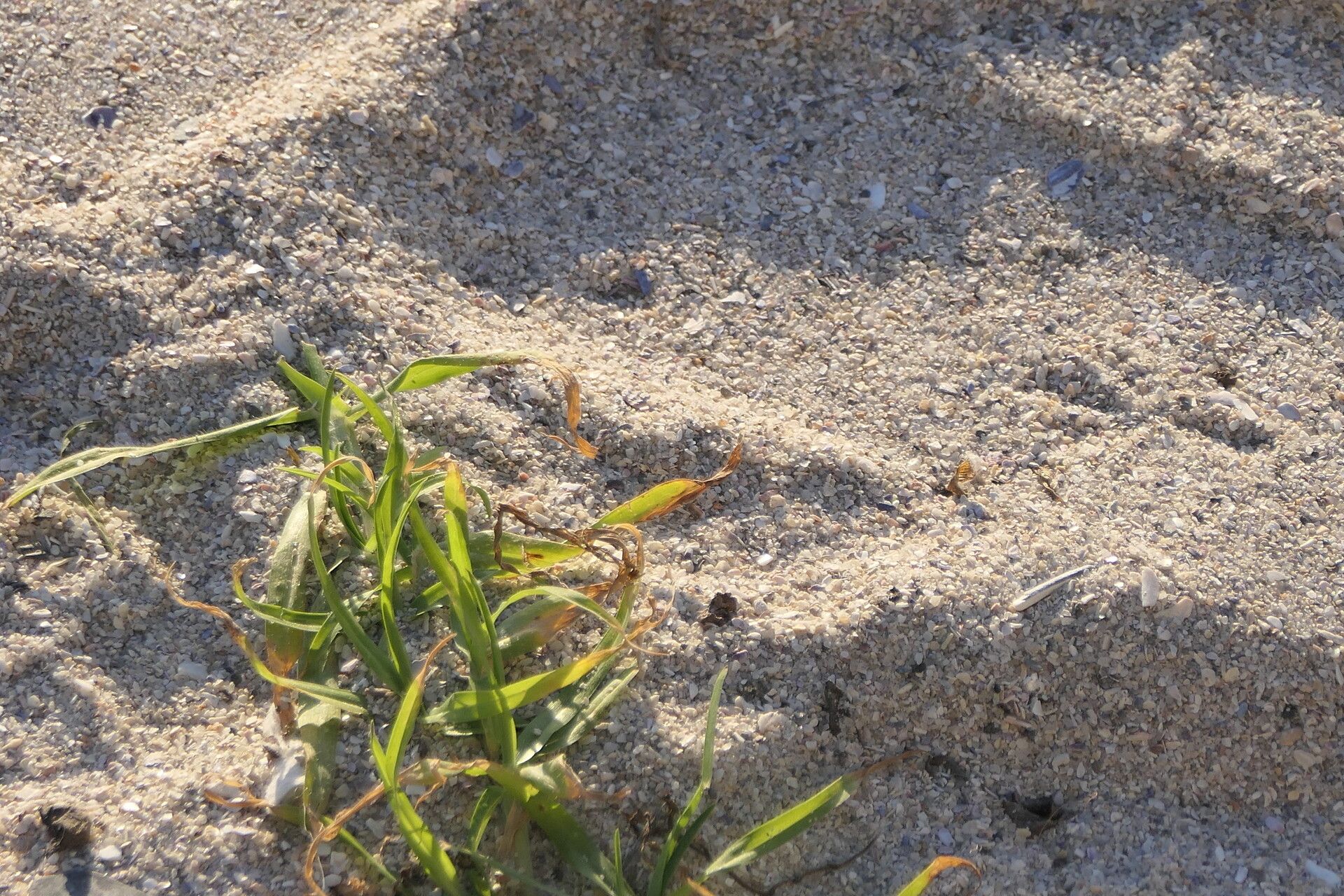
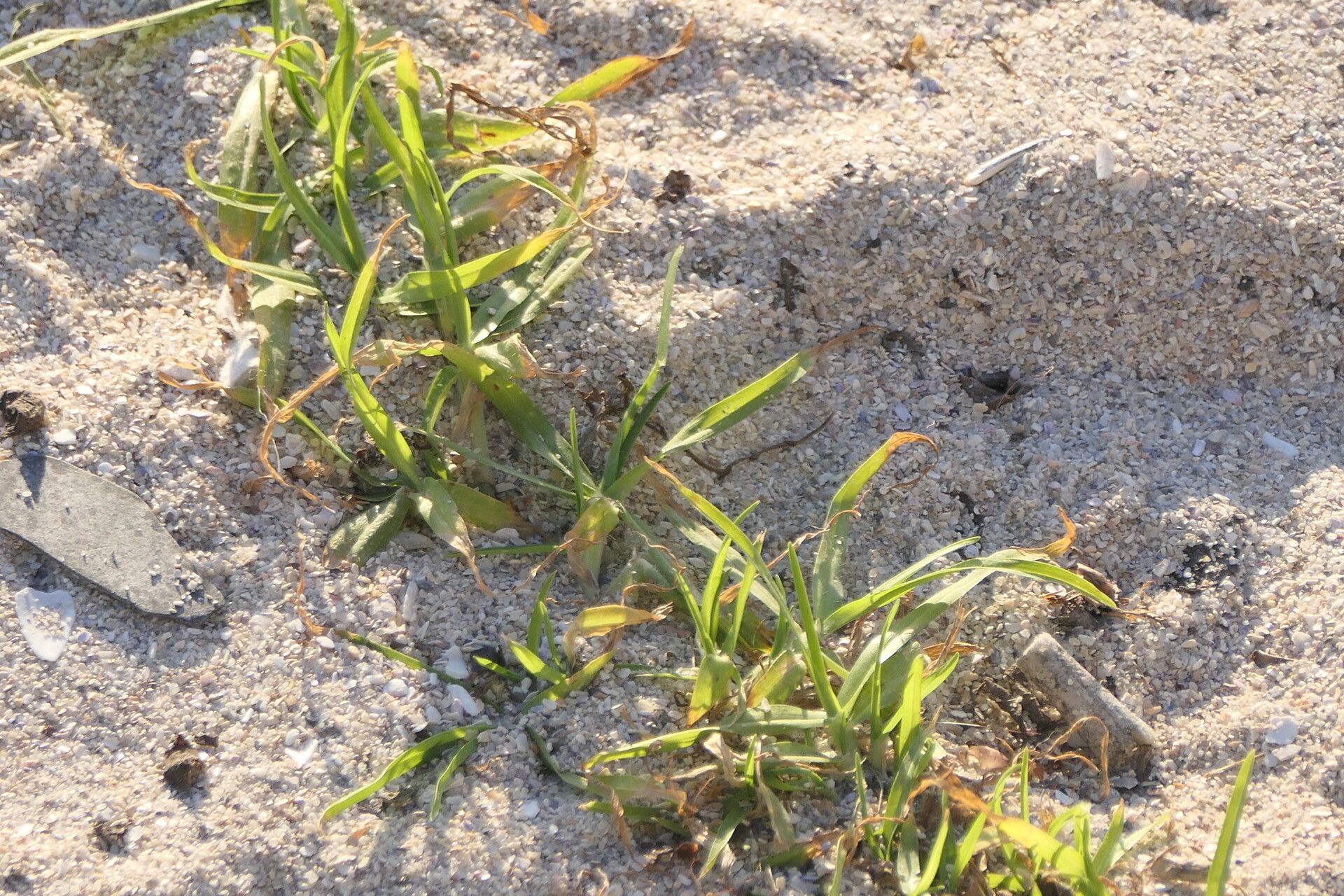
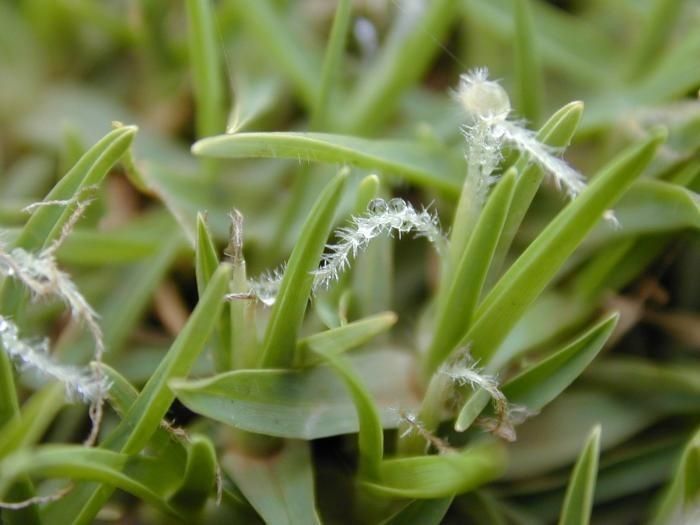
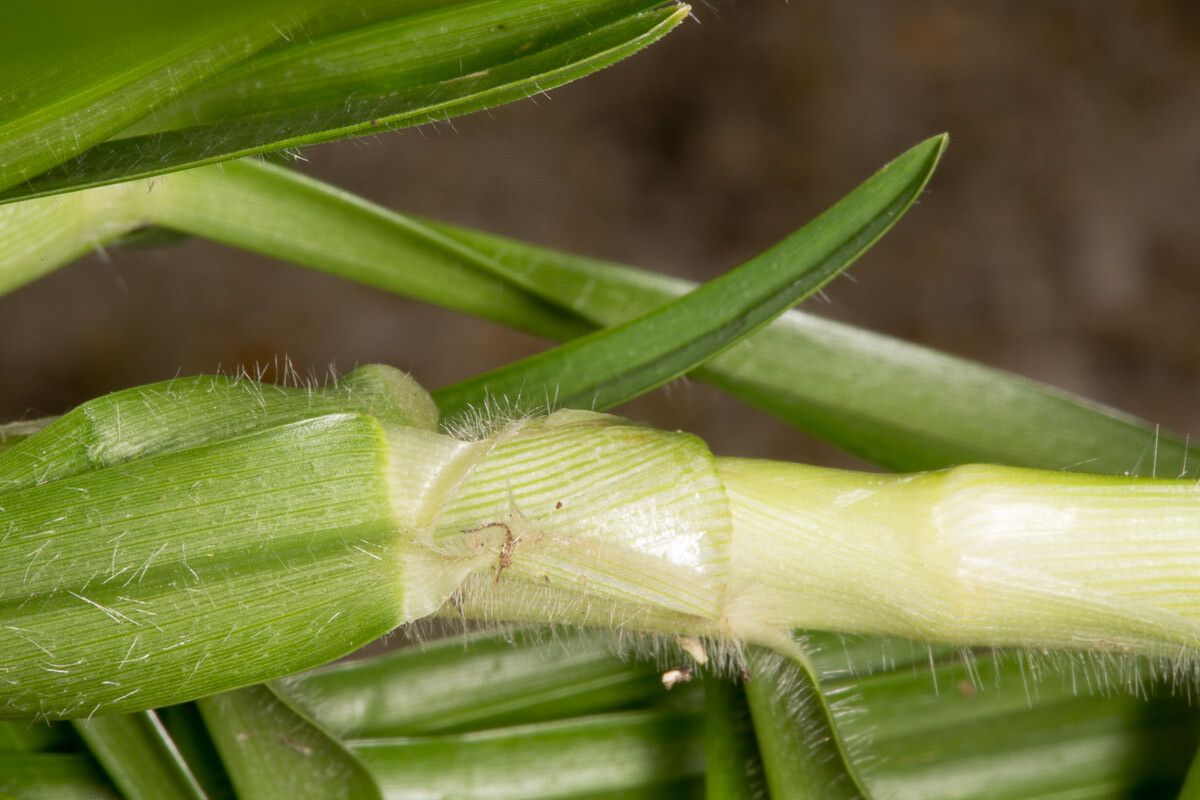
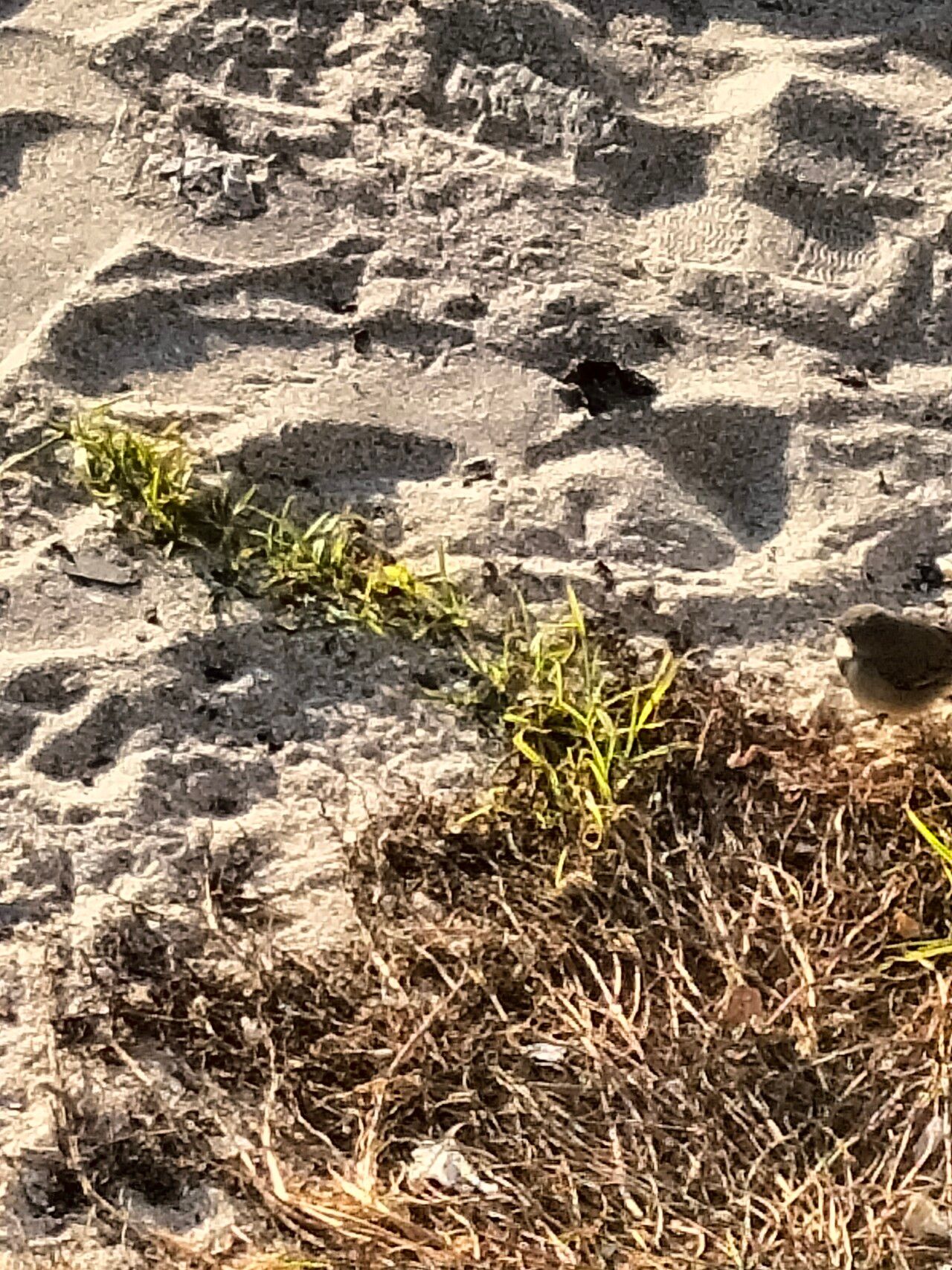
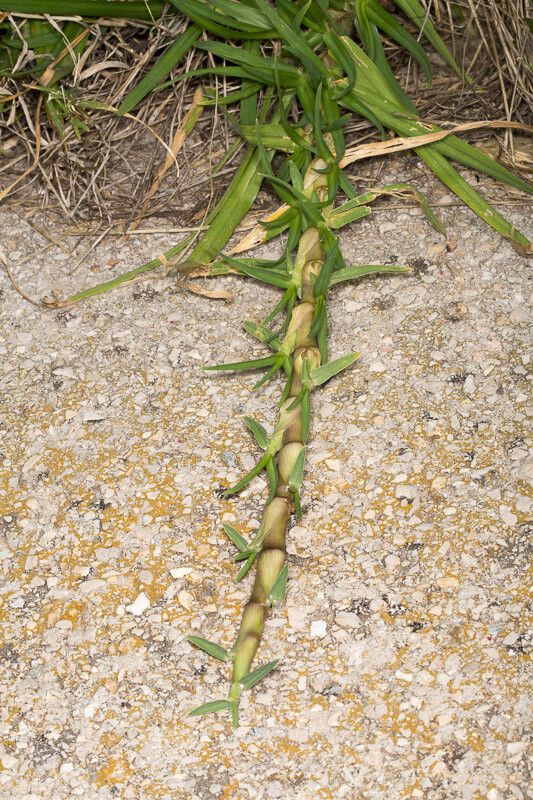
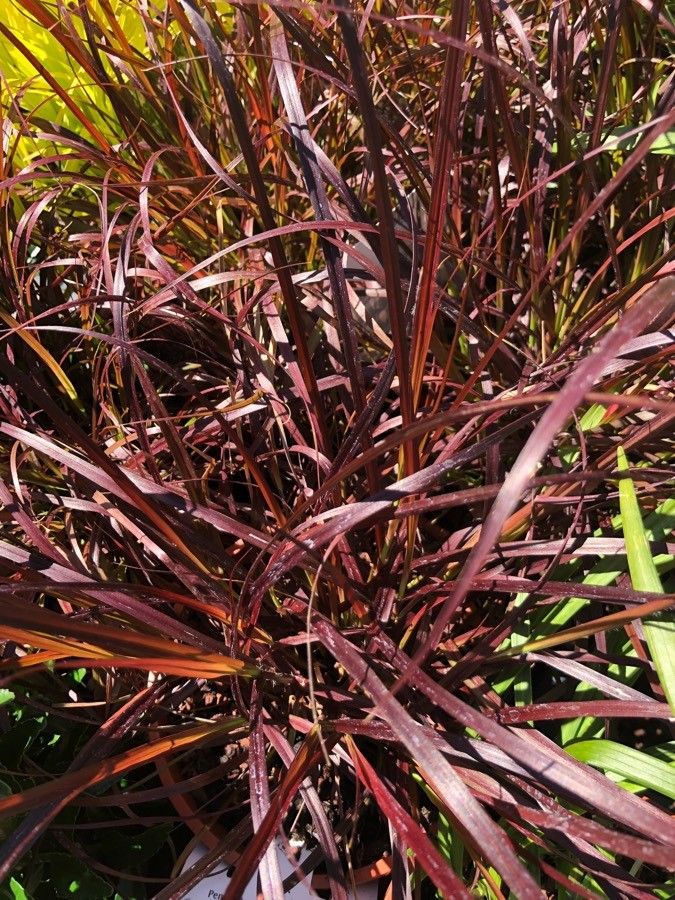
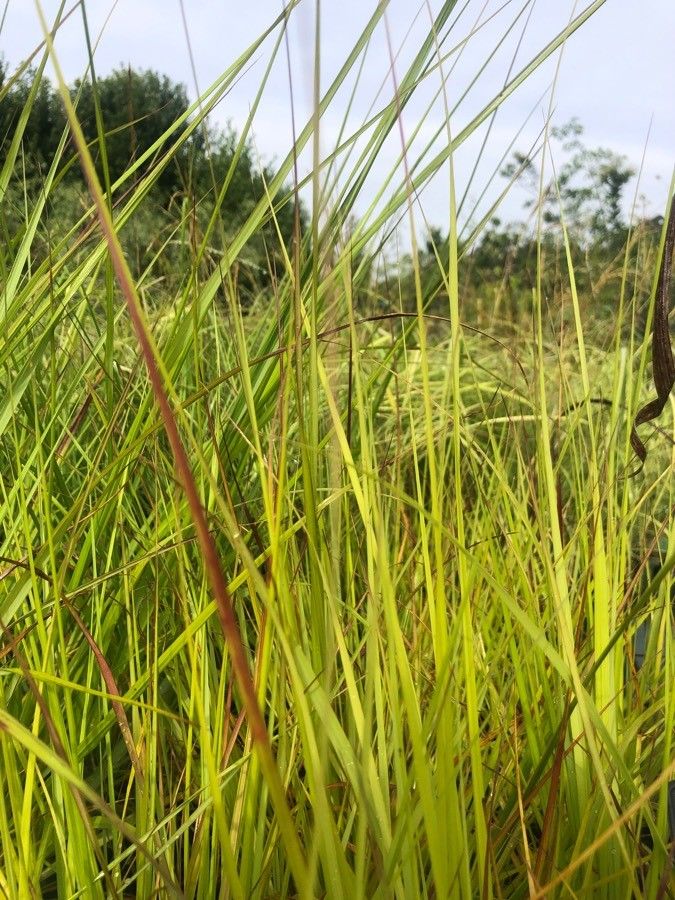
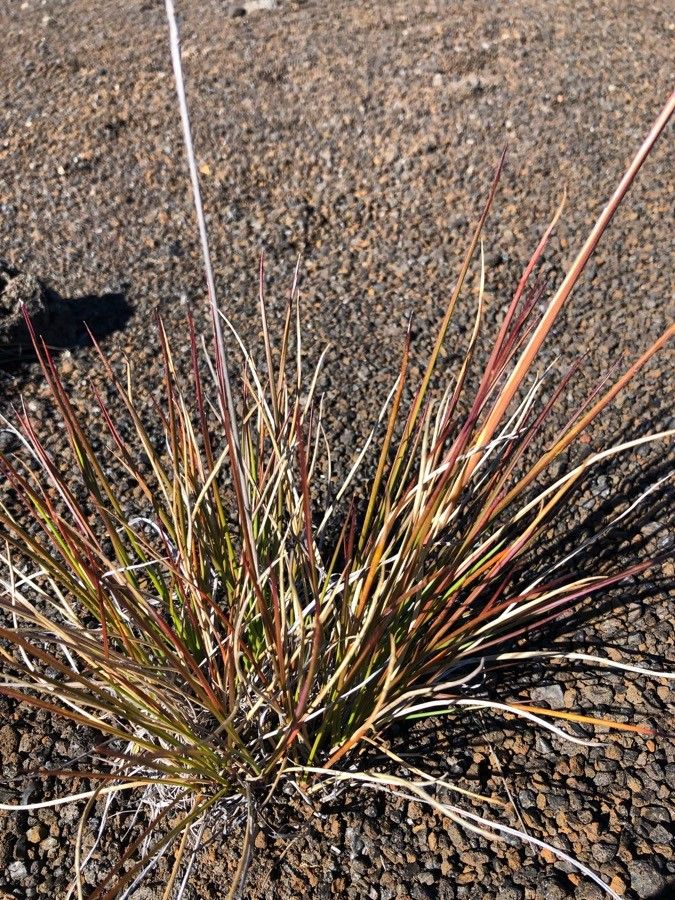
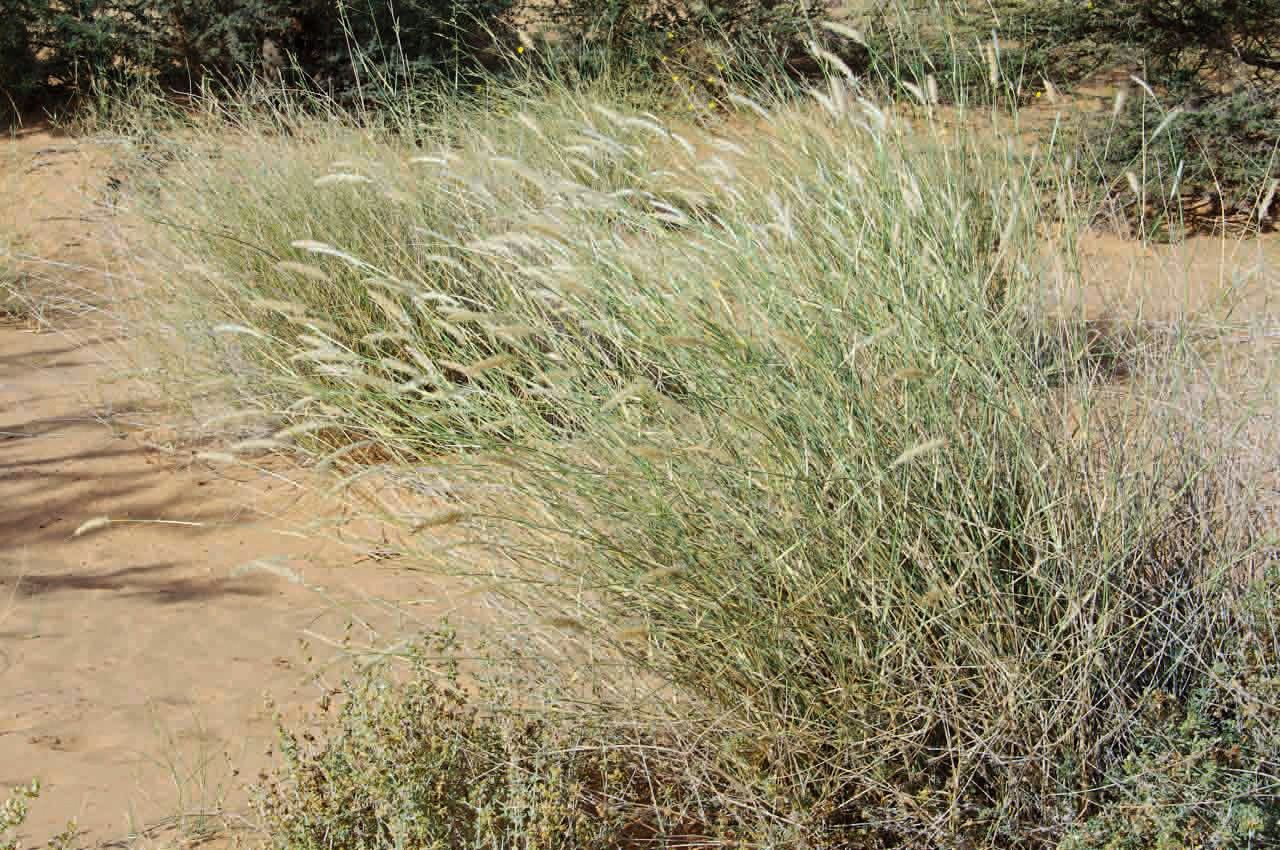
The tropical grass species Cenchrus clandestinus (previously Pennisetum clandestinum) is known by several common names, most often kikuyu grass, as it is native to the highland regions of East Africa that is home to the Kikuyu people. Because of its rapid growth and aggressive nature, it is categorised as a noxious weed in some regions. However, it is also a popular garden lawn species in Australia, New Zealand, South Africa and the southern region of California in the United States, as it is inexpensive and moderately drought-tolerant. In addition, it is useful as pasture for livestock grazing and serves as a food source for many avian species, including the long-tailed widowbird. The flowering culms are very short and "hidden" amongst the leaves, giving this species its specific epithet (clandestinus).
Kikuyu grass is resistant to many diseases and typically does not suffer from them. As for care, this plant is fairly low-maintenance. When grown outdoors it needs only light watering, and larger specimens usually do not require pruning. Smaller plants, however, should be trimmed after they finish blooming. Kikuyu grass is suitable for anyone with an outdoor area, such as a garden or deck, and does not need extensive gardening experience.
How to keep Pennisetum Clandestinum.
Light
Kikuyu grass requires substantial sunlight for much of the day to do well, though it can tolerate lower light levels. Native to areas with abundant sunshine, it naturally occurred in open, sunlit habitats. Too little light can restrict its growth, while excessive exposure can sometimes cause damage.
Temperature
Kikuyu grass can tolerate a wide range of temperatures, though its distribution may still be restricted by particular combinations of moisture and heat. It grows best in warm summer climates with adequate rainfall or irrigation. Long periods of cloudy, rainy weather, as well as extended high temperatures, can increase the risk of Kikuyu grass dying. In winter, protecting the plants from cold can improve their survival.
Fertilizer
Kikuyu grass is a warm-season turf that performs well in summer and goes dormant in winter. Fertilizing is essential for thick growth, a bright green color, and better tolerance of stresses like heat, drought, and cold. Lawns that are neglected become weak and thin and are more prone to invasion by other grasses, weeds, insects, and diseases.
Botanical profile.
- Plant Type
- Grass
- Life Cycle
- Perennial
- Genus
- Pennisetum
- Family
- Poaceae
- Hardiness Zone
- 8-12
- Mature Height
- 91 cm
- Mature Spread
- 30 cm to 61 cm
- Leaf Color
- Light Green, Forest Green
- Leaf Type
- Evergreen
- Flower Size
- 0.15 cm to 0.20 cm
- Bloom Time
- All year round
- Planting Time
- Summer, Autumn
- Harvest Time
- All year round
- Native Area
- Burundi, Eritrea, Ethiopia, Nigeria, Congo (DRC)
Other names.