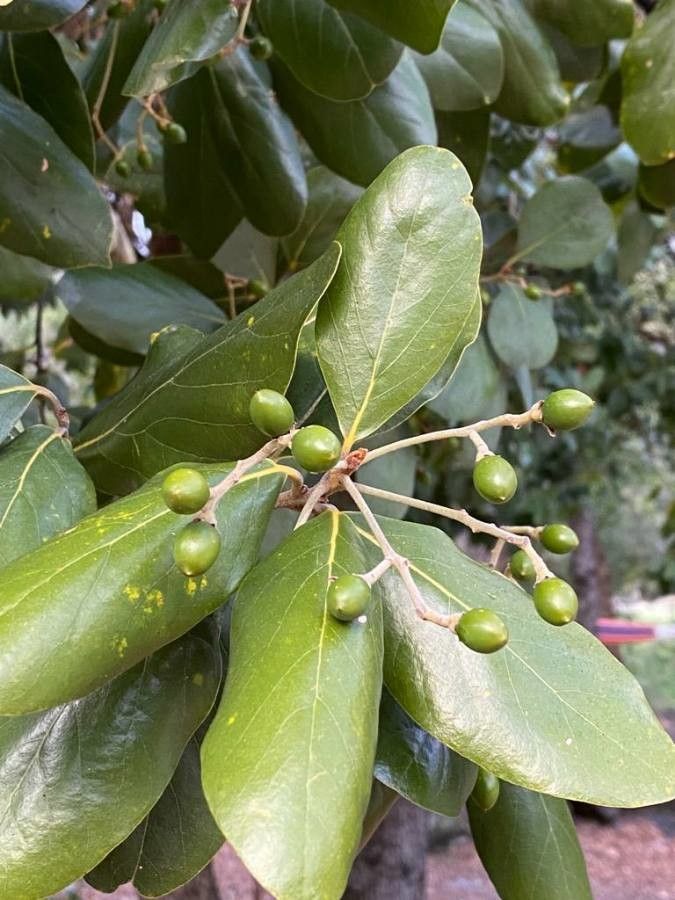
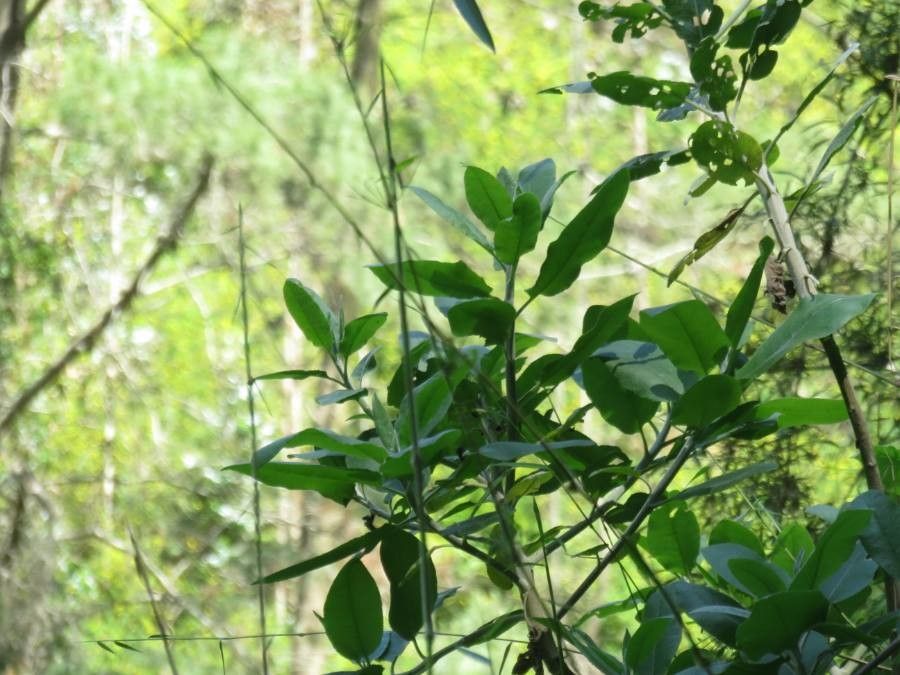
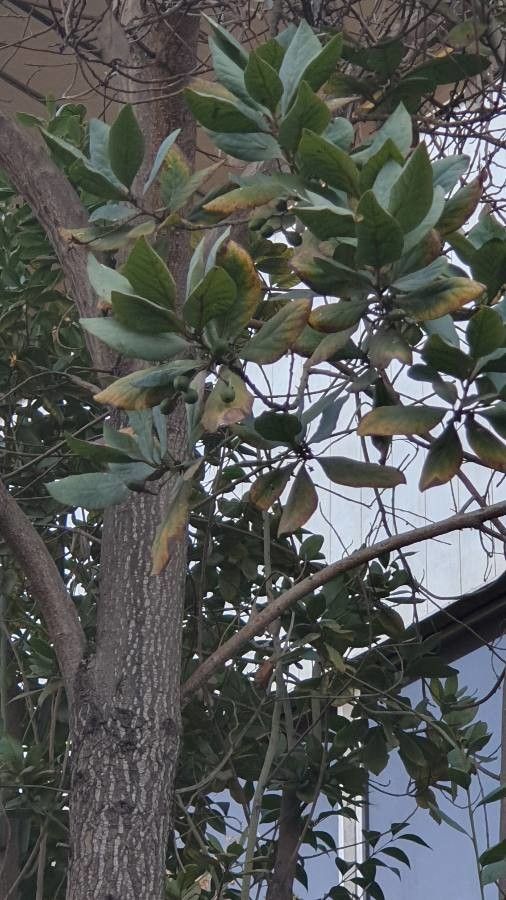
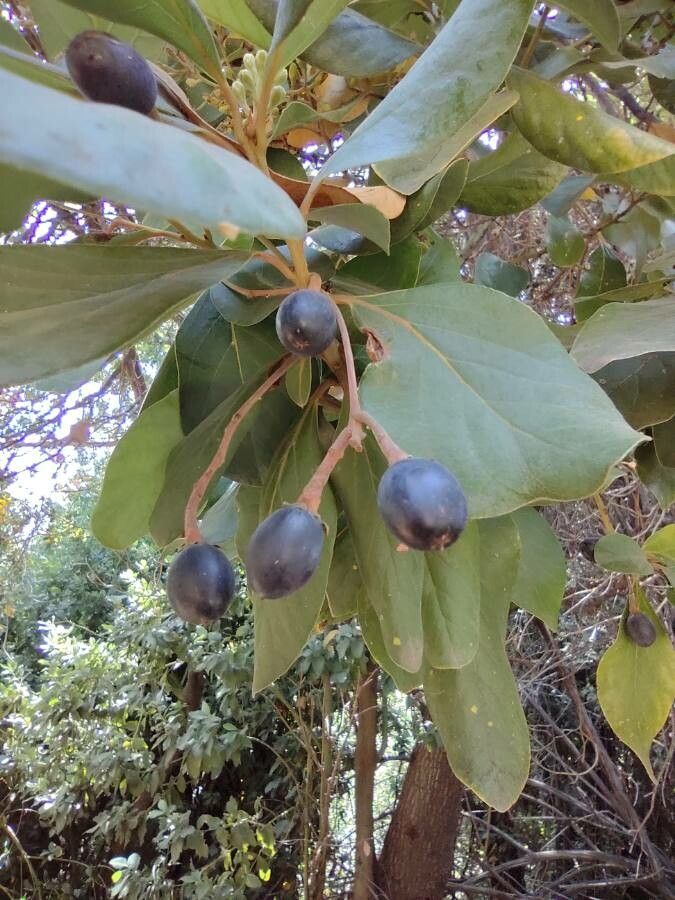
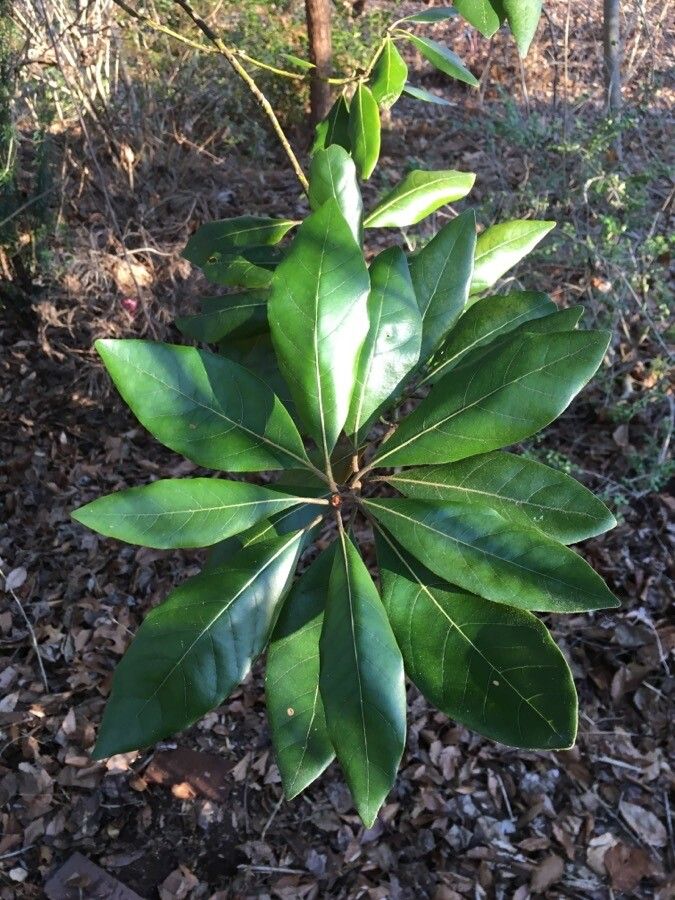
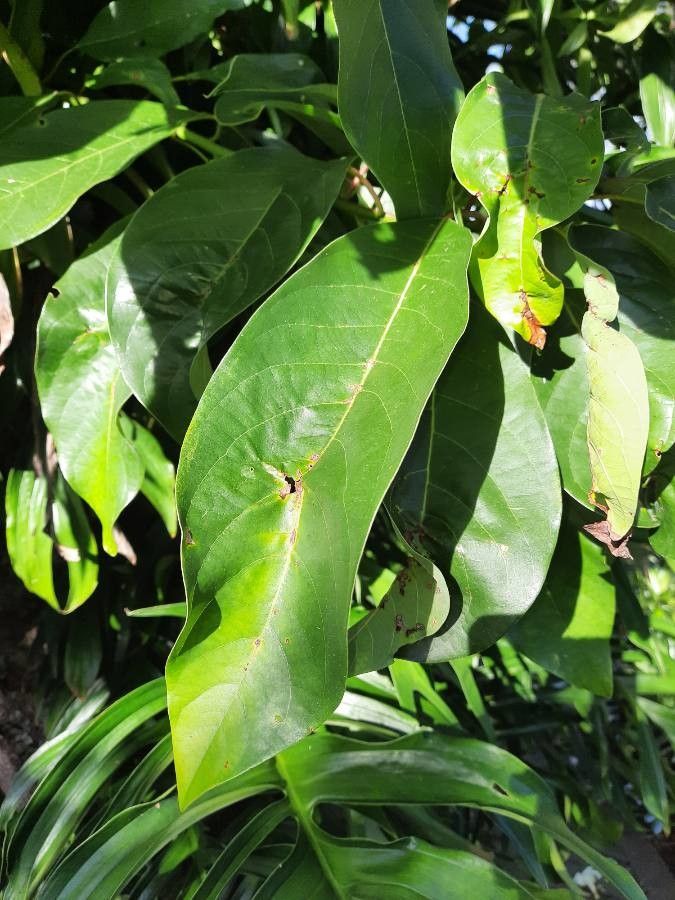
Persea lingue, commonly known as the Chilean avocado, is a species of evergreen tree native to Chile and Argentina. This tree, belonging to the Lauraceae family, can grow up to 20 meters tall and features a dense crown of glossy green, oval-shaped leaves that can reach lengths of up to 15 centimeters.
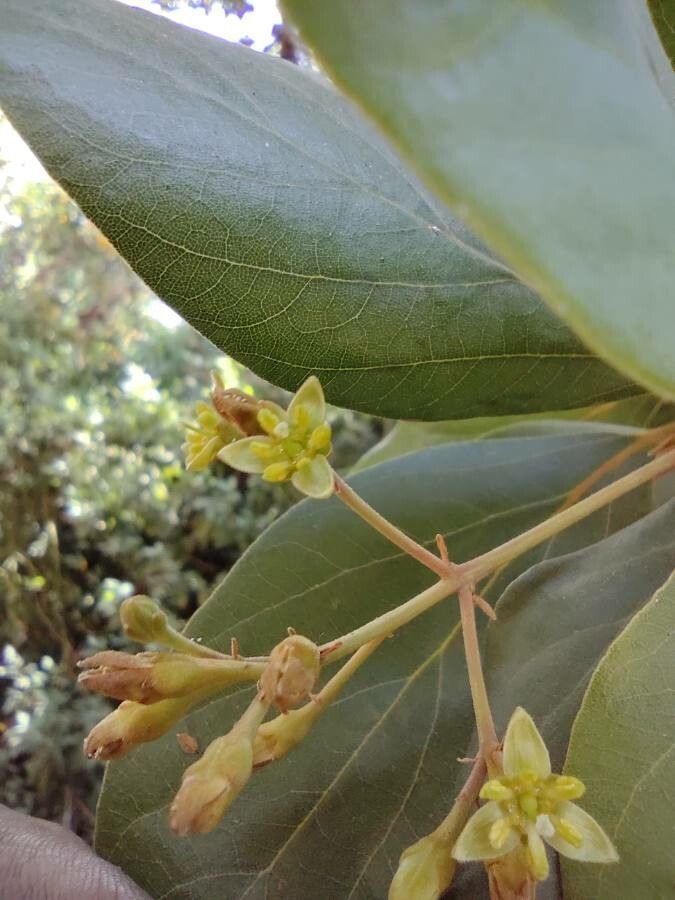
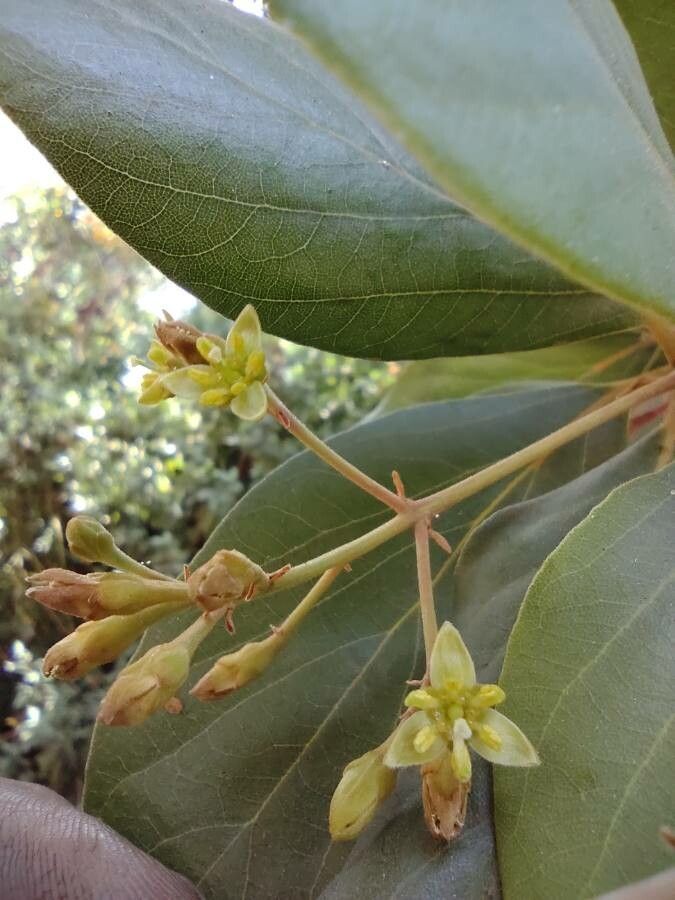
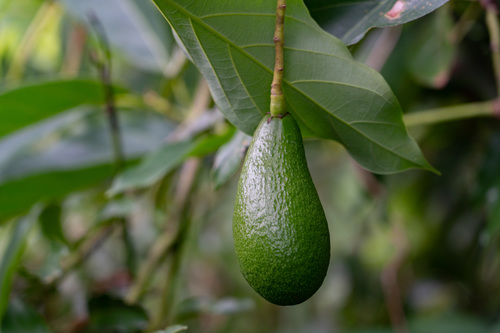
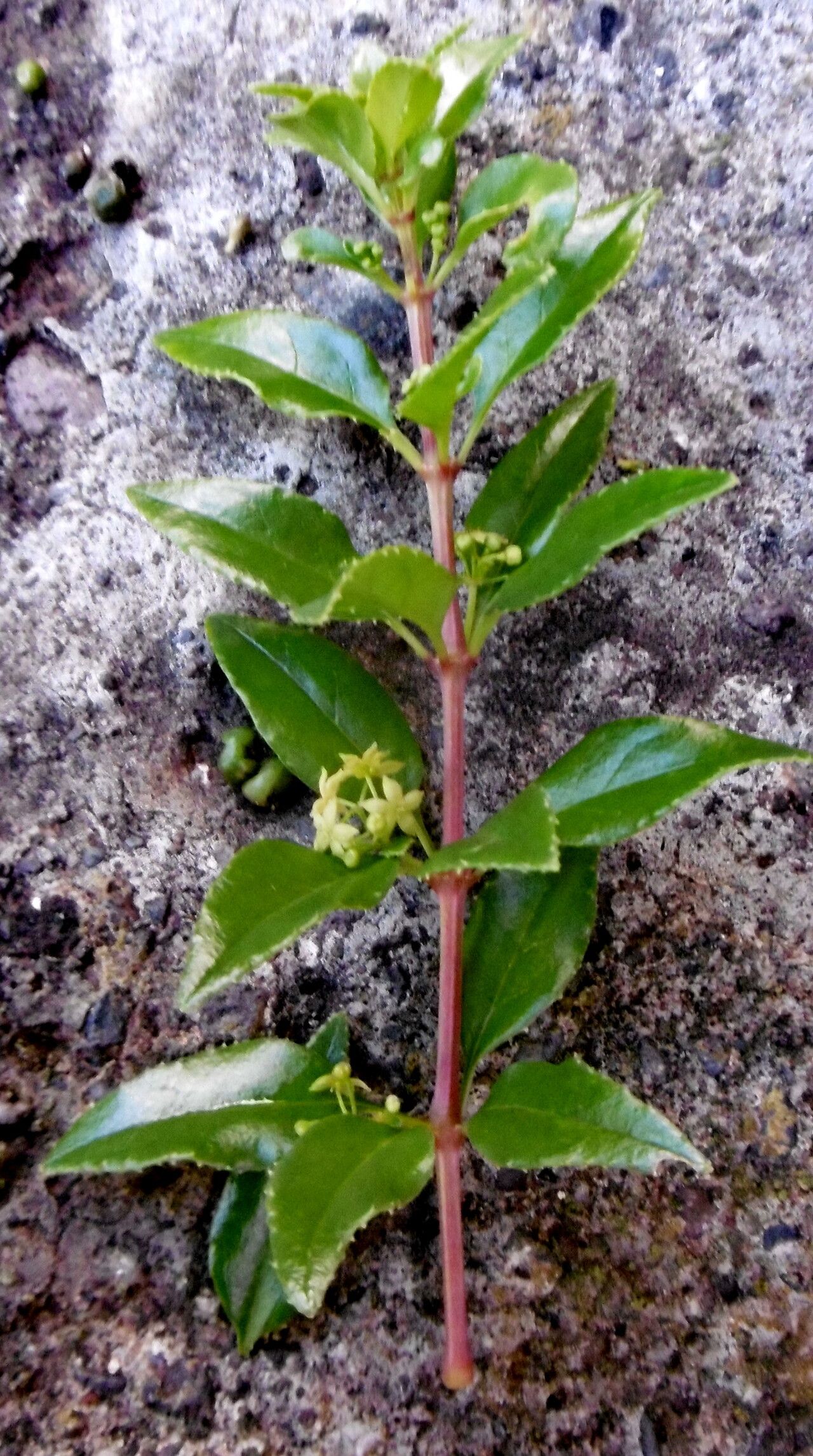
In the spring, Persea lingue produces small, greenish-yellow flowers, which are followed by oval-shaped fruits that resemble avocados. These fruits have thin skin and contain a single large seed at the center. While the fruits are edible, they are not commonly consumed due to their bitter taste.
The wood of Persea lingue is highly prized for its durability and resistance to decay, making it popular for various construction applications, including flooring, furniture making, boat building, and tool handles.
This plant thrives in well-drained soils with moderate moisture levels but can also tolerate drought conditions once established. It grows best in environments with full sun or partial shade and temperatures ranging from 10 to 30°C.
Traditionally, indigenous communities have used Persea lingue for medicinal purposes, particularly for treating respiratory issues like asthma and bronchitis, thanks to the anti-inflammatory properties found in its leaves.
In summary, the Persea lingue plant serves multiple purposes, from its medicinal uses by indigenous communities across South America to its highly valued wood for construction projects, making it an ideal choice for building furniture and boats.
Botanical profile.