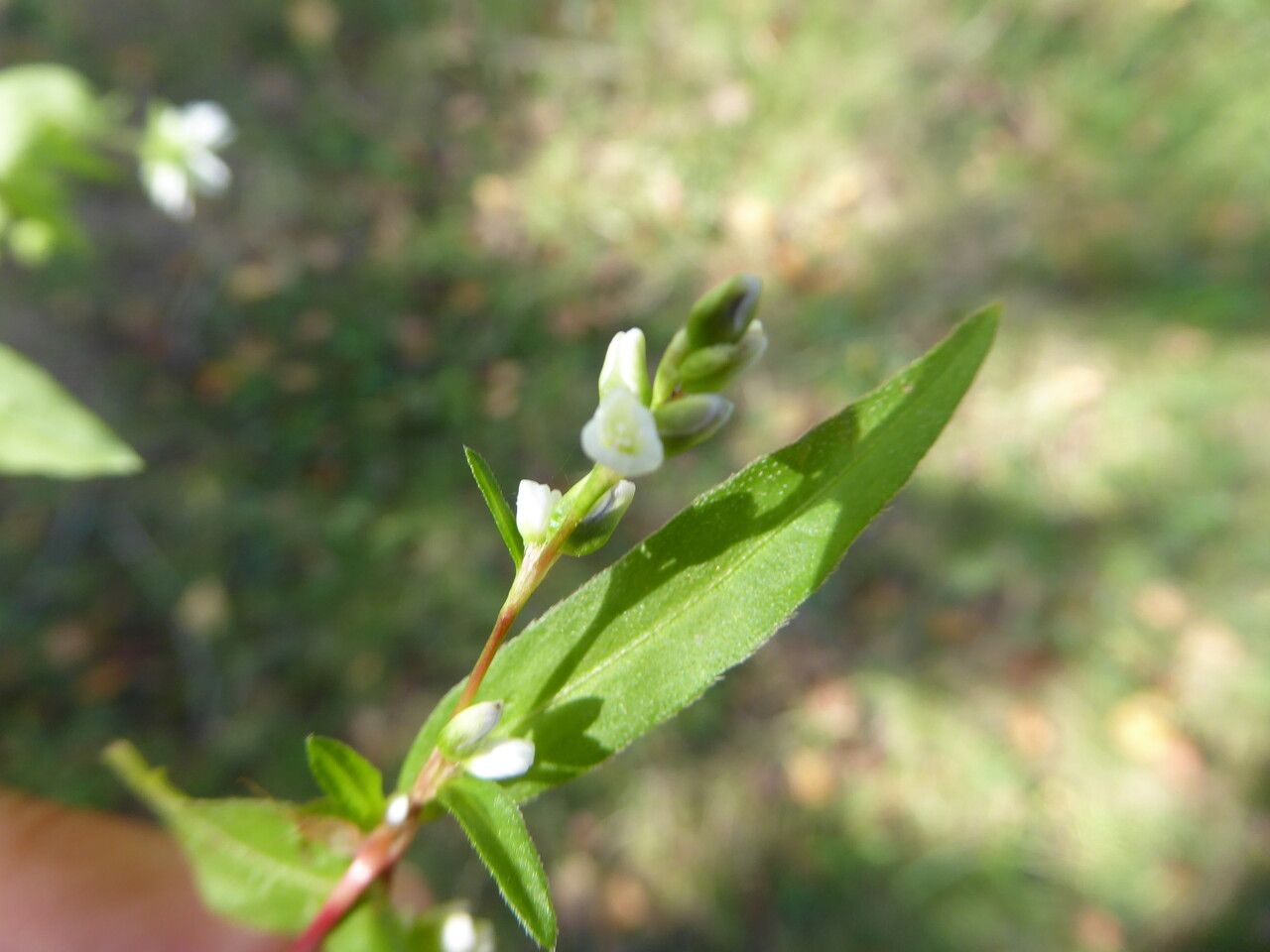
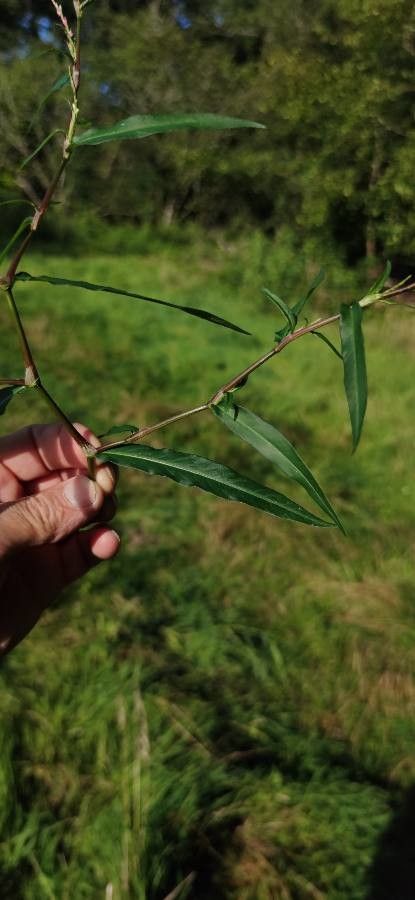
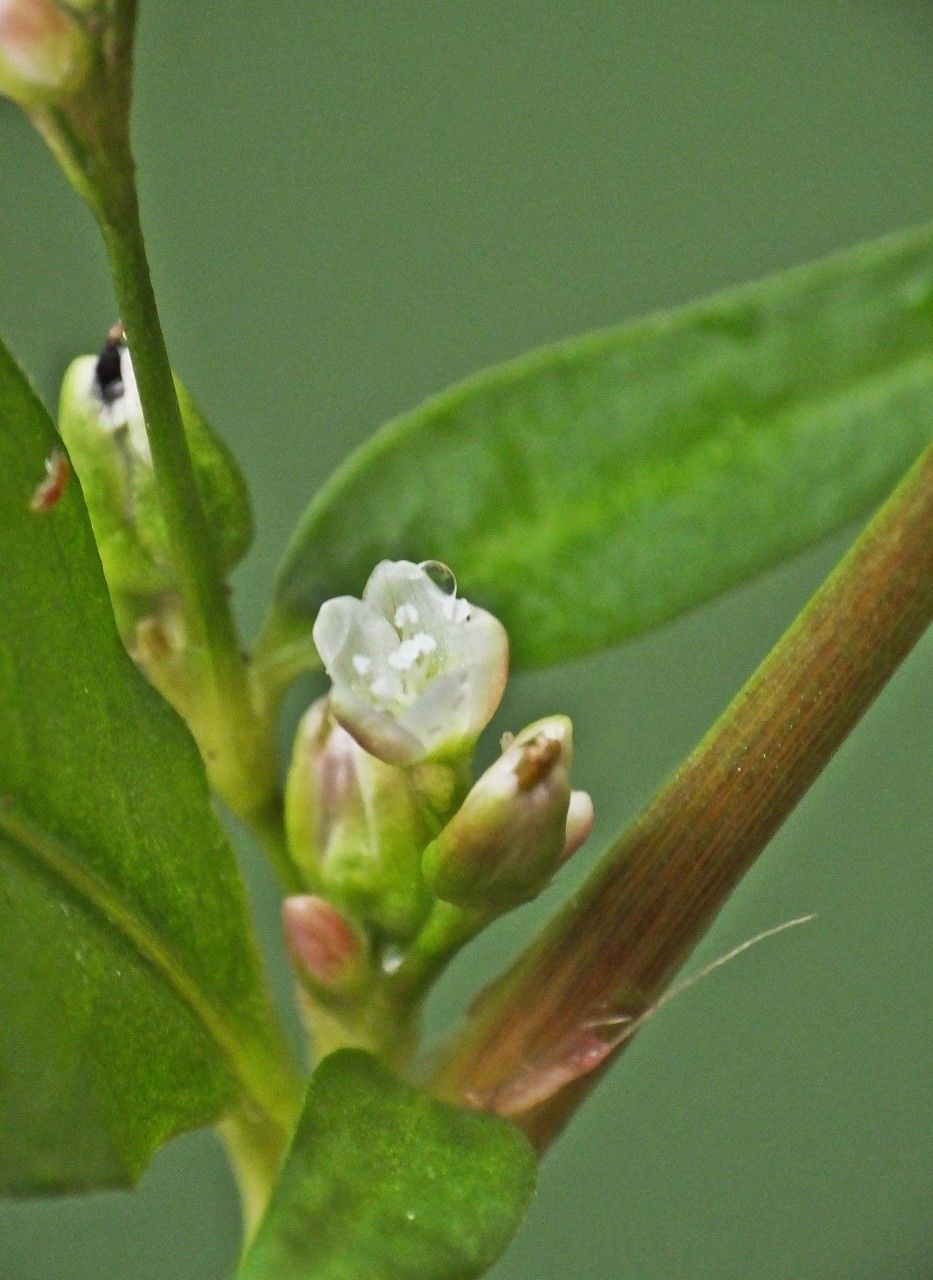
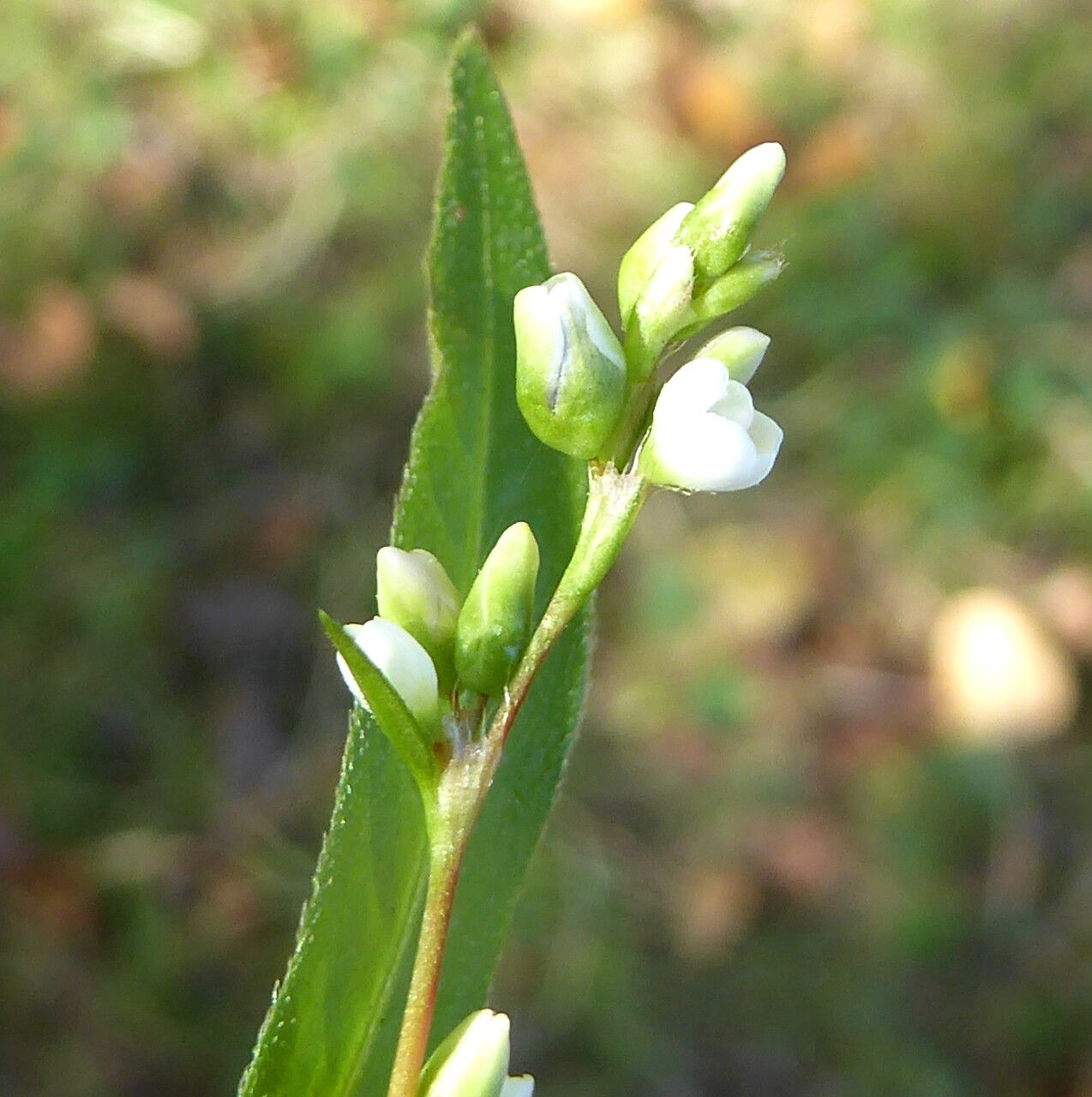
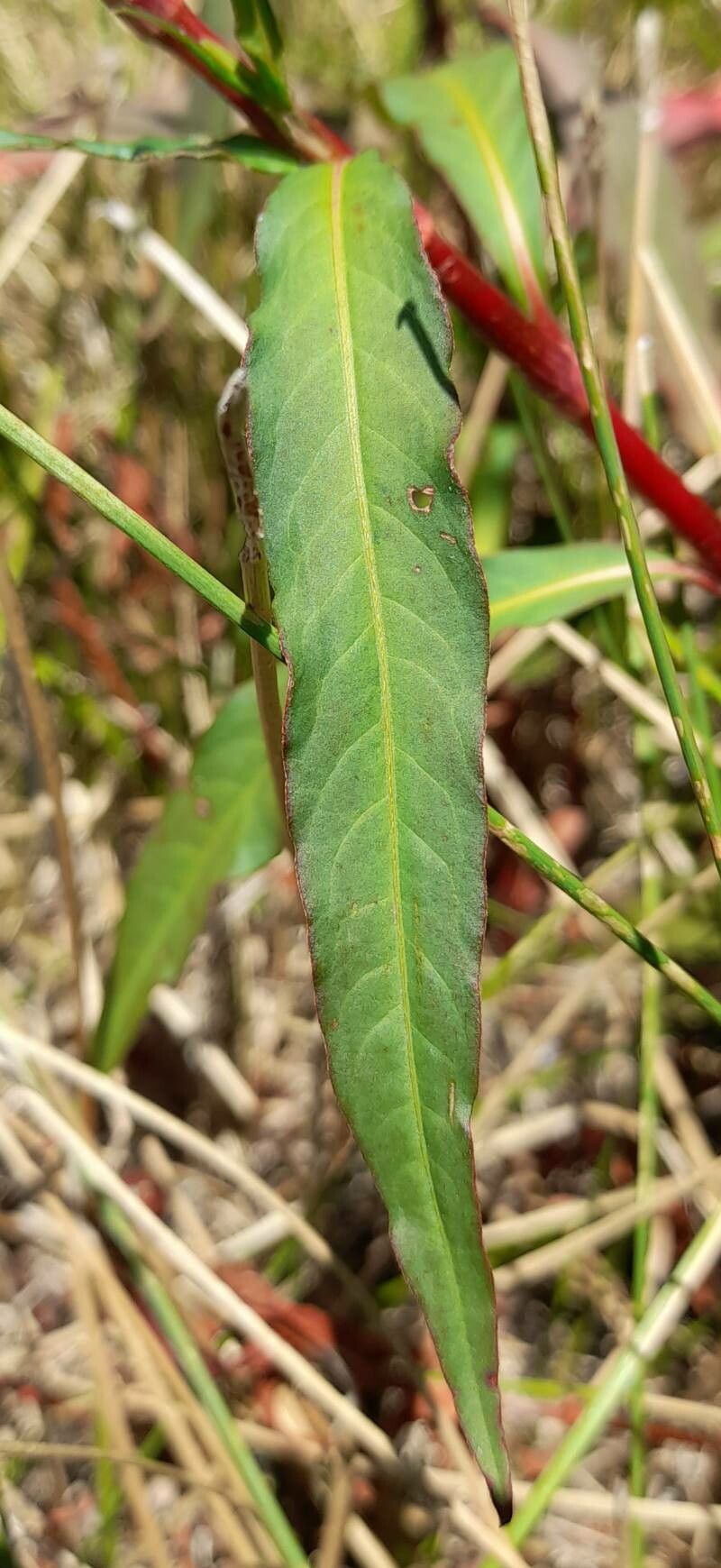
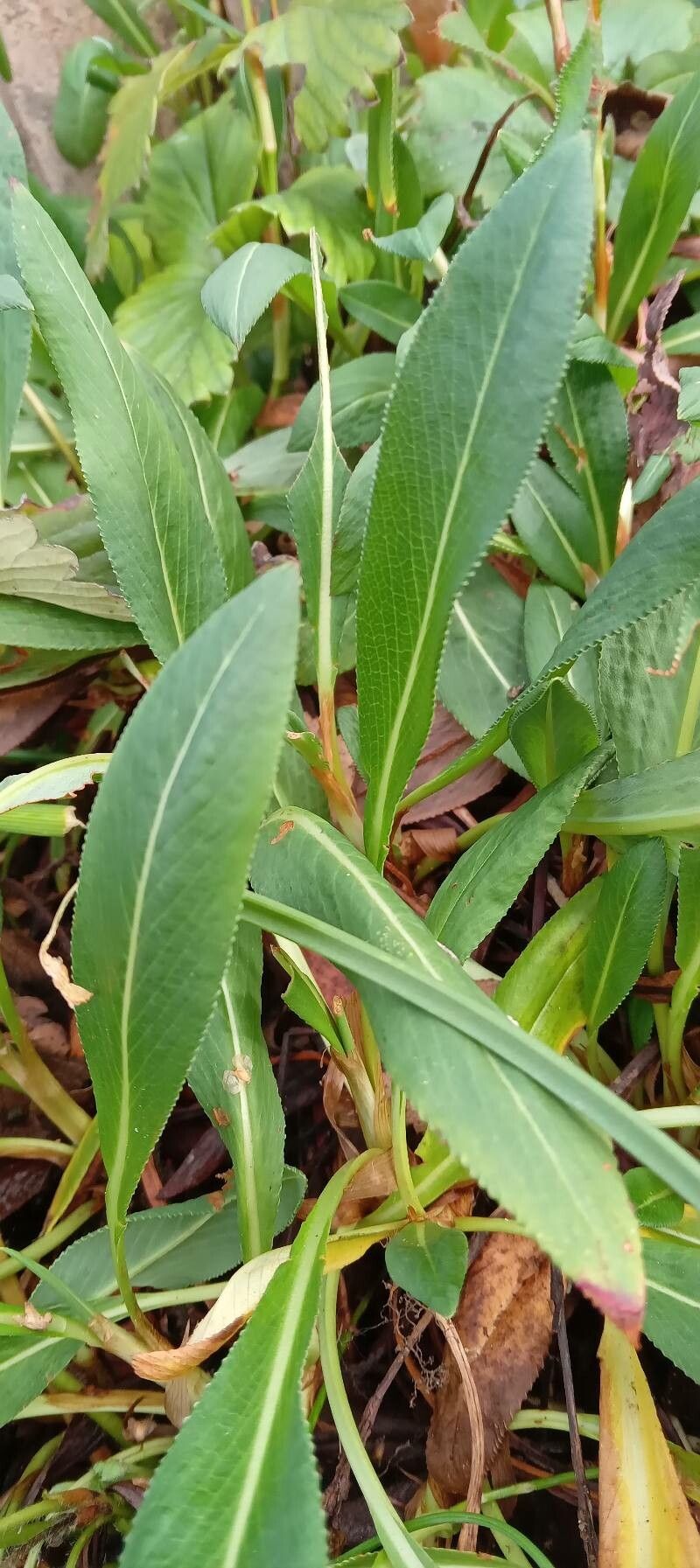
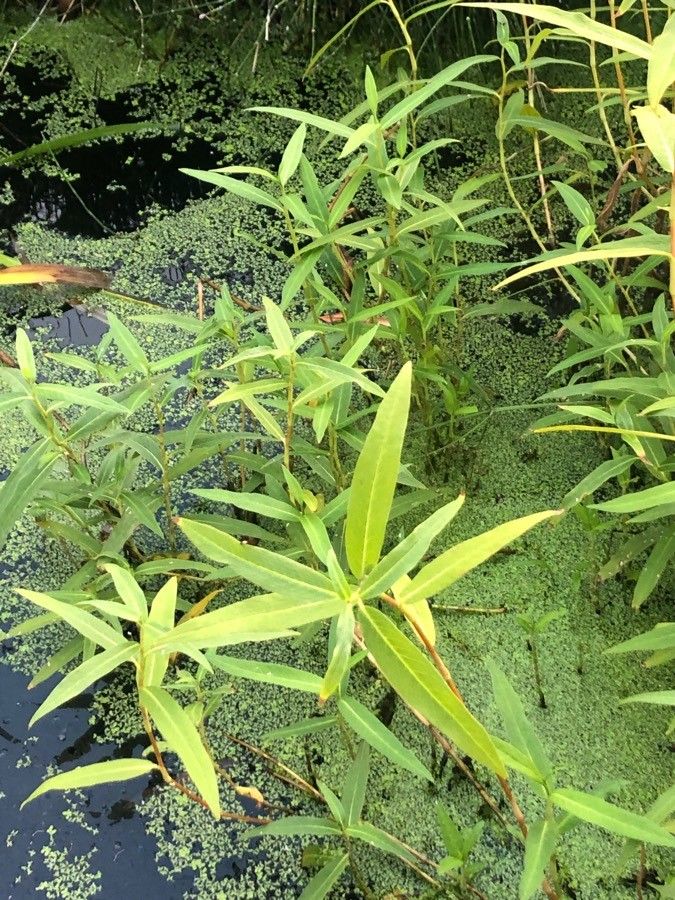
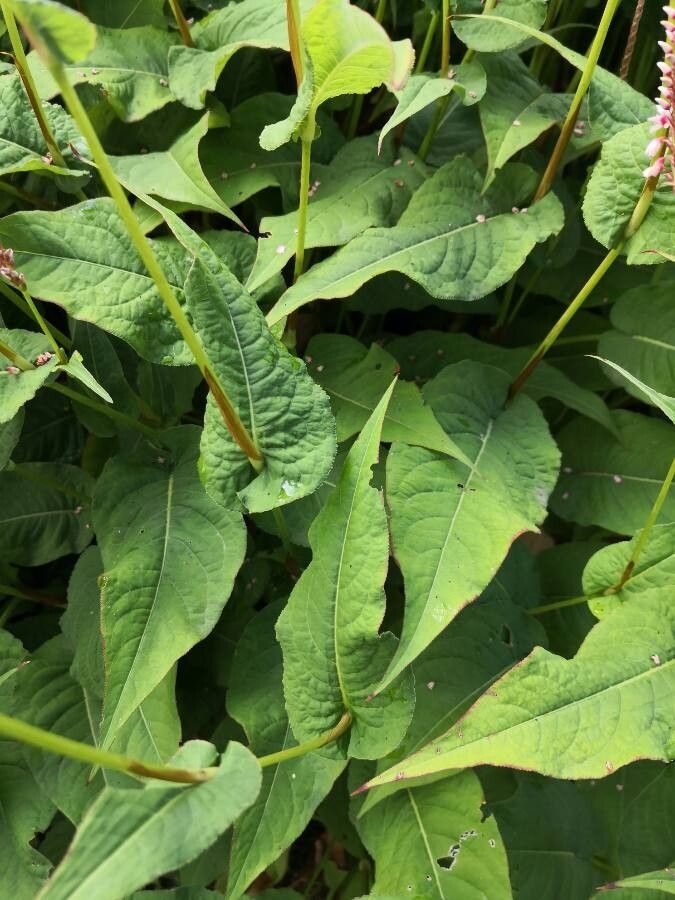
Persicaria mitis, commonly known as mild water pepper or smartweed, is a herbaceous perennial plant within the Polygonaceae family. Native to Asia, it typically inhabits wetlands, marshes, and riverbanks. The plant can reach up to 1 meter in height and has a spreading growth habit. Its lance-shaped leaves are either green or reddish-brown.
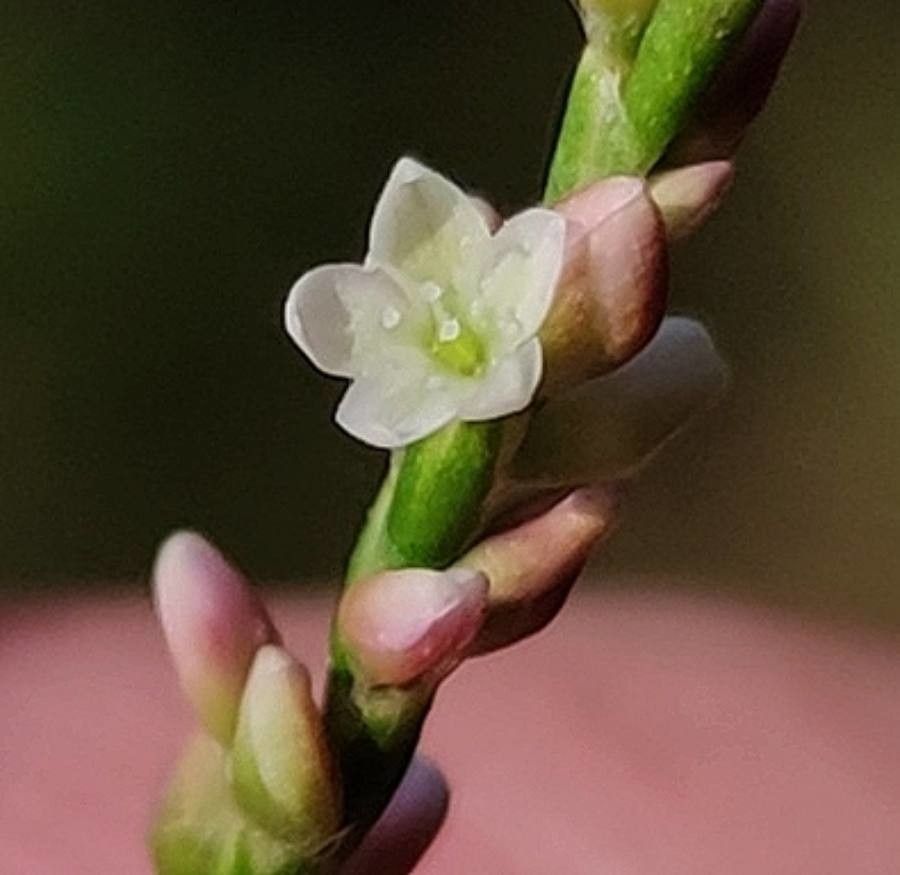
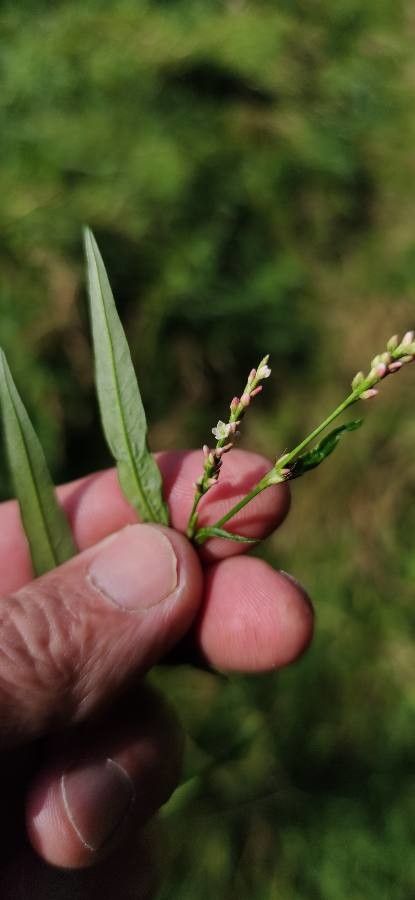
The small, pinkish-white flowers of Persicaria mitis have five petals and form spikes at the ends of stems. Blooming from July to September, these flowers attract bees and other pollinators.
For centuries, Persicaria mitis has been valued for its anti-inflammatory properties and has been used medicinally. It has also served as a food source for indigenous communities, who consume its leaves both raw and cooked.
This easy-to-grow plant thrives in moist soil with partial shade. It can be propagated through seeds or stem cuttings during spring.
Overall, Persicaria mitis is an attractive ornamental plant that enhances the beauty of wetland areas. It also offers ecological benefits such as erosion control and providing habitat for wildlife like birds and insects.
Redshank is fairly disease-resistant and usually does not develop illnesses. However, it can be vulnerable to pests and diseases present in its environment. These problems are generally mild. Regarding care, the plant requires moderate maintenance. It should be pruned regularly to keep a neat appearance and promote healthy growth. Fertilizing can also encourage flowering. Redshank is well suited for anyone with an outdoor area, such as a garden or patio, and does not demand extensive care experience. It may need more attention when grown indoors.
How to keep Persicaria Mitis.
Light
Redshank comes from bright, open habitats and performs best in full sun. It tolerates partial shade but prefers direct sunlight for optimal growth. This plant, which can be annual or biennial, is noted for its sun-loving habit.
Temperature
Redshank can tolerate a wide range of temperature conditions, although its distribution can still be constrained by various combinations of moisture and heat. It grows best in warm summer climates with sufficient rainfall or irrigation. Extended periods of cloudy, rainy weather or prolonged high temperatures can raise the risk of Redshank dying. In winter, adequate protection from the cold can increase the plant's chances of survival.
Fertilizer
Redshank does well with regular, low-strength fertilizer applications to encourage healthy leaf development. Fertilize Redshank about once a month during the summer. Nitrogen is important for foliage, and providing nitrogen-rich sources helps Redshank thrive.
Botanical profile.
- Plant Type
- Herb
- Life Cycle
- Annual, Perennial
- Genus
- Persicaria
- Family
- Polygonaceae
- Hardiness Zone
- 4-10
- Mature Height
- 20 cm to 61 cm
- Mature Spread
- 30 cm to 49 cm
- Leaf Color
- Green
- Leaf Type
- Semi-evergreen
- Flower Color
- Pink
- Flower Size
- 0.25 cm to 0.51 cm
- Bloom Time
- Summer, Fall
- Planting Time
- Spring, Summer, Autumn
- Harvest Time
- Late summer, Fall, Early winter
- Native Area
- Egypt, Turkey, Sweden, India, Austria, Slovakia, Montenegro, Pakistan, Slovenia, Morocco, Croatia, Yemen, Belarus, Uzbekistan, Russia, Iraq, Germany, Iceland, Estonia, Koppen, Romania, Latvia, South Korea, Belgium, Portugal, Netherlands, France, Tajikistan, Czech Republic, Bulgaria, Armenia, Poland, Laos, Greece, Ukraine, Serbia, Lebanon, Lithuania, Norway, China, Afghanistan, Syria, Kyrgyzstan, Kazakhstan, Italy, Spain, Switzerland, Vietnam, Japan, Finland, Denmark, Iran, Albania, Ireland, United Kingdom, Hungary, Algeria, Azerbaijan, Turkmenistan
Other names.