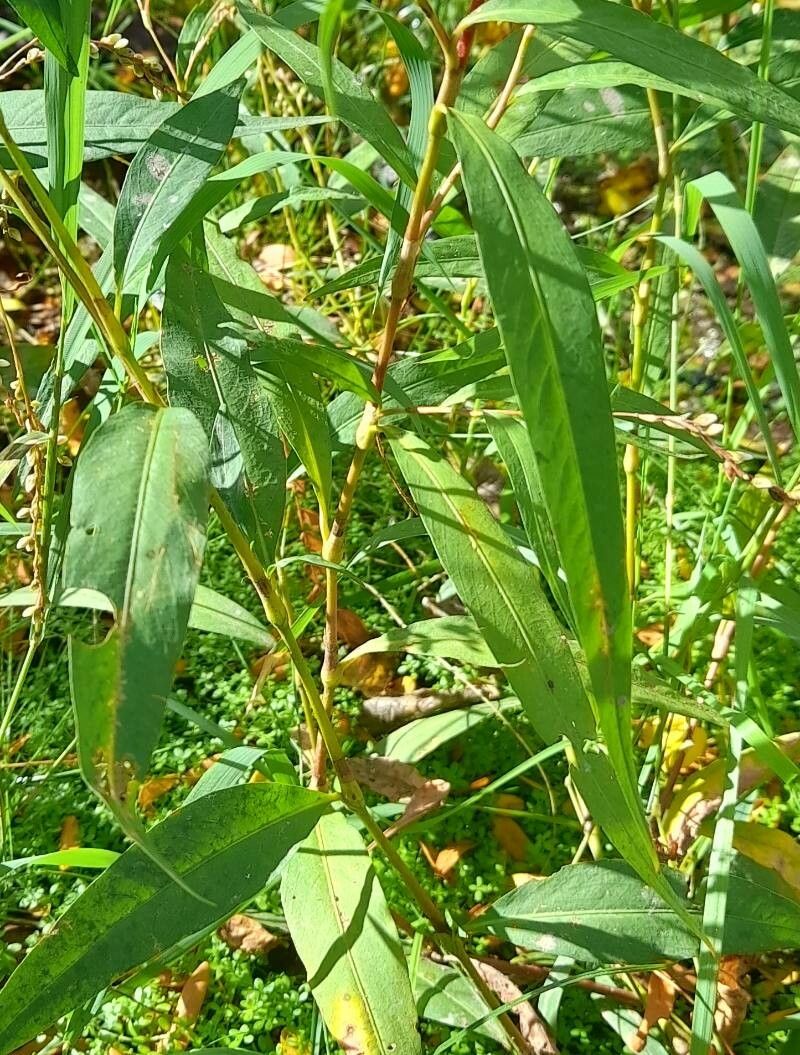
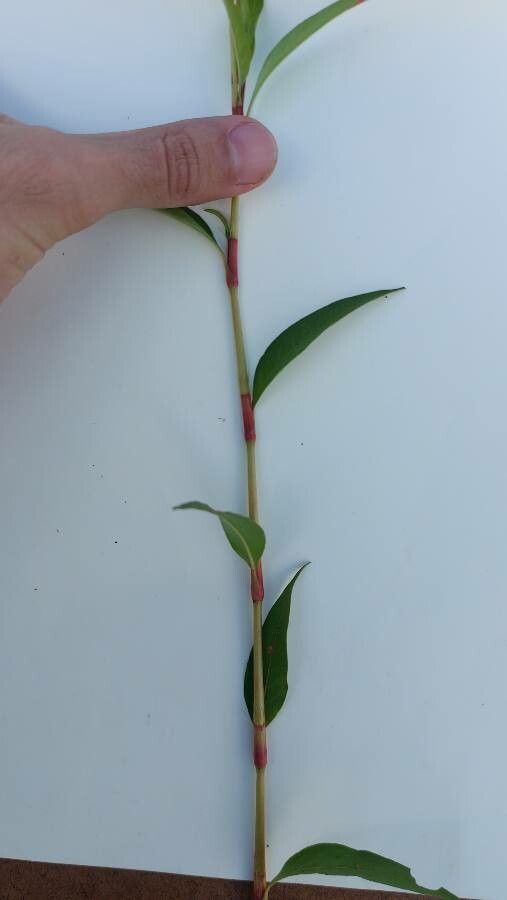
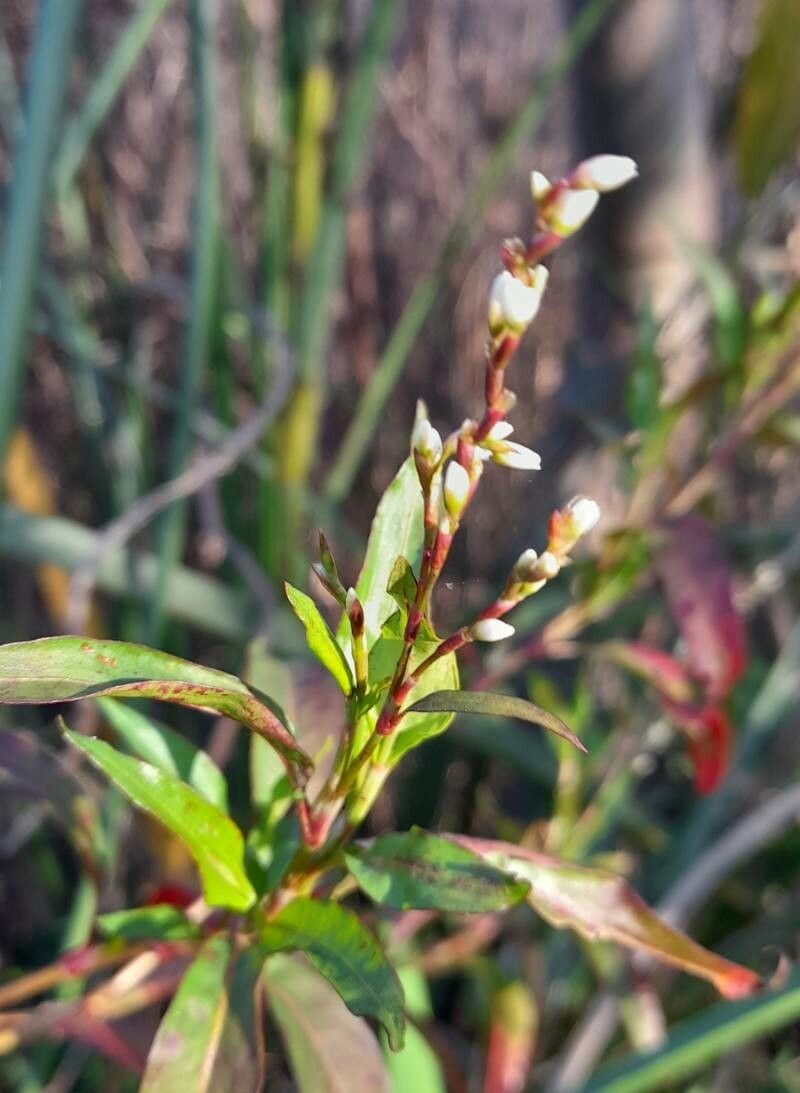
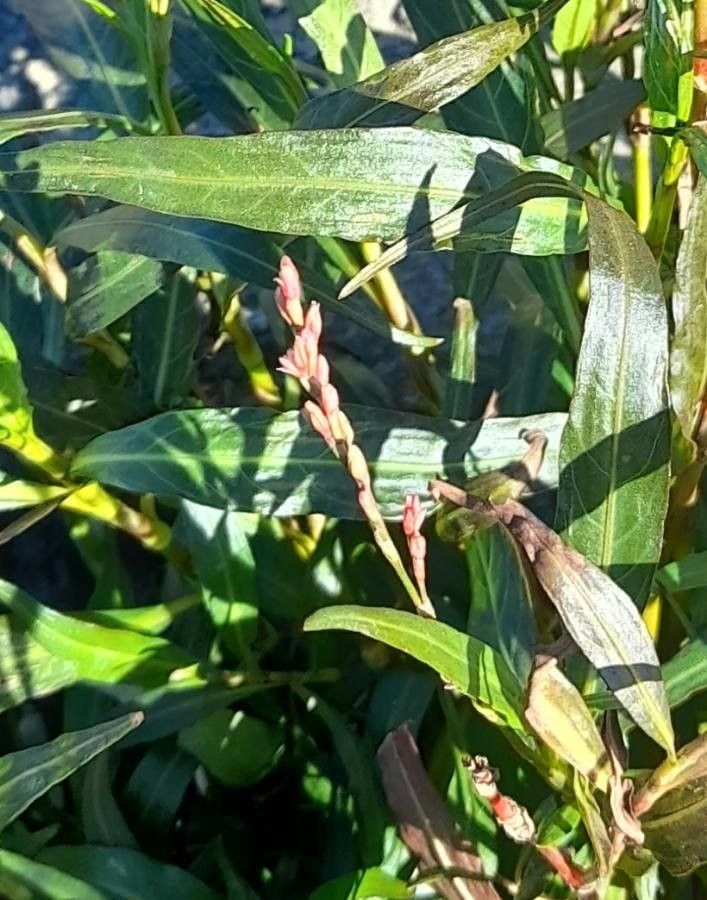
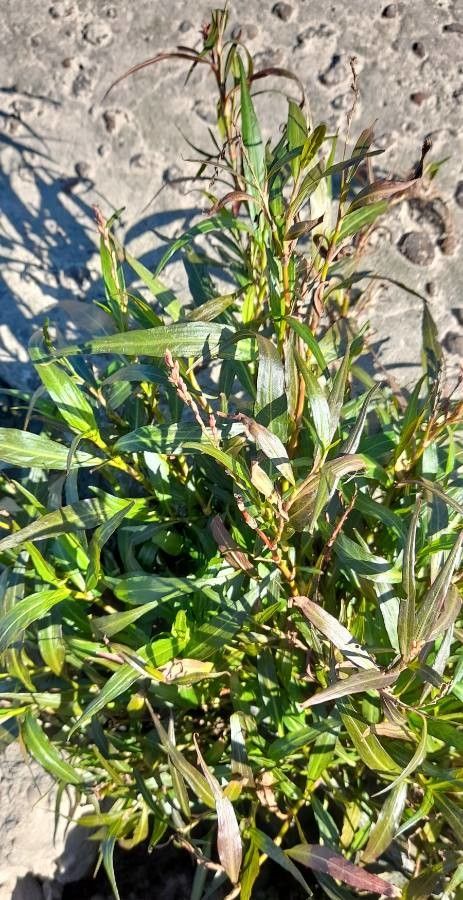
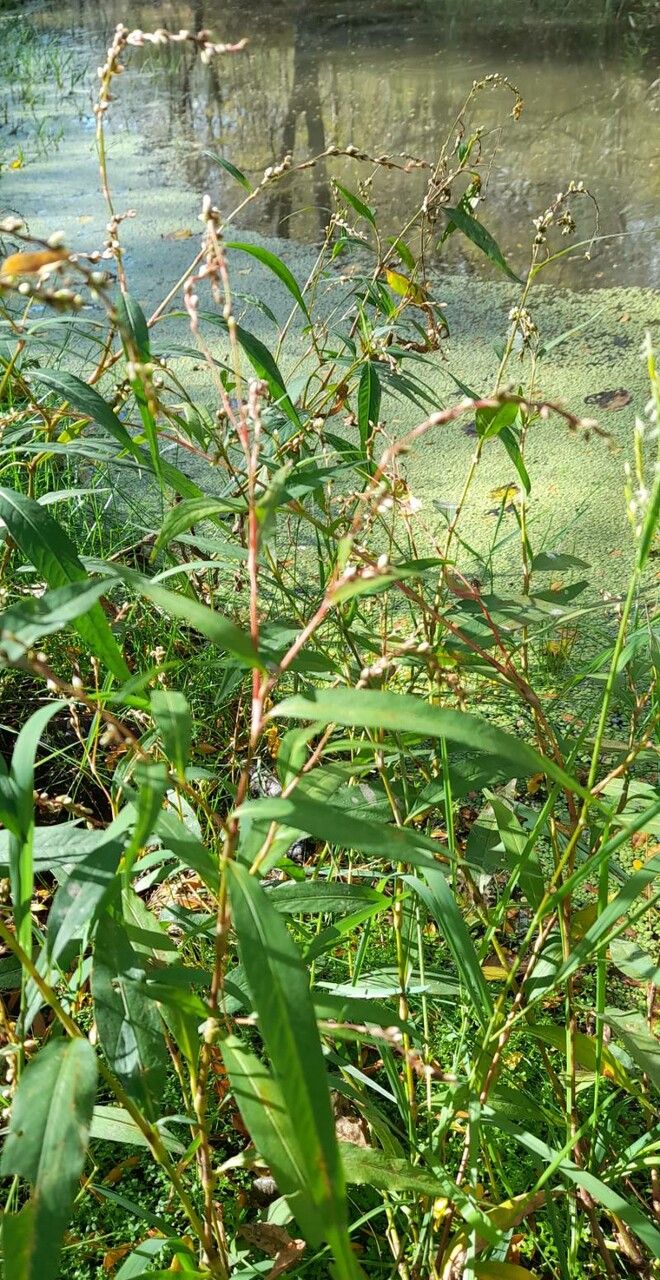
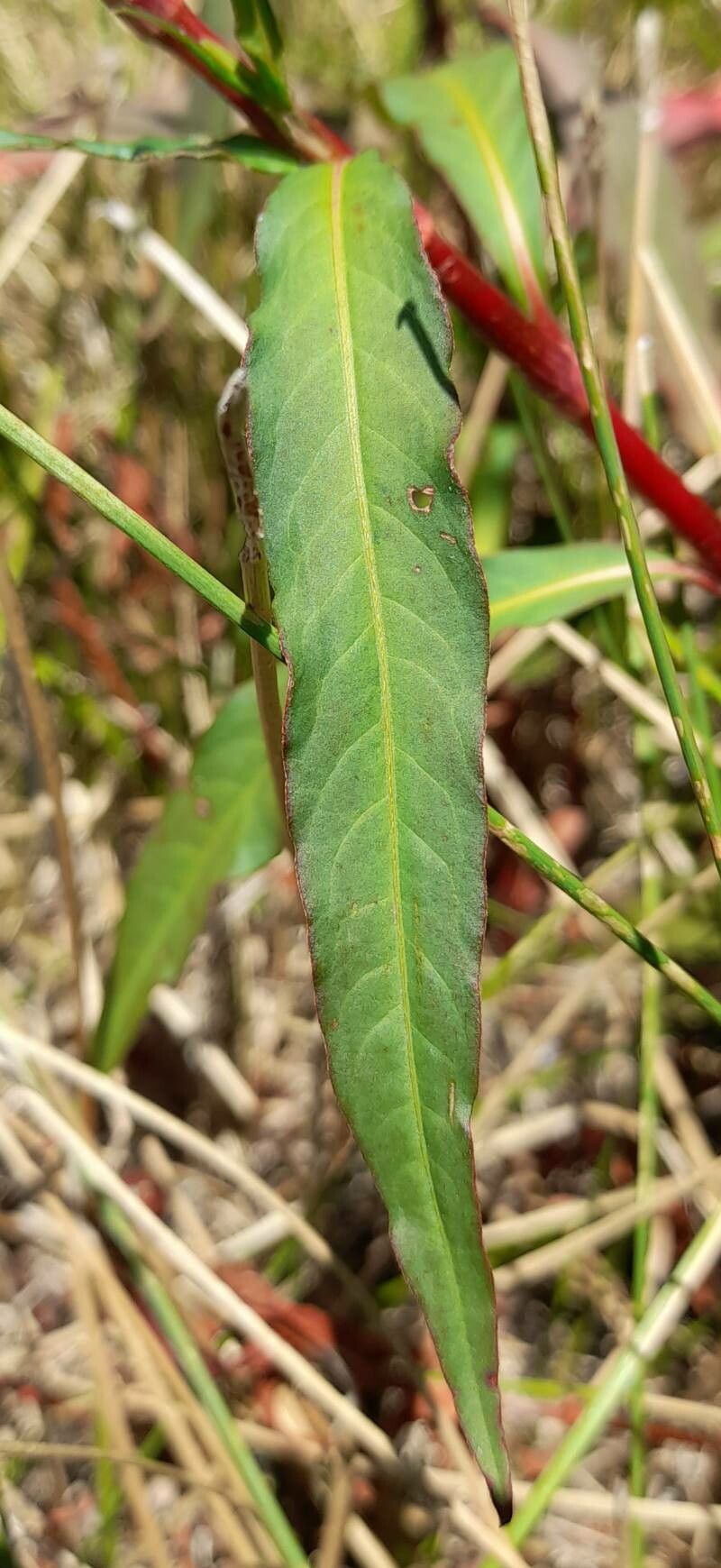
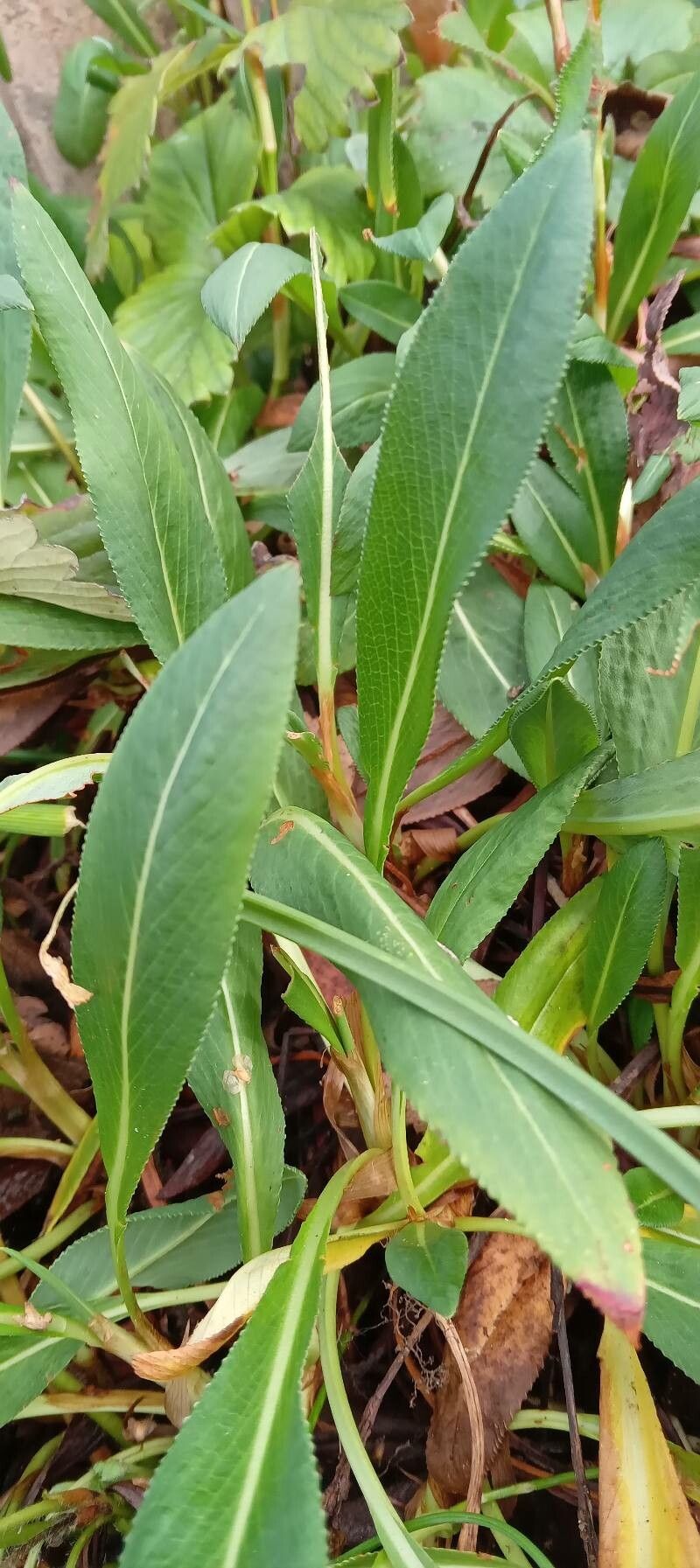
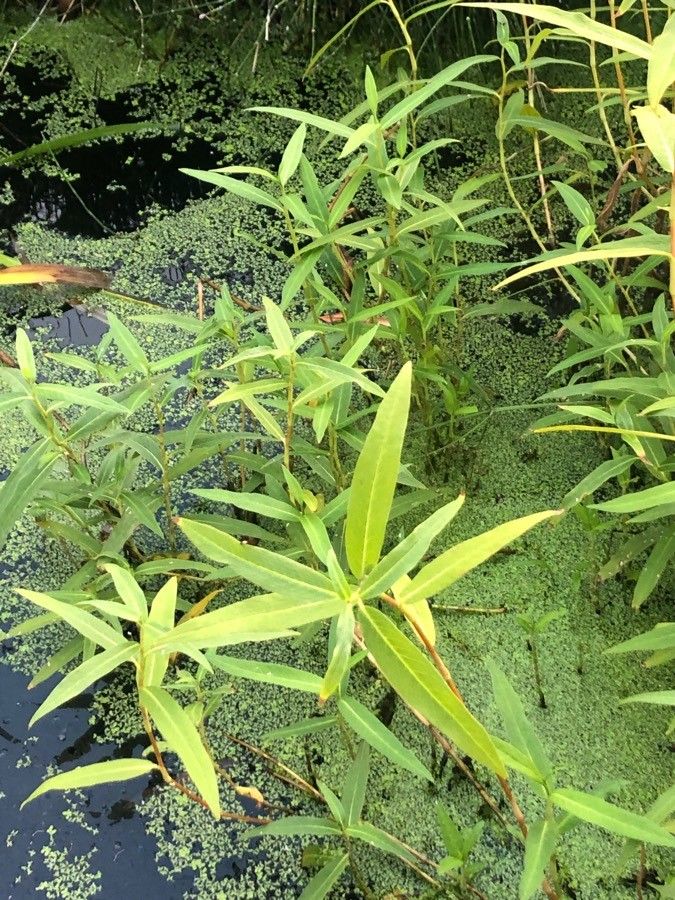
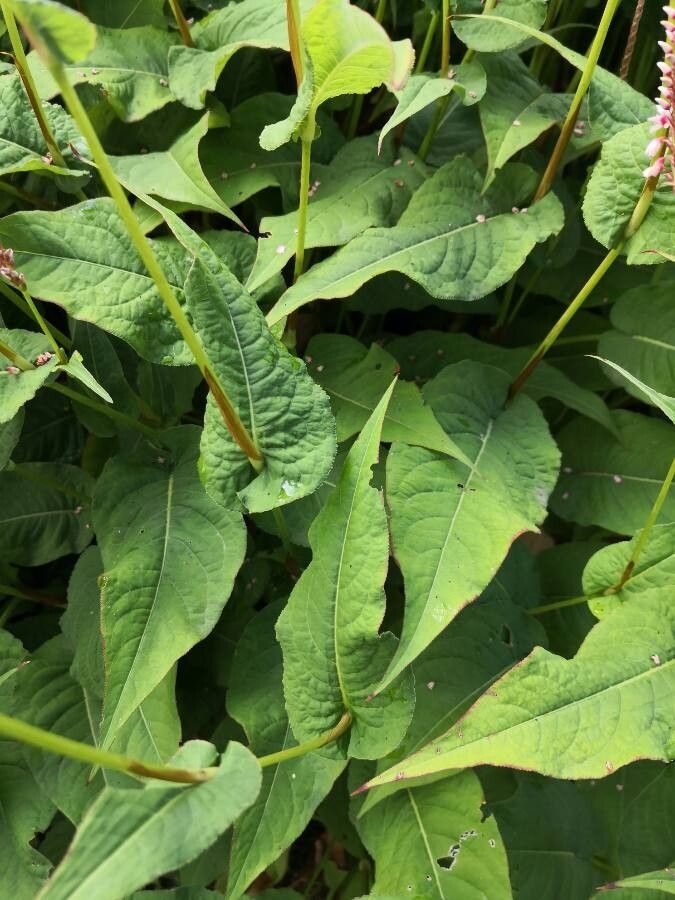
Persicaria punctata, commonly known as dotted smartweed, is a herbaceous perennial plant in the Polygonaceae family. Native to North America, it thrives in wetlands, marshes, and along the edges of streams and ponds. The plant can reach up to 3 feet in height and features lance-shaped leaves that are green on the upper side and purple on the underside. Its small, pinkish-white flowers, adorned with a distinctive dotted pattern on the petals, bloom from mid-summer to fall, attracting bees, butterflies, and other pollinators.
This plant prefers moist soil but can tolerate some drought conditions once established. It is easy to grow either from seed or by dividing established plants, making it a popular choice for gardeners seeking low-maintenance plants that offer prolonged blooming periods throughout the growing season.
Traditionally, Persicaria punctata has been used in herbal medicine to treat various ailments, including digestive issues like diarrhea and constipation, due to its high tannin content, which has an astringent effect on tissues.
In summary, Persicaria punctata is an attractive perennial that provides long-lasting blooms and is easy to cultivate, making it an excellent addition to any garden or landscape design project seeking low-maintenance plants with high visual appeal.
Dotted smartweed has good resistance to disease and is generally not prone to illnesses. Still, it can be affected by pests and diseases present in its environment. These infections are usually mild. For care, the plant requires a moderate amount of maintenance. It needs regular pruning to keep a neat appearance and support healthy growth. Fertilizing can also help encourage flowering. Dotted smartweed is suitable for anyone with outdoor space, such as a garden or patio, and does not demand a lot of gardening experience. It may need more attention when grown indoors.
How to keep Persicaria Punctata.
Light
Dotted smartweed prefers sunlight for most of the day and can get by with a moderate amount of light. Since it originates from regions with abundant sun, excessive sunlight generally does not harm it. However, insufficient light can impair its growth and vigor.
Water
Dotted smartweed thrives in moist environments and needs regular watering, ideally on a weekly basis. It benefits from rainwater, which helps it grow well outdoors and boosts its health during the active growing season.
Temperature
Dotted smartweed is native to temperate regions and grows best in a temperature range of 68 to 95 °F (20 to 35 ℃). Seasonal adjustments may be needed to ensure the plant continues to thrive under changing weather conditions.
Fertilizer
Dotted smartweed needs the most fertilizer during its active growth period, which takes place mainly in spring, summer, and early fall. Fertilization provides essential nutrients the soil may be missing, supporting healthy root and stem growth and encouraging attractive foliage, a notable characteristic of this plant.
Pruning
To encourage the growth of dotted smartweed, it is beneficial to prune it in the spring. Begin by trimming dead stems and thinning out any overcrowded areas to improve airflow and sunlight exposure, which will help the plant develop a bushier shape. Regular pruning helps control the spread of the plant and maintains its appearance. Due to its rapid growth, timely maintenance is essential.
Botanical profile.
- Plant Type
- Herb
- Life Cycle
- Perennial, Annual
- Genus
- Persicaria
- Family
- Polygonaceae
- Hardiness Zone
- 10
- Mature Height
- 30 cm to 76 cm
- Mature Spread
- 91 cm
- Leaf Color
- Green, Dark Green
- Leaf Type
- Semi-evergreen
- Flower Color
- White
- Flower Size
- 2.54 cm
- Bloom Time
- Early summer, Mid summer
- Planting Time
- Spring, Autumn
- Harvest Time
- Mid summer, Late summer
- Native Area
- Belize, Georgia, Mexico, Guatemala, Honduras, Peru, Dominican Republic, Panama, Jamaica, Uruguay, Colombia, Bahamas, Cuba, Paraguay, Argentina, Haiti, Bolivia, Venezuela, Brazil, Guyana, El Salvador, Nicaragua, Ecuador, Suriname, Costa Rica
Other names.
Reader questions.
What are the sunlight requirements for Dotted Smartweed?
Dotted Smartweed thrives under full sun exposure for the majority of the day and can also tolerate a moderate amount of sunlight. It originates from areas where sunlight is plentiful, implying that it can withstand excessive sunlight without suffering harm. However, insufficient sunlight may hinder its growth and robustness. For optimal growth, it requires above 6 hours of sunlight for 'Full sun' conditions and about 3-6 hours for 'Partial sun'. Observing the movement of sunlight through your garden will help in choosing spots that offer a perfect balance of light and shade, ensuring the plants' wellbeing.
What is the native environment of Dotted smartweed?
Dotted smartweed, botanically known as Persicaria punctata, is native to temperate environments. It thrives in temperatures ranging between 68 to 95°F (20 to 35°C), indicating its preference for warmer climates. The plant has a high tolerance for heat, which is important to consider when caring for it in various seasonal conditions. To ensure its health and growth, adjustments may need to be made to accommodate different weather conditions, especially when transitioning between seasons.
How can artificial lighting benefit Dotted Smartweed indoor plants?
Indoor plants like Dotted Smartweed require adequate lighting for optimal growth, especially when natural sunlight is insufficient, such as in winter or less sunny spaces. Artificial lights, particularly LED lights, are beneficial as they can be customized to offer specific wavelengths needed by your plants. For plants needing 'Full sun', 30-50W/sq ft of artificial light is recommended; for 'Partial sun' plants, 20-30W/sq ft is needed; and for 'Full shade' plants, 10-20W/sq ft is sufficient. The light source should be placed 12-36 inches above the plant to mimic natural sunlight, ensuring the plants receive 8-12 hours of light per day.
How should Dotted smartweed be cared for in autumn and winter?
In the colder months, particularly during autumn and winter, it's crucial to protect Dotted smartweed from cold temperatures due to its heat-loving nature. As the temperature begins to drop, it is recommended to bring outdoor-grown plants indoors and place them near a bright window. However, care should be taken to maintain a safe distance from heaters to avoid exposing the plant to overly dry air. Keeping the indoor temperature above 20°C is beneficial for the plant's growth during winter, while temperatures approaching or falling below 5°C can be detrimental and should be avoided to ensure the plant's well-being.
What are the symptoms of light deficiency in Dotted Smartweed?
Symptoms of light deficiency in Dotted Smartweed include smaller new leaves compared to previous ones, leggy or sparse growth, faster leaf drop, slower or no new growth, and lighter-colored new leaves. These symptoms highlight the plant's struggle in low-light conditions, where it enters a survival mode, leading to delayed growth or a complete halt in leaf production.
What are the symptoms and solutions for Dotted smartweed exposed to low temperatures?
Dotted smartweed is sensitive to low temperatures and displays certain symptoms when exposed to cold conditions, such as a lightening of leaf color when the temperature drops below 1°C. This condition may further lead to frost damage, where leaves gradually turn brown or black, and the plant may exhibit wilting and drooping. To address this, it's recommended to trim off the frost-damaged parts and immediately move the plant to a warm environment indoors. Placing the plant near a south-facing window ensures it receives ample sunlight without the risk of excessive dryness caused by heaters or air conditioning vents.
What are the symptoms of excessive sunlight exposure in Dotted Smartweed?
Excessive sunlight can cause several symptoms in Dotted Smartweed, including chlorosis (leaves turning yellow due to breakdown of chlorophyll), sunscald (damage appearing as pale, bleached areas on leaves or stems), leaf curling (as a defense mechanism to reduce surface area exposed to sunlight), wilting (due to increased water loss from transpiration), and leaf scorching (characterized by brown, dry edges on leaves). These symptoms indicate that the plant is struggling to cope with the intense sunlight exposure.
How can Dotted smartweed be protected from high temperatures?
During summer, it's important to protect Dotted smartweed from extreme heat by ensuring the temperature around the plant remains below 35°C. Exposure to temperatures above 41°C can cause the leaves to lighten in color and increase the risk of sunburn. To mitigate damage from high temperatures, affected parts of the plant should be trimmed away. Moving the plant to a shaded location, especially away from the harsh midday and afternoon sun, can help. Additionally, watering the plant in the morning and evening to maintain soil moisture can further protect it from heat stress.
How can I address Dotted Smartweed's growth issues due to insufficient or excessive sunlight?
For insufficient sunlight, gradually relocate your plants to sunnier spots, ensuring at least 6 hours of direct sunlight daily for indoor plants. Utilize south-facing windows and consider additional artificial light sources, like desk lamps or professional grow lights, for at least 8 hours a day. For outdoor plants, avoid abrupt changes in sunlight exposure. If Dotted Smartweed suffers from excessive sunlight, reduce sunlight exposure gradually and provide shade to prevent sunburn. Remember, parts of the plant damaged by lighting issues may not recover, but new growth should be healthy with proper light management.