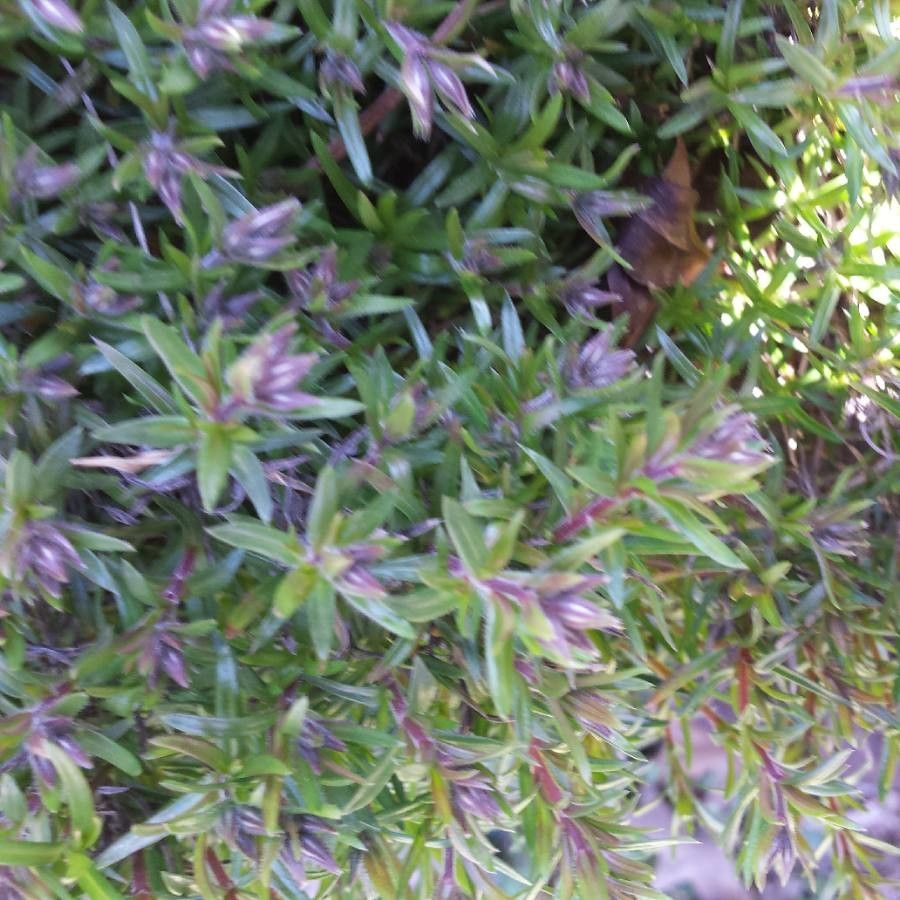
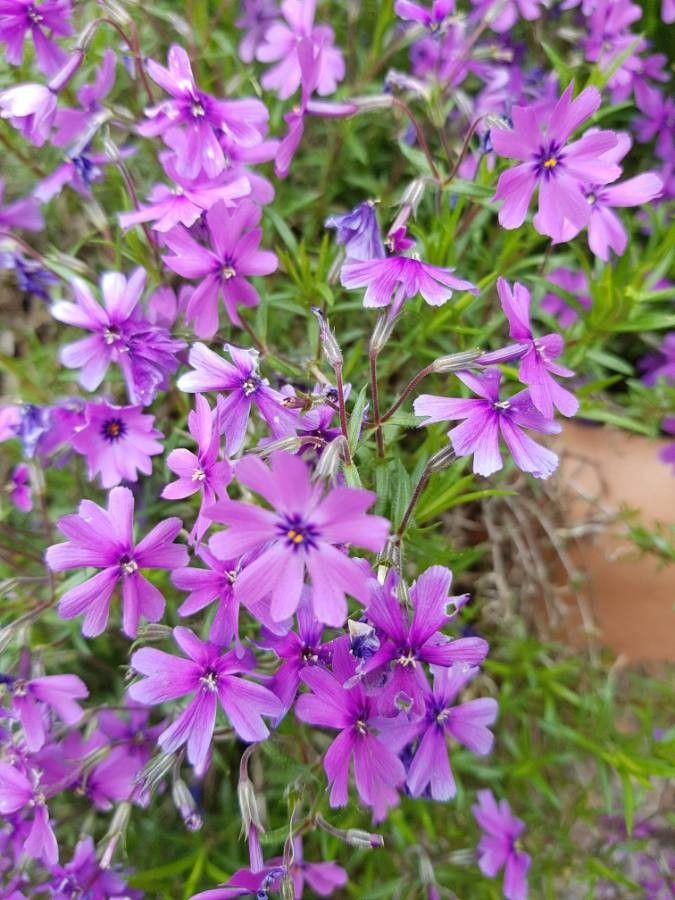
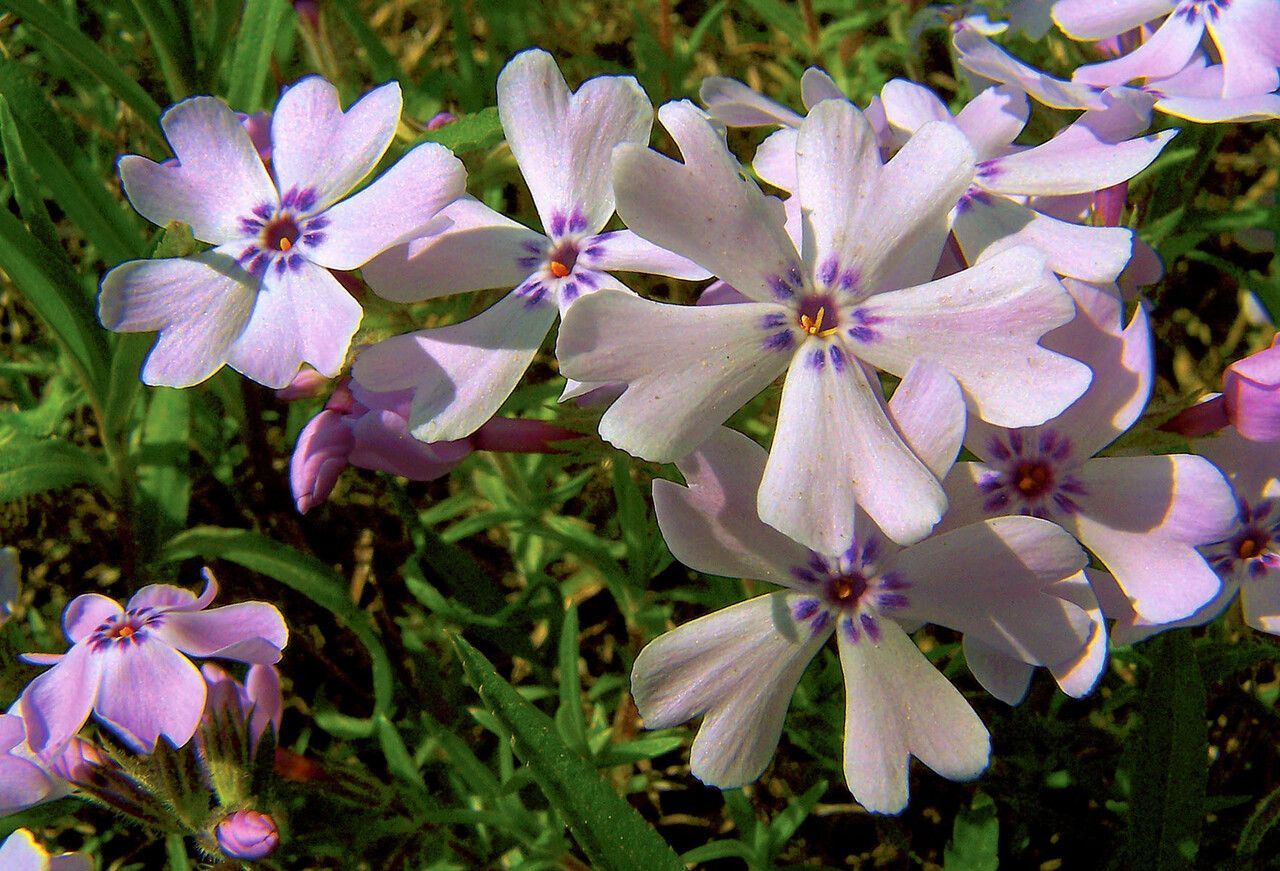
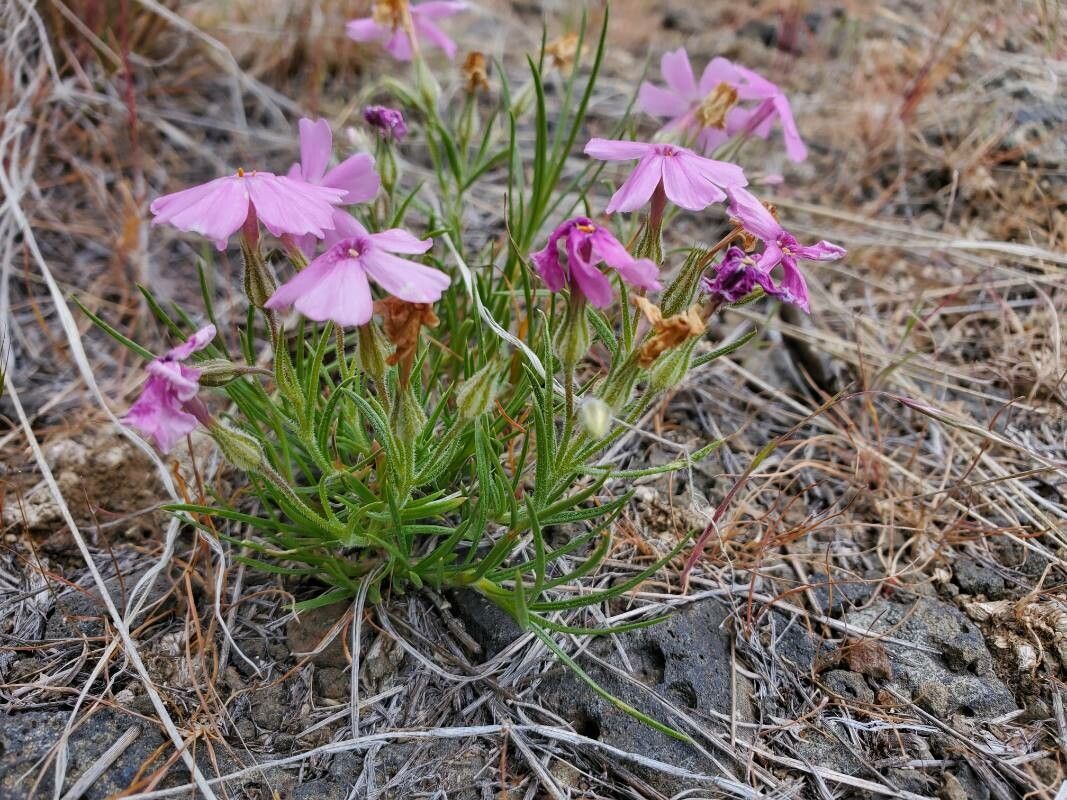
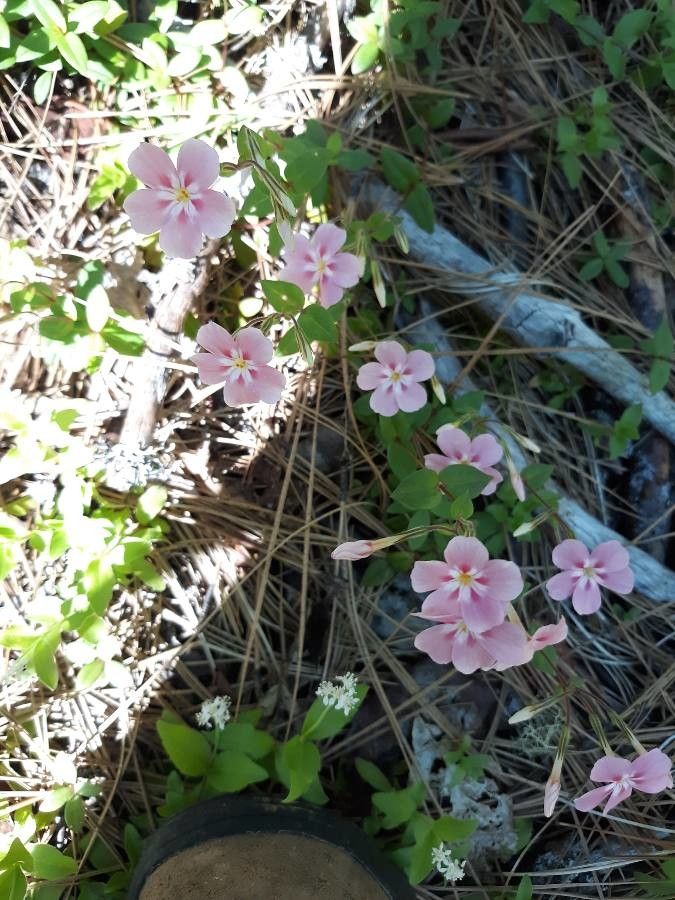
Phlox speciosa, commonly known as Showy Phlox or Large-flowered Phlox, is a herbaceous perennial plant belonging to the Polemoniaceae family. It is native to North America and thrives in a variety of habitats, including prairies, meadows, and open woodlands.
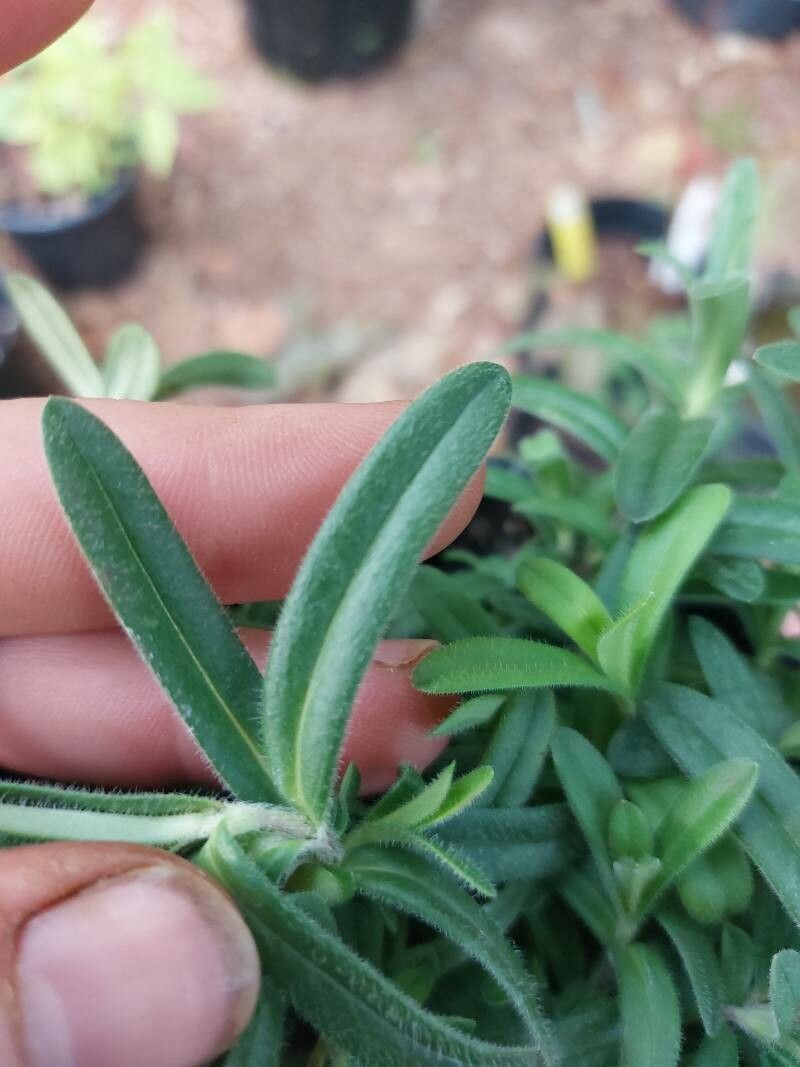
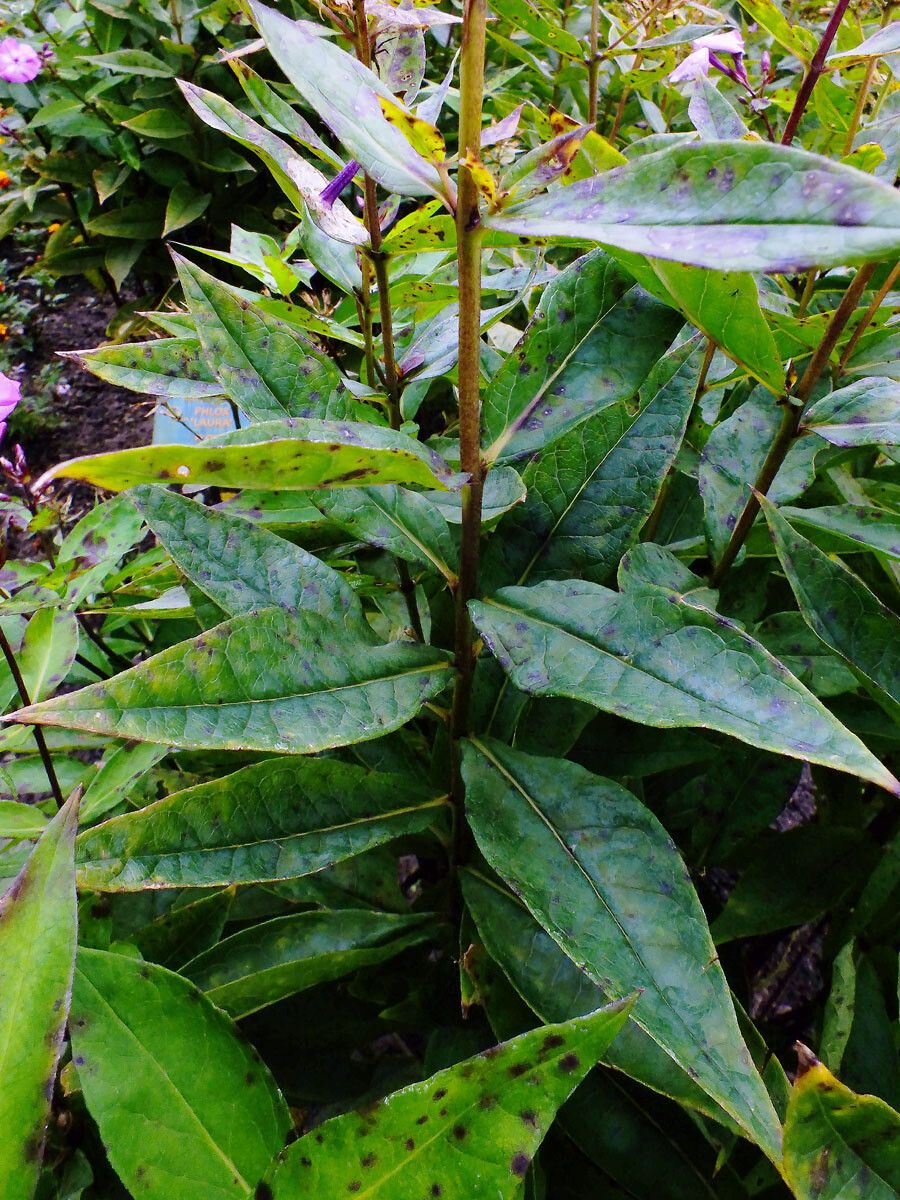
The plant typically grows to a height of 2-3 feet and spreads up to 2 feet wide. It features lance-shaped leaves arranged oppositely along the stem. The flowers are large and showy, measuring about 1-2 inches in diameter, and bloom in late spring or early summer. They come in shades of pink, lavender-blue, or white.
Phlox speciosa prefers full sun exposure but can tolerate partial shade. It thrives in well-drained soil with moderate moisture levels but can withstand drought conditions once established.
This plant is an excellent choice for garden borders or rock gardens due to its attractive flowers and foliage. It also attracts pollinators such as bees and butterflies, making it an ideal addition to wildlife gardens.
Overall, Phlox speciosa is a beautiful perennial that adds color and vibrancy to any garden setting while providing ecological benefits by attracting pollinators to your yard.
Showy phlox is fairly disease-resistant and generally not prone to illnesses. However, it can be vulnerable to pests and diseases present in its surroundings, and these problems are usually not serious. Regarding care, this plant requires moderate maintenance. It needs regular pruning to keep a good appearance and healthy growth, and fertilizing can help encourage flowering. Showy phlox is suitable for anyone with outdoor space, such as a garden or patio, and does not demand extensive care experience. It may need more attention when cultivated indoors.
How to keep Phlox Speciosa.
Light
Showy phlox is a perennial herbaceous plant that favors sunny sites and is native to open habitats, commonly growing in meadows and grasslands. It prefers full sun but can also tolerate partial sun.
Water
Showy phlox thrives in moist meadows and light woodlands. It needs regular watering to stay healthy, benefiting from weekly hydration. As a herbaceous perennial, it grows well outdoors, depending on natural rainfall and sufficient moisture to produce vibrant blooms during its active growing season.
Temperature
Showy phlox can tolerate a wide range of temperatures, but its distribution can still be restricted by different combinations of moisture and heat. It does best in warm summer conditions when there is sufficient rainfall or watering. Long stretches of cloudy, rainy weather or prolonged high temperatures can raise the chances of Showy phlox dying. During winter, adequate protection from cold improves the plant’s survival rate.
Fertilizer
The best time to fertilize Showy phlox is in early spring, as it comes out of dormancy and starts active growth. Fertilizing supplies essential nutrients for healthy development. Although Showy phlox has fairly low fertilizer requirements, an annual application can improve its survival and encourage better, longer-lasting blooms.
Pruning
Showy phlox benefits greatly from selective pruning, which is best done from early to late spring, just before new growth begins. To improve air circulation and shape the plant, remove any dead stems. Be sure to use clean, sharp tools to enhance bloom quality and prevent disease. However, avoid heavy pruning to maintain the plant's health.
Botanical profile.
- Plant Type
- Herb, Shrub
- Life Cycle
- Perennial
- Genus
- Phlox
- Family
- Polemoniaceae
- Hardiness Zone
- 4-8
- Mature Height
- 15 cm to 40 cm
- Mature Spread
- 20 cm to 40 cm
- Leaf Color
- Green, Dark Green
- Leaf Type
- Deciduous
- Flower Color
- Pink, White, Lavender
- Flower Size
- 2.54 cm
- Bloom Time
- Spring
- Planting Time
- Spring
- Harvest Time
- Summer
Other names.
Reader questions.
How should I water my Showy phlox to keep it healthy?
To properly water the Showy phlox, it is recommended to use filtered water at room temperature. Tap water may contain harmful particles that can affect the plant's health. The water should be warm or slightly warmer because the Showy phlox is accustomed to warm environments and cold water can be a shock. Avoid watering from above as it can cause issues with the foliage. Instead, apply the filtered room temperature water directly to the soil until it is completely soaked. This helps moisten the roots and allows them to spread and gather the necessary nutrients.
What are the sunlight requirements for Showy Phlox?
Showy Phlox is a sun-loving perennial herbaceous plant that thrives in full sun conditions, which means it requires more than 6 hours of sunlight daily. However, it can also tolerate partial sun conditions, receiving about 3 to 6 hours of sunlight. It's important to observe how sunlight moves through your garden throughout the day to find spots that offer a good balance of light and shade, ensuring the plants' health and happiness.
What should I do if I give too much or too little water to my Showy phlox?
Overwatering is a more common issue and can harm your Showy phlox. It causes wilting, yellowing of stems and leaves, and can lead to diseases like root rot, mold, and mildew. Underwatering is less common due to the plant's drought tolerance, but it can still happen and results in brittle, brown leaves. It's crucial to recognize signs of overwatering early on as some diseases may be irreversible if not addressed promptly. Reduce watering if you notice early signs and check soil drainage. Replace poorly draining soil with a well-draining potting mix. If your plant is getting too little water, increase watering until signs of dehydration disappear.
Can artificial lighting be used for Showy Phlox and how?
Yes, artificial lighting can be used for Showy Phlox, especially when natural sunlight is insufficient, like in winter or in less sunny indoor spaces. For optimal growth under artificial lights, consider the following: Use LED lights as they can be customized to the specific wavelengths needed by the plant. The required wattage varies depending on the type of sunlight conditions you're trying to mimic: 30-50 W/sq ft for full sun plants, 20-30 W/sq ft for partial sun plants, and 10-20 W/sq ft for full shade plants. The light source should be placed 12-36 inches above the plant to mimic natural sunlight as closely as possible, and the lights should be kept on for 8-12 hours per day to match natural daylight hours.
How frequently should I water my Showy phlox?
If your Showy phlox is potted, the most precise way to determine if it needs water is by checking the moisture level in the soil. Simply stick your finger into the soil, and if you find that the top two to three inches are dry, it's time to water it. For those who have Showy phlox growing outdoors in the ground, you can use a similar method to test the soil. Again, check if the top few inches of soil have dried out, indicating the need for water. Typically, during spring and early fall, watering once a week is sufficient. However, in extremely hot weather, you may need to increase watering to twice or more per week. It's worth noting that mature, well-established Showy phlox have a remarkable ability to withstand drought.
What are the signs of light deficiency in Showy Phlox?
Signs of light deficiency in Showy Phlox include smaller new leaves, leggy or sparse growth with longer spaces between leaves or stems, faster leaf drop as the plant conserves resources, delayed growth or complete halt in new leaf production, and leaves that are lighter in color or develop irregular color patterns indicating a lack of chlorophyll and essential nutrients.
How much water does my Showy phlox plant need?
To properly water your Showy phlox, make sure you give it a generous amount of water. Wait for the top few inches of soil to dry out, then thoroughly water the plant, soaking the soil completely. Add enough water to see it flowing out of the pot's drainage holes - this indicates that you've watered enough. If you don't see excess water draining, you likely didn't water it enough. Be careful not to let water accumulate in the soil, as this can harm the plant. On the other hand, if water doesn't drain well through the pot, it may have poorly draining soil, which is not good for the plant's health. If the plant is outside, 1 inch of rain per week should be sufficient.
How can you address light deficiency for Showy Phlox?
To address light deficiency in Showy Phlox, following steps can be taken: Indoors, gradually move the plant to a sunnier location, ideally near a south-facing window, to ensure at least 6 hours of direct sunlight daily. Keep curtains open during the day. Consider using a desk or ceiling lamp for at least 8 hours daily, or invest in professional plant grow lights for ample lighting. Outdoors, adapt plants to brighter spots by moving them to sunnier locations weekly, avoiding sudden shifts to prevent sunburn. Note that parts of the plant affected by insufficient sunlight may not recover, but new growth will be healthy once light exposure is increased.
How do I water my Showy phlox as it grows?
The water needs of the Showy phlox can vary depending on its growth stages. In the first few years or after transplanting to a new location, you will need to give it more water than usual. During these stages, the plant focuses on growing new roots, which require extra moisture. As the plant matures, it will require less water. Another stage that may demand more water is during the bloom period, as the flower development process consumes a significant amount of moisture.
What are some strategies to increase sunlight exposure for Showy Phlox?
Increasing sunlight exposure for Showy Phlox involves various strategies such as reducing obstructions by pruning branches and leaves of trees that block sunlight, and for smaller plants, considering transplanting during the plant's dormant period, usually late winter or early spring. Transplanting involves carefully moving the plant to a location with more sunlight and good drainage. This helps ensure that the plant receives the ample sunlight it needs for healthy growth.
How should I give water to my Showy phlox throughout the year?
The watering needs of the Showy phlox vary throughout the year. In the hottest months, especially during the peak of summer, this plant requires more frequent watering, possibly even more than once a week, to prevent the soil from drying out too quickly. However, in winter, the plant enters a dormant phase, during which it requires significantly less water. In fact, watering may not be necessary at all during the winter months. If you choose to water during this time, it should be done sparingly, about once a month. Over-watering during winter increases the risk of disease for your Showy phlox.
How does watering my Showy phlox inside compare to watering it outside?
The Showy phlox is commonly grown indoors by gardeners who live in non-temperate or tropical regions. If you choose to grow it in a container, keep in mind that the soil can dry out faster compared to ground soil. Factors like air conditioning units can speed up the drying process and make your Showy phlox need more frequent watering, unlike if it were planted outside. In outdoor conditions, rainfall may provide enough water for your plant and you may not need to water it much. However, if you are growing the plant indoors, you'll need to water it more often since relying on rainwater to moisten the soil is not possible.