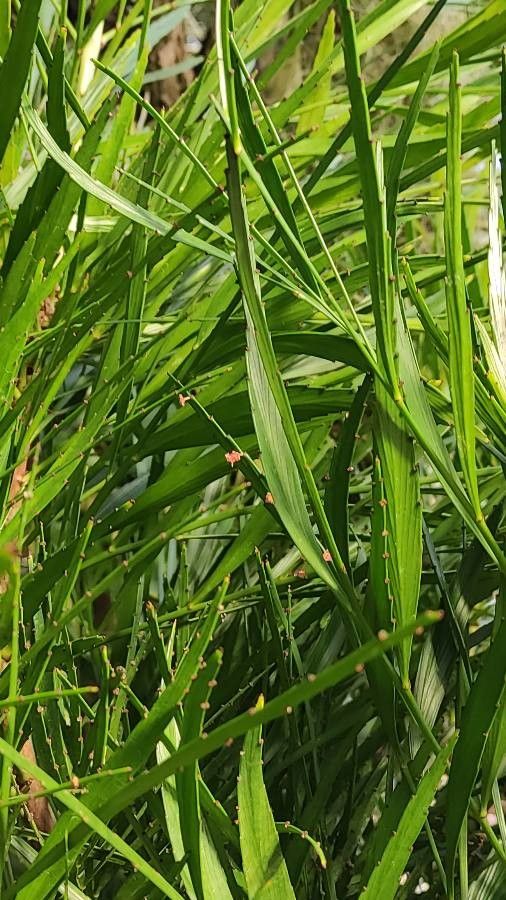
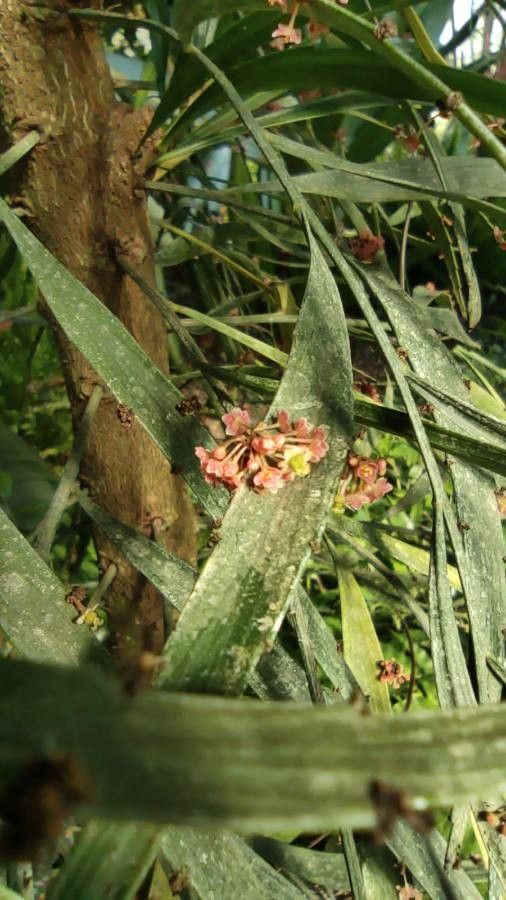
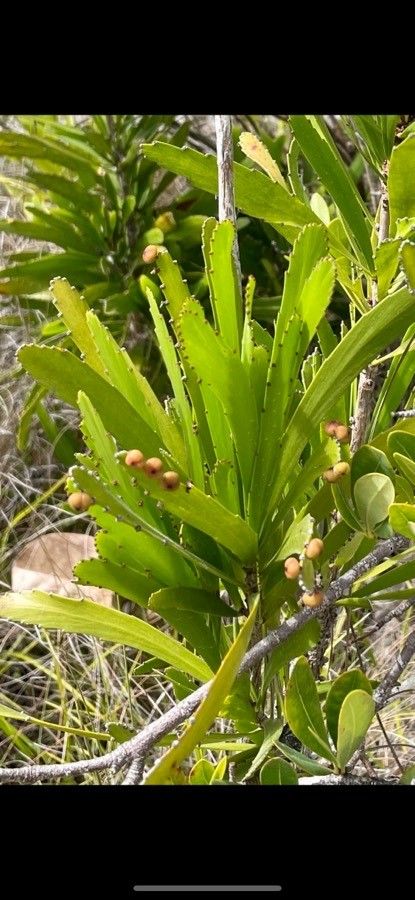
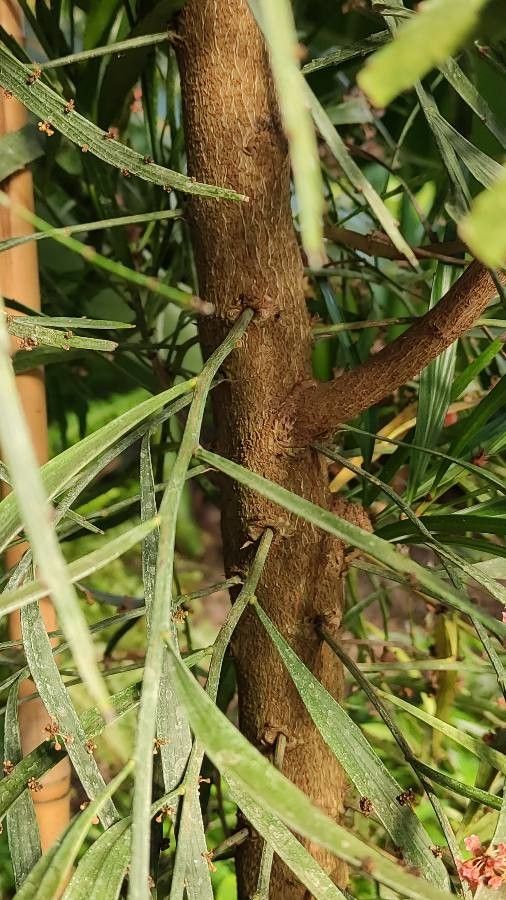
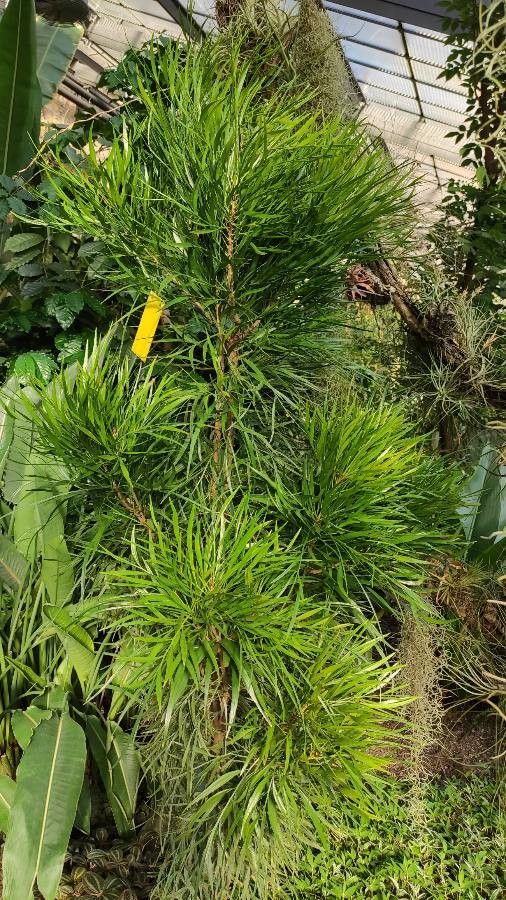
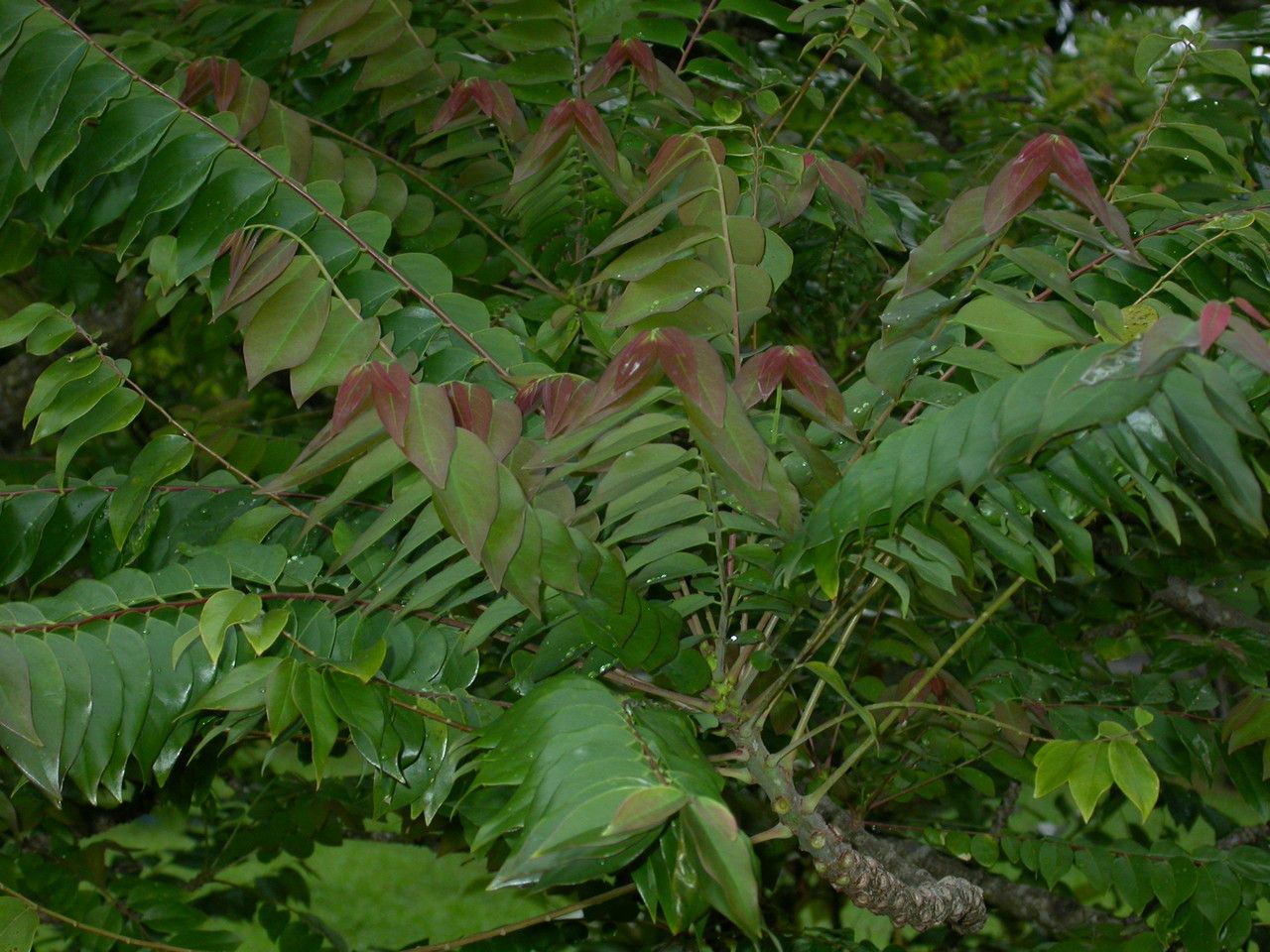
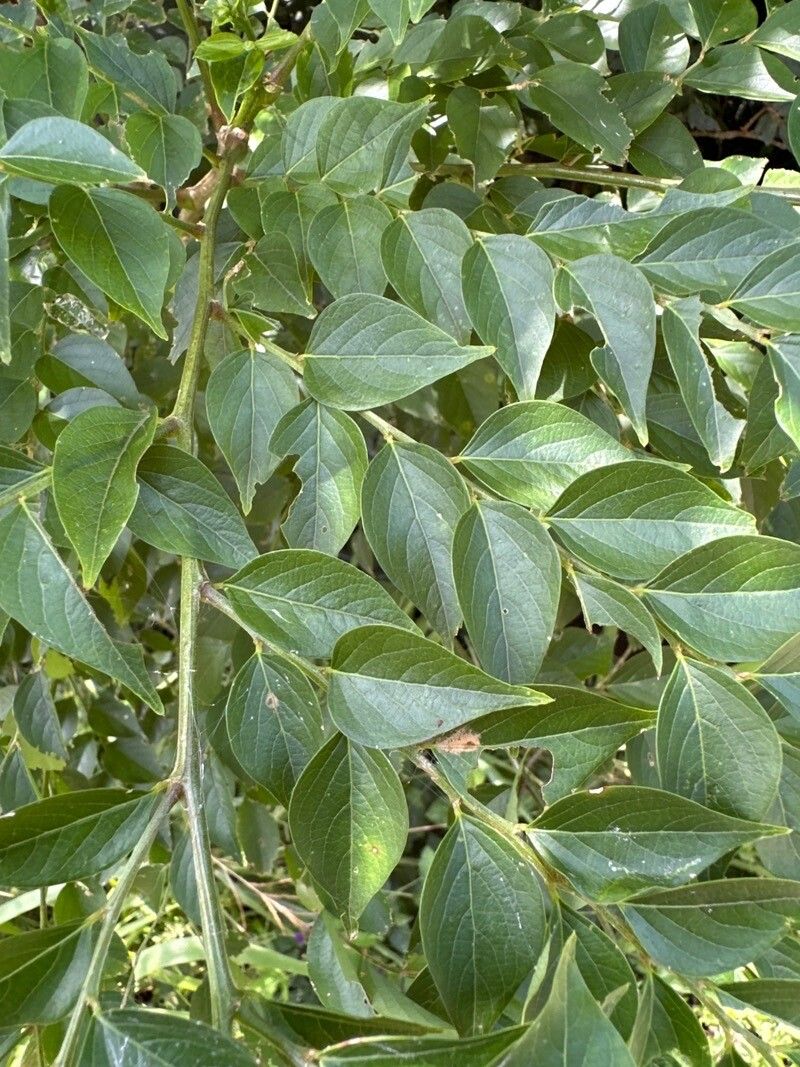
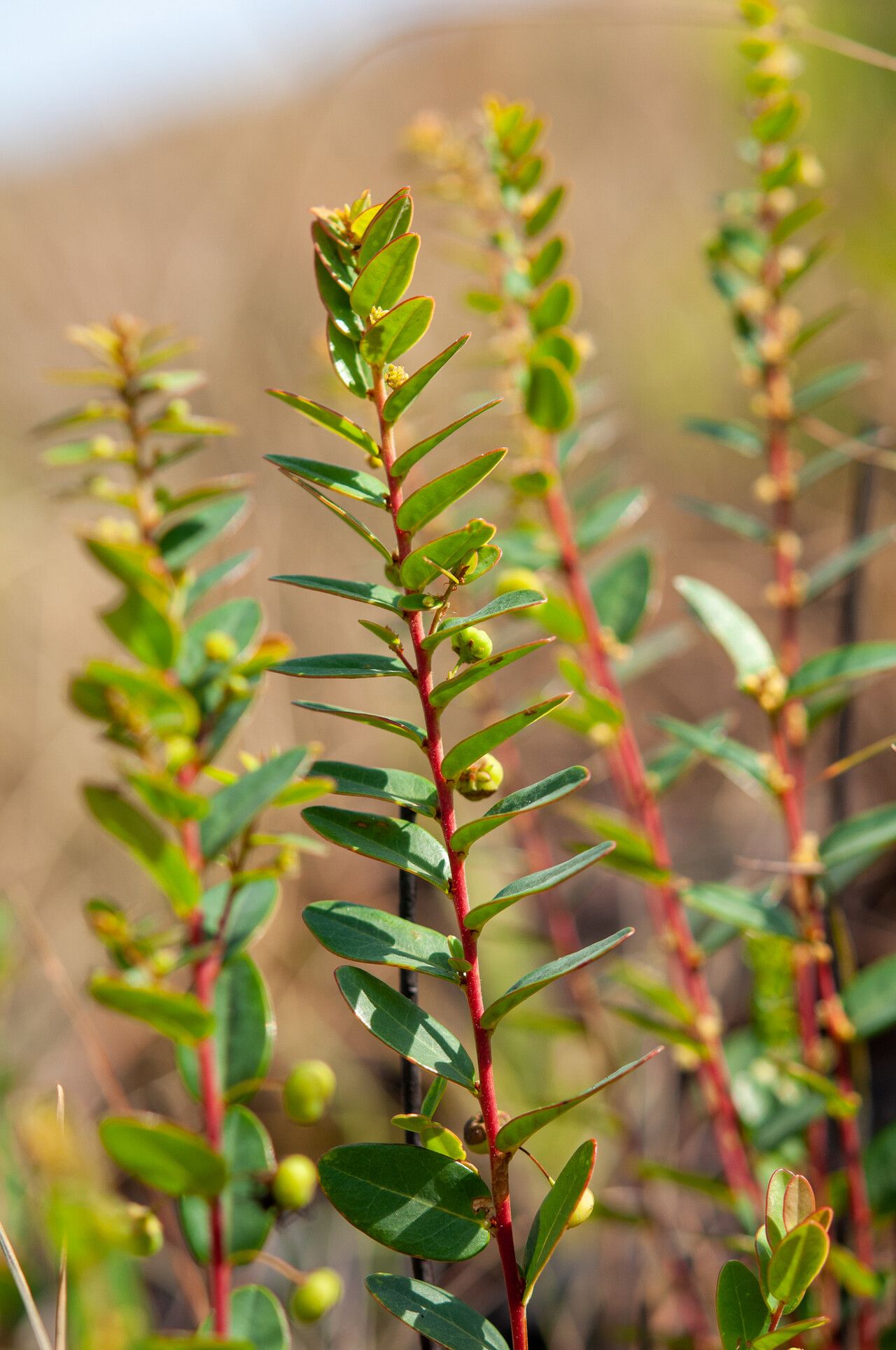
Phyllanthus angustifolius is a small, evergreen shrub belonging to the Phyllanthaceae family. Native to tropical regions of Africa and Madagascar, it can also be found in parts of Asia. The plant typically reaches a height of up to 1 meter and features narrow, lance-shaped leaves measuring about 2-3 cm in length.
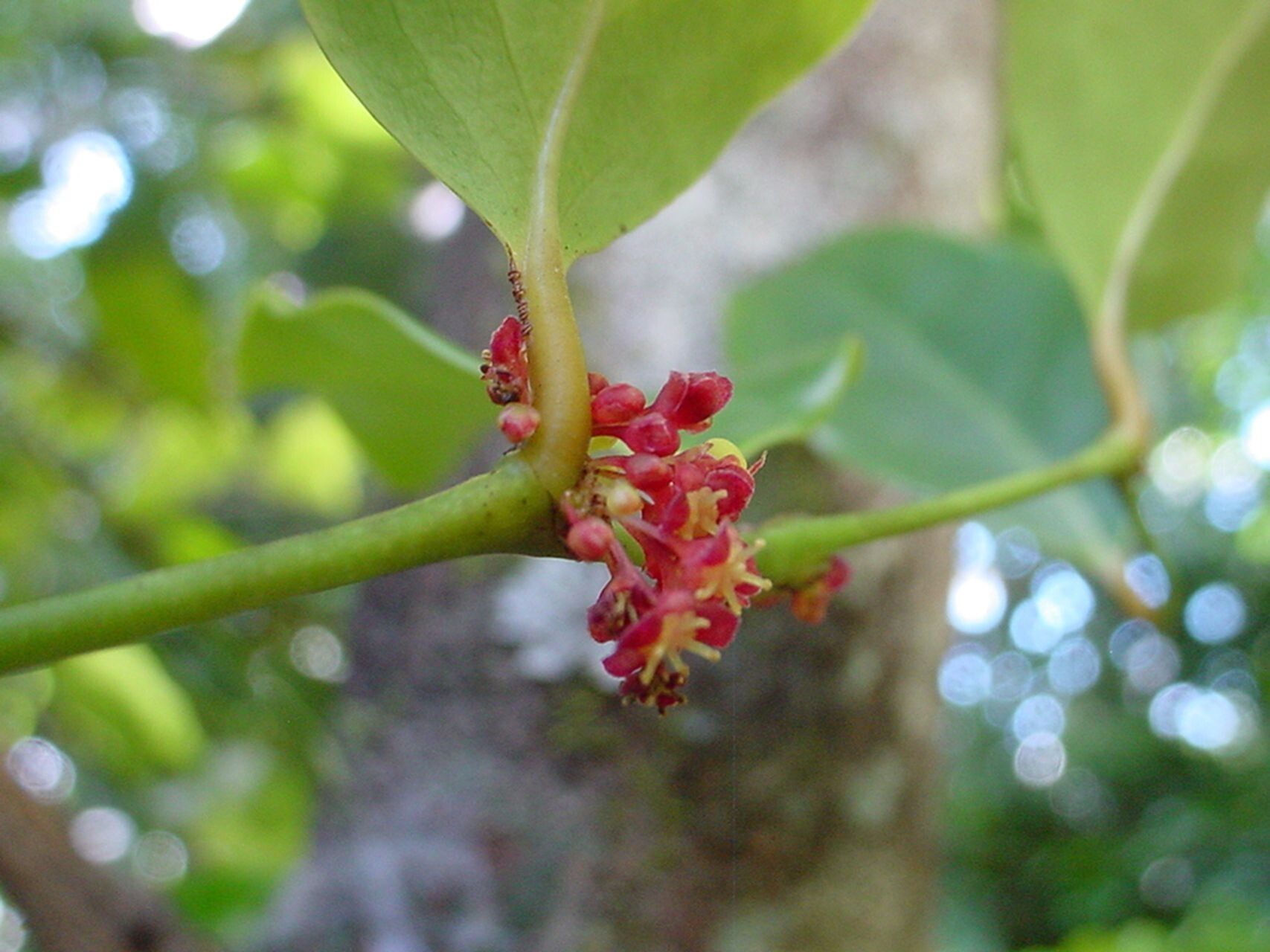
This shrub produces small, greenish-yellow flowers approximately 2 mm in diameter. These unisexual flowers appear on separate male and female plants. The fruit of Phyllanthus angustifolius is a small capsule containing several seeds.
Traditionally, various cultures have used this plant for medicinal purposes. It is believed to possess anti-inflammatory properties and has been used to treat conditions such as fever, diarrhea, dysentery, and jaundice.
Beyond its medicinal uses, Phyllanthus angustifolius has ornamental value due to its attractive foliage, making it a popular choice for landscaping.
Overall, Phyllanthus angustifolius is a fascinating plant with both medicinal and ornamental significance, making it important from both ecological and cultural perspectives.
Foliage flower has strong disease resistance and is usually not susceptible to illnesses. In terms of care, this plant is fairly low-maintenance. When grown outdoors it needs minimal watering, and larger plants typically do not require pruning. Smaller plants, however, should be pruned after they have finished blooming. Foliage flowert is appropriate for anyone with an outdoor area, such as a garden or deck, and does not require much care experience.
How to keep Phyllanthus Angustifolius.
Light
Foliage flower comes from open habitats, such as sunny meadows and forest edges, which supply abundant light. It performs best in Full Sun but can also tolerate Partial Sun, adjusting well to a range of sunlight conditions.
Temperature
Foliage flower demonstrates good temperature adaptability, able to endure higher heat and wider temperature swings. In hot weather, attention should be paid to watering and suitable shade provided to avoid sunburn. However, Foliage flower is relatively sensitive to low temperatures. While it can tolerate some cold, excessively frigid conditions can cause frost damage.
Fertilizer
Fertilizing Foliage flower at the proper time is essential. Begin in early spring and continue monthly through early summer. Fertilizer encourages lovely blooms and supplies energy during both dormant and active growth phases.
Botanical profile.
- Plant Type
- Shrub
- Life Cycle
- Perennial
- Genus
- Phyllanthus
- Family
- Phyllanthaceae
- Hardiness Zone
- 10
- Mature Height
- 2.13 m
- Mature Spread
- 1.22 m
- Leaf Color
- Light Green
- Leaf Type
- Evergreen
- Flower Color
- Pink
- Flower Size
- 0.25 cm to 0.51 cm
- Bloom Time
- Late spring, Summer, Early fall
- Planting Time
- Spring, Summer
- Harvest Time
- Late summer, Fall
- Native Area
- Cuba, Jamaica
Other names.