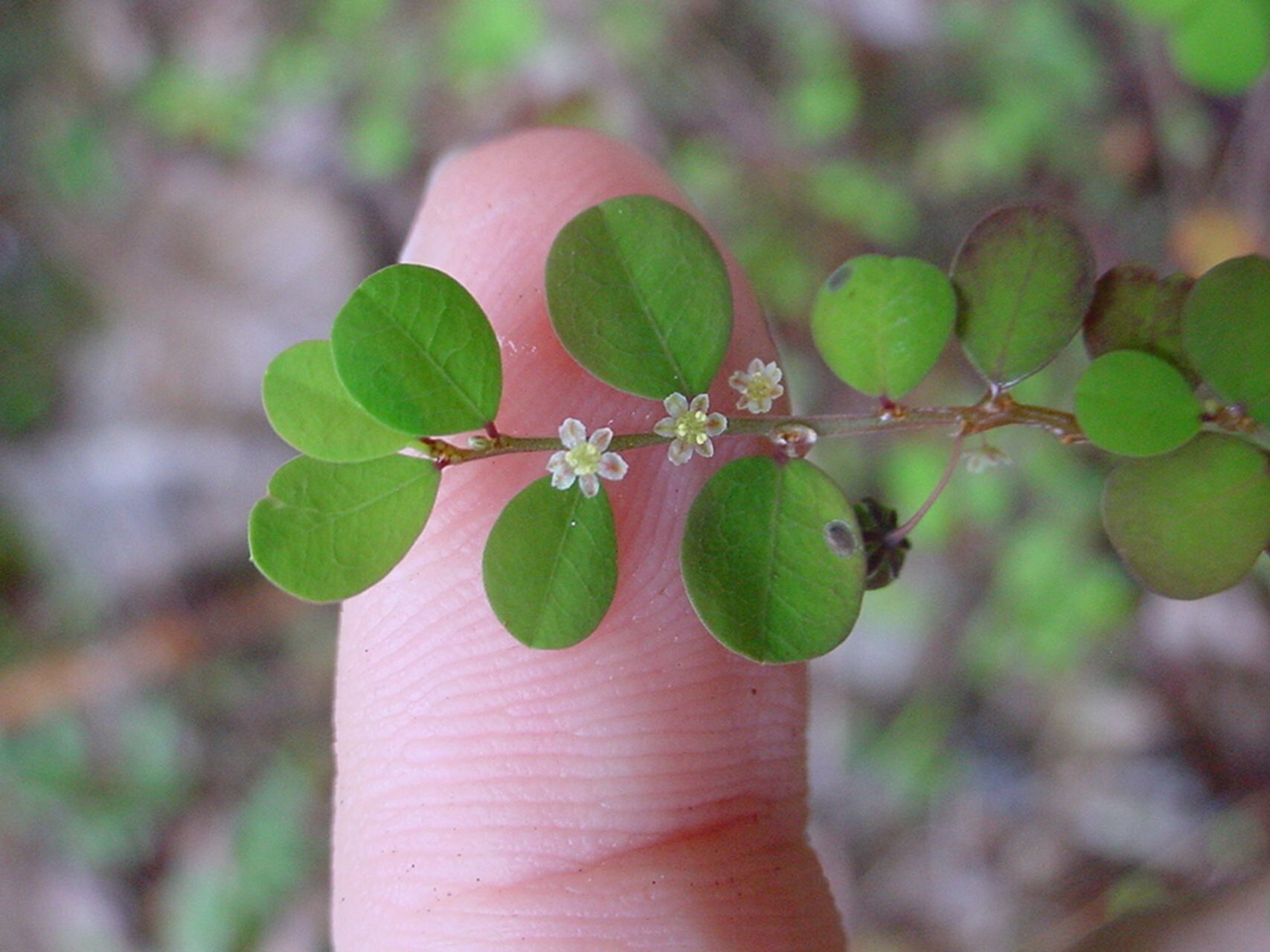
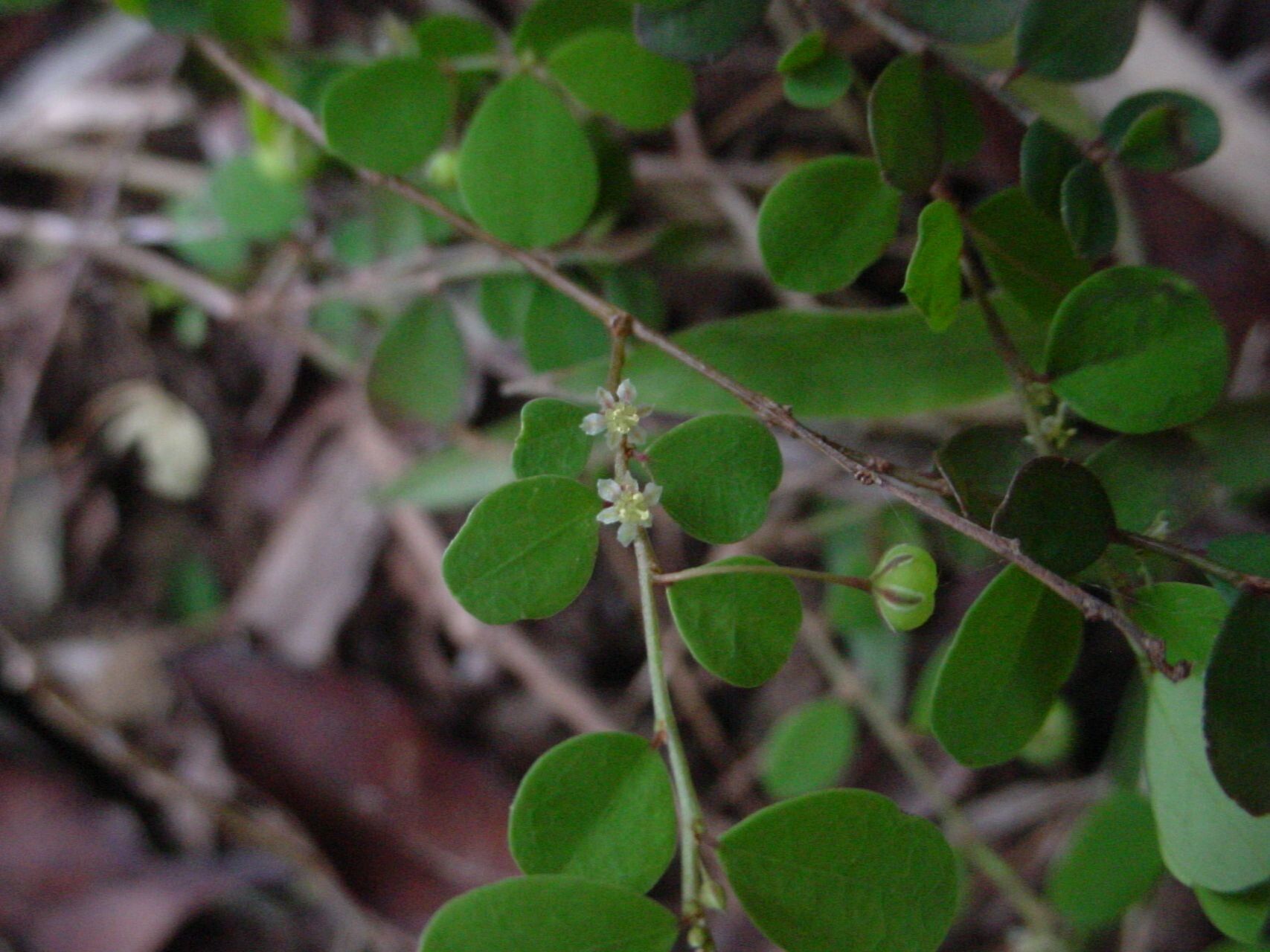
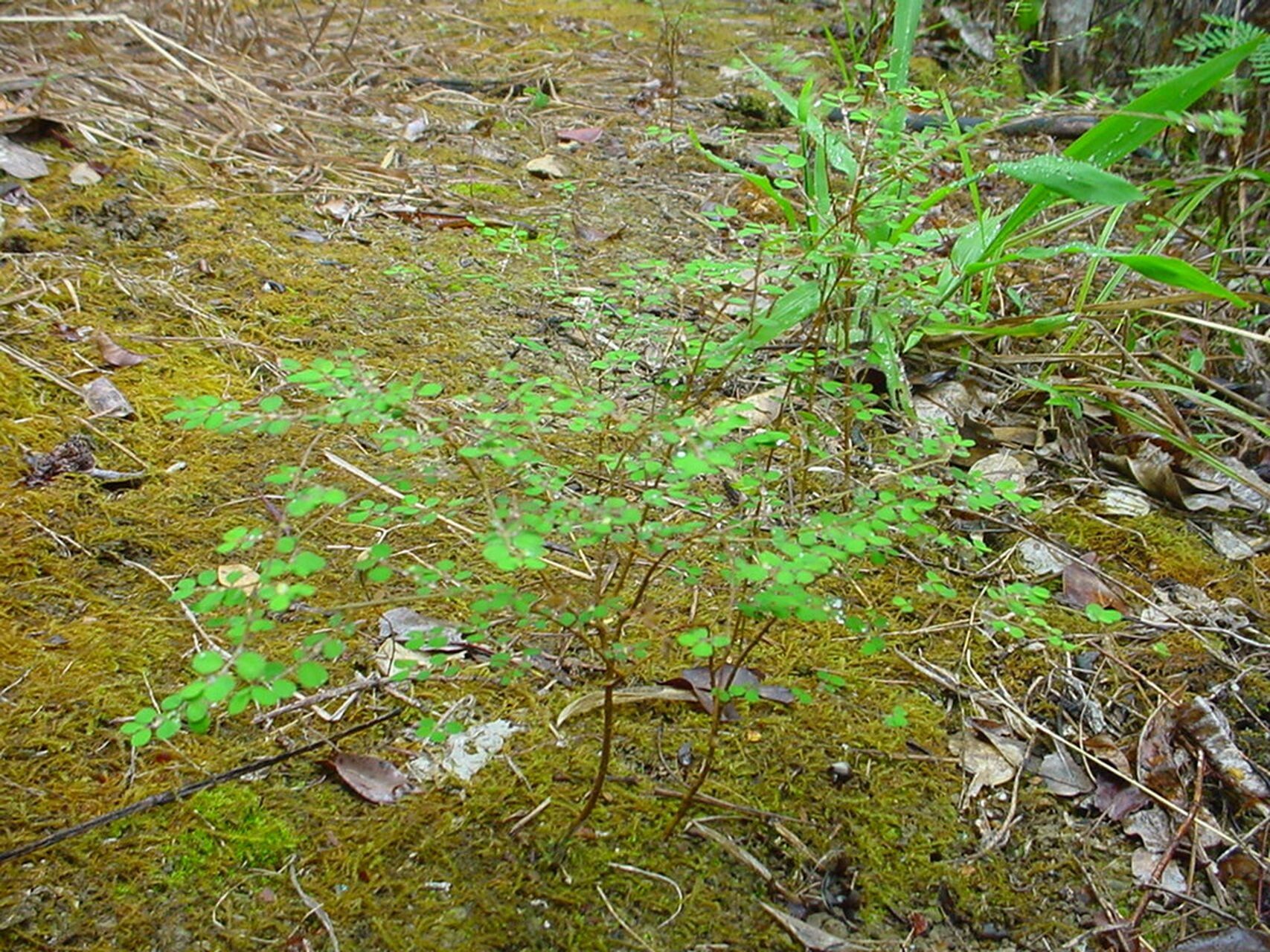
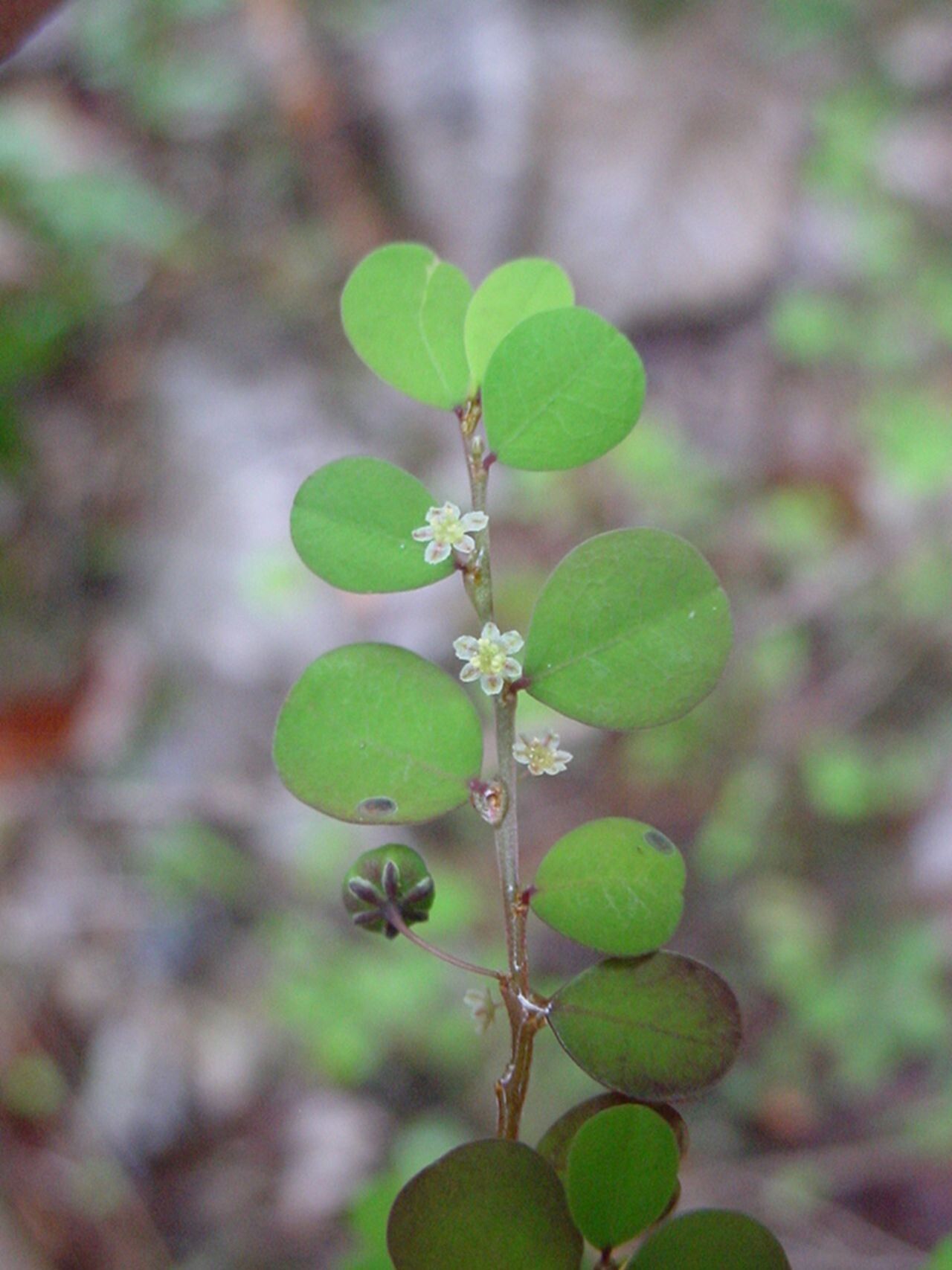
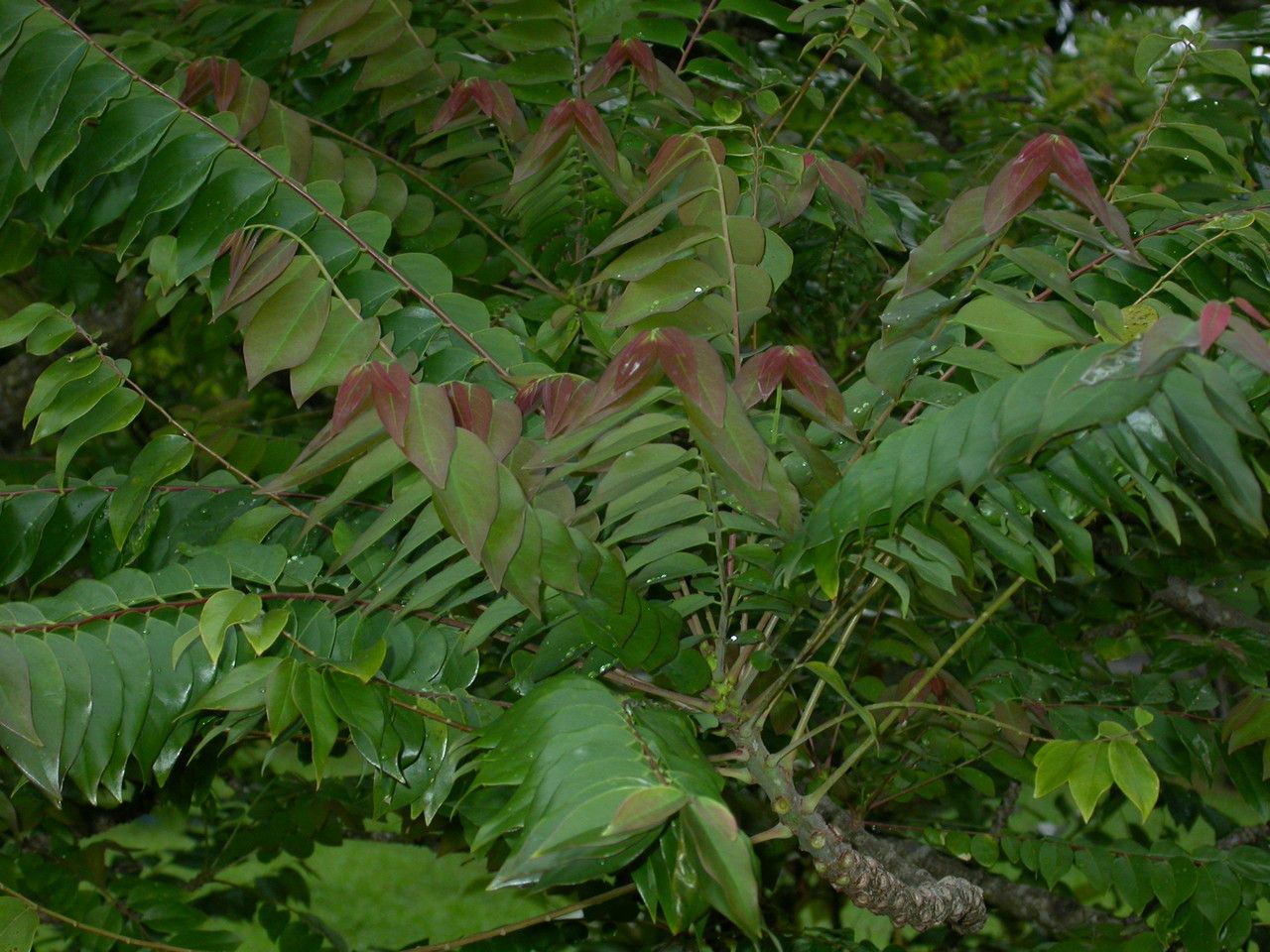
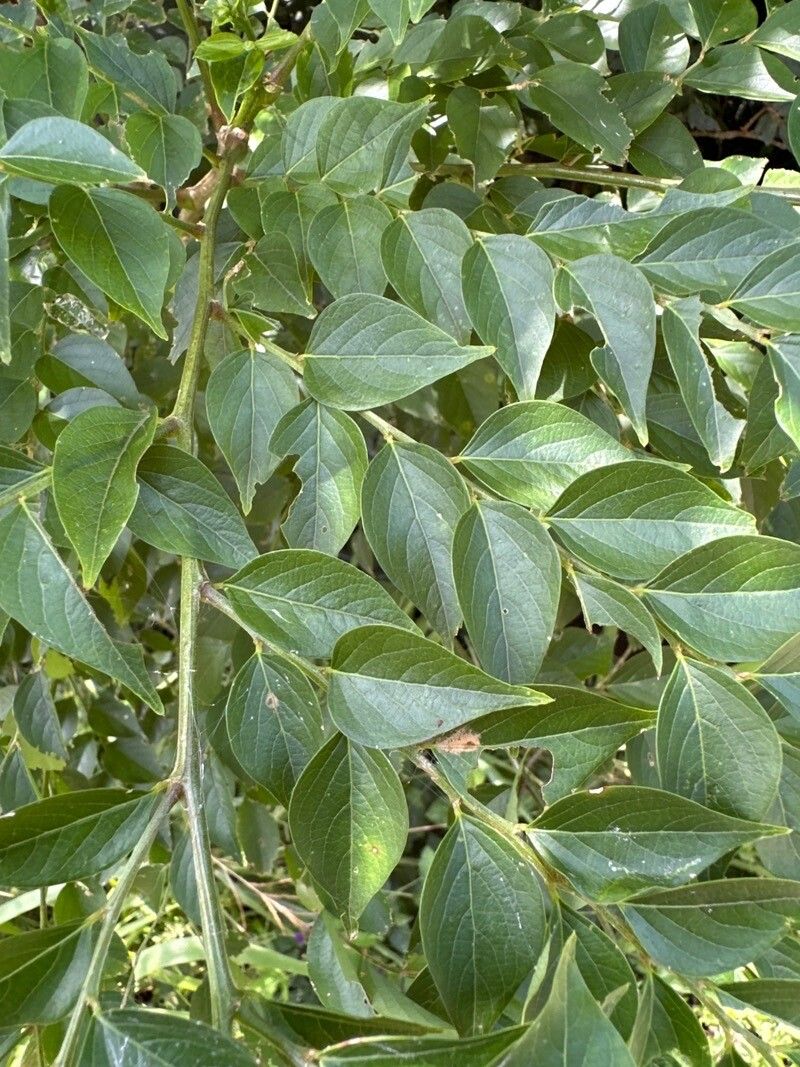
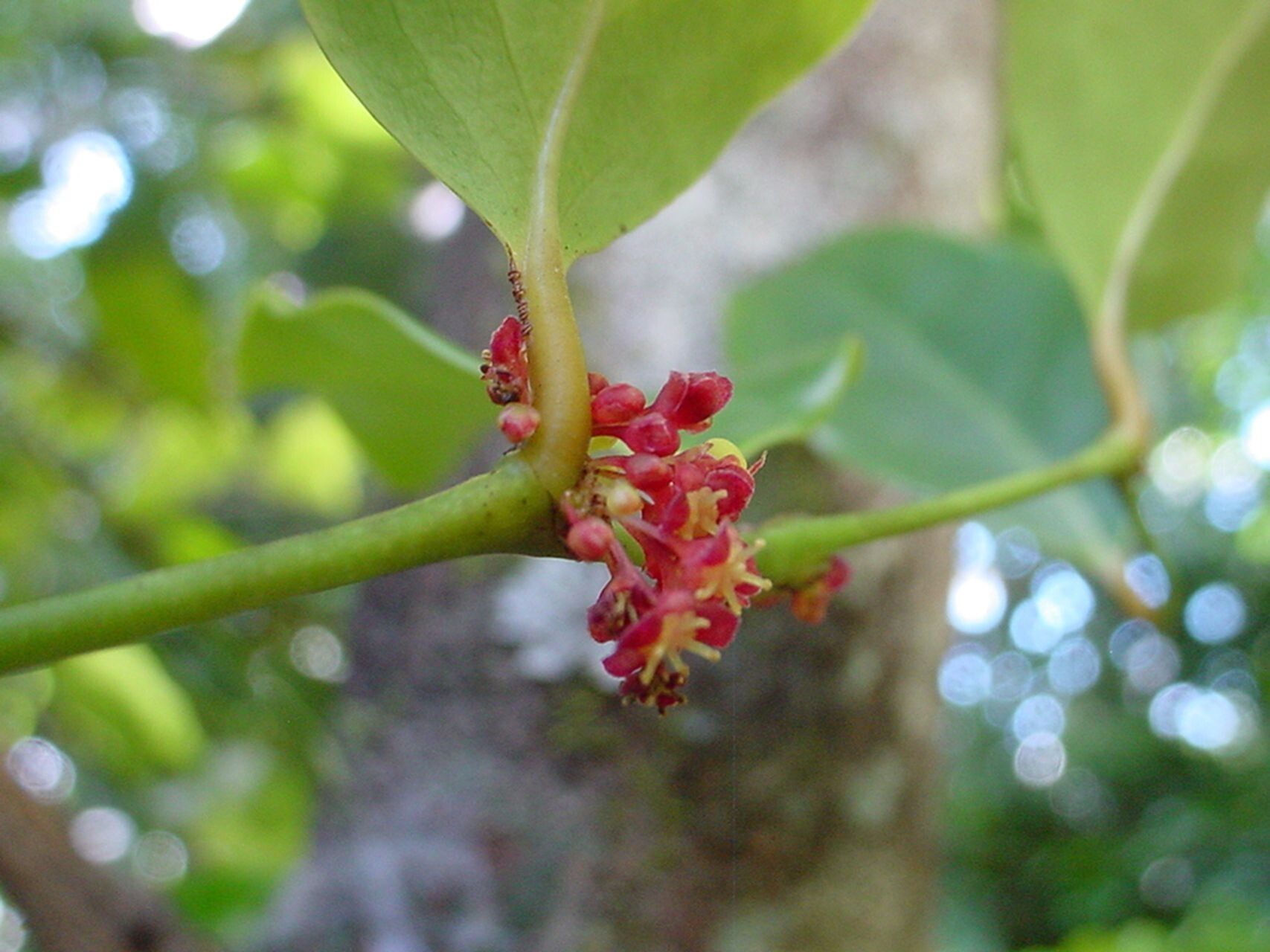
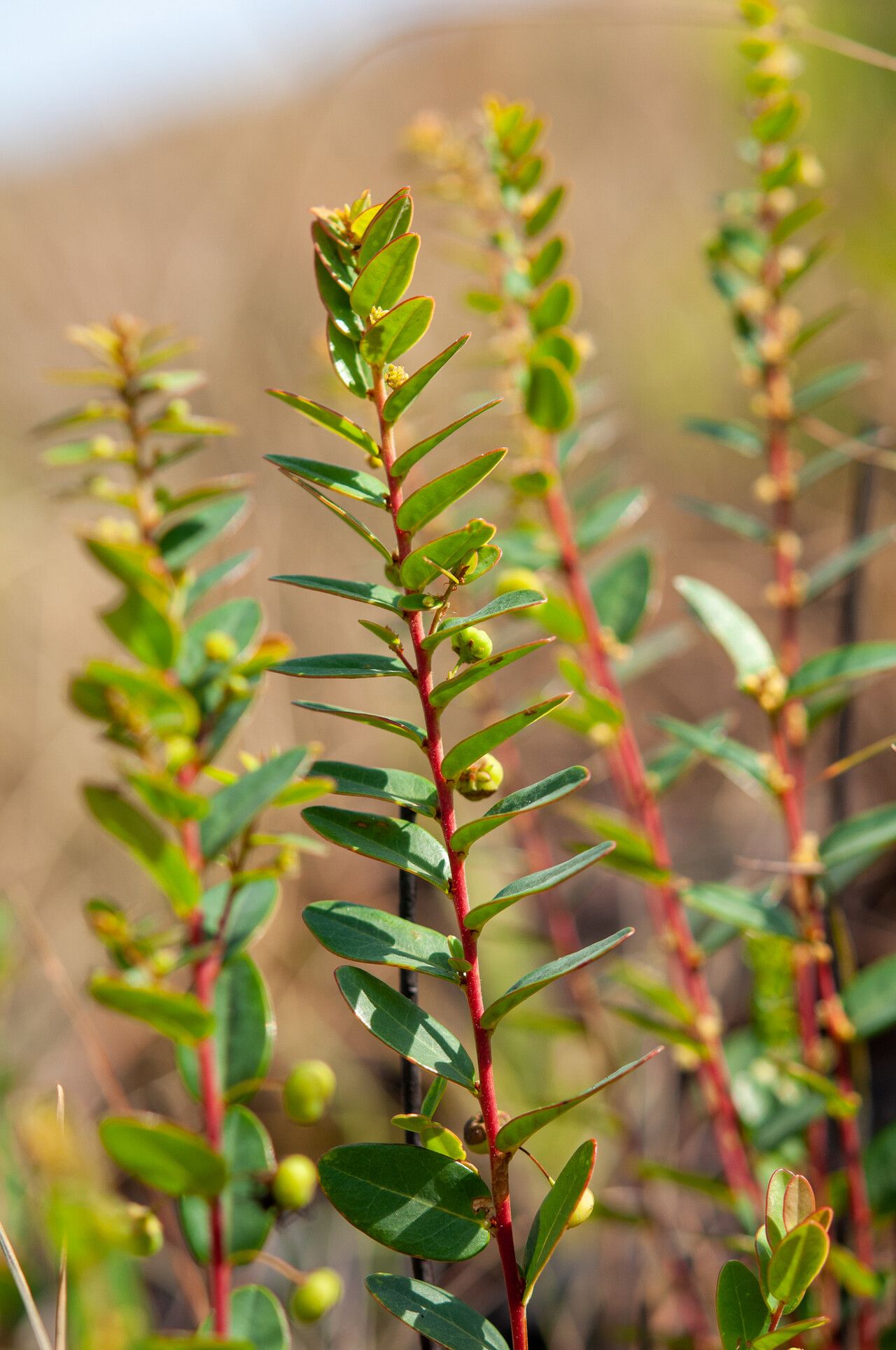
Virgate leaf-flower has strong disease resistance and is generally not vulnerable to illnesses. Still, it can be affected by pests and diseases present in its environment, though such infections are typically mild. Regarding care, the plant needs moderate maintenance. Regular pruning is required to preserve a neat appearance and support healthy growth. Applying fertilizer can also encourage flowering. Virgate leaf-flower is appropriate for anyone with outdoor space, such as a garden or patio, and does not demand extensive gardening experience. It may need more attention if cultivated indoors.
How to keep Phyllanthus Virgatus.
Light
Virgate leaf-flower comes from bright, open habitats and thrives in full sun. It can tolerate partial sun but favors direct sunlight for the best growth. This plant, which may be annual or biennial, is noted for its sun-loving character.
Water
The virgate leaf-flower thrives in moist, humid conditions reminiscent of its tropical origins. For best results, water it weekly to maintain evenly moist soil. Once established, it can tolerate moderate drought. Being an evergreen, the plant requires consistent moisture throughout the year, especially indoors, where humidity levels can be controlled.
Temperature
The Virgate leaf-flower comes from tropical areas, where the climate is generally warm and humid. Consequently, it is adapted to high temperatures and humidity. It does not tolerate abrupt temperature changes and prefers a stable thermal environment, so avoiding temperature fluctuations indoors is important. It usually cannot withstand cold and needs higher temperatures to grow. If the ambient temperature falls too low, the plant may stop growing or even die.
Fertilizer
Virgate leaf-flower responds well to regular, dilute applications of fertilizer to encourage healthy leaf growth. Fertilize Virgate leaf-flower roughly once a month throughout the summer. Nitrogen is vital for foliage, and providing nitrogen-rich sources helps Virgate leaf-flower thrive.
Pruning
The Virgate Leaf-flower features slender stems and small leaves, making it an excellent choice for ornamental gardening. For best results, prune it from early to late spring to remove dead branches and shape the plant. This encourages healthy growth and flowering, while also improving air circulation to prevent disease. Be sure to consult horticultural guidelines for detailed care instructions.
Botanical profile.
- Plant Type
- Herb
- Life Cycle
- Annual
- Genus
- Phyllanthus
- Family
- Phyllanthaceae
- Hardiness Zone
- 9-11
- Mature Height
- 61 cm
- Mature Spread
- 20 cm to 40 cm
- Leaf Color
- Light Green, Medium Sea Green
- Leaf Type
- Evergreen
- Flower Color
- White
- Flower Size
- 0.20 cm to 0.25 cm
- Bloom Time
- All year round
- Planting Time
- Spring, Summer
- Harvest Time
- All year round
- Native Area
- Australia