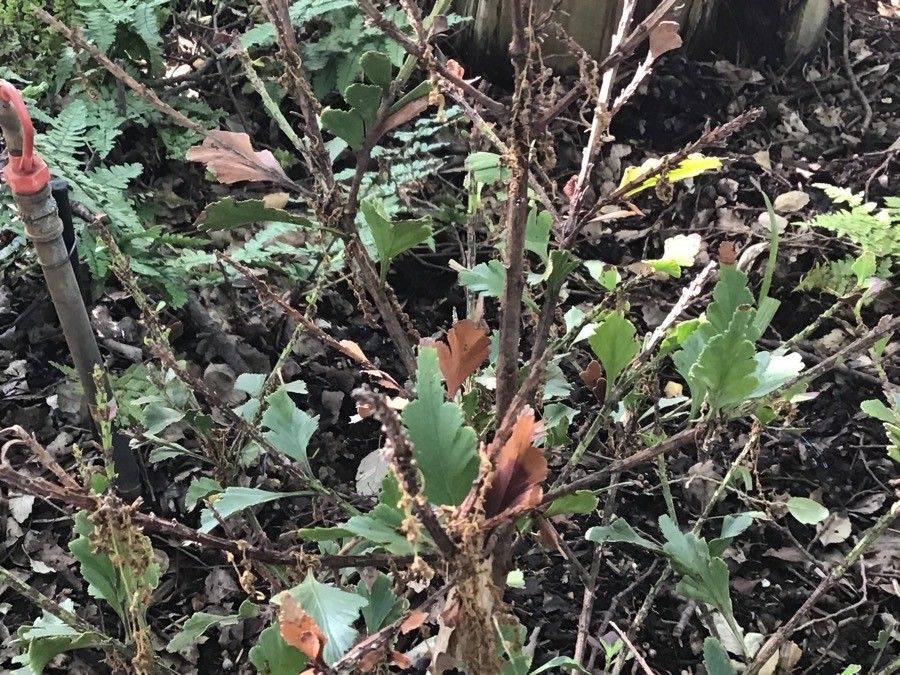
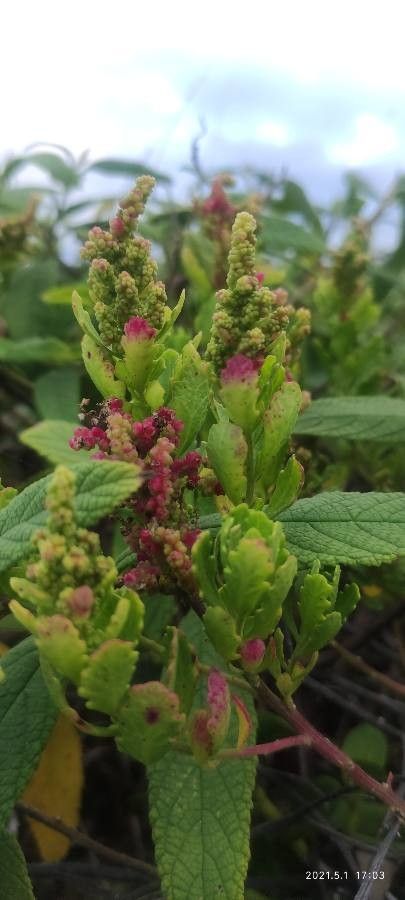
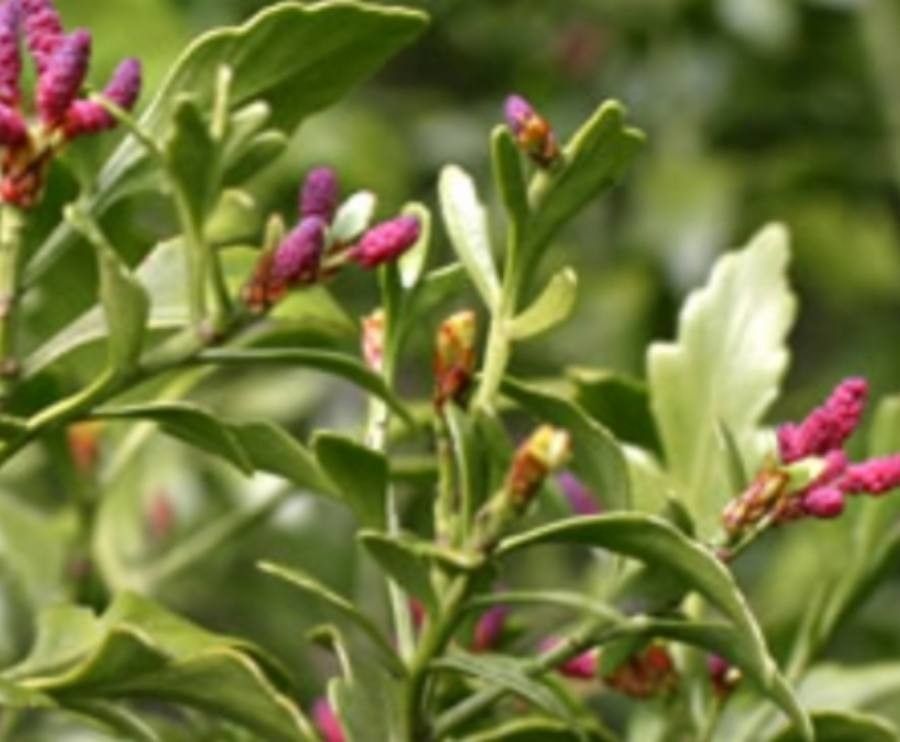
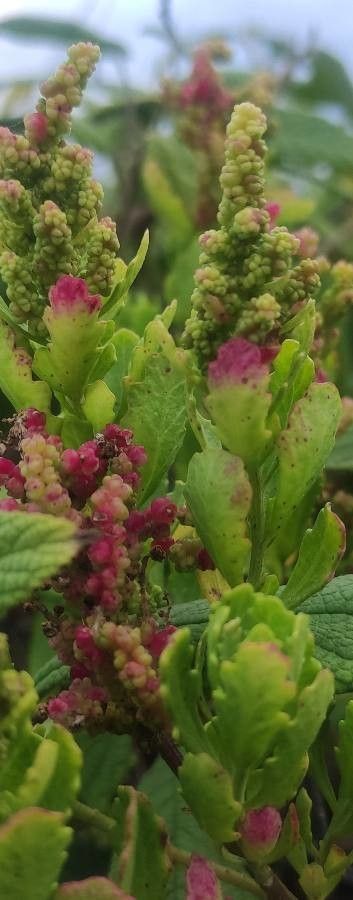
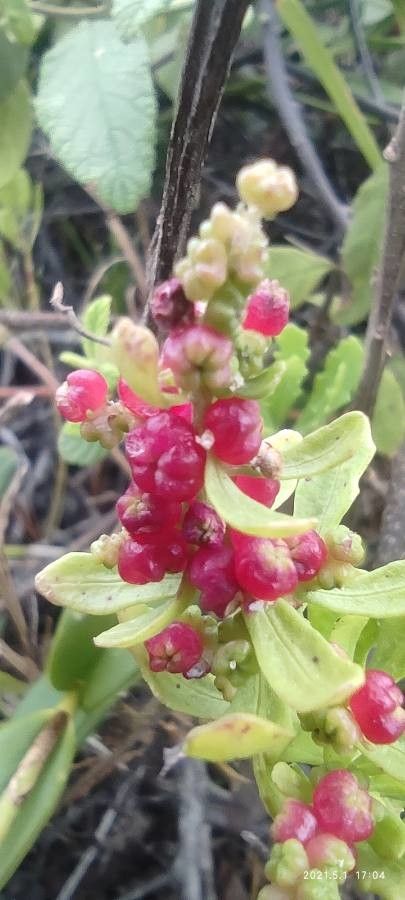
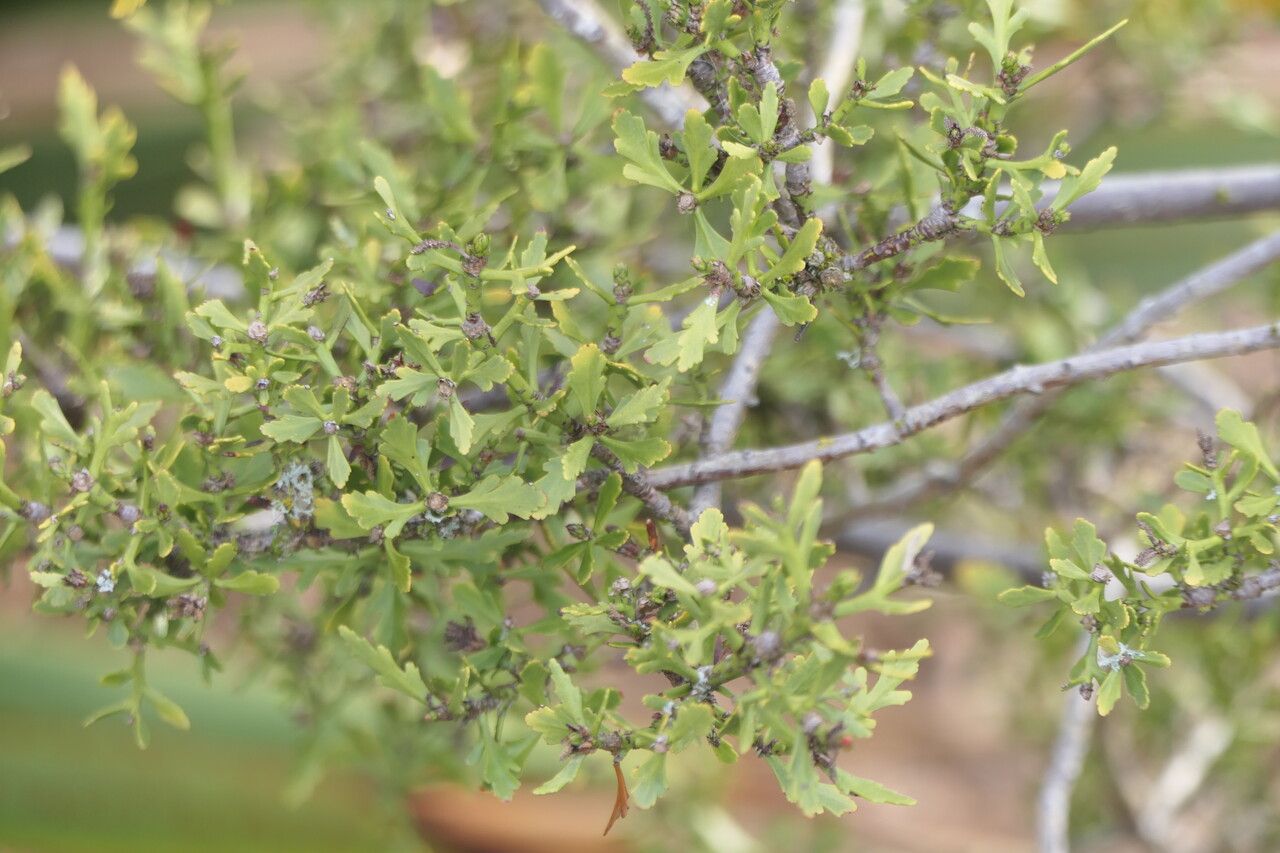
Phyllocladus aspleniifolius, commonly known as the celerytop pine, is an endemic gymnosperm of Tasmania, Australia. It is widespread and common in Tasmania, with the most abundance in the western highlands. Its ‘leaves’ appear similar to those of a celery plant, hence the common name.
Celery-top pine is resistant to diseases and is generally unlikely to suffer from them. Regarding maintenance, this plant is fairly low-maintenance. When grown outdoors it needs only light watering, and larger plants typically do not require pruning. Smaller plants, however, should be pruned after they finish blooming. Celery-top pine is appropriate for anyone with outdoor space, like a garden or deck, and does not need extensive care experience.
How to keep Phyllocladus Aspleniifolius.
Light
Celery-top pine occurs naturally in settings like forest understories or rocky areas, where it grows in natural shade. It prefers partial sun but can tolerate full sun or full shade, illustrating its versatile and hardy nature.
Temperature
Celery-top pine is highly adaptable to a range of climatic conditions, from very hot summers to cold winters. However, it does have a preferred temperature range for growth. When temperatures become excessively high, the plant can suffer from heat and humidity stress that may kill it. In areas where temperatures approach the lower limit of its cold tolerance, it is important to provide insulation to protect the plant.
Fertilizer
Celery-top pine has specific nutrient needs and does not require heavy fertilization. Fertilizing in spring is the best time for optimal growth. Supplying nutrients enhances its health, increases its resistance to pests and diseases, and helps maintain its long lifespan.
Pruning
Celery-top pine is known for its fern-like foliage and benefits from pruning in early spring, just before new growth begins. To maintain the health and appearance of the plant, use clean, sharp tools to remove any dead branches and to shape the plant effectively. This practice promotes better air circulation and allows more sunlight to reach the foliage. Regular pruning not only enhances the plant's health but also improves its visual appeal. For the best results, consider consulting gardening resources for the most effective pruning techniques.
Botanical profile.
- Plant Type
- Tree
- Life Cycle
- Perennial
- Genus
- Phyllocladus
- Family
- Podocarpaceae
- Hardiness Zone
- 8-10
- Mature Height
- 14.94 m to 29.87 m
- Mature Spread
- 4.88 m to 7.92 m
- Leaf Color
- Dark Green
- Leaf Type
- Evergreen
- Bloom Time
- Mid fall, Late fall
- Planting Time
- Spring, Autumn
- Harvest Time
- Spring
Other names.