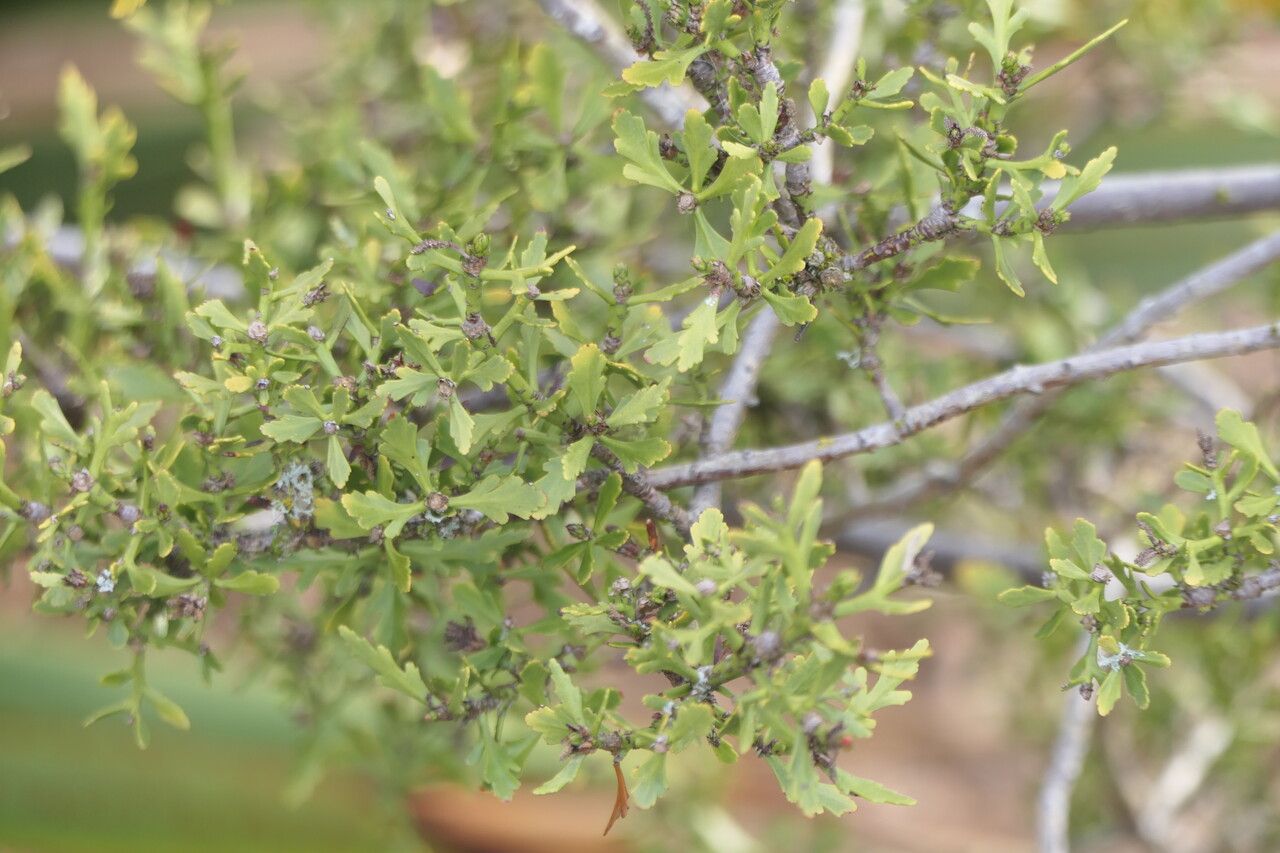
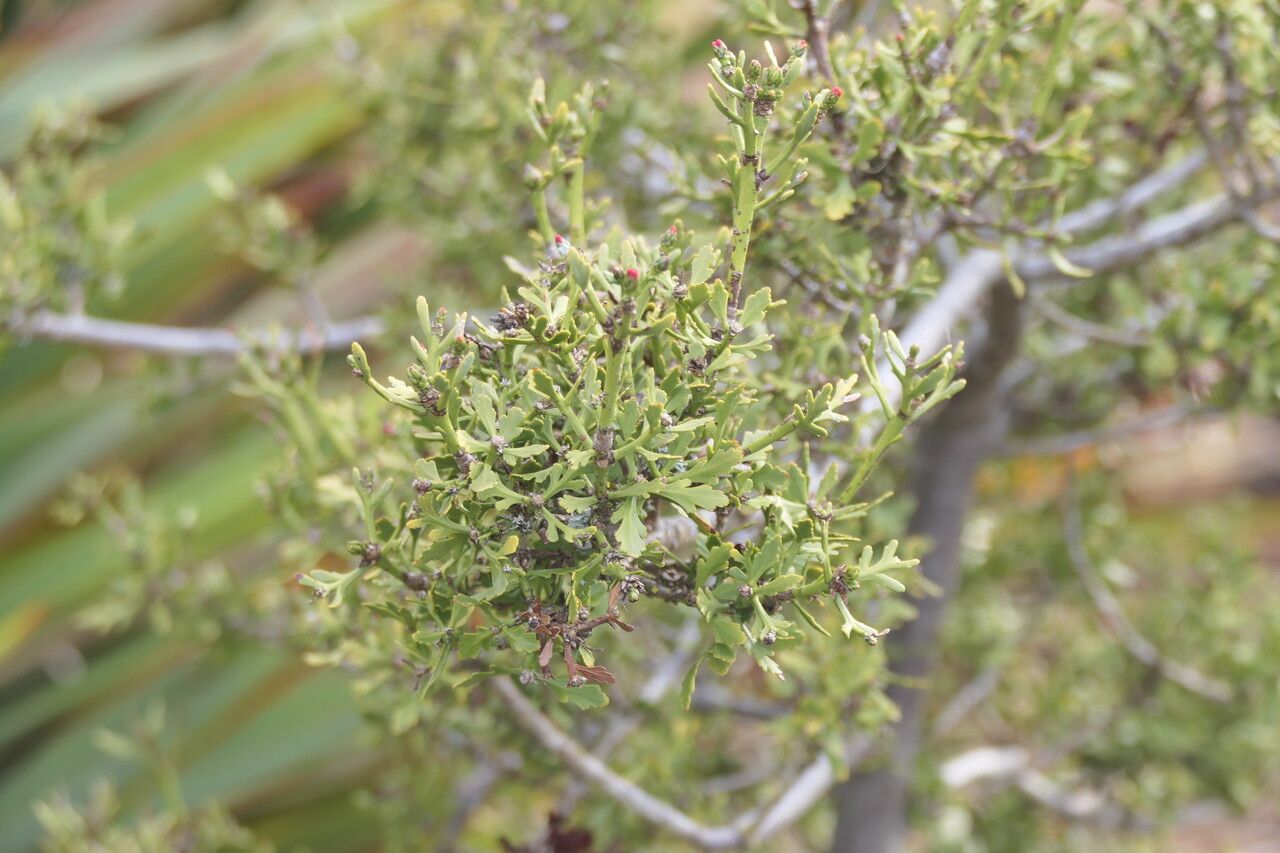
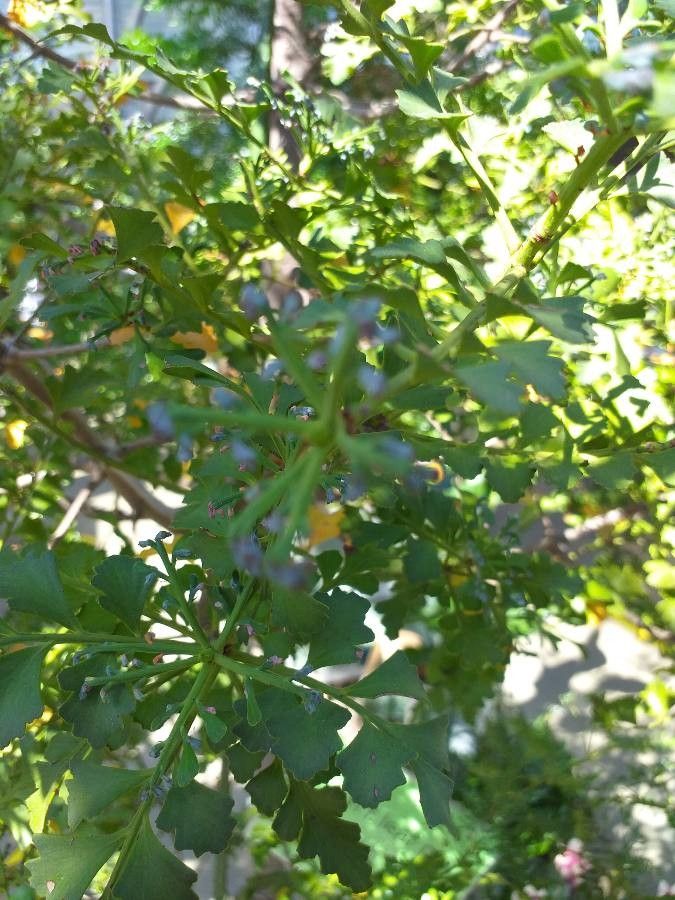
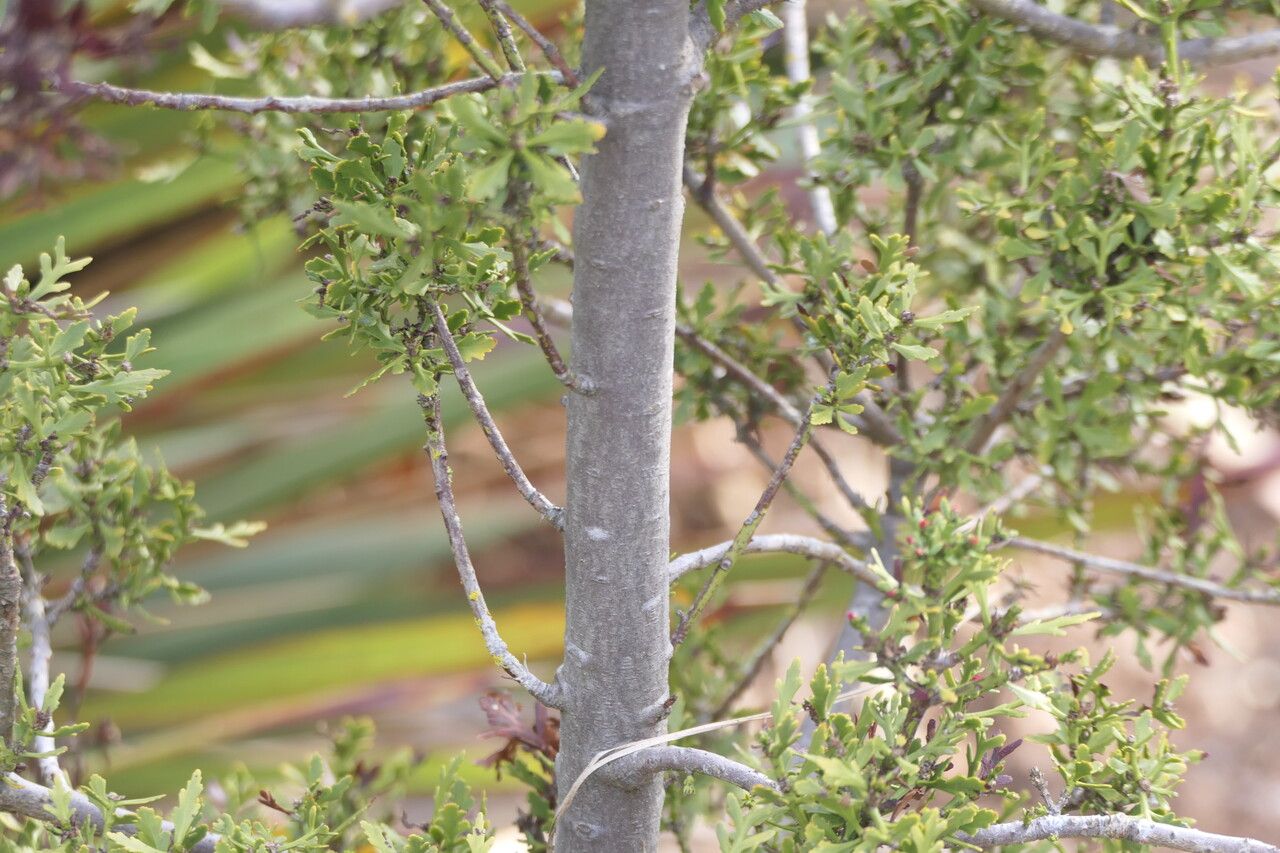
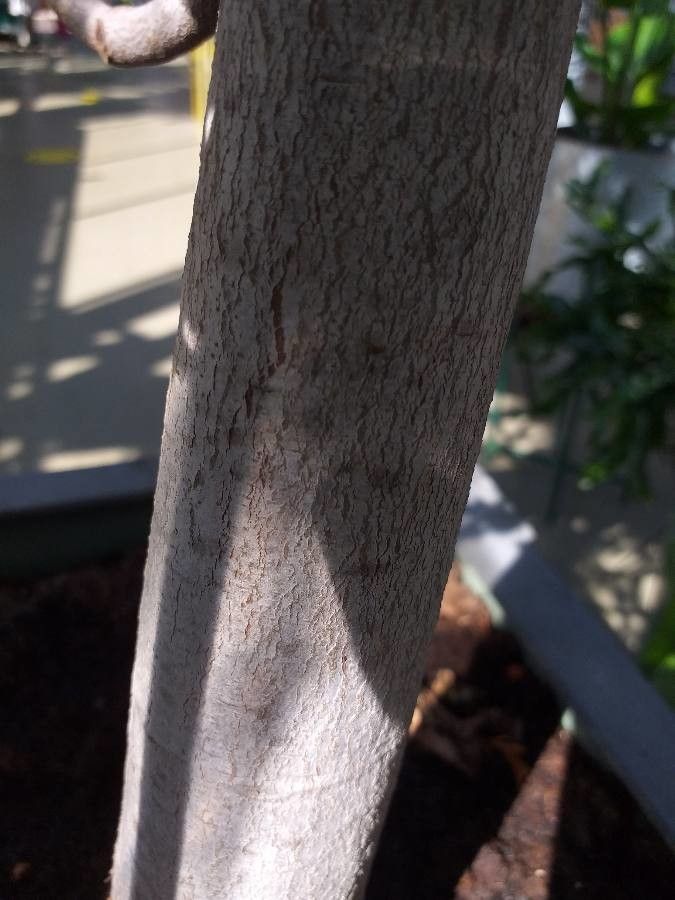
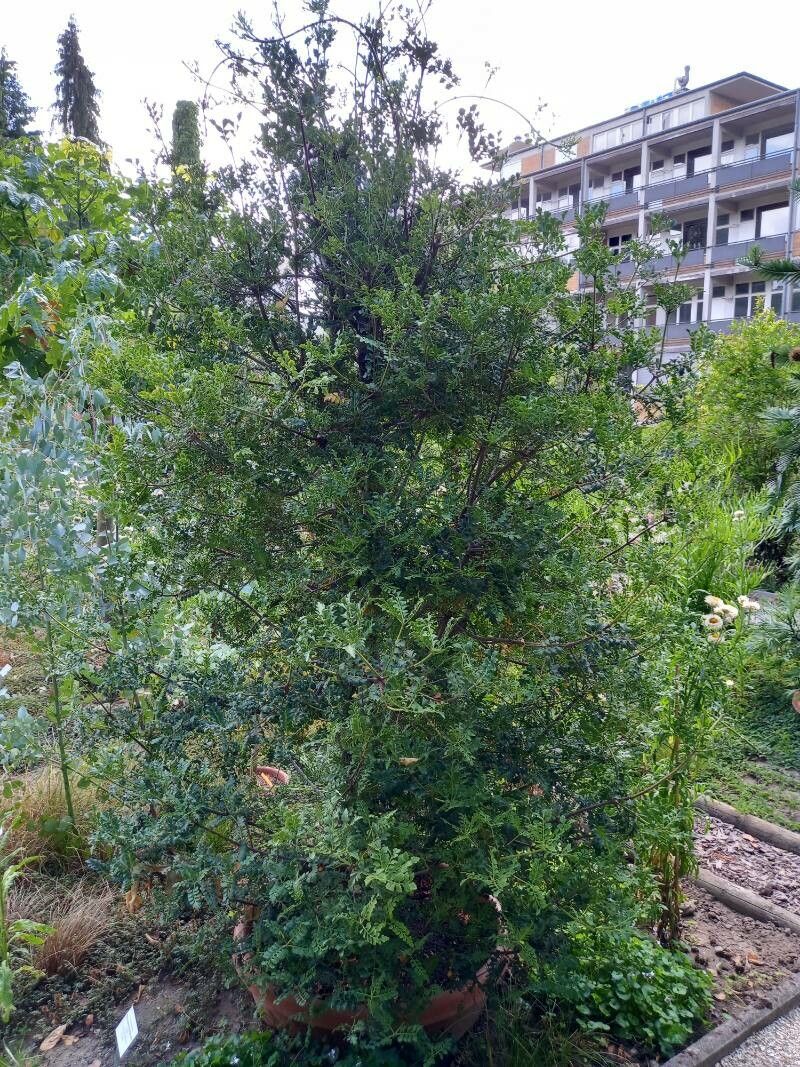
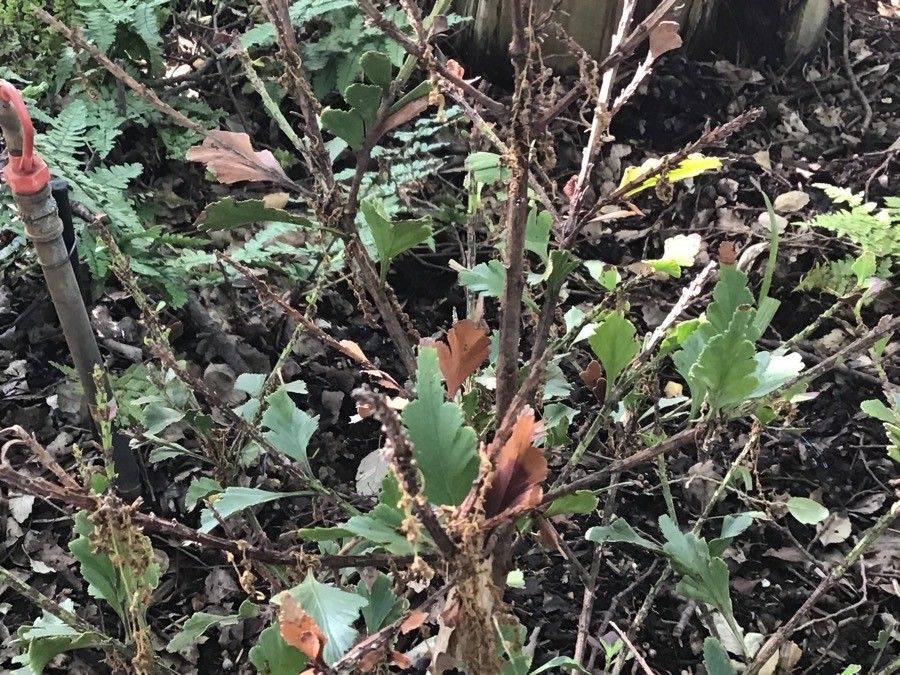
Phyllocladus trichomanoides, commonly known as Tanekaha or Celery Pine, is a species of coniferous tree native to New Zealand. This tree belongs to the family Phyllocladaceae and can grow up to 20 meters tall. It has a distinctive appearance, featuring flattened branchlets that resemble celery stalks, covered in small, scale-like leaves. These leaves are dark green with a glossy texture.
Tanekaha plays a crucial role in New Zealand's native forests by providing habitat for various bird species, including the North Island kaka and the kereru. Additionally, it holds cultural significance for the Maori people, who use its bark for medicinal purposes.
The tree thrives in moist soils but can tolerate dry conditions once it is well established. It grows well in both full sun and partial shade, making it a popular ornamental plant due to its unique appearance.
Phyllocladus trichomanoides is considered a threatened species, mainly because of habitat loss caused by deforestation, logging, and land development activities. Conservation efforts are currently underway to protect this vital plant from further decline. These efforts include reforestation programs and the protection of remaining natural habitats where the tree occurs naturally.
Celery pine is fairly disease-resistant and is usually not susceptible to illnesses. In terms of maintenance, this plant is relatively low-maintenance. When grown outdoors it needs only minimal watering, and larger plants typically do not require pruning. Smaller plants, however, should be pruned after they have bloomed. Celery pinet is appropriate for anyone with an outdoor area, such as a garden or deck, and does not demand much care experience.
How to keep Phyllocladus Trichomanoides.
Light
Celery pine develops best with abundant sunlight for healthy growth. It comes from habitats with plentiful sun throughout its growth phases. If celery pine receives less light than it requires, its health can be negatively affected, while too much light typically isn't a serious concern.
Water
Celery pine is a drought-tolerant plant that comes from environments with varying moisture levels. While it thrives with consistent soil moisture, it typically needs watering every 2 to 3 weeks. As an outdoor plant in temperate regions, celery pine adapts by adjusting its water storage according to the seasonal rainfall patterns.
Temperature
Celery pine is native to temperate habitats and flourishes at temperatures of 59 to 100 °F (15 to 38 ℃). To promote strong growth, control the temperature accordingly, especially during extreme seasonal shifts.
Fertilizer
Celery pine has specific nutrient needs and does not require heavy fertilization. Spring is the best time to apply fertilizer for optimal growth. Providing nutrients improves its health, strengthens its resistance to pests and diseases, and helps sustain its long lifespan.
Pruning
The celery pine is known for its distinctive foliage and needs pruning from early to late winter. This helps remove dead or diseased branches, improve air circulation, and maintain its desired shape. To ensure healthy growth and preserve its aesthetics, use clean, sharp tools during regular pruning. This minimizes damage and reduces the risk of infection.
Botanical profile.
- Plant Type
- Tree
- Life Cycle
- Perennial
- Genus
- Phyllocladus
- Family
- Podocarpaceae
- Hardiness Zone
- 8-11
- Mature Height
- 24.99 m
- Mature Spread
- 9.14 m
- Leaf Color
- Dark Green, Forest Green
- Leaf Type
- Evergreen
- Flower Color
- White
- Flower Size
- 30.48 cm
- Bloom Time
- Late fall, Early winter
- Planting Time
- Spring, Summer, Autumn
- Harvest Time
- Mid spring, Late spring, Early summer
- Native Area
- New Zealand
Other names.
Reader questions.
What are the sunlight requirements for Celery Pine?
Celery Pine (Phyllocladus trichomanoides) requires above 6 hours of sunlight daily to ensure healthy growth, thriving best under full sun conditions. It is vital to observe the movement of sunlight in your garden to find spots that offer a balance of light and shade, ensuring the plant's needs are met. Although Celery Pine can adapt to various light conditions, it originates from environments with abundant sunlight, and insufficient light might affect its health adversely. However, too much light will not pose a significant problem.
What are the ideal temperature conditions for Celery pine?
Celery pine thrives in temperate habitats, ideally between 59 to 100°F (15 to 38°C). It's important to regulate the temperature during extreme seasonal changes to ensure healthy growth. Despite some cold tolerance, typically, no additional measures are needed if temperatures stay above -5°C. However, if temperatures are expected to drop below -5°C, temporary measures like wrapping the plant with plastic film, fabric, or other materials should be taken for cold protection. These protective measures should be removed once the temperature rises again.
How can artificial lighting be used for growing Celery Pine indoors?
When natural sunlight is insufficient, especially during winter or in less sunny spaces, artificial lighting can provide an excellent solution for growing Celery Pine indoors. LED lights are recommended due to their ability to offer specific wavelengths required by plants. For full sun plants like the Celery Pine, 30-50W/sq ft of artificial light is necessary. The artificial light source should be placed 12-36 inches above the plant to mimic natural sunlight effectively, ensuring the plant receives 8-12 hours of light per day.
How does Celery pine react to low temperatures?
Celery pine has moderate tolerance to low temperatures, performing best above 15°C. During winter, it's advisable to keep the temperature above -5°C. Should temperatures fall below -10°C, leaves may start to droop; they can recover in mild cases, but in severe cases, leaves will wilt and eventually fall off. The solution involves trimming off frost-damaged parts and, to prevent future occurrences, wrapping the plant with non-woven fabric or cloth and constructing a wind barrier for cold wind protection.
What symptoms indicate insufficient light for Celery Pine?
Symptoms of insufficient light in Celery Pine include smaller new leaves, leggy or sparse growth, faster leaf drop, slower or halted growth, and lighter-colored new leaves. These symptoms suggest the plant is not getting enough sunlight, affecting its ability to photosynthesize and grow healthily. Conditions such as chlorosis, sunscald, leaf curling, wilting, and leaf scorching can also occur when the plant receives excessive sunlight or not enough, highlighting the importance of optimal light conditions.
What should be done if Celery pine experiences high temperatures?
During summer, it's crucial to keep Celery pine below 38°C. Exposure to temperatures above 43°C can result in lighter leaf color, dry and withered leaf tips, curling leaves, and increased susceptibility to sunburn. To address this, trim away any sunburned or dried-up parts, move the plant to a shaded location away from midday and afternoon sun, or use a shade cloth for protection. Watering the plant in the morning and evening to keep the soil moist is also beneficial.
What steps can be taken to improve light conditions for Celery Pine?
To ensure optimal growth, gradually acclimate the Celery Pine to more sunlight, aiming for at least 6 hours of direct sunlight daily. For indoor plants, use a south-facing window or artificial grow lights for at least 8 hours a day. Outdoors, gradually move plants to sunnier locations to avoid shock. If sunlight is blocked by obstructions like trees, consider pruning to increase light exposure. For small plants, transplanting them during their dormant period to a sunnier location with good drainage can be beneficial. It's crucial to adapt strategies based on whether the plant is grown indoor, outdoor, or in the ground, focusing on reducing obstructions and providing ample light.