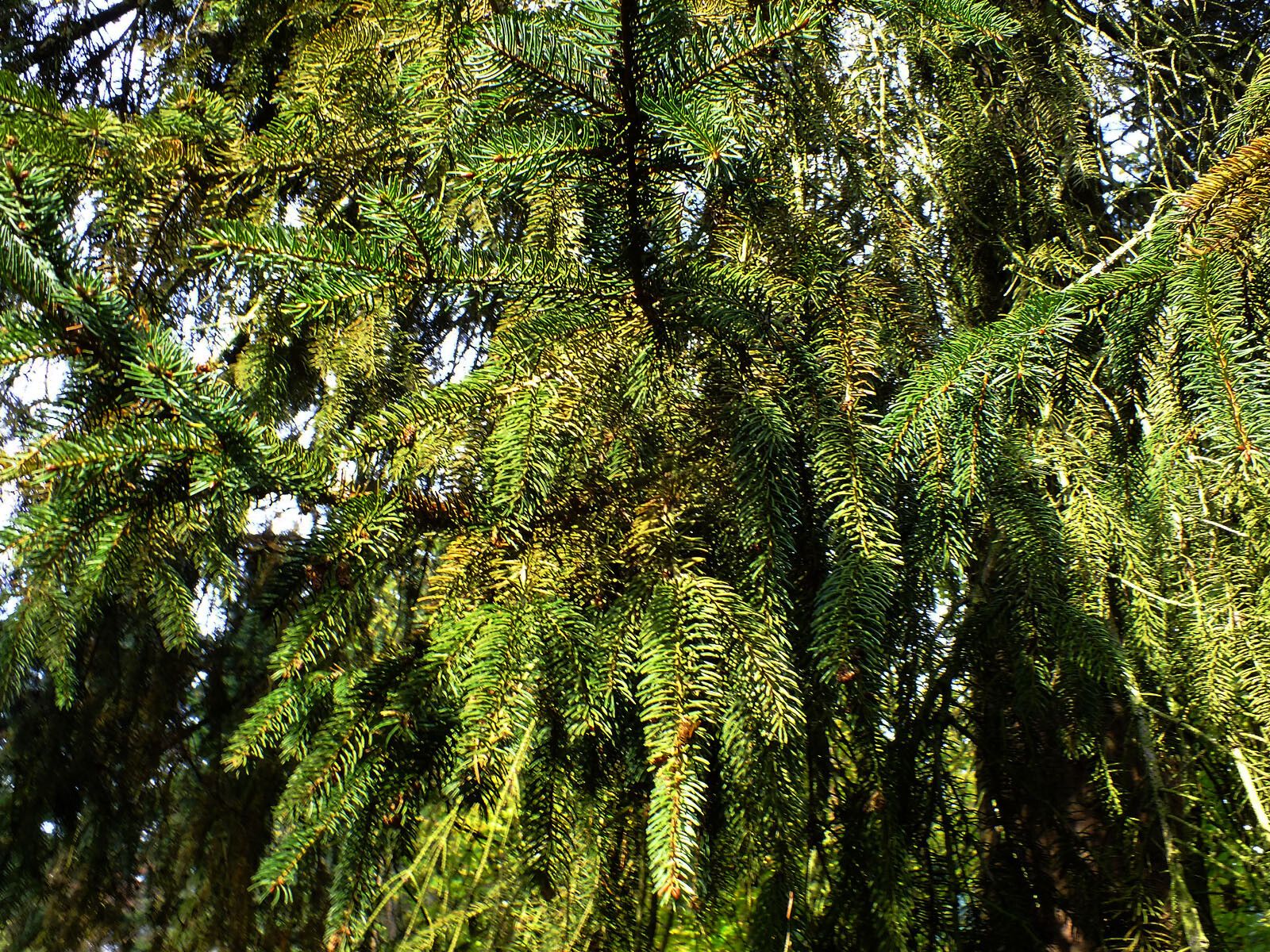
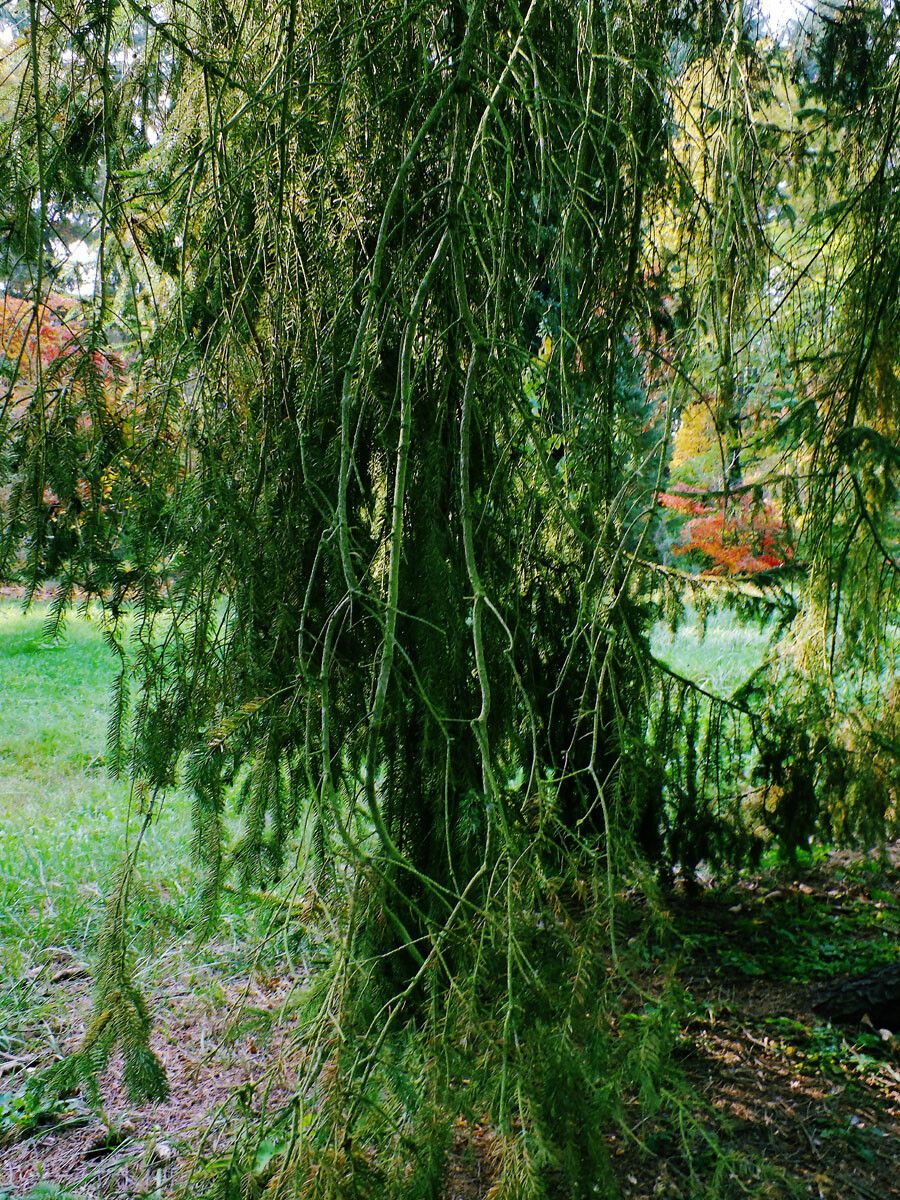
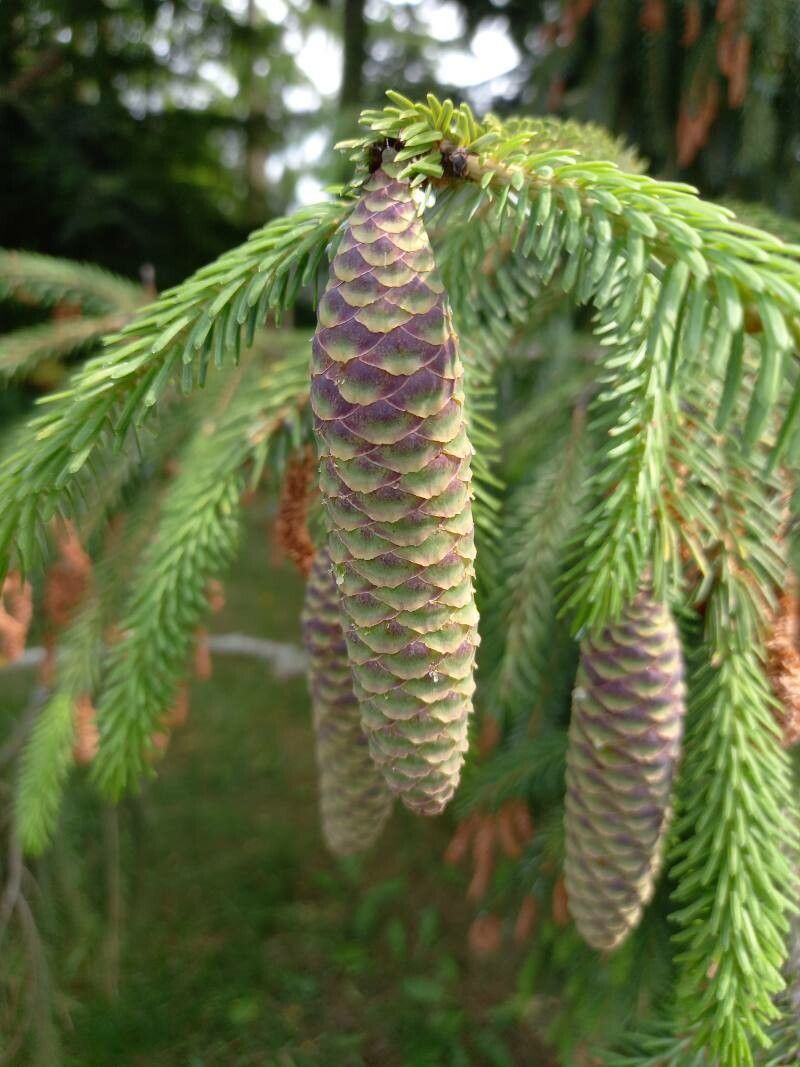
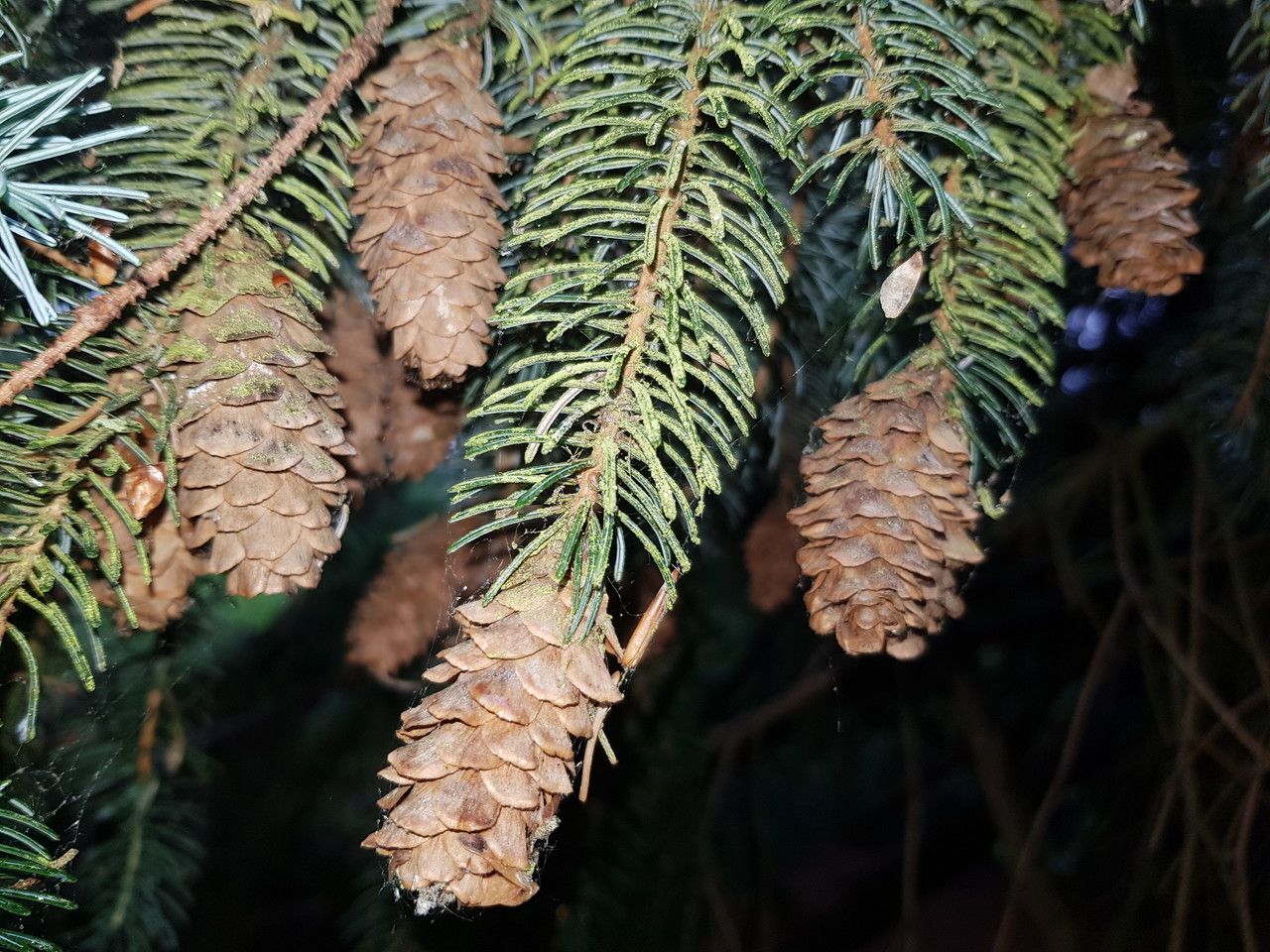
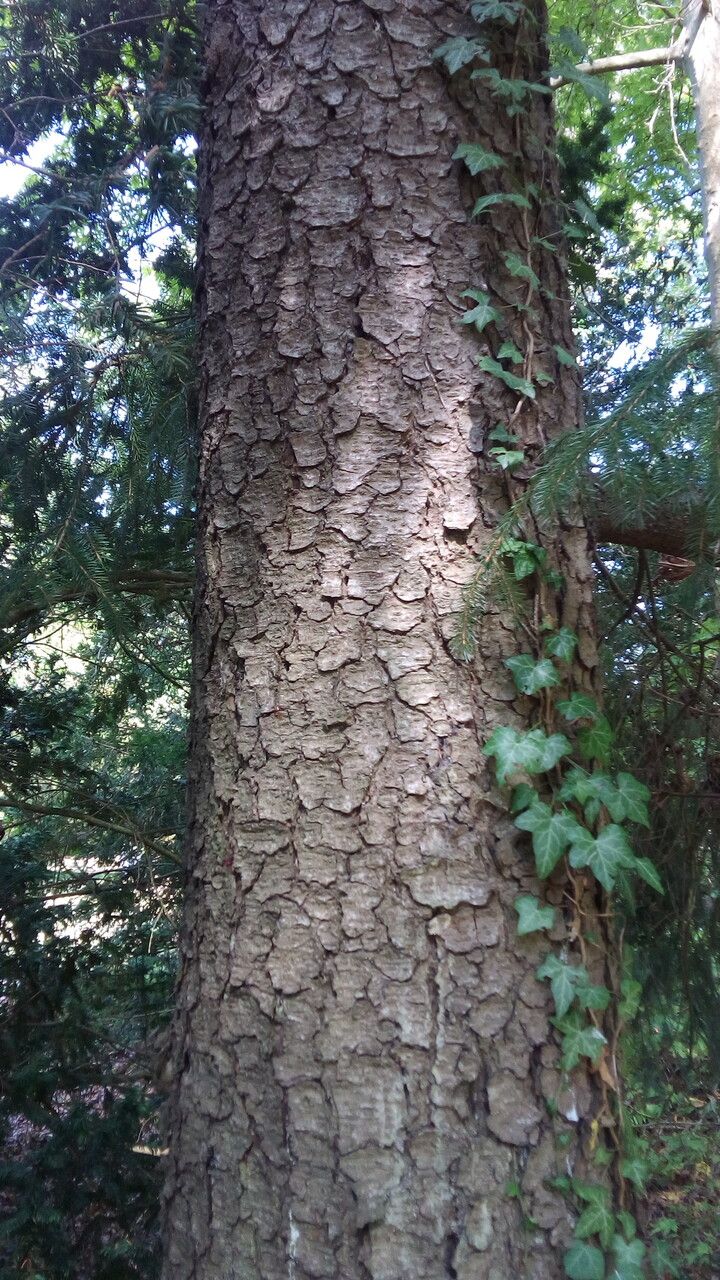
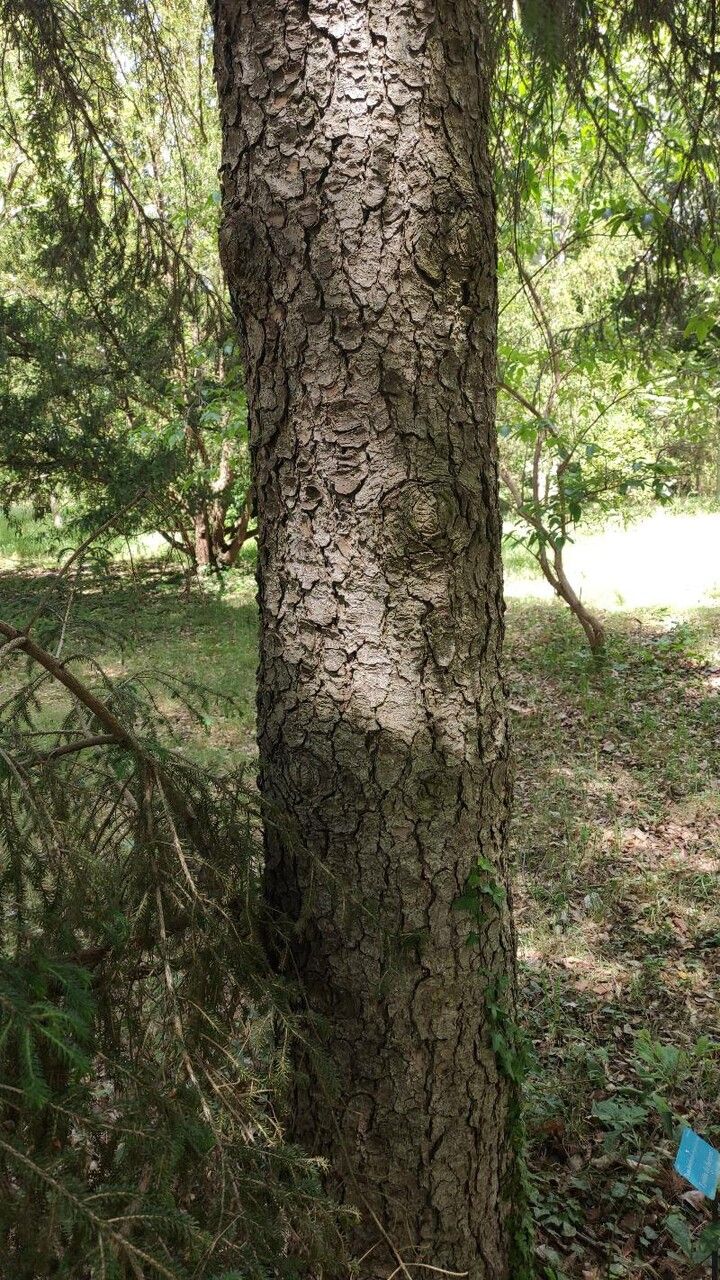
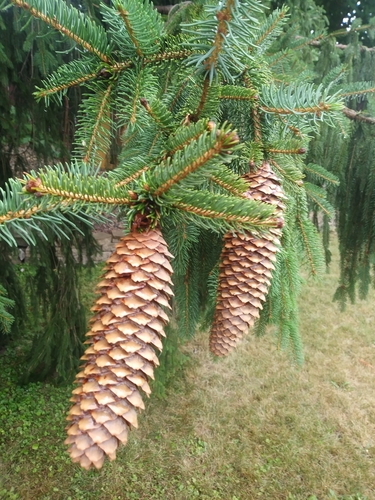
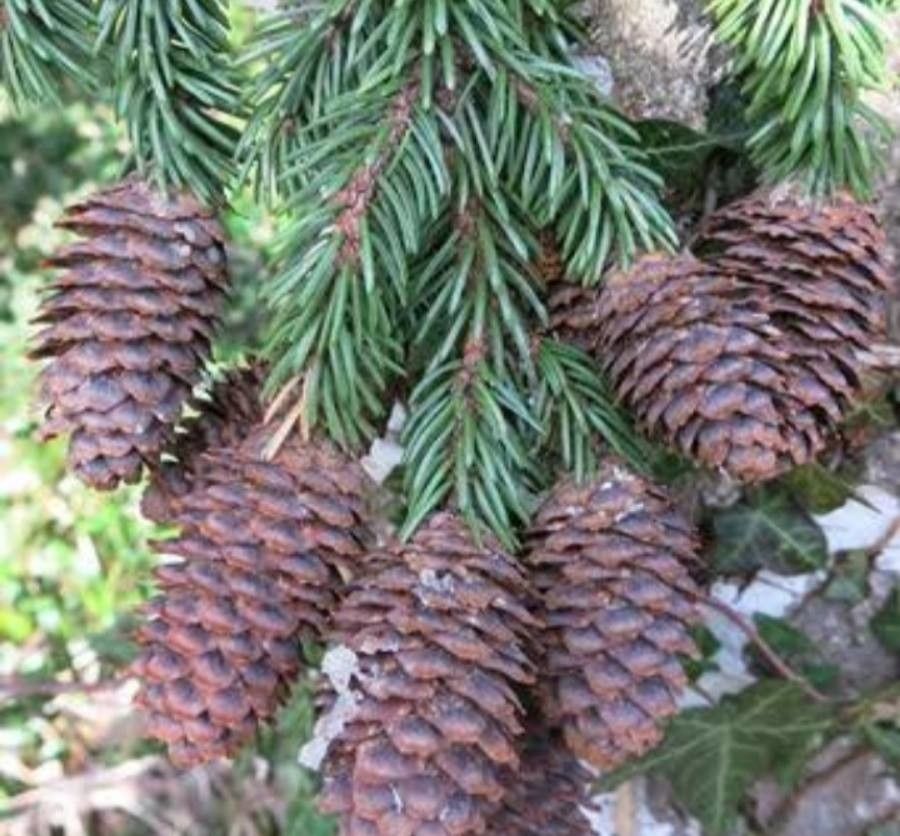
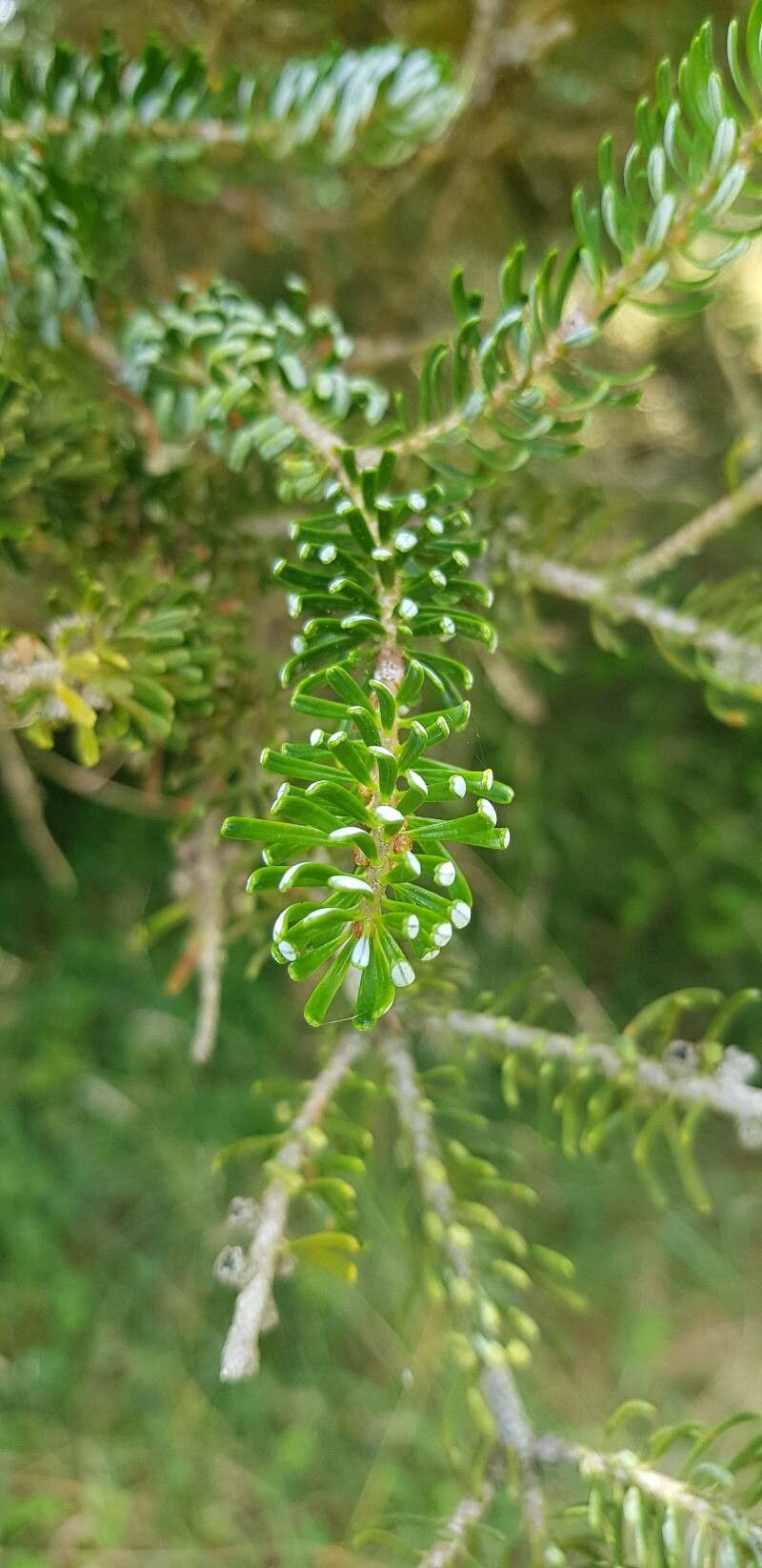
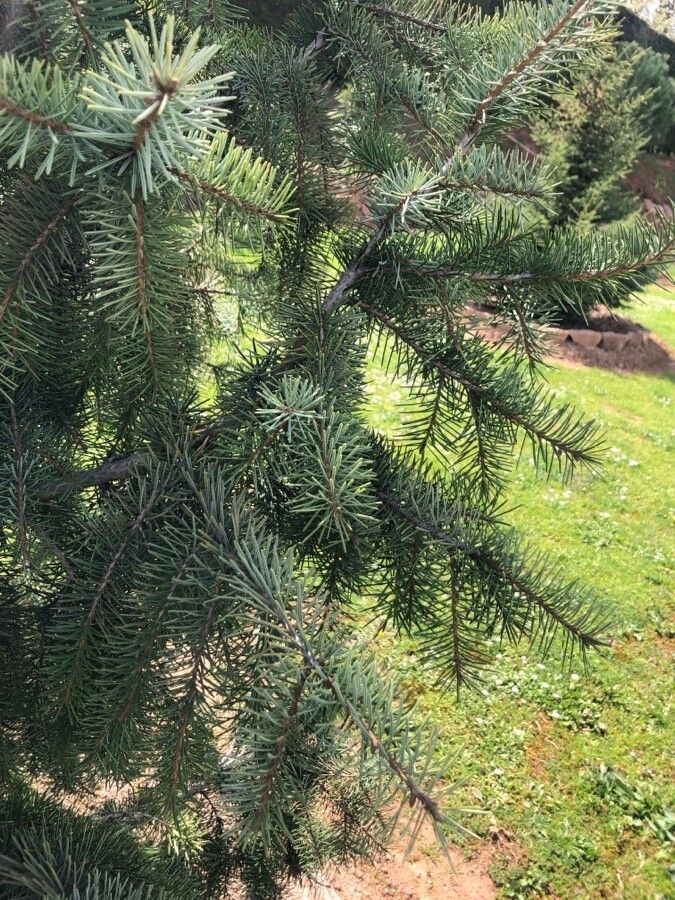
Picea brachytyla is a species of conifer in the family Pinaceae. It is found in China and northeast India. It is threatened by habitat loss.
Sargent's spruce demonstrates strong resistance to disease and is usually not vulnerable to illnesses. Regarding maintenance, this plant is fairly low-maintenance. When grown outdoors, it needs only minimal watering, and larger specimens typically do not require pruning. Smaller specimens, however, should be pruned after they finish blooming. Sargent's sprucet is appropriate for anyone who has outdoor space, like a garden or a deck, and it does not call for extensive plant-care experience.
How to keep Picea Brachytyla.
Light
Sargent's spruce does best with plenty of light, which it requires for healthy growth. Coming from naturally sunny habitats, it cannot tolerate situations with only residual light. Too little light can cause stunted growth and a weak tree form, while too much exposure can cause leaf burn and eventually lead to wilting.
Water
Sargent's spruce, native to high-altitude regions, flourishes in cool and moist environments. It prefers slightly moist soil and requires watering every two weeks. Commonly grown outdoors, this evergreen retains moisture in its needles year-round, making efficient use of water even during colder months.
Temperature
Sargent's spruce shows strong adaptability to a range of climate conditions, from scorching summers to chilly winters. Nonetheless, it has a preferred temperature range for growth. If temperatures get too high, the plant is susceptible to heat and humidity stress, which can lead to its death. In areas where temperatures reach the lower edge of its cold tolerance, applying insulation measures to protect the plant is important.
Fertilizer
Sargent's spruce has particular nutrient needs and does not require heavy fertilization. Fertilizing in spring is best for optimal growth. Supplying nutrients enhances its health, strengthens resistance to pests and diseases, and supports its long lifespan.
Pruning
Sargent's spruce features dense foliage and a pyramidal shape, making it an excellent choice for ornamental purposes. For optimal growth, prune the tree from early to late winter. Concentrate on removing dead branches and thinning out crowded areas. Clean cuts help improve air circulation and allow more sunlight to penetrate, enhancing the tree's overall vitality.
Botanical profile.
- Plant Type
- Tree
- Life Cycle
- Perennial
- Genus
- Picea
- Family
- Pinaceae
- Hardiness Zone
- 4-8
- Mature Height
- 20.12 m to 29.87 m
- Mature Spread
- 4.88 m to 7.92 m
- Leaf Color
- Green
- Leaf Type
- Evergreen
- Bloom Time
- Mid spring, Late spring
- Planting Time
- Spring, Summer
- Harvest Time
- Late summer, Early fall, Mid fall
- Native Area
- Myanmar, India, China
Other names.
Reader questions.
What are the sunlight requirements for Sargent's spruce?
Sargent's spruce requires full sun, meaning it thrives best with above 6 hours of sunlight daily. However, it can also tolerate partial sun, which is about 3-6 hours of sunlight. It is essential to observe how sunlight moves through your garden to find spots that offer the right balance of light and shade, ensuring the optimal conditions for your plant's growth.
What is Sargent's spruce?
Sargent's spruce is a type of tree scientifically known as Picea brachytyla. Details regarding its essential features, symptoms, and additional information have not been provided.
Why is sufficient sunlight important for Sargent's spruce?
Sufficient sunlight is crucial for the healthy growth of Sargent's spruce, a plant native to sunny environments. It does not do well in conditions where light is minimal, as this can lead to stunted growth and weak structures. Too little light results in poor growth, while too much can cause leaf burn and wilting. When natural sunlight is not enough, especially in winter or less sunny spaces, artificial lighting can be used to ensure adequate light, with LED lights being a popular option for their ability to provide specific wavelengths. Full sun plants need 30-50W/sq ft of artificial light, partial sun plants require 20-30W/sq ft, and full shade plants need 10-20W/sq ft.
What are the common symptoms of improper lighting for Sargent's spruce?
Improper lighting can lead to several symptoms in Sargent's spruce. In low light, you might notice smaller new leaves, leggy or sparse growth, faster leaf drop, slower or no new growth, and lighter-colored leaves, indicating a lack of chlorophyll. Excessive sunlight can cause chlorosis, sunscald, leaf curling, wilting, and leaf scorching. These symptoms reflect either a deficiency or excess of light, affecting the plant's ability to photosynthesize and maintain overall health.
How can I address lighting issues for my Sargent's spruce?
To address lighting issues, gradually expose your Sargent's spruce to more sunlight until it receives at least 6 hours daily. For indoor plants, use a south-facing window or artificial light if moving the plant is not feasible. Outdoors, acclimate your plants by gradually moving them to sunnier spots to avoid sunburn. If sunlight is blocked by trees or buildings, consider pruning or relocating smaller plants to sunnier areas. Remember, parts of the plant that have already been damaged by insufficient light might not recover, but new growth should be healthy with improved lighting conditions.