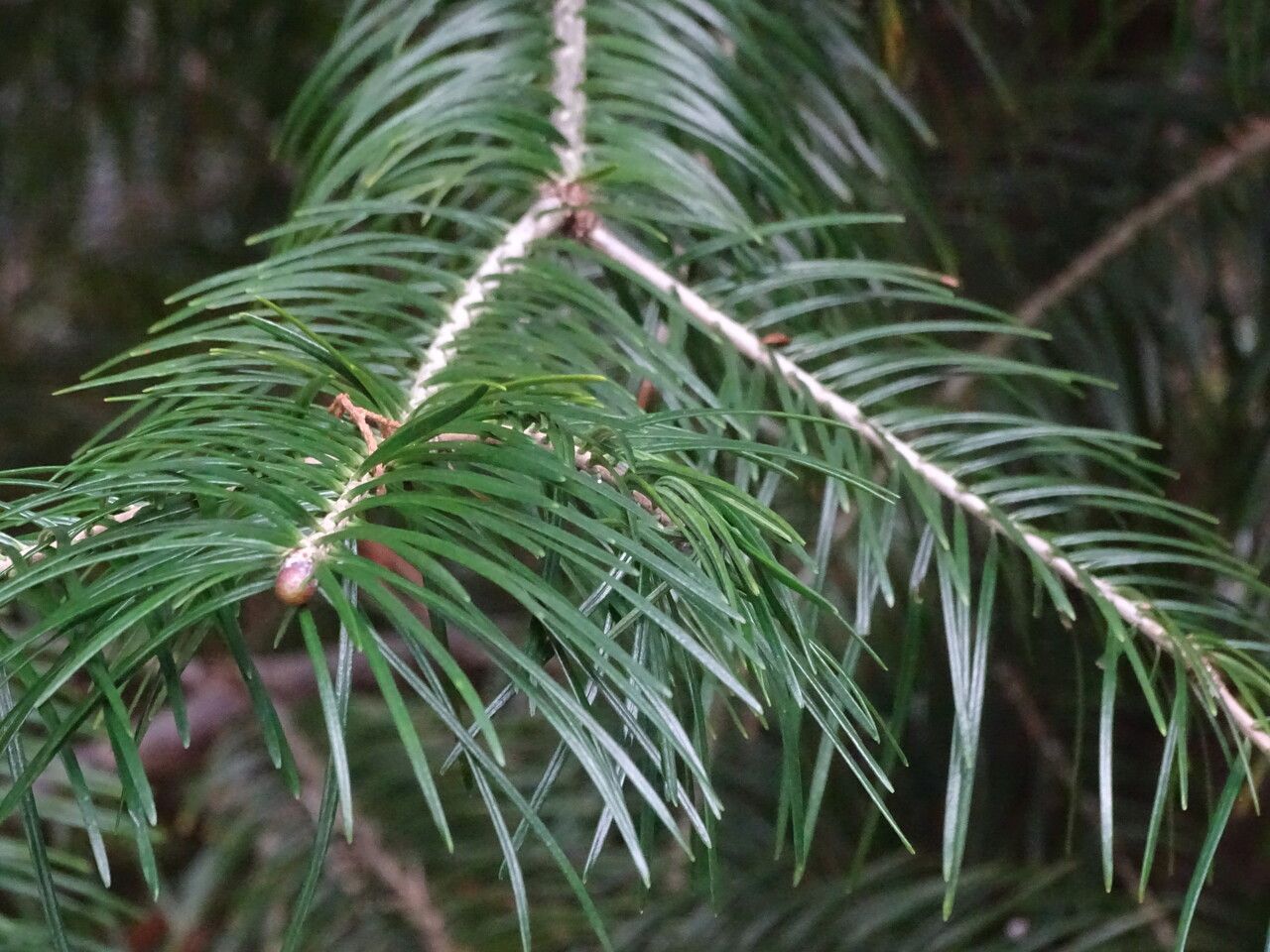
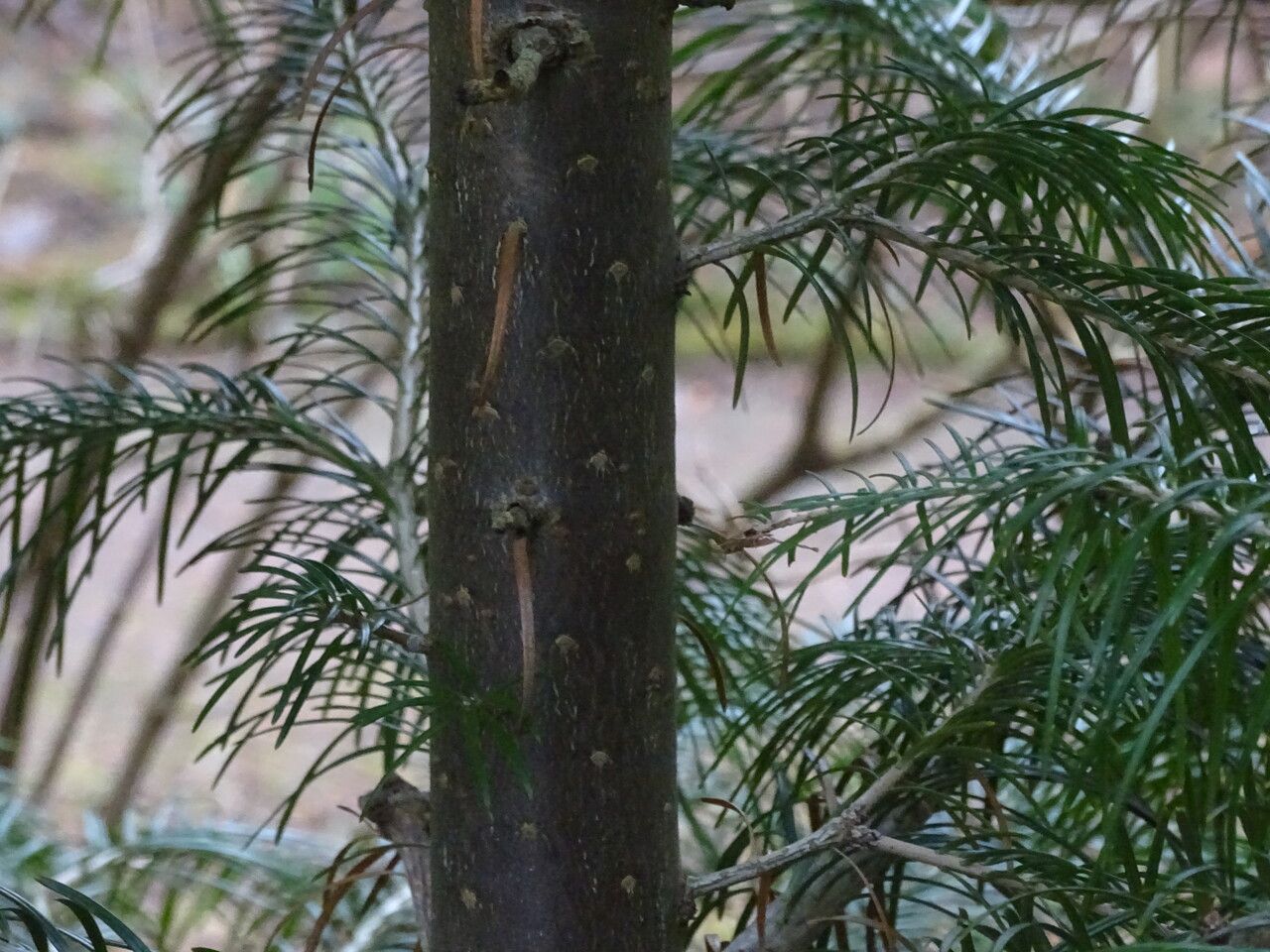
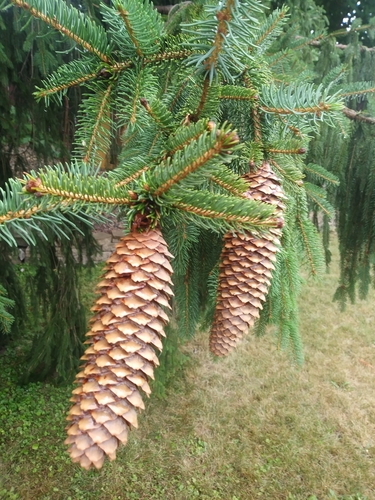
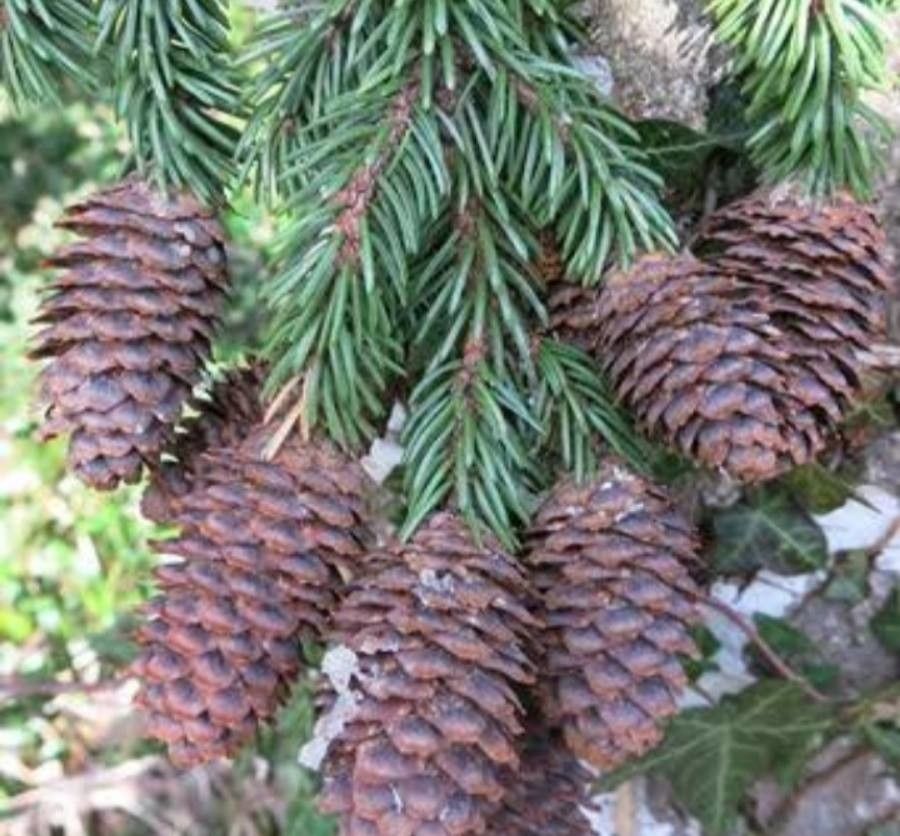
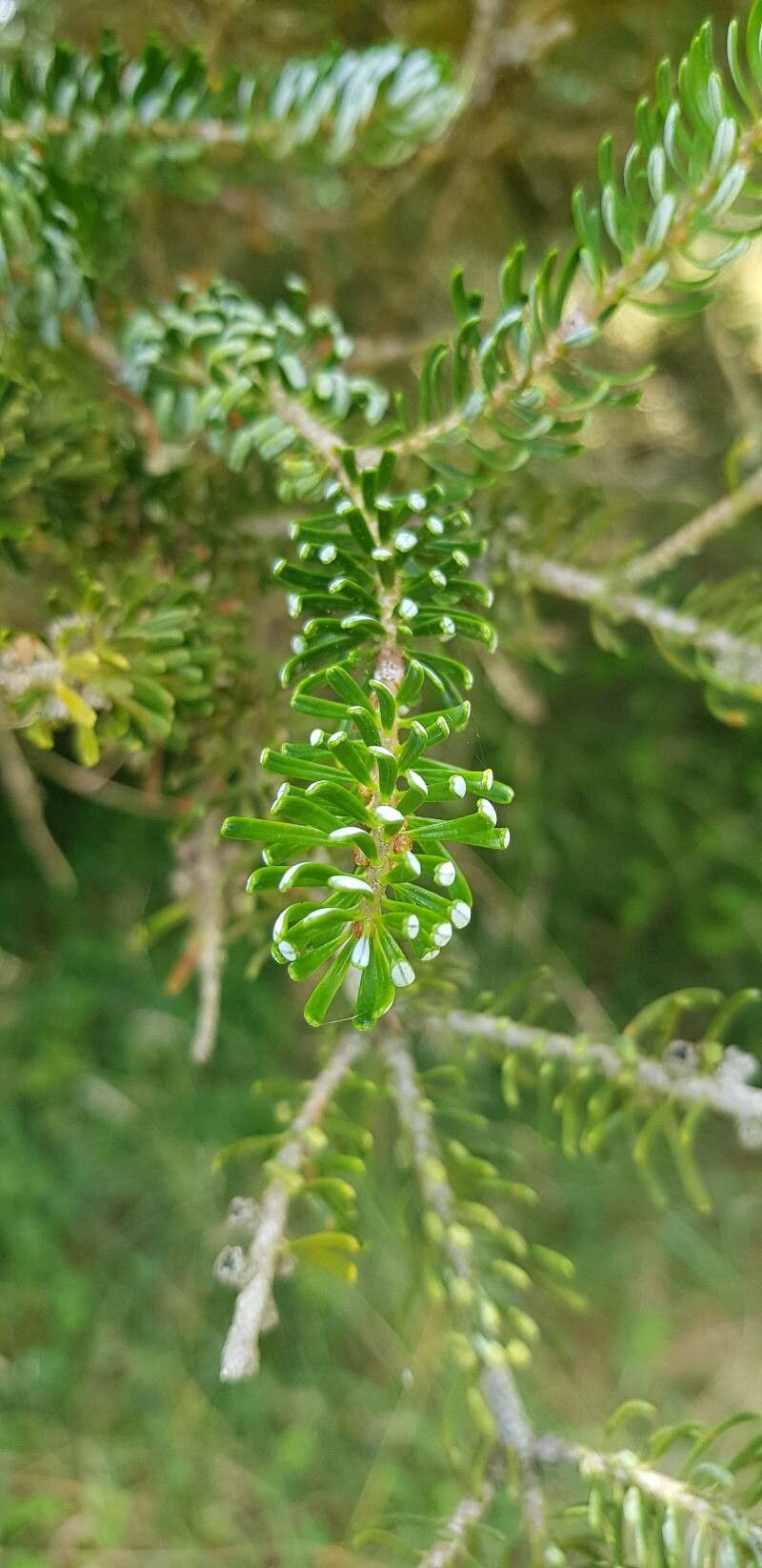
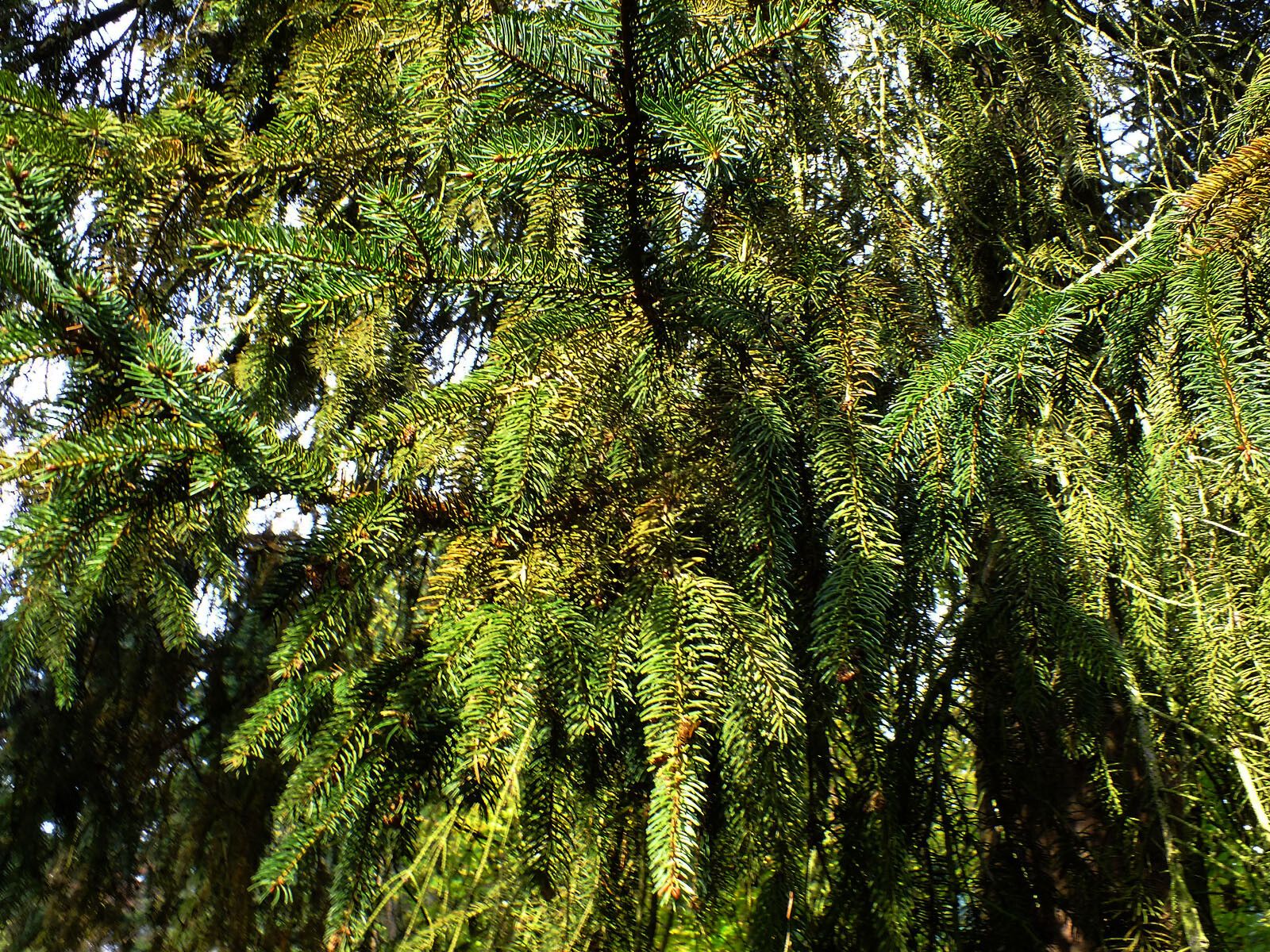
Picea crassifolia, the Qinghai spruce, is a species of conifer in the family Pinaceae. It is found only in China.
Qinghai spruce is highly disease-resistant and is generally unlikely to suffer from illnesses. Regarding care, this species is fairly low-maintenance. When grown outdoors it needs only light watering, and larger specimens typically do not require pruning. Smaller specimens, however, should be trimmed after they have bloomed. Qinghai spruce is appropriate for anyone who has outdoor space, such as a garden or a deck, and does not demand much gardening experience.
How to keep Picea Crassifolia.
Light
Qinghai spruce comes from open habitats, such as sunny meadows and forest margins, which provide plenty of light. It does best in Full Sun but can also tolerate Partial Sun, showing good adaptability to different light conditions.
Water
After transplanting Qinghai spruce, water the plants 5 to 7 times, with each session occurring every 5 to 7 days. Use rooting powder to encourage root development. Ensure the soil remains moist but avoid creating standing water. Once established, water the plants approximately every 10 days, adjusting this schedule according to weather conditions. If you notice the leaves drooping and becoming soft, increase the frequency of watering.
Temperature
Qinghai spruce exhibits considerable adaptability to different climate conditions, whether in scorching summers or chilly winters. However, it does have an optimal temperature range for growth. If temperatures become excessively high, the plant is susceptible to heat and humidity stress, which can lead to its death. In areas where temperatures approach the lower limit of its cold tolerance, it is important to implement insulation measures to protect the plant.
Fertilizer
Qinghai spruce has specific nutrient needs and does not require heavy fertilization. Spring is the best time to apply fertilizer for optimal growth. Providing nutrients improves its health, increases its resistance to pests and diseases, and helps sustain its long lifespan.
Pruning
The Qinghai spruce is a hardy evergreen tree known for its dense, blue-green needles. For best results, prune the tree between early and late winter. Focus on removing dead branches and thinning out crowded areas to improve air circulation. Avoid heavy pruning, and always use clean, sharp tools to prevent the spread of disease and promote optimal growth.
Botanical profile.
- Plant Type
- Tree
- Life Cycle
- Perennial
- Genus
- Picea
- Family
- Pinaceae
- Hardiness Zone
- 2-7
- Mature Height
- 20.12 m to 29.87 m
- Mature Spread
- 4.88 m to 7.92 m
- Leaf Color
- Dark Green
- Leaf Type
- Evergreen
- Bloom Time
- Late spring, Early summer
- Planting Time
- Spring, Summer, Autumn
- Harvest Time
- Late summer, Early fall, Mid fall
- Native Area
- China
Other names.
Reader questions.
What are the sunlight requirements for Qinghai spruce (Picea crassifolia)?
The Qinghai spruce (Picea crassifolia) thrives in conditions that offer a specific amount of sunlight daily. It requires 'full sun' to grow at its best, which means it needs to be exposed to more than 6 hours of sunlight each day. However, it can also tolerate 'partial sun' conditions, which is about 3-6 hours of sunlight daily. It's important to observe the patterns of sunlight movement in your garden to ensure that you select locations that provide an ideal balance of light and shade, ensuring the plants' wellbeing.
What is Qinghai spruce?
Qinghai spruce, scientifically known as Picea crassifolia, is a species of spruce tree. There is no additional information provided on its characteristics, uses, or natural habitat.