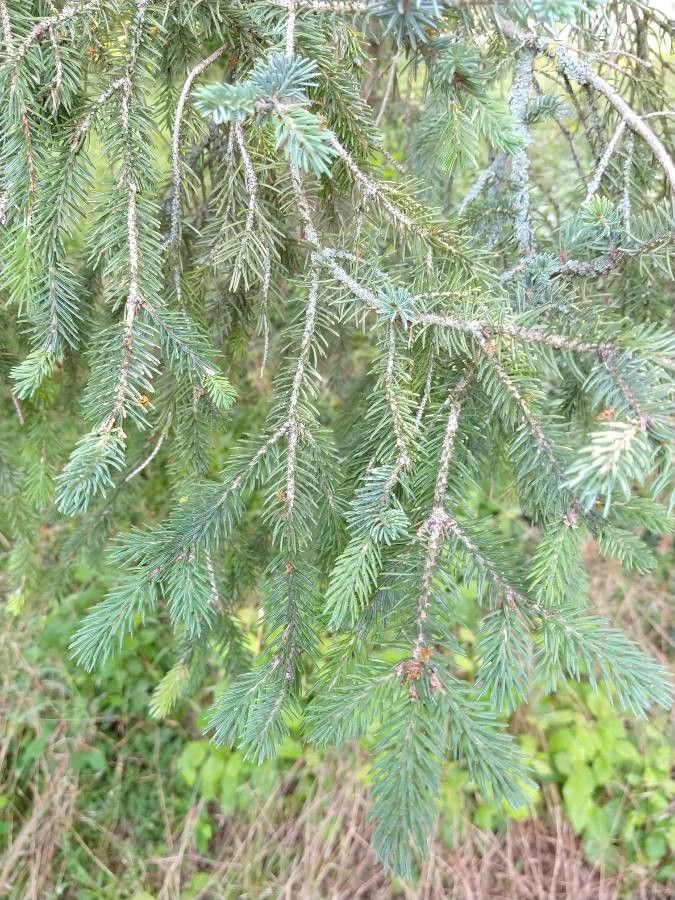
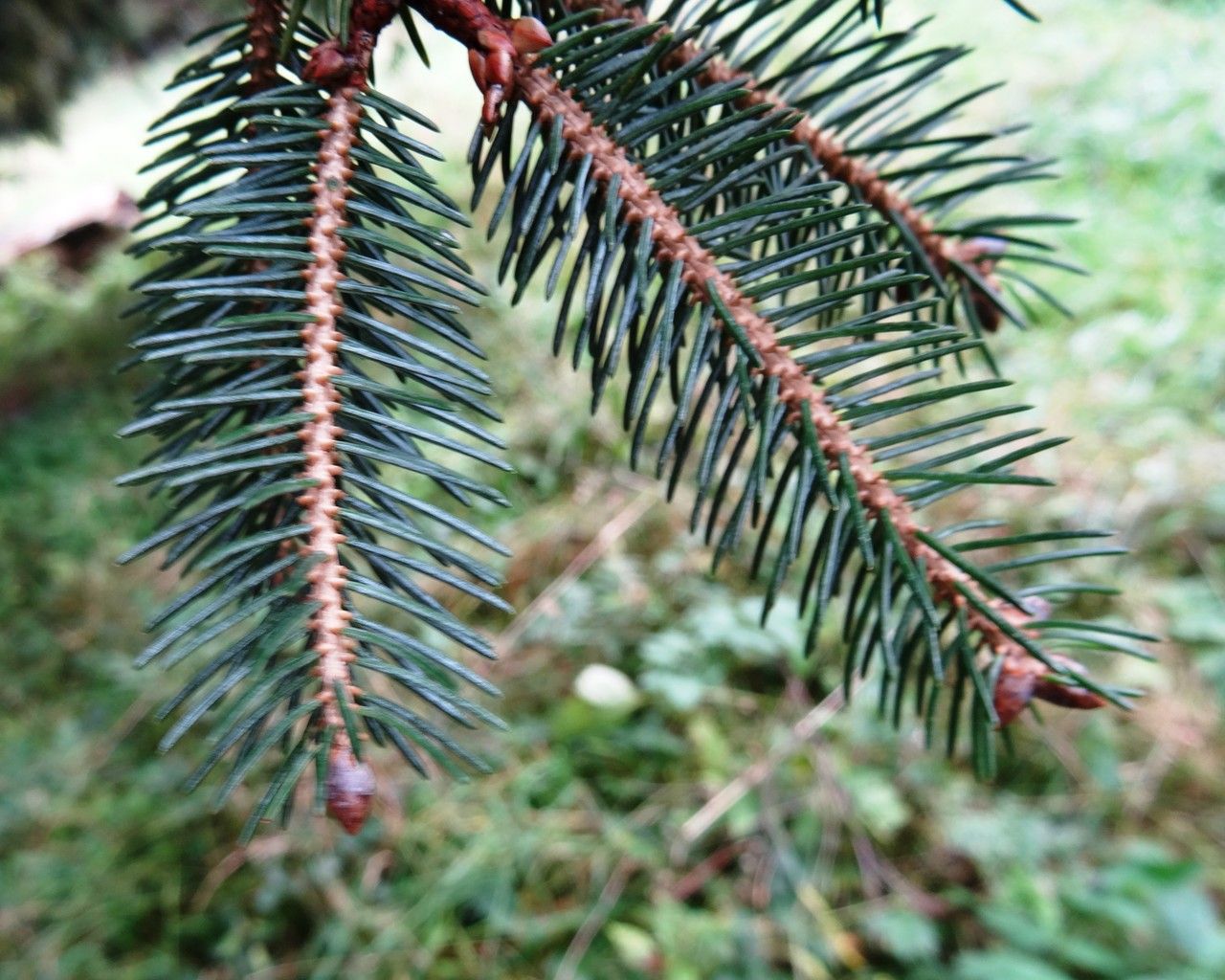
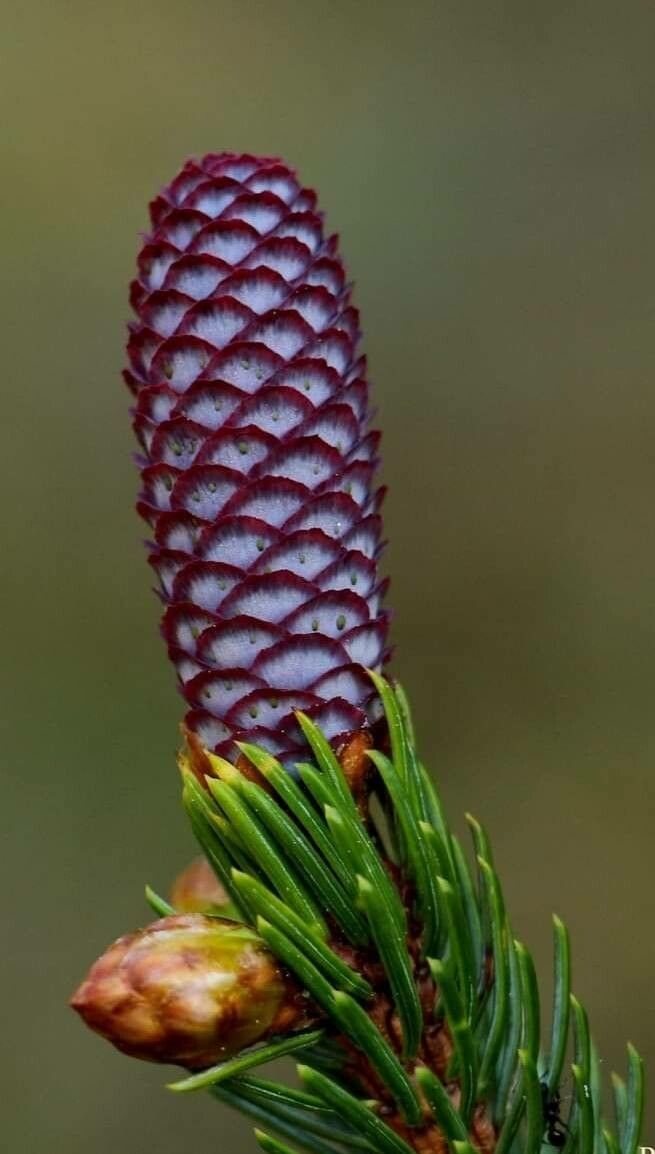
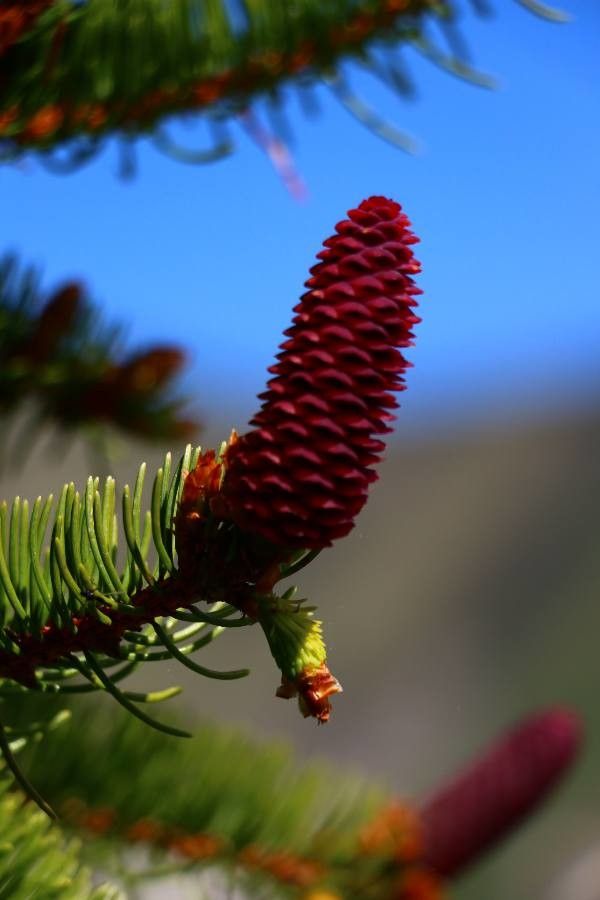
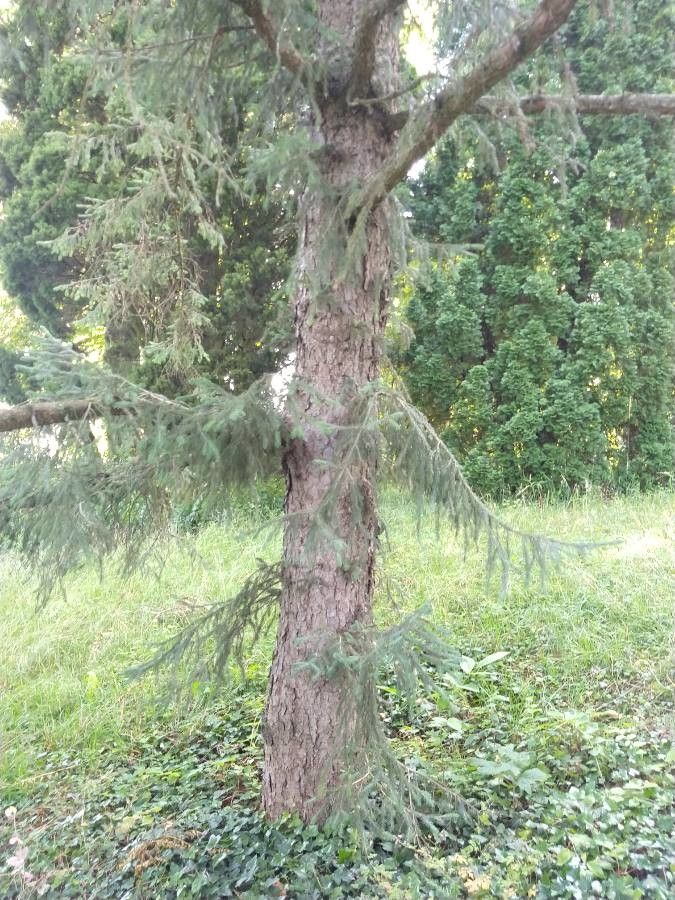
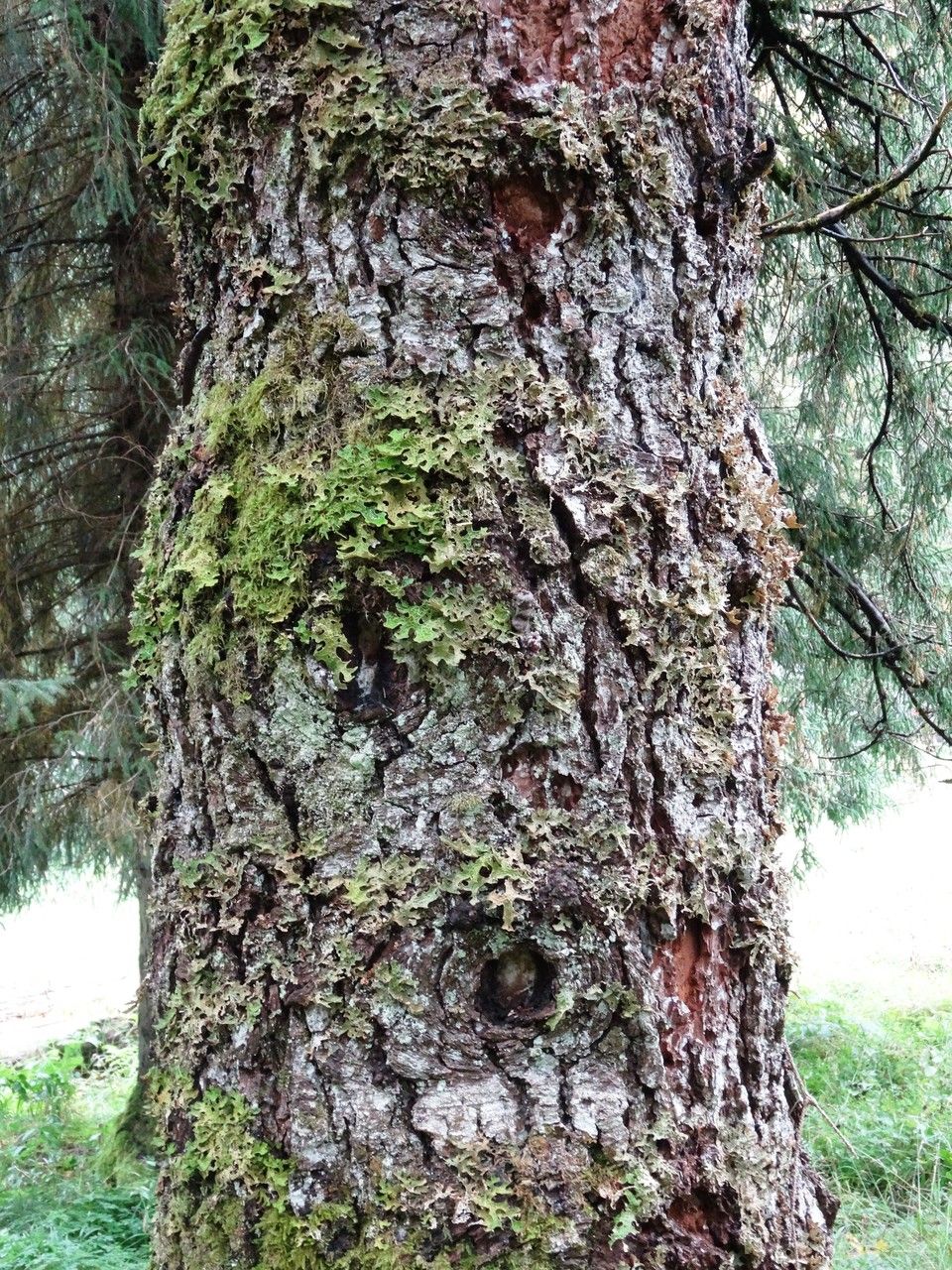
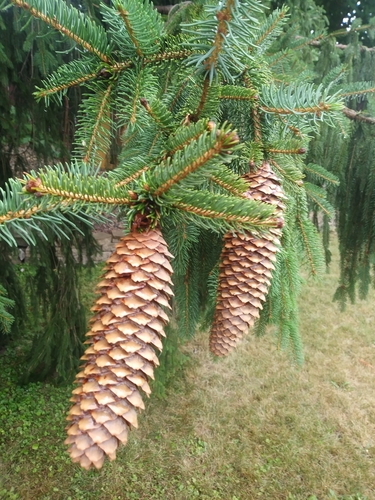
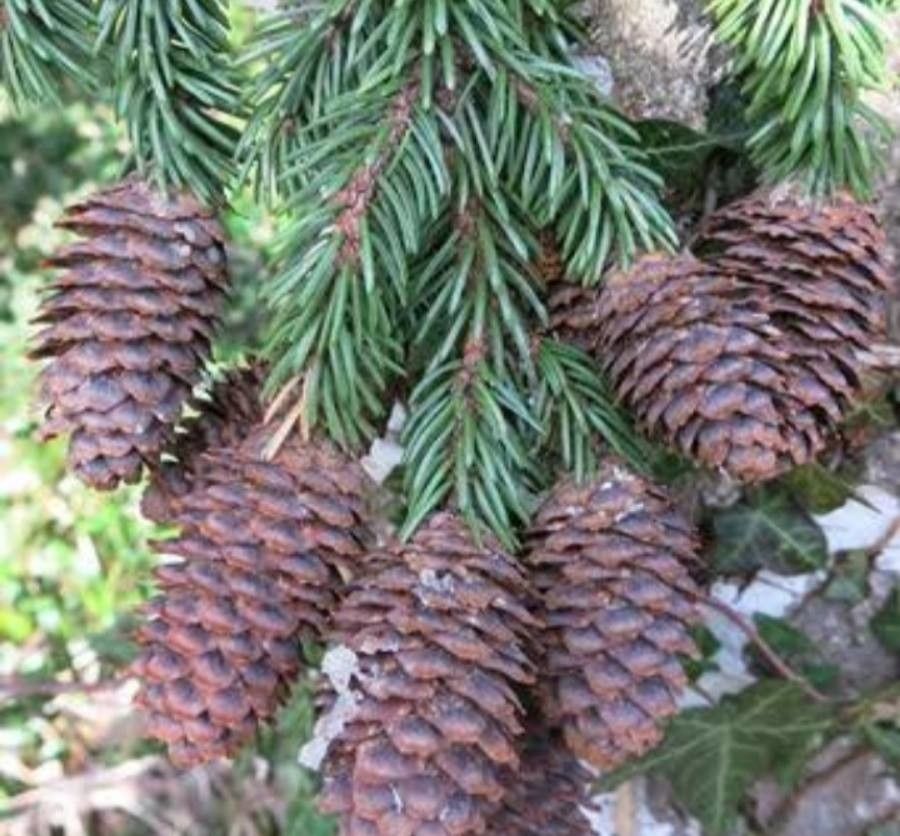
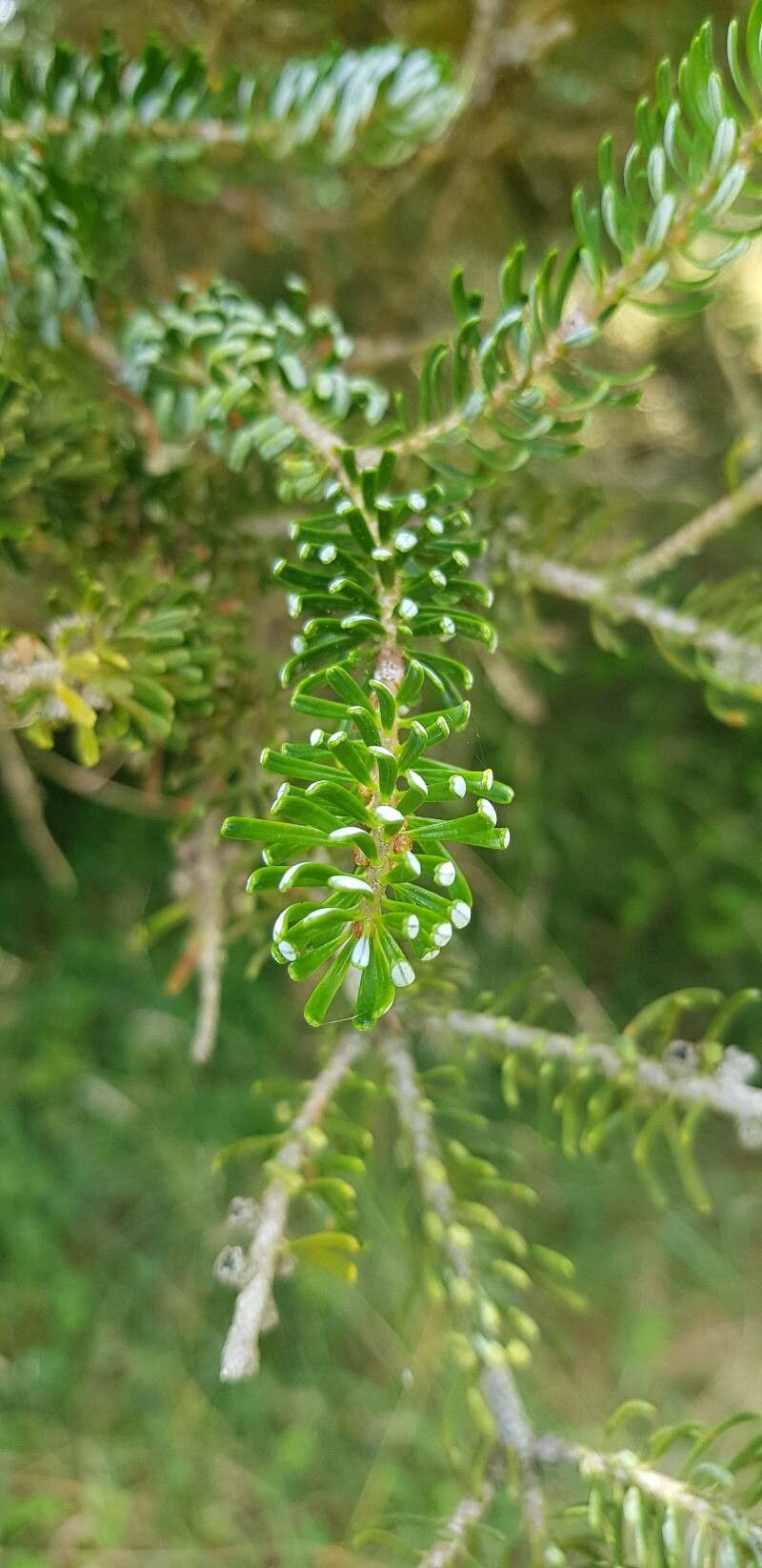
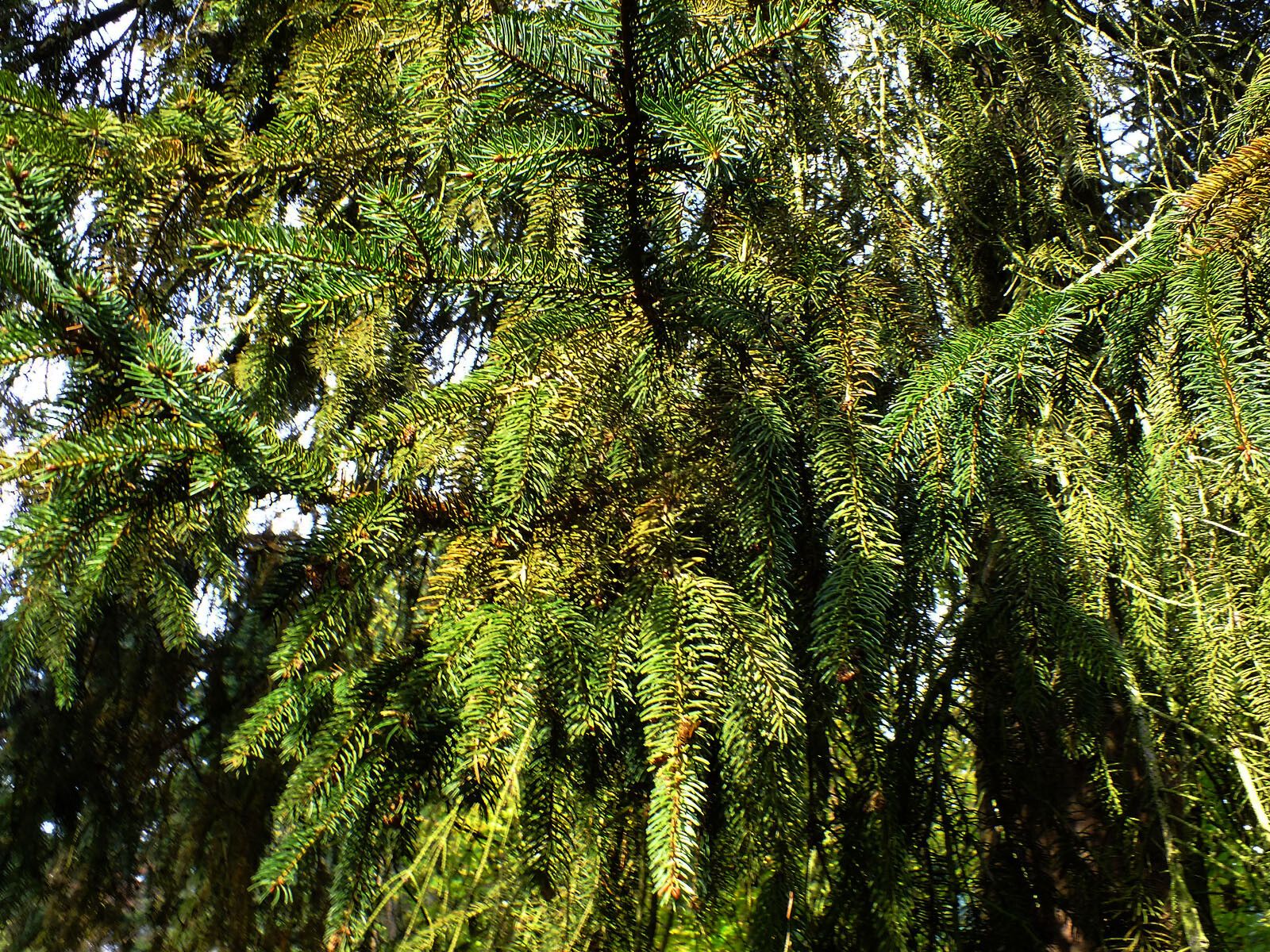
Picea likiangensis, commonly known as Lijiang spruce, Lakiang spruce or Lijiang yunshan, is a species of spruce found in Bhutan and China. Its population has been reduced by 30% in 75 years by logging, and the species is therefore categorised as vulnerable by the IUCN.
Lijiang spruce has strong disease resistance and is generally not susceptible to diseases. Regarding care, this plant is relatively low maintenance. When grown outdoors, it needs minimal watering, and larger plants typically do not require pruning. Smaller plants, however, should be pruned after they have bloomed. Lijiang spruce is suitable for anyone with an outdoor space, such as a garden or deck, and does not demand extensive care experience.
How to keep Picea Likiangensis.
Light
Lijiang spruce is a species that prospers with plentiful light. Its healthy development depends on considerable light exposure, reflecting its native habitats which generally receive high amounts of sunlight. While it does well under these conditions, insufficient light can restrict its growth, and excessive sunlight can potentially stress the plant.
Water
Adapted to high-altitude, moist environments, the Lijiang spruce prefers consistent moisture and can tolerate brief periods of dryness, requiring watering every two weeks. As an evergreen tree, it thrives outdoors but needs careful soil moisture management to prevent root rot and maintain its foliage throughout the year.
Temperature
Lijiang spruce is highly adaptable to different climate conditions, whether facing hot summers or cold winters. That said, it has a preferred temperature range for healthy growth. If temperatures become too high, the plant can suffer from heat and humidity stress, which may lead to its death. In areas where temperatures approach the lower limit of its cold tolerance, it is important to provide insulation to protect the plant.
Fertilizer
The Lijiang spruce has specific nutrient needs and does not require heavy fertilization. Spring is the best time to apply fertilizer for optimal growth. Supplying nutrients improves its health, raises its resistance to pests and diseases, and helps maintain its long lifespan.
Pruning
Prune Lijiang spruce trees from early to late winter, concentrating on removing dead branches and thinning out crowded areas. Avoid heavy pruning to minimize stress on the tree. Regular maintenance helps promote growth, maintain the tree's shape, and prevent disease. Always use sharp, clean tools for effective pruning.
Botanical profile.
- Plant Type
- Tree
- Life Cycle
- Perennial
- Genus
- Picea
- Family
- Pinaceae
- Hardiness Zone
- 4-8
- Mature Height
- 18.29 m to 27.43 m
- Mature Spread
- 4.88 m to 7.92 m
- Leaf Color
- Green, Blue, Silver
- Leaf Type
- Evergreen
- Bloom Time
- Mid spring, Late spring
- Planting Time
- Spring, Summer
- Harvest Time
- Late summer, Early fall, Mid fall
- Native Area
- Bhutan, China
Other names.
Reader questions.
What are the sunlight requirements for Lijiang spruce?
The Lijiang spruce, or Picea likiangensis, thrives best under conditions of abundant light. Its growth requires full sun, defined as more than 6 hours of sunlight daily, or partial sun, which is about 3-6 hours of sunlight. It is crucial to observe the movement of sunlight through your garden to locate spots that offer the right mix of light and shade, ensuring the well-being of your plants. This attention to sunlight is vital due to the plant's native habitat, which is typically characterized by significant sunlight exposure. Insufficient light can stunt the plant's growth, whereas excessive light may stress it.
What is the botanical name of Lijiang spruce?
The botanical name of Lijiang spruce is Picea likiangensis. This species is a part of the spruce family and is known for its distinctive features, though specific details about its appearance, growth conditions, and uses are not provided in the data.
How can artificial lighting support Lijiang spruce indoors?
Indoor Lijiang spruces can benefit from artificial lighting, especially when natural sunlight is insufficient, such as during winter or in less sunny locations. Artificial lights, such as LED lights, can be adjusted to provide specific wavelengths needed by plants, promoting healthier, faster growth. Full sun plants require 30-50 watts per square foot, partial sun plants 20-30 watts per square foot, and full shade plants 10-20 watts per square foot of artificial light. The light source should be placed 12-36 inches above the plant to mimic natural sunlight, and most plants need 8-12 hours of light per day.
What symptoms indicate Lijiang spruce is receiving insufficient sunlight?
Symptoms of insufficient sunlight in Lijiang spruce include smaller new leaves compared to older ones, leggy or sparse growth, faster leaf drop, slower or halted new growth, and lighter-colored or irregularly patterned new leaves. These symptoms suggest a challenged photosynthesis process and a struggle to conserve resources. In excessive sunlight, the plant may experience chlorosis, sunscald, leaf curling, wilting, and leaf scorching. The latter symptoms showcase the plant's distress from overly intense sunlight exposure.
What are the solutions for light-related issues in Lijiang spruce?
To combat light-related issues in Lijiang spruce, gradually acclimate the plant to increased sunlight exposure by moving it weekly until it receives at least 6 hours of direct sunlight if indoors, consider moving the plant to a south-facing window or using artificial light for at least 8 hours daily. Outdoors, move the plant gradually to sunnier spots to prevent sunburn. Minimizing obstructions, such as by pruning trees, and transplanting smaller plants during their dormant period to sunnier locations with good drainage, can also help. Note that parts of the plant that have suffered from insufficient sunlight may not recover, but new growth will be healthy with adequate light.