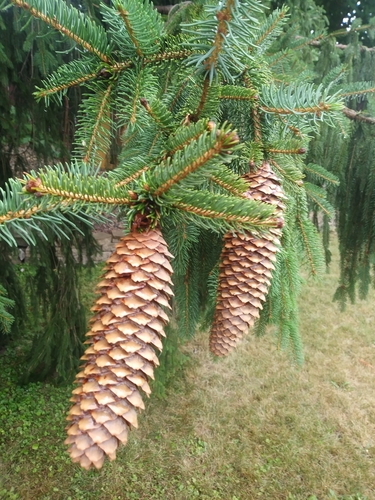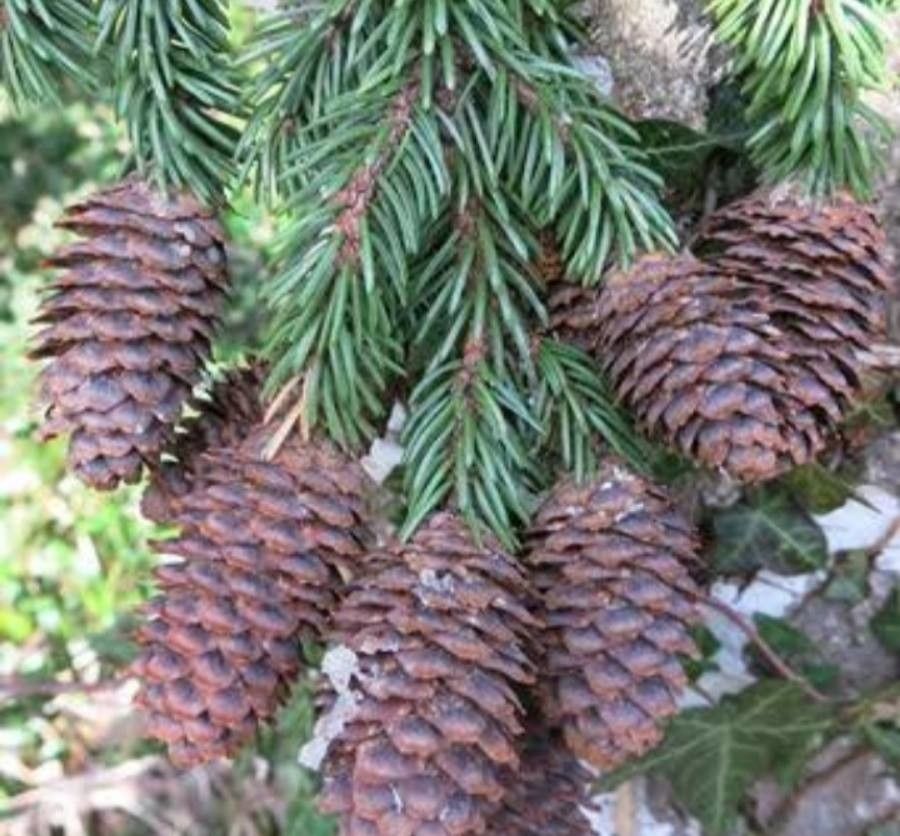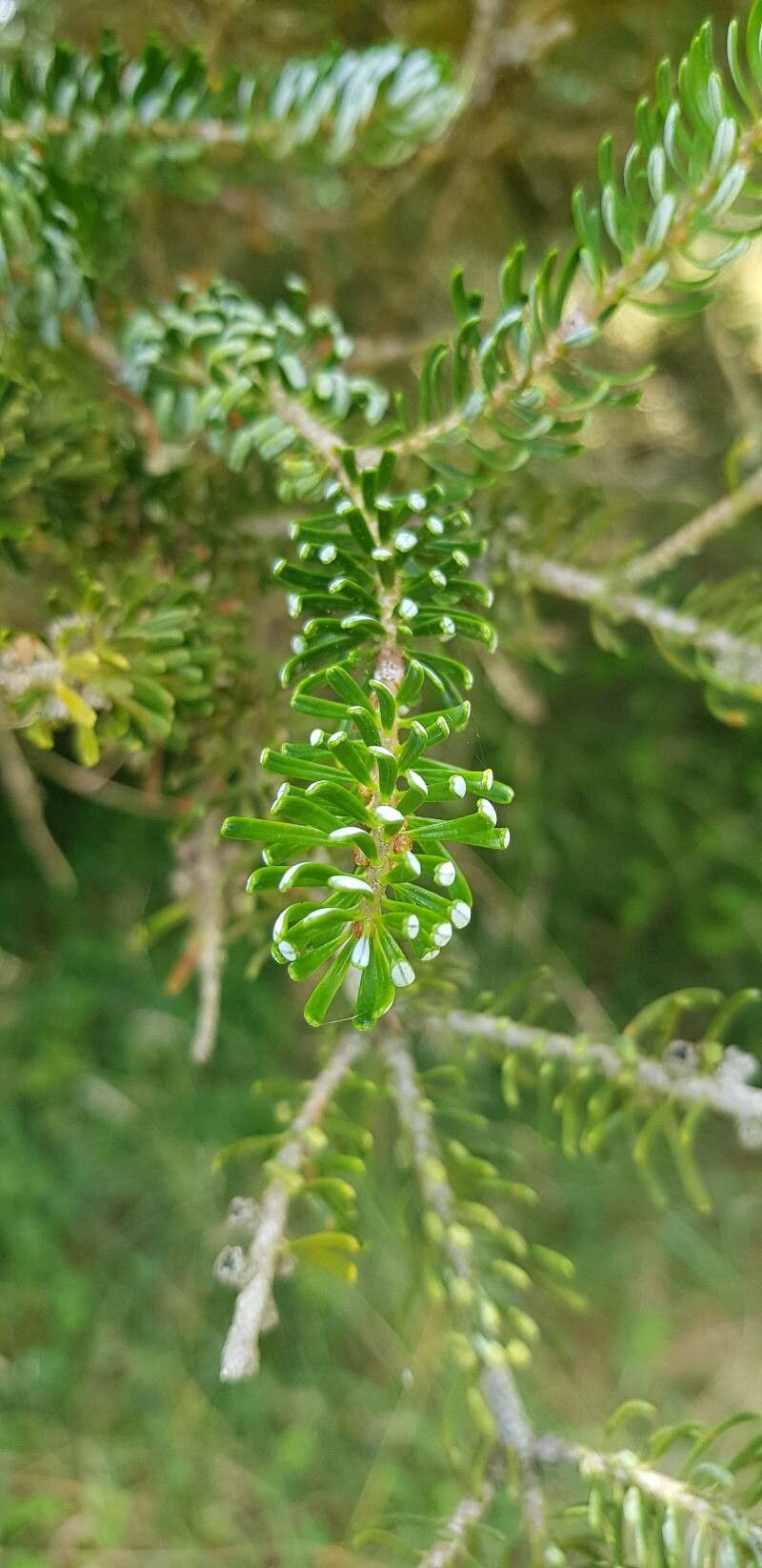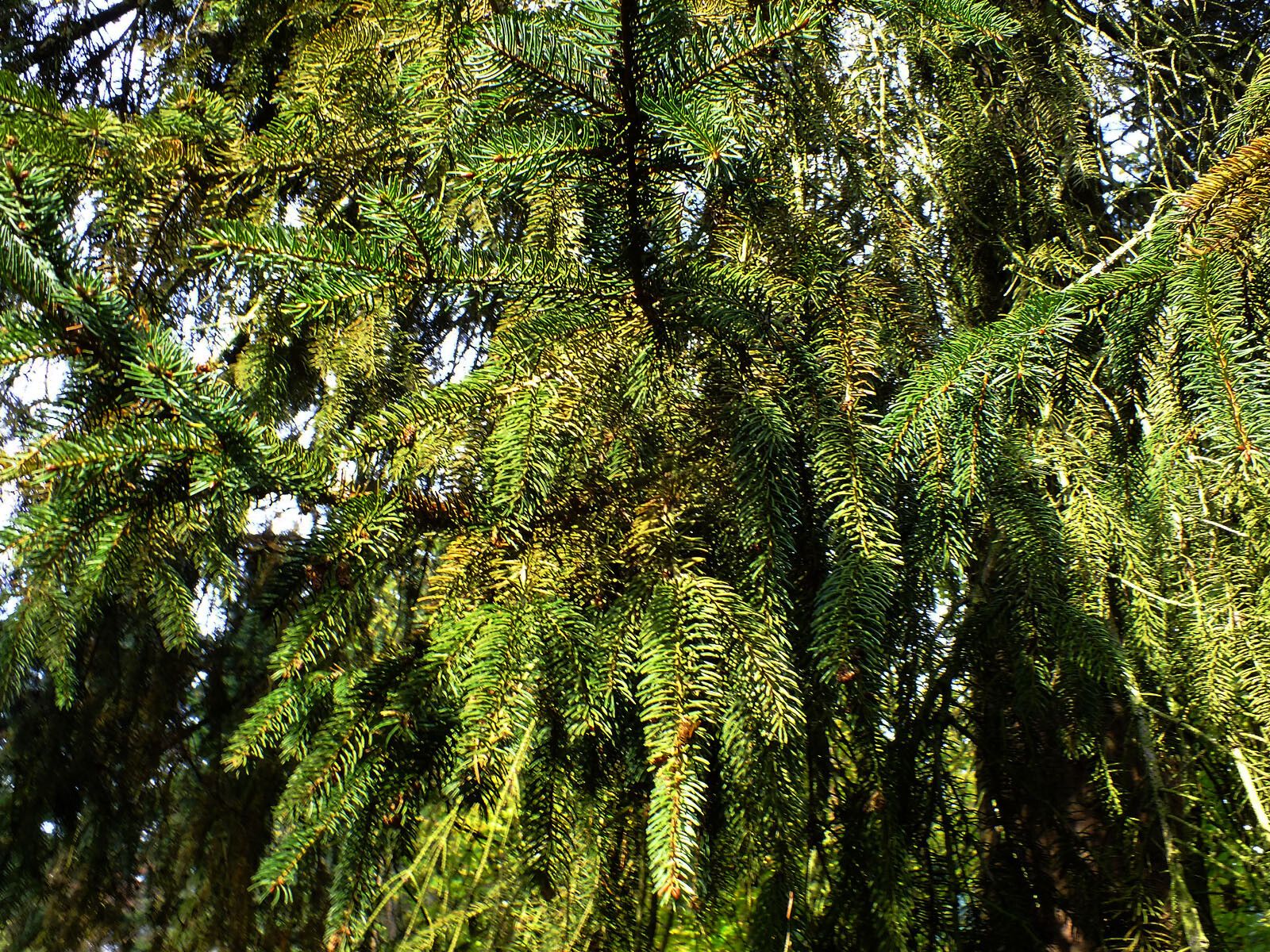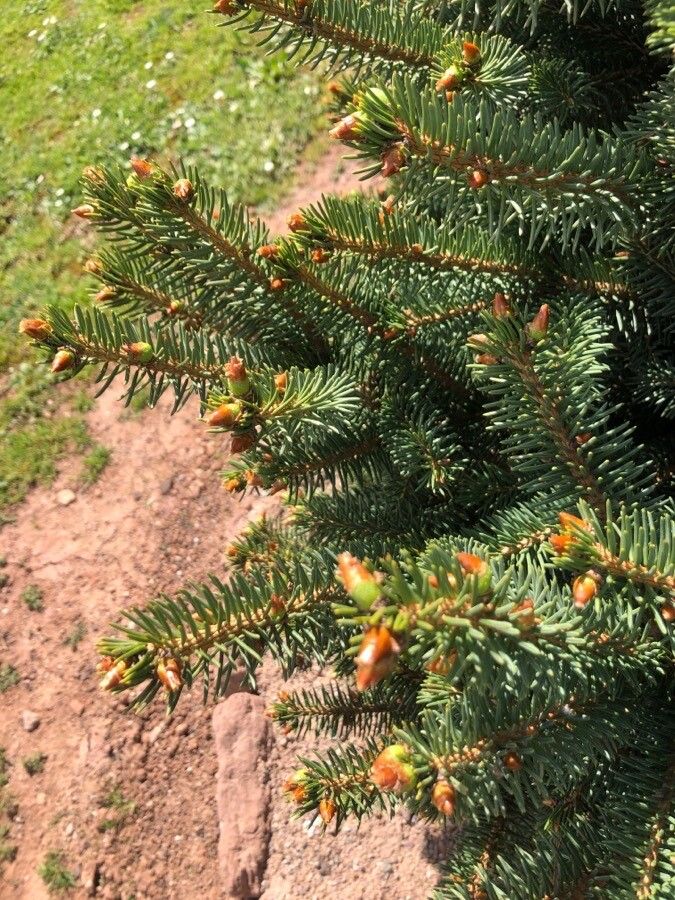
Picea meyeri (Meyer's spruce; Chinese: 白杄; pinyin: báiqiān) is a species of spruce native to Nei Mongol in the northeast to Gansu in the southwest and also inhabiting Shanxi, Hebei and Shaanxi. It is a medium-sized evergreen tree growing to 30 m tall, and with a trunk diameter of up to 0.8 m. The shoots are yellowish-brown, glabrous or with scattered pubescence. The leaves are needle-like, 13–25 mm long, rhombic in cross-section, bluish-green with conspicuous stomatal lines. The cones are cylindric, 7–11 cm long and 3 cm broad, maturing pale brown 5–7 months after pollination, and have stiff, smoothly rounded scales. It is closely related to the dragon spruce from western China. It is occasionally planted as an ornamental tree; its popularity is increasing in the eastern United States, where it is being used to replace Blue Spruce, which is more disease-prone in the humid climate there. The wood is similar to that of other spruces, but the species is too rare to be of economic value.
Meyer's spruce is fairly disease-resistant and generally does not suffer from diseases. Regarding care, this plant is relatively easy to maintain. When grown outdoors it needs only light watering, and larger specimens typically do not require pruning. Smaller plants, however, should be pruned after they have finished blooming. Meyer's spruce is appropriate for anyone with an outdoor area, such as a garden or a deck, and does not demand extensive gardening experience.
How to keep Picea Meyeri.
Light
Meyer's spruce comes from open habitats, like sunny meadows and forest margins, where abundant light is available. It does best in Full Sun but can also endure Partial Sun, showing good adaptability to different light conditions.
Water
Meyer's spruce originates from high-altitude regions and thrives in consistent moisture and moderate humidity, although it can tolerate some drought. To keep the foliage healthy, water the tree weekly, even during the colder months. As an evergreen, it needs a steady water supply, particularly when indoor heating reduces humidity levels.
Temperature
Meyer's spruce is highly adaptable to a range of climate conditions, from hot summers to cold winters. However, it does have an ideal temperature range for growth. If temperatures become too high, the plant is susceptible to stress from heat and humidity, which can cause it to die. In areas where temperatures approach the lower limit of its cold tolerance, it is important to provide insulation to protect the plant.
Fertilizer
The Meyer's spruce necessitates distinct nutritional needs and does not require over-fertilization. The optimum period for applying fertilizer is during spring for maximum growth. Infusing additional nutrients enhances its vitality, strengthens its resilience against pests and illnesses, and contributes to its extended longevity.
Pruning
Meyer's spruce features dense, blue-green foliage and a pyramidal shape. To maintain its health and appearance, prune during the dormant season from early to late winter. Focus on removing dead branches and thinning crowded areas to improve air circulation, but avoid cutting back older wood. Proper pruning encourages healthy growth, helps manage the tree's size, and enhances its year-round beauty.
Botanical profile.
- Plant Type
- Tree
- Life Cycle
- Perennial
- Genus
- Picea
- Family
- Pinaceae
- Hardiness Zone
- 3-7
- Mature Height
- 20.12 m to 29.87 m
- Mature Spread
- 4.88 m to 7.01 m
- Leaf Color
- Dark Green
- Leaf Type
- Evergreen
- Bloom Time
- Mid spring, Late spring
- Planting Time
- Spring, Summer, Autumn
- Harvest Time
- Late summer, Early fall, Mid fall
- Native Area
- China
Other names.
Reader questions.
What are the sunlight requirements for Meyer's spruce?
Meyer's spruce, botanically known as Picea meyeri, thrives under specific sunlight conditions. The plant requires 'Full sun,' which means it should receive above 6 hours of sunlight daily. It can also grow under 'Partial sun' conditions, requiring about 3-6 hours of sunlight. It's important to observe how sunlight moves through your garden to find spots that offer the perfect balance of light and shade. This ensures the plants are happy and healthy by providing them with the ideal growing conditions.
What is Meyer's spruce?
Meyer's spruce, known scientifically as Picea meyeri, is a species of spruce that is recognized for its distinctive characteristics and applications in various landscapes and gardens. The specific details about its essentials, care, and symptoms of diseases or pests are not provided in the information available.