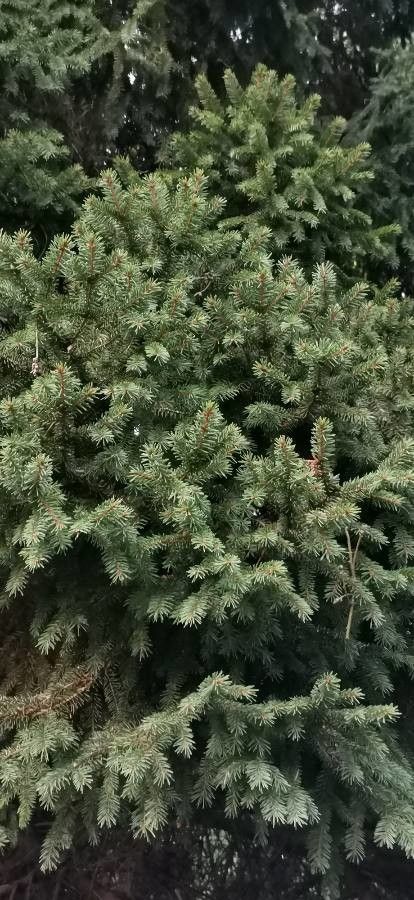
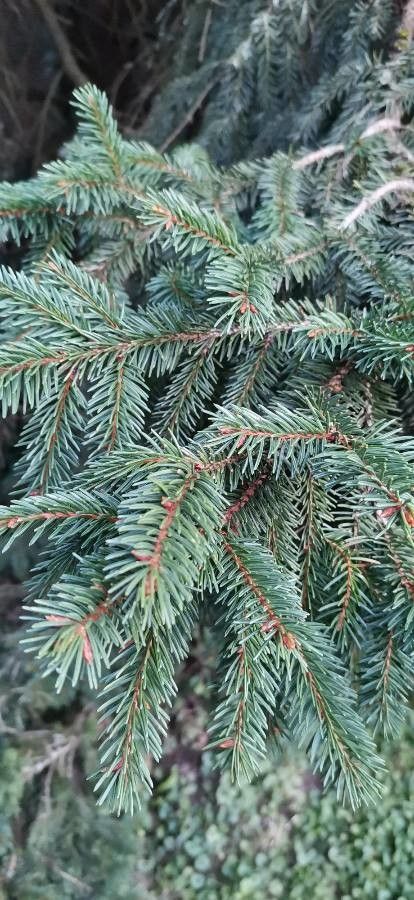
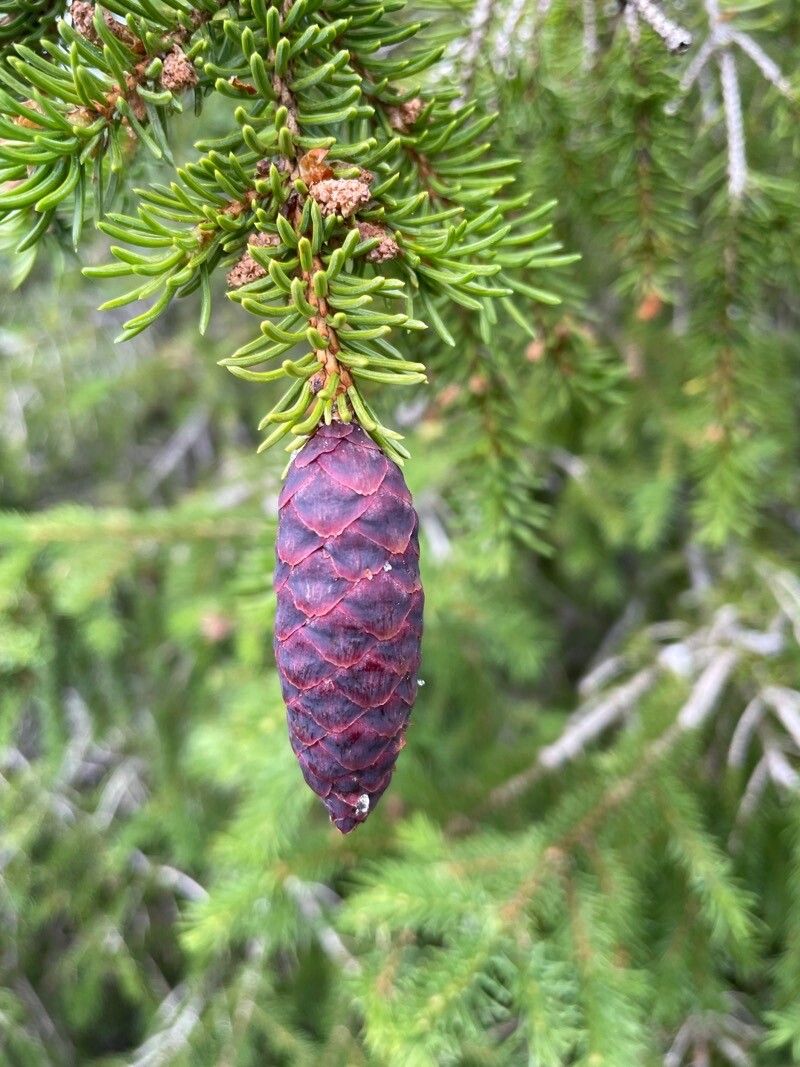
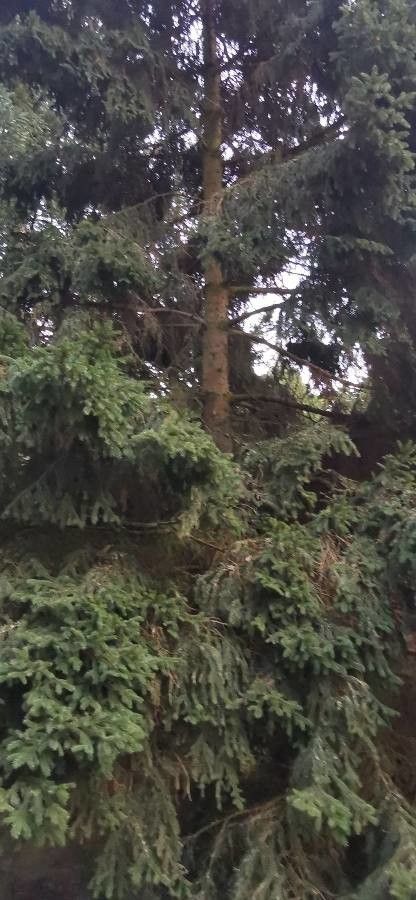
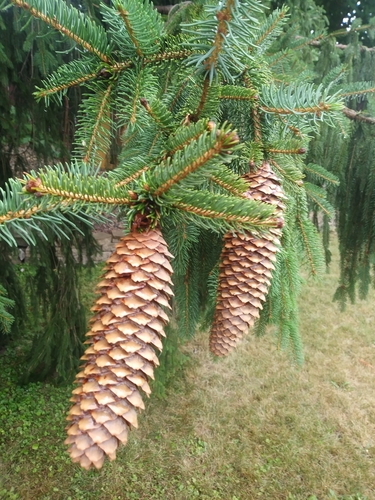
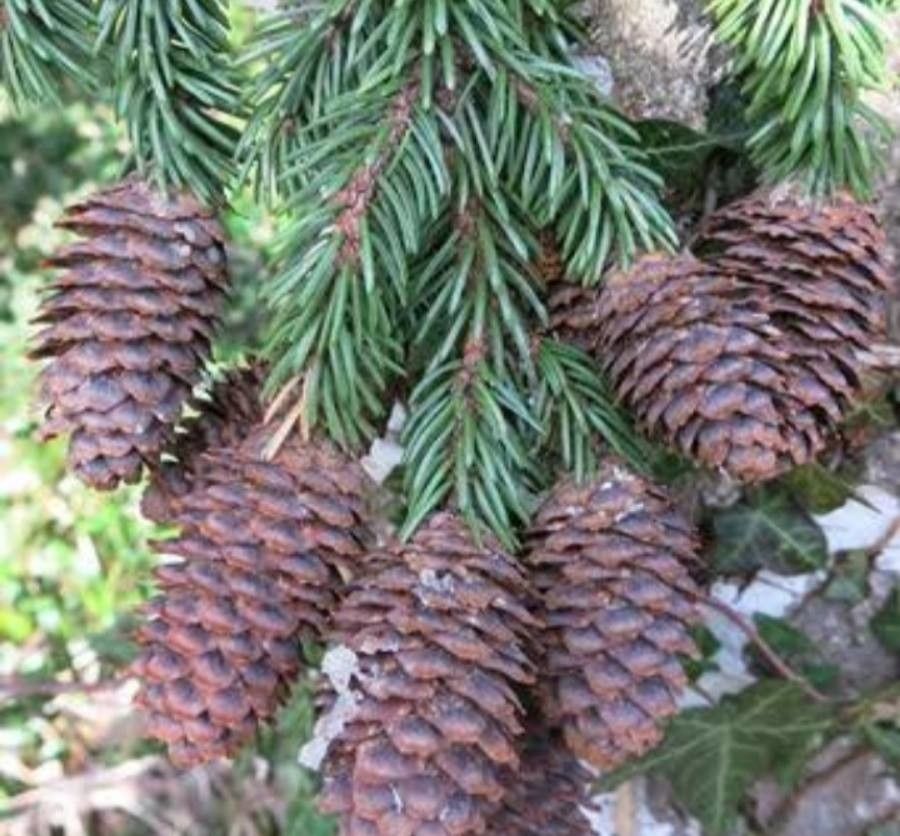
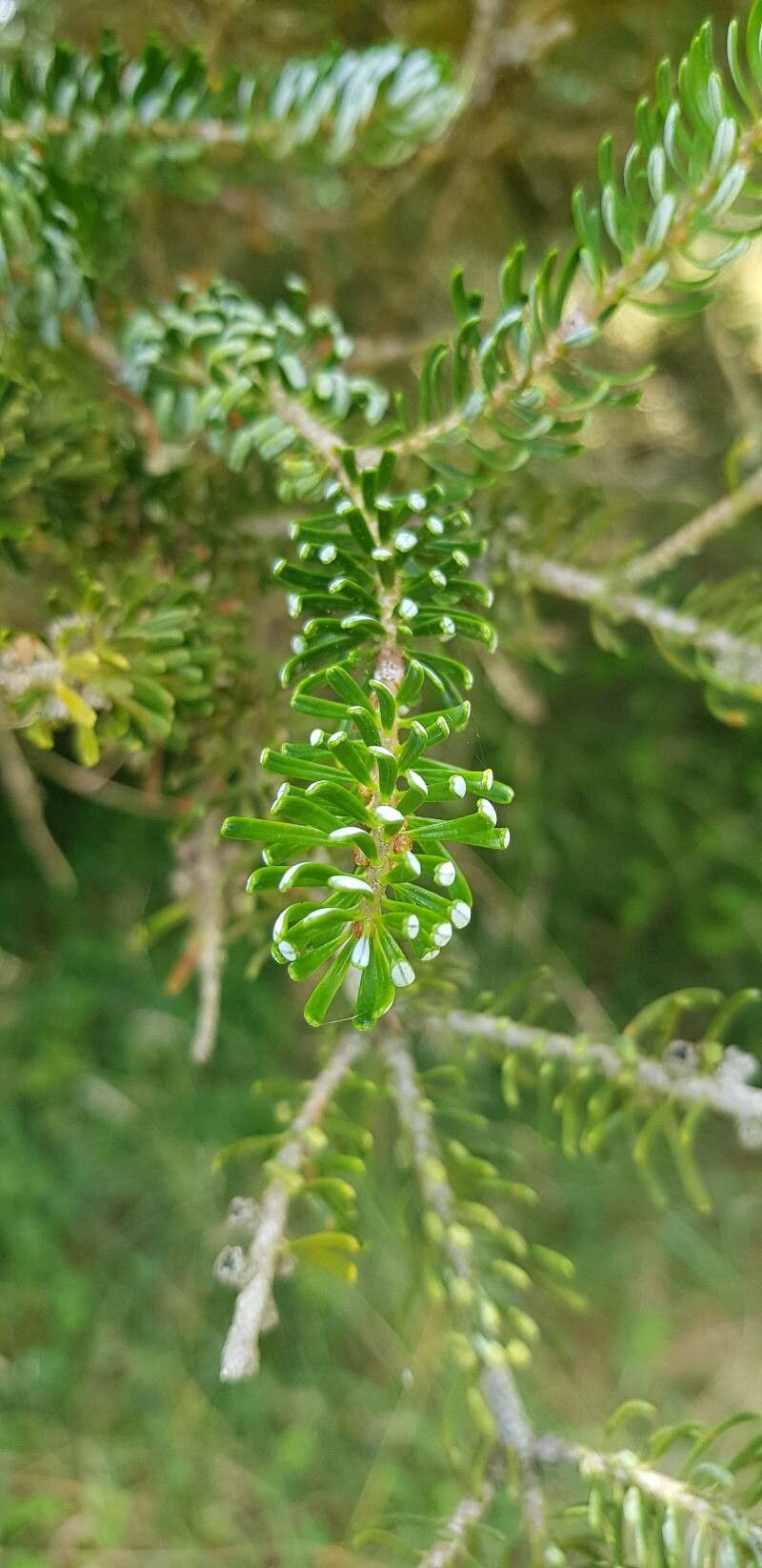
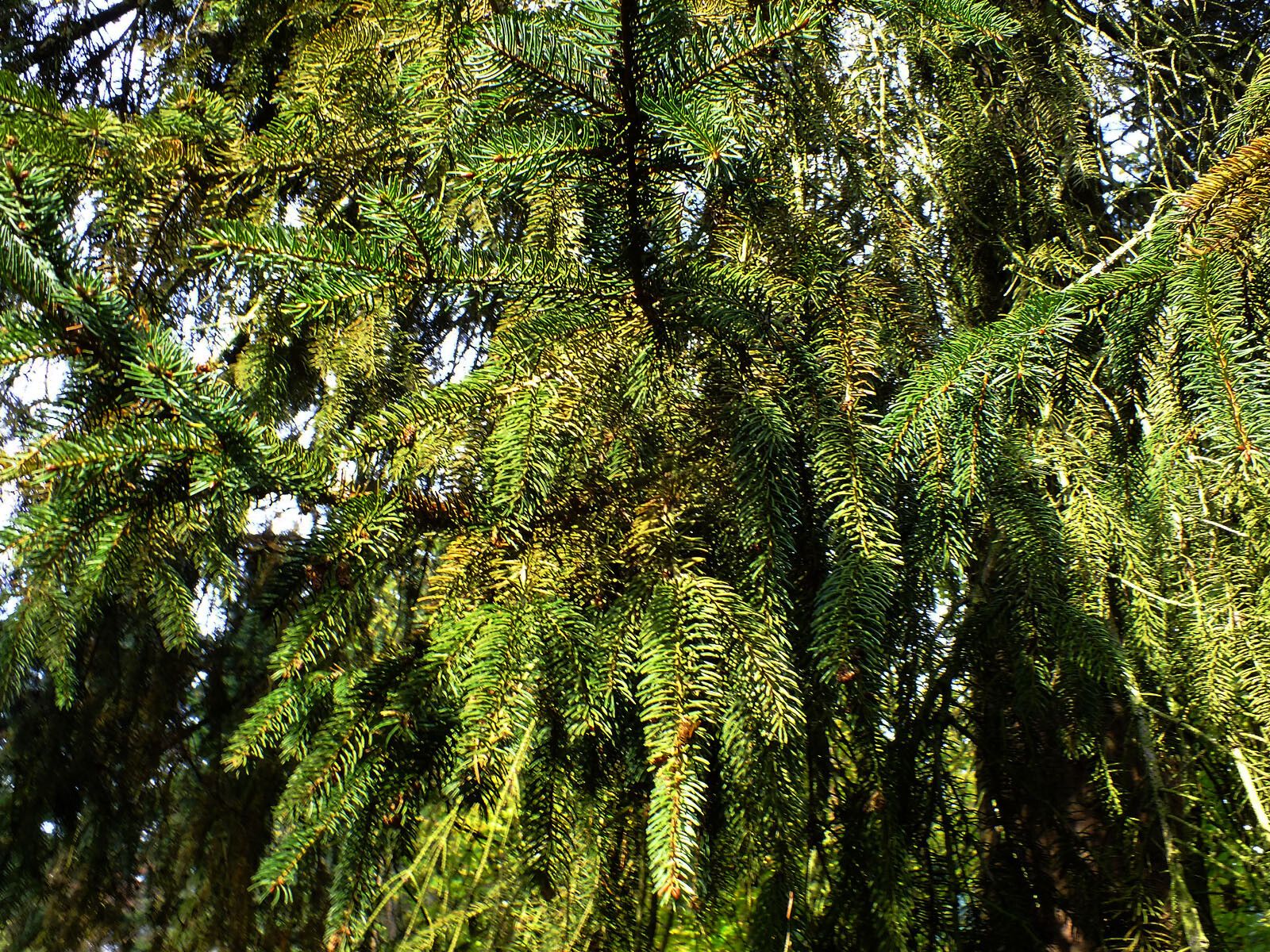
Picea obovata, the Siberian spruce, is a spruce native to Siberia, from the Ural Mountains east to Magadan Oblast, and from the Arctic tree line south to the Altay Mountains in northwestern Mongolia.
Siberian spruce is fairly disease-resistant and generally does not tend to suffer from illnesses. In terms of care, this plant is relatively low-maintenance. Planted outdoors, it needs only minimal watering, and larger specimens typically do not require pruning. Smaller plants, however, should be pruned after they have finished blooming. Siberian sprucet is appropriate for anyone who has an outdoor area, like a garden or deck, and does not call for extensive plant-care experience.
How to keep Picea Obovata.
Light
Siberian spruce comes from open habitats, such as sunny meadows and forest edges, that provide abundant light. It thrives in Full Sun but can also tolerate Partial Sun, adapting well to a range of sunlight conditions.
Water
The Siberian spruce, native to the taiga of Siberia, is a hardy evergreen that thrives in cooler, moderately humid climates. It is drought-resistant, requiring weekly watering to maintain the right balance, ensuring it doesn't become either too saturated or too dry. Its needle-like leaves help minimize water loss, and because of its size, it is most commonly grown outdoors.
Temperature
Siberian spruce is found in northern areas and at high elevations. It is highly sensitive to temperature and prefers cool conditions with good air circulation during the summer. Excessive heat in summer can damage Siberian spruce and may even kill it. Providing suitable shade and regular misting during the hot months helps it get through the season. Generally, Siberian spruce does not need special winter protection, but it is important to water it well before the ground freezes.
Fertilizer
Siberian spruce has specific nutrient needs and does not require heavy fertilization. Spring is the best time to fertilize for optimal growth. Providing nutrients enhances its health, increases its resistance to pests and diseases, and helps support a long lifespan.
Pruning
The Siberian spruce is a resilient conifer that thrives with early spring pruning, which encourages healthy growth. To promote good air circulation and preserve its natural form, concentrate on removing any dead branches. Make sure to use sharp, clean tools to prevent disease and support vigorous regrowth and a better appearance.
Botanical profile.
- Plant Type
- Tree
- Life Cycle
- Perennial
- Genus
- Picea
- Family
- Pinaceae
- Hardiness Zone
- 2-6
- Mature Height
- 20.12 m to 35.05 m
- Mature Spread
- 4.88 m to 7.92 m
- Leaf Color
- Dark Green
- Leaf Type
- Evergreen
- Bloom Time
- Mid spring, Late spring
- Planting Time
- Spring, Summer, Autumn
- Harvest Time
- Late summer, Early fall, Mid fall
- Native Area
- Russia, Kazakhstan, Mongolia, Belarus, China
Other names.
Reader questions.
What are the sunlight requirements for Siberian spruce (Picea obovata)?
Siberian spruce (Picea obovata) thrives in a variety of sunlight conditions. It requires 'full sun' which means it should receive above 6 hours of sunlight daily. Alternatively, it can also grow well in 'partial sun' conditions where it gets about 3-6 hours of sunlight a day. It's important to watch how sunlight moves through your garden, choosing spots that offer a perfect balance of light and shade to ensure the happiness of your plants.