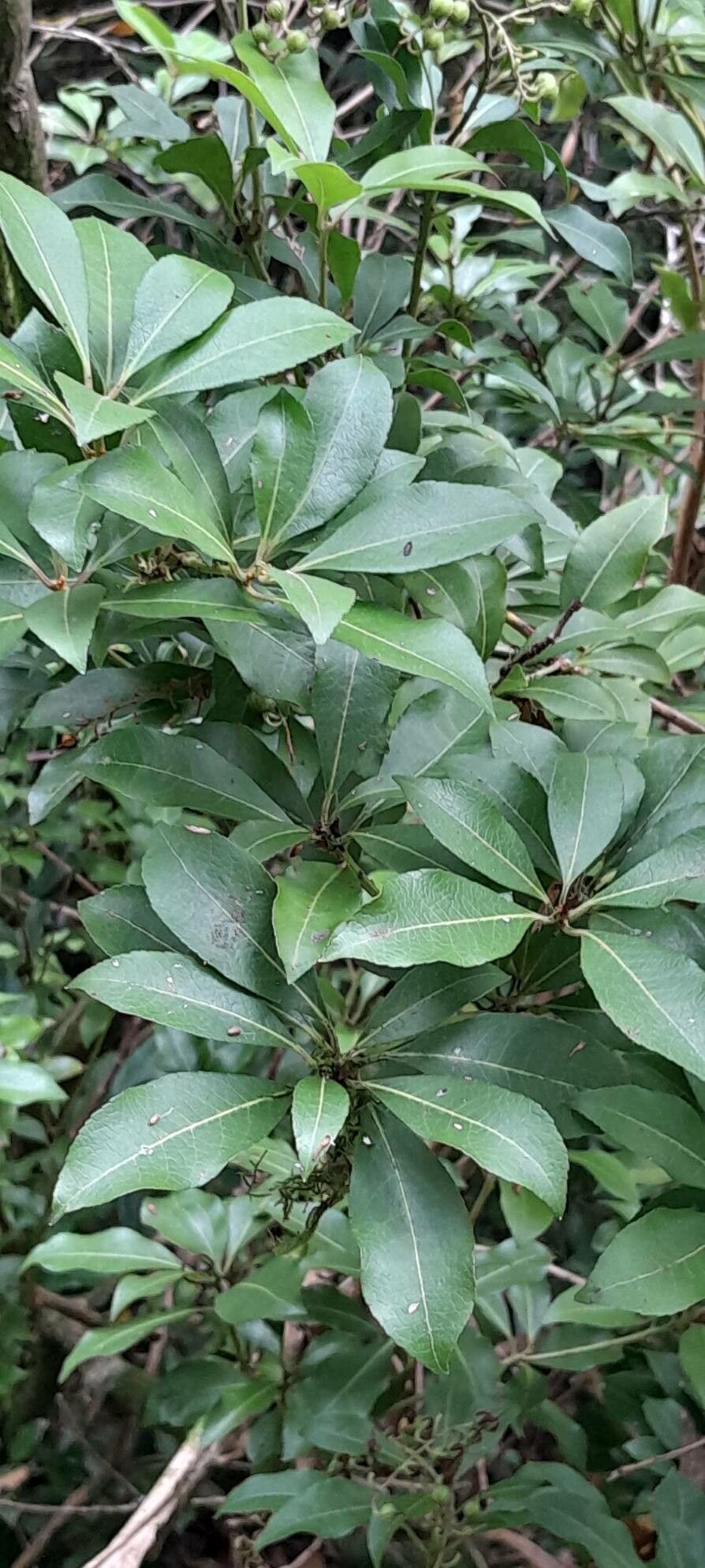
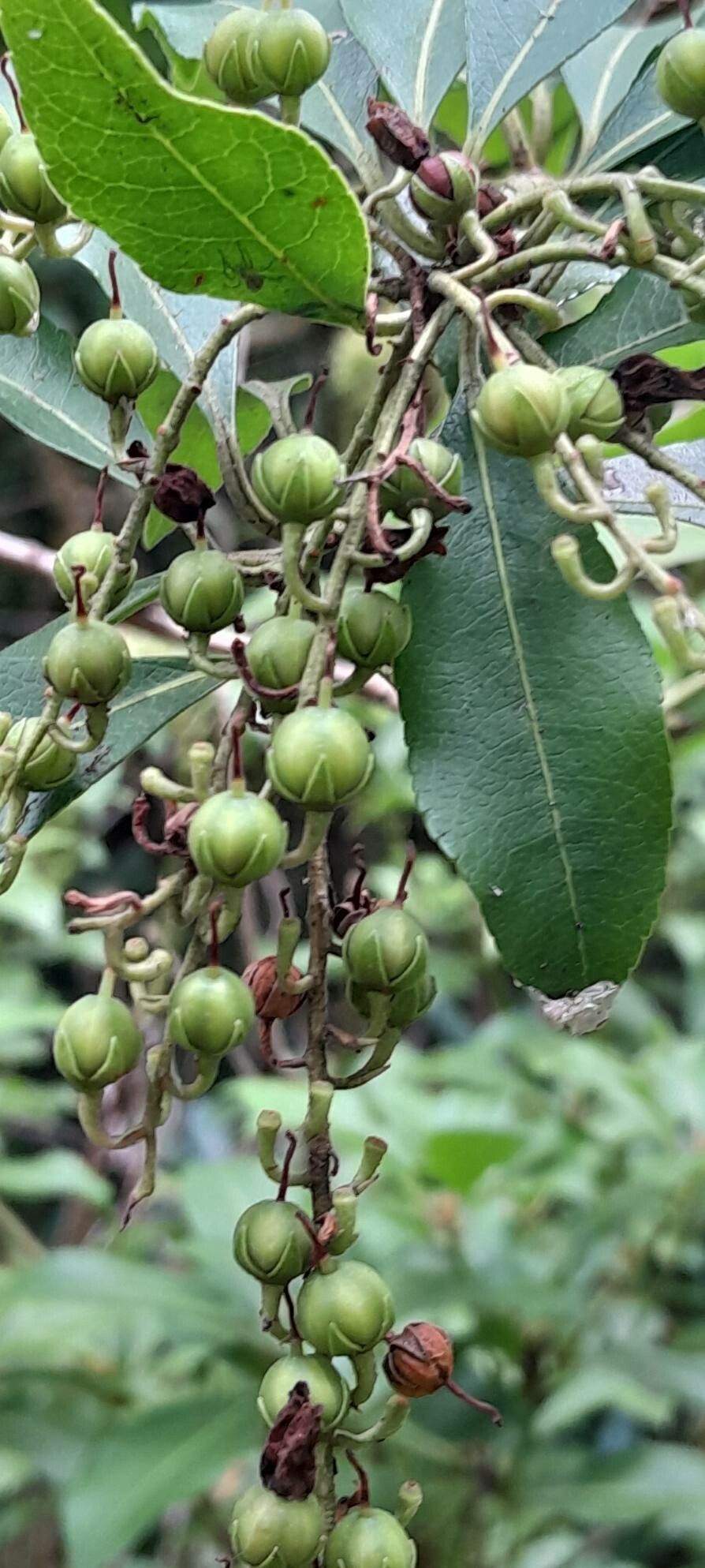
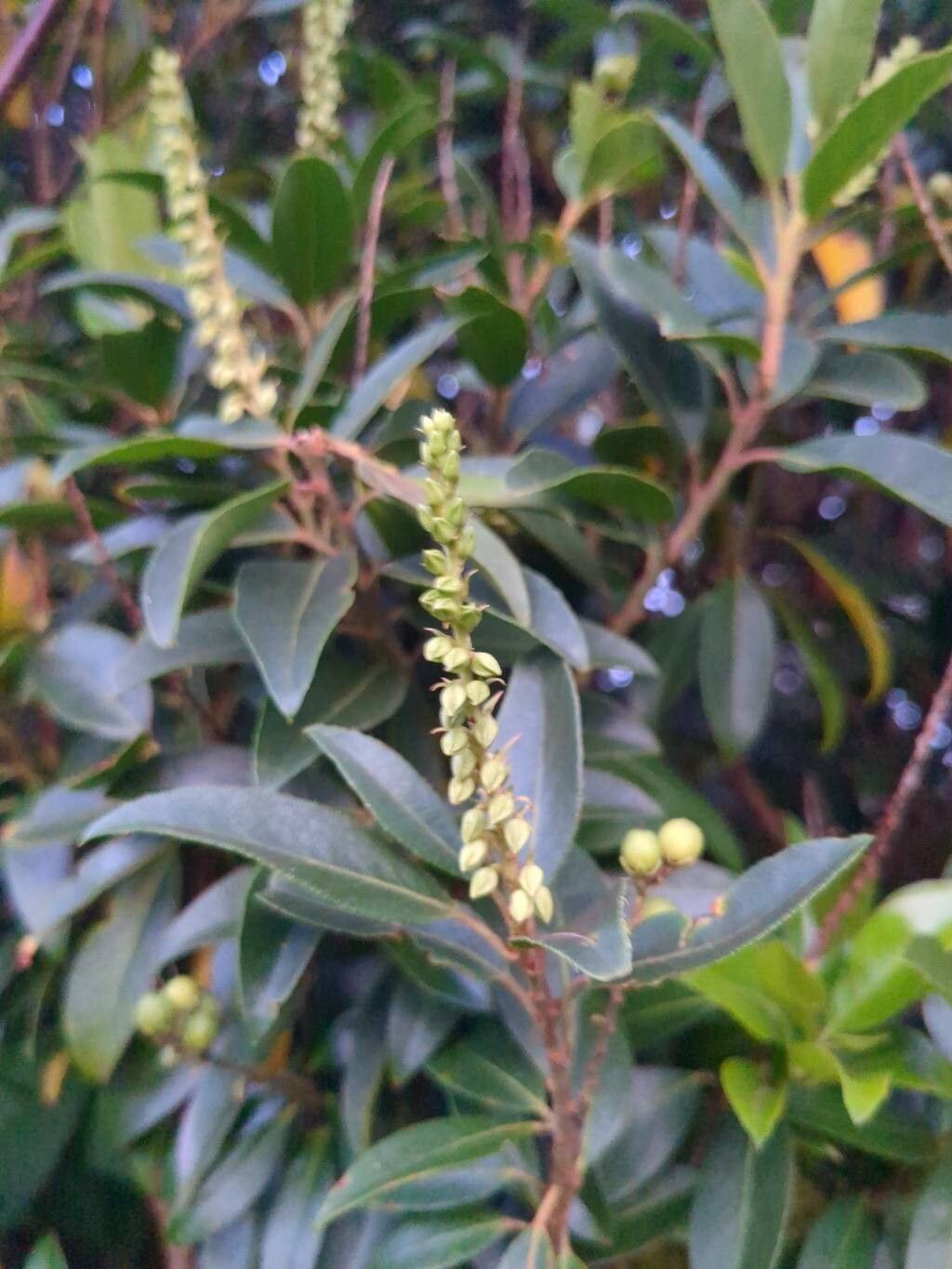
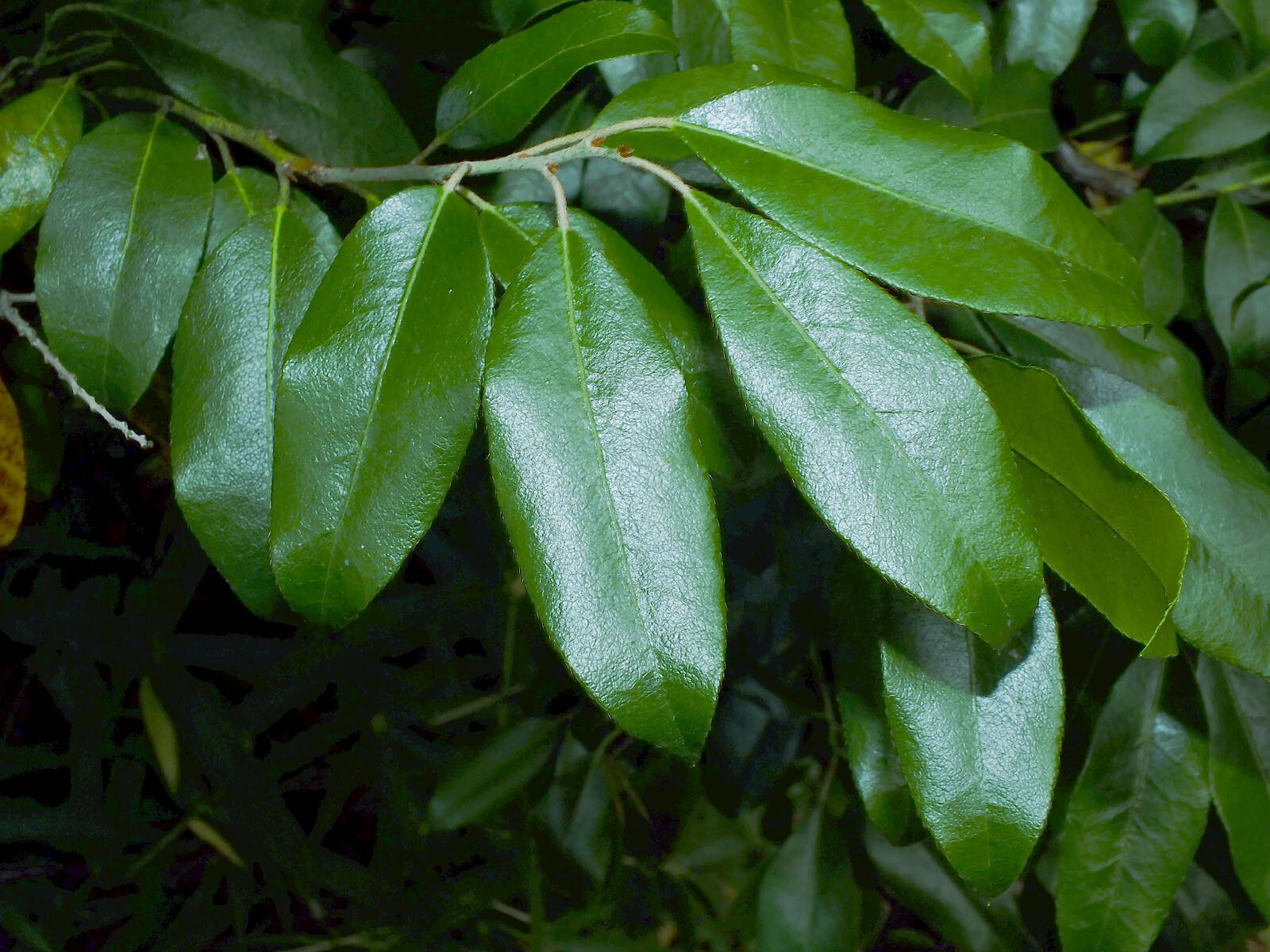
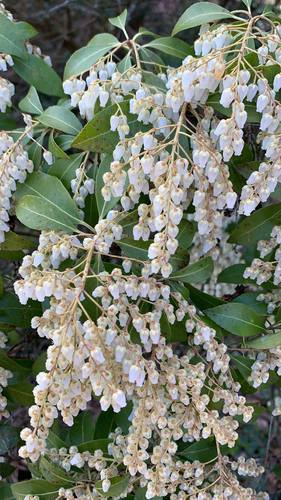
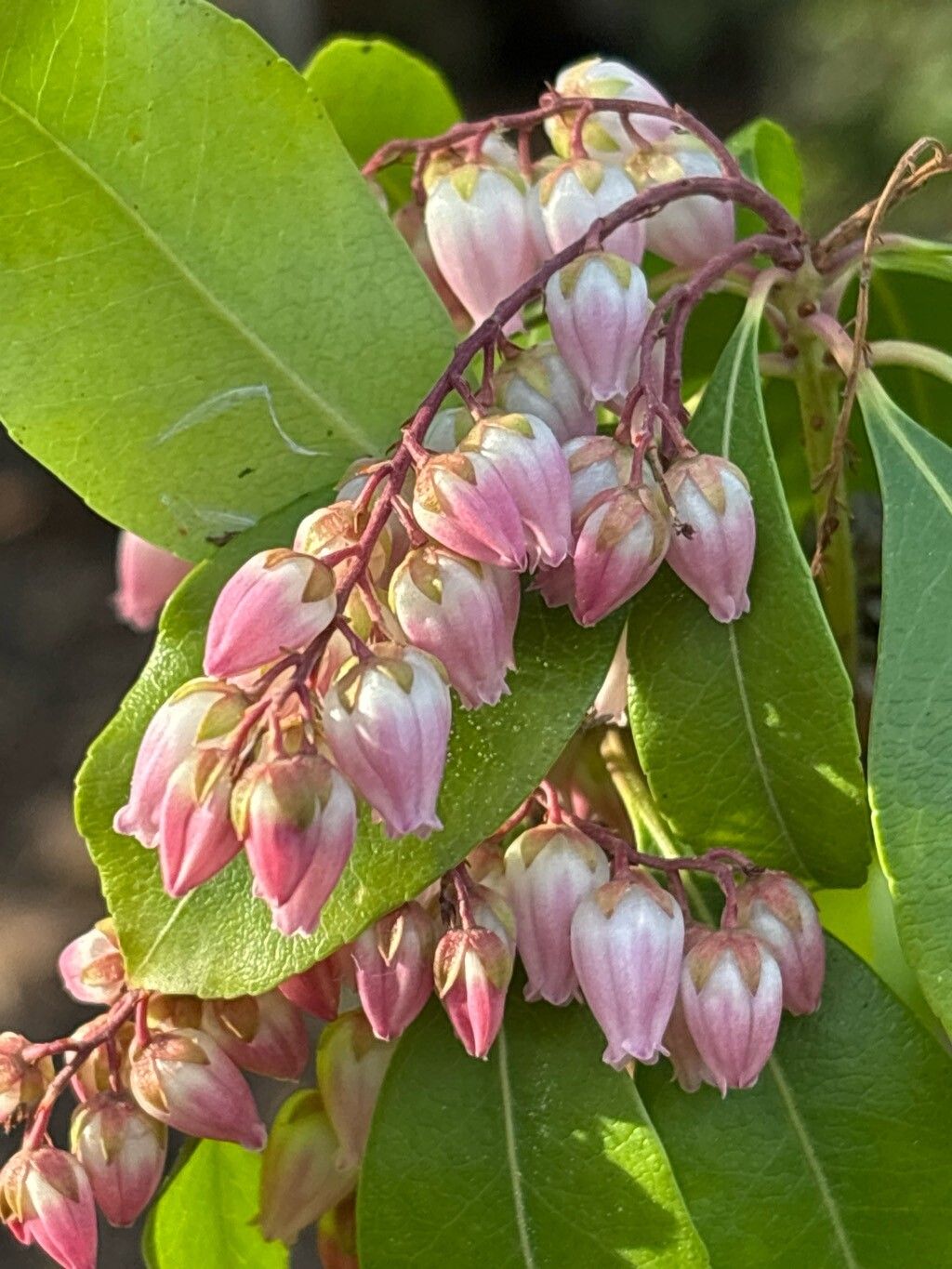
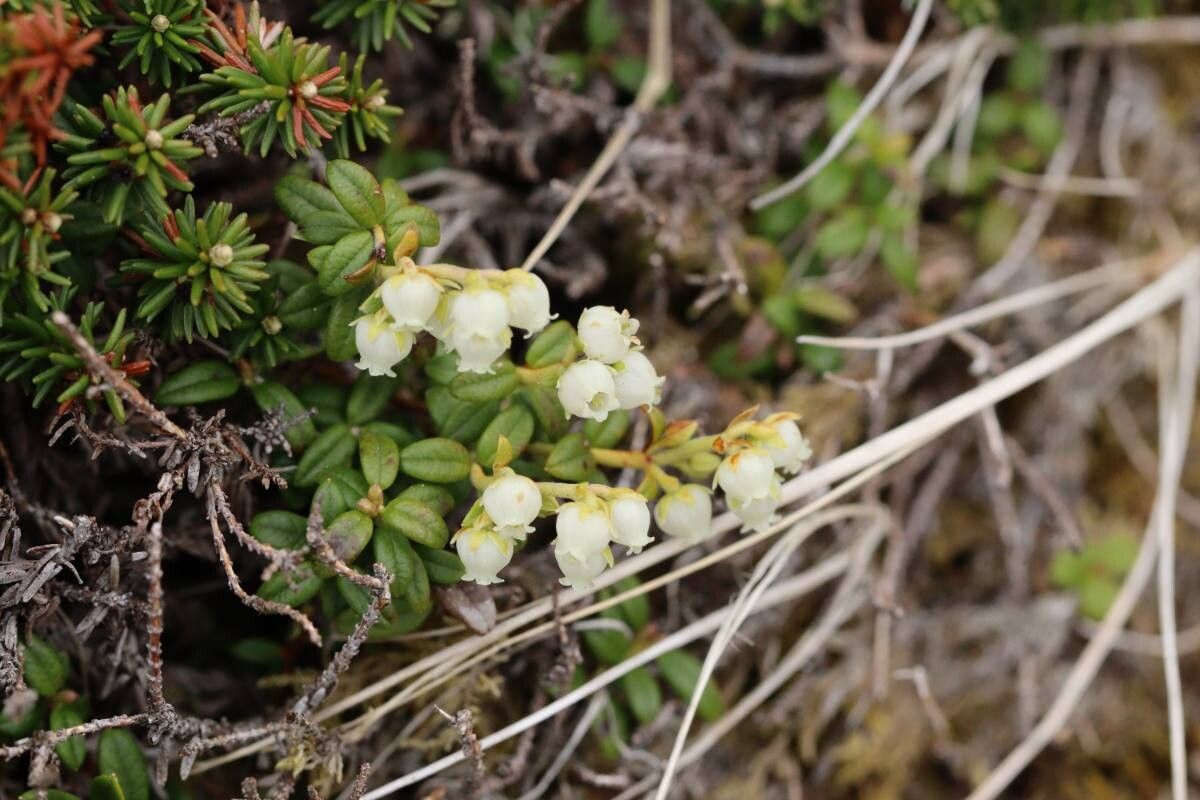
Pieris floribunda, commonly known as mountain fetterbush or mountain andromeda, is a small evergreen shrub in the Ericaceae family. Native to the eastern regions of Asia, including Japan and China, this plant typically grows up to 6 feet tall and 4 feet wide, with a dense, bushy habit.
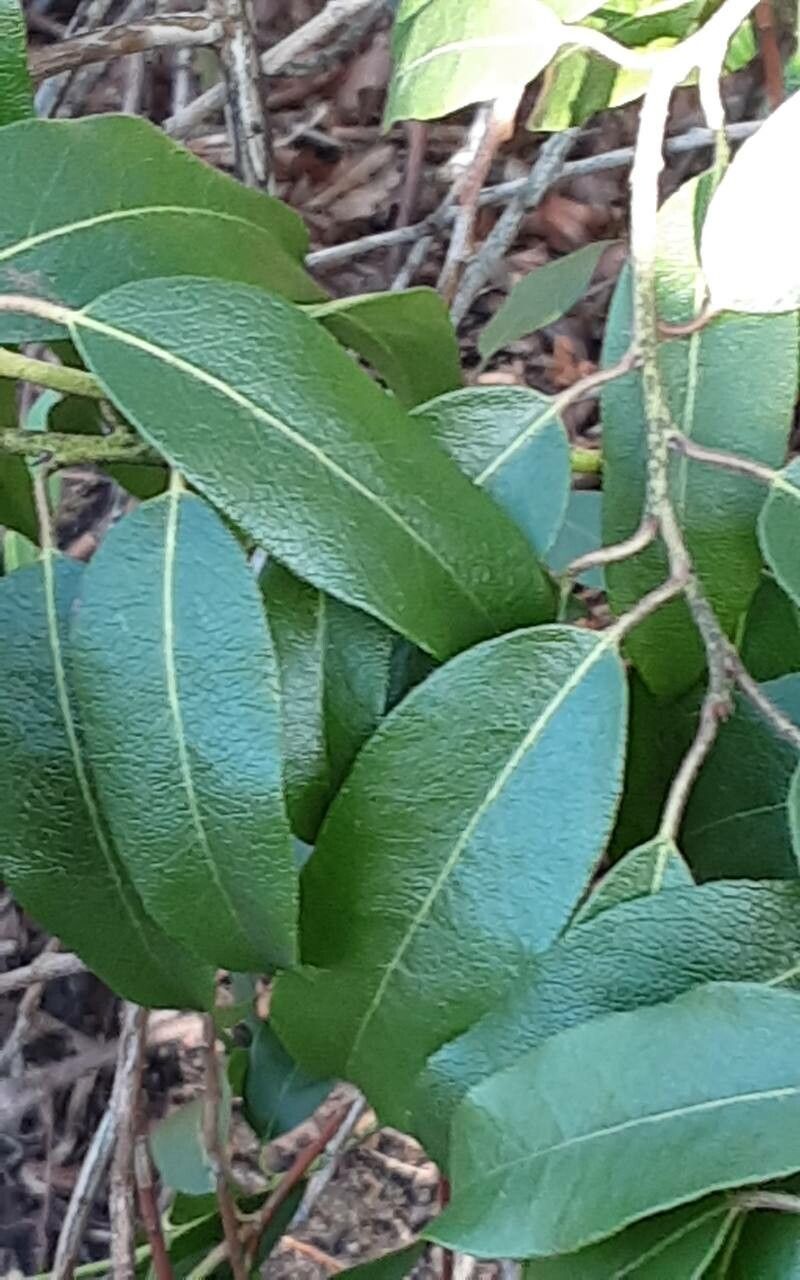
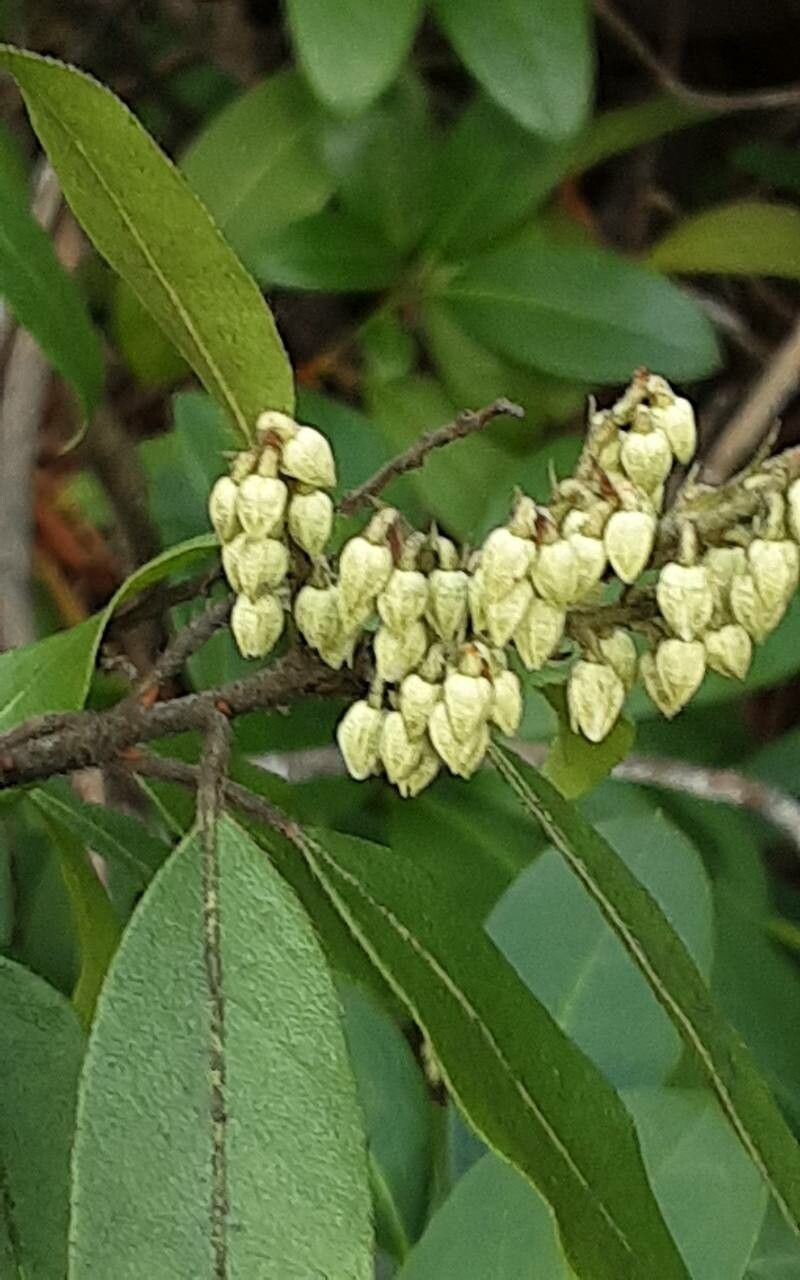
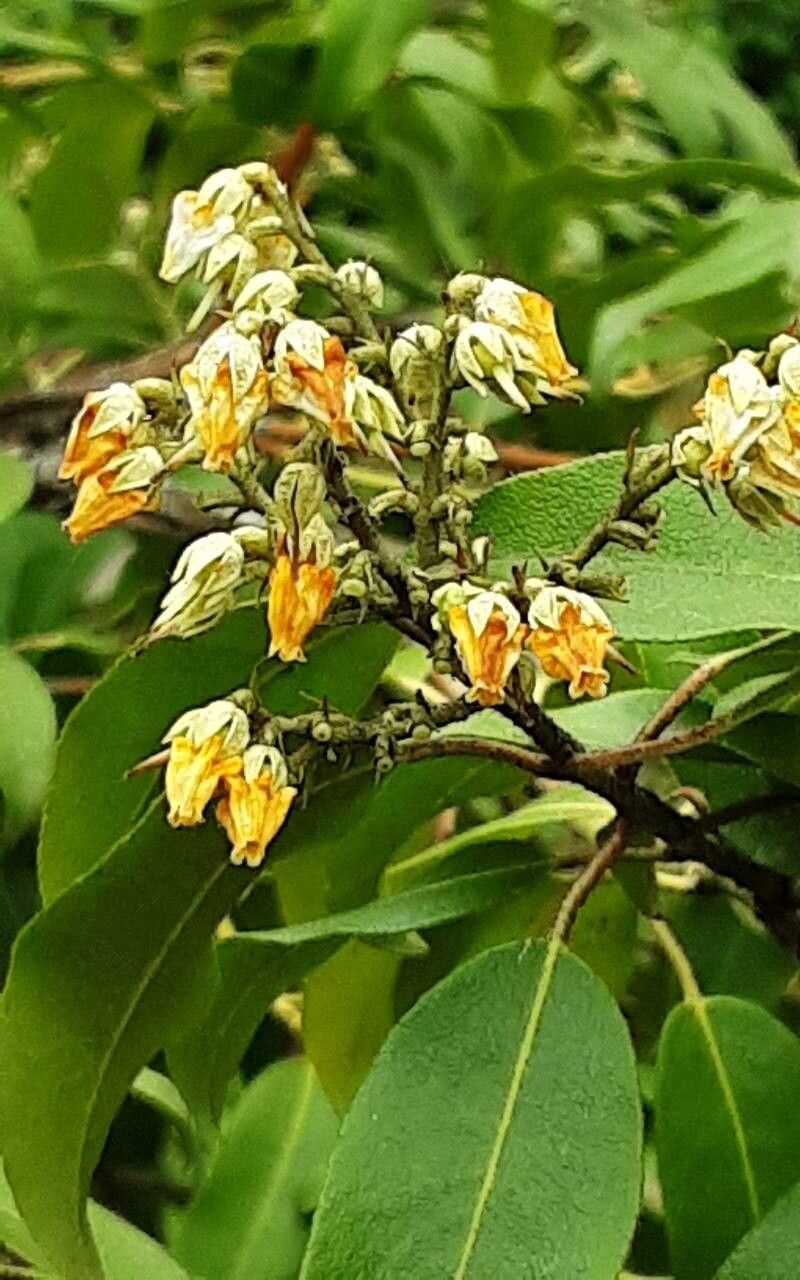
The leaves of Pieris floribunda are glossy dark green, with serrated edges. In spring, the plant produces clusters of small white or pink bell-shaped flowers that hang in pendulous racemes from the branches. These highly fragrant flowers attract bees and other pollinators.
Pieris floribunda prefers well-draining, acidic soil that remains moist. While it thrives in partial shade, it can tolerate full sun if provided with adequate moisture. The plant is relatively low-maintenance but requires regular pruning to maintain its shape.
In traditional medicine practices in Japan and China, Pieris floribunda has been used for its anti-inflammatory properties and for treating respiratory ailments such as asthma and bronchitis.
Overall, Pieris floribunda is an attractive ornamental shrub that enhances any garden or landscape with its beauty and offers potential medicinal benefits when used appropriately by trained professionals.
Mountain fetterbush is resistant to disease and generally not susceptible to illnesses. In terms of care, this plant is fairly low-maintenance. When grown outdoors it needs little watering, and larger plants typically do not require pruning. Smaller plants, however, should be pruned after they finish blooming. Mountain fetterbush is suitable for anyone with an outdoor area, such as a garden or a deck, and does not call for extensive care experience.
How to keep Pieris Floribunda.
Light
Mountain fetterbush naturally occurs in places like forest understories and rocky sites, where it grows in natural shade. It prefers partial sun but can adapt to full sun or full shade, reflecting its adaptable and hardy nature.
Water
Mountain fetterbush thrives in humid, mountainous environments and requires consistent moisture to flourish. When cultivated, it should be watered every two weeks. As an evergreen plant, the mountain fetterbush keeps its foliage all year long, so it's important to manage its water carefully during the growing season to maintain its lush appearance.
Temperature
Mountain fetterbush is highly adaptable to a wide range of climates, from sweltering summers to frosty winters. Still, it prefers a specific temperature range for optimal growth. Very high temperatures subject the plant to heat and humidity stress, which can be fatal. In locations where temperatures approach its cold-tolerance limit, providing insulation to protect the plant is necessary.
Fertilizer
The timing of fertilizing Mountain fetterbush is important. Fertilize in early spring and continue once a month until early summer. Fertilizer encourages attractive blooms and supplies energy during both dormant and active growth phases.
Pruning
The mountain fetterbush is an evergreen shrub admired for its beautiful foliage and flowers. To maintain its health and appearance, prune it in late spring, right after it finishes flowering. During pruning, focus on removing dead branches and thinning out crowded areas to improve airflow. Avoid heavy pruning in the autumn to protect the plant from frost damage. Proper pruning will enhance its aesthetics, promote healthy growth, and reduce the risks of pest infestations.
Pot & Repot
Repot mountain fetterbush every 2 to 3 years in early spring to encourage growth. Choose a larger container with good drainage. After repotting, keep the soil moist and well-draining, and place the plant in partial shade to help it recover. Regular repotting supports lush foliage and healthy flowering.
Botanical profile.
- Plant Type
- Shrub
- Life Cycle
- Perennial
- Genus
- Pieris
- Family
- Ericaceae
- Hardiness Zone
- 5-8
- Mature Height
- 1.22 m to 1.83 m
- Mature Spread
- 0.91 m to 1.22 m
- Leaf Color
- Green
- Leaf Type
- Evergreen
- Flower Color
- White
- Flower Size
- 7.62 cm to 15.24 cm
- Bloom Time
- Early spring, Mid spring
- Planting Time
- Spring, Summer, Autumn
- Harvest Time
- Mid summer, Late summer, Early fall
Other names.
Reader questions.
What are the sunlight requirements for Mountain fetterbush?
Mountain fetterbush requires about 3-6 hours of sunlight daily, considered as partial sun, but it can also thrive in full sun or full shade, which means it needs more than 6 hours of sunlight. It's crucial to observe how sunlight moves through your garden to find the ideal spot that offers a good balance of light and shade, ensuring the plant's well-being.
What is the natural habitat of Mountain fetterbush?
Native to forest understories and rocky areas, Mountain fetterbush is accustomed to natural shade. This versatile perennial herbaceous plant prefers partial sun but is also capable of thriving in full shade, showcasing its adaptability.
How to use artificial lighting for Mountain fetterbush indoors?
Indoor Mountain fetterbush plants need adequate lighting, especially when natural sunlight is insufficient. Using artificial lights like LEDs can promote faster, healthier growth. For full sun plants, 30-50W/sq ft is recommended; partial sun plants need 20-30W/sq ft, and full shade plants require 10-20W/sq ft. The light source should be placed 12-36 inches above the plant, ensuring it mimics natural sunlight for 8-12 hours per day.
What are the symptoms of insufficient light in Mountain fetterbush?
Symptoms include small or lighter-colored new leaves, leggy or sparse growth, faster leaf drop, slower or halted growth, chlorosis, sunscald, leaf curling, wilting, and leaf scorching. These indicate the plant is not receiving the right amount of light, either too little or too much, affecting its growth and health.
What are the solutions for light-related issues in Mountain fetterbush?
Indoors, gradually shift the plant to sunnier spots or use artificial light for at least 8 hours daily. Outdoors, move plants to the optimal sunlight spot gradually to prevent sunburn. Reduce obstructions like trees by pruning, and for smaller plants, consider transplanting during their dormant period to a sunnier location with good drainage. It's important to understand that parts of the plant affected by insufficient light may not recover fully, but new growth should be healthy with appropriate light adjustments.