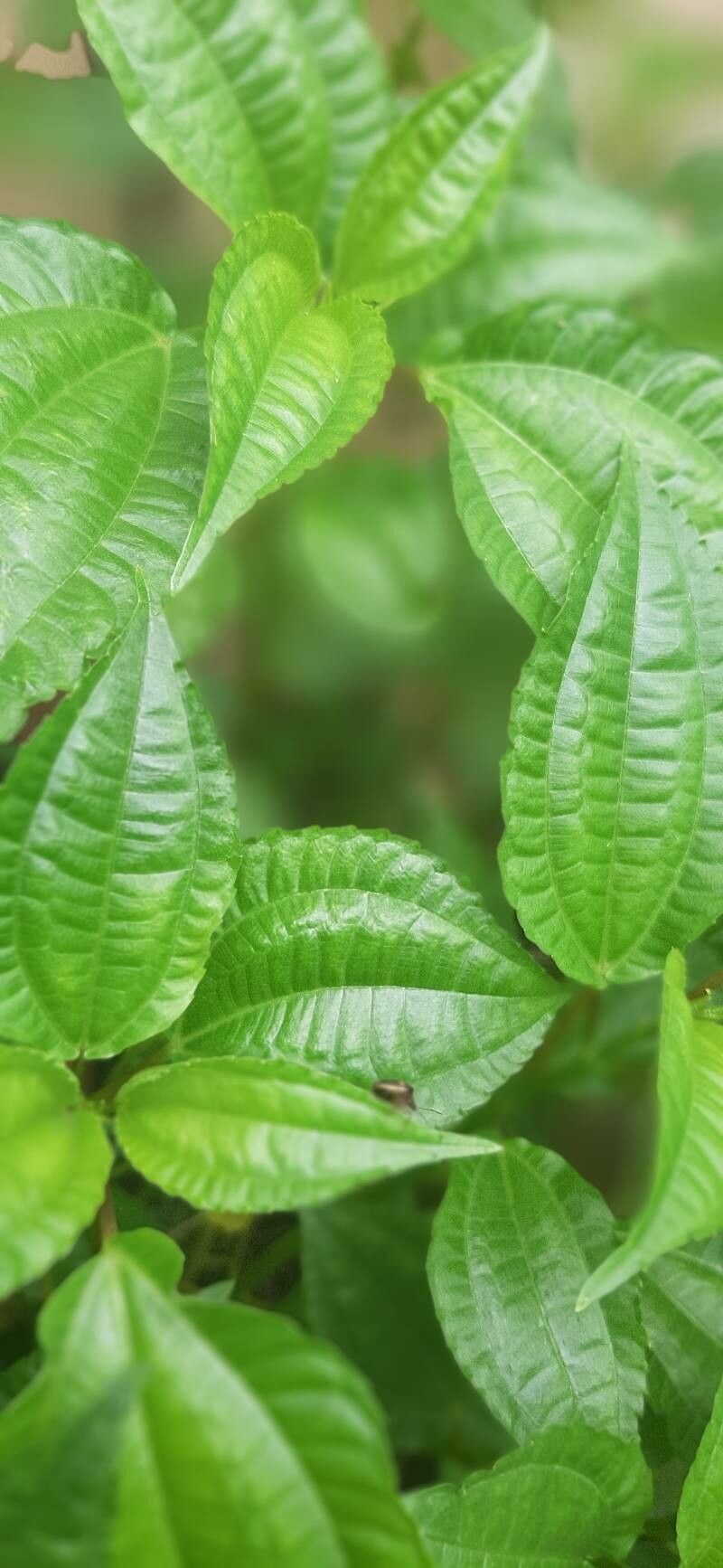
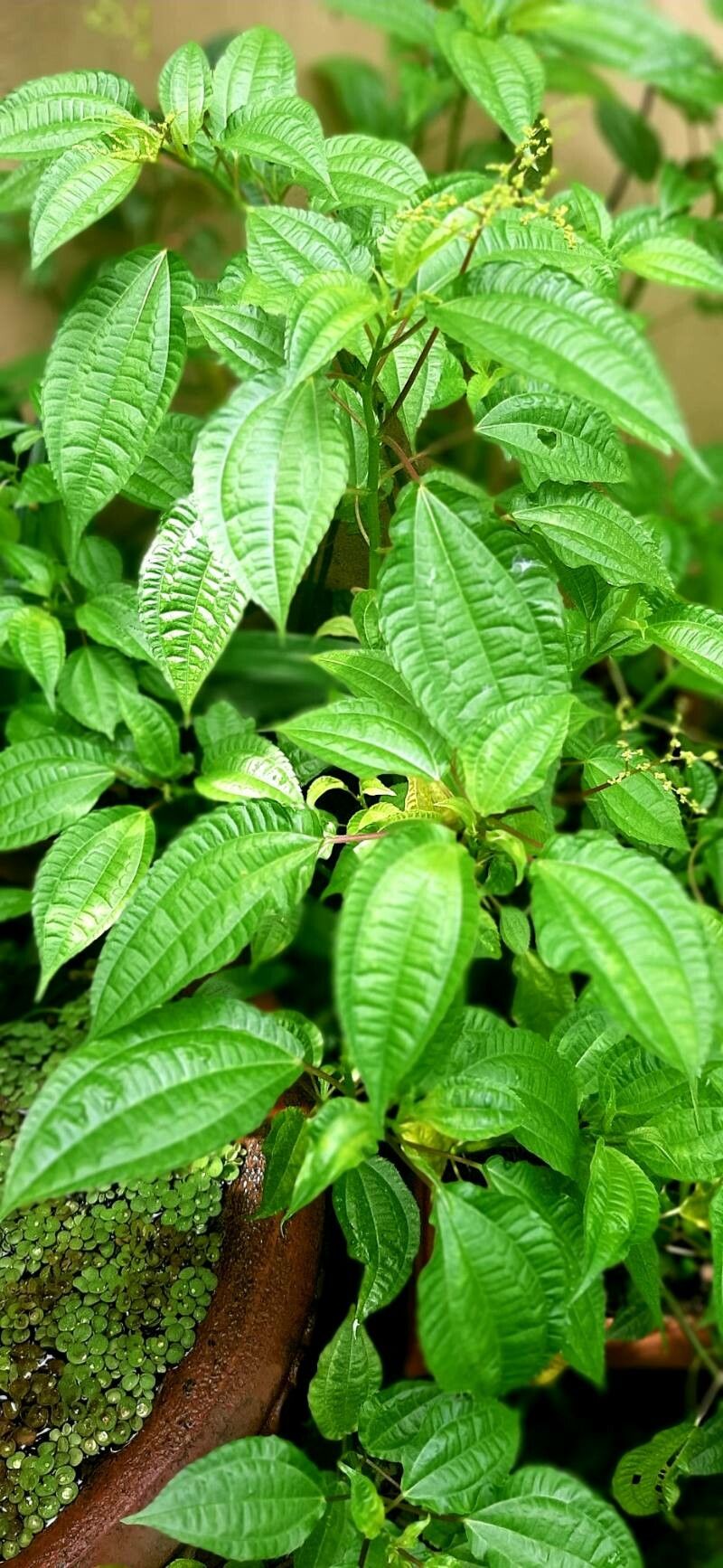
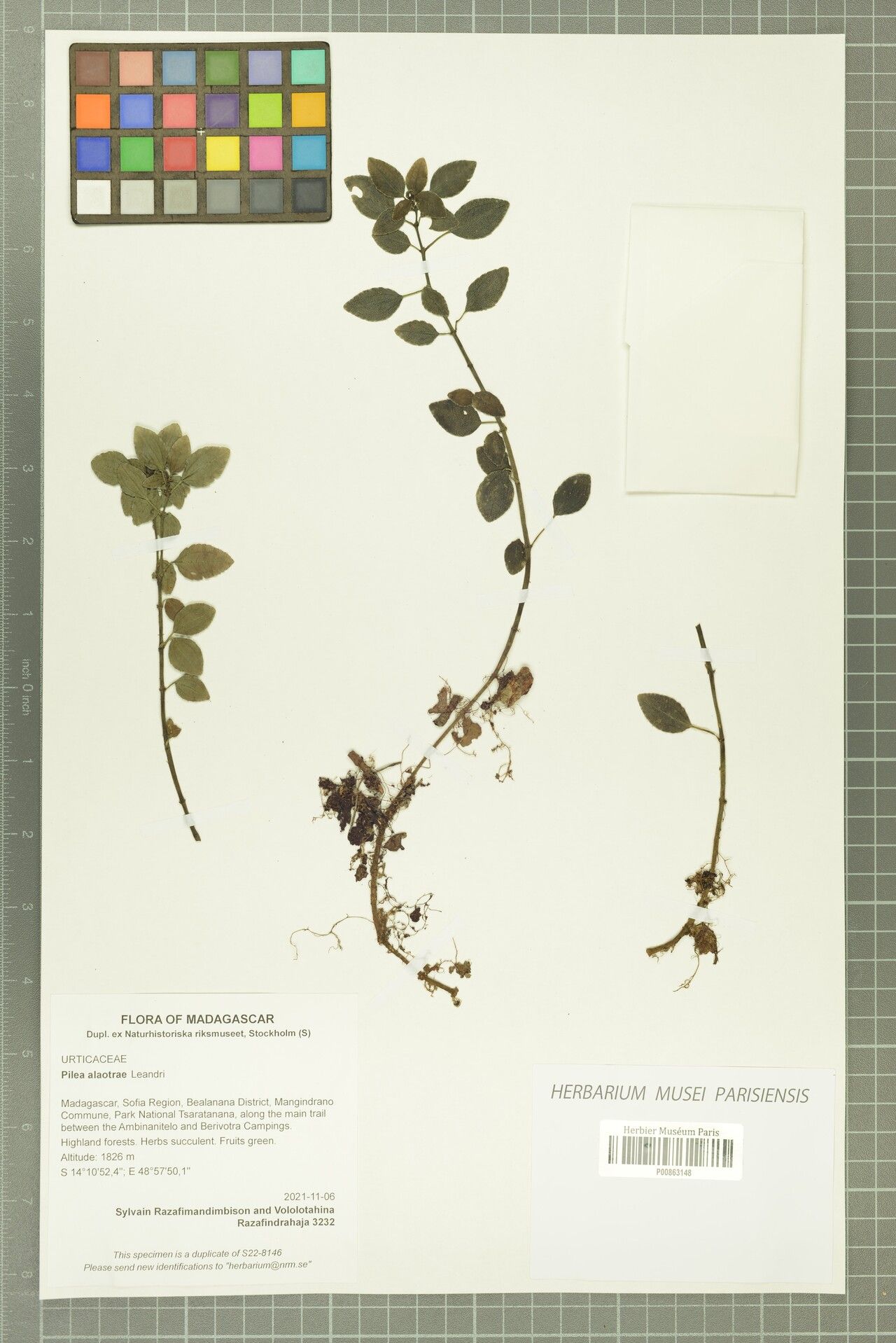
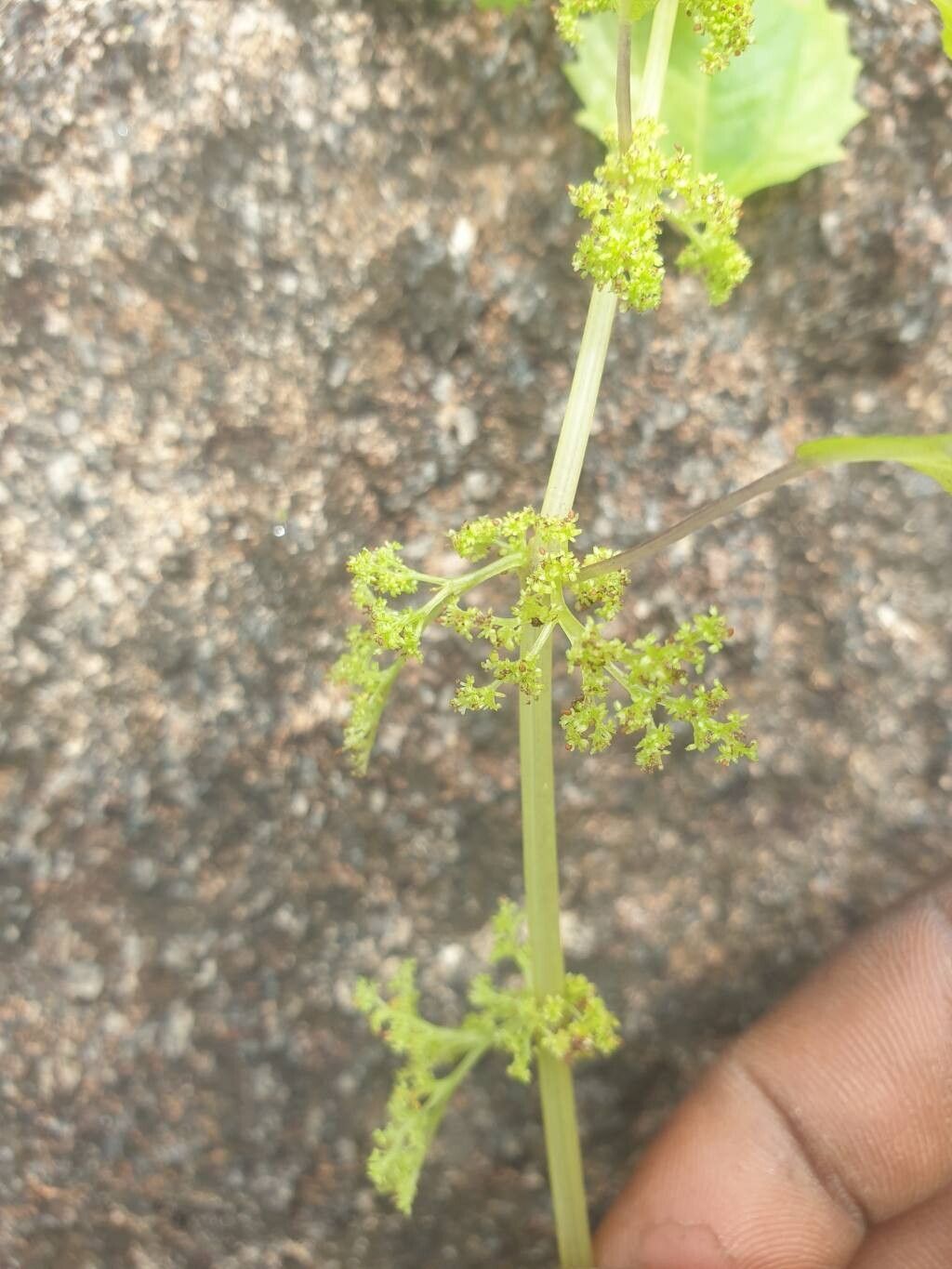
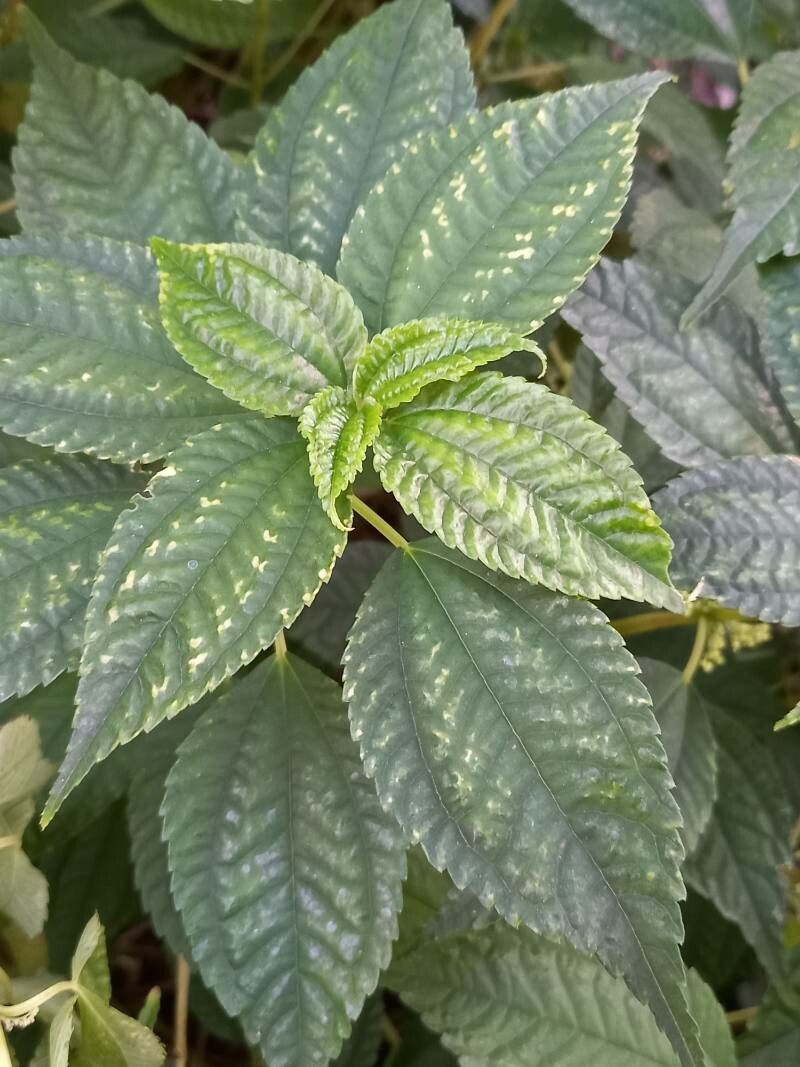
Pohpohan leaves have moderate resistance to disease but can be prone to issues like leaf spot. Their vulnerability to insect pests varies by variety, though most are not highly pest-resistant. Regarding care, Pohpohan leaves require regular watering and fertilization and frequent removal of yellow leaves. It is important to manage pests and diseases as they occur and to harvest the plant promptly. Pohpohan leaves are appropriate for people who can spare some time and energy for regular upkeep.
How to keep Pilea Melastomoides.
Light
Pohpohan leaves come from habitats like forest understories or rocky areas with natural shade. They do best in partial sunlight but can also tolerate full sun when necessary. This adaptability lets them thrive under different amounts of sunlight.
Water
Pohpohan leaves thrive in consistently moist soil and high humidity, making them ideal for indoor environments. To ensure optimal moisture, water them weekly, as they have consistent water needs typical of evergreen plants. While they have moderate drought tolerance and can adapt to some variations in water availability, their lush foliage depends on maintaining regular moisture levels.
Temperature
Pohpohan leaves prefer moderate temperatures, similar to what people usually find comfortable. They do best in conditions that are neither too hot nor too cold. The main problem with high temperatures is the chance of sunburn, so offering some shade in summer is recommended to prevent excessive heat. When temperatures fall, Pohpohan leaves become dormant. If you want continuous growth, you must keep temperatures higher during winter. Frost can injure the plant and should be avoided.
Fertilizer
To achieve maximum yield, Pohpohan leaves benefit from regular applications of a balanced fertilizer, especially one high in nitrogen. Apply fertilizer before planting, at planting, and when seedlings are 2 inches tall. Adding compost or manure also gives a steady supply of nutrients. Insufficient soil nutrients cause underdeveloped leaves and stems, poor flavor, thin stems, and can lead to a bitter taste.
Pruning
Pohpohan plants have large, textured leaves and require regular maintenance to stay healthy and attractive. It's best to prune them from early to late spring, focusing on removing any damaged leaves and overgrown branches. This not only helps in maintaining their shape but also promotes healthy growth. Always use sanitized tools for pruning to prevent the spread of disease. After pruning, ensure the plants receive adequate watering and nutrients to maintain their optimal health and appearance.
Botanical profile.
- Plant Type
- Herb, Shrub
- Life Cycle
- Perennial
- Genus
- Pilea
- Family
- Urticaceae
- Hardiness Zone
- 10-12
- Mature Height
- 2.13 m
- Mature Spread
- 30 cm to 49 cm
- Leaf Color
- Green
- Leaf Type
- Semi-evergreen
- Flower Color
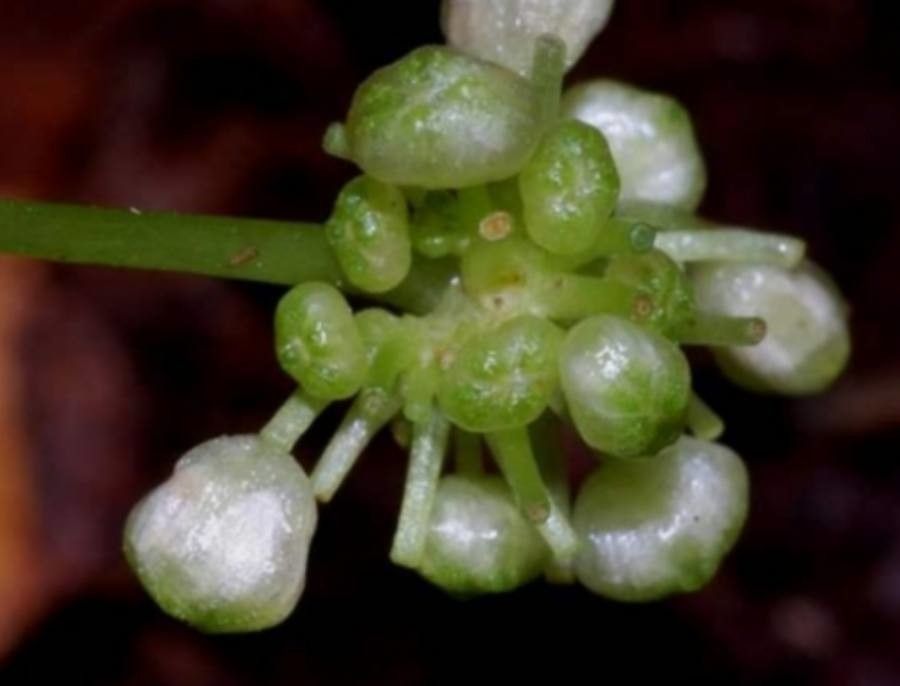
- White
- Flower Size
- 15.24 cm to 33.53 cm
- Bloom Time
- Mid spring, Late spring, Summer, Early fall
- Planting Time
- Spring, Summer
- Harvest Time
- Summer, Fall
- Native Area
- Sri Lanka, India, Indonesia, Vietnam, Myanmar, Philippines, Bangladesh, Laos, China